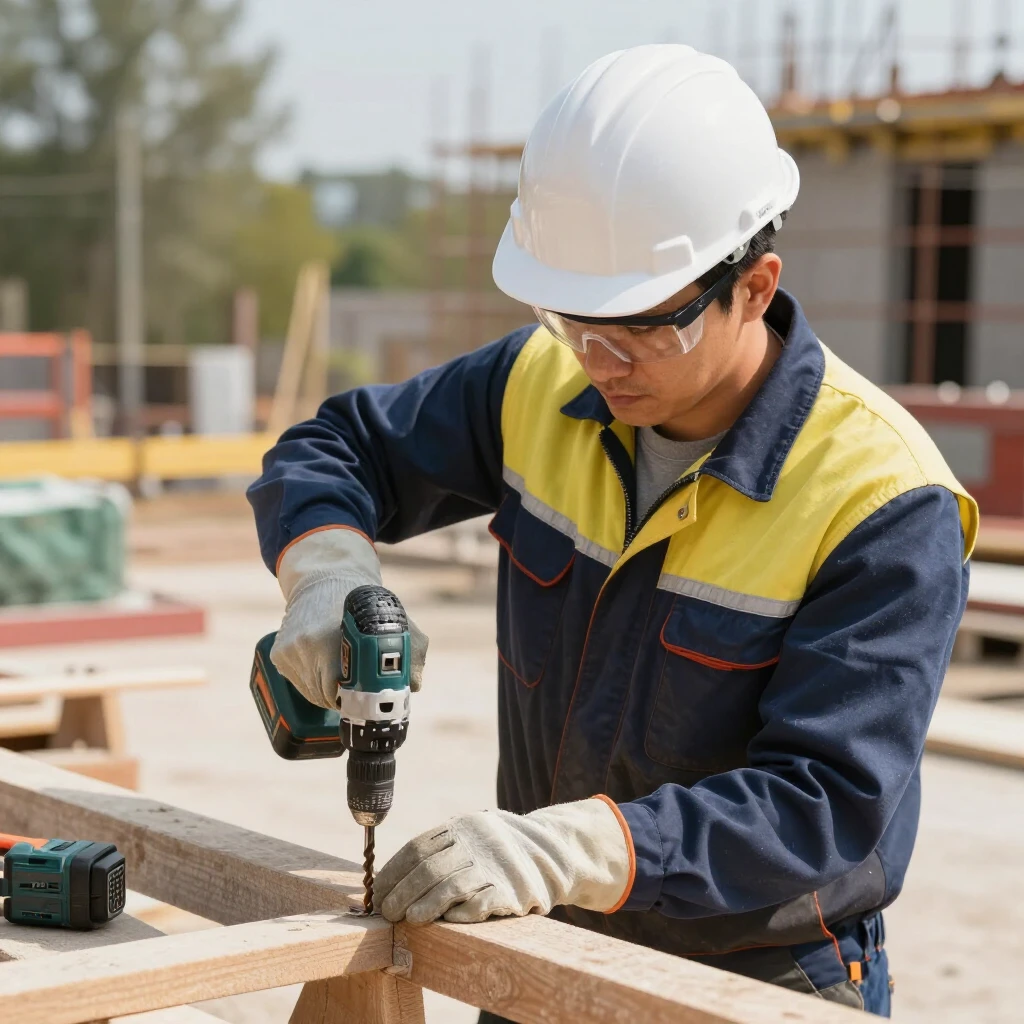
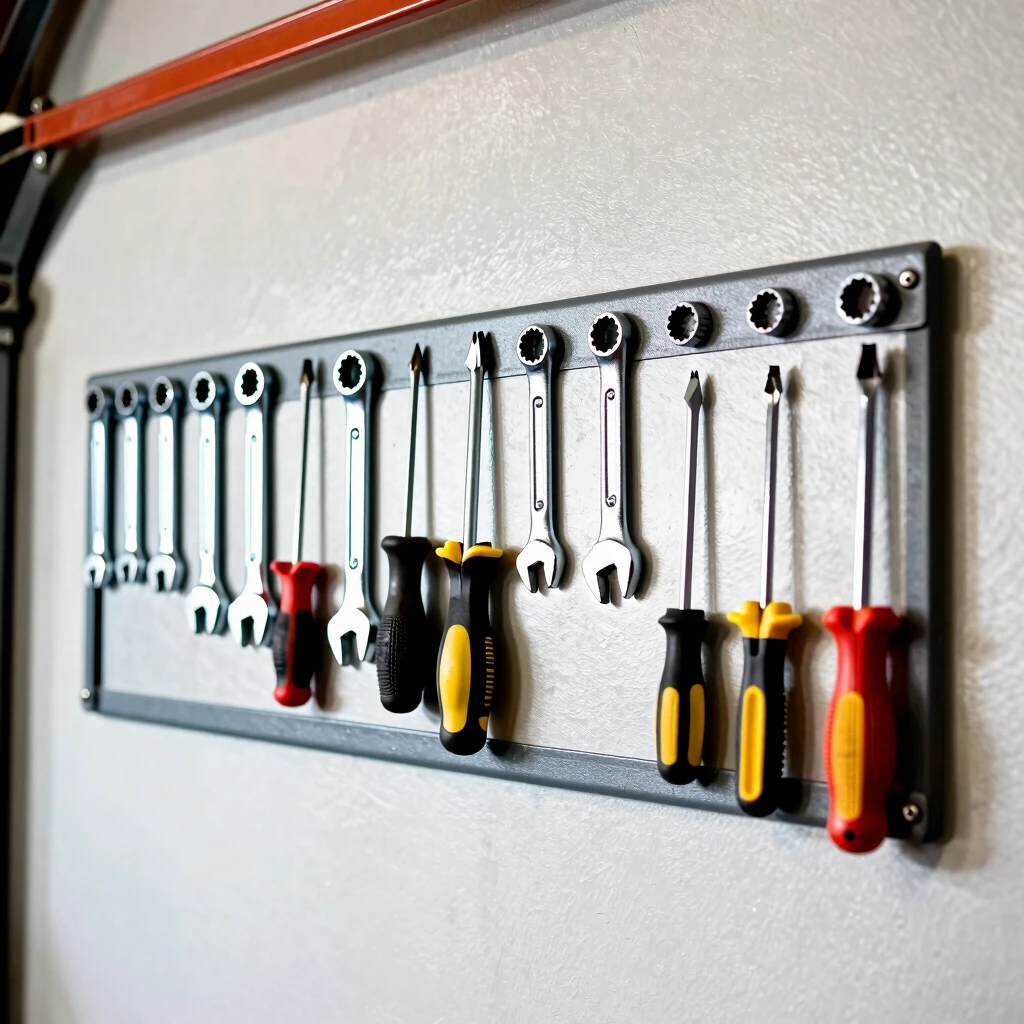
Keeping your power tools in top shape isn't just about extending their life—it's about making your projects safer and more enjoyable. Proper maintenance helps your power drills and other tools perform at their best every time you pick them up.
Why Maintenance Matters
I've been tackling home projects for over 15 years, and I've learned the hard way that neglecting power tools leads to frustration. A dull drill bit or a dusty motor can turn a quick job into a headache. Regular care keeps everything running efficiently and prevents costly replacements.
Maintaining your power tools for peak performance starts with simple habits. You'll save time, money, and avoid accidents along the way.
Regular Cleaning: The Foundation of Tool Longevity
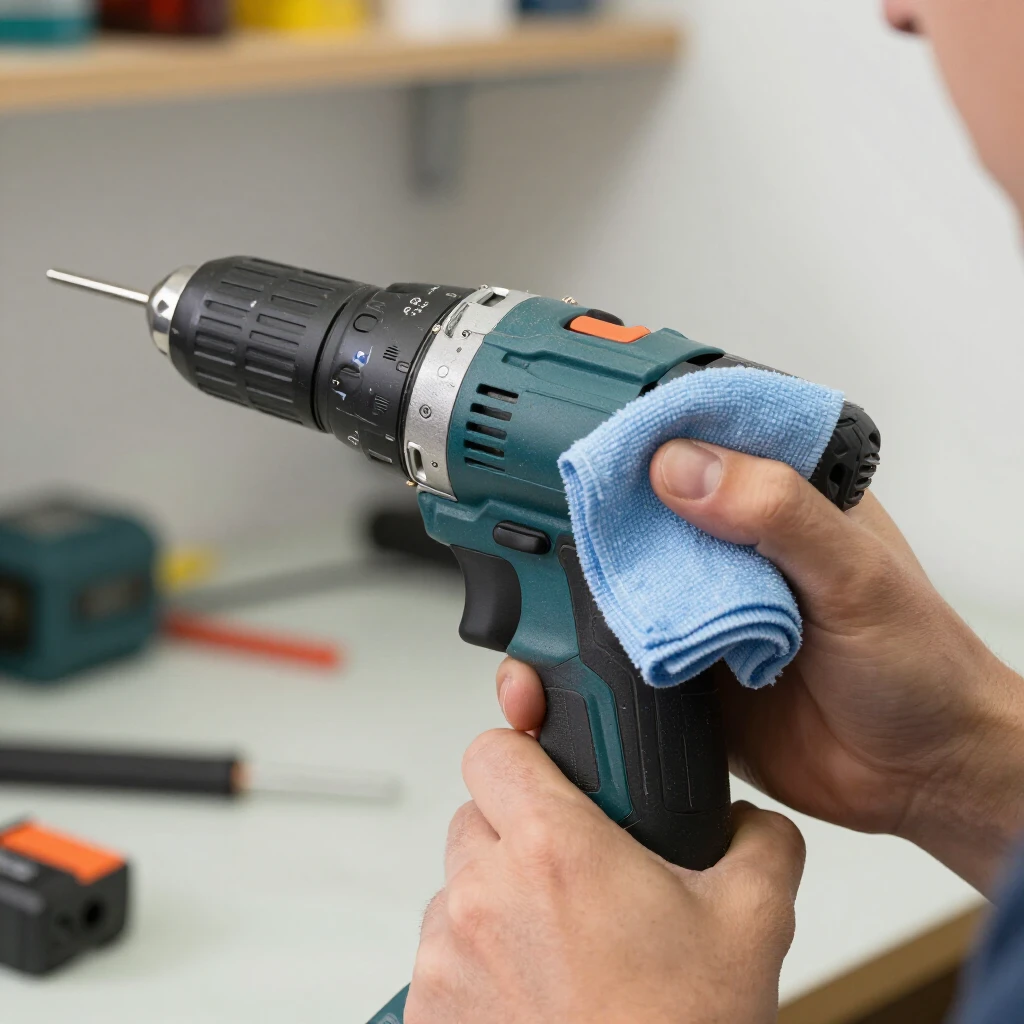
After every use, take a few minutes to clean your power tools. Dust and debris build up fast, especially on power drills.
Start by unplugging corded tools or removing batteries from cordless ones. Use compressed air to blow out vents and hard-to-reach spots. Wipe down the exterior with a damp cloth—never soak them.
For tougher grime, a soft brush works wonders. I once revived an old drill that was overheating just by thorough cleaning. It ran like new again!
Here's a quick cleaning checklist: - Blow out motor vents - Clean the chuck and bits - Wipe handles and cords - Remove resin from saw blades
Do this routinely, and your tools will thank you.
Inspection: Catch Issues Early
Before each use, give your power tools a quick once-over. Check cords for frays, batteries for damage, and moving parts for wear.
On power drills, spin the chuck by hand to feel for smoothness. Listen for unusual noises when running. Early detection saved me from a failing gearbox in my favorite drill last year.
Pay attention to brushes in brushed motors—they wear out over time. Many models let you replace them easily.
Lubrication and Sharpening
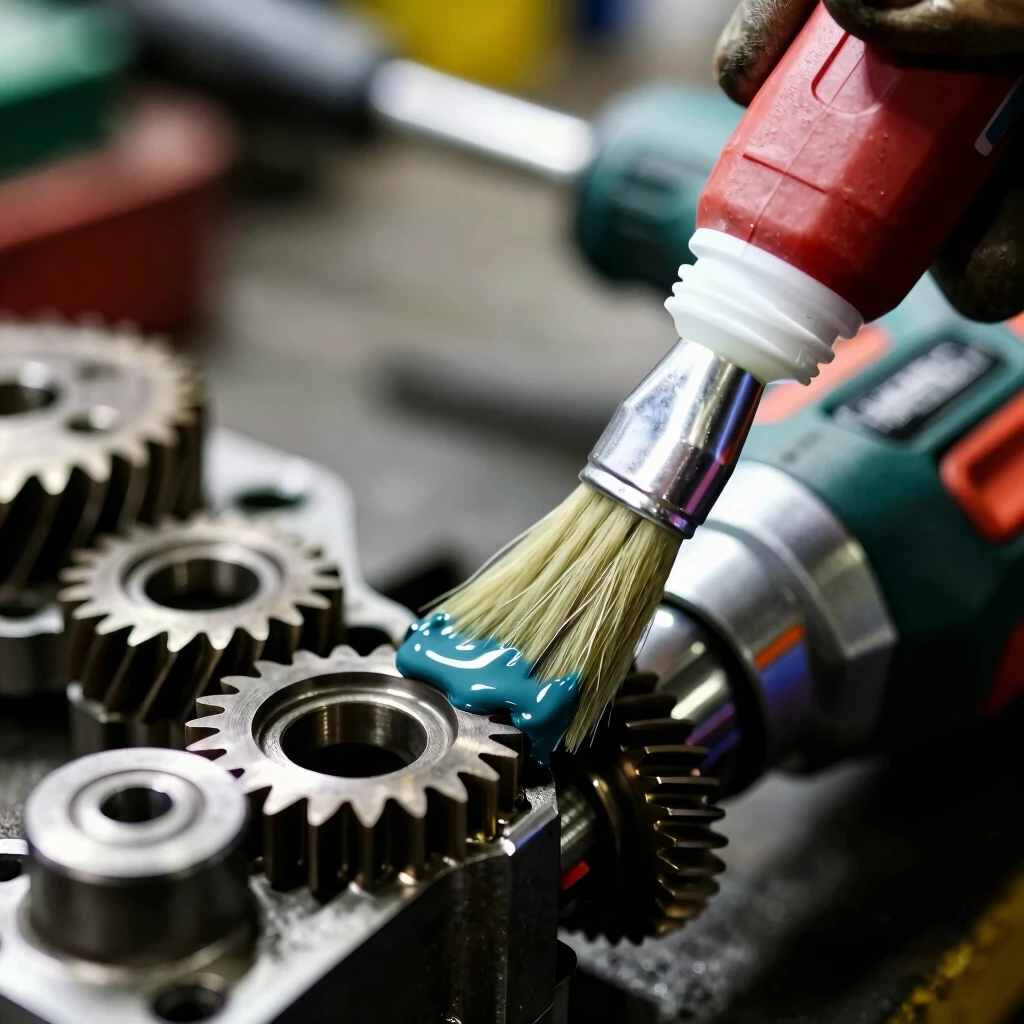
Some power tools need occasional lubrication. Follow your manual—overdoing it attracts dust.
For drills, a drop of oil on the chuck keeps it gripping tightly. Sharpen bits regularly; dull ones strain the motor.
I keep a simple sharpening stone handy. Sharp tools cut faster and reduce wear on the motor.
Battery Care for Cordless Tools
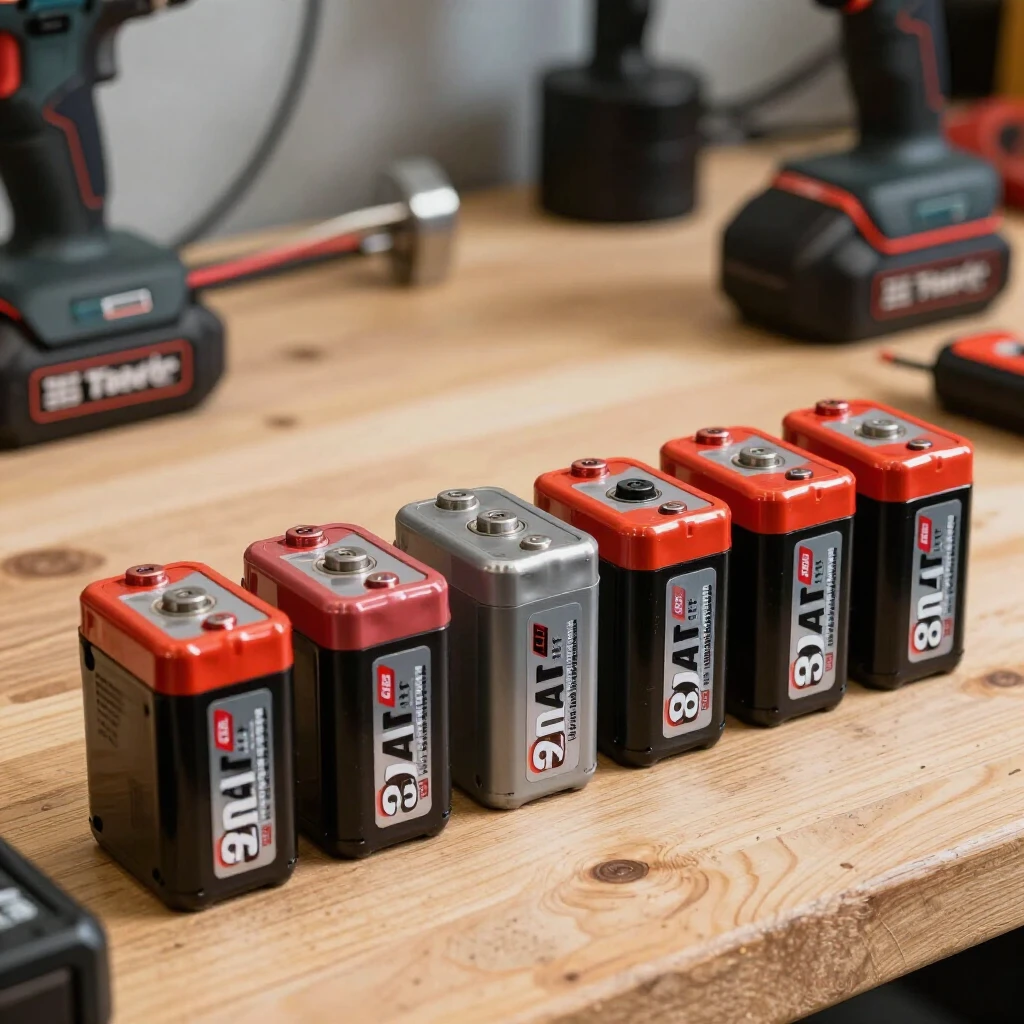
Batteries are the heart of modern power drills. Store them in a cool, dry place. Avoid full discharges if possible—many lithium-ion batteries last longer with partial charges.
Rotate batteries during use and charge them properly. I've extended battery life significantly with these habits.
The Best Attachments to Upgrade Your Power Drill
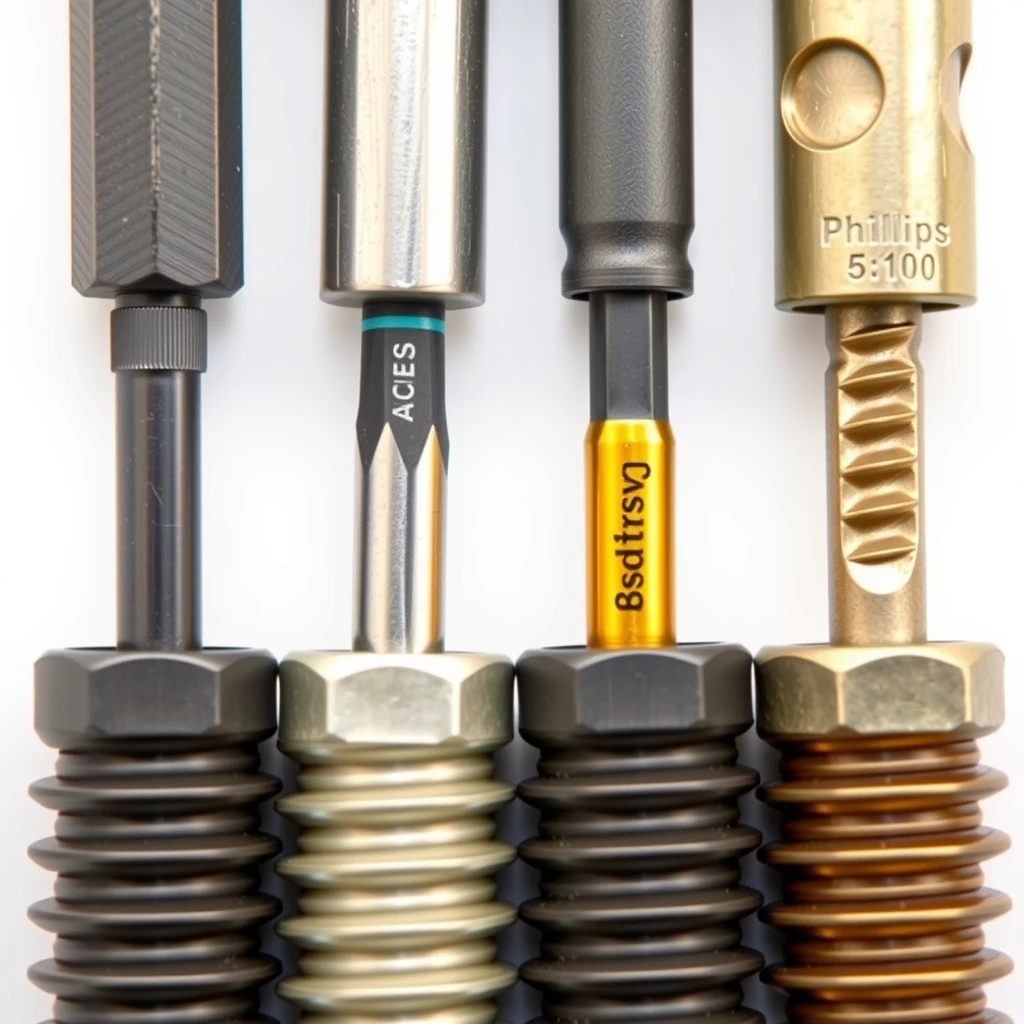
One way to get more from your power drills is investing in quality attachments. Power drills with multiple attachments turn a basic tool into a versatile machine.
Consider these top upgrades:
| Attachment | Best For | Why It Helps Performance |
|---|---|---|
| Right-angle adapter | Tight spaces | Reduces strain on drill |
| Hole saw kit | Large holes | Clean cuts without bogging down |
| Wire brush wheel | Rust removal | Fast cleaning on metal |
| Sanding drums | Finishing wood | Smooth results with less effort |
| Mixer paddle | Paint/stucco | Even mixing without overheating |
These attachments expand what your drill can do while protecting the tool from improper use.
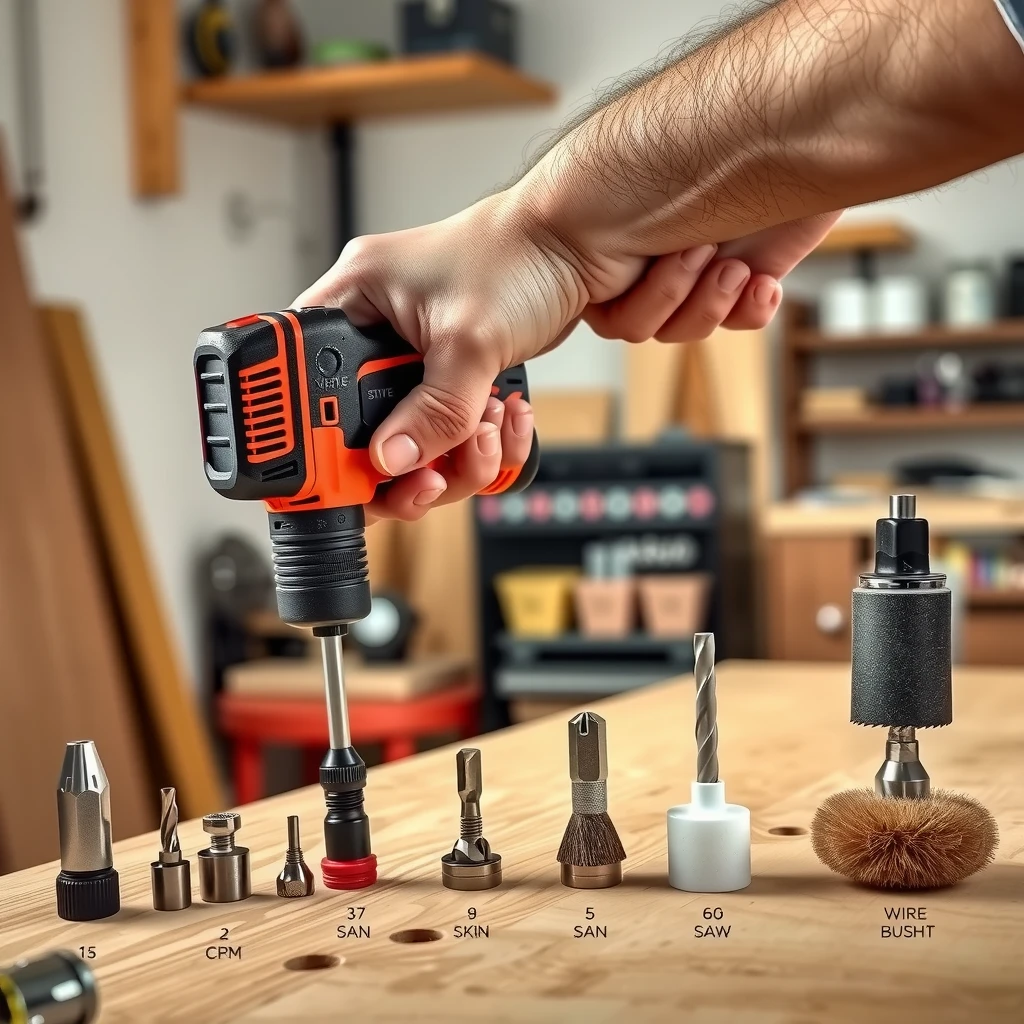
I added a flexible shaft attachment to my drill years ago—it reaches spots no regular drill can. Game-changer for furniture assembly.
Proper Storage Keeps Tools Ready
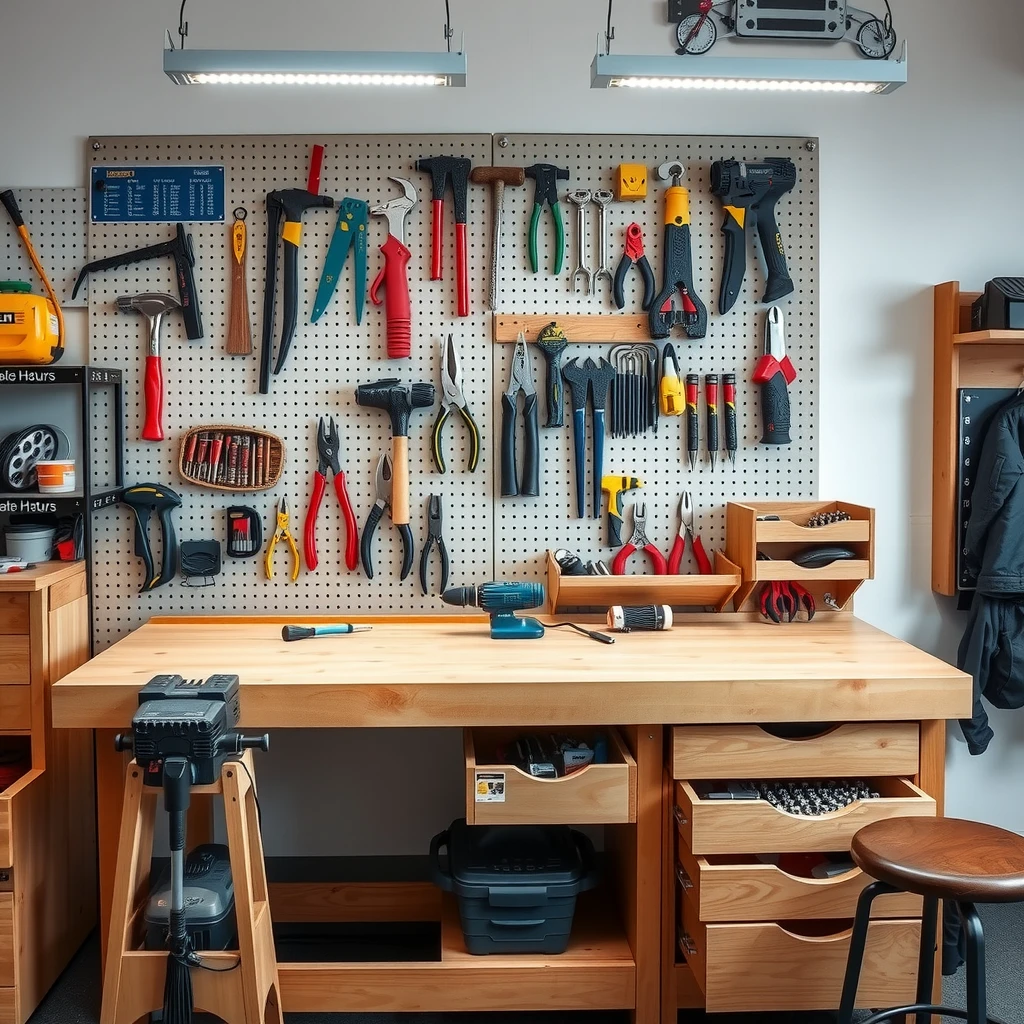
Store power tools in a dry, temperature-controlled space. Moisture causes rust, and extreme heat damages batteries.
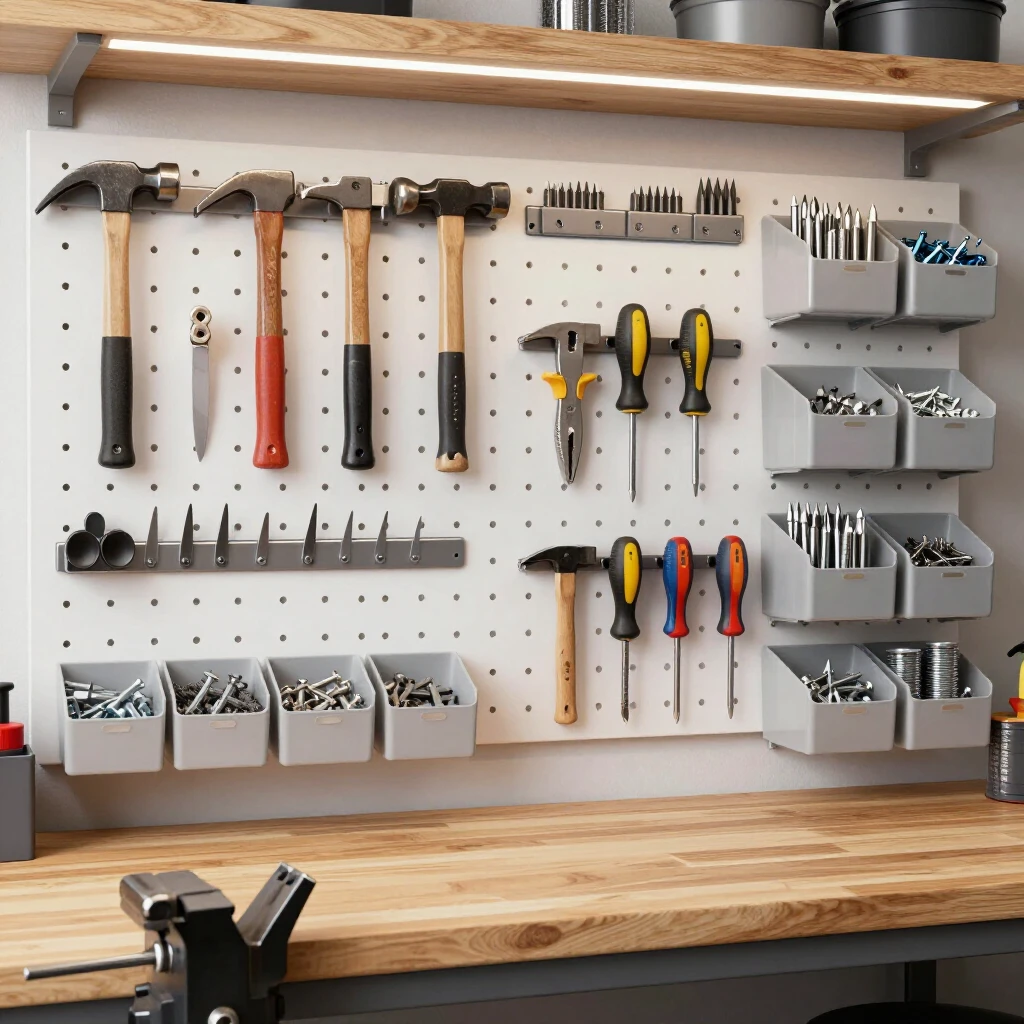
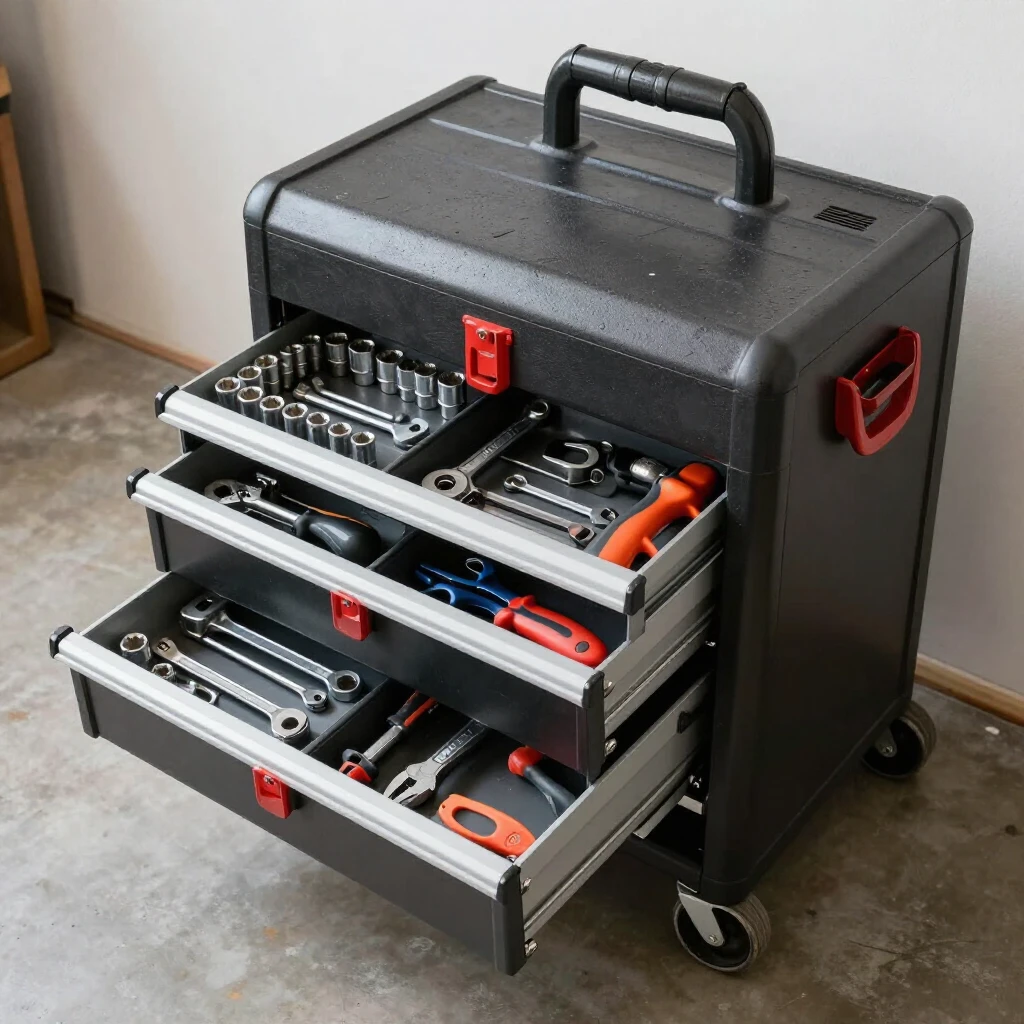
Use cases or dedicated shelves. Hang drills by their hooks if available. An organized setup makes maintenance easier too.
Avoid leaving tools in damp garages over winter. I lost a sander to rust once—lesson learned.
When to Seek Professional Help
Some issues need expert attention, like motor rewinds or complex repairs. Check warranty first. Sites like the manufacturer's support page often have guides.
In summary, maintaining your power tools for peak performance comes down to consistent cleaning, careful use, and smart storage. These steps keep your power drills and other tools reliable for years. Start small—clean after your next project—and build the habit. Your future self (and your wallet) will appreciate it.
Related Maintaining Your Power Tools for Peak Performance:
- Mastering Rotary Tools for Jewelry Making: Your Essential Guide
- How to Choose the Right Screwdriver for the Job
- Safety Best Practices for Electricians: Essential Tips to Stay Safe on the Job
- Setting Up Your Ideal Workbench: Tips and Tricks
- Key Features to Look for in Cordless Power Tools
- Top 10 Workman Tools Every Contractor Needs
- Building Outdoor Decks: Step-by-Step with Pro Tips
- Safety Practices in Home Electrical Repairs: A Comprehensive Guide
- Organizing Your Workbench for Maximum Efficiency: Tips and Strategies
- Top Workman Tools for Automotive Repairs You Need
- The Importance of Safety Training in Construction
- Garage Organization Hacks for Small Spaces