Overview
Organizing tools in a small workshop can transform a cluttered space into an efficient haven. With smart tool storage, you save time, reduce frustration, and work safer. This guide shares proven methods to maximize your limited area.
I've spent years tinkering in my own tiny garage workshop. At first, tools were everywhere—drawers overflowing, benches buried. I wasted hours hunting for a simple screwdriver. Then I focused on better organization, and everything changed. Projects flowed smoother, and I enjoyed the work more.
Why Organize Your Small Workshop?
In a small space, clutter builds fast. Poor organization leads to lost tools, accidents, and wasted time. Good tool storage keeps everything visible and reachable.
You finish projects quicker when you grab what you need instantly. Plus, it prevents injuries from tripping or reaching awkwardly.
According to OSHA guidelines on hand and power tools, proper maintenance and storage reduce hazards in the workplace. Keep tools clean and stored correctly to avoid risks.
Step 1: Declutter and Sort Your Tools
Start by emptying everything out. Sort into categories: hand tools, power tools, fasteners, and rarely used items.
Ask yourself: Do I use this often? Is it in good shape? Donate or sell duplicates and broken workman tools.
| Category | Examples | Storage Idea |
|---|---|---|
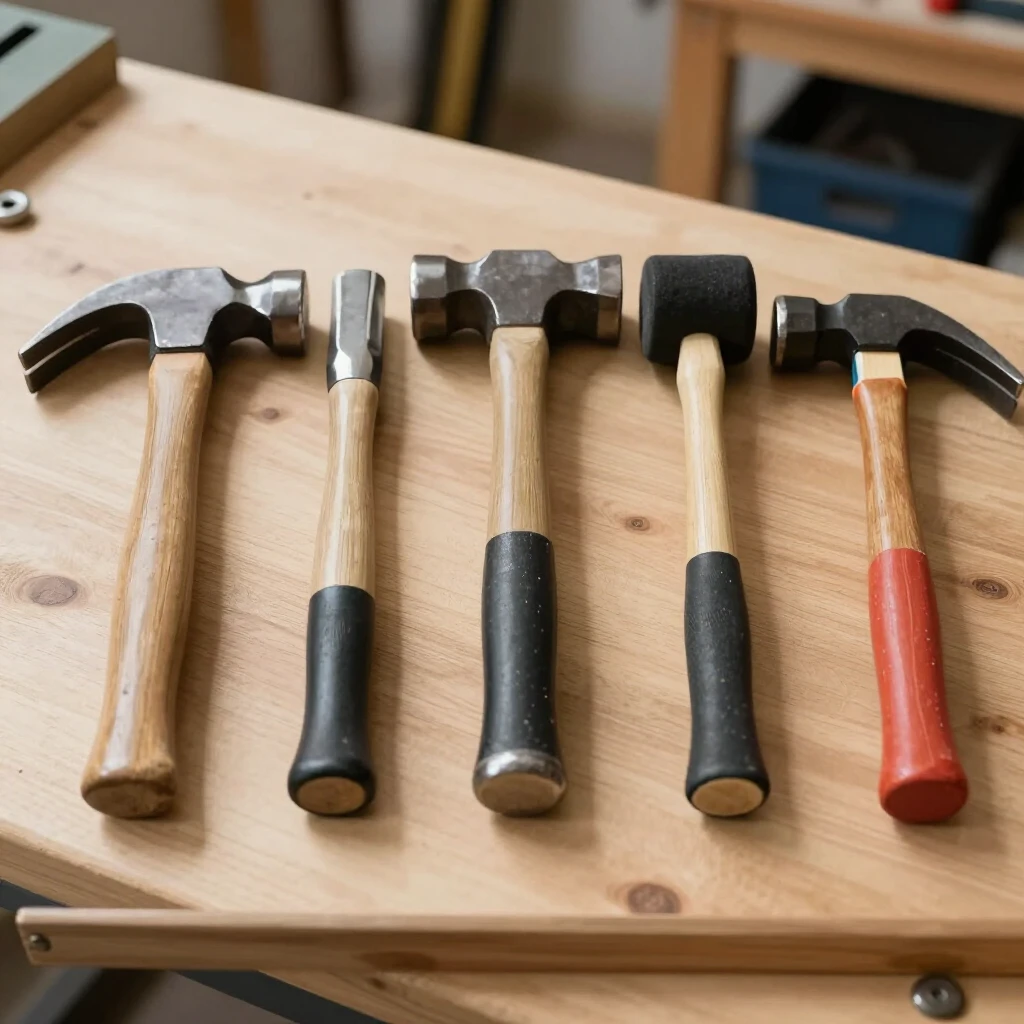
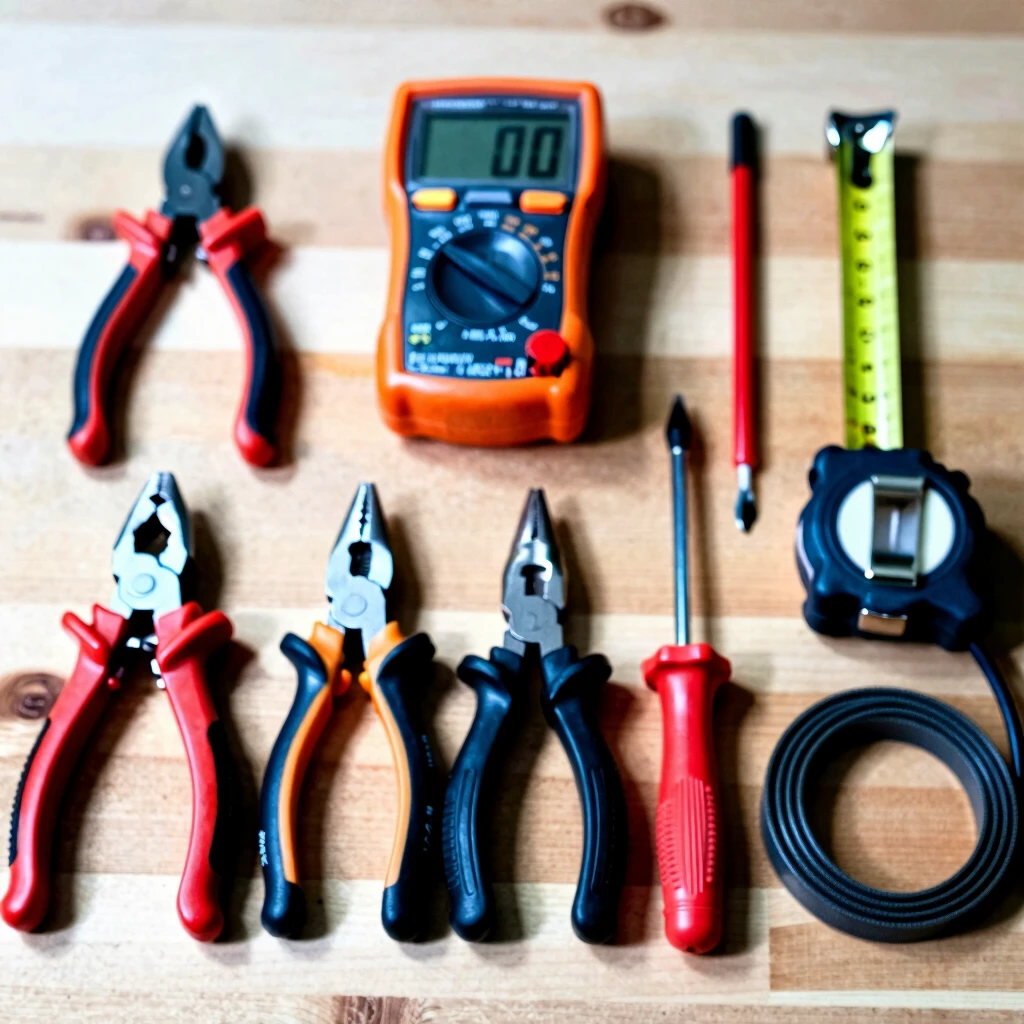
| Hand Tools | Screwdrivers, pliers, hammers | Pegboard or magnetic strips |
| Power Tools | Drills, saws | Shelves or dedicated cabinets |
| Fasteners | Screws, nails, bolts | Labeled bins or drawers |
| Measuring | Tapes, levels | Wall hooks |
This sorting step is key. In my experience, getting rid of extras freed up 30% more space right away.
Step 2: Use Vertical Space Wisely
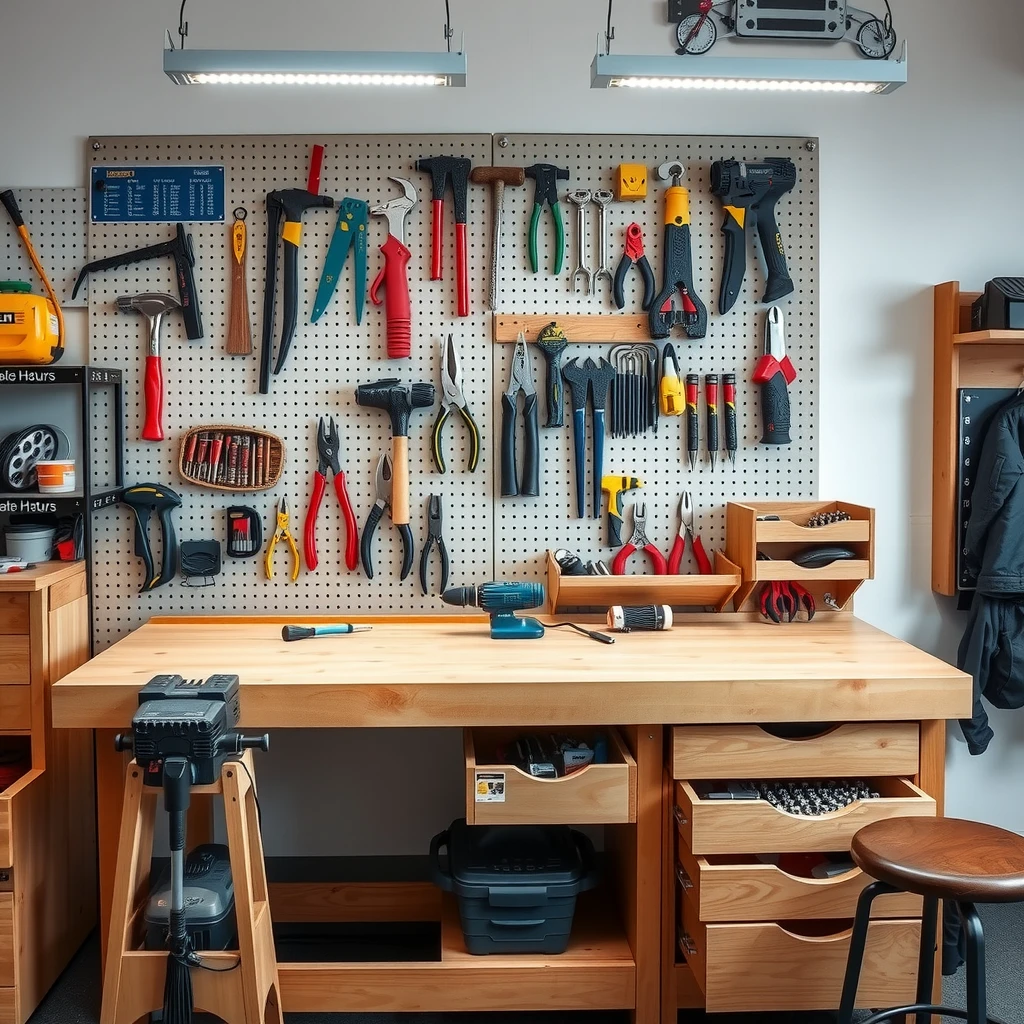
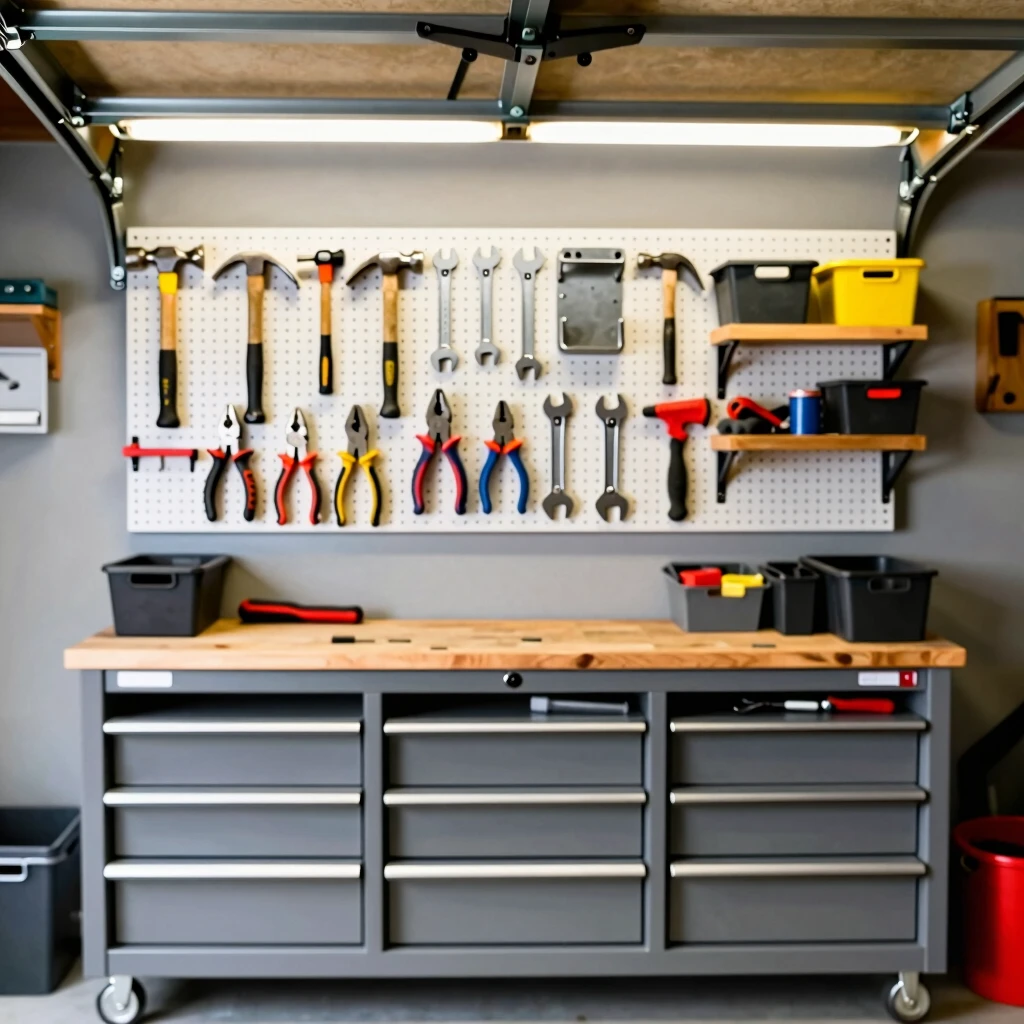
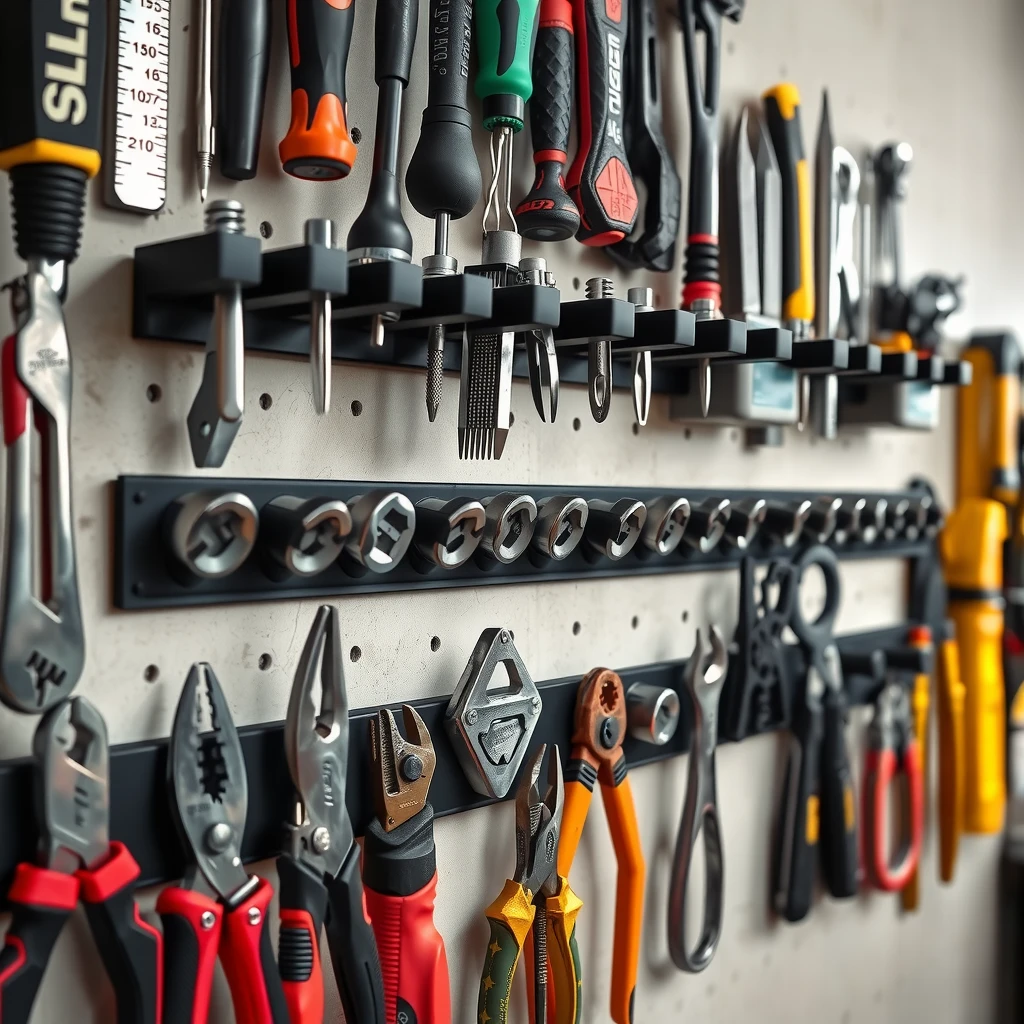
Small workshops lack floor space, so go up! Pegboards are my favorite for organizing tools in a small workshop.
Install pegboard on walls and outline each tool's spot with paint or markers. This shadow board method shows at a glance if something's missing.
Magnetic strips work great for metal workman tools. Mount them near your bench for quick access to frequently used items.
Shelves above the workbench hold bins for small parts. Add hooks for extension cords and safety gear.
Step 3: Invest in Smart Tool Storage Solutions
For drawers and cabinets, use foam inserts or dividers to create custom spots. This protects tools and keeps them organized.
- Portable tool boxes: Great for grouping project-specific tools.
- Rolling carts: Move storage where you need it.
- Wall-mounted cabinets: Keep dust off power tools.
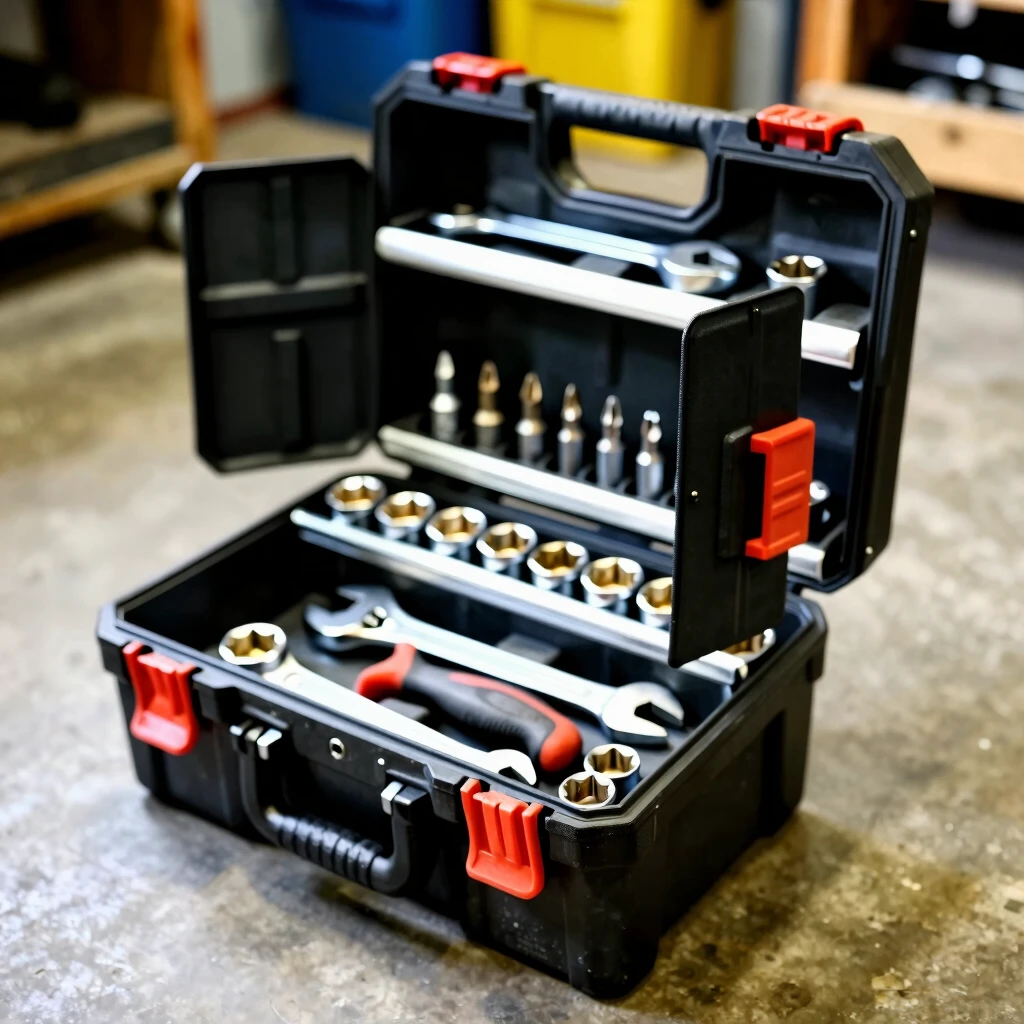
I added a rolling tool chest under my bench. It holds heavy items low and rolls out easily. No more bending painfully to reach the back.
Step 4: Label Everything
Labels make maintenance easy. Use a label maker for drawers and bins.
Group similar items: all Phillips screwdrivers together, metric wrenches separate from imperial.
This habit saves time long-term. New tools get a spot immediately, preventing clutter creep.
Safety Tips for Tool Storage
Safety matters most. OSHA emphasizes that improper tool storage can cause injuries. Store sharp tools with covers, heavy items low to avoid falls, and power tools unplugged.
Keep walkways clear and ensure good lighting. A tidy workshop is a safer one.
Personal Insights from Years of Trial and Error
My biggest lesson? Start small. Organize one area first, like the bench, then expand.
Invest in quality over quantity. Cheap hooks bend; good pegboard lasts forever.
Make it personal. I color-code my bins—red for electrical, blue for plumbing. It speeds up grabs during projects.
Regular maintenance helps too. Spend 10 minutes at session's end putting tools away. It prevents big messes.
Common Mistakes to Avoid
Don't overbuy storage before sorting—you'll just organize junk.
Avoid stuffing drawers full; leave space for growth.
Don't ignore ergonomics. Place heavy or frequent tools at waist height to reduce strain.
Final Thoughts
Organizing tools in a small workshop takes effort upfront but pays off daily. You'll work faster, safer, and with less stress.
Implement these tips step by step, and your space will feel bigger and better. Happy building!
Related organizing tools in a small workshop:
- How to Maintain Power Tools for Longevity
- Essential Electrical Tools for Wiring and Installations: A Beginner’s Guide
- Mastering the Basics: How to Use Hammers Effectively
- Essential Safety Gear for Working with Power Tools
- Essential Electrical Tools for Wiring and Installations: A Complete Guide
- Maintenance Tips for Long-Lasting Hand Tools: Keep Your Favorite Wrenches and Workman Tools Performing Like New
- How to Choose the Right Power Washer for Your Needs
- Maintaining Your Power Tools for Peak Performance
- Mastering Rotary Tools for Jewelry Making: Your Essential Guide
- How to Choose the Right Screwdriver for the Job
- Safety Best Practices for Electricians: Essential Tips to Stay Safe on the Job
- Setting Up Your Ideal Workbench: Tips and Tricks