Whether you're a DIY enthusiast or starting a career as an electrician, having the right electrical tools for wiring and installations makes all the difference. These tools help you work safely and efficiently on home projects or professional jobs.
Why Quality Electrical Tools Matter
Good electrical tools are more than just handy items. They keep you safe and make your work better. I've learned this from years of fixing wiring in homes. Cheap tools break easily and can cause mistakes or accidents.
Invest in reliable workman tools that last. Brands like Klein Tools, Fluke, and Milwaukee stand out for their durability. They might cost more upfront, but they save money and hassle in the long run.
Top Essential Electrical Tools You Need
Let's break down the core electrical tools for wiring and installations. I'll share what each does and why it's important.
1. Wire Strippers
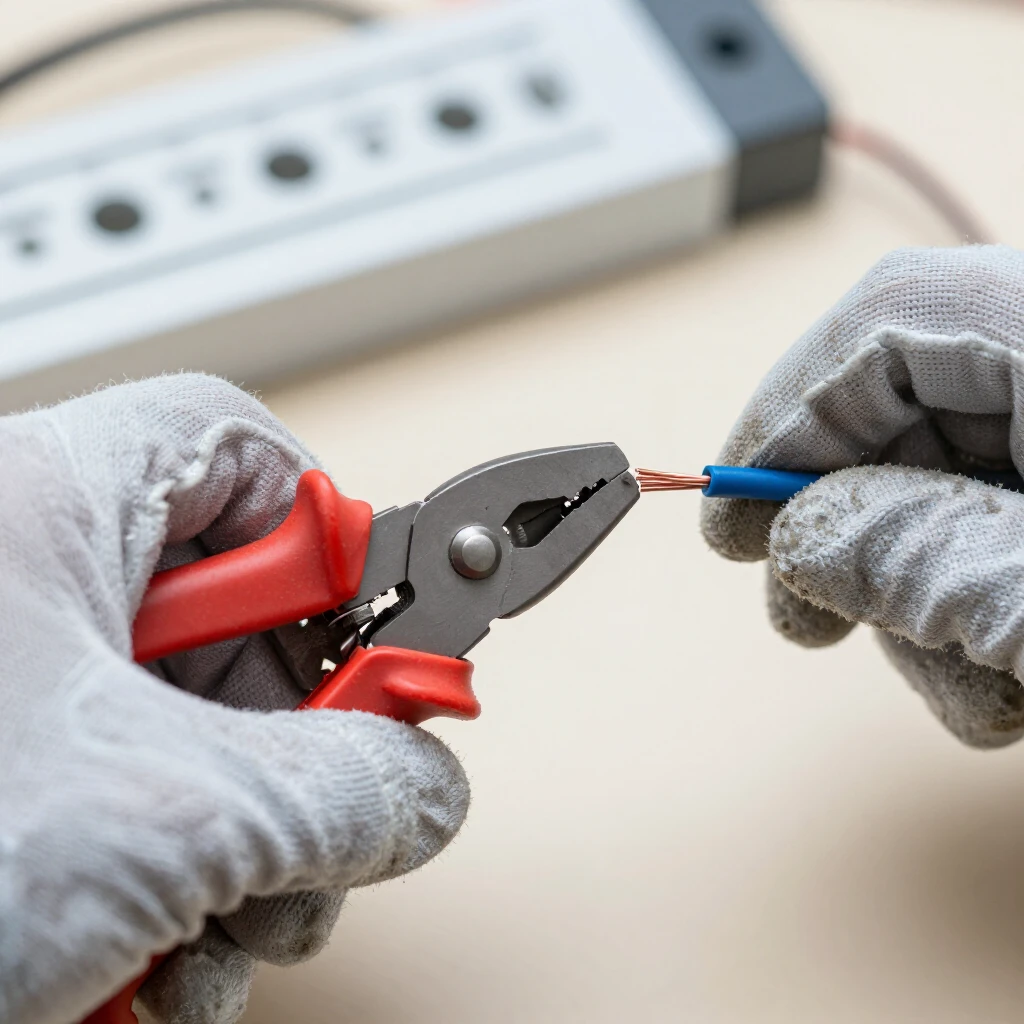
Wire strippers remove the insulation from wires without damaging the metal inside. This is key for making solid connections.
I always reach for automatic wire strippers. They adjust to different wire sizes and strip cleanly in one squeeze. For beginners, start with a basic model that handles 10-20 AWG wires – common in home wiring.
2. Multimeter
A digital multimeter measures voltage, current, and resistance. It's your go-to tool for troubleshooting circuits.
In my experience, a good multimeter has caught many issues before they became problems. Look for one with auto-ranging and a backlight for working in dim areas.
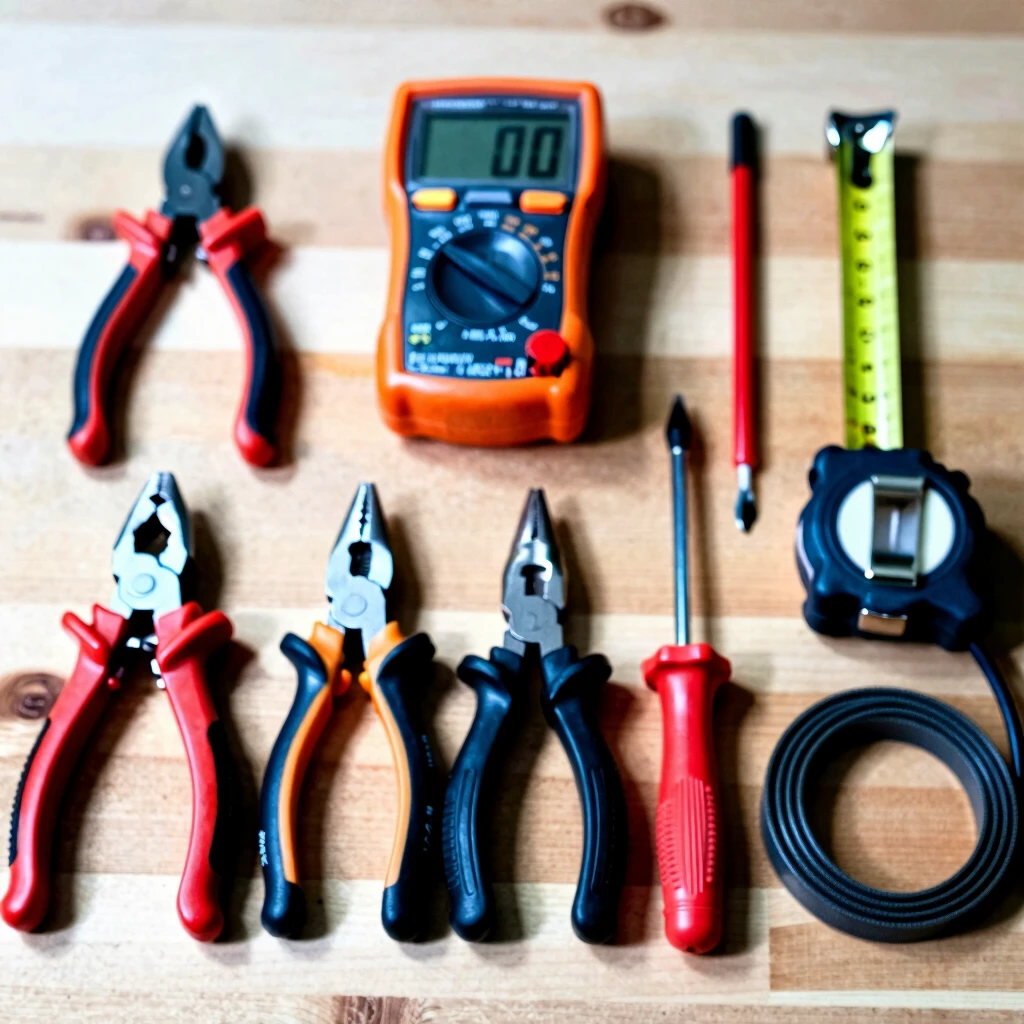
3. Pliers (Lineman's, Needle-Nose, and Diagonal Cutters)
- Lineman's pliers: Great for cutting and twisting wires.
- Needle-nose pliers: Perfect for tight spaces and bending loops.
- Diagonal cutters: Cleanly cut wires flush.
These workman tools are everyday essentials. Get insulated handles for extra safety.
4. Insulated Screwdrivers
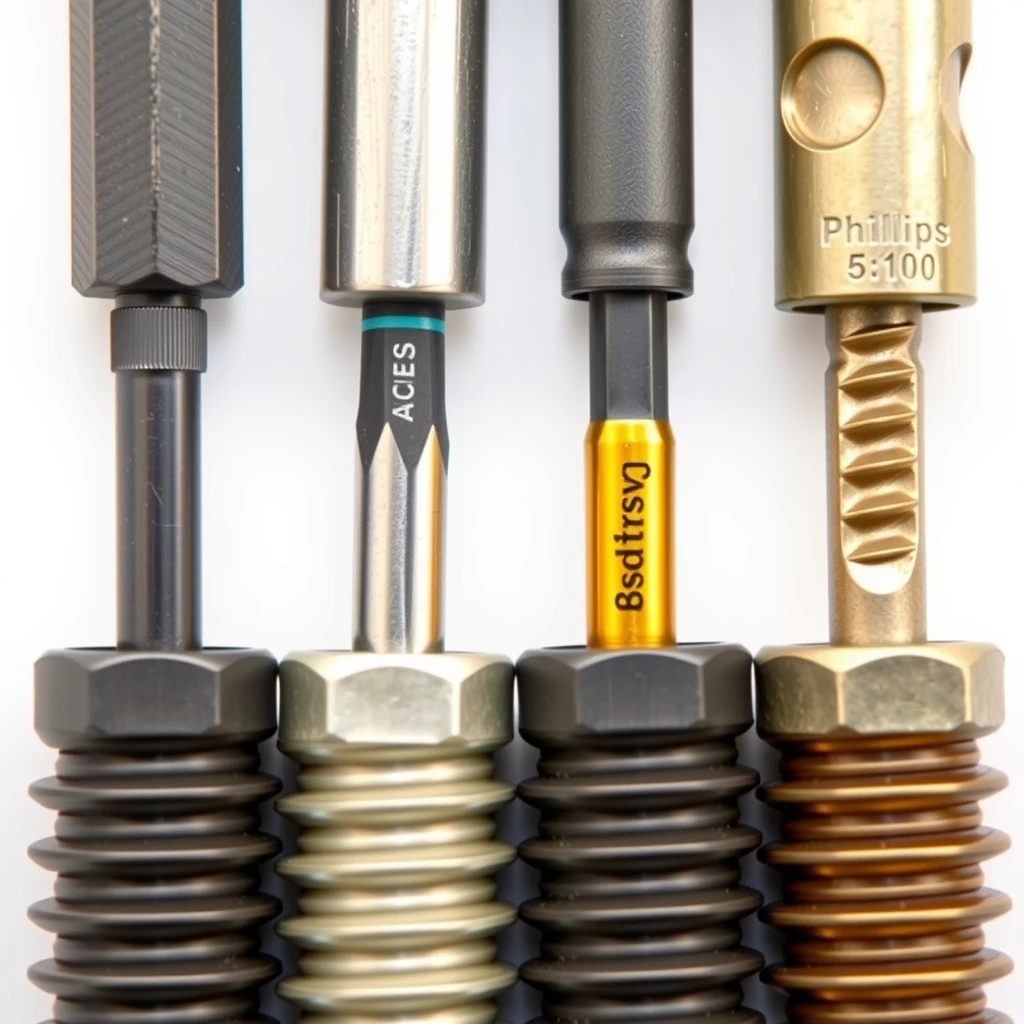
Never use regular screwdrivers on live panels. Insulated ones protect against shocks up to 1,000 volts.
Keep a set with Phillips and flathead tips in various sizes. They help secure outlets, switches, and breakers.
5. Non-Contact Voltage Tester
This small tool detects voltage without touching wires. It beeps or lights up near live circuits.
Always test before working – it's saved me from shocks many times. Pocket-sized ones are convenient to carry.
6. Fish Tape
Fish tape pulls wires through walls and conduits. Steel tape works best for long runs.
Pro tip: Use lubricant on the tape for smoother pulls in tricky spots.
7. Other Handy Tools
- Tape measure: For accurate layouts.
- Utility knife: For cutting cable sheathing.
- Cable ripper: Splits outer jackets cleanly.
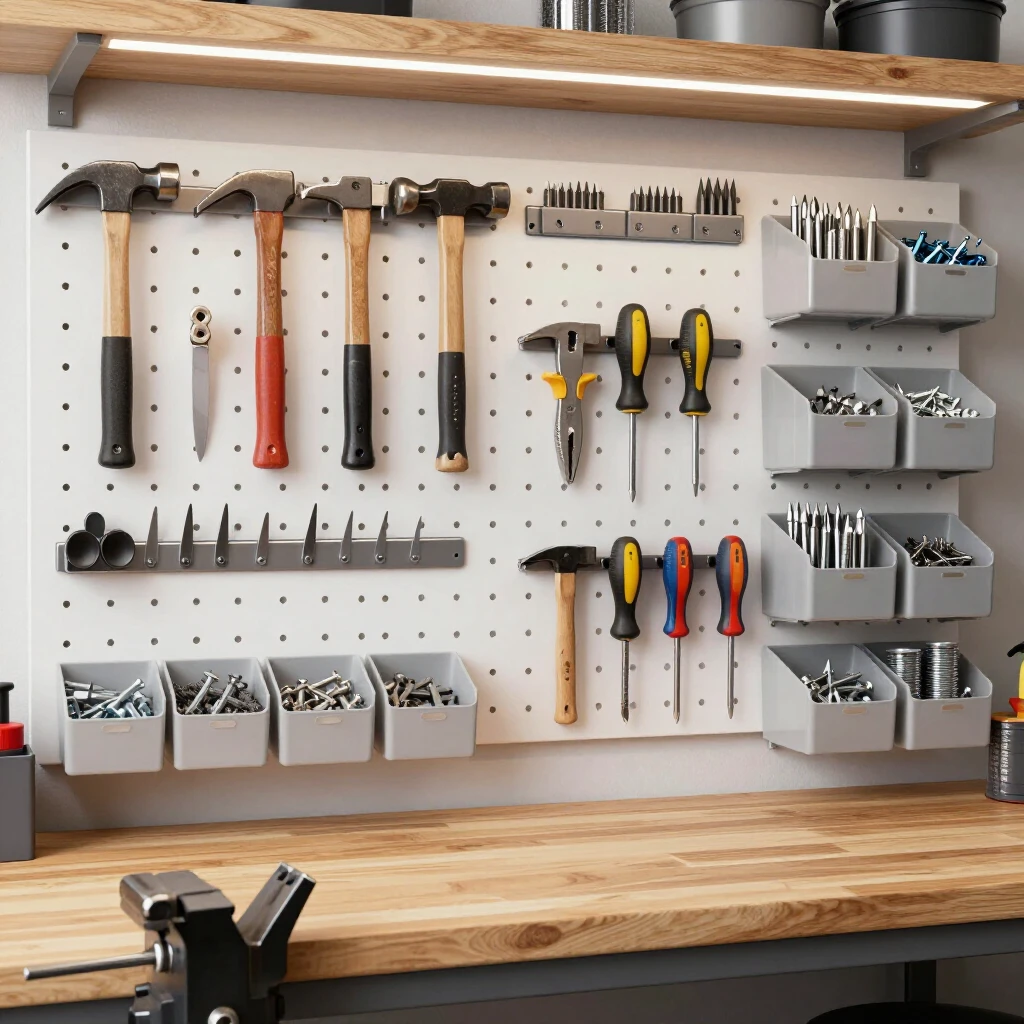
- Hammer and drywall saw: For mounting boxes.
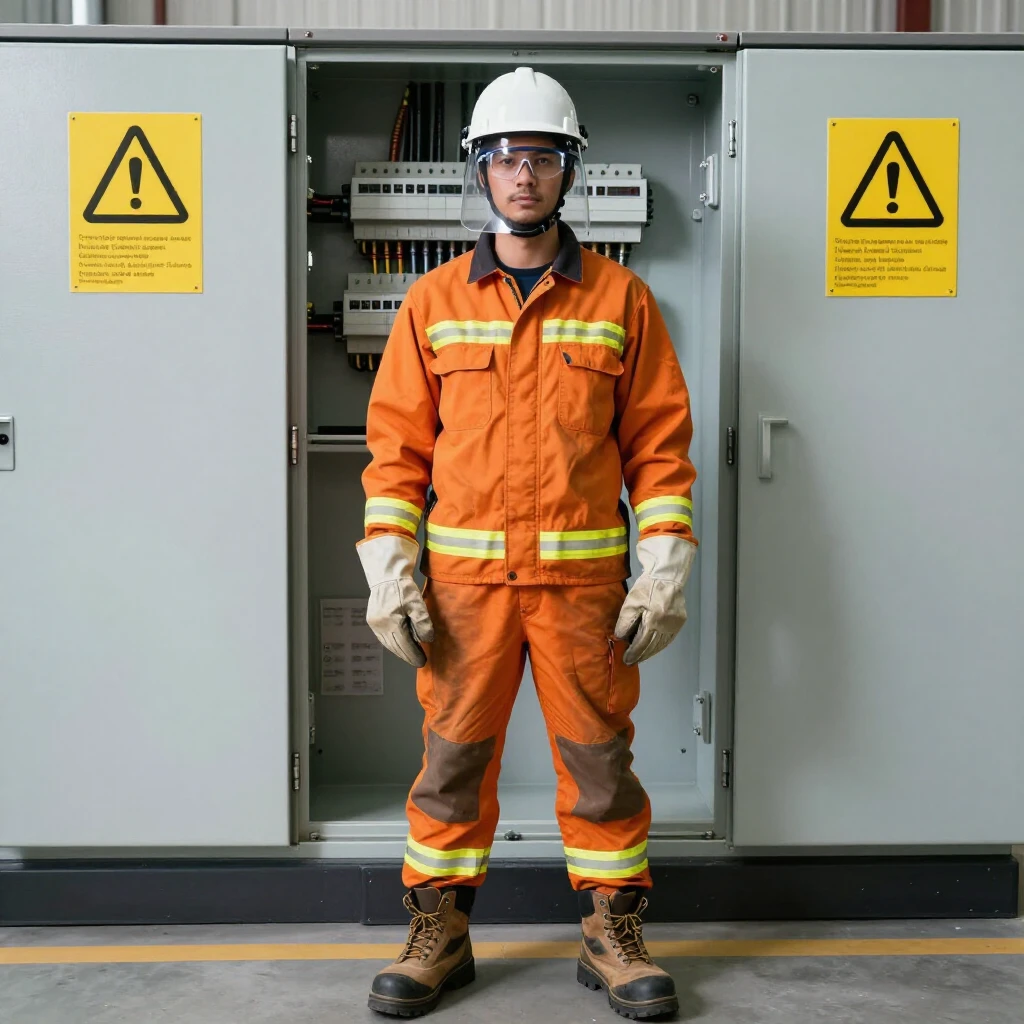
Safety First: Best Practices
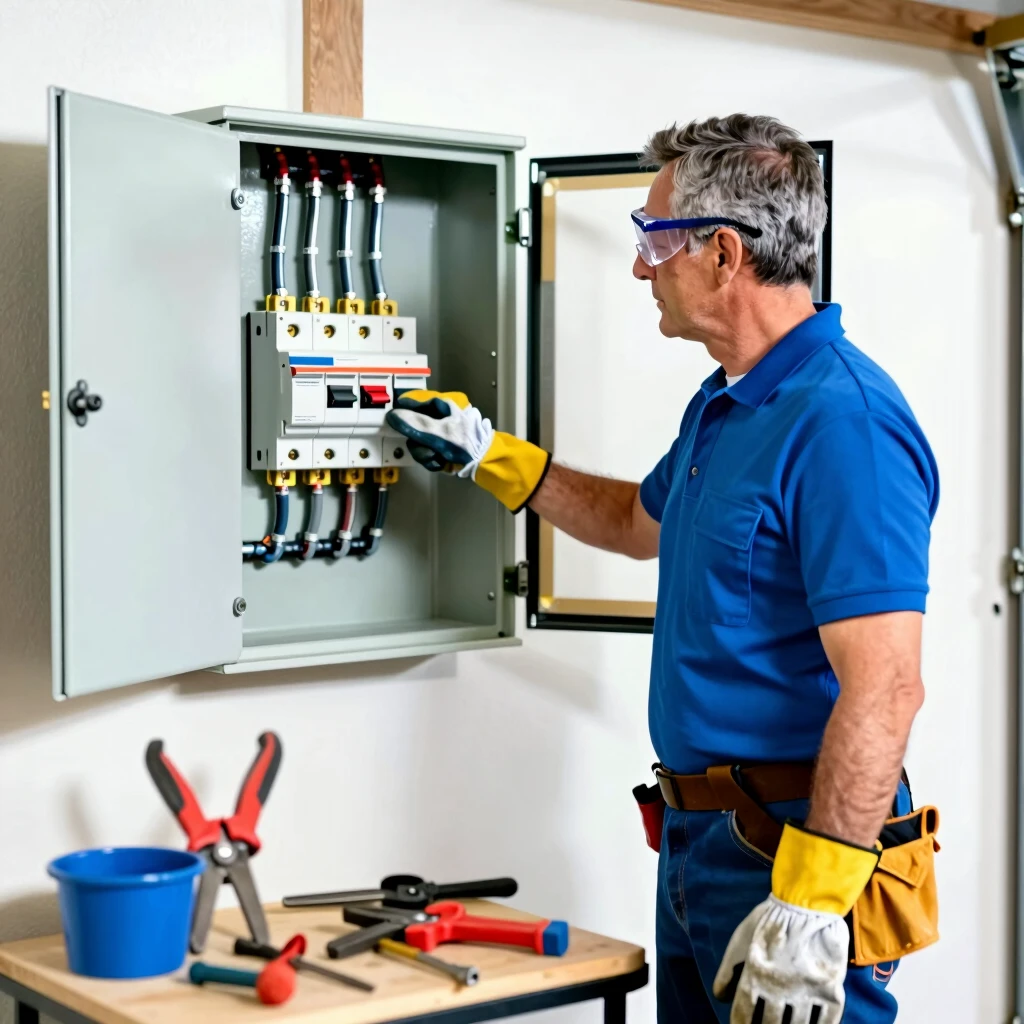
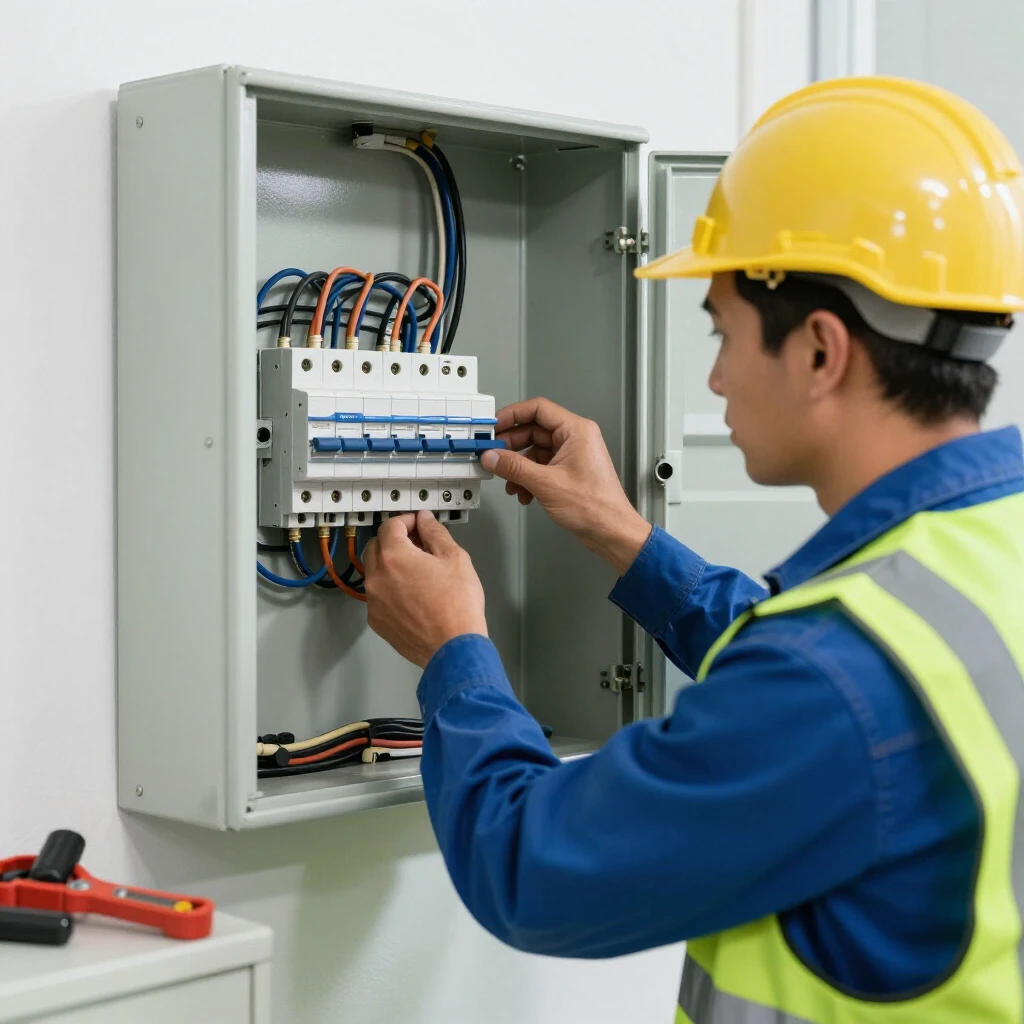
Electricity demands respect. Always turn off power at the breaker and verify it's off with your voltage tester.
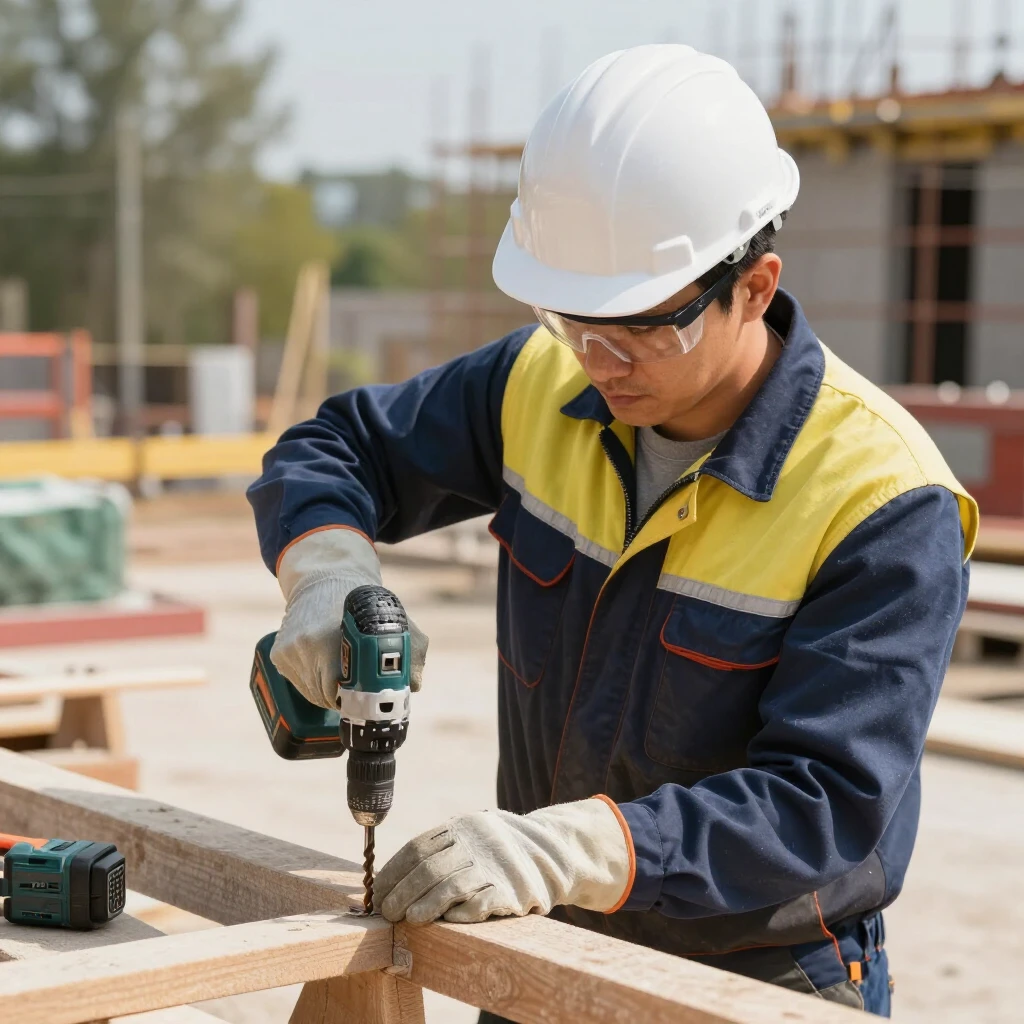
Wear insulated gloves and safety glasses. Use tools only for their intended purpose. If a project involves main panels or new circuits, call a licensed electrician.
According to the National Fire Protection Association (NFPA), proper tools and practices reduce electrical fire risks significantly.
Building Your Toolkit Step by Step
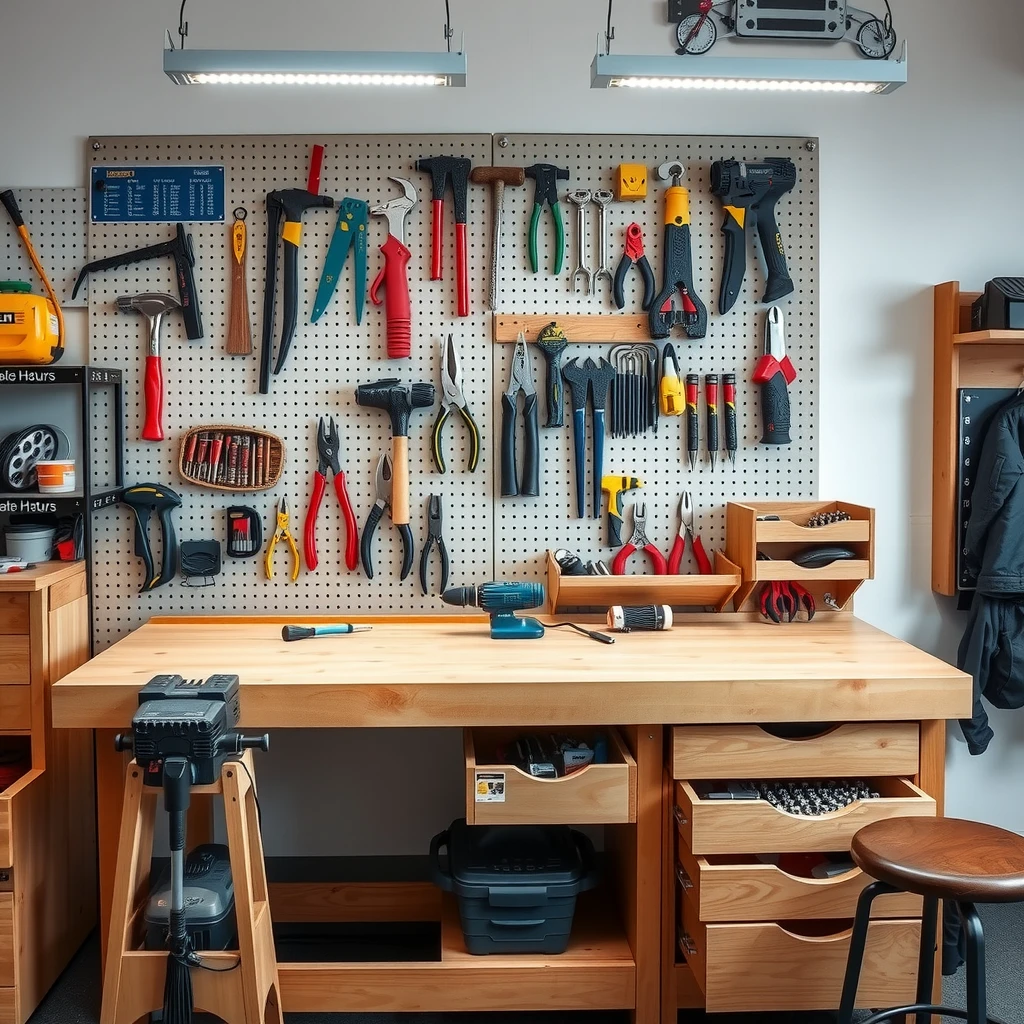
Start with basics: wire strippers, multimeter, pliers, screwdrivers, and a voltage tester. That's enough for most home tasks like replacing outlets or lights.
As you gain experience, add specialized electrical tools like conduit benders or crimpers.
I've built my kit over time, adding pieces as needed. This approach keeps costs manageable and ensures you get tools you actually use.
Maintenance Tips for Long-Lasting Tools
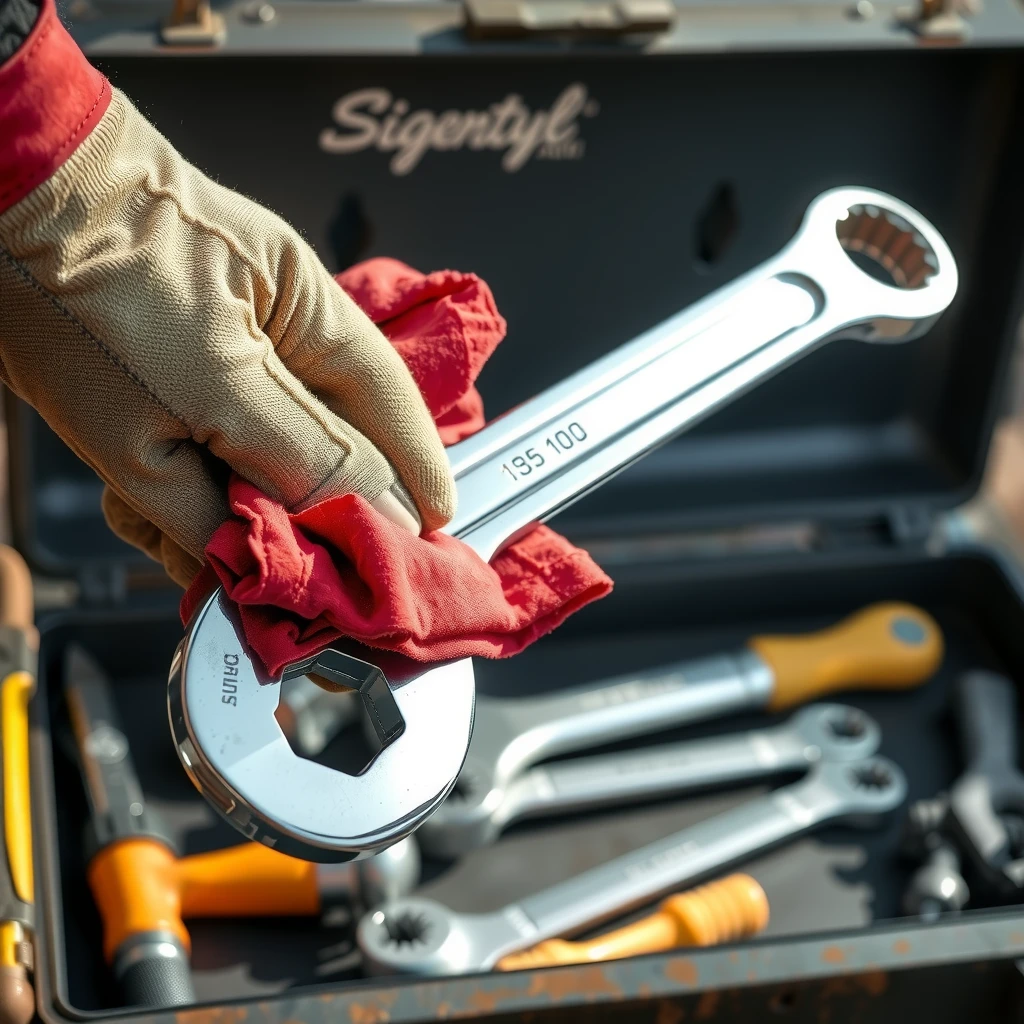
Clean tools after each job. Store them in a dry toolbox to prevent rust. Check insulation on handles regularly and replace damaged tools immediately.
Sharp cutters and clean contacts make work easier and safer.
Final Thoughts
The right electrical tools for wiring and installations turn challenging jobs into manageable ones. Focus on safety, quality, and practice. With these workman tools in hand, you'll handle projects with confidence.
Start small, learn as you go, and always prioritize safety. Happy wiring!
Related electrical tools for wiring and installations:
- Maintenance Tips for Long-Lasting Hand Tools: Keep Your Favorite Wrenches and Workman Tools Performing Like New
- How to Choose the Right Power Washer for Your Needs
- Maintaining Your Power Tools for Peak Performance
- Mastering Rotary Tools for Jewelry Making: Your Essential Guide
- How to Choose the Right Screwdriver for the Job
- Safety Best Practices for Electricians: Essential Tips to Stay Safe on the Job
- Setting Up Your Ideal Workbench: Tips and Tricks
- Key Features to Look for in Cordless Power Tools
- Top 10 Workman Tools Every Contractor Needs
- Building Outdoor Decks: Step-by-Step with Pro Tips
- Safety Practices in Home Electrical Repairs: A Comprehensive Guide
- Organizing Your Workbench for Maximum Efficiency: Tips and Strategies