Quick Overview
Taking care of your hand tools doesn’t have to be complicated. With a few minutes of regular attention, your wrenches, pliers, screwdrivers, and other workman tools will stay in top shape, save you money, and make every job smoother. Here are the best maintenance tips for long-lasting hand tools that pros actually use.
Why Tool Maintenance Actually Matters
I’ve been swinging hammers and turning wrenches for over 20 years. The difference between a $12 wrench that lasts two seasons and the same wrench that’s still perfect after ten years is almost always maintenance.
Rust, dirt, and dried lubricant are the biggest enemies of top-quality workman tools for contractors. According to the U.S. Department of Labor’s Occupational Safety & Health Administration (OSHA), poorly maintained tools contribute to thousands of injuries every year. Clean, smooth tools simply work better and keep you safer.
The Real Cost of Neglect
A single rusty adjustable wrench can slip and round off a bolt, turning a 10-minute job into an hour-long fight. Multiply that across an entire toolbox and you’re losing serious time and money.
1. Clean Your Tools After Every Job (Yes, Every Single Time)
Dirt + moisture = rust. It’s that simple.
Step-by-step cleaning routine: - Wipe metal parts with a clean rag while the tool is still warm from use - Use a stiff brush or old toothbrush for crevices - For sticky residue, dip the rag in a little mineral spirits or WD-40 - Dry completely with a second clean rag
Pro tip: I keep a small bucket of sawdust mixed with a little motor oil by the bench. After wiping, I plunge pliers and wrenches into it for 10 seconds – the sawdust cleans and the oil protects in one quick motion.
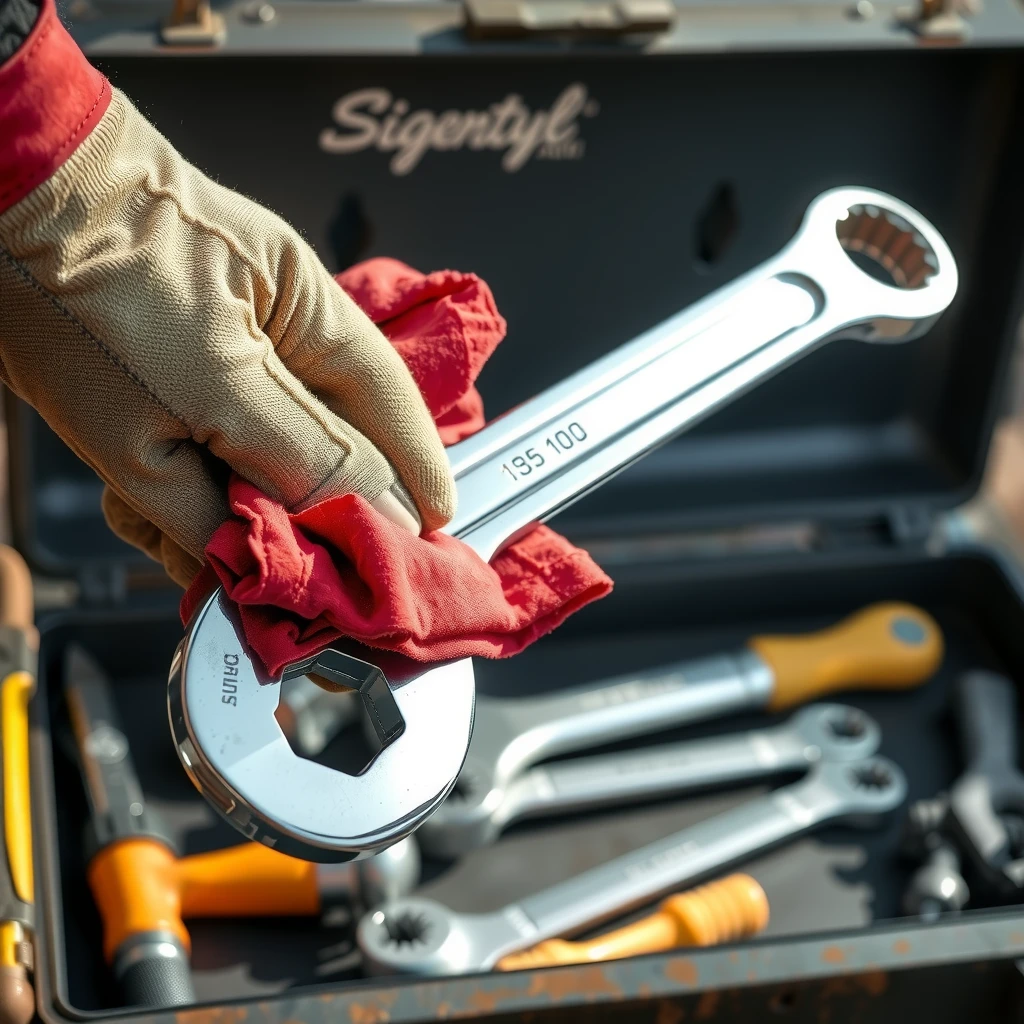
2. Fight Rust Before It Starts
Even the best chrome-vanadium steel can rust if you work in humid conditions or with sweaty hands.
Best rust prevention methods: | Method | How Often | Best For | |-------------------------|--------------------|-----------------------------------| | Light machine oil or WD-40 | After every use | Carbon steel tools, outdoor work | | Boeshield T-9 | Monthly | Long-term storage | | Renaissance Wax | Every 3–6 months | Collectible or heirloom tools | | Toolboxes with silica packs | Ongoing | High-humidity shops |
The University of Minnesota Extension Service recommends keeping relative humidity below 50% in tool storage areas to dramatically slow corrosion.
3. Proper Lubrication – Not Too Much, Not Too Little
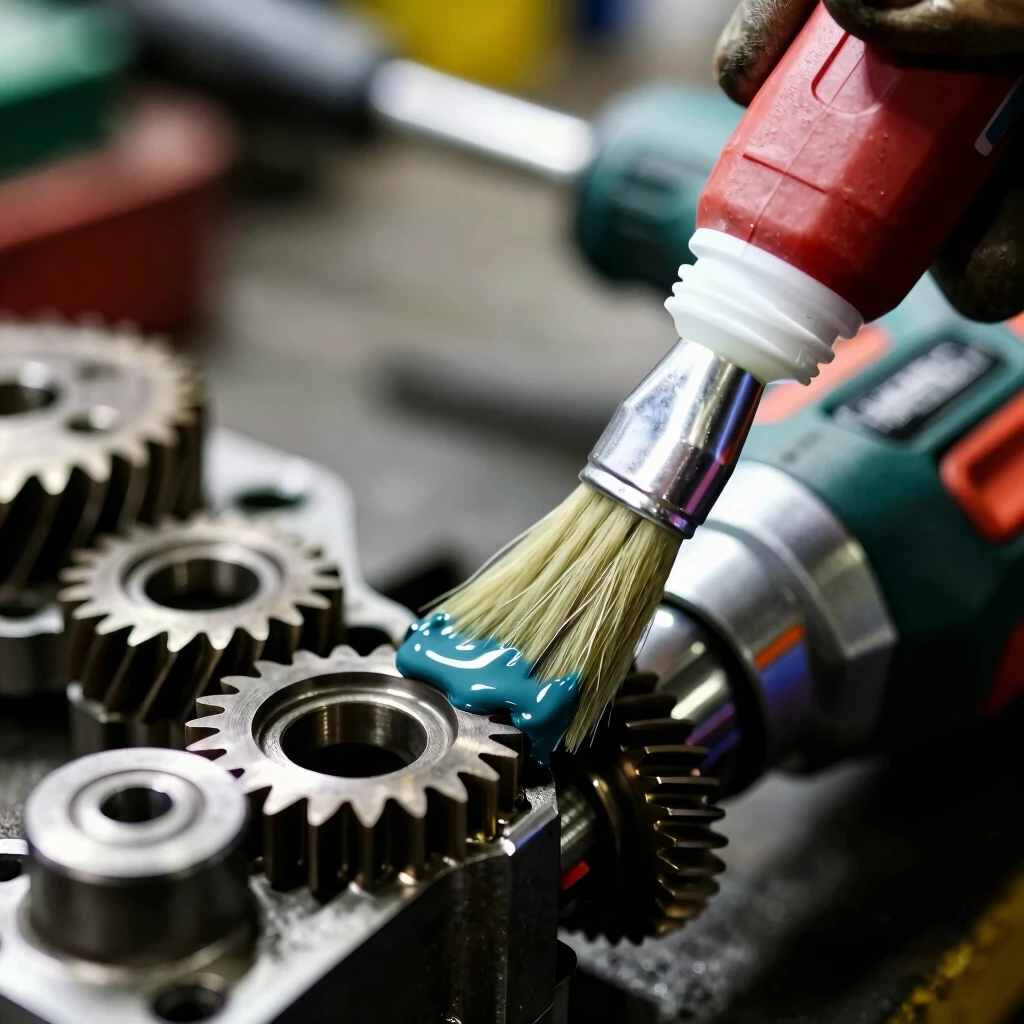
Lubrication keeps adjustable wrenches smooth and prevents pliers from binding.
For adjustable wrenches and vise grips: - One drop of light machine oil on the worm gear every month - Work it back and forth 20 times to distribute
For sockets and ratchets: - A tiny puff of white lithium grease inside the ratchet mechanism once or twice a year
Too much oil attracts dirt and turns into grinding paste. A little goes a long way.
4. Smart Storage Makes a Huge Difference
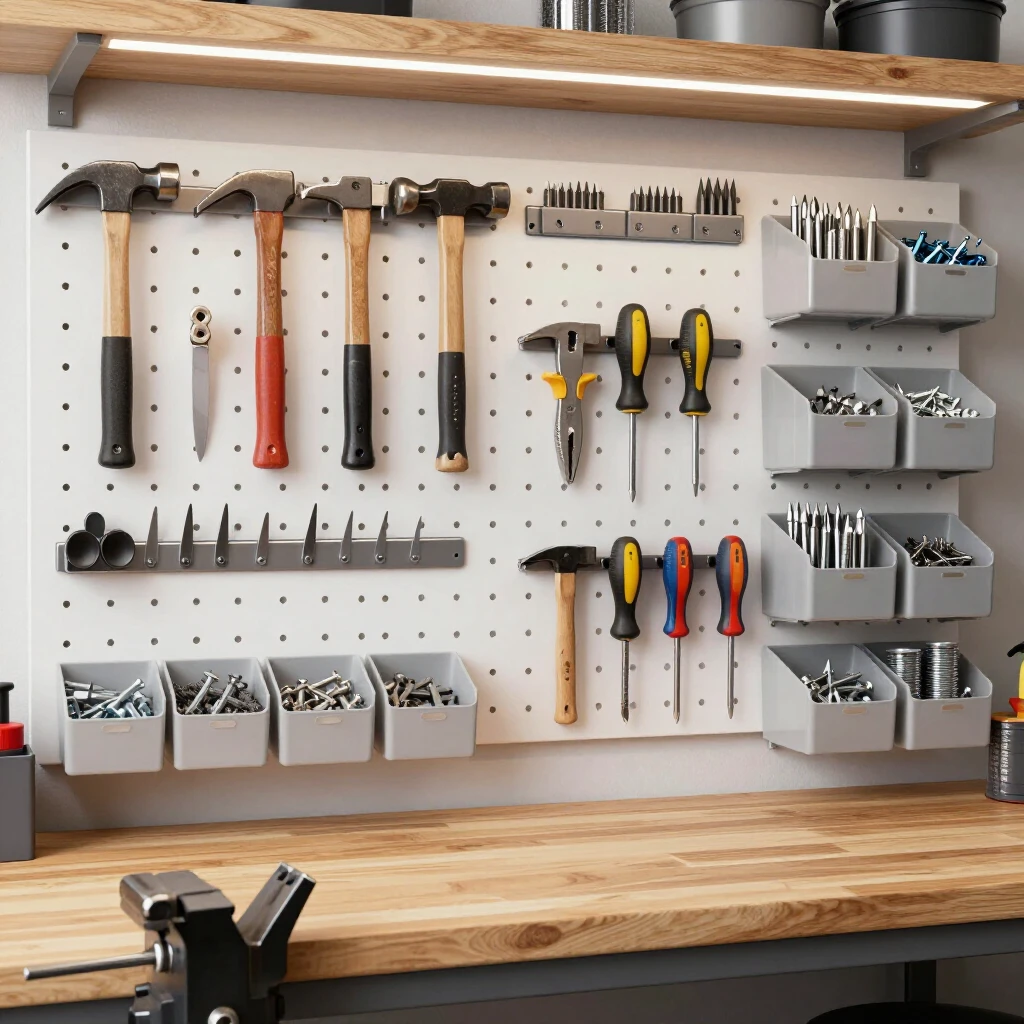
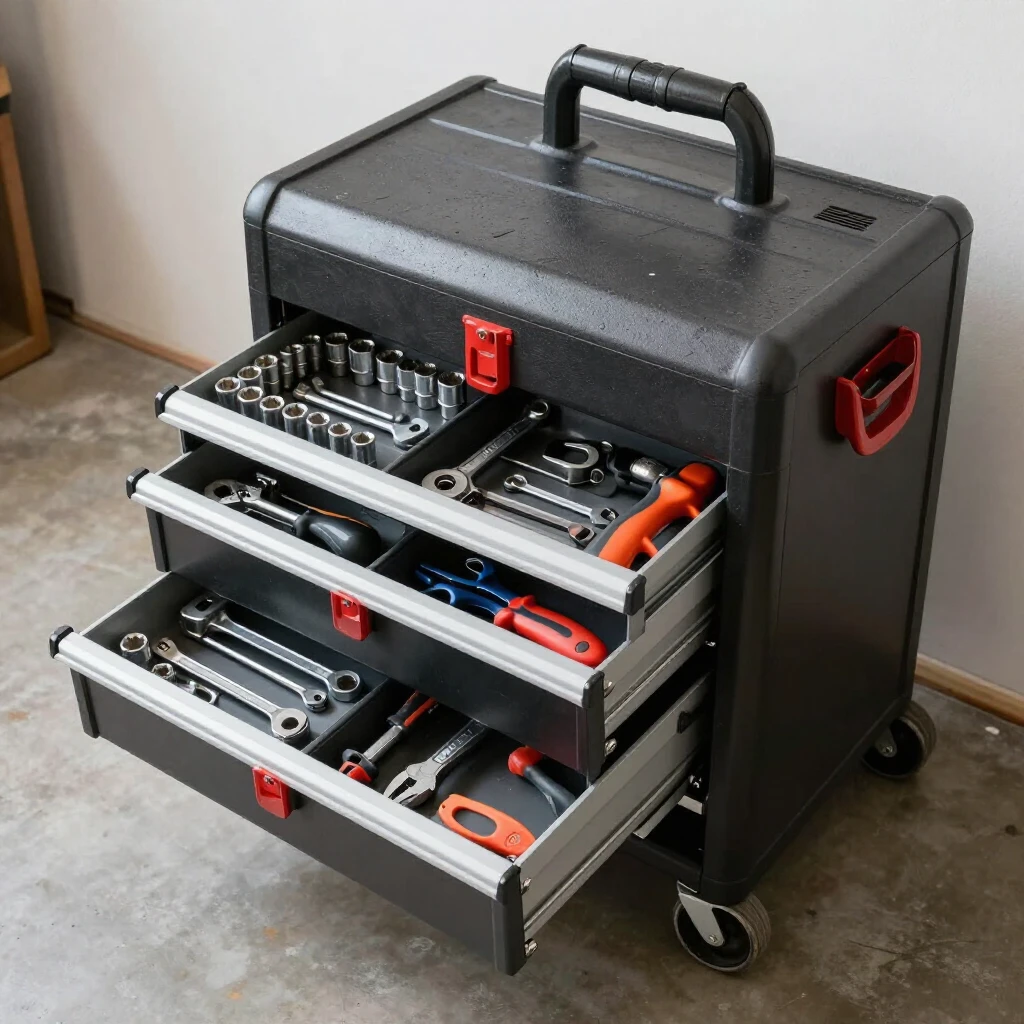
Hanging tools on a pegboard or laying them in drawer liners beats throwing them loose in a box every single time.
Storage rules I live by: - Never stack heavy tools on top of each other - Keep chrome tools away from concrete floors (moisture wicks up) - Use canvas rolls or magnetic strips for transport - Store in a heated space during winter if possible
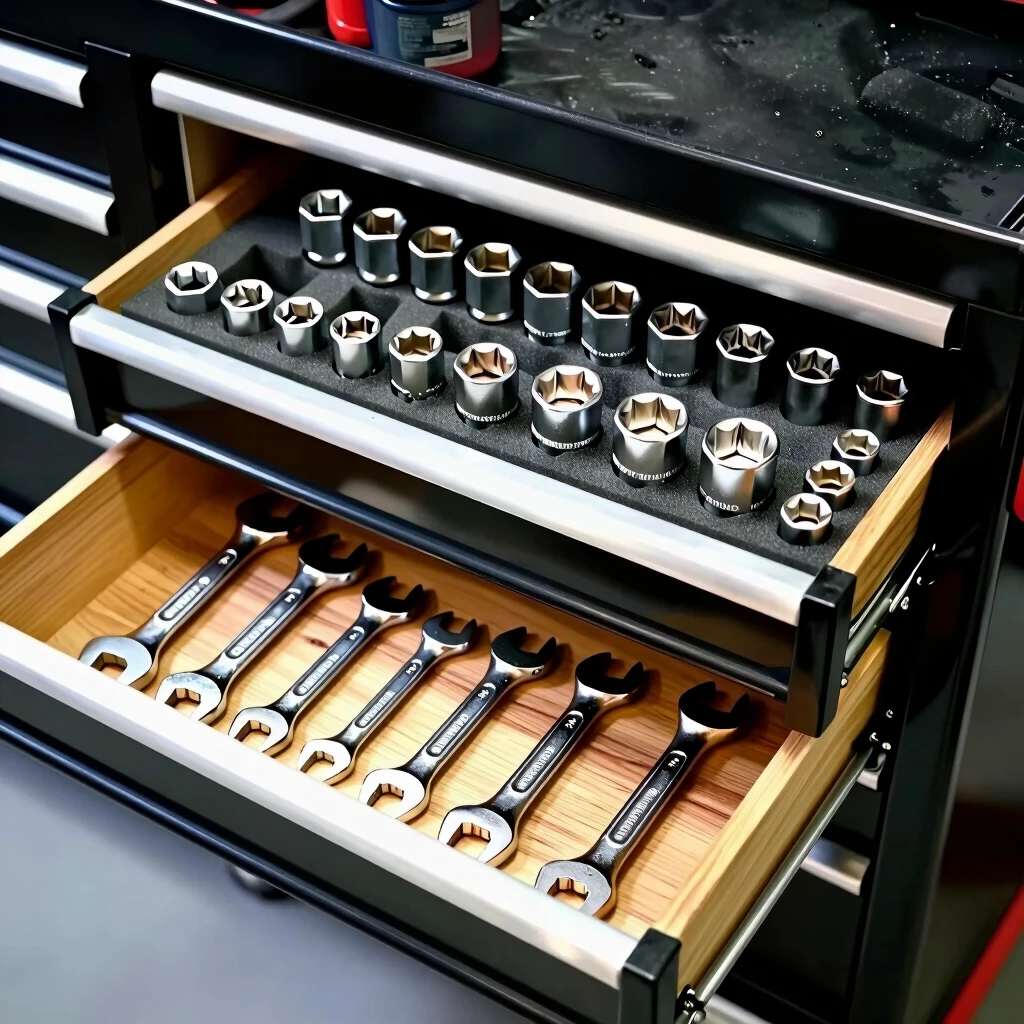
5. Regular Inspection – Catch Problems Early
Once a month, lay everything out and look closely: - Check for cracks in handles - Feel for burrs or mushrooming on striking tools - Test adjustable wrenches for smooth movement - Look for tiny rust spots and treat immediately with a rust eraser or fine steel wool
The American National Standards Institute (ANSI) publishes detailed inspection guidelines for hand tools that every serious contractor should know.
6. Wooden Handles Need Love Too
Wood swells, shrinks, and cracks if neglected.
Quick wooden handle care: - Rub with boiled linseed oil twice a year - Sand lightly if the finish feels rough - Tighten loose heads immediately – a loose hammer head is dangerous
I still use my grandfather’s Estwing hatchet that’s over 70 years old because he (and now I) kept the handle oiled.
7. Special Care for Precision Tools
Measuring tools, levels, and torque wrenches deserve extra respect: - Wipe with a microfiber cloth only - Store in their cases - Never use a torque wrench as a breaker bar - Have torque wrenches calibrated annually
The Bottom Line
Spend five minutes maintaining your tools after each job and they’ll easily outlast you. I have Snap-on wrenches from the 1980s that still look and work like new because I follow these exact steps. Your workman tools are an investment – treat them like one.
Clean them, protect them from rust, lubricate moving parts, store them properly, and inspect regularly. Do that and your favorite tools will stay reliable for decades.
Sources & Further Reading - OSHA Hand Tool Safety Guidelines – Official safety standards - University of Minnesota – Preventing Corrosion in Tools – Humidity control research - ANSI/ASC A10.23 – Safety Requirements for Hand Tools – Inspection standards
Related Maintenance Tips for Long-Lasting Hand Tools:
- How to Choose the Right Power Washer for Your Needs
- Maintaining Your Power Tools for Peak Performance
- Mastering Rotary Tools for Jewelry Making: Your Essential Guide
- How to Choose the Right Screwdriver for the Job
- Safety Best Practices for Electricians: Essential Tips to Stay Safe on the Job
- Setting Up Your Ideal Workbench: Tips and Tricks
- Key Features to Look for in Cordless Power Tools
- Top 10 Workman Tools Every Contractor Needs
- Building Outdoor Decks: Step-by-Step with Pro Tips
- Safety Practices in Home Electrical Repairs: A Comprehensive Guide
- Organizing Your Workbench for Maximum Efficiency: Tips and Strategies
- Top Workman Tools for Automotive Repairs You Need