Overview
Working with power tools can be rewarding, but it comes with risks. Essential safety gear for working with power tools protects you from flying debris, loud noise, dust, and accidental slips. In this guide, we'll cover the key items you need to stay safe and work confidently.
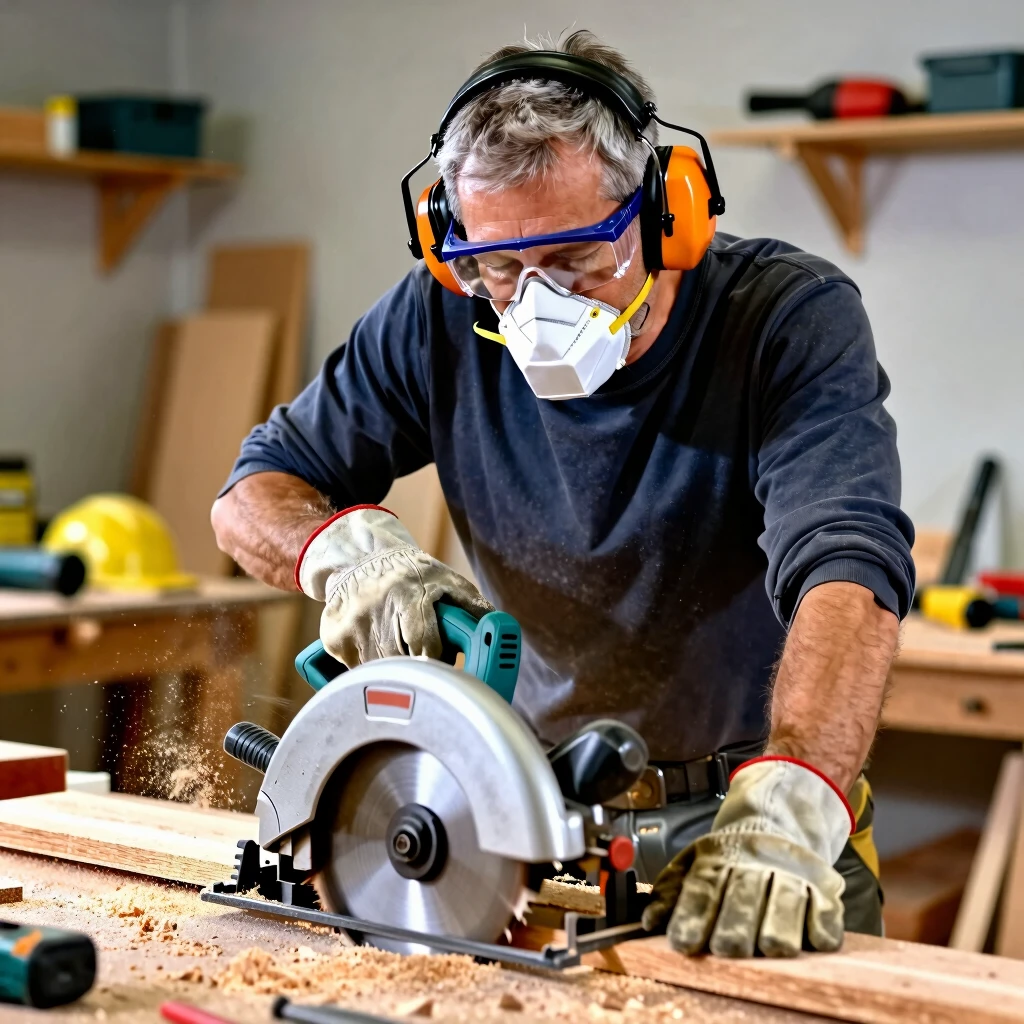
Power tools like power drills, saws, and grinders make projects faster and easier. But they also create hazards. According to OSHA, improper use or maintenance of hand and power tools can lead to severe injuries. That's why wearing the right gear is non-negotiable.
I've been using power tools for over 15 years in my garage, building furniture and fixing things around the house. Early on, I skipped some protection and regretted it—a chip flew into my eye once, and it was a wake-up call.
Why Safety Gear Matters
Every year, thousands of people end up in emergency rooms because of power tool accidents. Common issues include eye injuries from debris, hearing loss from noise, and cuts or punctures.
The Occupational Safety and Health Administration (OSHA) emphasizes using personal protective equipment (PPE) to reduce these risks. Check their Hand and Power Tools Overview for detailed guidelines on safe practices.
You don't need to spend a fortune, but investing in good gear pays off. It lets you focus on the job without worry.
Let's break down the essential items.
1. Eye Protection: Your First Line of Defense
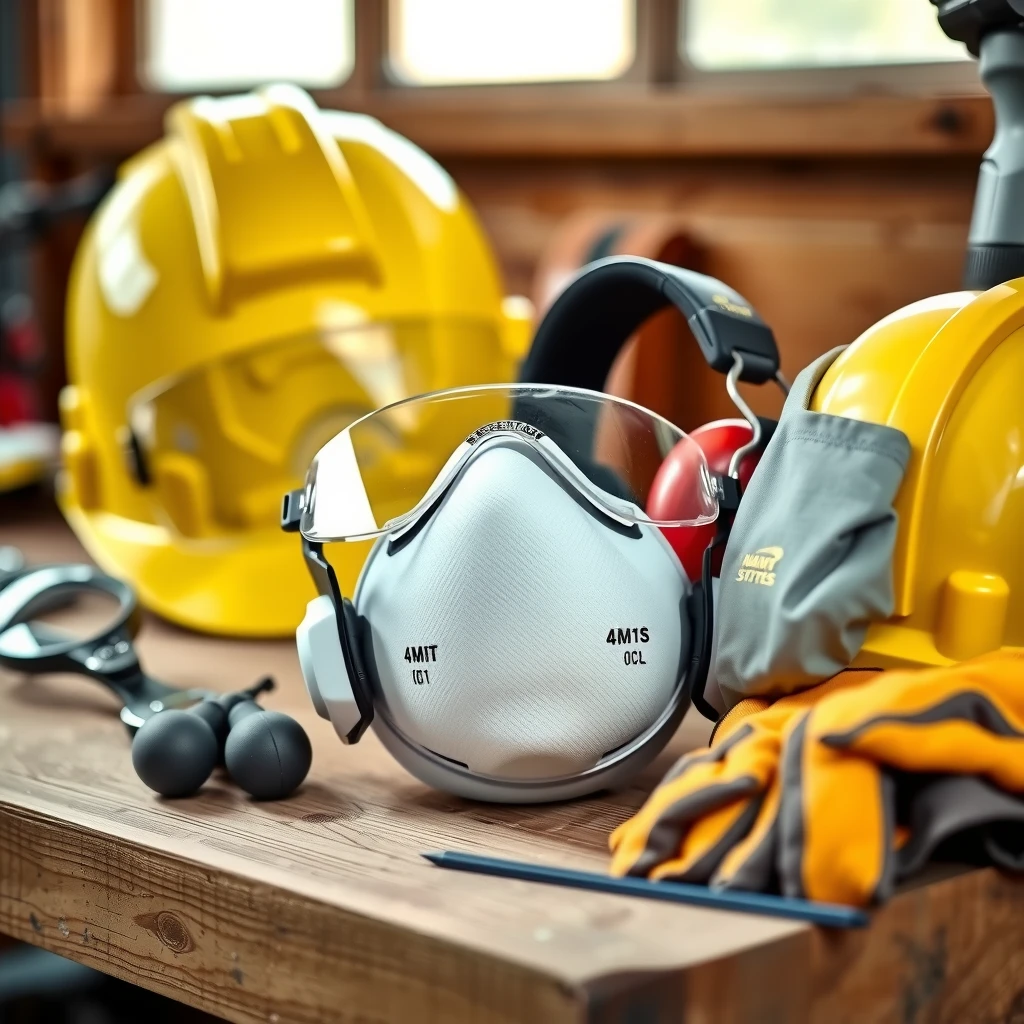
Flying particles are the biggest threat when using power tools. A single wood chip or metal shard can cause permanent damage.
Always wear safety glasses or goggles that meet ANSI standards. Look for impact-resistant lenses and side shields.
I recommend full-seal goggles for dusty jobs like sanding. The Centers for Disease Control and Prevention (CDC) through NIOSH highlights eye protection in their PPE resources.
Pro tip: Keep a spare pair handy. Fogging happens, so anti-fog versions are worth it.
2. Hearing Protection: Save Your Ears
Power tools are loud—many exceed 85 decibels, which can damage hearing over time.
Use ear plugs or earmuffs rated for at least 25-30 dB reduction. For long sessions, combine both.
OSHA notes that noisy tools like jackhammers require effective hearing protection. Read more in their Hand and Power Tools booklet (PDF).
From experience, tinnitus isn't fun. I now wear protection every time, even for quick cuts.
3. Respiratory Protection: Breathe Easy
Dust from cutting wood or grinding metal hangs in the air and can harm your lungs.
A basic dust mask works for light jobs, but upgrade to an N95 or better respirator for finer particles.
NIOSH recommends proper respirators for hazardous dust. Their PPE-Info database helps choose the right one.
Fit matters—do a seal check each time you put it on.
4. Hand Protection: Grip Safely
Gloves protect from cuts, vibrations, and blisters.
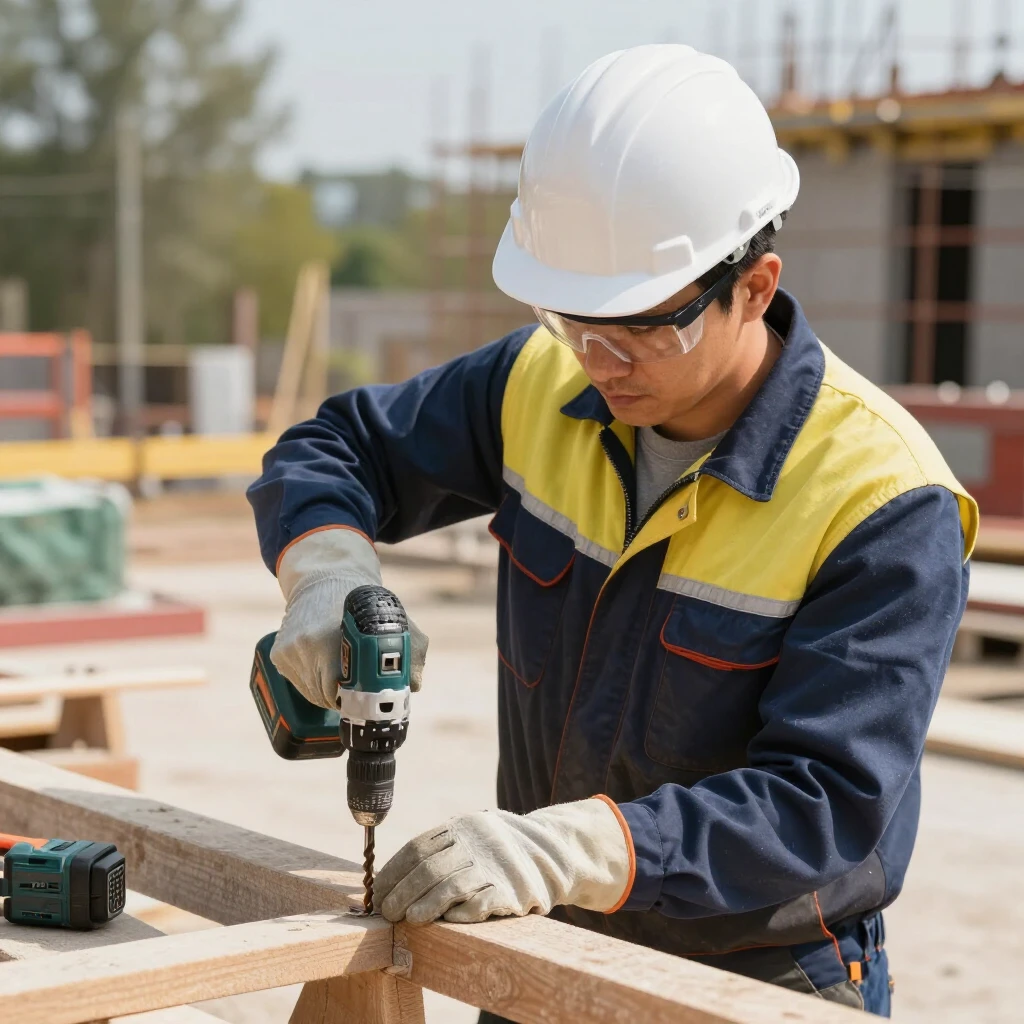
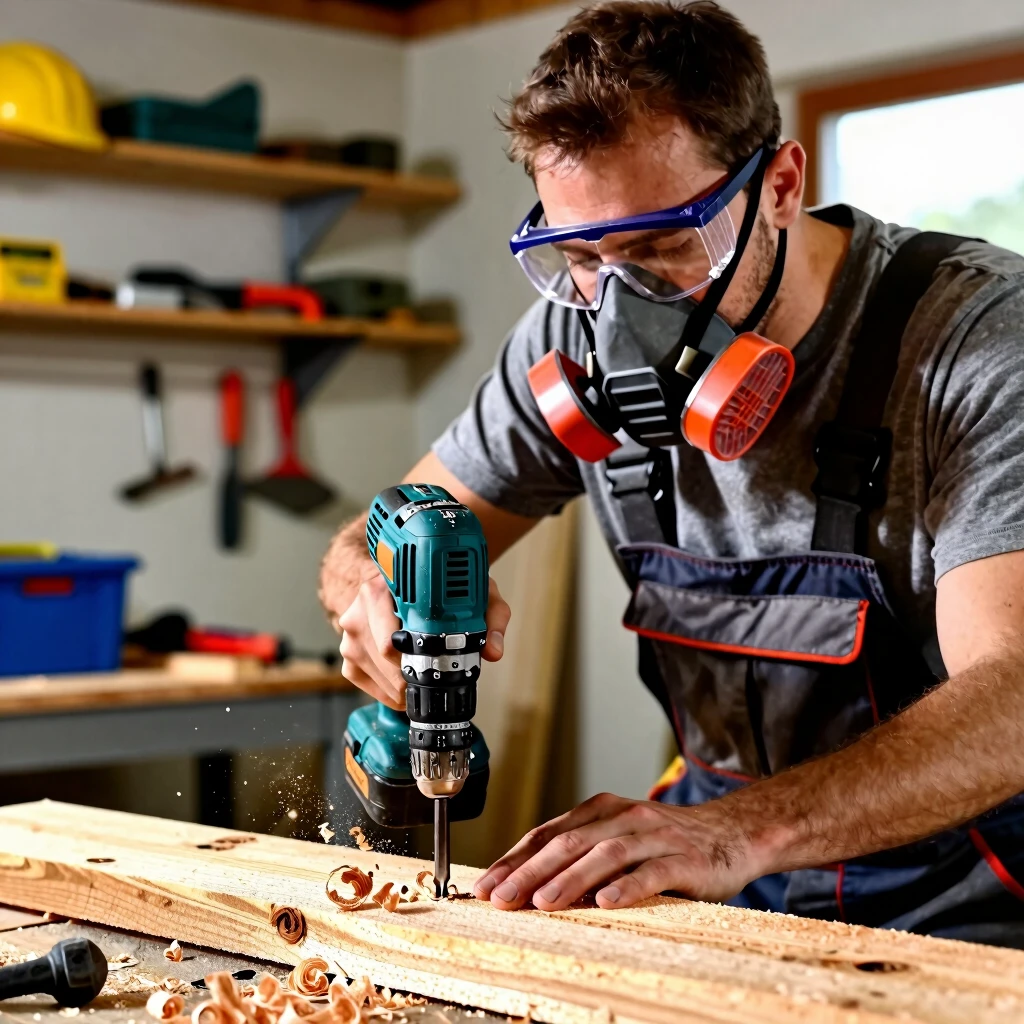
Choose cut-resistant gloves for sharp tools, but remove them when using rotating equipment like power drills—loose gloves can get caught.
For power drills with multiple attachments, vibration-reducing gloves help during long use.
5. Foot Protection: Stay Grounded
Dropped tools or heavy materials can crush toes.
Wear steel-toe or composite-toe boots with slip-resistant soles.
OSHA suggests appropriate safety footwear for electric tools to prevent shocks too.
6. Other Useful Gear
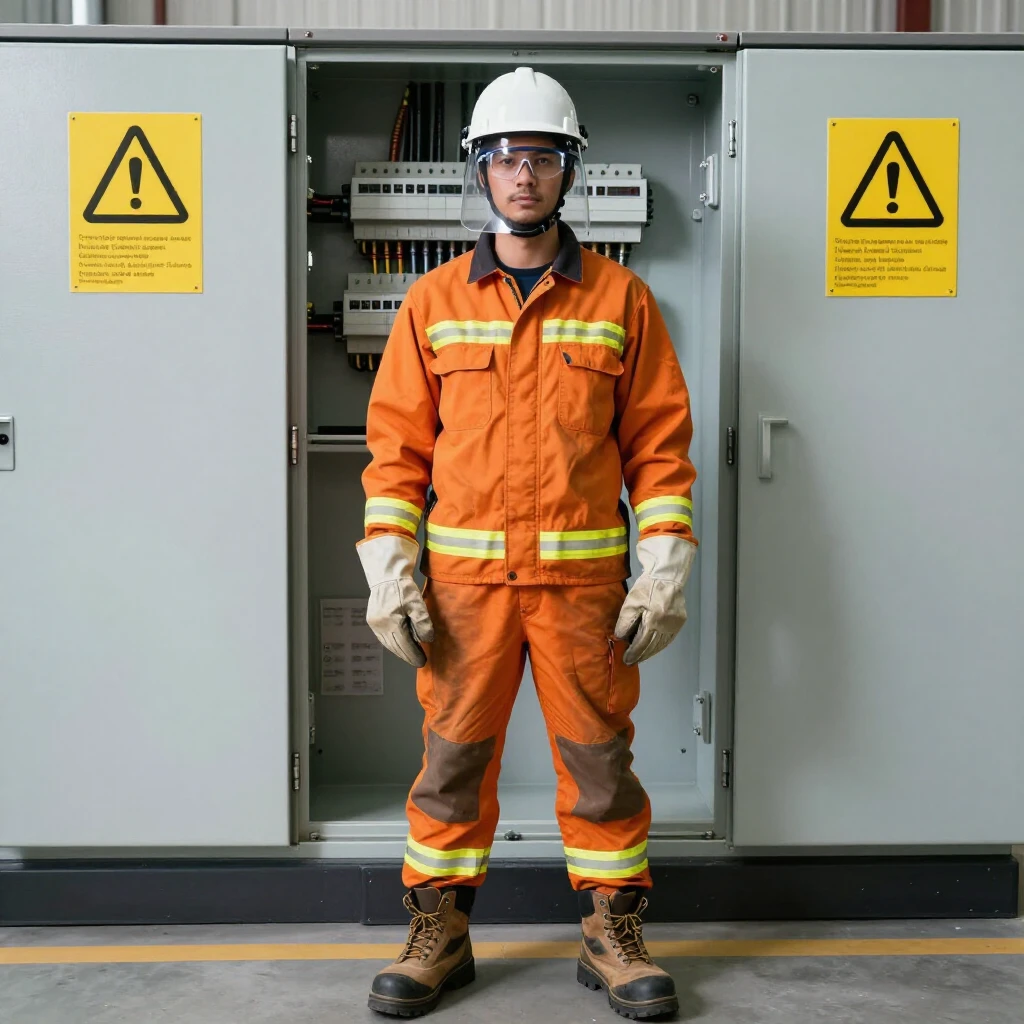
- Hard hat: For overhead work or construction sites.
- Apron or coveralls: To keep clothes clean and reduce snag risks.
Here's a quick checklist:
| Gear Type | When to Use | Key Feature to Look For |
|---|---|---|
| Safety Glasses | Always | Impact-resistant, side shields |
| Hearing Protection | Tools over 85 dB | NRR 25+ |
| Dust Mask/Respirator | Dusty jobs | N95 or better fit |
| Gloves | Handling materials | Cut-resistant, good grip |
| Safety Boots | Heavy or drop risks | Steel toe, non-slip |
Power drills are among the most versatile power tools. Upgrading with the best attachments to upgrade your power drill turns it into a multi-tool—sanding, mixing, or even hole sawing.
But remember, power drills with multiple attachments create more debris and vibration, so gear up fully.
I once used a drill without gloves for a quick job and got a bad vibration injury in my hand. Lesson learned: Safety first, always.
Final Thoughts
Essential safety gear for working with power tools isn't optional—it's what keeps you building for years to come. Start with the basics: eyes, ears, lungs, hands, and feet.
Inspect your gear regularly, replace when worn, and make it a habit. Safe working leads to better results and more fun.
Stay protected out there!
Related Essential Safety Gear for Working with Power Tools:
- Essential Electrical Tools for Wiring and Installations: A Complete Guide
- Maintenance Tips for Long-Lasting Hand Tools: Keep Your Favorite Wrenches and Workman Tools Performing Like New
- How to Choose the Right Power Washer for Your Needs
- Maintaining Your Power Tools for Peak Performance
- Mastering Rotary Tools for Jewelry Making: Your Essential Guide
- How to Choose the Right Screwdriver for the Job
- Safety Best Practices for Electricians: Essential Tips to Stay Safe on the Job
- Setting Up Your Ideal Workbench: Tips and Tricks
- Key Features to Look for in Cordless Power Tools
- Top 10 Workman Tools Every Contractor Needs
- Building Outdoor Decks: Step-by-Step with Pro Tips
- Safety Practices in Home Electrical Repairs: A Comprehensive Guide