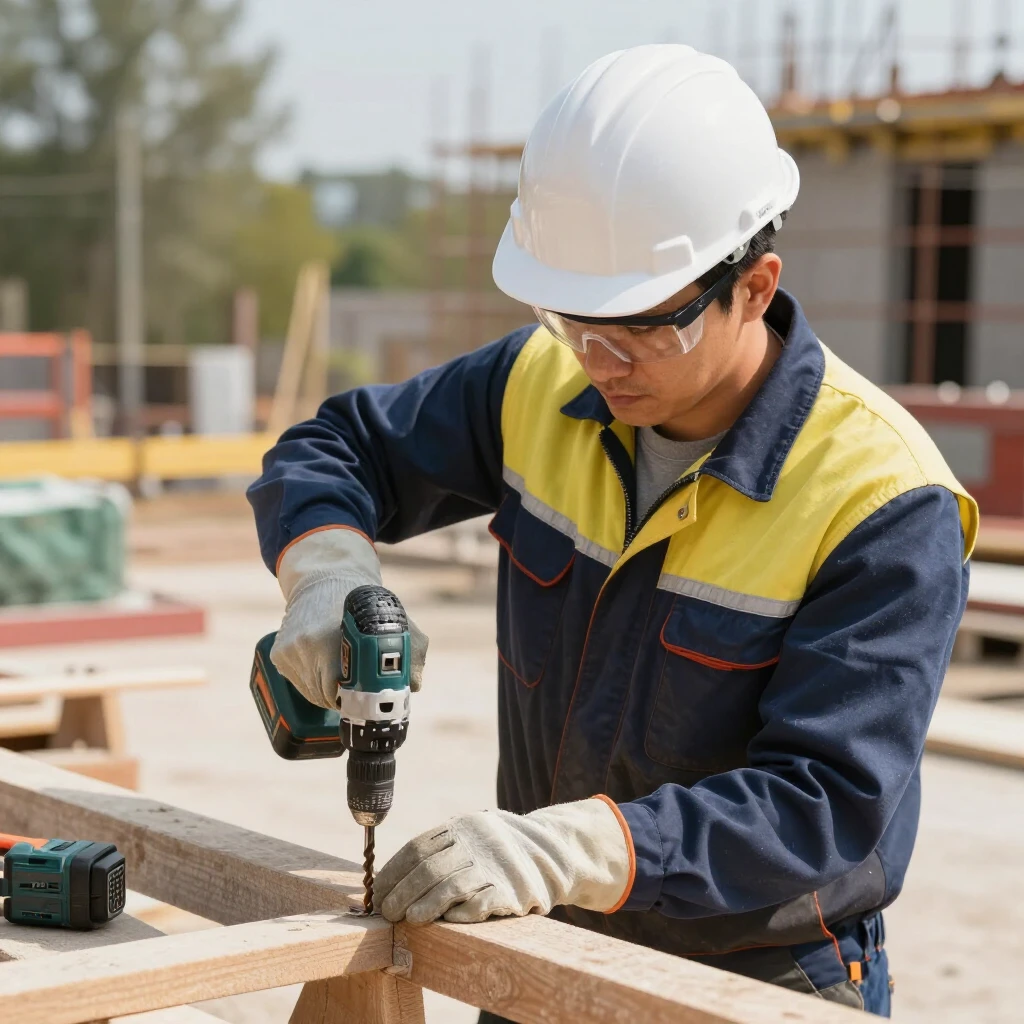
Starting electrical projects at home can feel exciting yet overwhelming. This guide to essential electrical tools for wiring and installations helps beginners build a solid toolkit and work safely.
Whether you plan to install new outlets or run wires, the right electrical tools make all the difference.
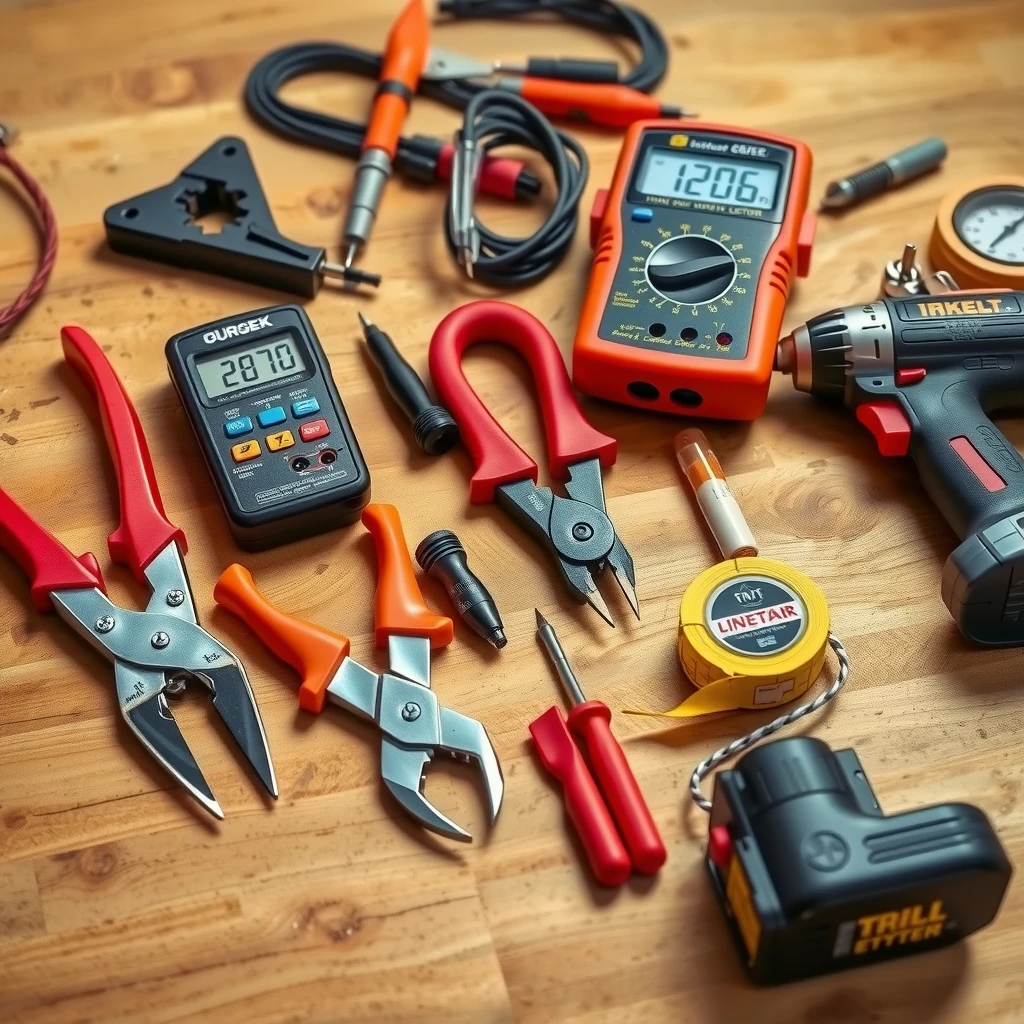
Why Safety Comes First
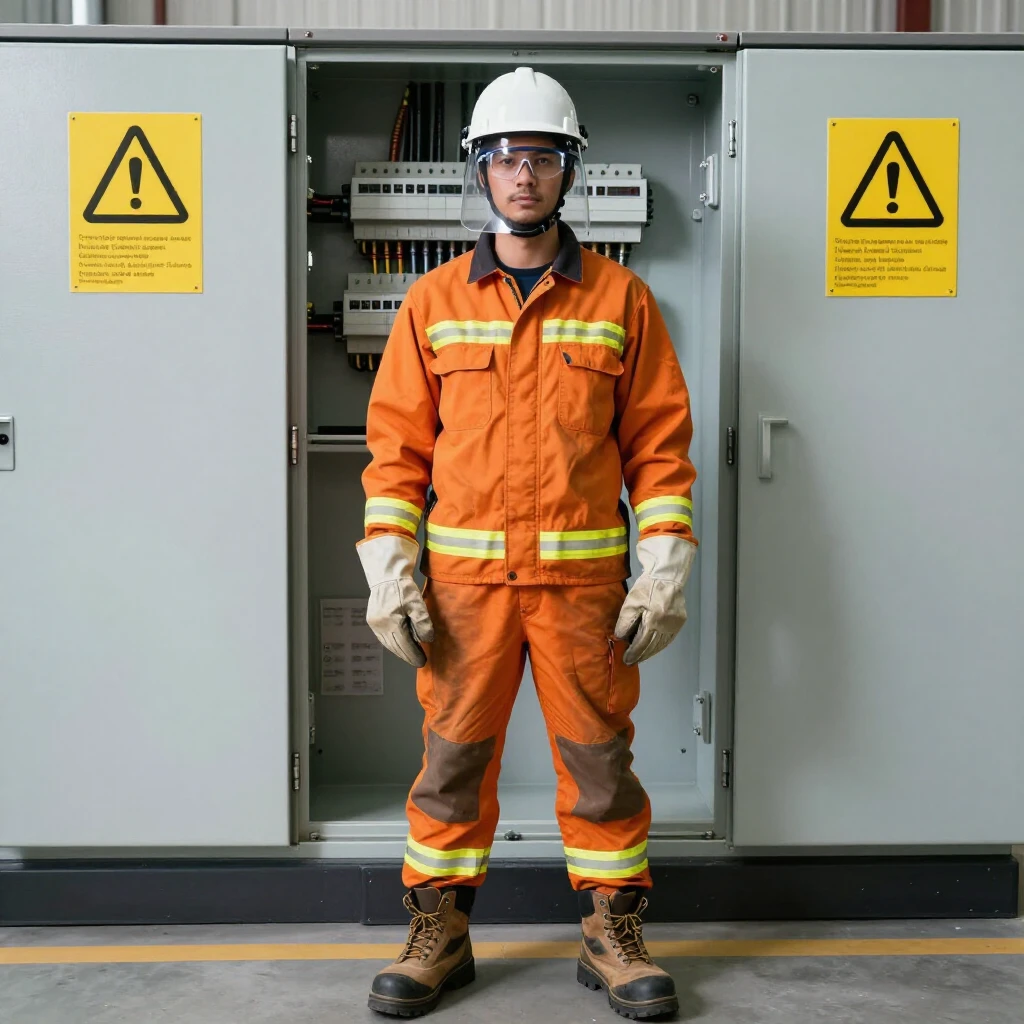
Electricity demands respect. Always turn off power at the breaker before you start work. Use tools with insulated handles to protect against shocks.
I learned this the hard way early on—a small zap reminded me to double-check everything. Invest in quality workman tools designed for electrical jobs. They last longer and keep you safer.
Must-Have Safety Tools
-
Non-Contact Voltage Tester
This handy pen-like tool detects live wires without touching them. Wave it near an outlet or wire—it beeps and lights up if voltage is present. -
Digital Multimeter
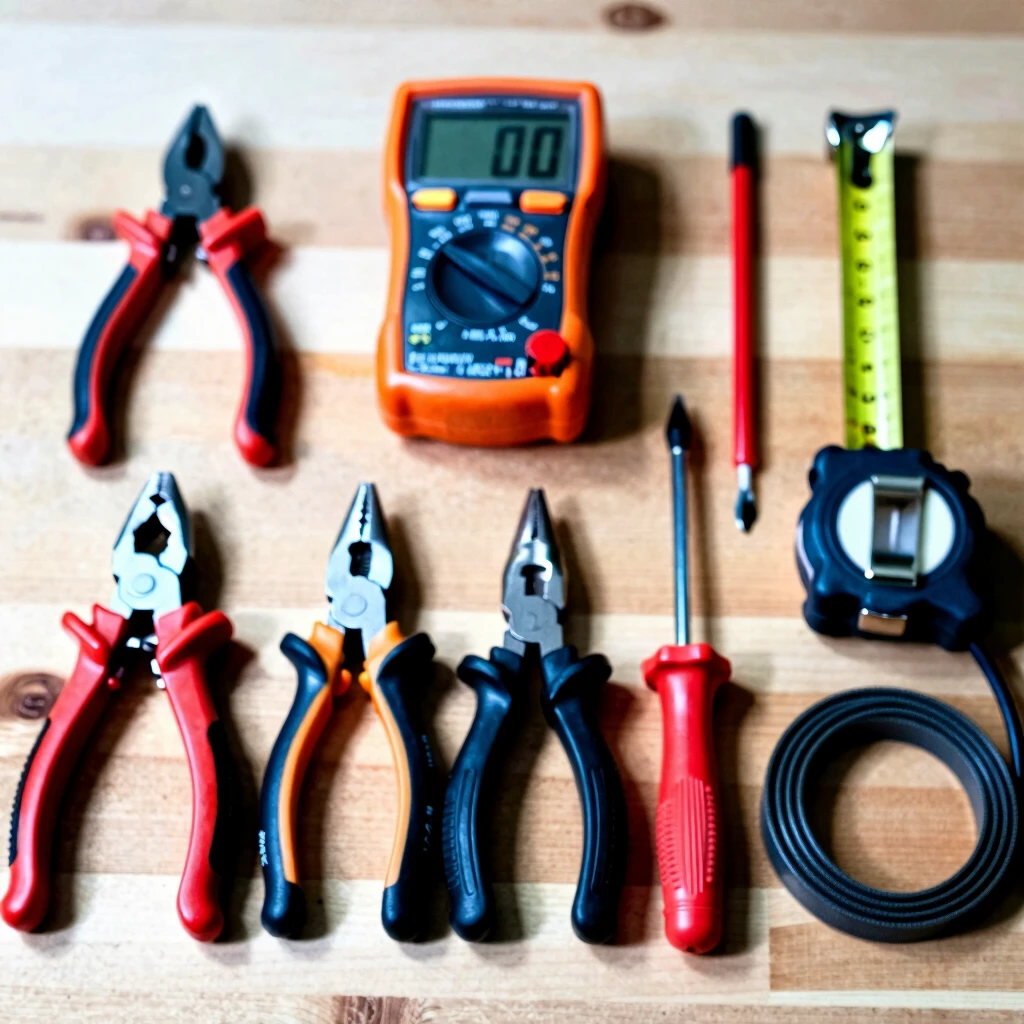
Measures voltage, current, and resistance. Great for troubleshooting circuits. -
Insulated Gloves and Safety Glasses
Protect your hands and eyes from sparks or debris.
Core Hand Tools for Wiring
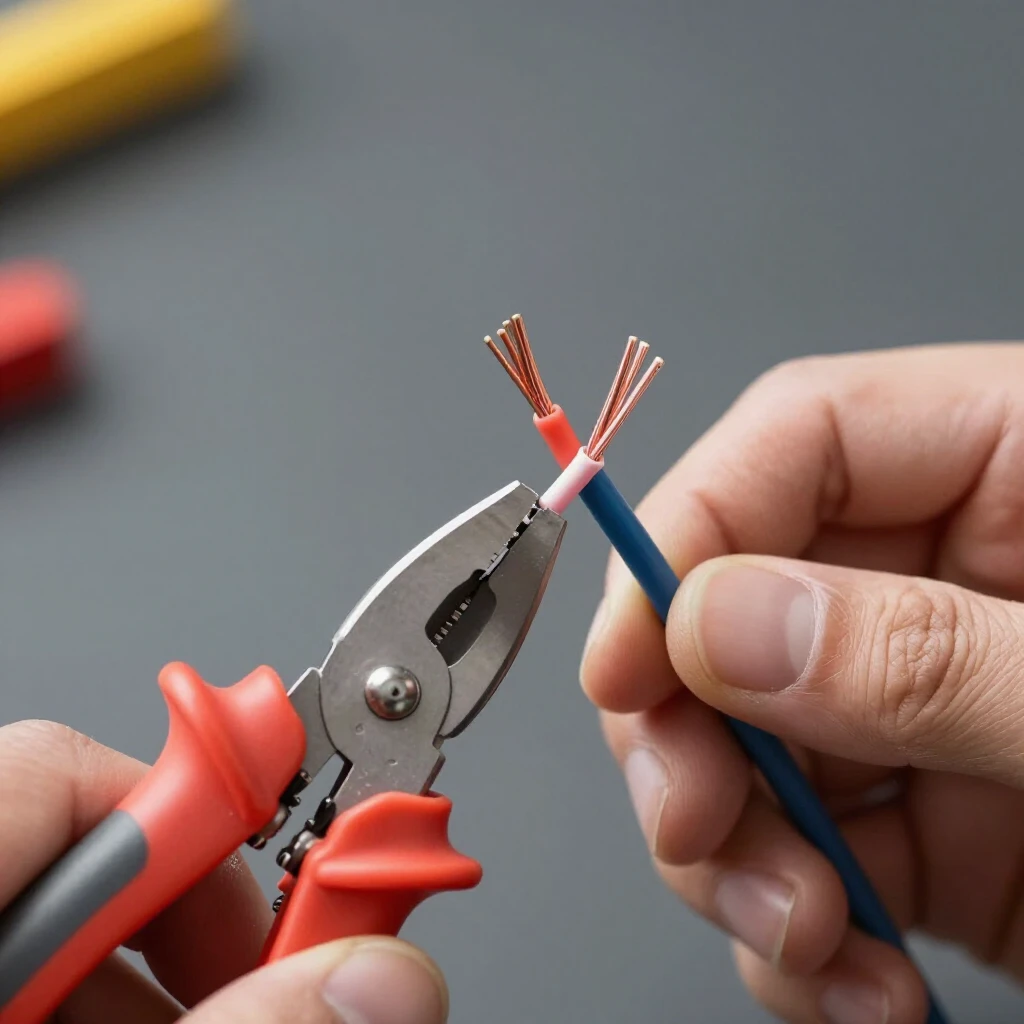
Wire Strippers
Precise wire strippers remove insulation without nicking the copper. Look for adjustable models that handle common gauges like 12-14 AWG.
From my experience, automatic strippers save time on bigger jobs.
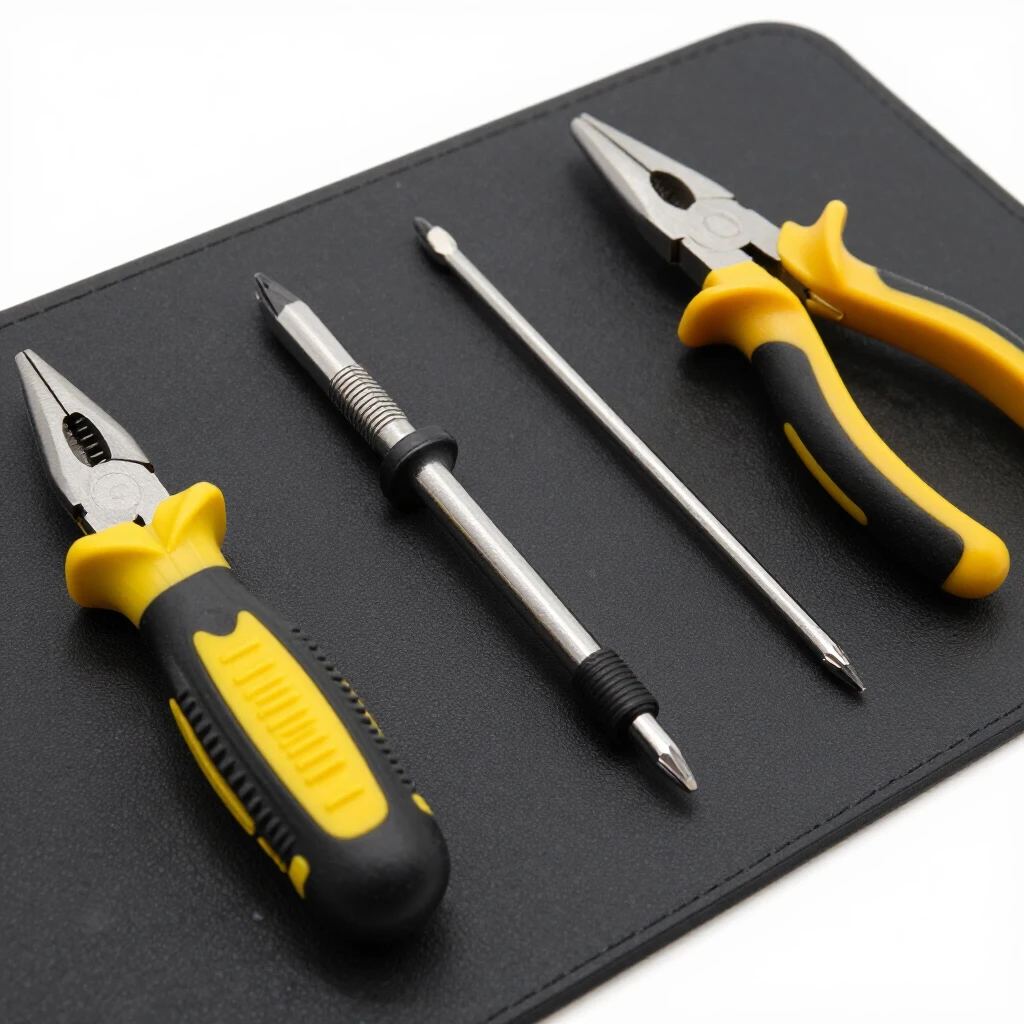
Needle-Nose Pliers
Perfect for bending wire loops and reaching tight spots.
Lineman's Pliers
These heavy-duty pliers cut thick wires and twist them together securely.
Insulated Screwdrivers
Get a set with Phillips and flathead tips. Insulation up to 1000V is standard.
Tools for Pulling and Routing Wire
Fish Tape
A flexible steel tape that pushes through walls or conduits to pull wires behind it.
Cable Ripper
Slits the outer sheath on Romex cable cleanly.
These tools shine when running new circuits through finished walls.
Power Tools You Need
Cordless Drill/Driver
Drills holes for boxes and anchors, plus drives screws fast.
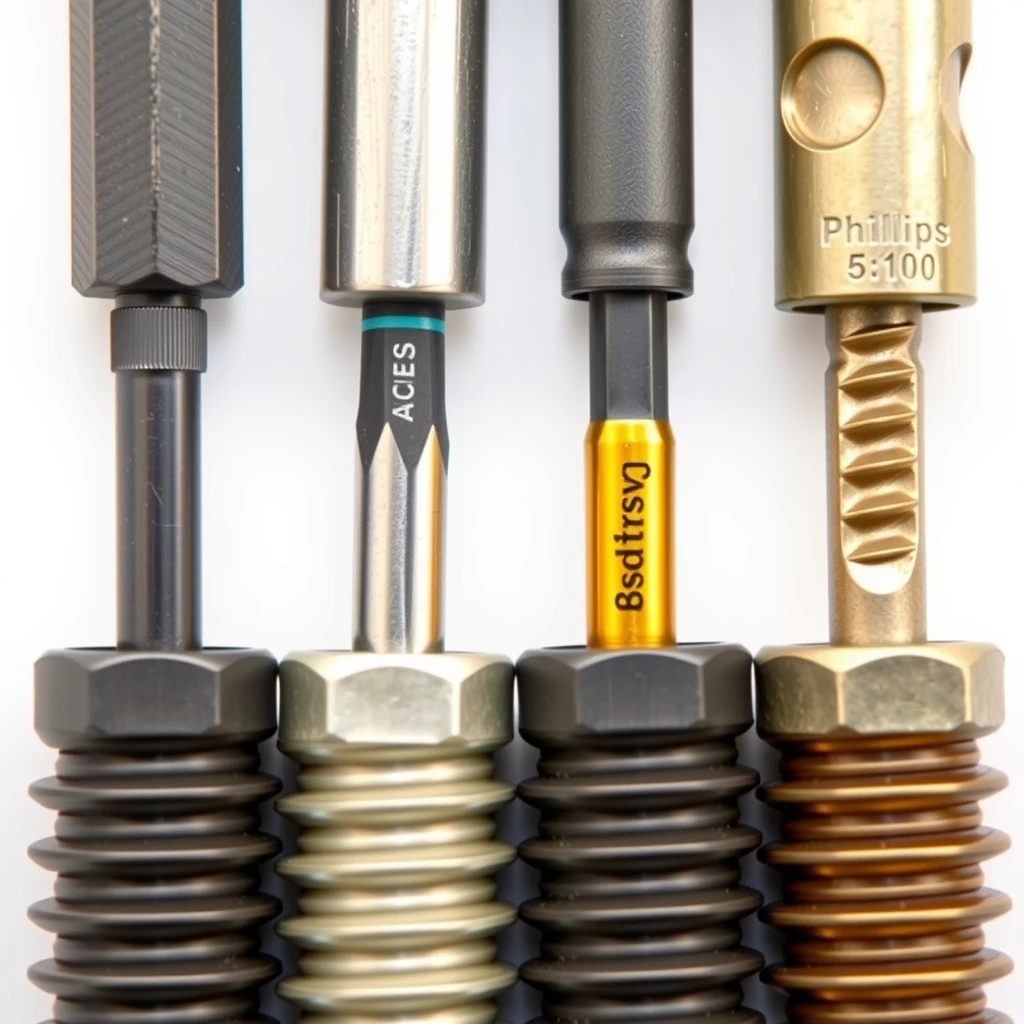
Choosing the Right Drill Bits for Electrical Installations
- Spade Bits: For quick holes in wood studs (1/2" to 1" sizes common).
- Auger Bits: Longer for deeper runs.
- Masonry Bits: When drilling into brick or concrete for outdoor work.
- Hole Saw: For larger openings like recessed lights.
Always match the bit to the material—sharp bits prevent overheating and make clean holes.
Additional Helpful Tools
- Tape Measure: Accurate layout is key.
- Level: Ensures boxes and devices sit straight.
- Utility Knife: For cutting drywall or cable.
- Circuit Finder: Plugs in and helps identify breakers quickly.
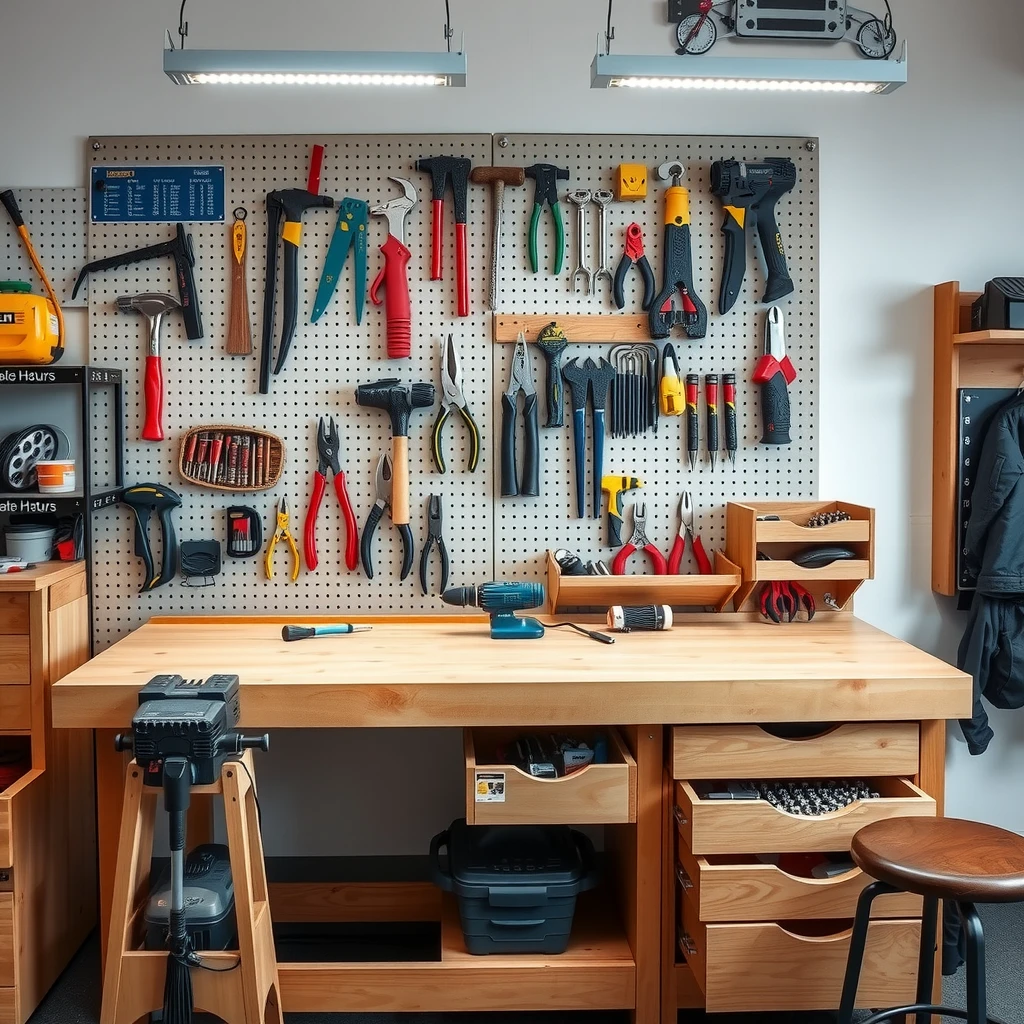
A sturdy tool bag or box keeps everything organized and portable.
Building Your Toolkit Step by Step
Start small. Buy safety items and basic hand tools first. Add power tools as projects grow.
Check brands like Klein Tools, Milwaukee, or Fluke—they're trusted by pros for good reason. Read reviews and choose mid-range options that balance cost and quality.
Local electrical codes matter too. In the US, follow the National Electrical Code (NEC) guidelines. Resources like the NFPA website offer free access.
Common Beginner Mistakes to Avoid
- Forgetting to verify power is off.
- Using non-insulated tools on live circuits.
- Overstripping wires, exposing too much copper.
- Drilling without checking for hidden pipes or wires.
Take your time. Double-check connections. Your safety is worth it.
With the right electrical tools for wiring and installations, you'll tackle projects confidently and safely. Start with these essentials, practice on small tasks, and build skills over time.
Happy wiring!
Related Essential Electrical Tools for Wiring and Installations: A Beginner’s Guide:
- Mastering the Basics: How to Use Hammers Effectively
- Essential Safety Gear for Working with Power Tools
- Essential Electrical Tools for Wiring and Installations: A Complete Guide
- Maintenance Tips for Long-Lasting Hand Tools: Keep Your Favorite Wrenches and Workman Tools Performing Like New
- How to Choose the Right Power Washer for Your Needs
- Maintaining Your Power Tools for Peak Performance
- Mastering Rotary Tools for Jewelry Making: Your Essential Guide
- How to Choose the Right Screwdriver for the Job
- Safety Best Practices for Electricians: Essential Tips to Stay Safe on the Job
- Setting Up Your Ideal Workbench: Tips and Tricks
- Key Features to Look for in Cordless Power Tools
- Top 10 Workman Tools Every Contractor Needs