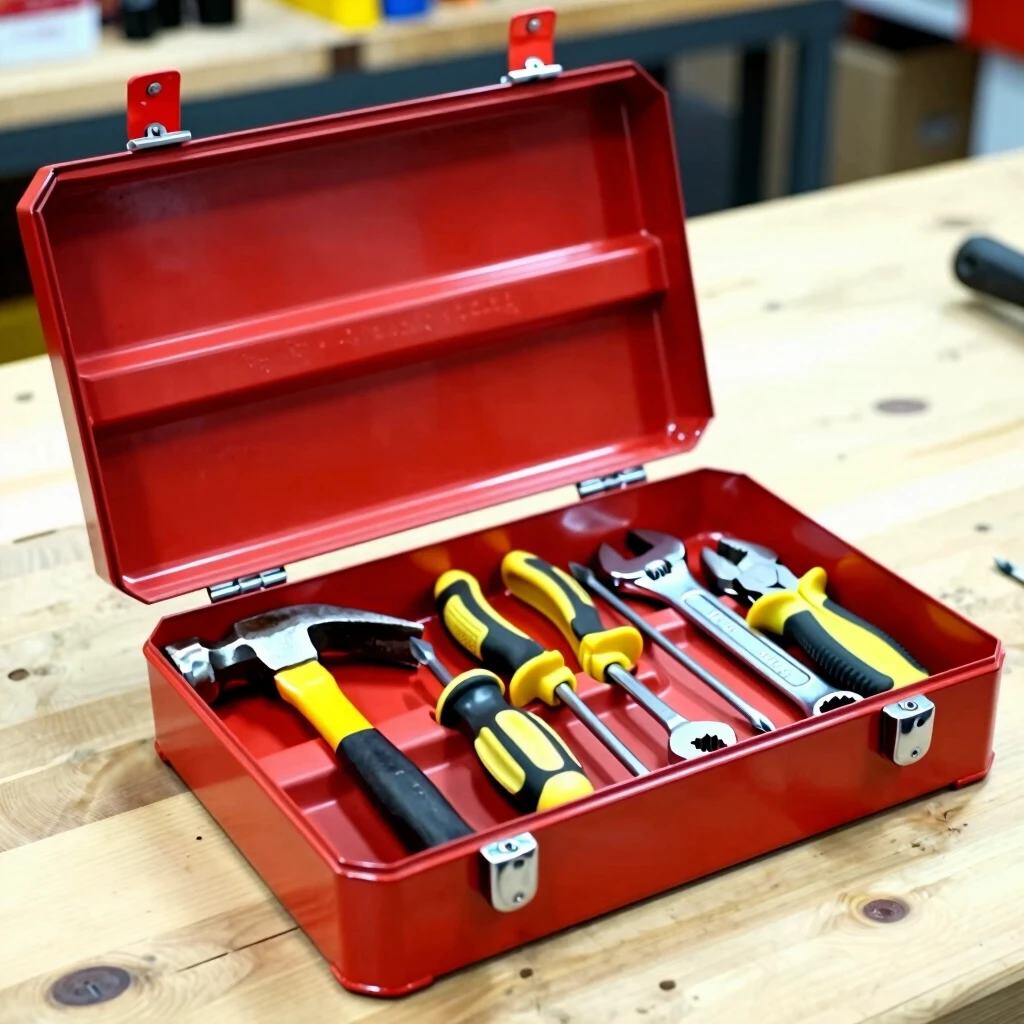
Your favorite hand tools are more than just equipment—they're reliable partners in your projects. Proper maintenance keeps them performing well, prevents rust, and saves you money in the long run. In this guide, we'll cover simple ways to care for your workman tools.
Why Maintenance Matters
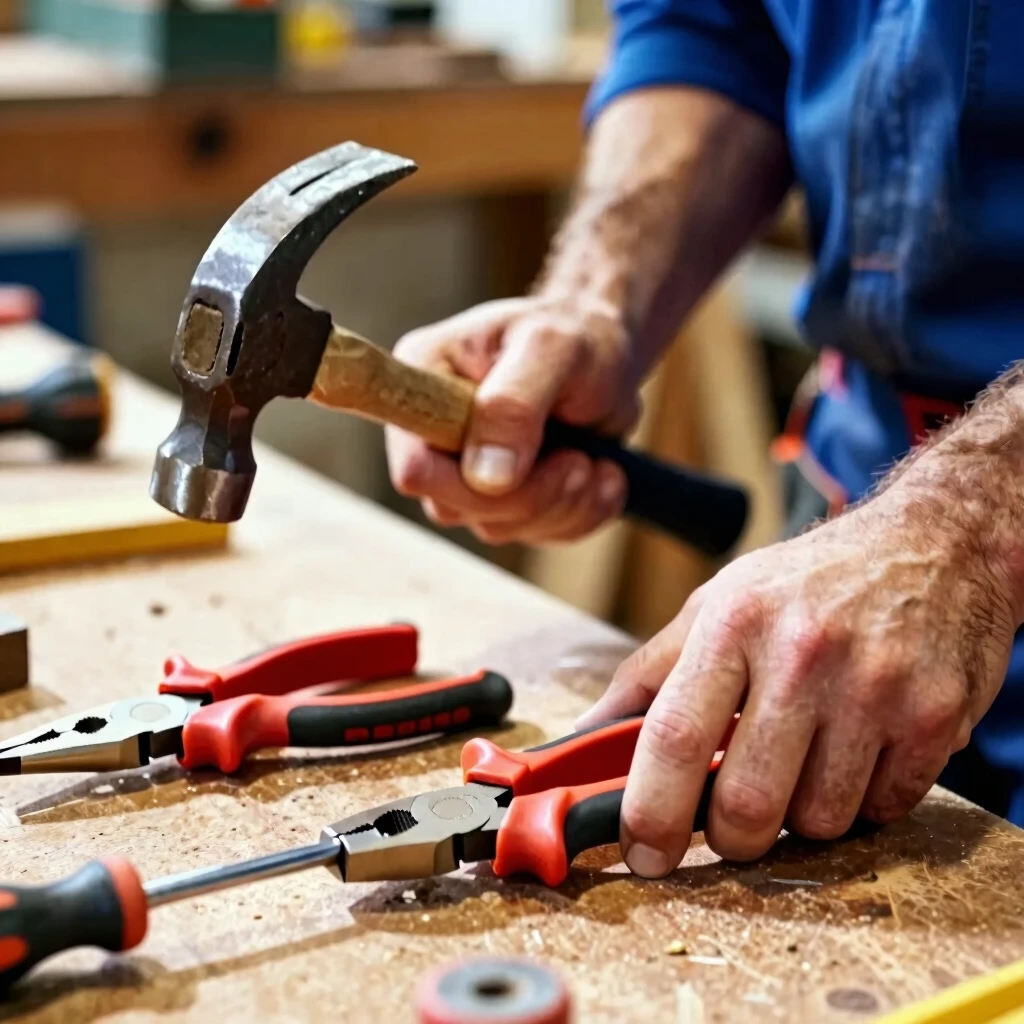
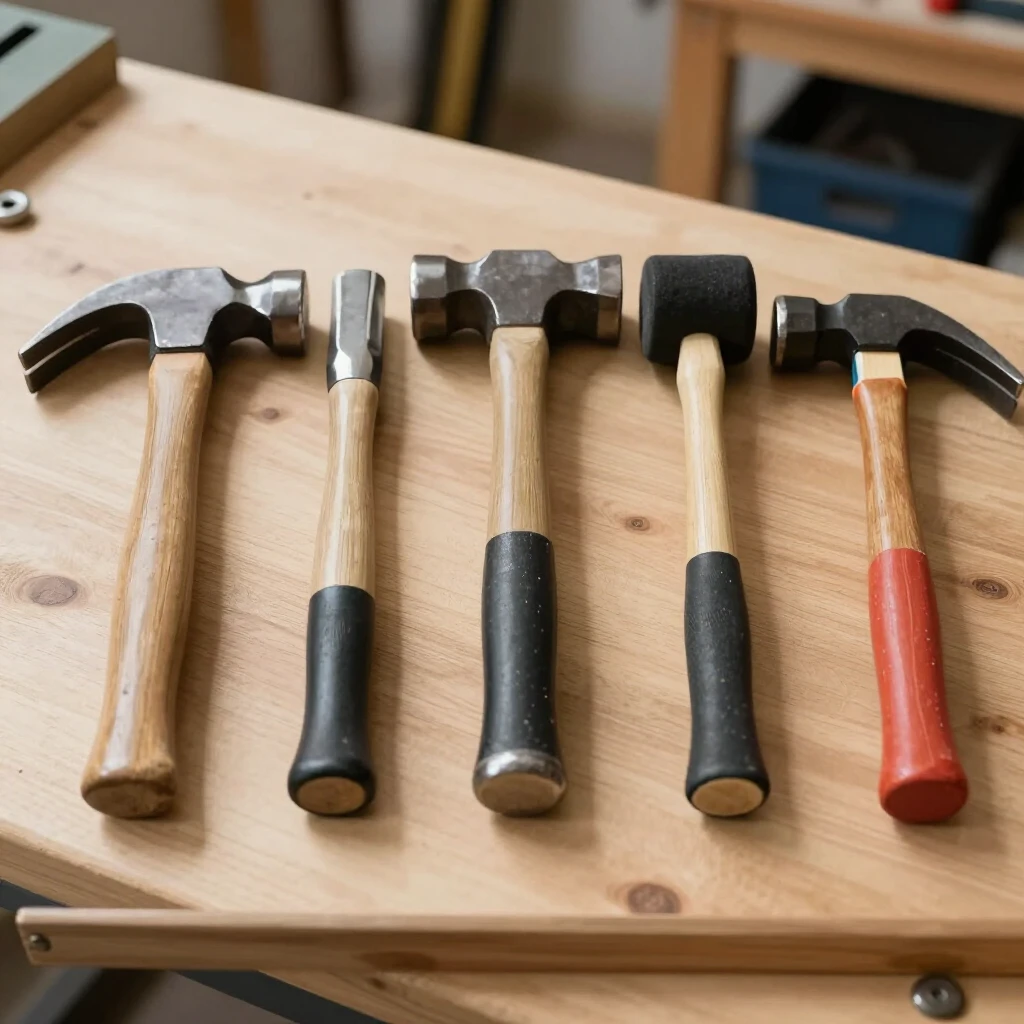
You invest time and money in good tools. Skipping maintenance leads to rust, dull edges, and broken handles. Well-cared-for tools work better and feel great in your hand. I've seen my old hammer last decades because I clean it after every use.
Regular care also keeps you safe. A slippery handle or dull blade can cause accidents. Take pride in your tools—they'll reward you with years of service.
Basic Cleaning Routine
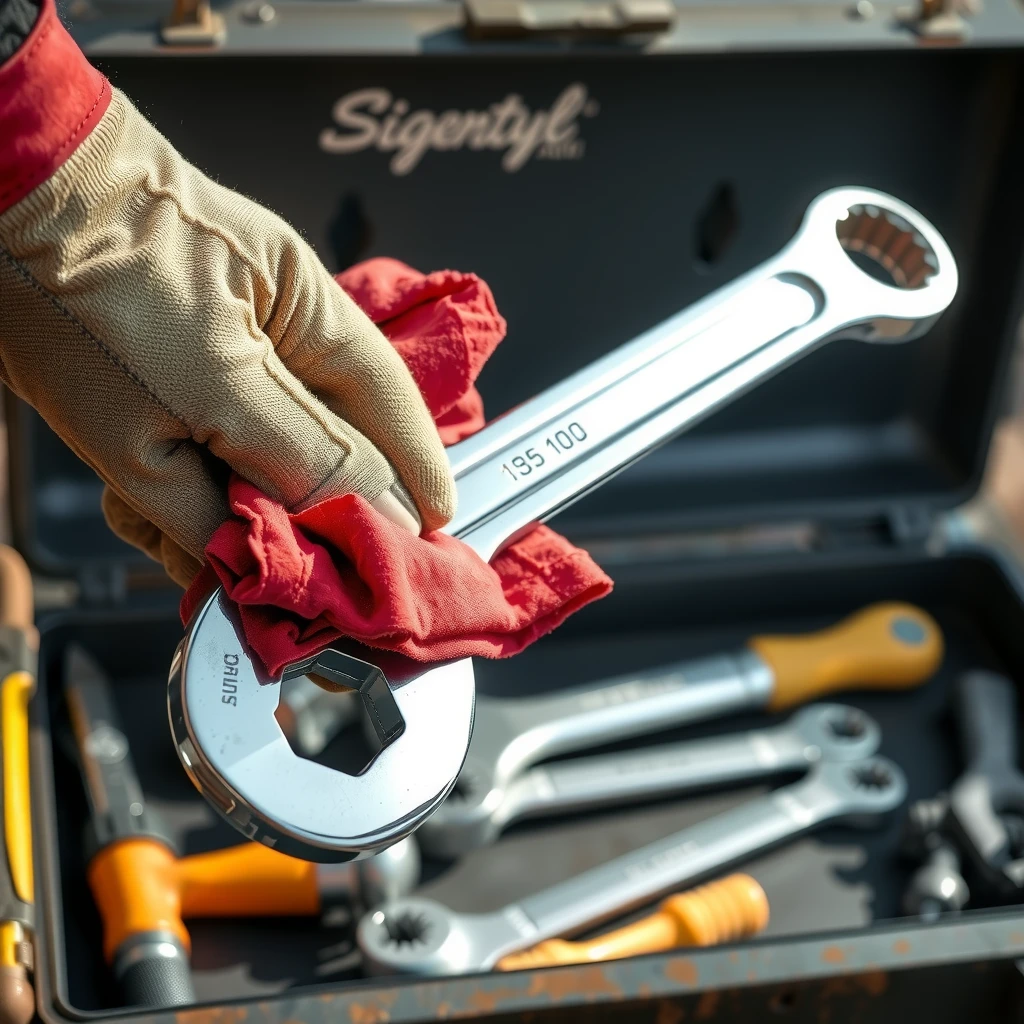
Start with cleaning. After each use, wipe off dirt and debris. Use a soft brush or rag for this.
For tougher grime, wash with mild soap and water. Dry thoroughly right away to avoid rust.
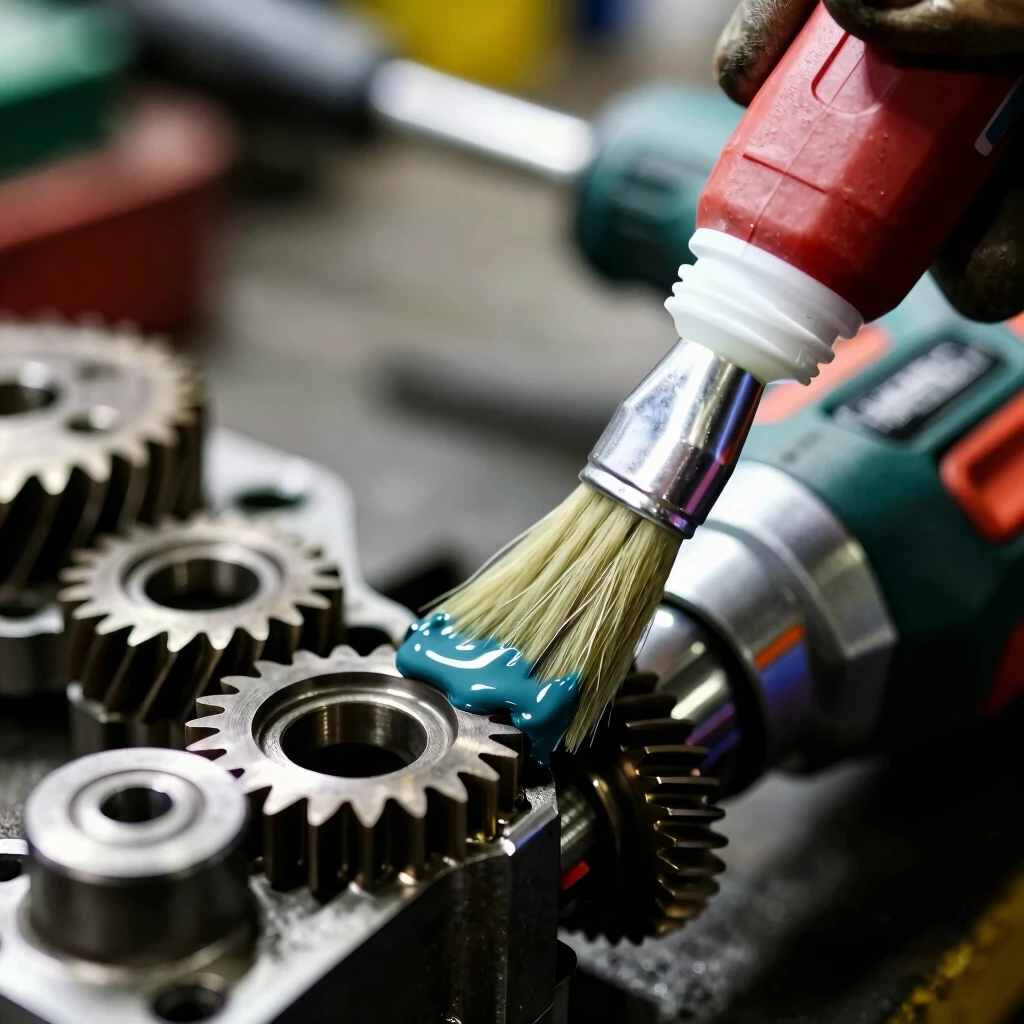
University extension services recommend applying a light oil or rust inhibitor to metal parts after cleaning. This simple step protects against moisture.
If tools get sap or resin from woodworking, use a solvent like mineral spirits. Always wear gloves when handling chemicals.
Fighting Rust
Rust is the biggest enemy of metal tools. Catch it early for easy removal.
Soak rusty spots in vinegar overnight, then scrub with a wire brush. For prevention, store tools in a dry place.
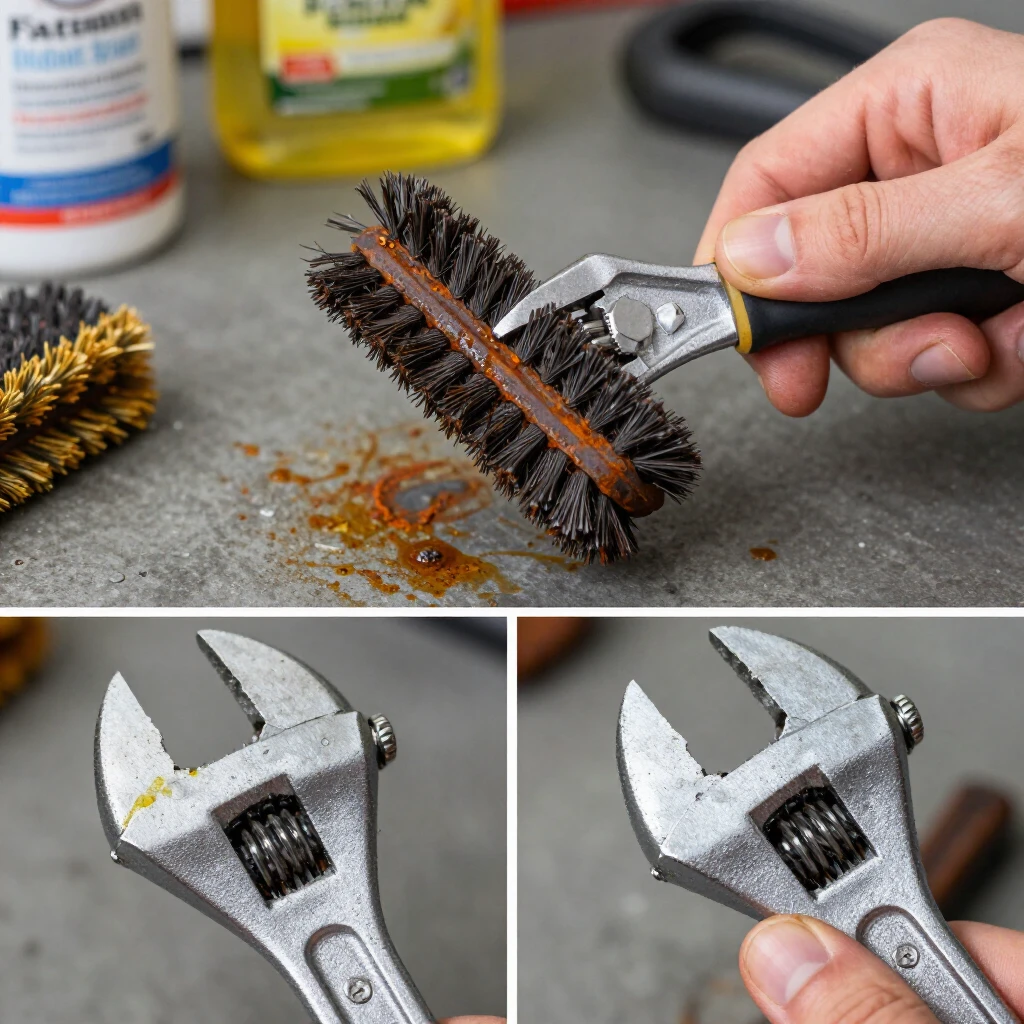
Experts from the University of Wisconsin Extension suggest using WD-40 or silicone spray on clean, dry tools to block rust. I do this seasonally and it works wonders.
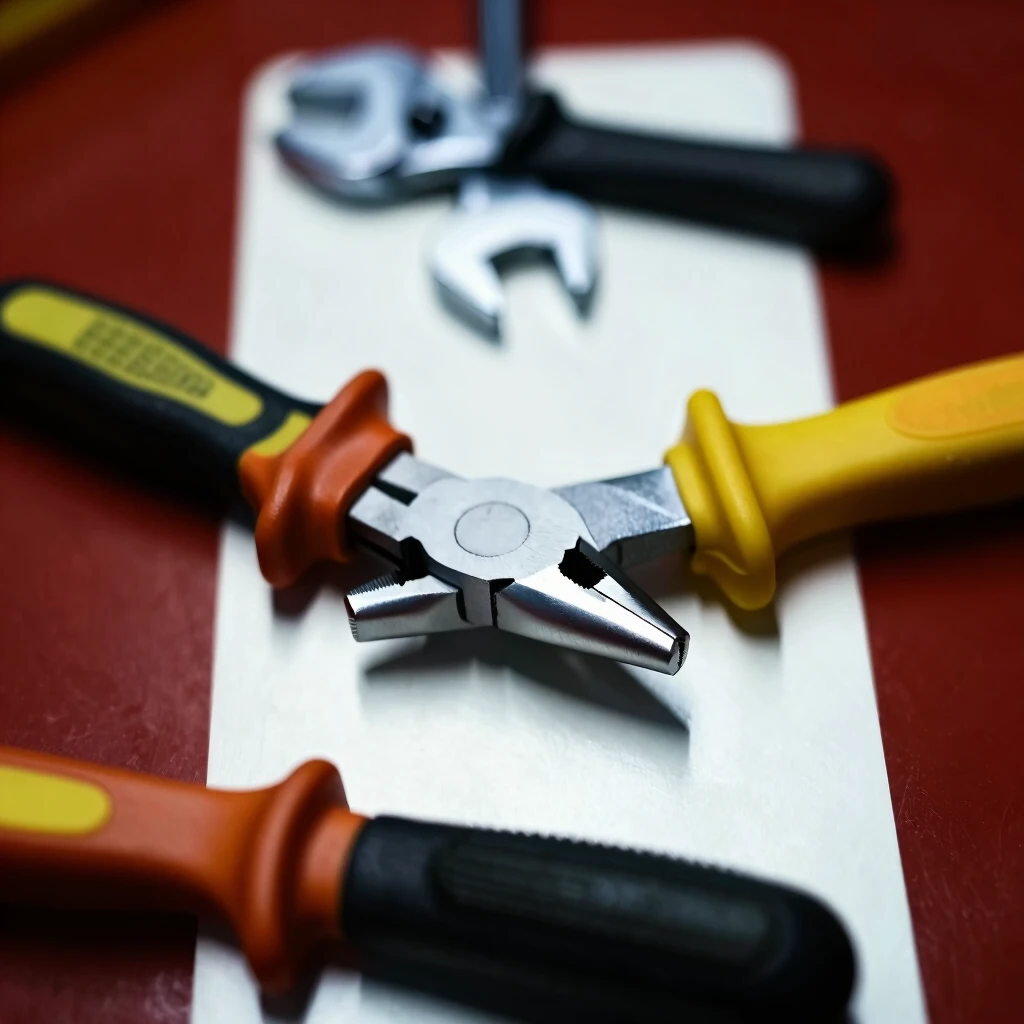
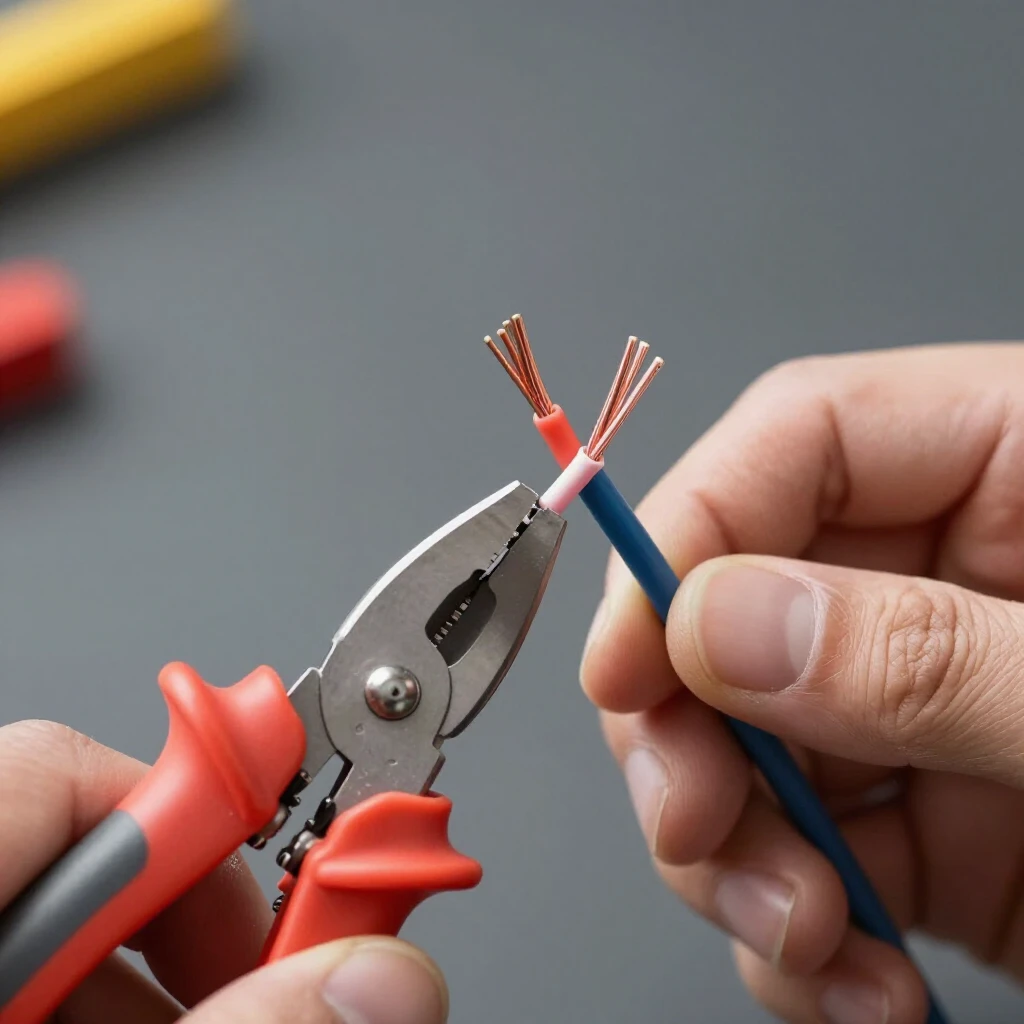
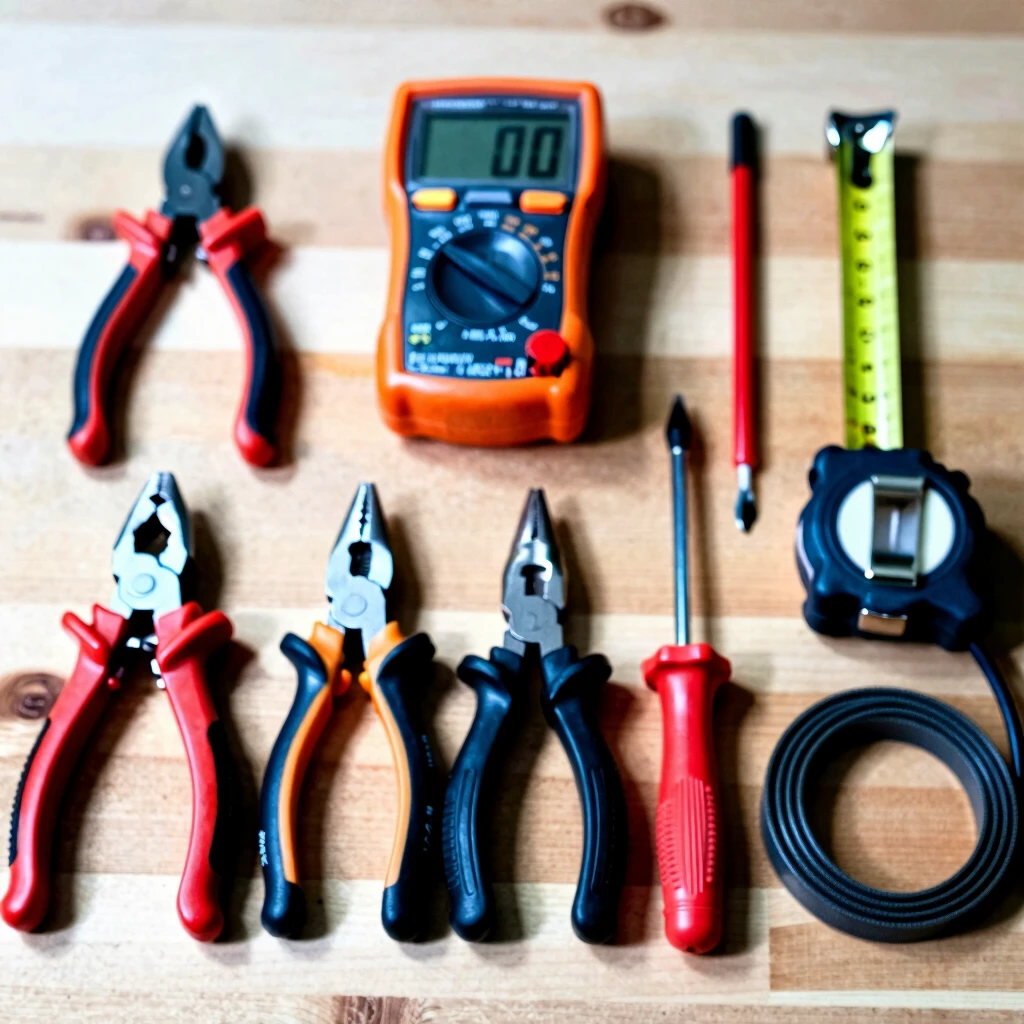
For electrical workman tools like pliers or wire strippers, avoid water if possible. Use a dry cloth and compressed air to clean crevices.
Sharpening Edges
Sharp tools make work easier and safer. Dull ones require more force, increasing injury risk.
Use a file or whetstone for edges. For chisels and planes in woodworking tools, hone regularly.
Steps to Sharpen:
- Secure the tool in a vise.
- Use consistent strokes at the correct angle.
- Finish with a honing stone for a razor edge.
Practice on old tools first. Sharp tools cut cleanly and last longer.
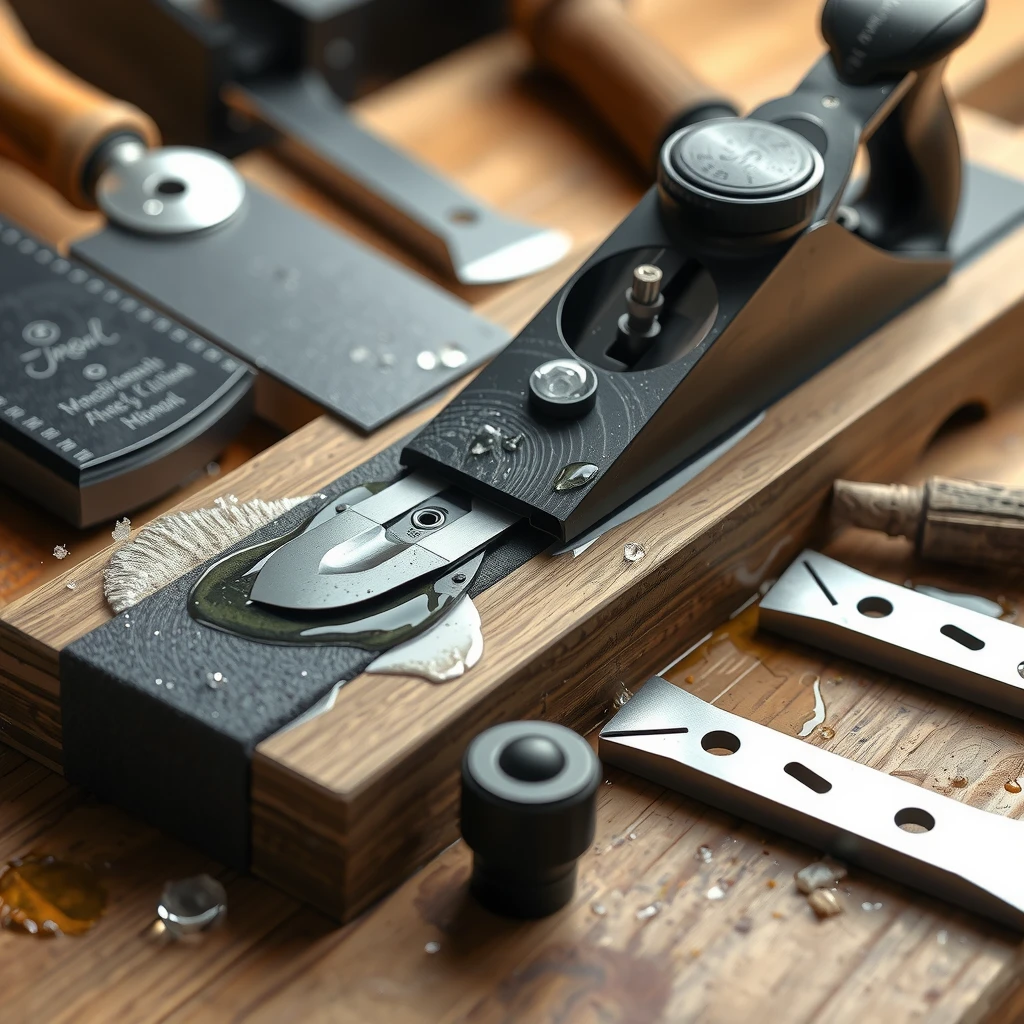
Kansas State University Extension notes that sharp garden hand tools (similar principles apply) take less effort and perform better.
Caring for Handles
Wooden handles need attention too. Sand rough spots and apply linseed oil yearly. This prevents cracks and splinters.
For plastic or rubber grips, clean with soap and check for wear.
Storage Tips
Store tools properly to avoid damage.
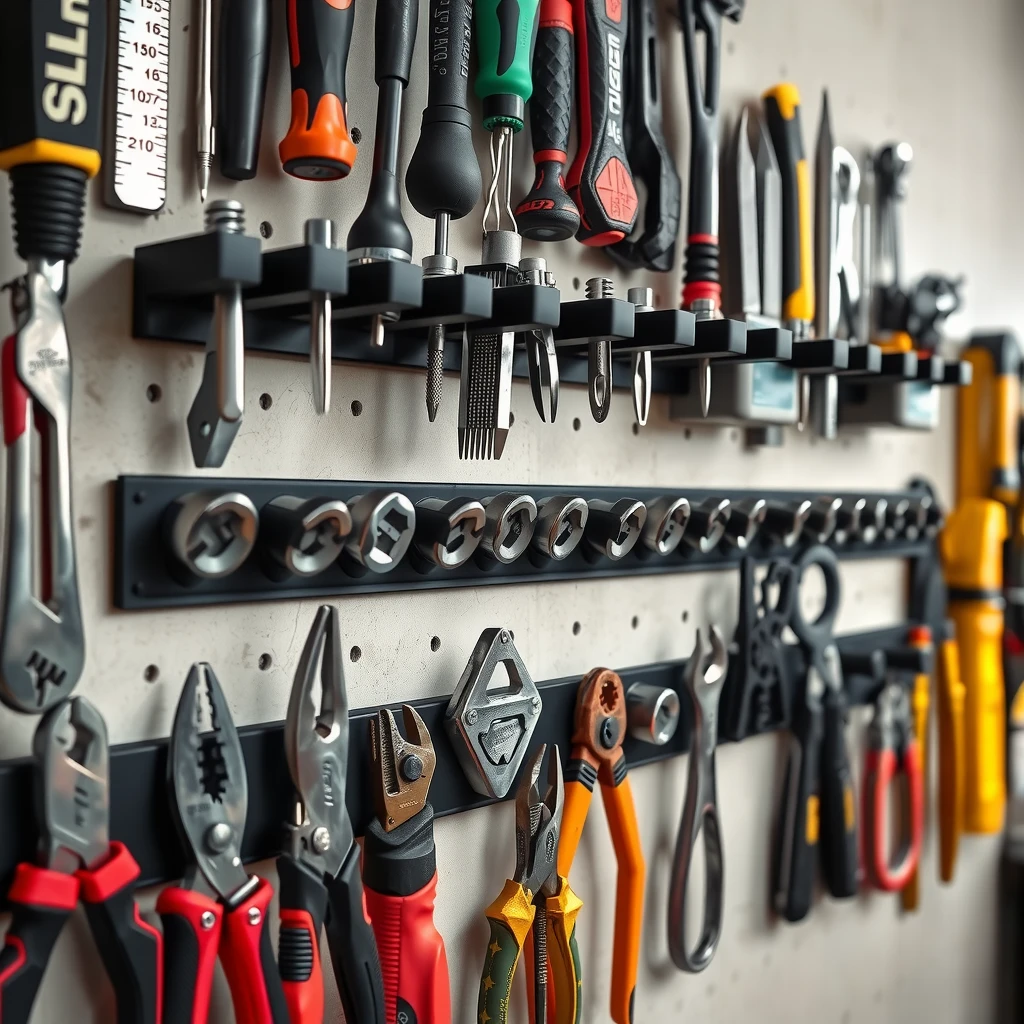
- Hang them on a pegboard.
- Use a dry toolbox with silica packs.
- Keep cutting tools in sheaths.
Good organization means you find what you need quickly.
| Tool Type | Maintenance Tip | Frequency |
|---|---|---|
| Hammers & Wrenches | Wipe and oil metal | After each use |
| Screwdrivers & Pliers | Clean tips, check insulation | Weekly |
| Woodworking Chisels | Sharpen and oil | Before major projects |
| Multimeters (electrical) | Clean probes, store in case | Monthly |
Speaking of electrical work, if you're starting out, choosing the best multimeter for beginners is key. Look for one with auto-ranging and good safety ratings. Maintain it by keeping probes clean and batteries fresh.
Common Mistakes to Avoid
Don't leave tools outside overnight. Moisture causes quick rust.
Avoid using tools for wrong jobs—like prying with a screwdriver.
Never store wet tools.
I've learned these the hard way. One rainy day left my favorite pliers rusty overnight. Now I always bring them in.
Advanced Care for Specific Tools
Workman tools for electrical work need extra care around insulation. Inspect for cracks regularly.
Woodworking tools benefit from camellia oil—it's food-safe and non-drying.
For more on garden tool care, check this guide from University of Minnesota Extension on cleaning and disinfecting tools.
Detailed sharpening advice in this Kansas State University brochure on cleaning and sharpening.
Rust prevention tips from University of Wisconsin Horticulture Extension.
In summary, consistent care keeps your favorite hand tools ready for any job. Clean after use, protect from rust, sharpen when needed, and store smartly. Your tools will thank you by lasting longer and working better.
Start small—pick one tool today and give it some attention. You'll feel the difference next time you use it.
Related How to Maintain Your Favorite Hand Tools:
- Choosing the Best Multimeter for Beginners: Your Essential Guide to Workman Tools for Electrical Work
- Choosing the Right Tool for the Job: A Guide to Better Work and Less Strain
- The Ergonomics Advantage: How Comfortable Tools Can Transform Your Workday
- Mastering Organizing Tools in a Small Workshop: Practical Tips for Efficiency and Safety
- Essential Electrical Tools for Wiring and Installations: A Beginner’s Guide
- Mastering the Basics: How to Use Hammers Effectively
- Essential Safety Gear for Working with Power Tools
- Essential Electrical Tools for Wiring and Installations: A Complete Guide
- Maintenance Tips for Long-Lasting Hand Tools: Keep Your Favorite Wrenches and Workman Tools Performing Like New
- How to Choose the Right Power Washer for Your Needs
- Maintaining Your Power Tools for Peak Performance
- Mastering Rotary Tools for Jewelry Making: Your Essential Guide