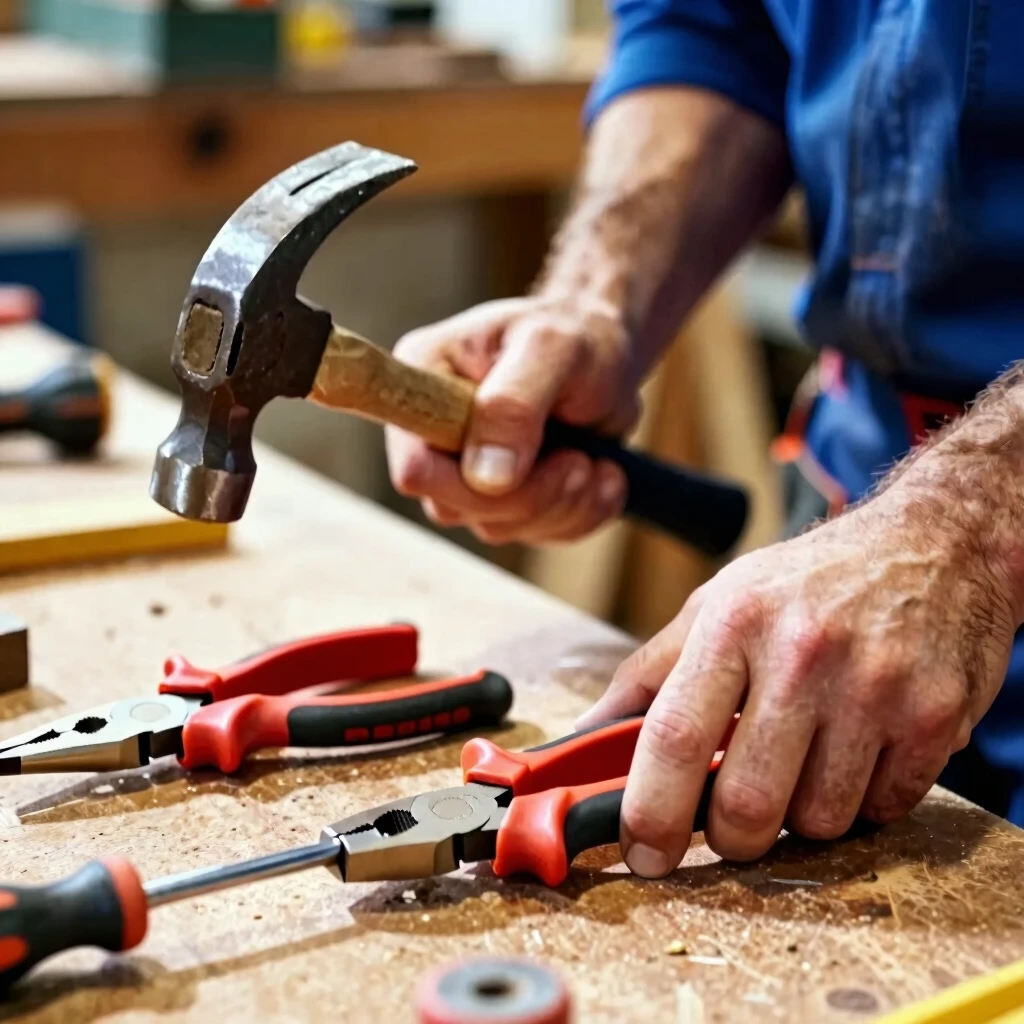
Keeping your workshop equipment in great condition is key to safe and efficient work. These workshop equipment maintenance tips will help you avoid breakdowns, save money, and protect yourself from accidents. Whether you're a hobbyist or professional, regular care makes a big difference.
Why Workshop Equipment Maintenance Matters
I've spent years in my own garage workshop, and I've learned the hard way that neglecting maintenance leads to frustration. One time, a rusty drill bit snapped mid-project, ruining a piece of wood I'd worked hours on. Proper care for your workshop equipment not only prevents these issues but also keeps you safe.
Regular maintenance extends the life of your workman tools and machines. It reduces repair costs and downtime. More importantly, well-maintained equipment lowers the risk of injuries. According to safety experts, many accidents stem from poorly maintained tools.
The Occupational Safety and Health Administration (OSHA) stresses the importance of routine preventive maintenance to prevent equipment failure and incidents. Learn more about OSHA's hazard prevention guidelines.
Start with a Daily Cleaning Routine
Clean your workshop equipment after every use. Dust, debris, and residue build up quickly and can cause wear.
Here are simple steps: - Wipe down surfaces with a soft cloth. - Use compressed air to blow out dust from vents and crevices. - For metal parts, apply a light oil to prevent rust.
In my experience, spending just five minutes cleaning at the end of a session saves hours of deep cleaning later. It also helps you spot small problems early.
Lubrication: Keep Things Moving Smoothly
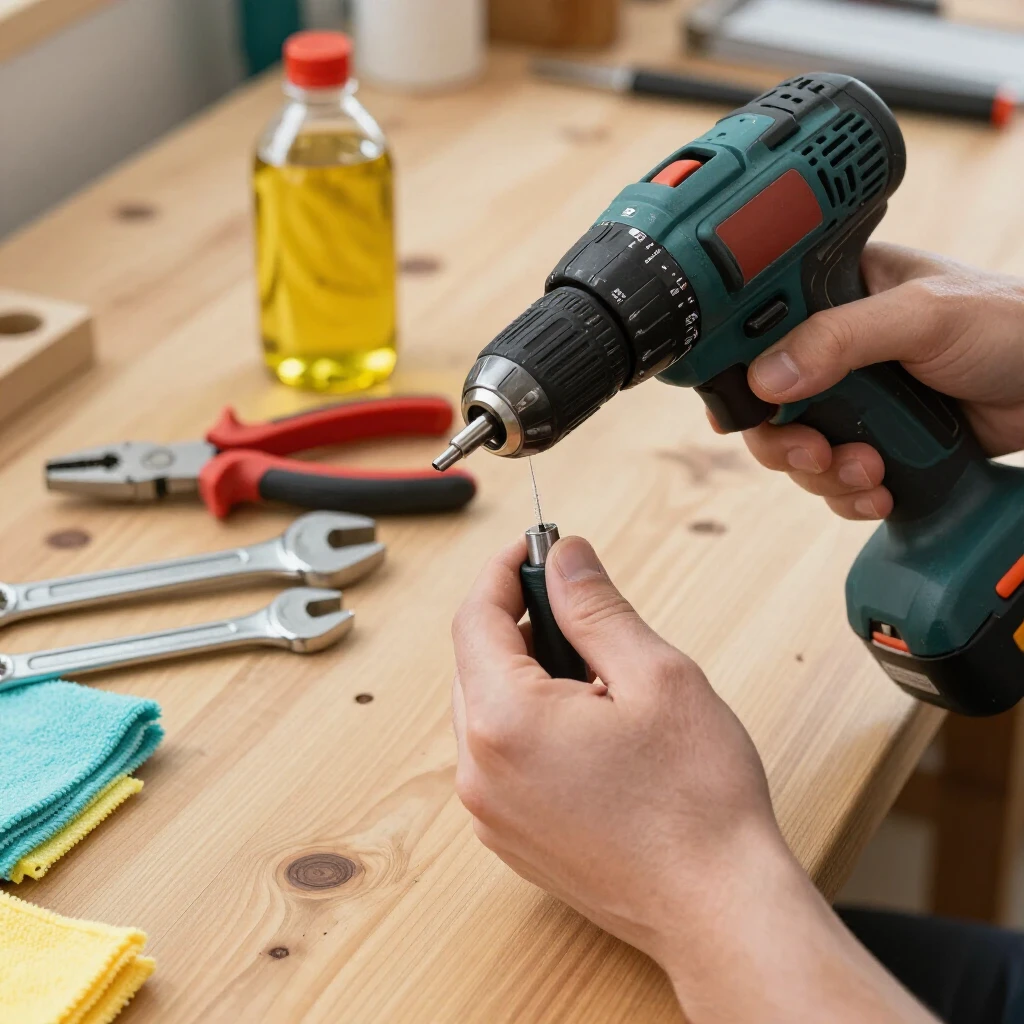
Many workman tools have moving parts that need lubrication. Check your manufacturer's manual for recommendations.
Common areas to lubricate: - Drill chucks - Saw blades hinges - Air tool fittings
Use the right lubricant – silicone spray for plastics, machine oil for metals. Over-lubricating can attract dust, so apply sparingly.
Inspection Checklist for Workshop Equipment
Make inspections a habit. Here's a basic checklist you can use weekly or monthly:
| Item | What to Check | Action if Issue Found |
|---|---|---|
| Power cords | Frays or cracks | Replace immediately |
| Blades and bits | Dullness or damage | Sharpen or replace |
| Guards and shields | Secure and intact | Tighten or repair |
| Batteries (for cordless tools) | Charge level and corrosion | Clean terminals |
| Air filters (compressors) | Clogging | Clean or replace |
OSHA recommends always using lockout/tagout procedures during maintenance to avoid accidental startup. This simple step can prevent serious injuries. Read OSHA's guidance on machine guarding and maintenance.
Maintaining Power Tools Specifically
Power tools like drills, saws, and grinders see heavy use. Keep brushes clean in motors, and check alignments regularly.
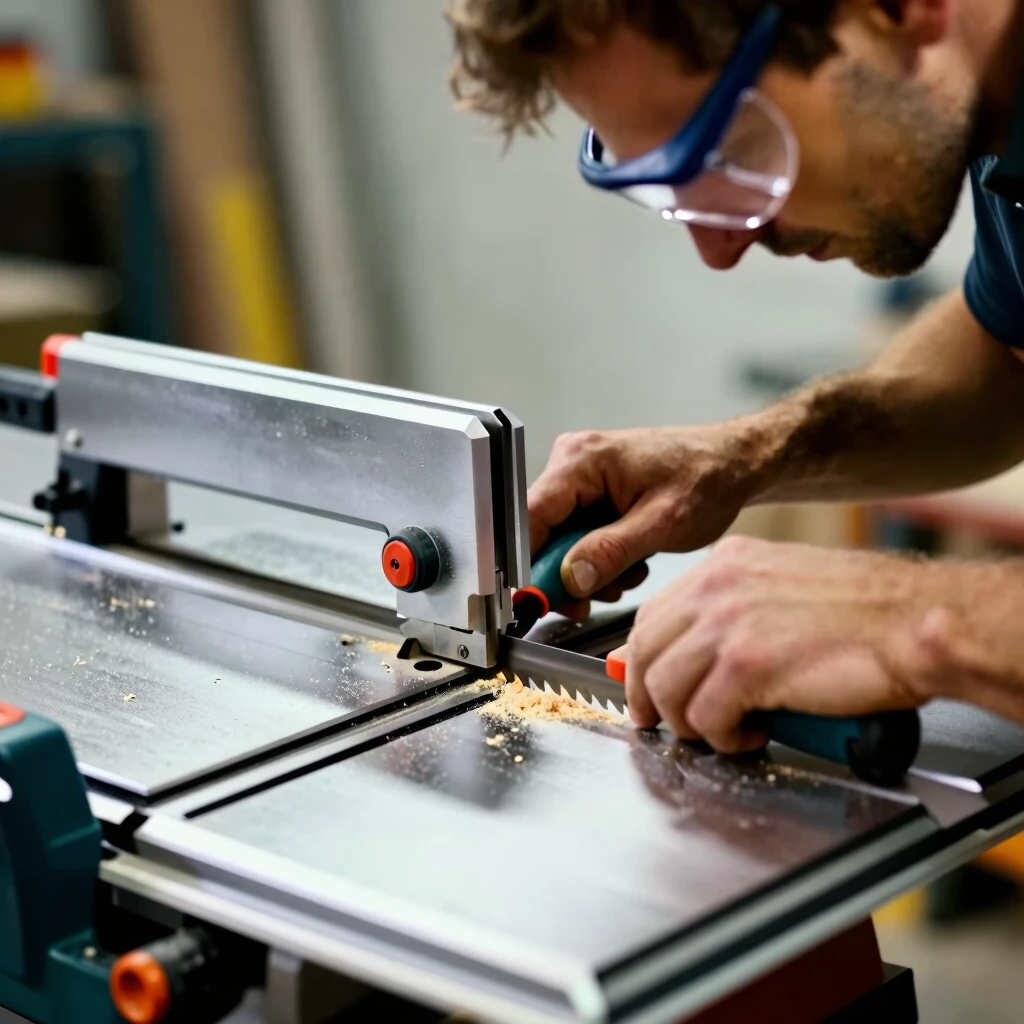
For table saws, ensure the blade is parallel to the miter slots. Clean sawdust buildup, as it can cause overheating or fires.
I've found that sharpening blades myself saves money, but for precision tools, professional sharpening is worth it.
Hand Tools and Workman Tools Care
Don't overlook basic workman tools like hammers, wrenches, and screwdrivers. Inspect handles for cracks – a loose head can fly off dangerously.
Store them dry to avoid rust. Wooden handles benefit from occasional linseed oil application.
OSHA's hand and power tools publication highlights that many injuries come from misuse and improper maintenance. Keep guards in place and tools sharp. Download OSHA's Hand and Power Tools booklet.
Storage Tips to Protect Your Equipment
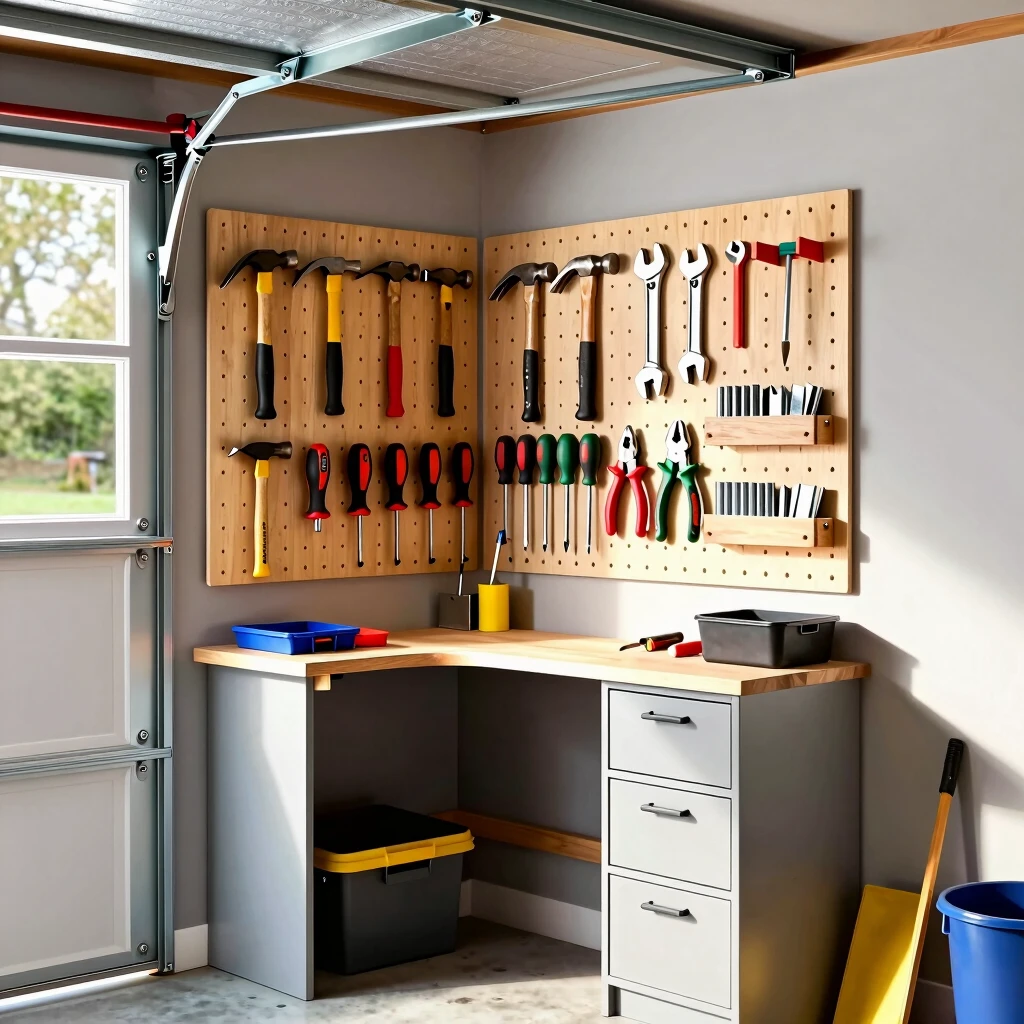
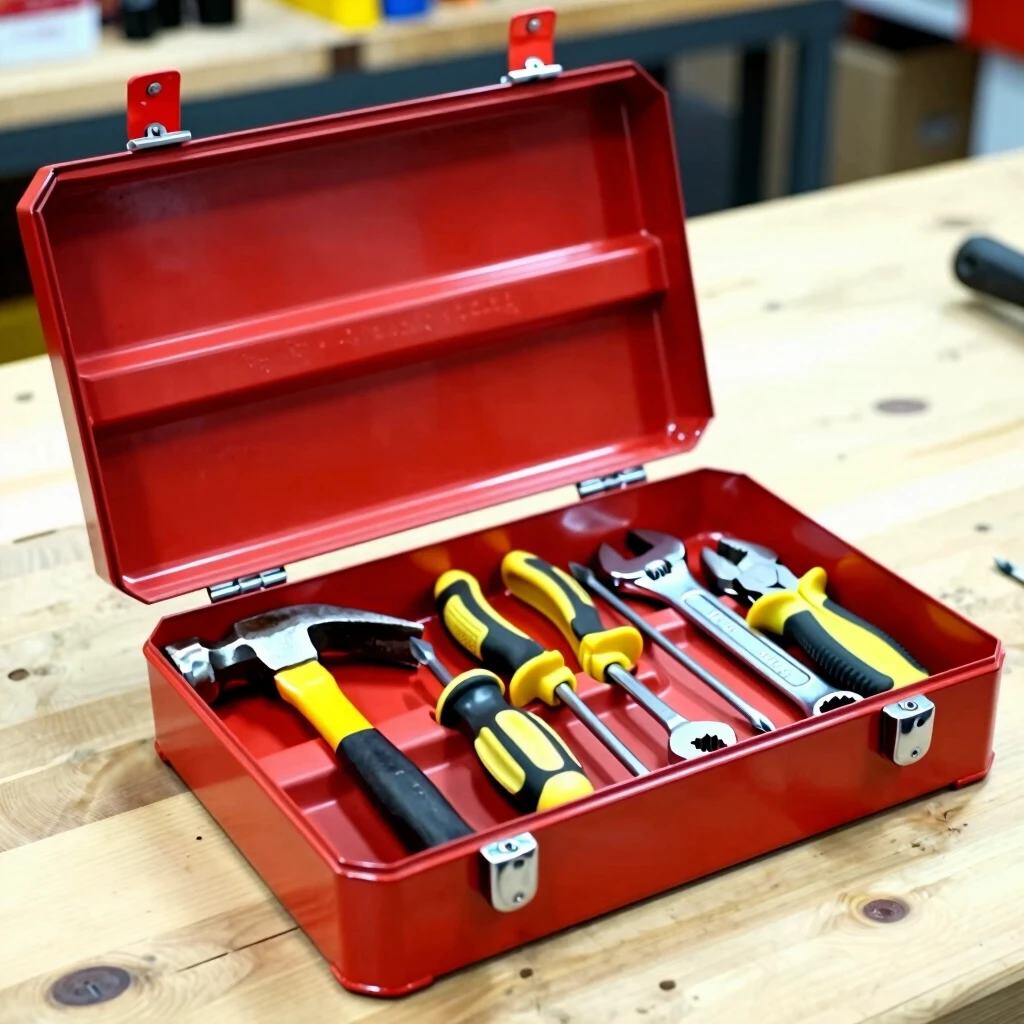
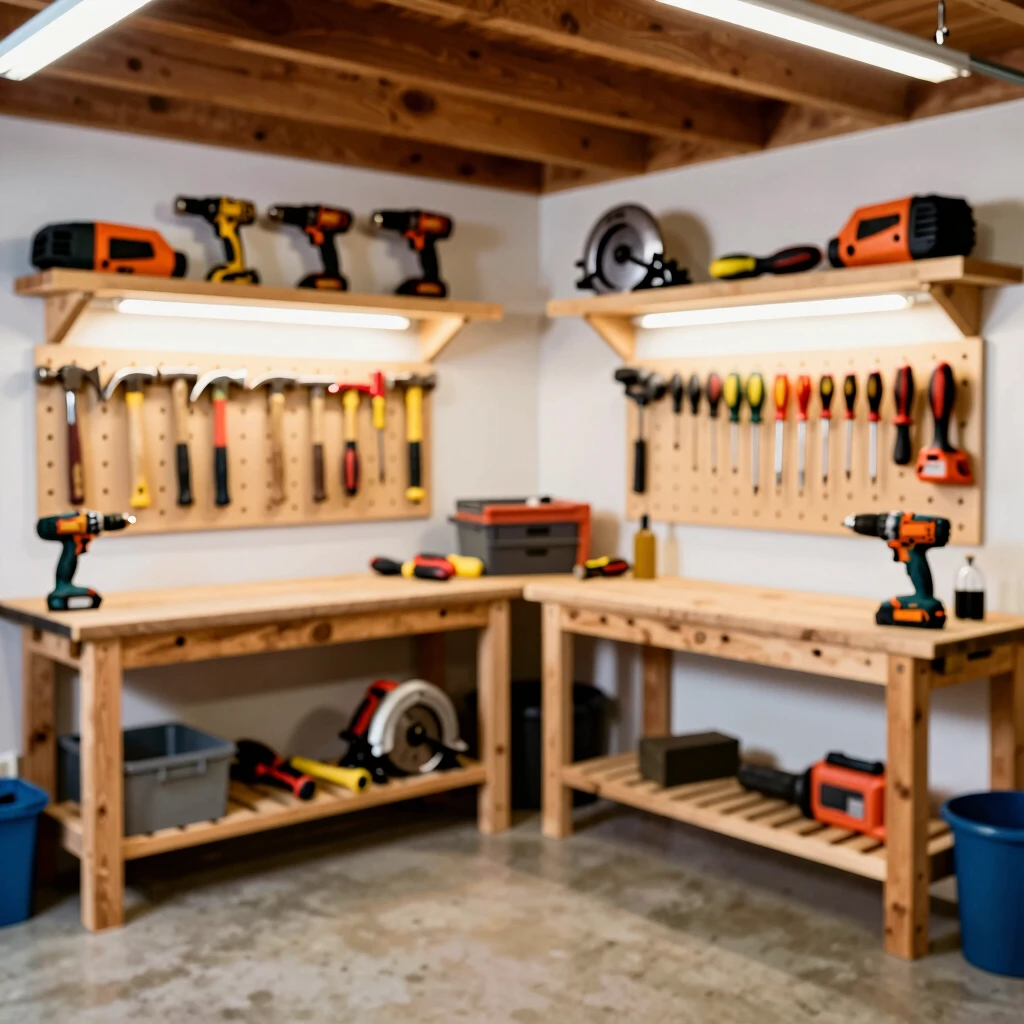
Proper storage is part of maintenance. Hang tools on pegboards or store in drawers. Use silica packs in toolboxes to absorb moisture.
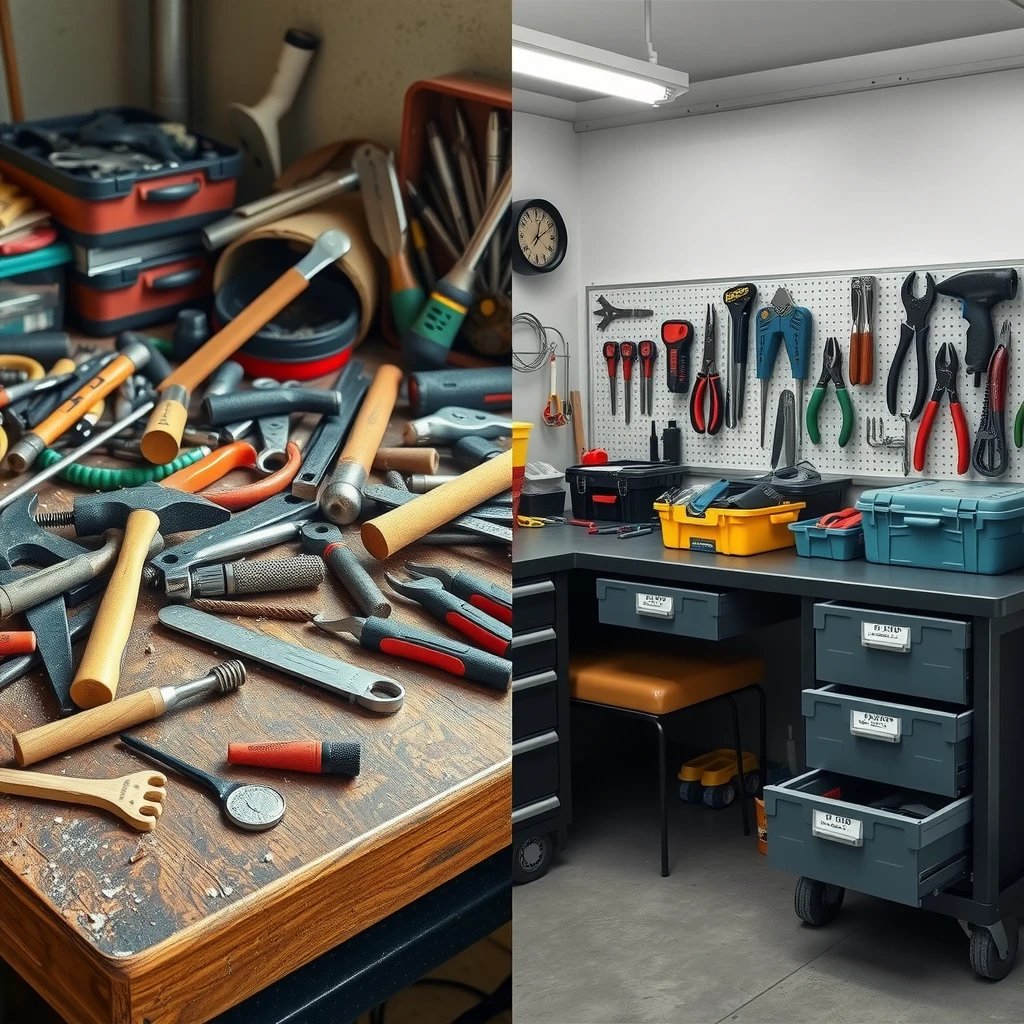
Keep your workshop organized – it makes maintenance easier and safer.
When to Replace Workshop Equipment
No tool lasts forever. Replace when repairs cost more than a new one, or if safety is compromised.
Signs it's time: - Frequent breakdowns - Visible heavy wear - Poor performance despite maintenance
Investing in quality from the start pays off. Good tools need less frequent repairs.
Personal Insights from Years in the Workshop
Over the decades, I've seen friends skip maintenance and regret it with injuries or expensive replacements. Stick to a schedule – mark your calendar for monthly checks.
Start small if you're new: focus on your most-used tools first.
Following these workshop equipment maintenance tips has kept my tools running smoothly for years. You'll work more efficiently and enjoy your projects more.
In summary, consistent cleaning, lubrication, inspections, and safe practices are the foundation of great workshop equipment care. Stay safe and keep creating!
Related workshop equipment maintenance tips:
- Beginner's Guide to Essential Workshop Tools
- How to Choose the Right Oil for Your Car: A Beginner’s Guide
- A Beginner’s Guide to Building Your Construction Tool Kit
- Troubleshooting Power Washer Problems: A Complete Guide
- Organizing Workman Tools in a Small Space: Smart Solutions for Tight Workshops
- Top Maintenance Tips for Extending Tool Lifespan
- Top Paint Brands Review 2025 - /top-paint-brands-review
- Beginner’s Guide to Woodworking Projects: Start Building with Confidence
- Ultimate Guide to Hand Tools Storage Solutions
- How to Maintain Your Favorite Hand Tools
- Choosing the Right Tool for the Job: A Guide to Better Work and Less Strain
- The Ergonomics Advantage: How Comfortable Tools Can Transform Your Workday