Overview
Construction work offers rewarding careers, but it comes with risks. These safety tips for construction workers help you spot dangers, use gear correctly, and keep tools in top shape. Follow them to go home safe each day.
Safety matters a lot in construction. Every year, thousands of workers get hurt on job sites. But you can cut those numbers by staying alert and prepared. I've worked on sites for over a decade, and I've seen how small steps make big differences.
Let's start with the basics. Know your surroundings. Walk the site before starting work. Look for loose wires, wet spots, or uneven ground. Spotting hazards early prevents trips and falls.
Personal Protective Equipment (PPE)
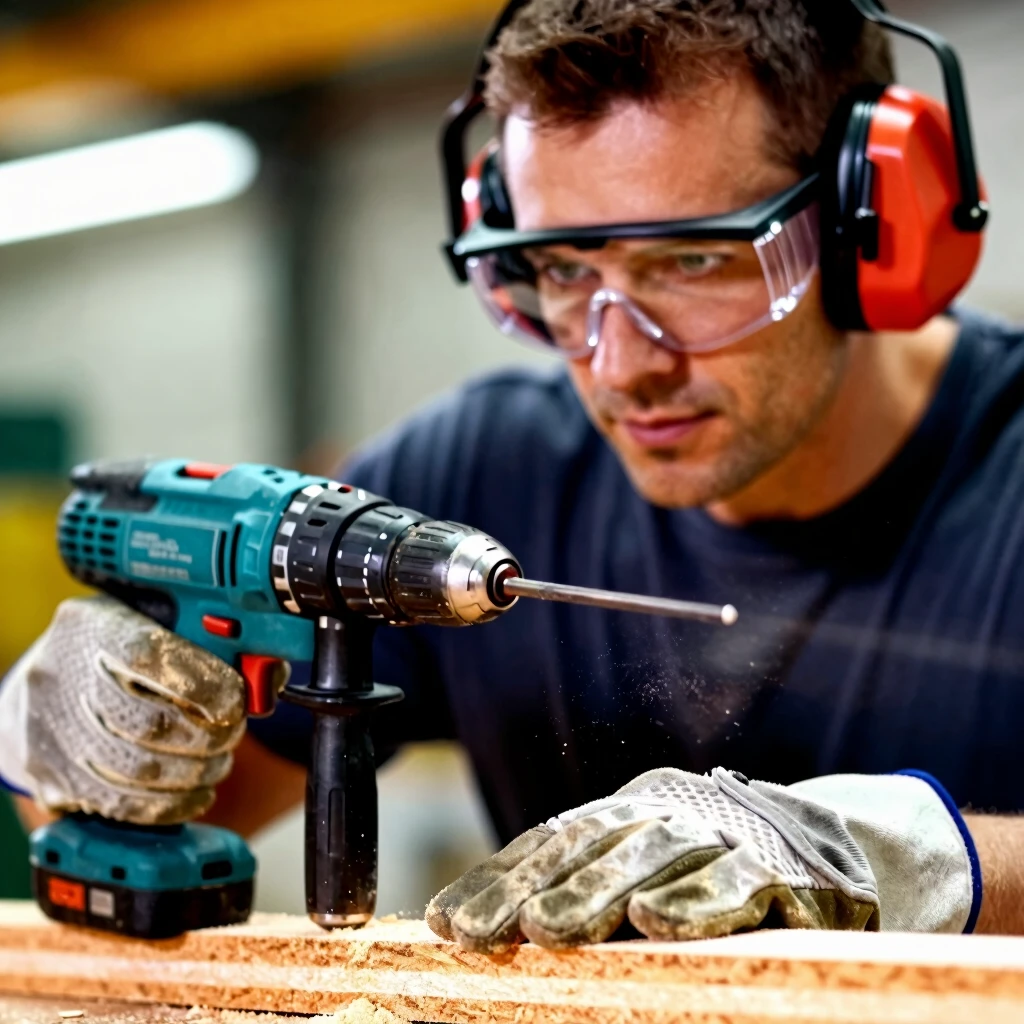
Wear your PPE every time. It's your first line of defense. Hard hats protect from falling objects. Safety glasses shield your eyes from dust and debris. Gloves keep hands safe from cuts and chemicals.
Don't forget ear protection in noisy areas. Construction sites get loud with machines running. Over time, that noise can damage hearing. Steel-toed boots guard your feet from heavy items.
According to the Occupational Safety and Health Administration (OSHA), proper PPE reduces injuries significantly. Check out their guidelines here for more details.
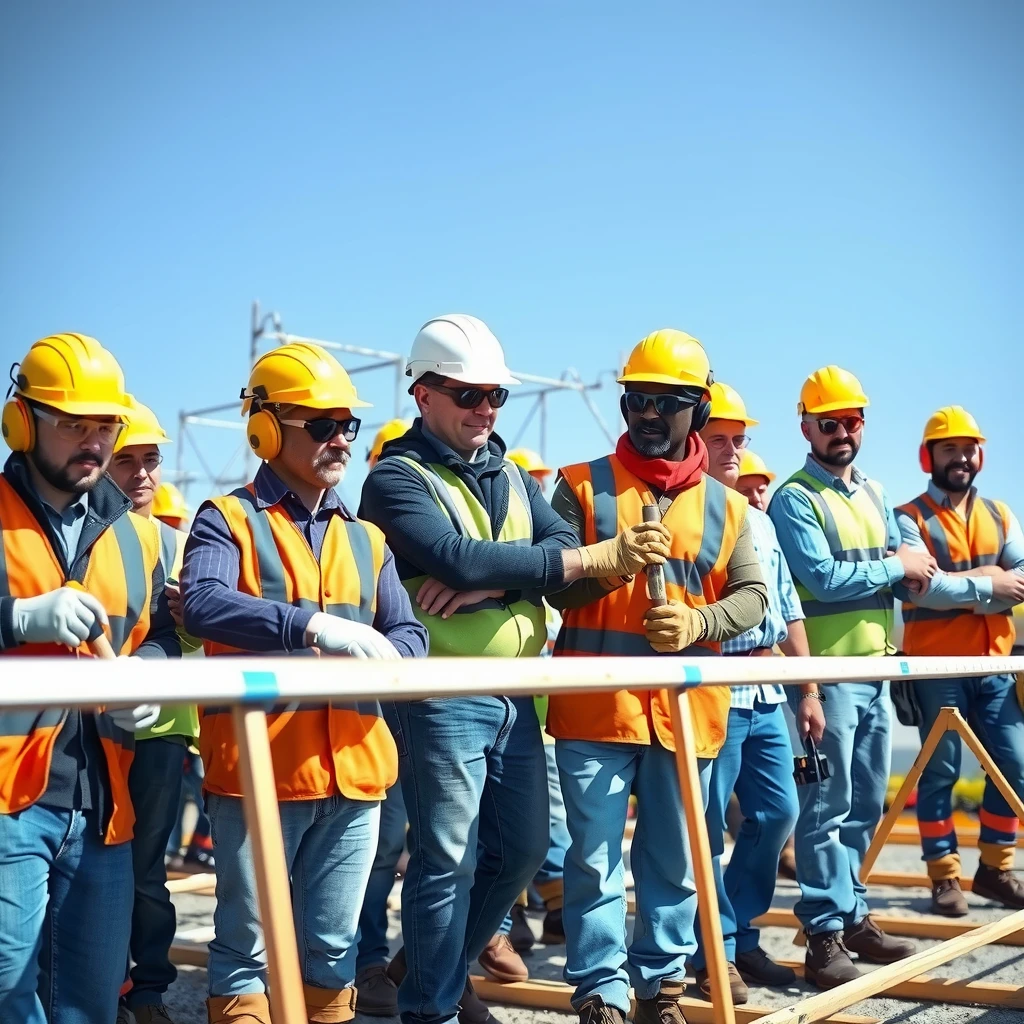
Make sure your PPE fits well. Ill-fitting gear won't protect you. Inspect it daily for damage. Replace anything worn out right away.
Spotting Common Hazards
Falls top the list of construction dangers. They cause many serious injuries. Use ladders correctly—keep them stable and don't overreach.
For higher work, harnesses and guardrails save lives. Tie off when working above six feet. I've seen a coworker slip once, but his harness caught him. It was a close call that taught us all.
Electrical hazards lurk everywhere. Treat all wires as live. Use ground fault circuit interrupters (GFCIs) with power tools. Avoid water near electricity.
Struck-by accidents happen when objects hit workers. Wear high-visibility vests near moving vehicles. Secure loads on trucks to prevent falls.
Caught-in or between incidents involve machinery. Keep loose clothes away from moving parts. Lock out and tag out equipment before maintenance.
Here's a quick list of top hazards and prevention steps:
- Falls: Use fall protection gear.
- Electrical: Inspect cords daily.
- Struck-by: Stay clear of swinging loads.
- Caught-in: Guard machine parts.
- Trench collapses: Shore up excavations.
For more on these, visit OSHA's page on common hazards here.
Construction Tools and Maintenance
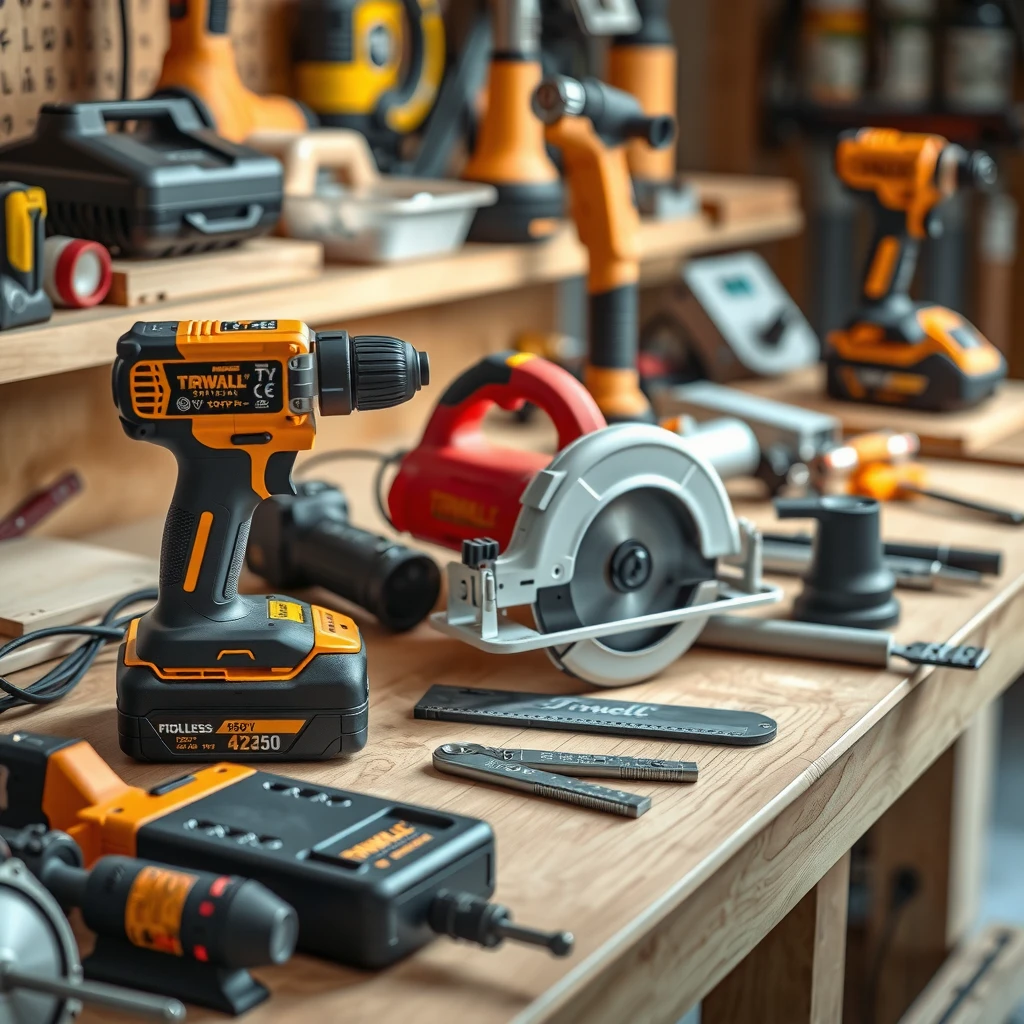
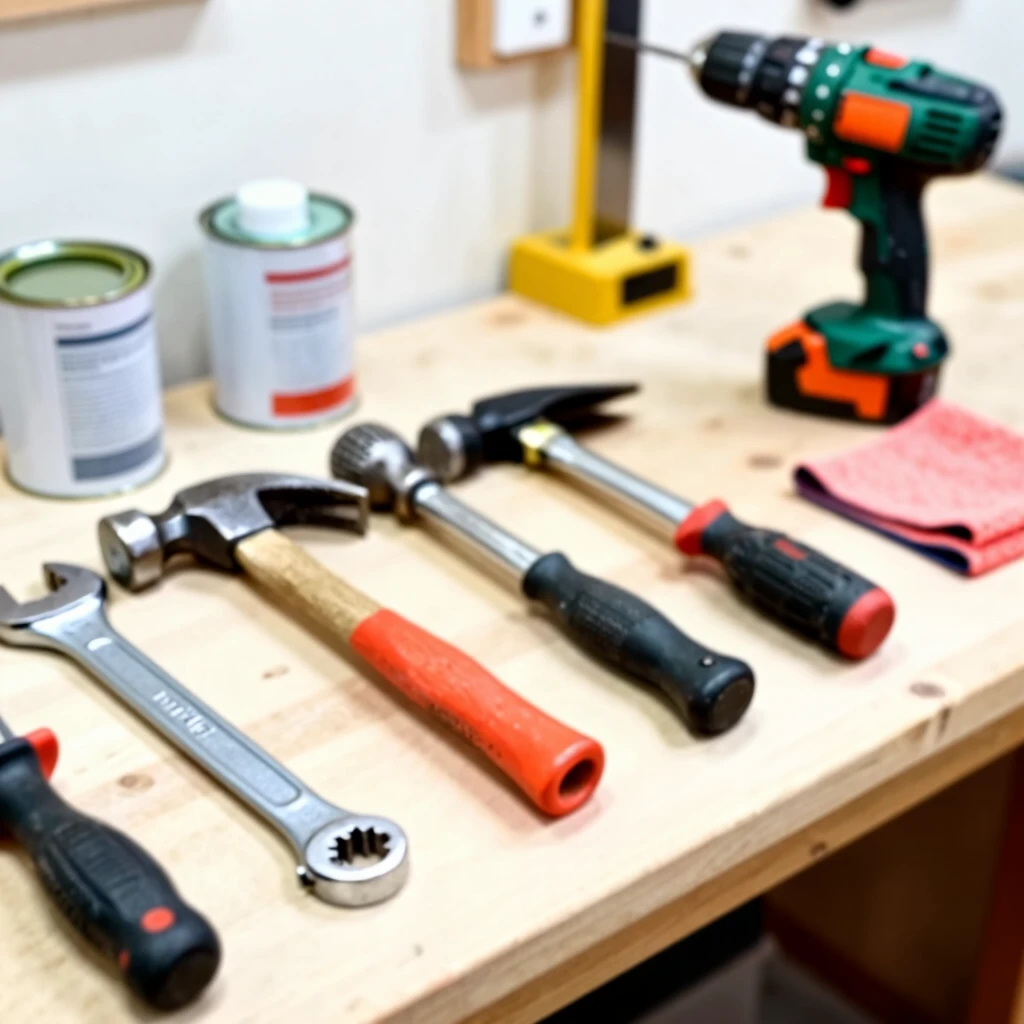
Your construction tools are your best friends on the job. But they need care to stay safe. Follow these maintenance tips for workman tools to avoid accidents.
Clean tools after each use. Wipe off dirt and grease. This prevents slips and keeps them working smoothly.
Inspect for damage. Check cords on power tools for frays. Look at blades for chips. Replace broken parts immediately.
Store them properly. Hang tools in a dry place. Use cases for sharp items. Wet storage leads to rust and failure.
Lubricate moving parts. A little oil goes a long way. It reduces wear and keeps tools efficient.
Sharpen blades regularly. Dull tools require more force, leading to slips. Keep them sharp for clean cuts.
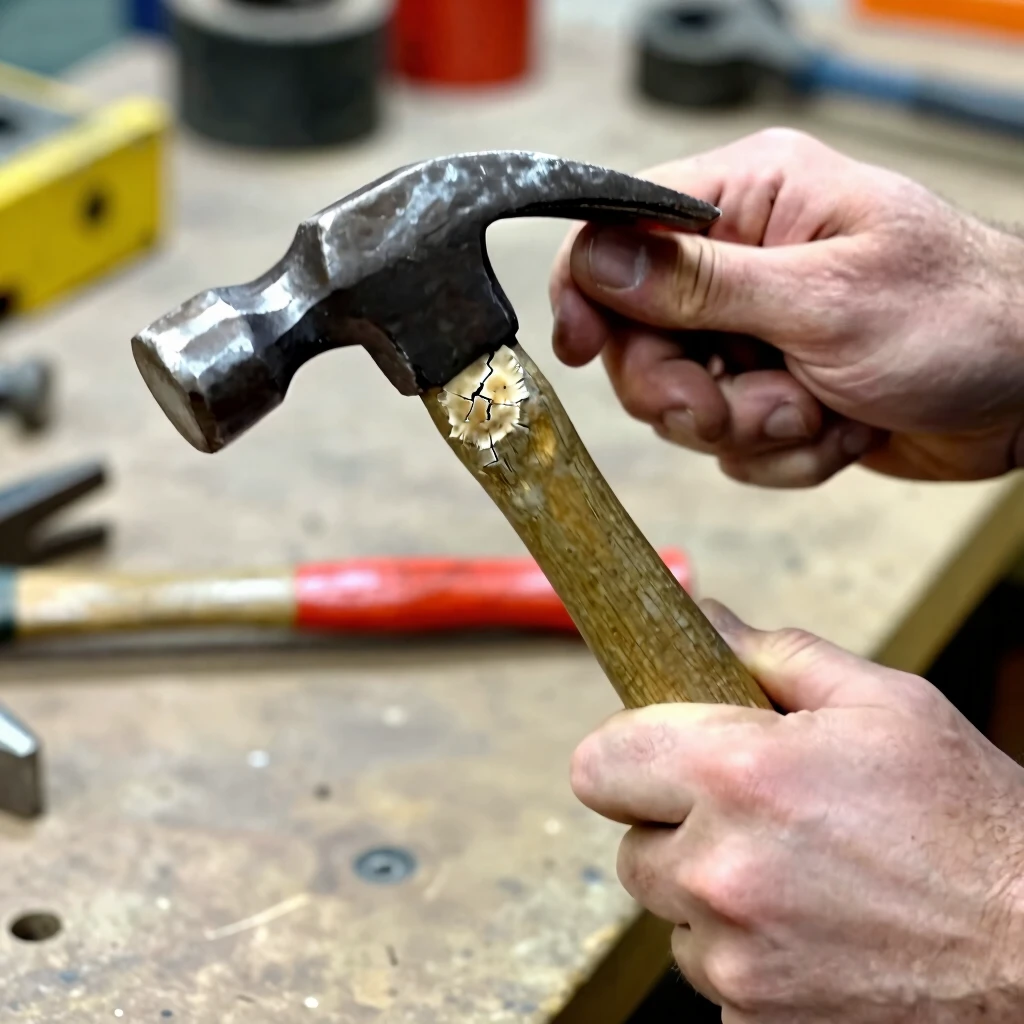
For workman tools like hammers and wrenches, check handles for cracks. Loose heads can fly off and hurt someone.
I once had a drill bit break because I skipped maintenance. It flew across the site—luckily no one got hit. Now, I check everything twice.
Use the right tool for the job. Don't force a screwdriver to act as a chisel. It damages the tool and risks injury.
Table of Common Tools and Maintenance Tips:
| Tool | Maintenance Tip |
|---|---|
| Hammer | Check head attachment |
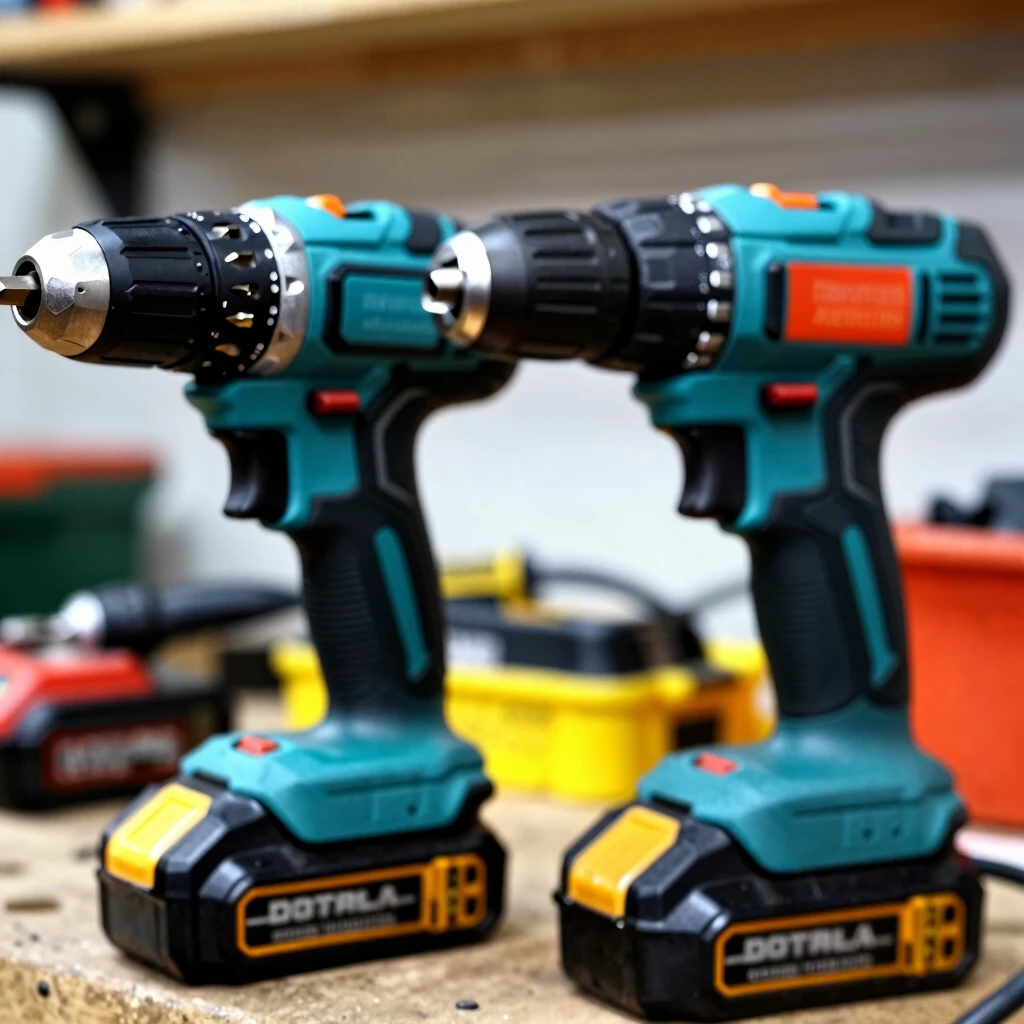
| Drill | Clean chuck and bits |
| Saw | Sharpen blades |
| Ladder | Inspect rungs for stability |
| Wrench | Lubricate adjustable parts |
Resources like this tool maintenance checklist from Border States here offer great advice.
Site Organization and Communication
Keep the site tidy. Clutter causes trips. Pick up scraps and tools at day's end.
Communicate with your team. Use hand signals near loud machines. Hold daily safety meetings to discuss risks.
Watch for weather changes. Rain makes surfaces slippery. Heat can cause exhaustion. Take breaks and stay hydrated.
Training and Health
Get trained on equipment. New tools? Learn how to use them safely. OSHA offers free resources here.
Pay attention to your body. Lift with your legs, not back. Stretch before work to avoid strains.
Mental health counts too. Stress leads to mistakes. Talk to someone if needed.
In my experience, ongoing training keeps everyone sharp. We once had a session on new scaffolds—it prevented several mishaps.
Emergency Preparedness
Know the emergency plan. Where's the first aid kit? How to call for help?
Practice drills. Be ready for fires or collapses.
Carry a phone or radio. Quick response saves lives.

Summary
These safety tips for construction workers can make your job safer. Remember PPE, tool care, and hazard awareness. Stay vigilant, and you'll thrive in this field.
For deeper dives, check these recommended readings.
Related Safety Tips for Construction Workers:
- Guide to Eco-Friendly Painting
- Home Depot: How to Choose the Right Power Tools
- Essential Workman Tools for Beginners: Your Starter Guide to DIY Success
- Understanding Workplace Safety Standards: A Complete Guide for Every Worker
- Top 10 Power Tools Every DIY Enthusiast Should Own
- Top 10 Industrial Automation Trends in 2025 - StartUs Insights
- Ergonomic Power Drills for Reduced Fatigue: Your Guide to Comfortable and Efficient Drilling
- Setting Up Your Workbench for Safety and Efficiency
- Women in DIY: Breaking Barriers with Power Tools
- Maintaining Your Power Tools: A Comprehensive Guide
- Essential Hand Tools Safety Guidelines for Safe and Effective Work
- Top 10 High-Quality Workman Tools for Professionals