Overview
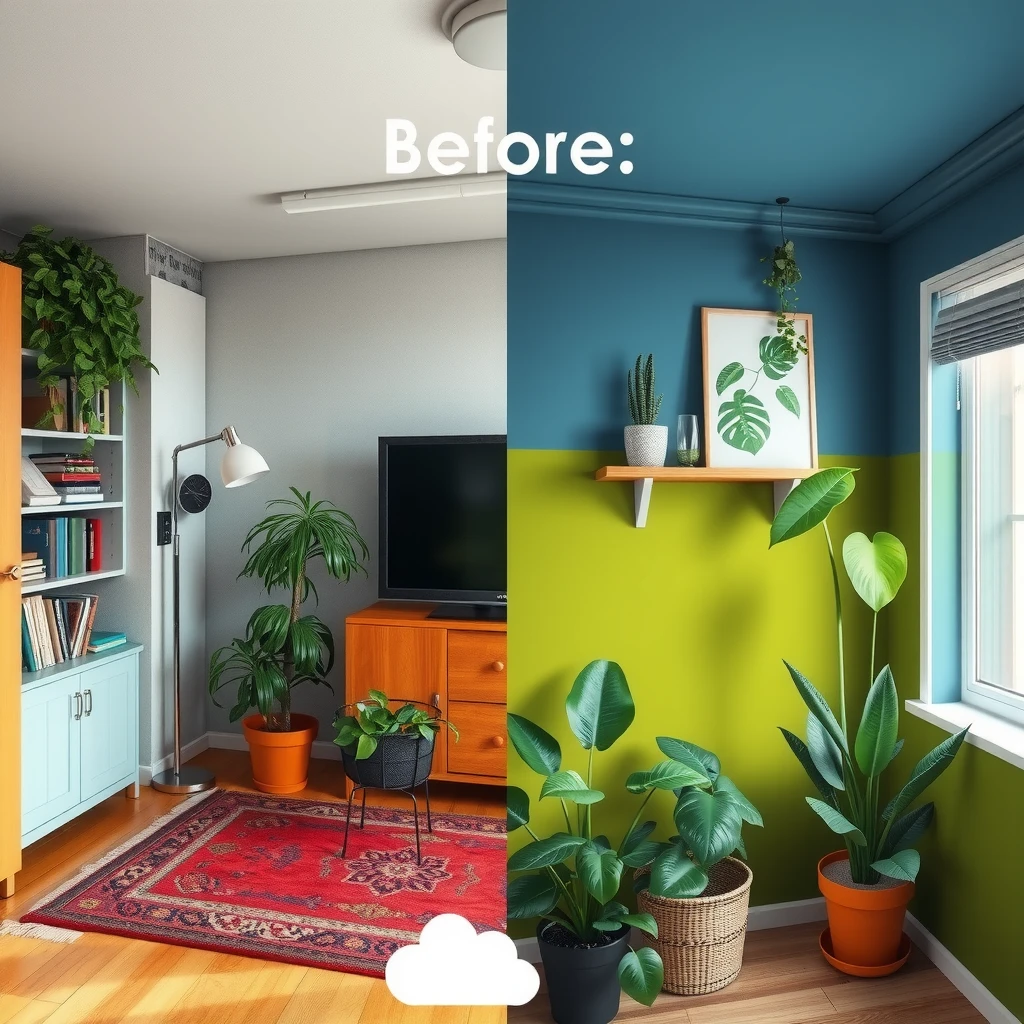
Eco-friendly painting lets you refresh your space while protecting your health and the planet. By choosing low-VOC paints and sustainable tools, you reduce harmful emissions and waste. This guide to eco-friendly painting walks you through every step for beautiful, lasting results.
Painting your home should feel exciting, not worrying. Traditional paints release volatile organic compounds (VOCs) that linger in the air, causing headaches, dizziness, and worse over time. According to the U.S. Environmental Protection Agency, indoor VOC levels from paints can be 2 to 5 times higher than outdoors right after application [EPA on VOCs Impact].
I've painted several rooms in my own home, and switching to eco-friendly options made a huge difference—no strong fumes, and I felt safe with kids and pets around.
Why Choose Eco-Friendly Painting?
The benefits go beyond fresh walls. Low or zero-VOC paints improve indoor air quality and reduce environmental harm. Traditional paints contribute to air pollution and often contain toxins. Eco options use natural ingredients like plant oils or milk proteins.
From my experience, these paints cover just as well and last longer in many cases. Plus, you avoid that overwhelming chemical smell.

Selecting the Right Eco-Friendly Paint
Look for labels saying 'low-VOC' (under 50 g/L) or 'zero-VOC' (under 5 g/L). Popular brands include Benjamin Moore Eco Spec, ECOS Paints, and Behr's plant-based lines.
Check certifications like GREENGUARD Gold for low emissions. Water-based paints are usually greener than oil-based ones.
Tips for Choosing Paint: - Read labels carefully - Test samples on your wall - Calculate exact amounts to minimize waste
Must-Have Tools in a Painter's Toolkit
Building a sustainable painter's toolkit starts with quality painting tools that last. Skip disposable plastic—opt for durable, recyclable options.
Essential workman tools include: - Natural bristle or high-quality synthetic brushes (bamboo handles are great) - Rollers with reusable covers - Metal trays (avoid plastic) - Drop cloths made from canvas or recycled materials
I've found that investing in good brushes saves money over time because they clean easier and perform better.

How to Prepare Surfaces for Painting
Proper prep is key to a smooth finish. Start eco-friendly: use vinegar-water solutions or biodegradable cleaners instead of harsh chemicals.
Steps: 1. Clean walls with mild soap and water 2. Scrape loose paint manually 3. Sand lightly with reusable sandpaper 4. Patch holes with non-toxic fillers 5. Dust off thoroughly
Avoid chemical strippers—they release more VOCs. Good ventilation helps everything dry faster.
Application Techniques for Best Results
Use even strokes and work in sections. Start with cutting in edges using a quality brush, then roll the main areas.
Apply thin coats—two or three light ones beat one heavy coat. This reduces drips and uses less paint.
Open windows for fresh air. Natural light helps you spot missed spots.
Personal tip: Play music and take breaks. Painting becomes enjoyable when you're not rushing.
Cleanup and Disposal the Green Way
Clean brushes with soap and water for water-based paints. For stubborn residue, use natural solvents like citrus-based ones.
Recycle empty cans at local facilities. Many areas have paint recycling programs—check Earth911.com.
Leftover paint? Store it properly or donate to community projects.
Common Mistakes to Avoid
Don't skip prep—rushing leads to peeling later. Avoid cheap tools; they shed bristles and waste paint.
Overbuying creates waste. Measure your space twice.
In humid weather, allow extra drying time to prevent issues.
Final Thoughts
Eco-friendly painting proves you don't sacrifice quality for sustainability. Your home looks amazing, the air stays cleaner, and you contribute positively to the environment.
I've loved every project since switching—healthier, happier results every time. Start small, like one room, and see the difference yourself.
For more on VOC health effects, visit the EPA's Technical Overview of VOCs.
Related Guide to Eco-Friendly Painting:
- Home Depot: How to Choose the Right Power Tools
- Essential Workman Tools for Beginners: Your Starter Guide to DIY Success
- Understanding Workplace Safety Standards: A Complete Guide for Every Worker
- Top 10 Power Tools Every DIY Enthusiast Should Own
- Top 10 Industrial Automation Trends in 2025 - StartUs Insights
- Ergonomic Power Drills for Reduced Fatigue: Your Guide to Comfortable and Efficient Drilling
- Setting Up Your Workbench for Safety and Efficiency
- Women in DIY: Breaking Barriers with Power Tools
- Maintaining Your Power Tools: A Comprehensive Guide
- Essential Hand Tools Safety Guidelines for Safe and Effective Work
- Top 10 High-Quality Workman Tools for Professionals
- How to Choose the Best Plumbing Tools for Your Needs