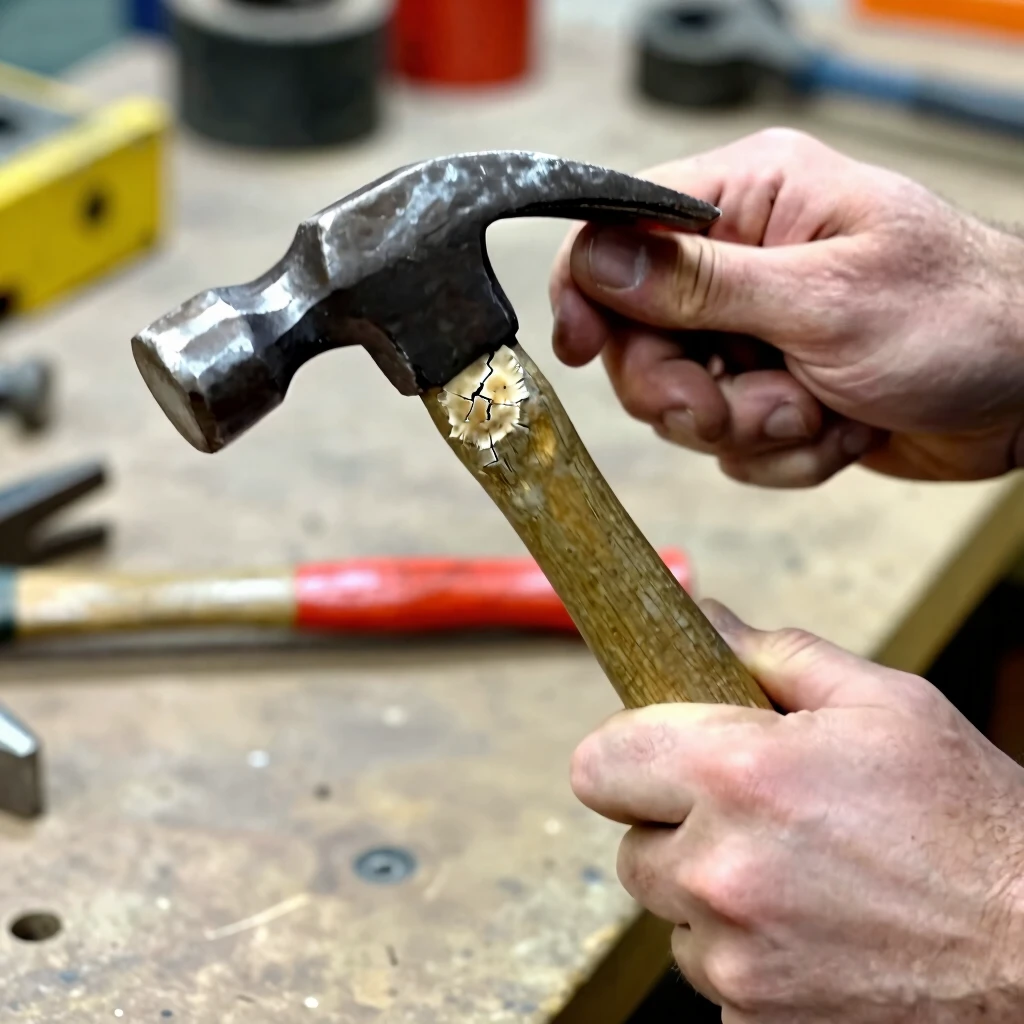
Quick Overview
Starting with workman tools for beginners doesn't have to be overwhelming. This guide covers the basics you need to handle simple home repairs, build confidence, and save money on small projects. Whether you're hanging pictures or fixing furniture, the right workman tools make all the difference.
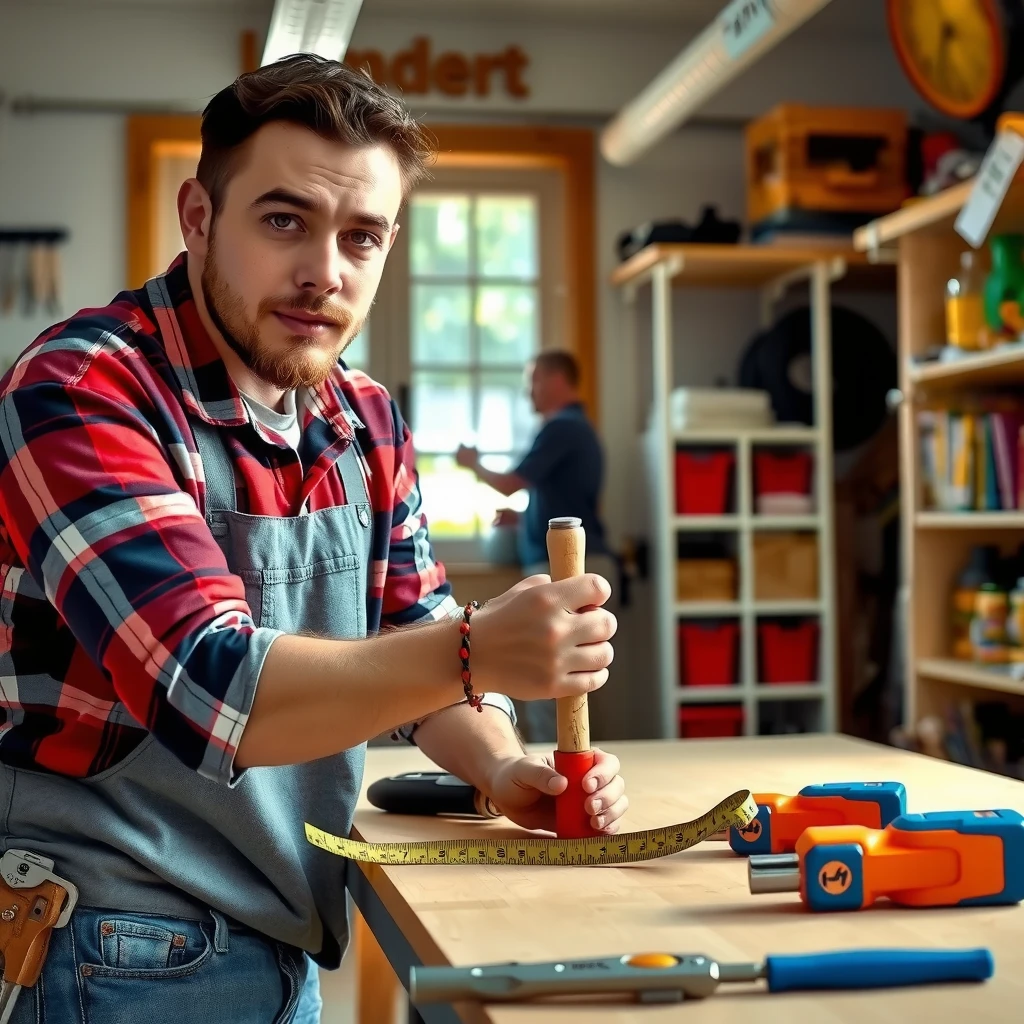
If you're new to DIY, picking the right workman tools for beginners is key. I remember my first home repair attempt—it was a wobbly shelf that nearly fell on me because I used the wrong screwdriver. That experience taught me how important quality basics are.
Workman tools refer to reliable, everyday hand tools designed for practical jobs around the home. Brands like Workman offer affordable, durable options that stand up to regular use without breaking the bank.
Why Start with Basic Workman Tools?
You gain independence. No more waiting for help with small fixes. You save money over time by handling repairs yourself. You build skills that grow with more advanced projects.
Many beginners jump in with cheap kits that rust or break quickly. Invest in solid workman tools from the start—they last longer and feel better in your hand.
Building Your Toolbox
A good toolbox keeps everything organized and ready. Look for sturdy plastic or metal toolboxes with compartments. They protect your workman tools and make it easy to grab what you need.
Start small: A basic toolbox holds 10-20 essentials without taking much space.
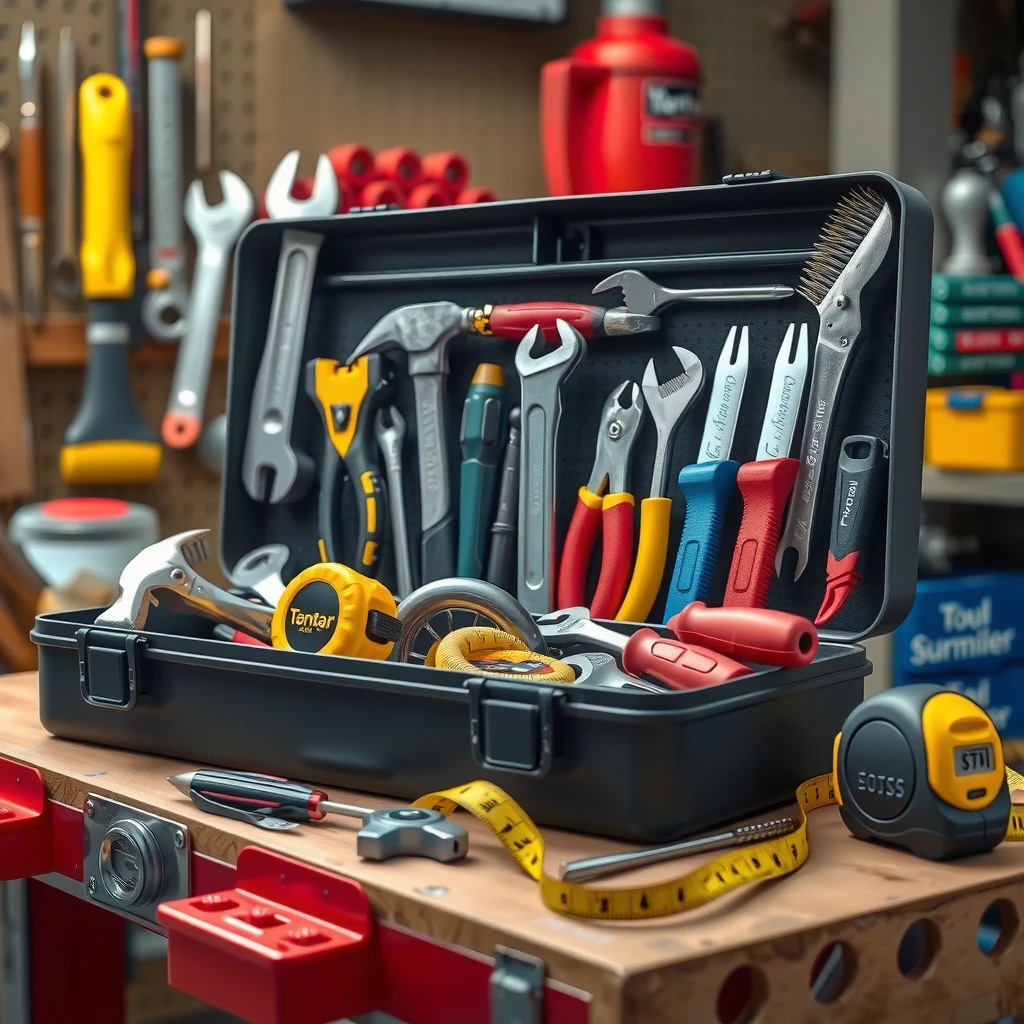
Must-Have Workman Tools for Beginners
Here’s a curated list of essentials. These cover most common home tasks.
1. Claw Hammer The go-to for driving nails and pulling them out. Choose a 16-ounce model with a comfortable grip. It’s perfect for hanging pictures or light assembly.
Personal tip: I once used a rock in a pinch—never again! A good hammer gives controlled swings.
2. Screwdriver Set Get both flathead and Phillips in multiple sizes. Or opt for a multi-bit driver to save space.
Why it matters: Most furniture and fixtures use screws. Stripped screws happen with poor tools—quality ones prevent that.
3. Adjustable Wrench Great for nuts and bolts. One adjustable covers many sizes.
Pair it with pliers for better grip on stubborn parts.
4. Pliers Set Include needle-nose for tight spots, slip-joint for general use, and locking pliers for holding firmly.
I use needle-nose all the time for pulling wires or grabbing small parts.
5. Tape Measure A 25-foot retractable one with a lock feature. Accurate measurements prevent mistakes.
Pro insight: Always measure twice—it saves rework.
6. Utility Knife For cutting boxes, drywall, or trimming. Retractable with replaceable blades.
Safety first: Keep blades sharp; dull ones slip more.
7. Level A 9-inch torpedo level checks if things are straight. Essential for shelves and pictures.
No more crooked hangs!
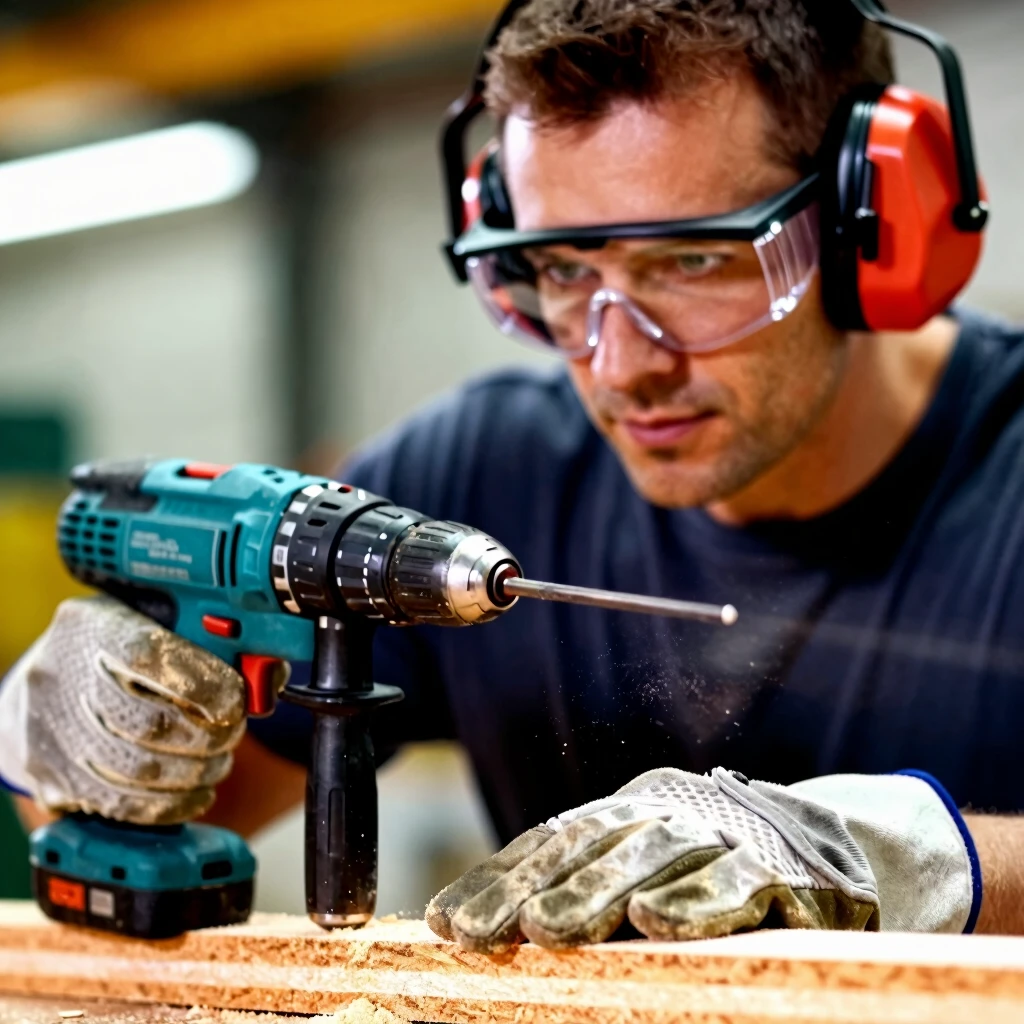
8. Safety Gear Gloves, safety glasses, and a dust mask. Protect yourself—it's non-negotiable.
From experience: A splinter or dust in the eye ruins your day.
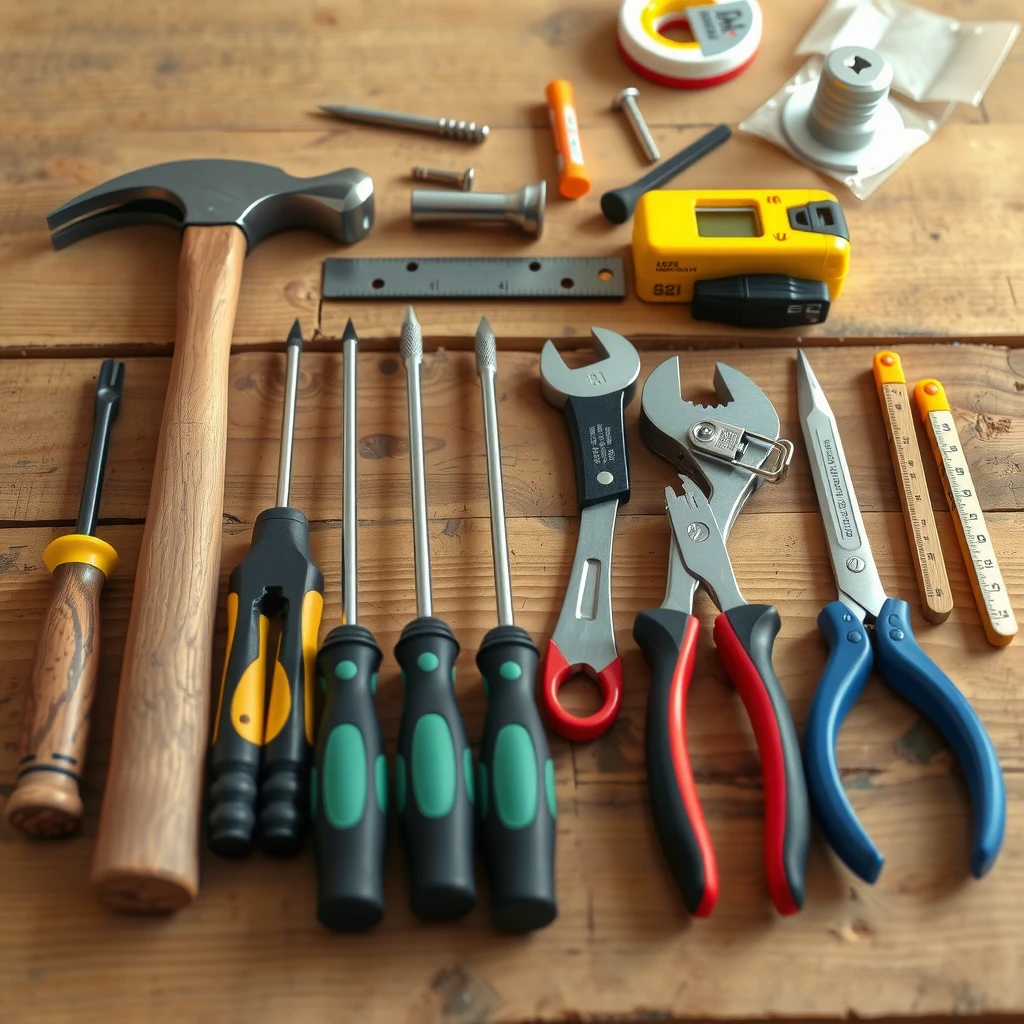
Choosing Quality Workman Tools
Look for forged steel heads and ergonomic handles. Brands like Stanley, Craftsman, or Workman offer great starter options.
Avoid super-cheap sets; they often include filler items you won't use.
Buy individually if possible—it ensures better quality for your budget.
Common Beginner Mistakes and How to Avoid Them
- Over-tightening screws: It strips them. Feel the resistance and stop.
- Wrong tool for the job: Use a hammer for nails, not pliers.
- Skipping safety: Always wear glasses when hammering.
I learned these the hard way, but now my projects turn out smoother.
Organizing Your Tools
Use these tips for easy access:
| Tip | Benefit |
|---|---|
| Label compartments | Quick finds |
| Hang frequently used tools | Saves space |
| Clean after use | Prevents rust |
| Store in dry place | Extends life |
A clean setup motivates you to tackle more projects.
Getting Started with Simple Projects
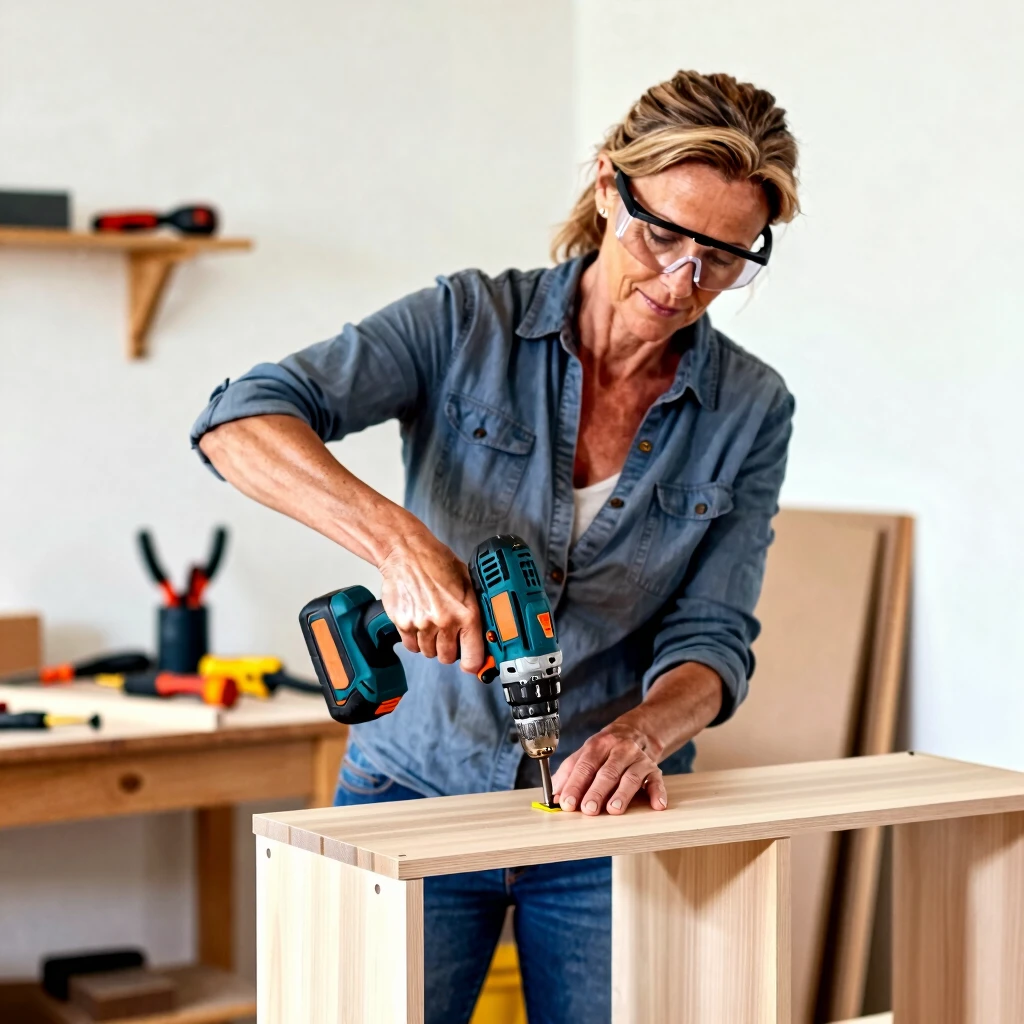
Begin with easy wins: 1. Hang a picture frame. 2. Assemble flat-pack furniture. 3. Tighten loose cabinet handles.
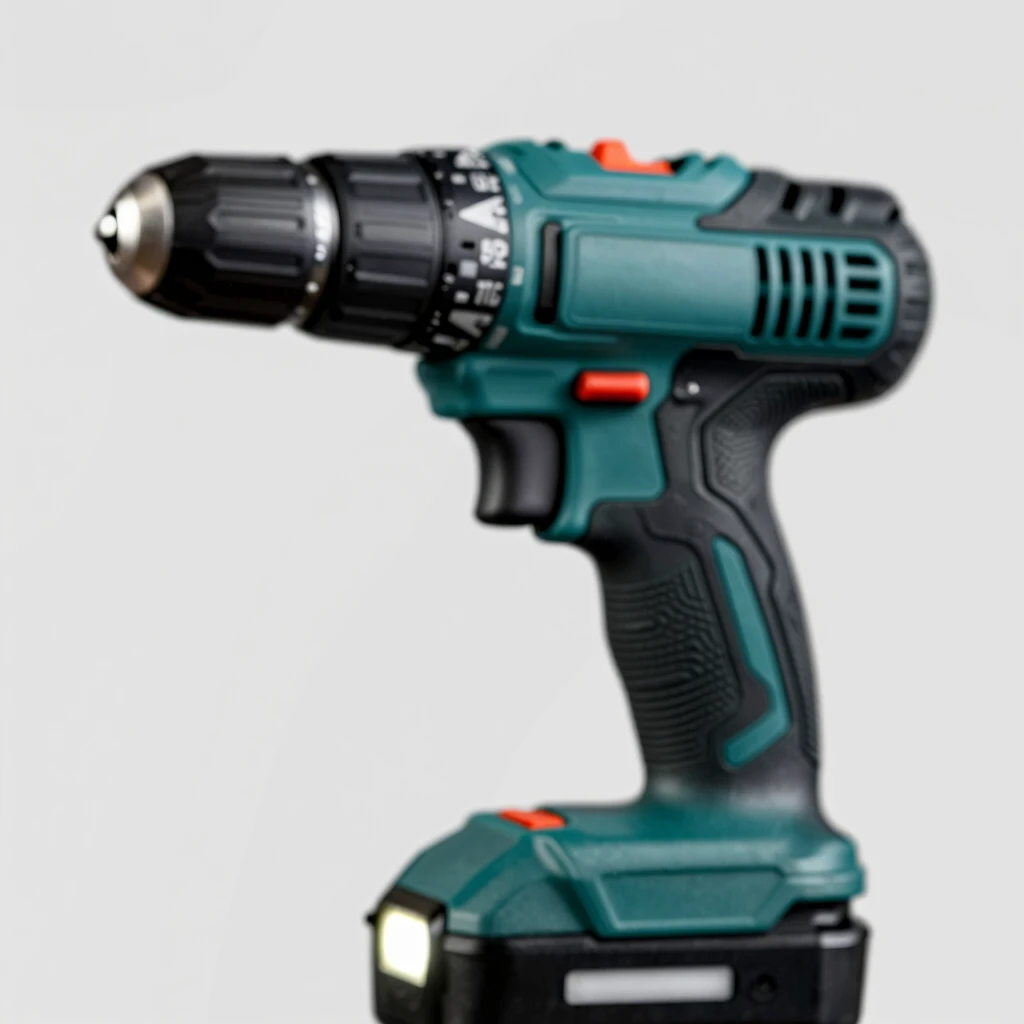
These build confidence fast. As you progress, add power tools like a cordless drill.
References: For more ideas, check Wirecutter's guide to basic home toolkits (nytimes.com/wirecutter) or Home Depot's must-have tools list.
Final Thoughts
Starting with workman tools for beginners opens a world of self-reliance. Pick quality basics, practice safely, and enjoy the satisfaction of a job well done. Your toolbox will grow as you do—start simple and build from there.
Related workman tools for beginners:
- Safety Tips for DIY Home Repairs: Essential Guide for Beginners
- Understanding Workplace Safety Standards: A Complete Guide for Every Worker
- Top 10 Power Tools Every DIY Enthusiast Should Own
- Top 10 Industrial Automation Trends in 2025 - StartUs Insights
- Ergonomic Power Drills for Reduced Fatigue: Your Guide to Comfortable and Efficient Drilling
- Setting Up Your Workbench for Safety and Efficiency
- Women in DIY: Breaking Barriers with Power Tools
- Maintaining Your Power Tools: A Comprehensive Guide
- Essential Hand Tools Safety Guidelines for Safe and Effective Work
- Top 10 High-Quality Workman Tools for Professionals
- How to Choose the Best Plumbing Tools for Your Needs
- Ultimate Guide to Tool Storage Solutions for Workshops