A Quick Overview
Every homeowner faces small repairs and projects around the house. Having the right essential workman tools makes these tasks easier, safer, and more enjoyable. This guide helps you build a solid toolkit without overwhelming your budget or storage space.
Why Every Home Needs Essential Workman Tools
I remember the day I bought my first home. Excitement quickly turned to panic when a shelf collapsed and I had no tools to fix it. That experience taught me a big lesson: owning basic workman tools saves time, money, and frustration.
These tools let you handle everyday issues yourself. You avoid waiting for help or paying high fees for simple jobs. Plus, completing a repair gives a real sense of accomplishment.
Start small. You don't need a professional setup right away. Focus on versatile tools that cover most common tasks.
Basic Hand Tools: The Foundation of Your Toolkit
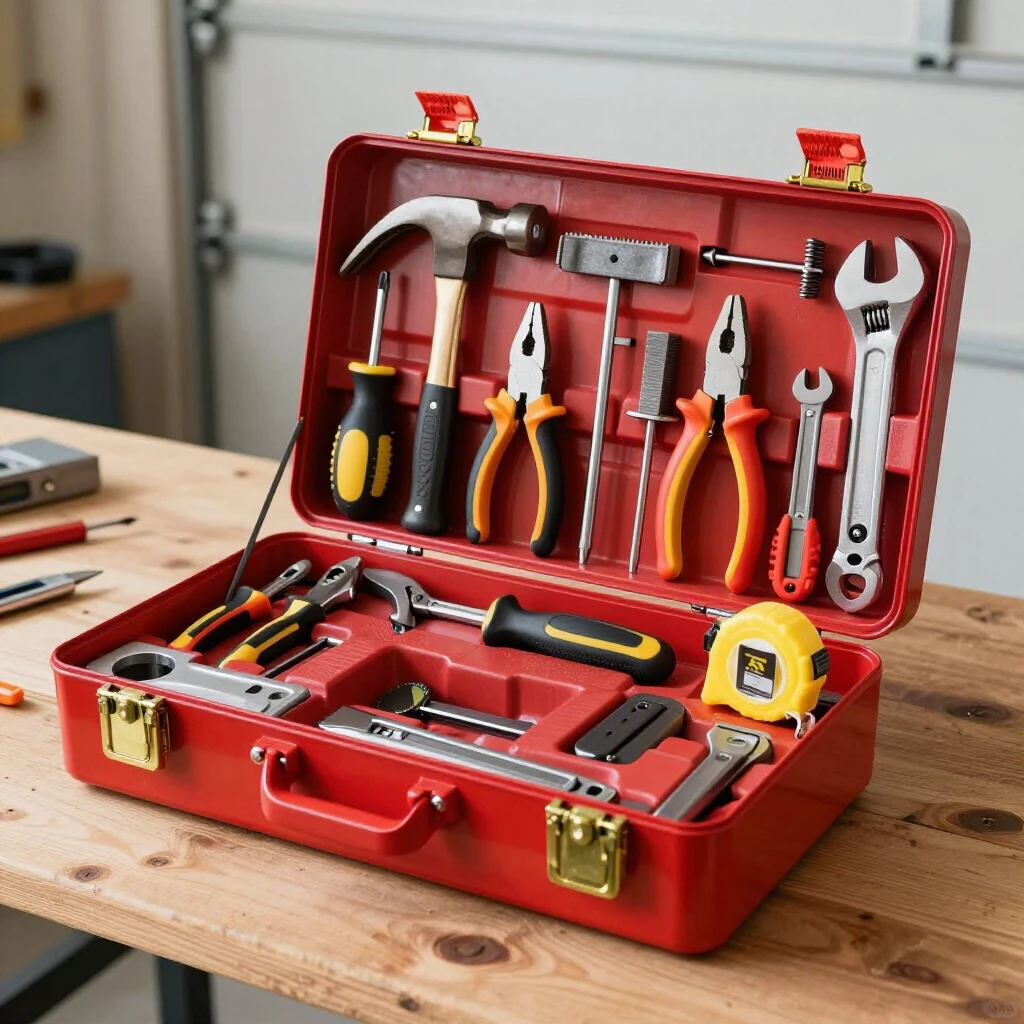
Every set of essential workman tools starts with reliable hand tools. Here are the ones I reach for most often:
- Hammer: A 16-ounce claw hammer works great for driving nails and pulling them out.
- Screwdrivers: Get a set with flathead and Phillips heads in different sizes. Magnetic tips make life easier.
- Pliers: Include needle-nose for precision, locking pliers for grip, and slip-joint for general use.
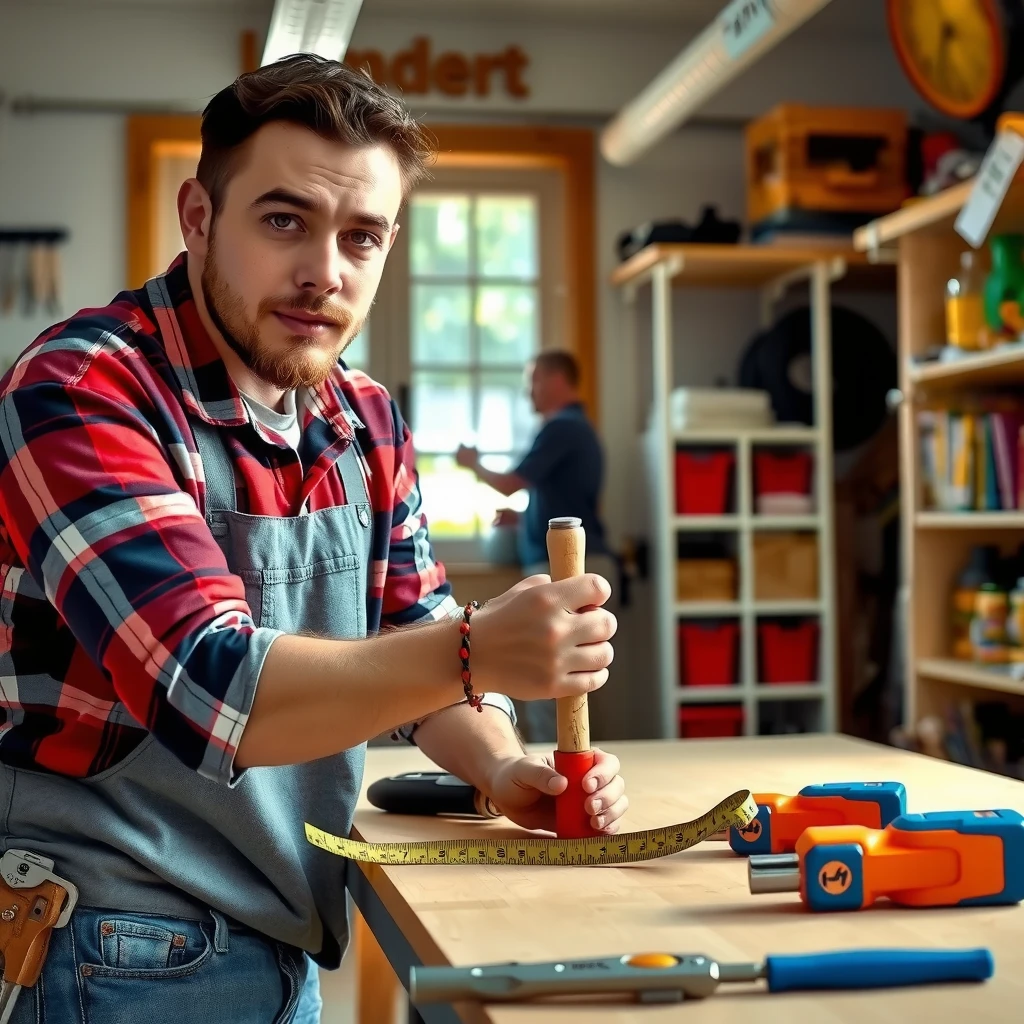
- Tape Measure: A 25-foot one with a standout blade is perfect.
- Adjustable Wrench: One or two in common sizes handle most nuts and bolts.
- Utility Knife: Essential for cutting boxes, drywall, or trimming materials.
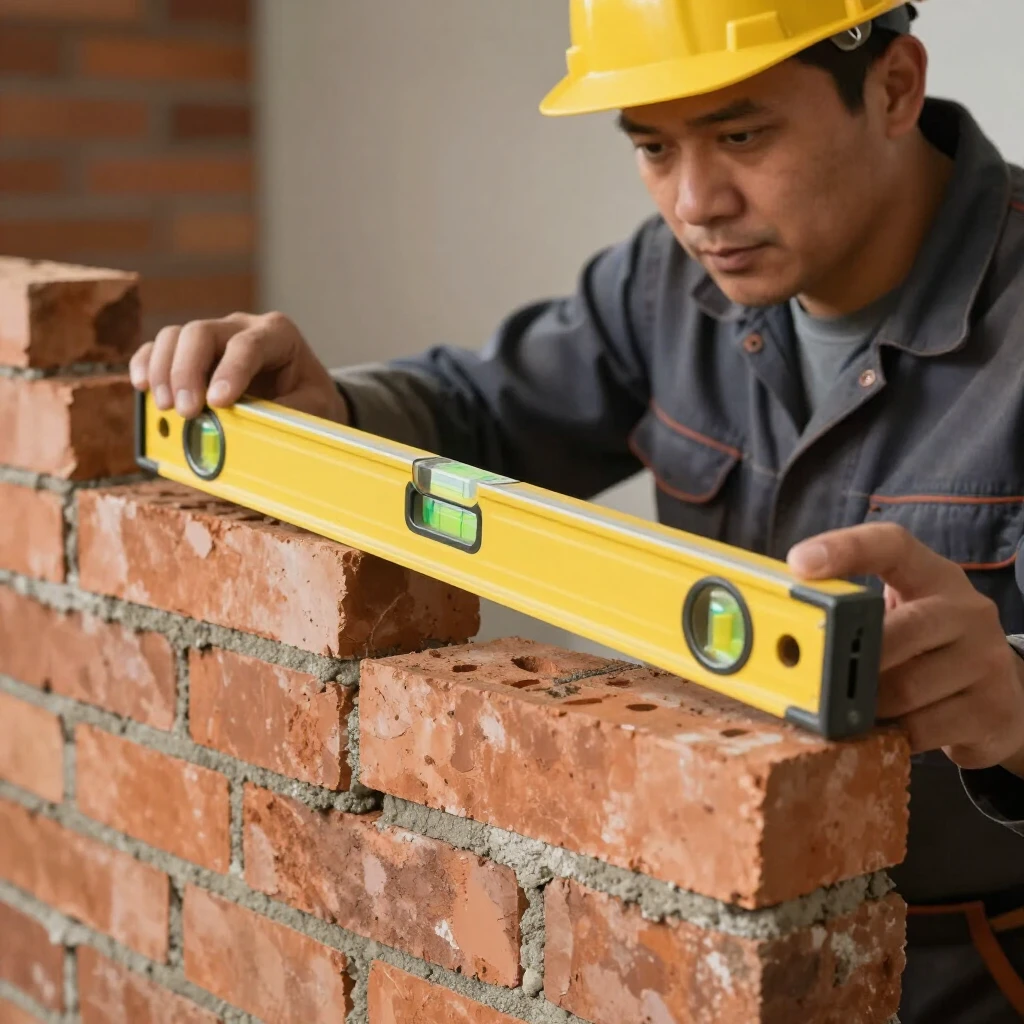
- Level: A 9-inch torpedo level ensures pictures and shelves hang straight.
These tools fit in a small box and handle 80% of home tasks.
Power Tools That Make Projects Easier
Once you have the basics, add a few power tools. They speed up work and open new possibilities.
I suggest starting with:
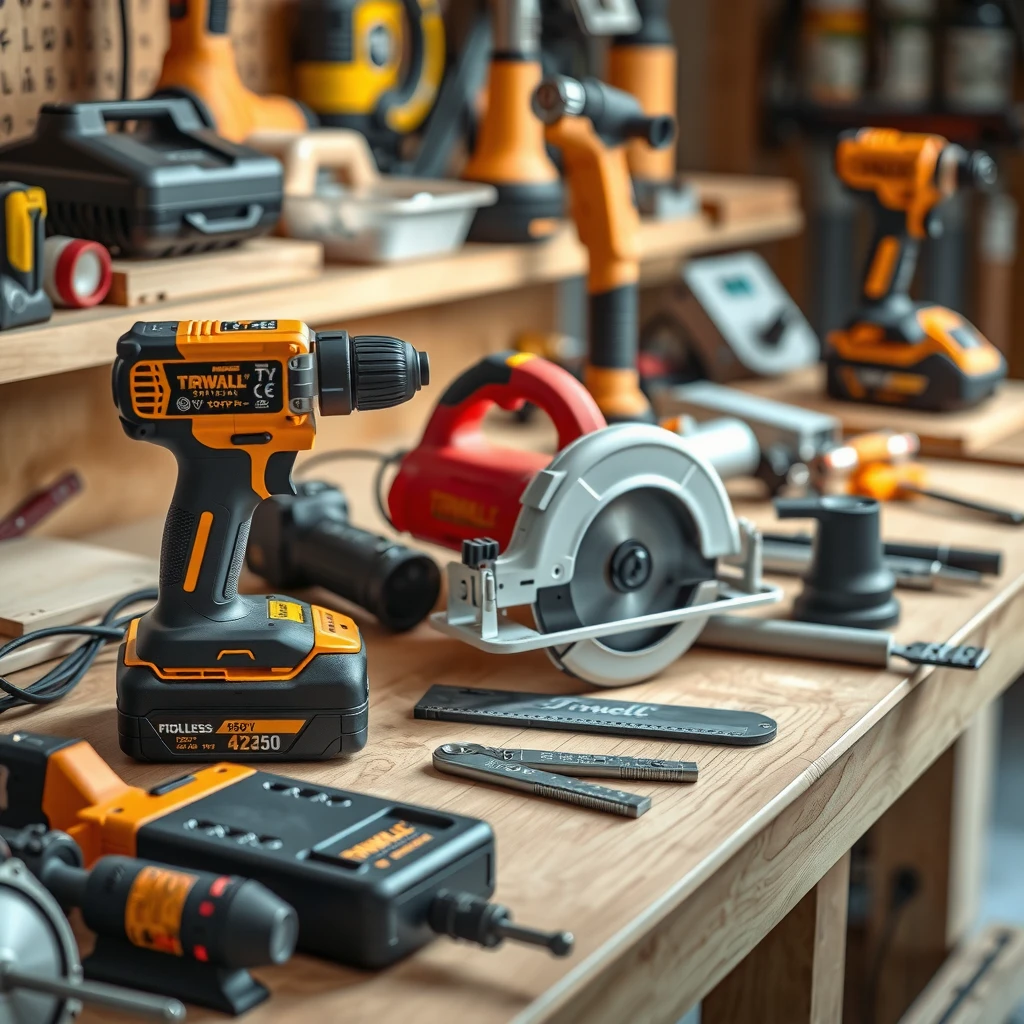
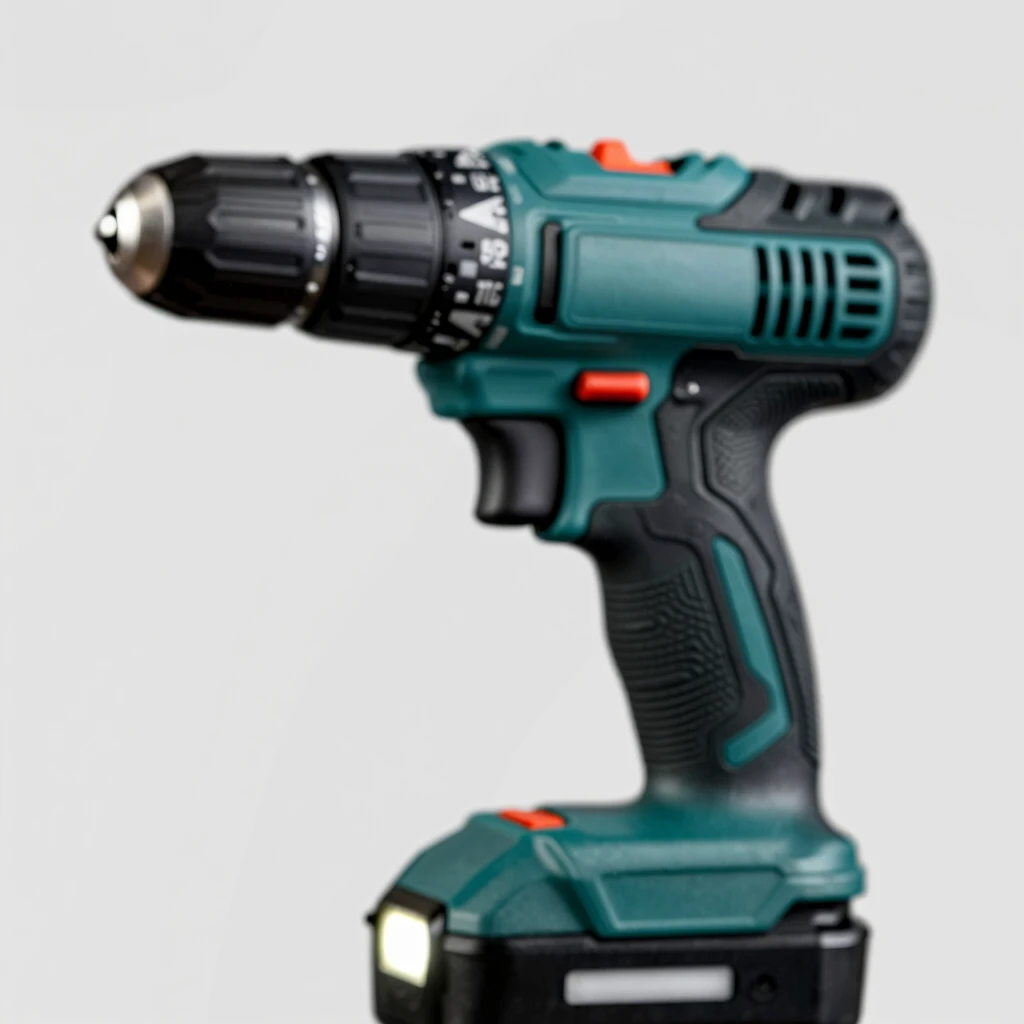
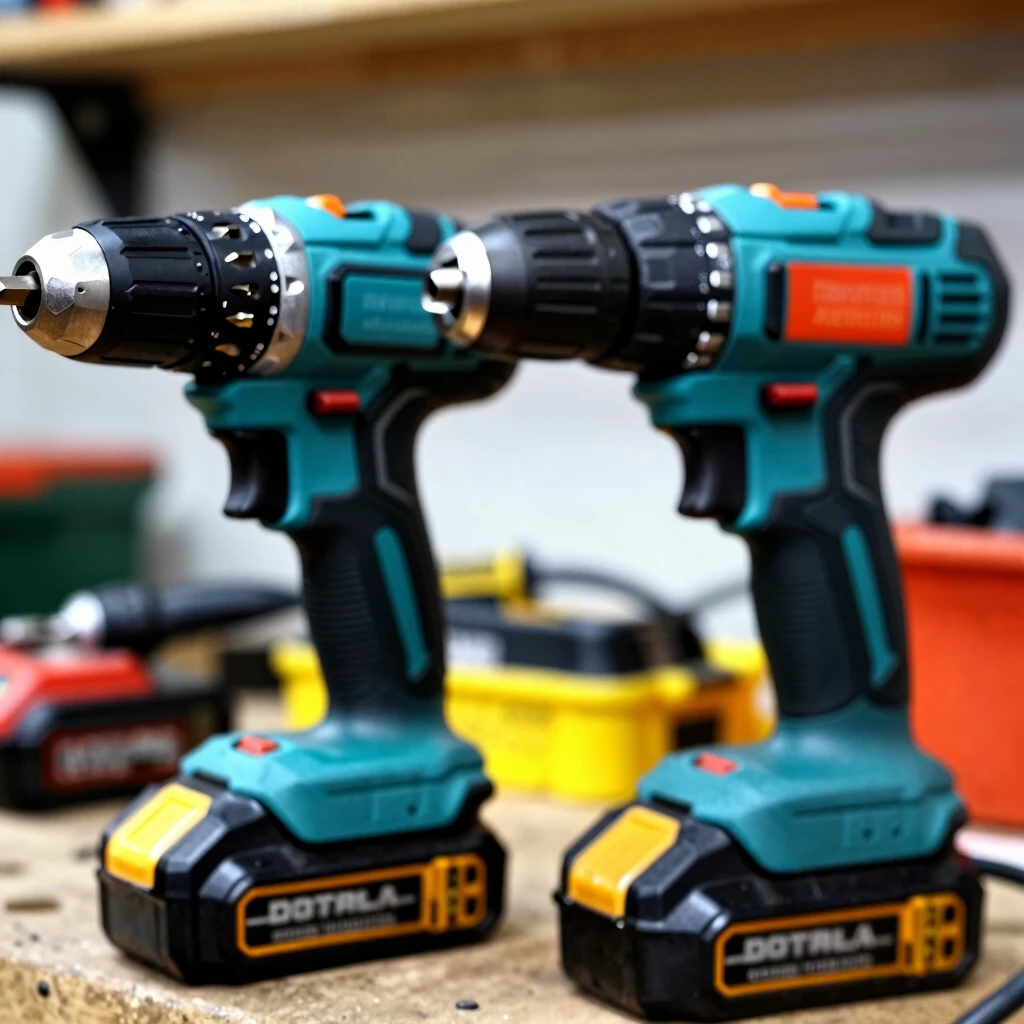
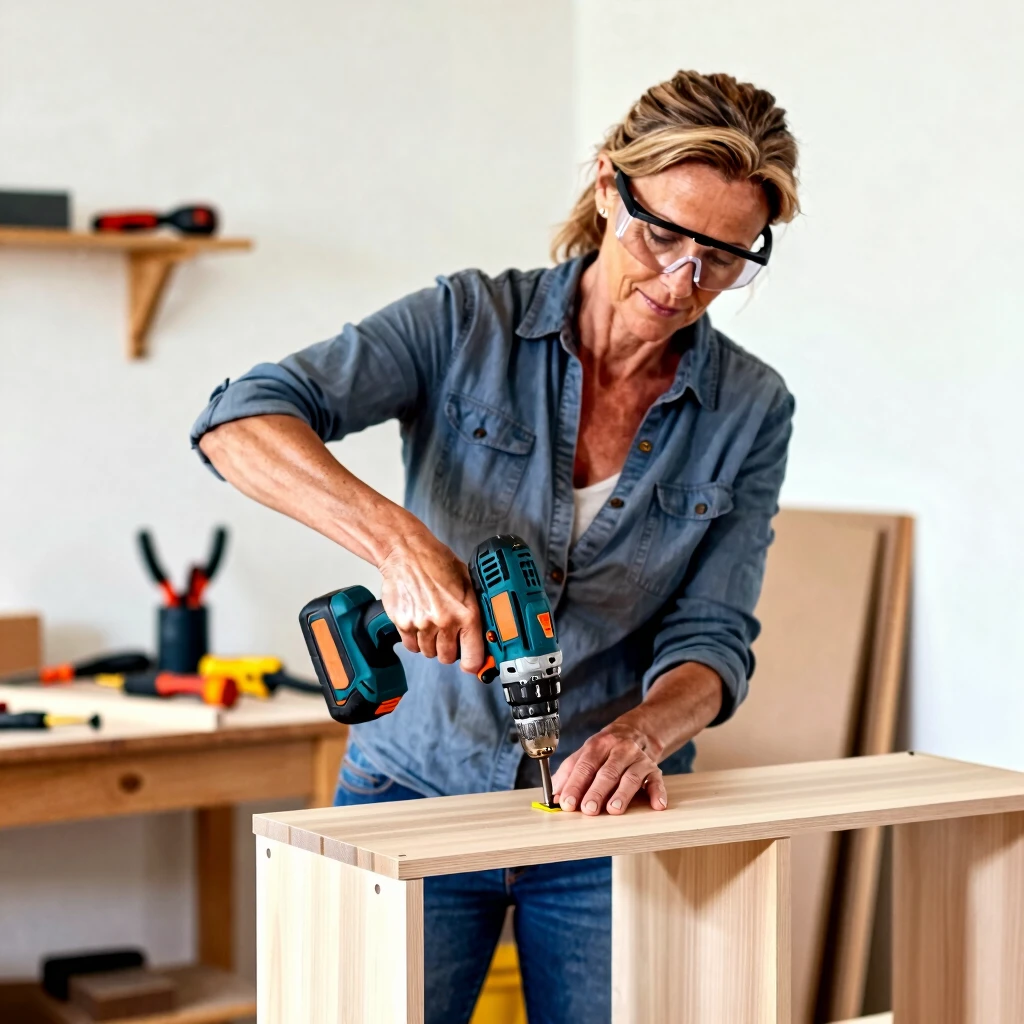
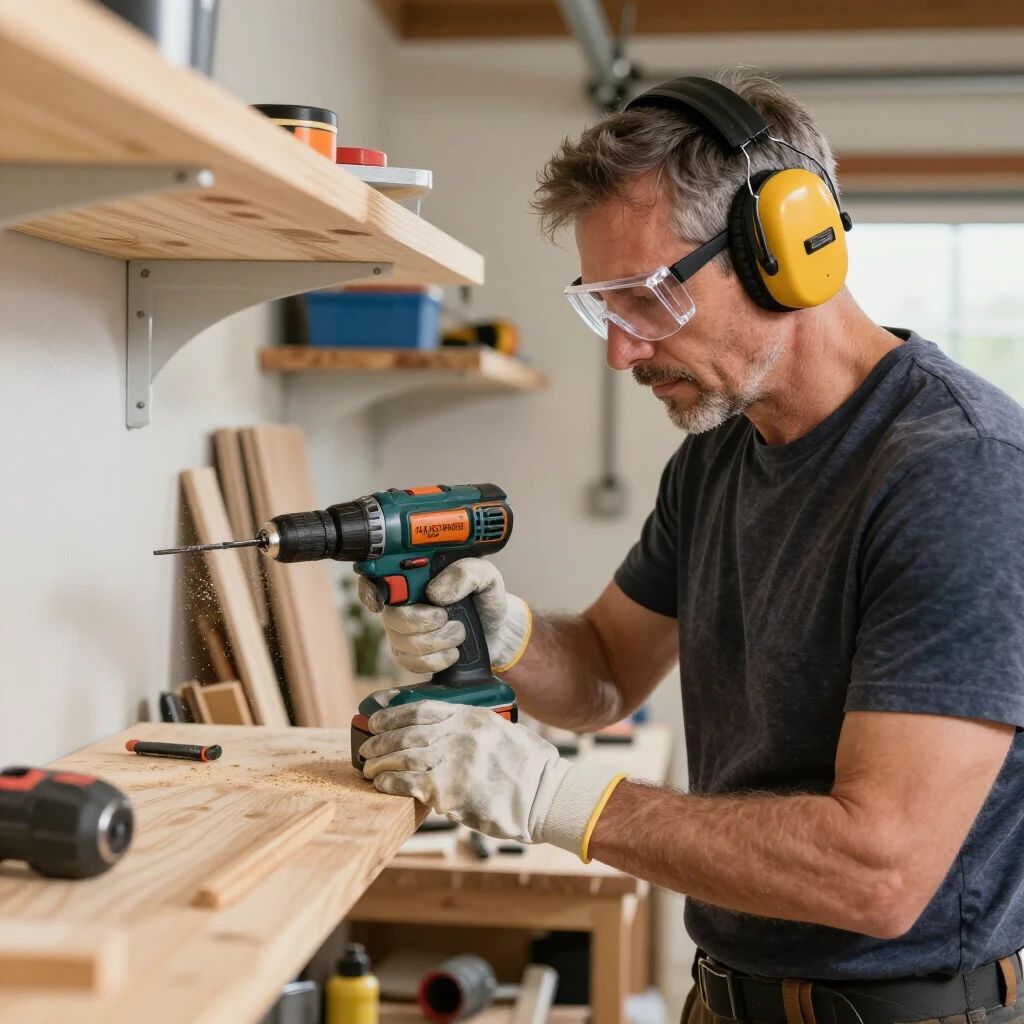
- Cordless Drill/Driver: Get one with variable speed and a good battery. It drills holes and drives screws effortlessly.
- Circular Saw: Great for straight cuts in wood.
- Jigsaw: Perfect for curves and intricate cuts.
- Random Orbital Sander: Smooths surfaces quickly without leaving swirl marks.
Choose tools from reputable brands for durability. Lithium-ion batteries last longer and charge faster.
Safety First: Best Practices for Using Tools
No discussion of workman tools is complete without talking safety. I've had close calls that reminded me how quickly things can go wrong.
Always follow these rules:
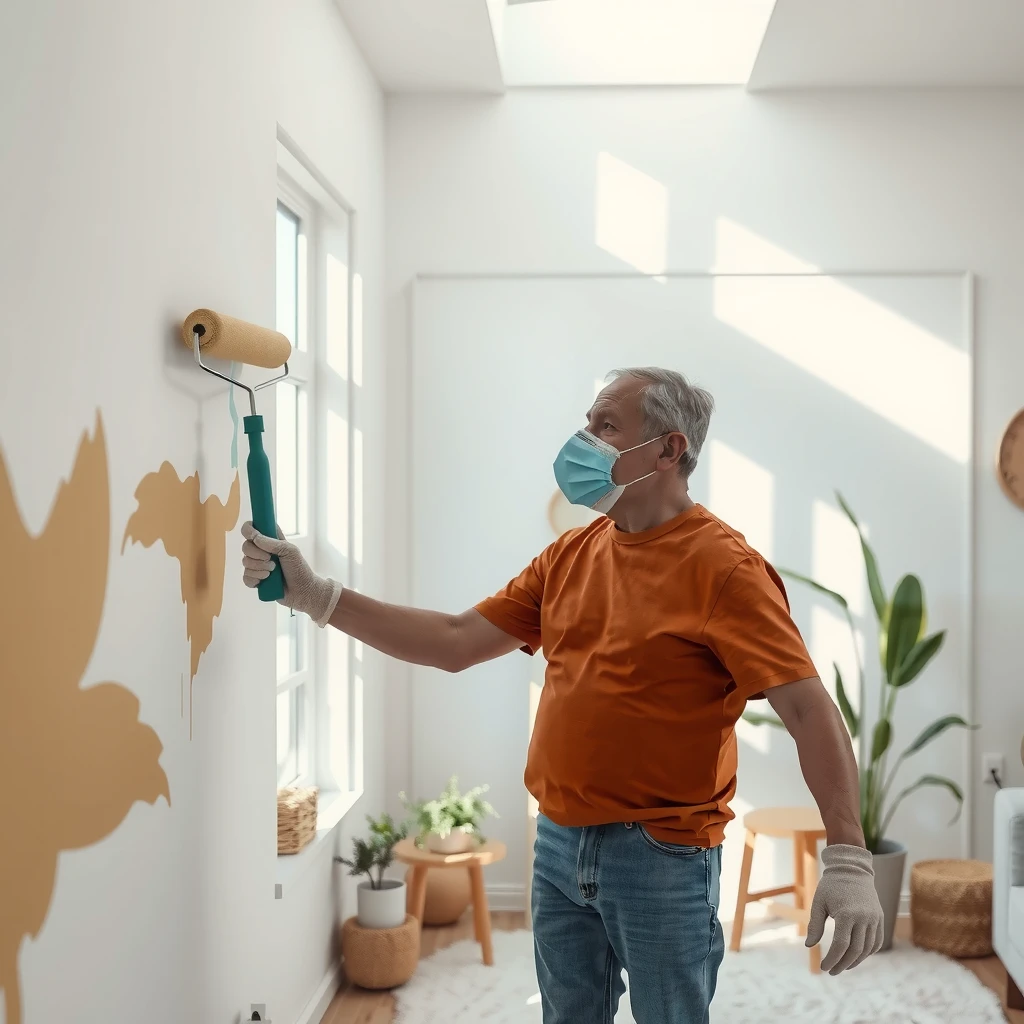
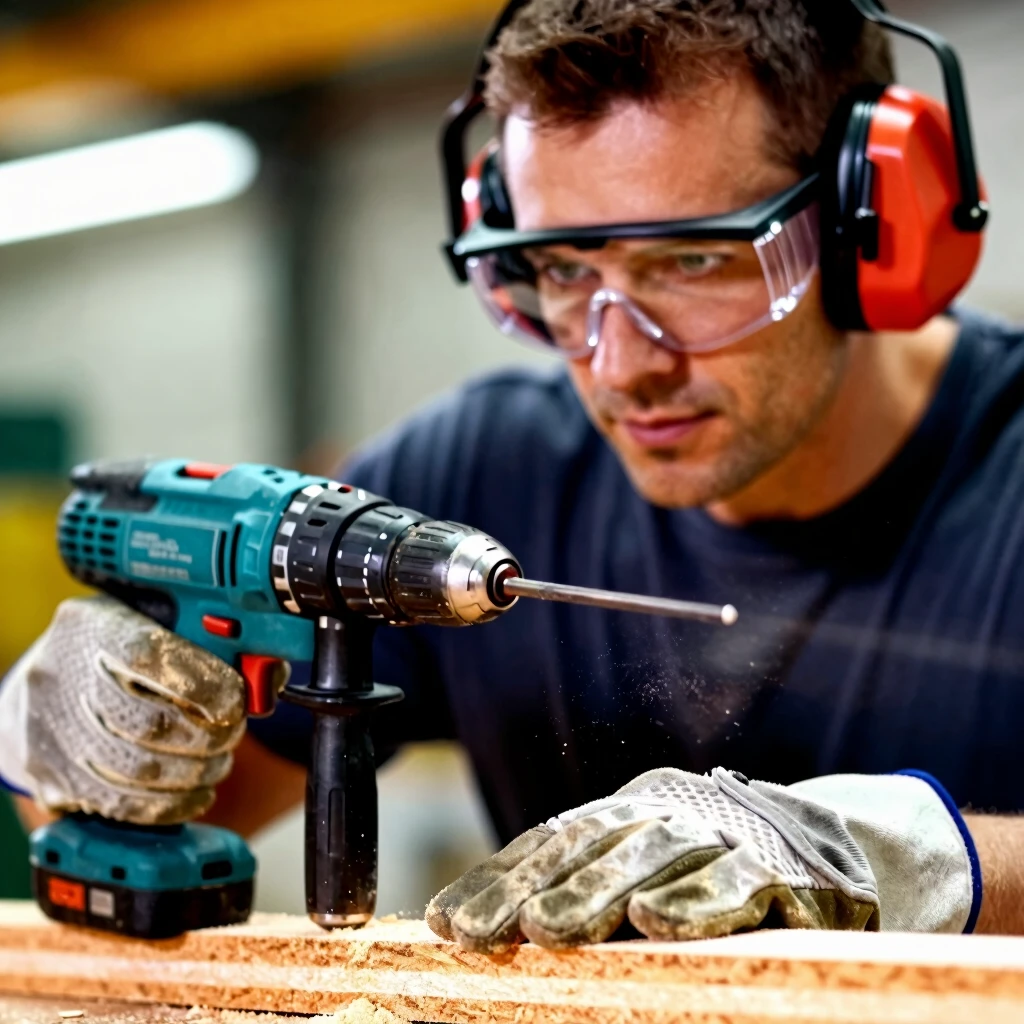
- Wear proper protection: Safety glasses, gloves, dust masks, and hearing protection when needed.
- Read instructions for power tools.
- Keep your work area clean and well-lit.
- Use the right tool for the job—never force something.
- Unplug power tools before changing blades or bits.
- Store tools properly to prevent accidents.
Safety first: Best practices for using tools prevent injuries and make projects more enjoyable. Take your time and stay focused.
Workman Tools for Plumbing: Tackle Leaks and Clogs
Plumbing issues happen to everyone. Having the right workman tools for plumbing means you can fix many problems quickly.
Key tools include:
- Plunger: A cup plunger for sinks and a flange one for toilets.
- Adjustable Pipe Wrench: For gripping pipes without slipping.
- Basin Wrench: Reaches tight spots under sinks.
- Pipe Cutter: Makes clean cuts on copper or PVC.
- Plumber's Tape: Seals threaded connections to prevent leaks.
- Drain Snake: Clears stubborn clogs.
With these, you can replace faucets, fix leaks, or unclog drains yourself.
Woodworking Tools for Home Projects
If you enjoy building furniture or decor, invest in good woodworking tools.
Start with:
- Handsaw: A crosscut saw for general cutting.
- Chisels: A set of sharp wood chisels for detailed work.
- Clamps: Bar clamps hold pieces together while glue dries.
- Square: Ensures accurate 90-degree angles.
- Hand Plane: Smooths edges and surfaces.
Combine these with your power tools for great results. Practice on scrap wood first.
Measuring and Fastening Tools You Can't Skip
Accurate measurements make or break projects. Always double-check.
Essential items:
- Combination square
- Stud finder
- Assorted fasteners (nails, screws, anchors)
- Stud finder with wire detection
Keep them organized in labeled containers.
Building Your Toolkit Over Time
Don't buy everything at once. Start with basics and add as needs arise.
I built mine gradually. Each new tool solved a specific problem and increased my confidence.
Look for quality over quantity. Good tools last longer and work better.
Store them in a dry place. Clean after use and check for damage regularly.
Final Thoughts
Having essential workman tools for every homeowner empowers you to maintain and improve your space. Start simple, prioritize safety, and enjoy the process of learning new skills.
With practice, you'll handle most home repairs like a pro.
Related Essential Workman Tools for Every Homeowner:
- Essential Construction Tools for Masonry Work: A Complete Guide
- Essential Safety Tips for Construction Workers
- Guide to Eco-Friendly Painting
- Home Depot: How to Choose the Right Power Tools
- Essential Workman Tools for Beginners: Your Starter Guide to DIY Success
- Understanding Workplace Safety Standards: A Complete Guide for Every Worker
- Top 10 Power Tools Every DIY Enthusiast Should Own
- Top 10 Industrial Automation Trends in 2025 - StartUs Insights
- Ergonomic Power Drills for Reduced Fatigue: Your Guide to Comfortable and Efficient Drilling
- Setting Up Your Workbench for Safety and Efficiency
- Women in DIY: Breaking Barriers with Power Tools
- Maintaining Your Power Tools: A Comprehensive Guide