Quick Overview
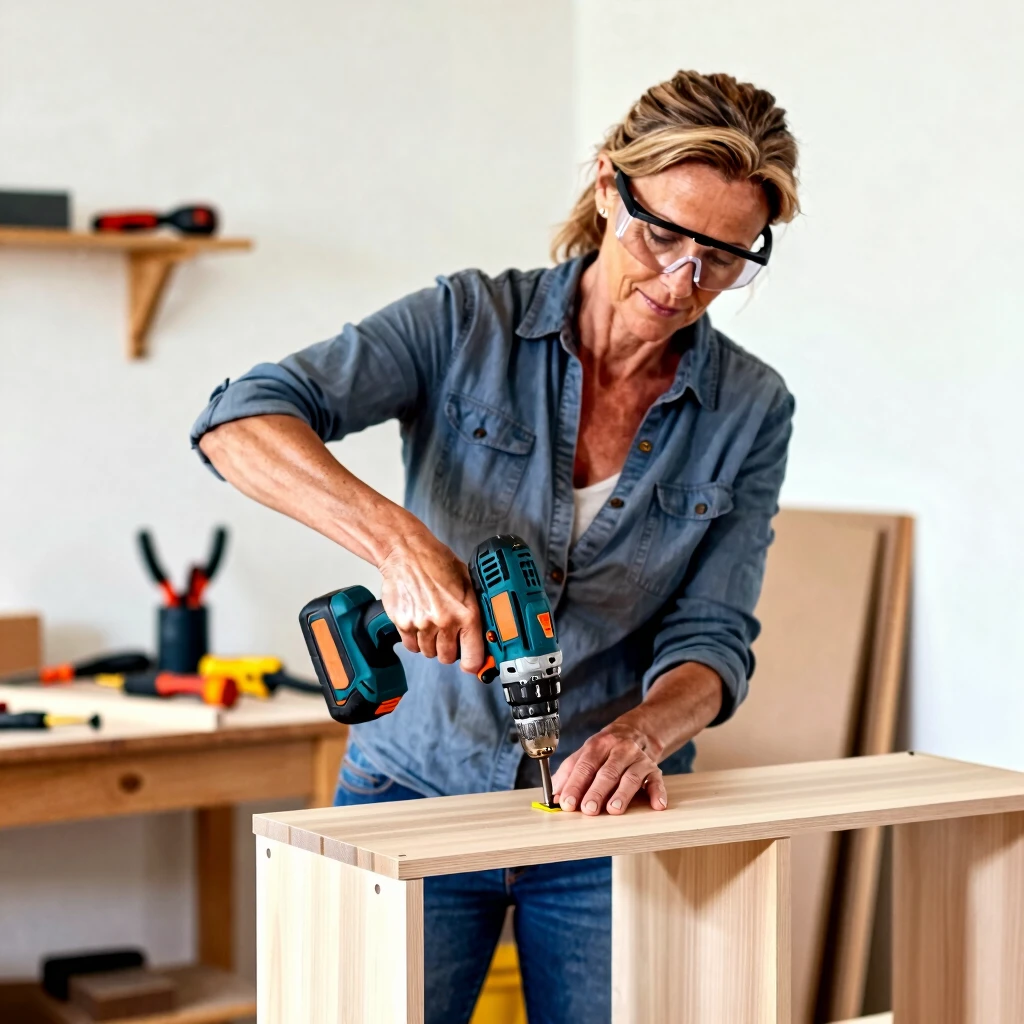
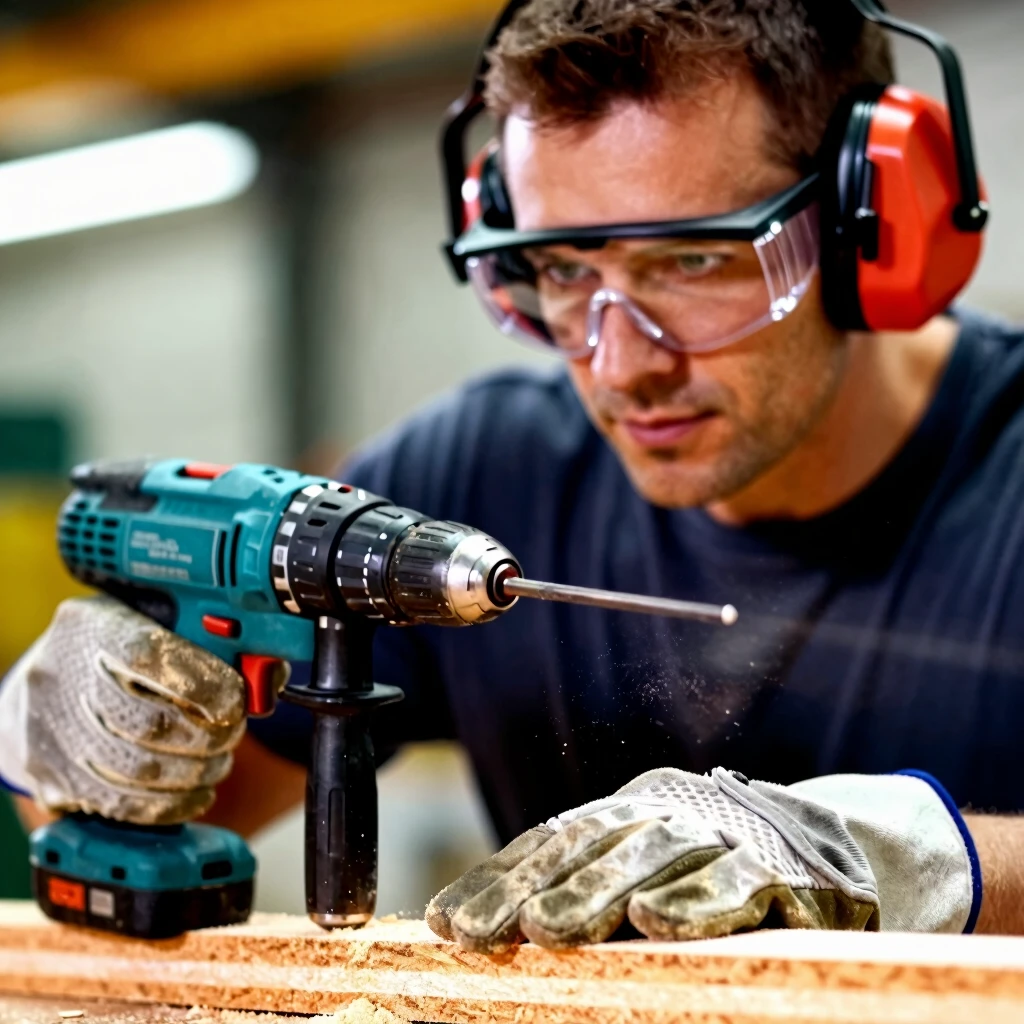
Masonry work builds strong, lasting structures like walls and patios using bricks, blocks, or stones. The right construction tools for masonry work make the job easier, safer, and more precise. In this guide, we'll cover essential tools, how to use them, and tips from real experience to help you succeed.
If you're new to masonry or a seasoned workman, having reliable workman tools is key. I've spent years on job sites laying bricks and blocks, and I can tell you that good construction tools save time and prevent mistakes.
Why Quality Construction Tools Matter in Masonry
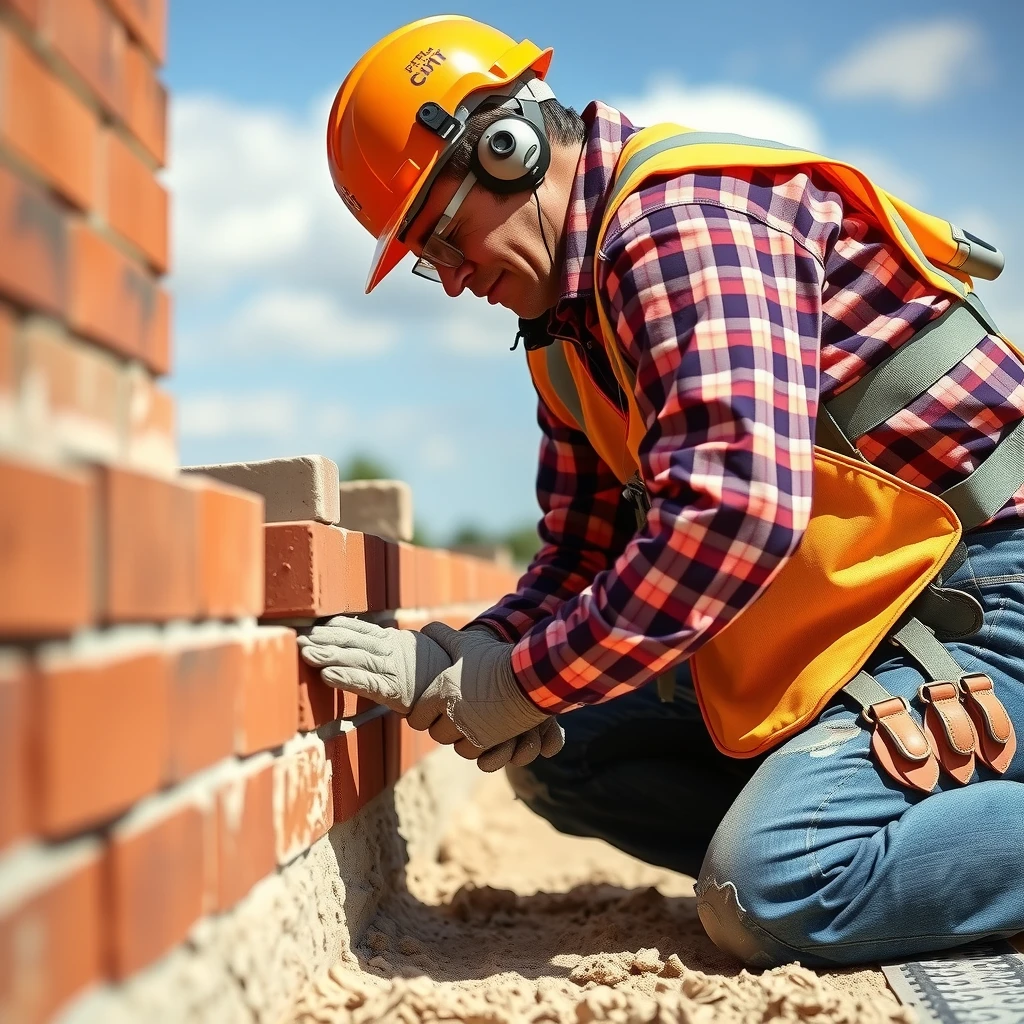
Masonry isn't just about strength—it's about precision. Poor tools lead to uneven walls, wasted materials, and even safety risks. Investing in solid construction tools for masonry work pays off quickly.
From my experience, cheap tools wear out fast and cause frustration. A good trowel, for example, feels balanced in your hand and spreads mortar smoothly every time.
Essential Hand Tools Every Mason Needs
Let's break down the core workman tools you'll use most often.
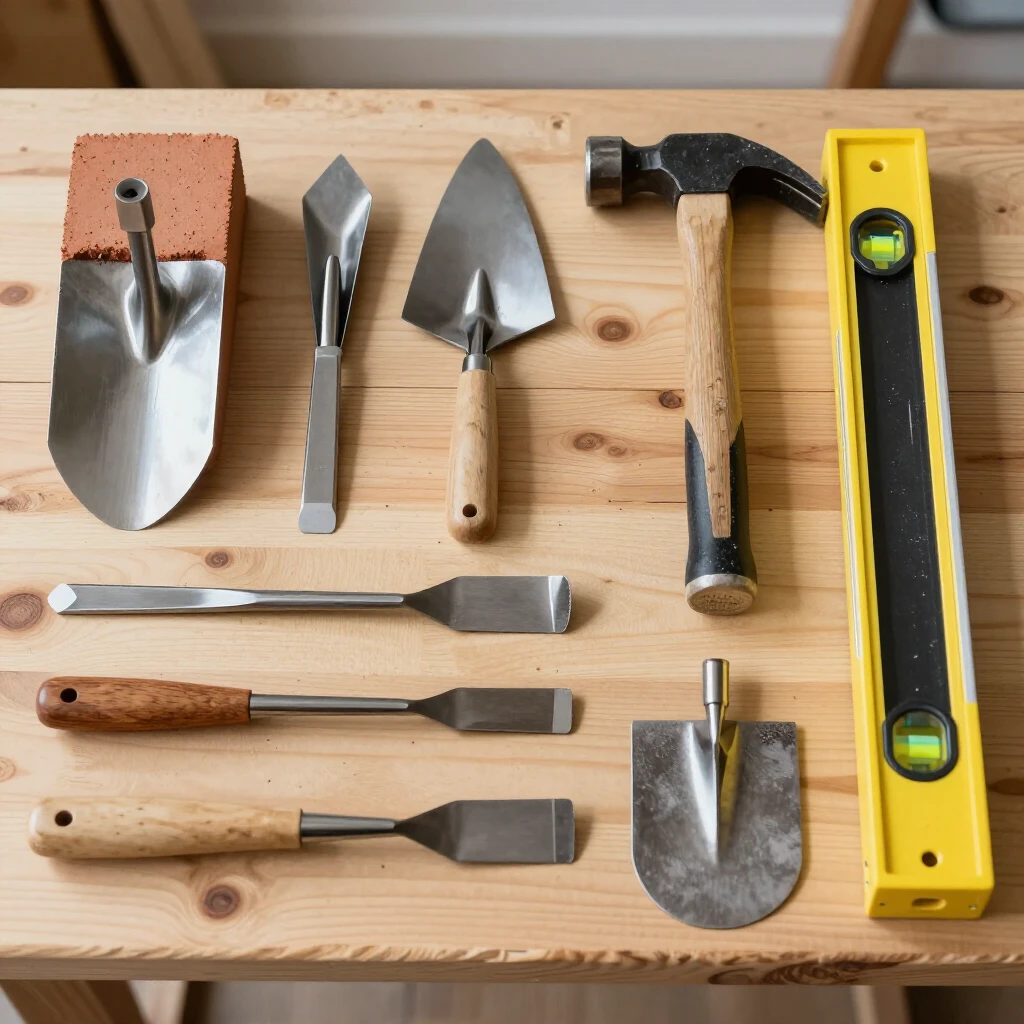
1. Brick Trowel
The trowel is the heart of masonry work. You use it to pick up mortar, spread it on bricks, and butter the ends.
Choose a London or Philadelphia pattern based on what feels comfortable. A 10-11 inch blade works for most jobs. Pro tip: Keep it clean—dried mortar ruins the edge.
2. Masonry Hammer
This dual-purpose tool has a hammer head on one side and a chisel on the other. You use it to split bricks or drive stakes.
It's heavier than a regular hammer, giving you better control when cutting bricks to size.
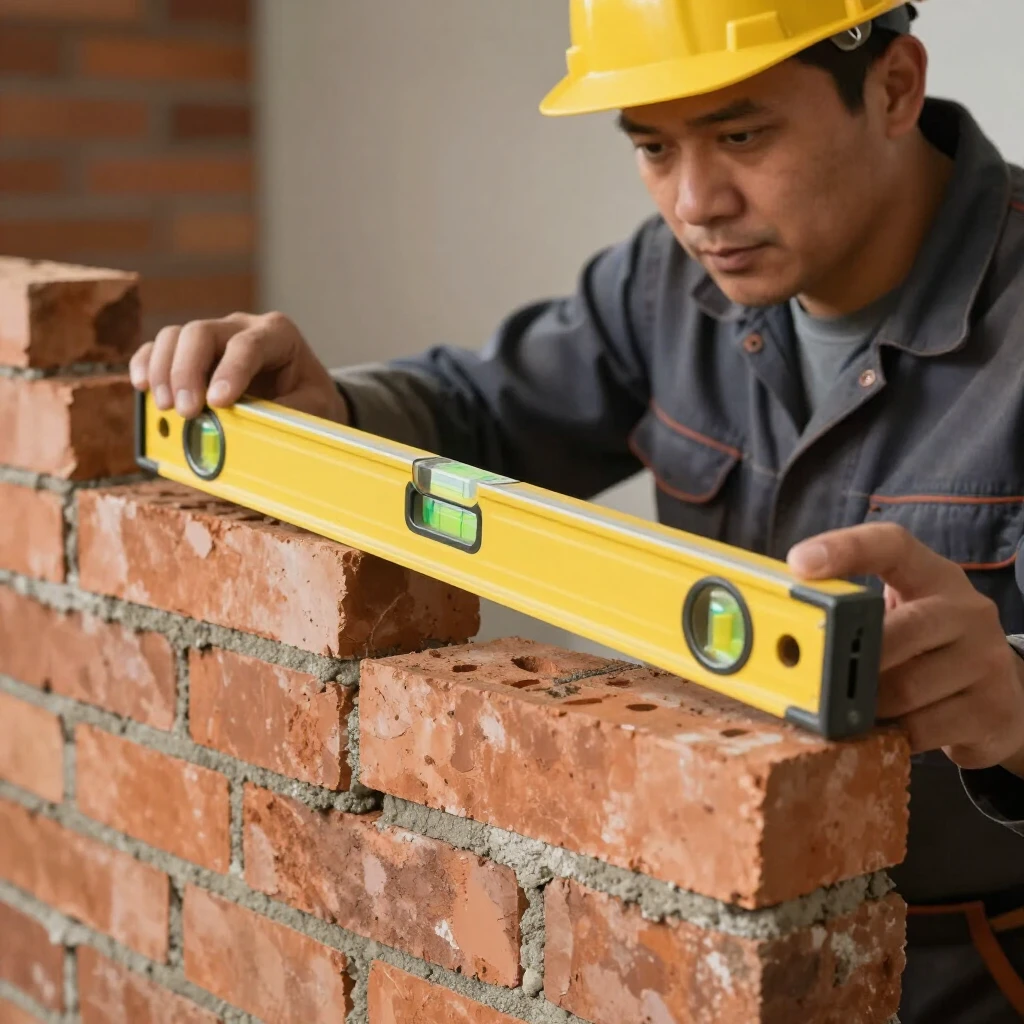
3. Spirit Level
Nothing ruins a wall faster than being out of level or plumb. A 4-foot spirit level is essential for checking horizontal and vertical alignment.
I always check levels on every course—it's a habit that ensures straight, professional walls.
4. Jointer (Striking Tool)
After laying bricks, you tool the joints for weather resistance and looks. Concave jointers create the classic rounded joint.
Tool joints when mortar is thumbprint firm—too soon and it smears, too late and it's hard to shape.
5. Mason's Line and Line Blocks
These help you keep courses straight. Stretch a tight line between blocks as a guide for each row.
In windy conditions, use braided line—it doesn't sag as much.
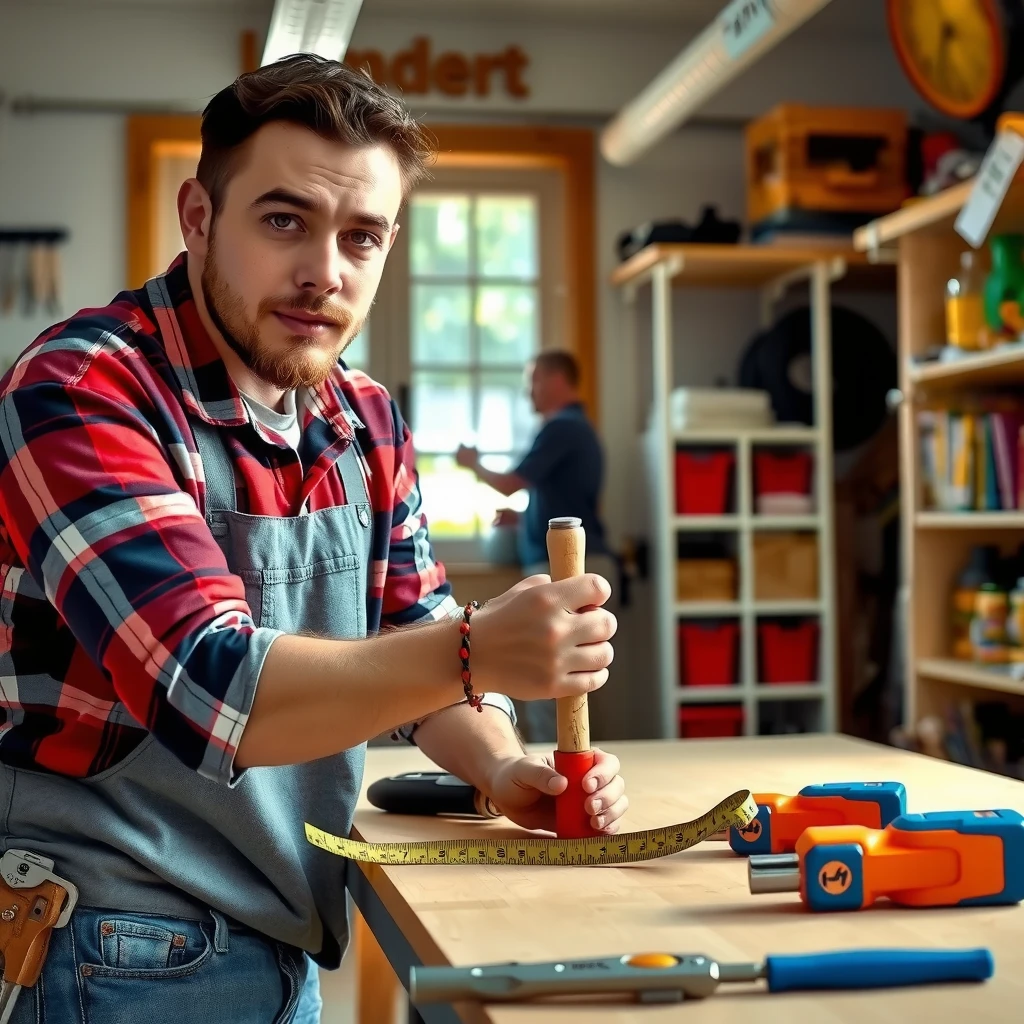
Measuring and Layout Tools
Accurate measurements prevent costly errors.
- Tape measure (25-foot minimum)
- Chalk line for snapping straight references
- Square for checking corners
I double-check measurements before cutting any material. It's faster to measure twice than redo work.
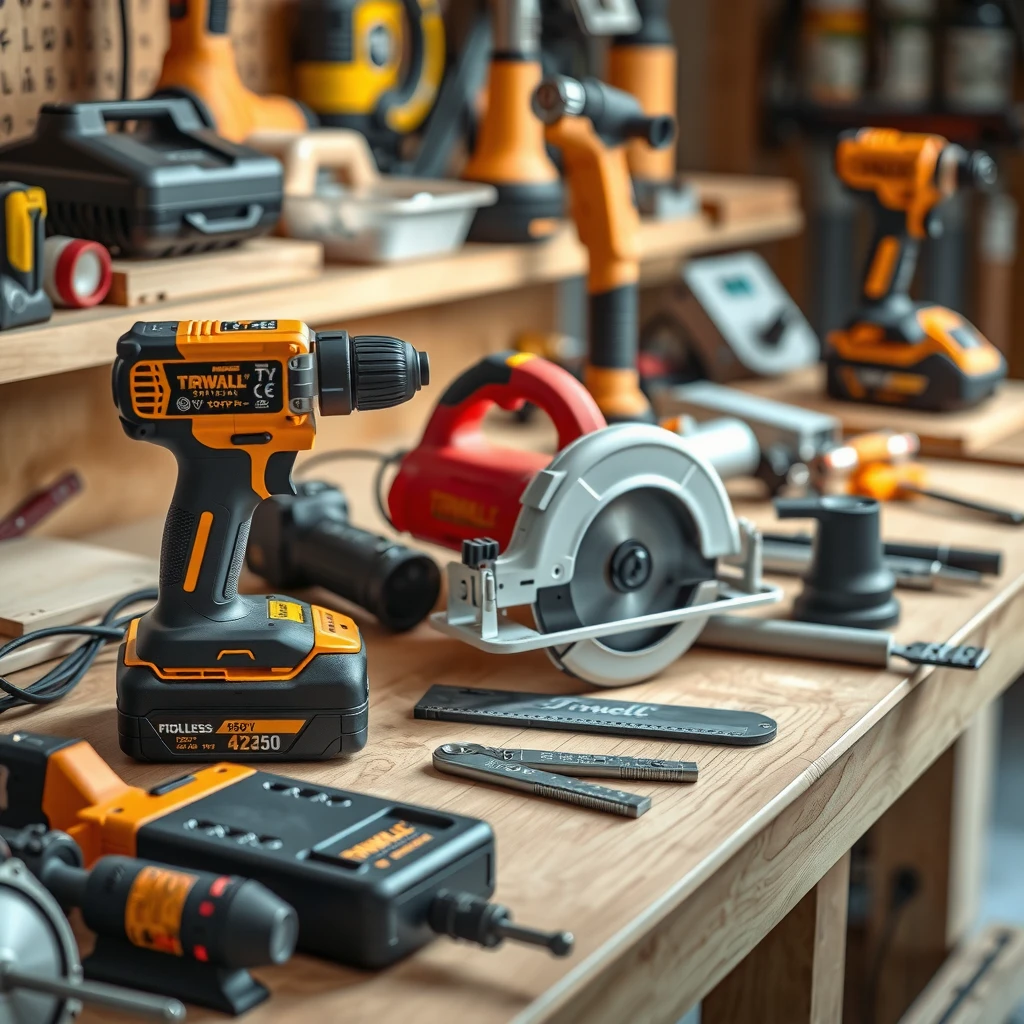
Power Tools for Modern Masonry
Hand tools are classic, but power tools speed up bigger jobs.
Masonry Saw
For clean cuts in bricks or blocks, a diamond-blade saw is invaluable. Always use wet cutting to control dust.
According to OSHA guidelines, stationary masonry saws must have proper guards and water systems to reduce silica exposure (source: OSHA Fact Sheet on Stationary Masonry Saws).
Angle Grinder
Great for tuckpointing or small cuts. Pair it with a diamond blade and dust shroud.
Mortar Mixer
Mixing mortar by hand works for small jobs, but a powered mixer ensures consistency on larger projects.
Safety Gear: The Most Important Tools
No list of construction tools for masonry work is complete without safety equipment.
- Safety glasses
- Dust mask or respirator (silica dust is serious—see OSHA's Respirable Crystalline Silica Standard for Construction)
- Gloves
- Knee pads
- Steel-toe boots
I've seen injuries from flying chips and bad knees. Protect yourself every time.
How to Choose and Maintain Your Tools
Buy from reputable brands—tools last longer and perform better.
Clean tools after each use. Store them dry to prevent rust. Sharpen chisels and hammers regularly.
A well-maintained kit makes you work faster and produces better results.
| Tool | Best For | Maintenance Tip |
|---|---|---|
| Trowel | Spreading mortar | Wipe clean immediately after use |
| Level | Alignment checks | Store flat to avoid bending |
| Masonry Saw | Cutting bricks/blocks | Use water to cool blade and reduce dust |
| Jointer | Finishing joints | Keep edges smooth |
| Hammer | Splitting bricks | Check handle for cracks |
Common Mistakes to Avoid
- Overloading mortar boards—carry less for better control.
- Ignoring weather—don't lay bricks in freezing temperatures.
- Skipping safety—always wear PPE, especially when cutting.
From experience, rushing leads to crooked walls. Take your time on leads and corners—they guide everything else.
Final Thoughts
The best construction tools for masonry work combine reliability, comfort, and safety. Start with the basics, add power tools as needed, and always prioritize proper technique.
With practice and the right workman tools, you'll build structures that stand strong for years.
Related construction tools for masonry work:
- Beginner's Guide to Bricklaying Techniques: Master the Basics with Confidence
- Essential Safety Tips for Construction Workers
- Guide to Eco-Friendly Painting
- Home Depot: How to Choose the Right Power Tools
- Essential Workman Tools for Beginners: Your Starter Guide to DIY Success
- Understanding Workplace Safety Standards: A Complete Guide for Every Worker
- Top 10 Power Tools Every DIY Enthusiast Should Own
- Top 10 Industrial Automation Trends in 2025 - StartUs Insights
- Ergonomic Power Drills for Reduced Fatigue: Your Guide to Comfortable and Efficient Drilling
- Setting Up Your Workbench for Safety and Efficiency
- Women in DIY: Breaking Barriers with Power Tools
- Maintaining Your Power Tools: A Comprehensive Guide