Quick Overview
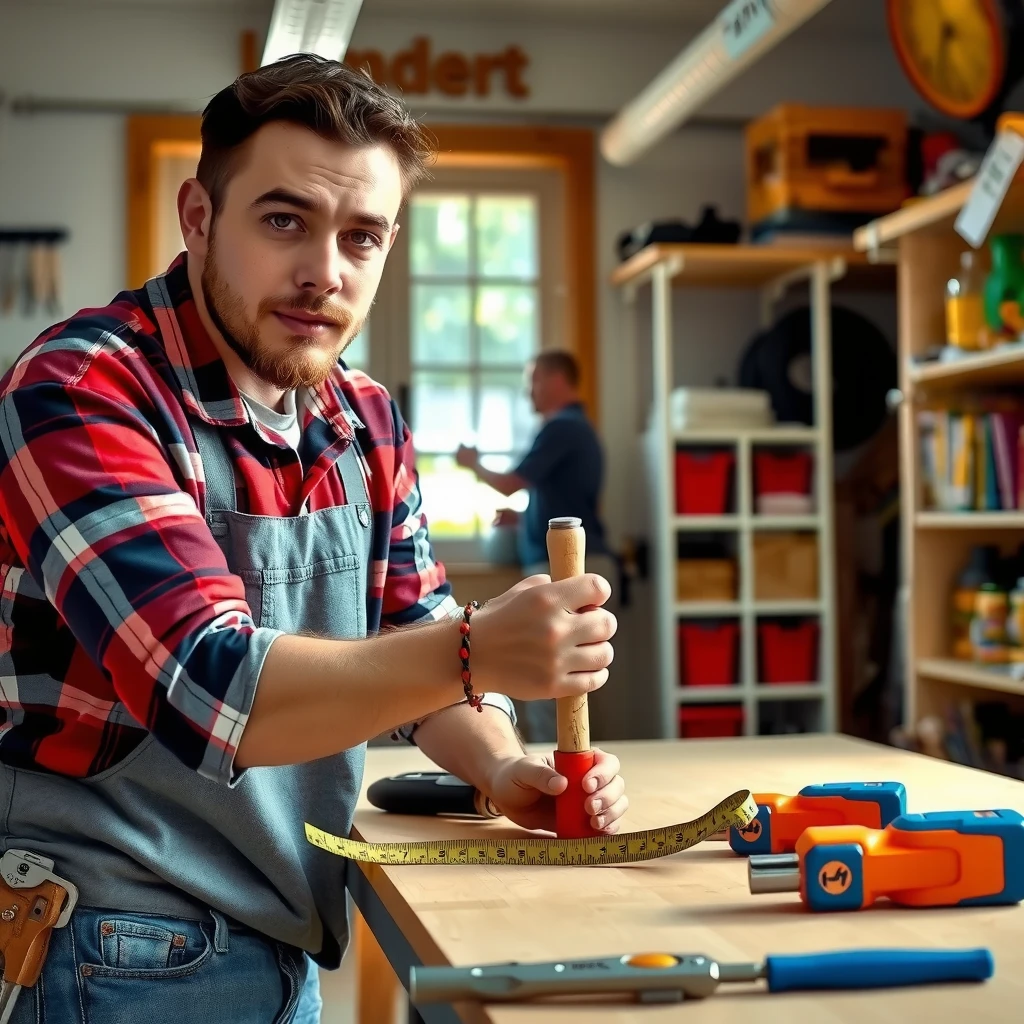
Every handyman, whether pro or beginner, runs into mistakes that waste time, money, and effort. Common Handyman Mistakes and How to Avoid Them often involve rushing jobs, using the wrong tools, or skipping preparation. With simple habits and awareness, you can sidestep these issues and deliver solid, lasting work.
In my years around tools and fixes, I've seen the same errors repeat. One big one is underestimating how much preparation a job needs. People jump straight into painting or drilling without cleaning or measuring properly. This leads to uneven results, cracks, or things falling apart soon after.
1. Skipping Proper Preparation
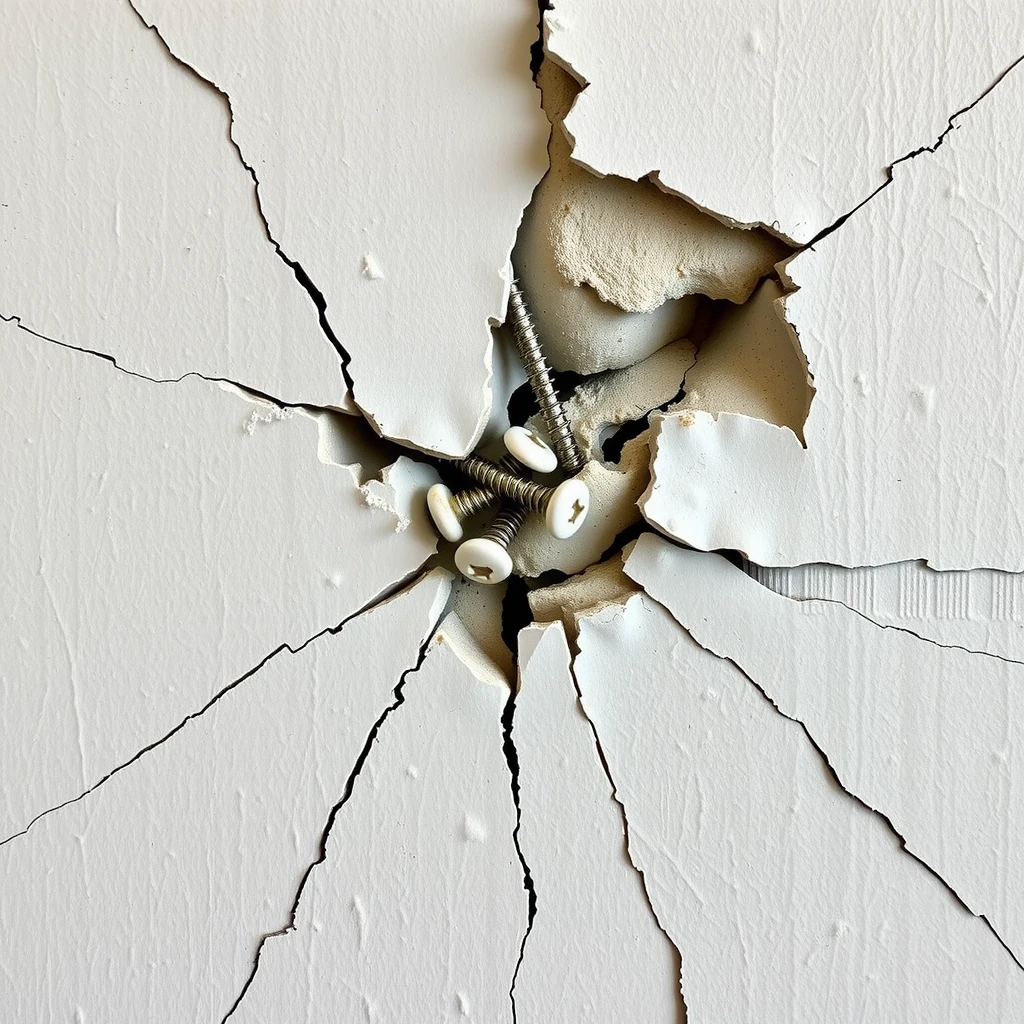
Preparation makes or breaks most projects. For painting, skipping cleaning, sanding, or patching creates bubbles, peeling, or visible marks. In drilling or screwing, not checking for studs or pipes causes damaged walls and costly repairs.
Always take time to prep. Clean surfaces, measure twice, mark clearly, and use a stud finder. These small steps prevent big headaches later.
2. Using the Wrong or Cheap Tools
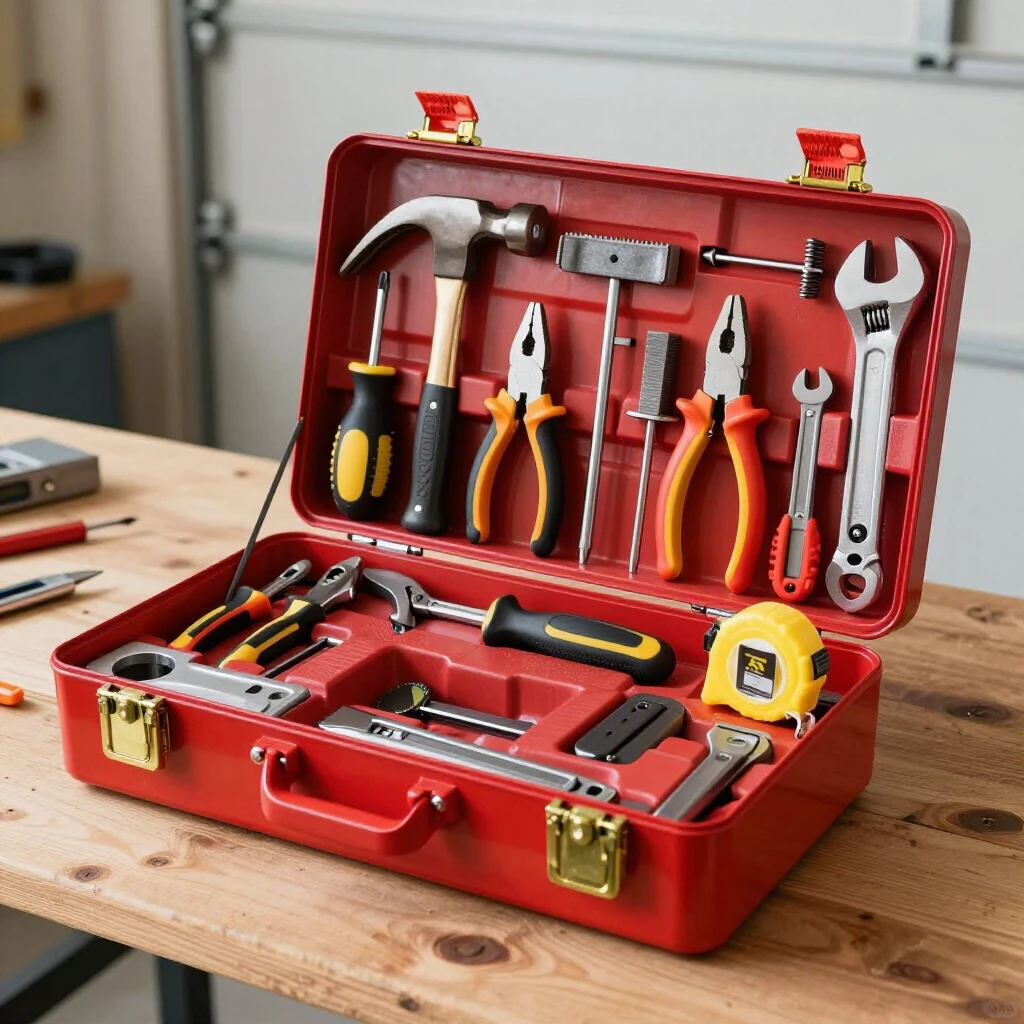
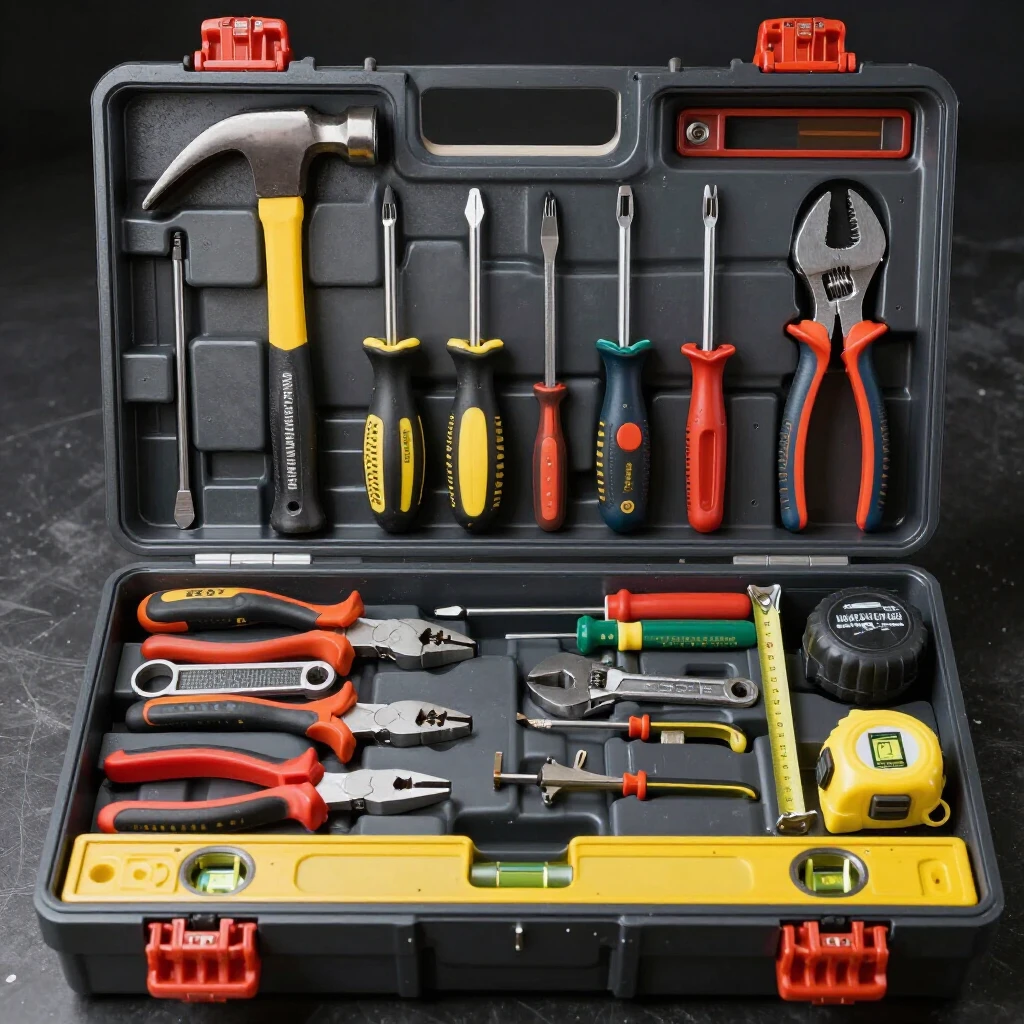
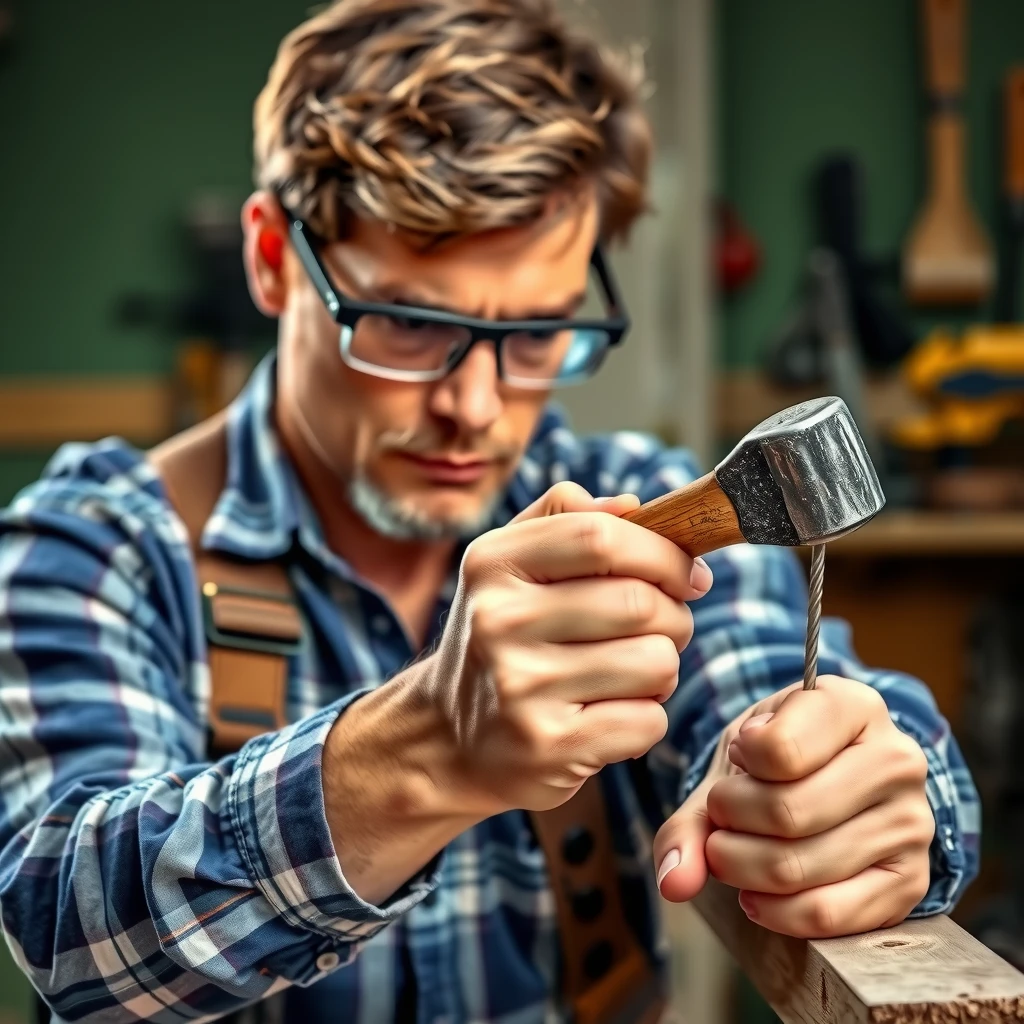
Cheap tools break easily and make jobs harder. Low-quality hammers bend nails instead of driving them straight. Poor screwdrivers strip heads. Invest in quality essential tools for every handyman to make work smoother and safer.
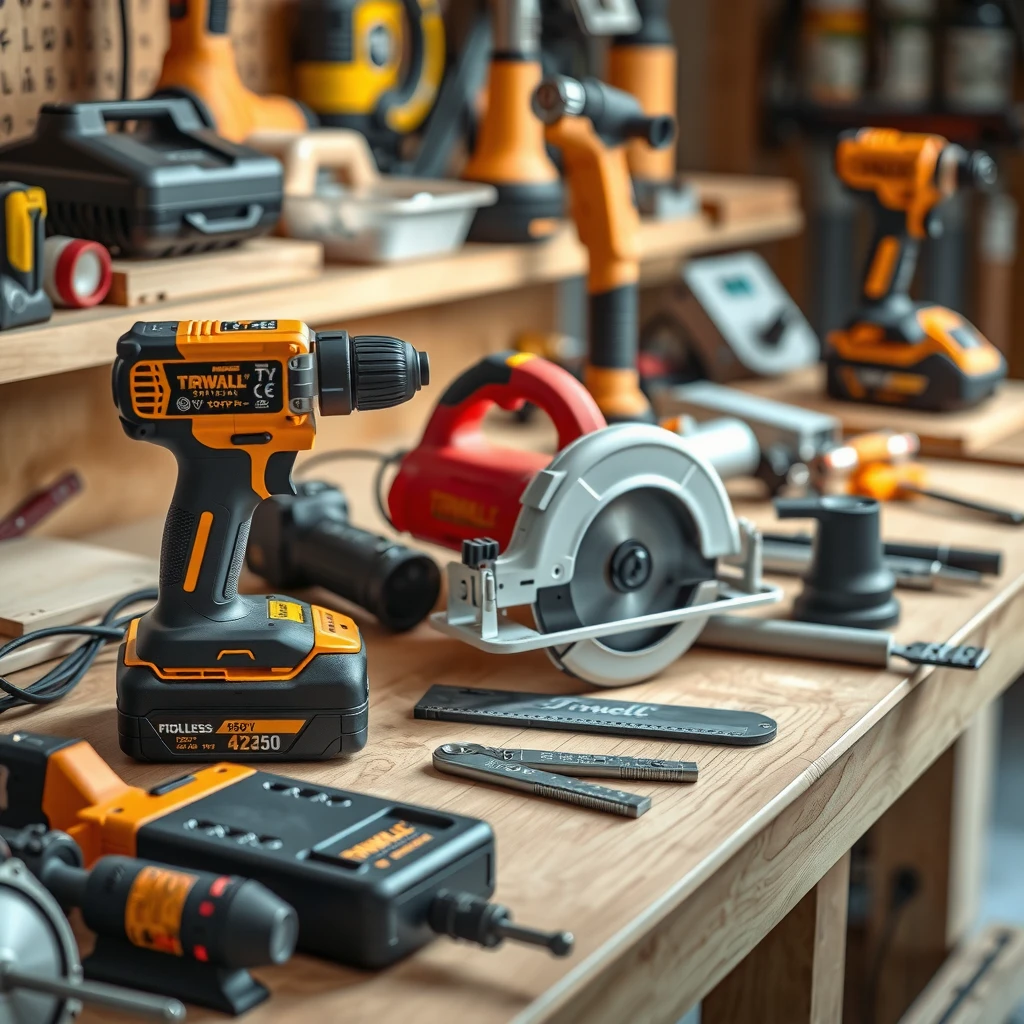
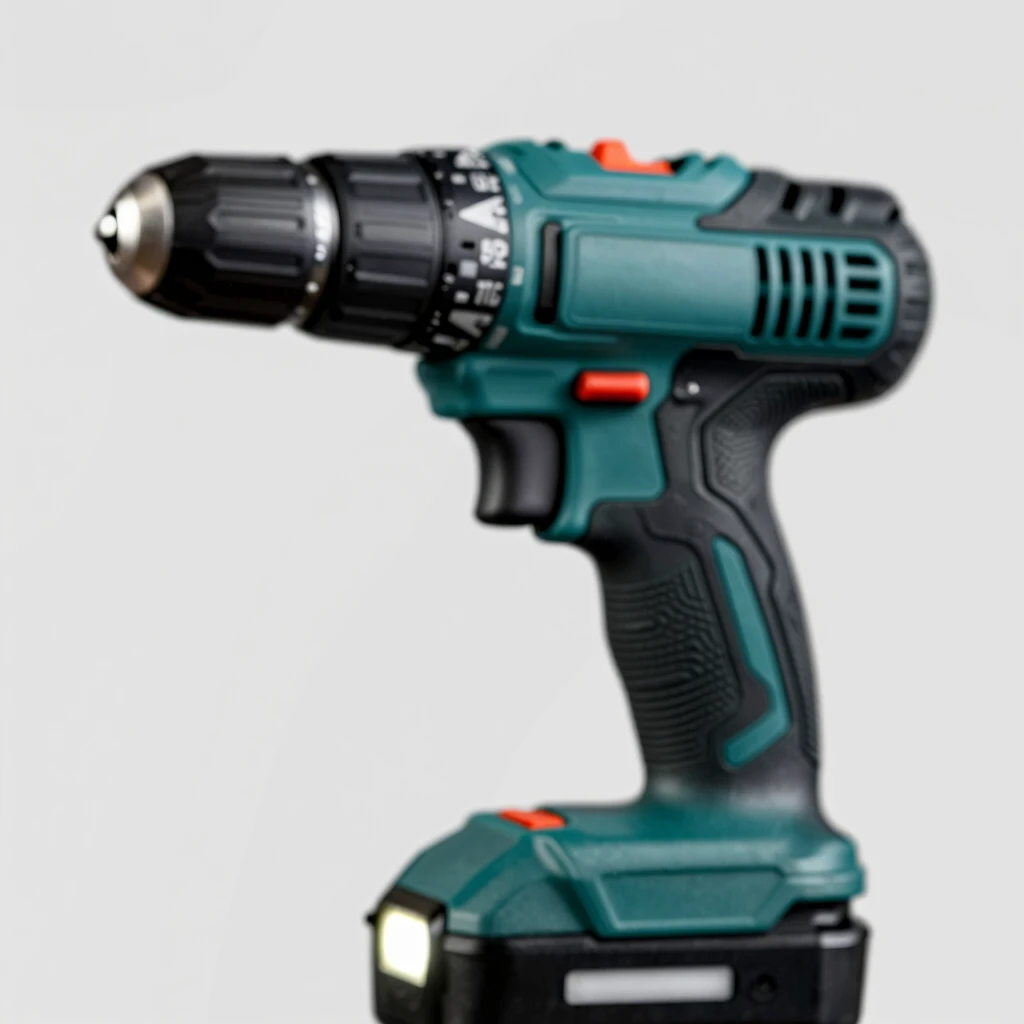
Here are some must-have workman tools: - Claw hammer (16 oz is versatile) - Screwdriver set (flathead and Phillips) - Adjustable wrench and pliers - Tape measure and level - Cordless drill with bits - Utility knife
These basics cover most jobs and last years with care.
3. Rushing the Job
Speed often causes errors like over-tightening screws, which strips threads or cracks wood. Or forcing parts that don't fit. Patience pays off. Take breaks if tired – mistakes happen more when you're worn out.
4. Ignoring Safety
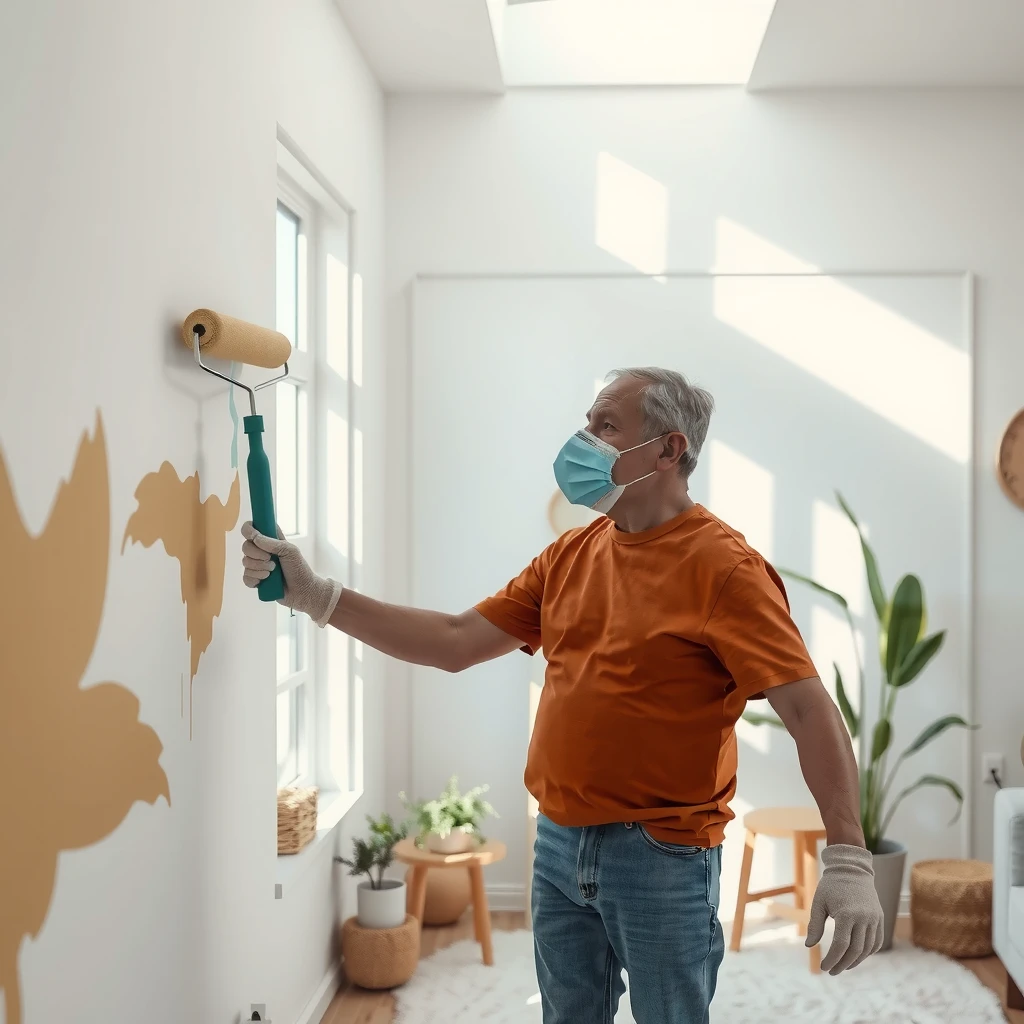
No gloves, eye protection, or proper ventilation leads to injuries. Dust from sanding or fumes from adhesives harm lungs. Always wear gear and work in ventilated spaces.
5. Overestimating Skills
Some tasks, like electrical or major plumbing, need pros. DIY attempts can cause fires, floods, or code violations. Know your limits and call experts when needed. It saves money long-term.
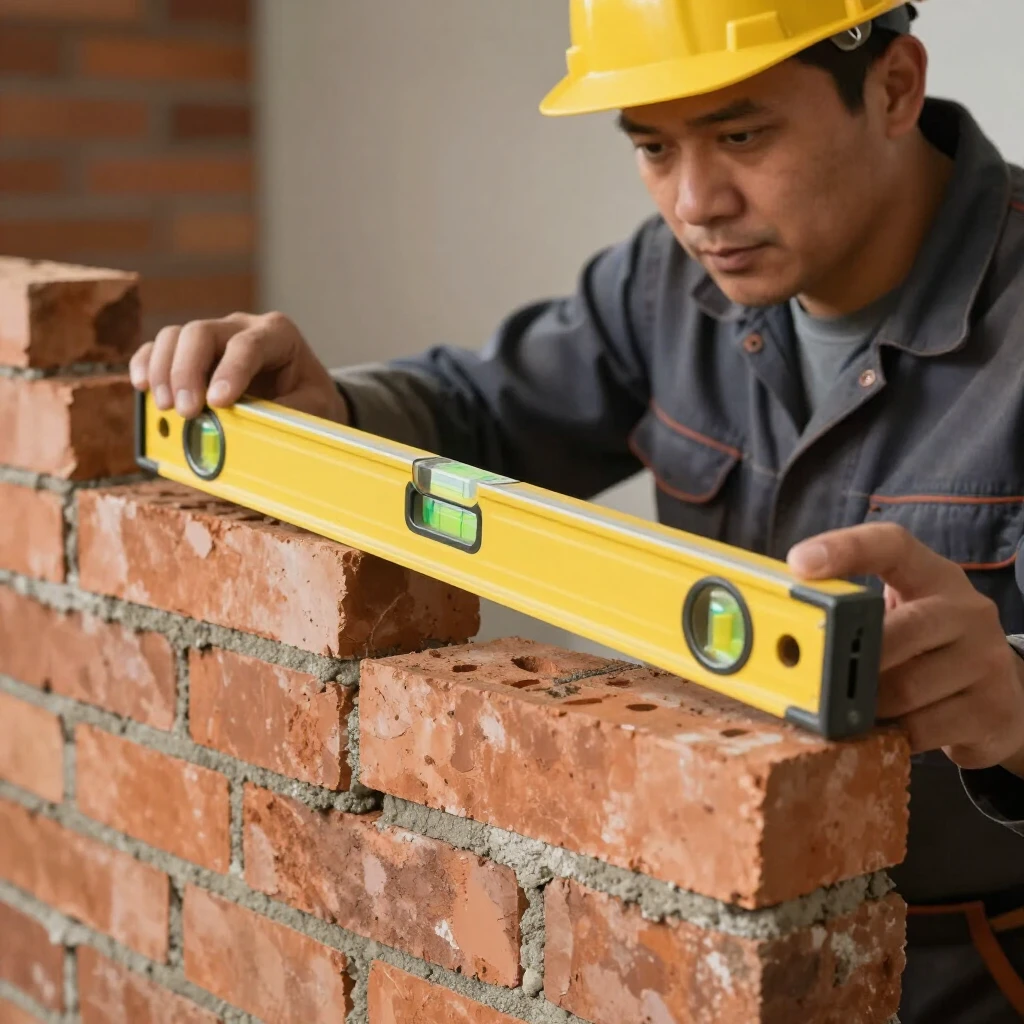
From personal experience, I once rushed a shelf install without leveling it properly. It looked fine at first but sagged within weeks. Lesson learned: slow down and check levels often.
Quick Tips to Avoid Mistakes
- Plan the job step by step
- Double-check measurements
- Use quality essential tools for every handyman
- Clean up as you go
- Test small areas first (like paint patches)
- Document with photos if unsure
Follow these and your work improves fast.
In the end, Common Handyman Mistakes and How to Avoid Them come down to preparation, patience, and proper tools. Build good habits early, and you'll avoid costly fixes. Keep learning, stay safe, and enjoy the satisfaction of a job done right.
Related Common Handyman Mistakes and How to Avoid Them:
- Beginner DIY Projects That Save Money
- Essential Tools for Every Handyman: Building Your First Toolbox
- Essential Workman Tools for Every Homeowner
- Essential Construction Tools for Masonry Work: A Complete Guide
- Essential Safety Tips for Construction Workers
- Guide to Eco-Friendly Painting
- Home Depot: How to Choose the Right Power Tools
- Essential Workman Tools for Beginners: Your Starter Guide to DIY Success
- Understanding Workplace Safety Standards: A Complete Guide for Every Worker
- Top 10 Power Tools Every DIY Enthusiast Should Own
- Top 10 Industrial Automation Trends in 2025 - StartUs Insights
- Ergonomic Power Drills for Reduced Fatigue: Your Guide to Comfortable and Efficient Drilling