Overview
Picking the right wrench can make your project go smoothly or turn it into a headache. This guide shows you how to choose the perfect wrench every time, covering types, sizes, and tips on how to maintain and store wrenches for long-lasting use.
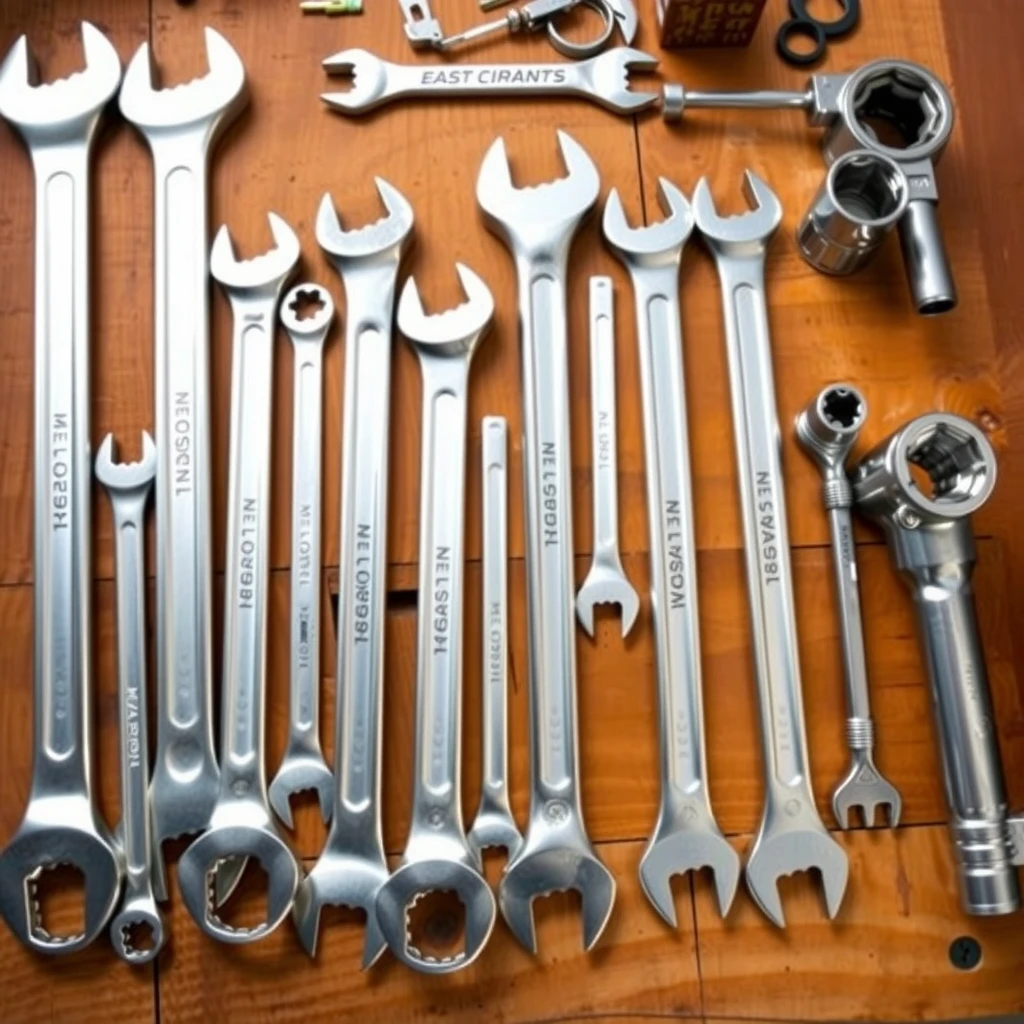
Wrenches are basic workman tools that every DIYer and professional needs. I remember my first home repair job – fixing a leaky faucet. I grabbed the wrong wrench, and it slipped, rounding off the nut. That taught me quickly: the right tool matters.
Today, we'll walk through how to pick the perfect wrench for your project. You'll learn about common types, how to match them to your task, and why proper care keeps them working well.
Understanding Different Types of Wrenches
There are many kinds of wrenches, each built for specific jobs. Here are the most common ones:
- Open-End Wrench: Has U-shaped openings on both ends. Great for quick access in tight spots.
- Box-End Wrench: Fully encloses the nut or bolt with a closed ring. Provides better grip and less chance of slipping.
- Combination Wrench: One open end and one box end. Versatile for most tasks.
- Adjustable Wrench: Also called crescent wrench. You can change the jaw size to fit different fasteners.
- Ratcheting Wrench: Allows turning without removing the tool from the fastener. Speeds up work in confined areas.
- Socket Wrench: Uses interchangeable sockets with a ratchet handle. Ideal for automotive work.
- Torque Wrench: Applies exact force. Essential for jobs needing precise tightening, like engine repairs.
From my experience, combination wrenches are my go-to for everyday projects. They handle most situations without switching tools.
Key Factors to Consider When Choosing a Wrench
To pick the perfect wrench, ask yourself these questions:
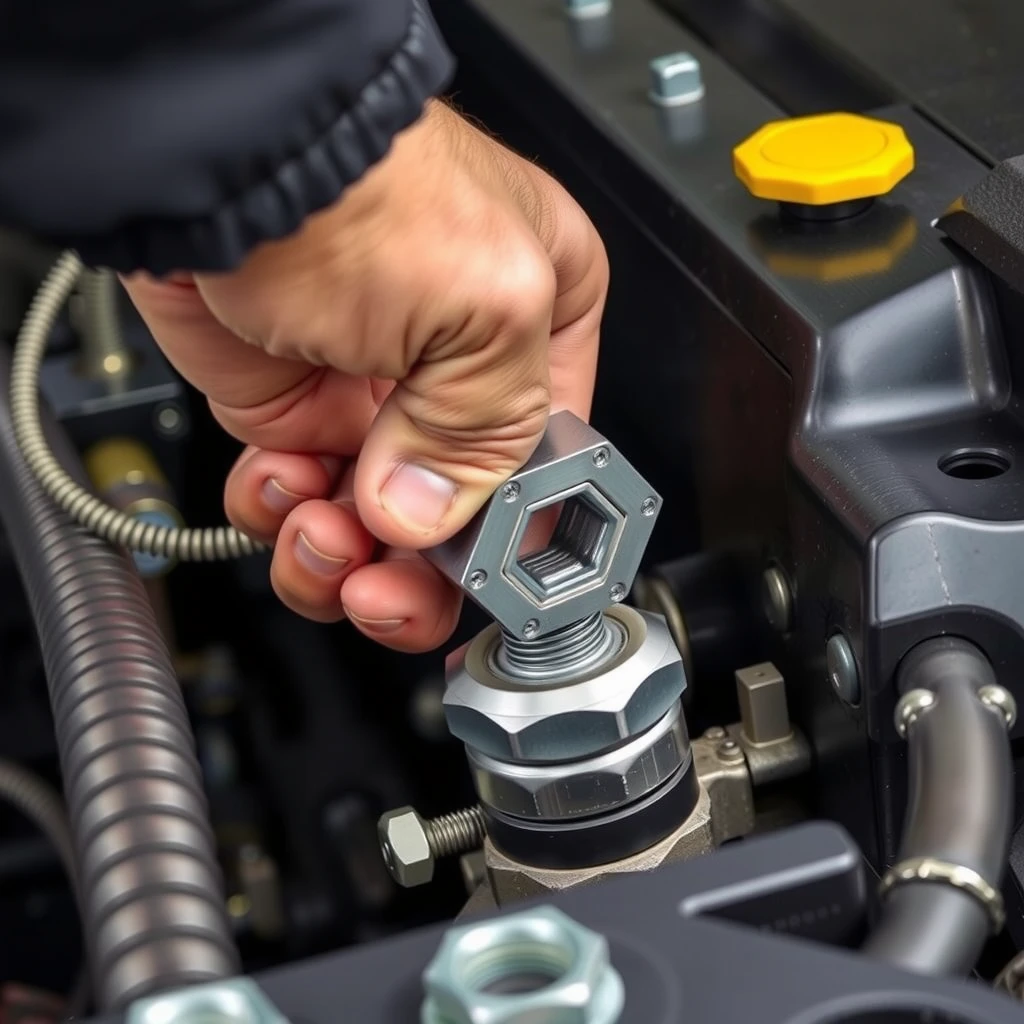
- What size do you need? Measure the nut or bolt across the flats. Use SAE (inches) for American fasteners or metric (millimeters) for most modern ones.
- How much space is there? In tight spots, choose a ratcheting or short-handled wrench.
- How much torque? For high force, go with a socket or box-end to avoid slipping.
- Material and quality? Look for chrome vanadium steel for durability.
Always select a wrench that fits snugly. A loose fit can damage the fastener or cause injury.
Safety is key. According to OSHA guidelines on hand tools, never use wrenches with sprung jaws, as they can slip and cause harm (OSHA Hand Tools Standard). Inspect your tools before each use.
Common Mistakes to Avoid
- Using an adjustable wrench for everything – it's handy but can slip under heavy load.
- Extending the handle with a pipe for more leverage – this overloads the tool and risks breaking it.
- Ignoring metric vs. SAE – mixing them strips fasteners fast.
I've made these errors early on, but learning from them saved time and frustration.
| Type of Wrench | Best For | Pros | Cons |
|---|---|---|---|
| Combination | General use | Versatile, strong grip | Slightly bulkier |
| Adjustable | Odd sizes | One tool fits many | Prone to slipping |
| Ratcheting | Tight spaces | Fast operation | More expensive |
| Socket | Automotive | High torque | Needs multiple sockets |
| Torque | Precision jobs | Accurate force | Delicate, needs calibration |
How to Maintain and Store Wrenches
Good care extends the life of your wrenches. Clean them after use with a dry cloth to remove dirt and oil. For rust spots, use a mild cleaner but avoid harsh chemicals.
Lubricate moving parts on adjustable or ratcheting wrenches lightly. Store in a dry place to prevent corrosion.
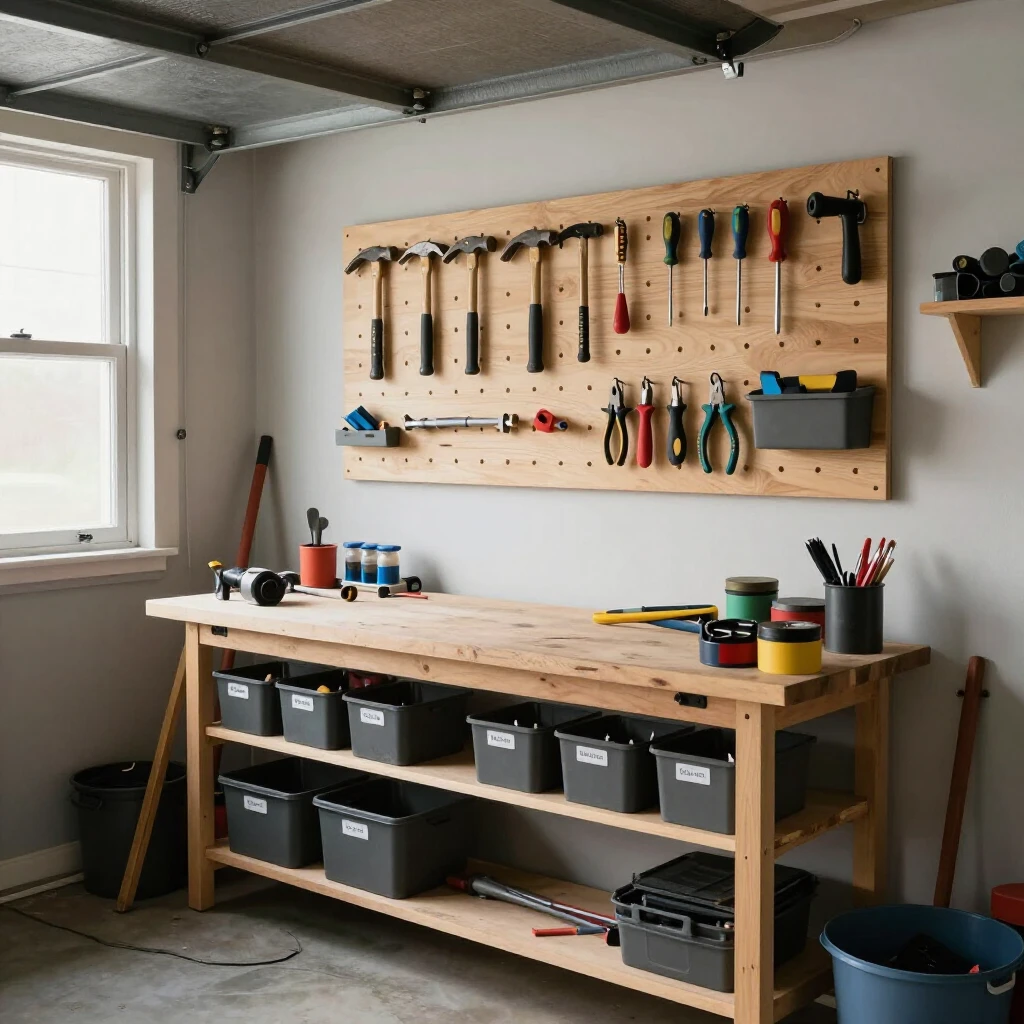
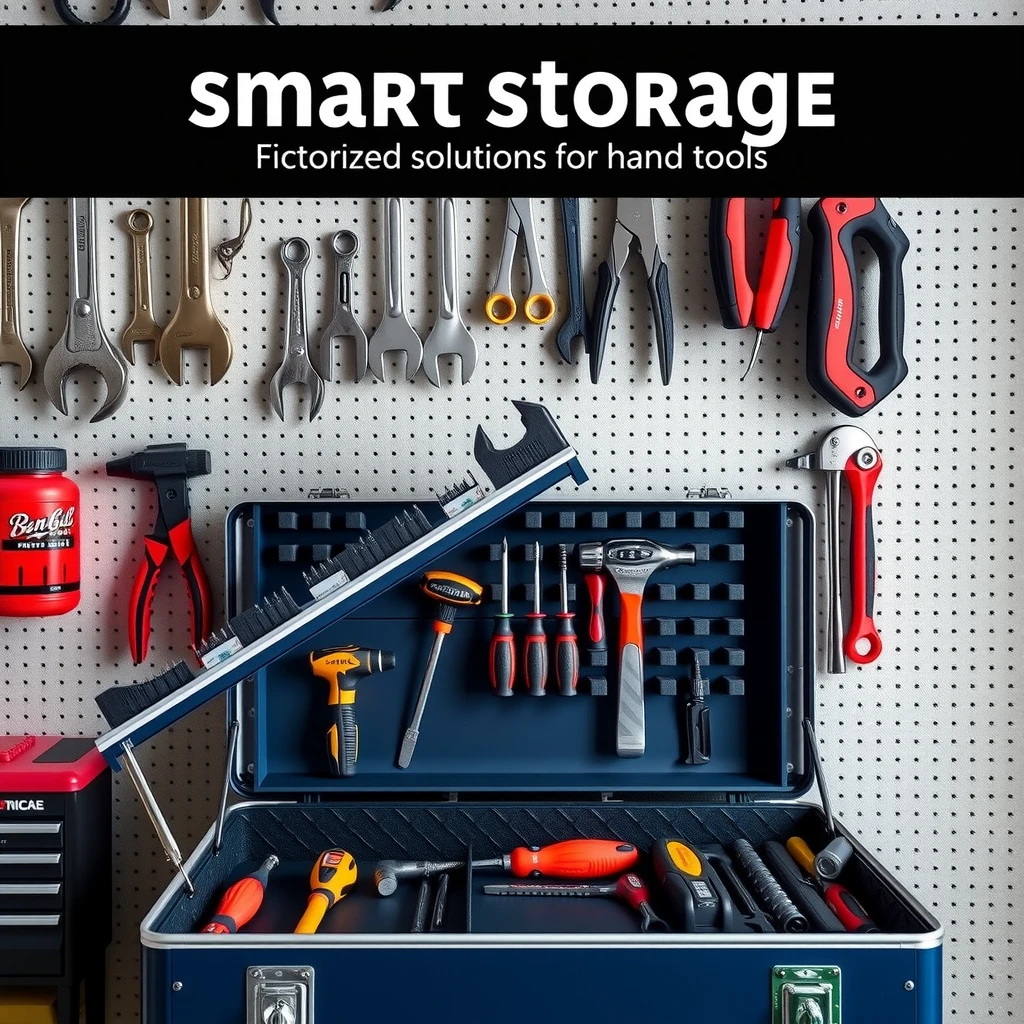
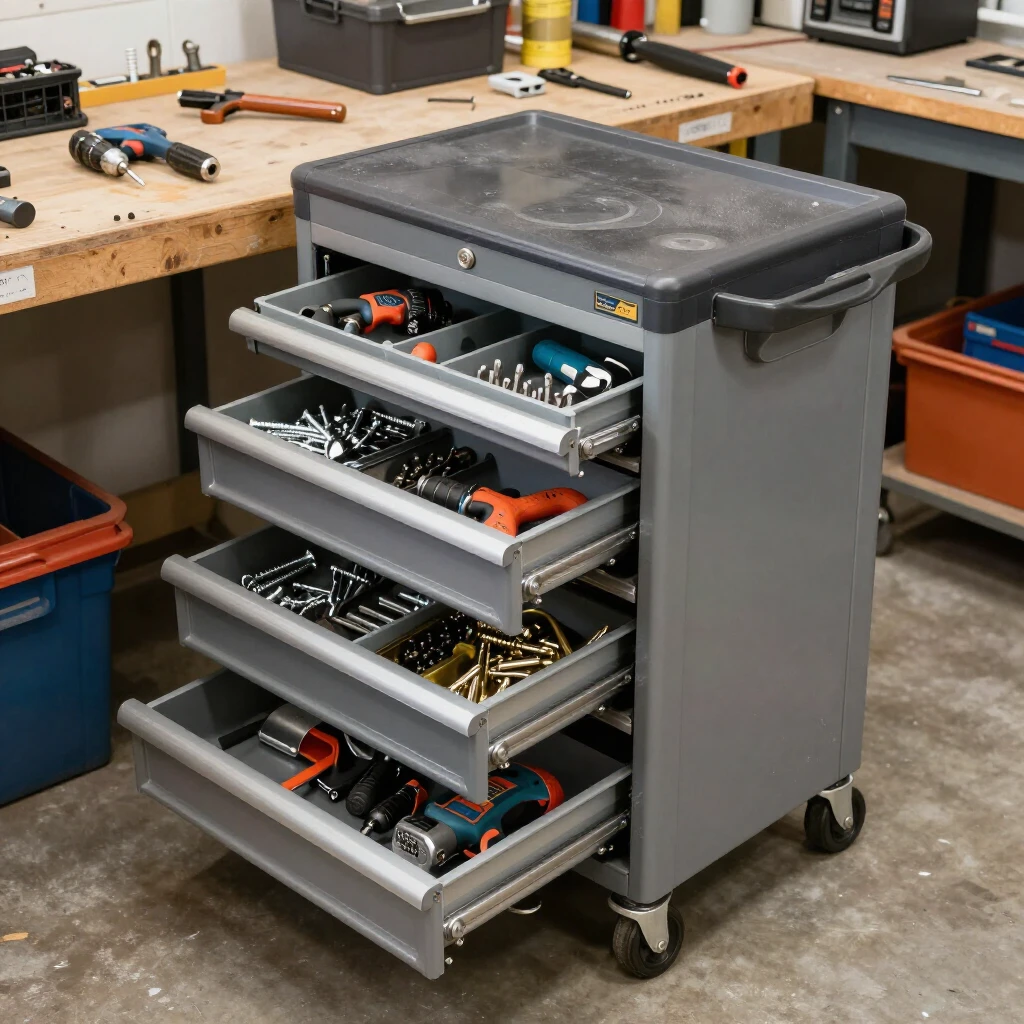
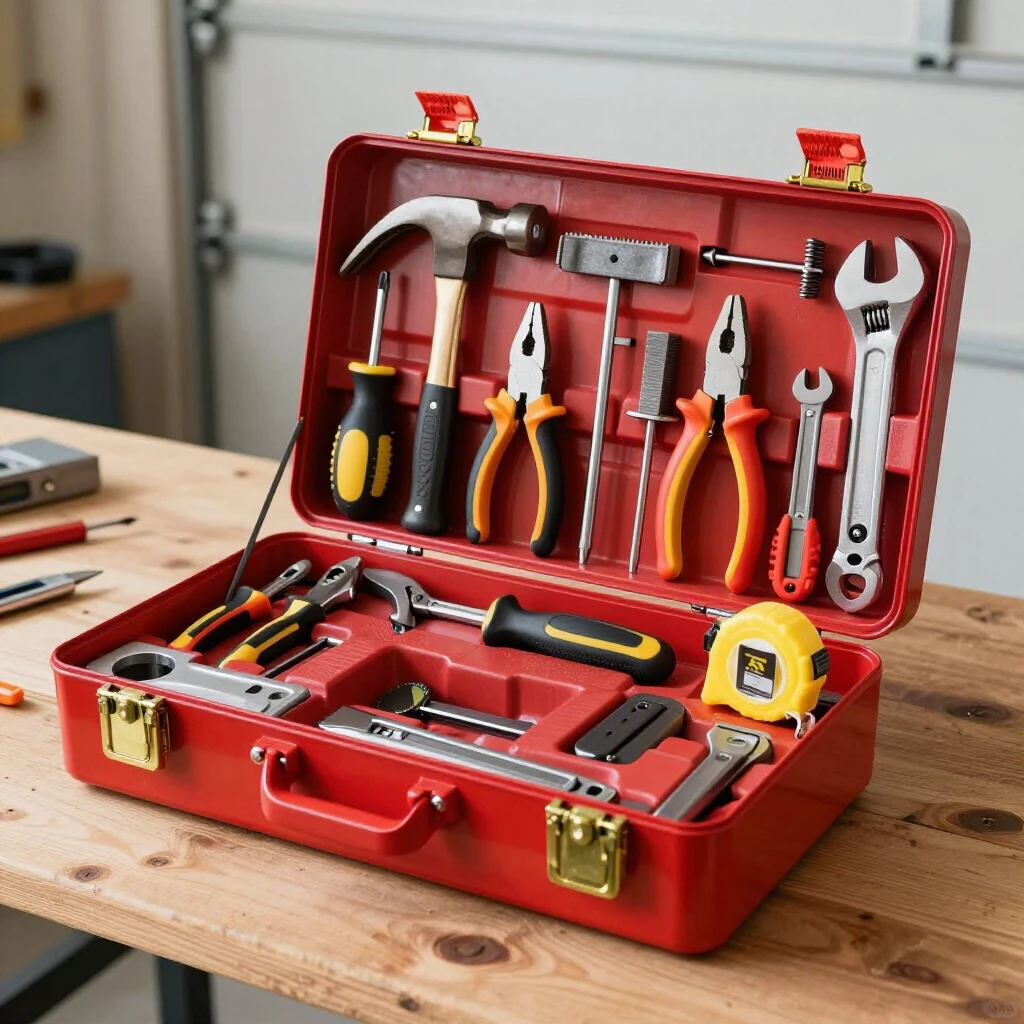
Organize them in a toolbox drawer or on a pegboard. This keeps them ready and prevents loss.
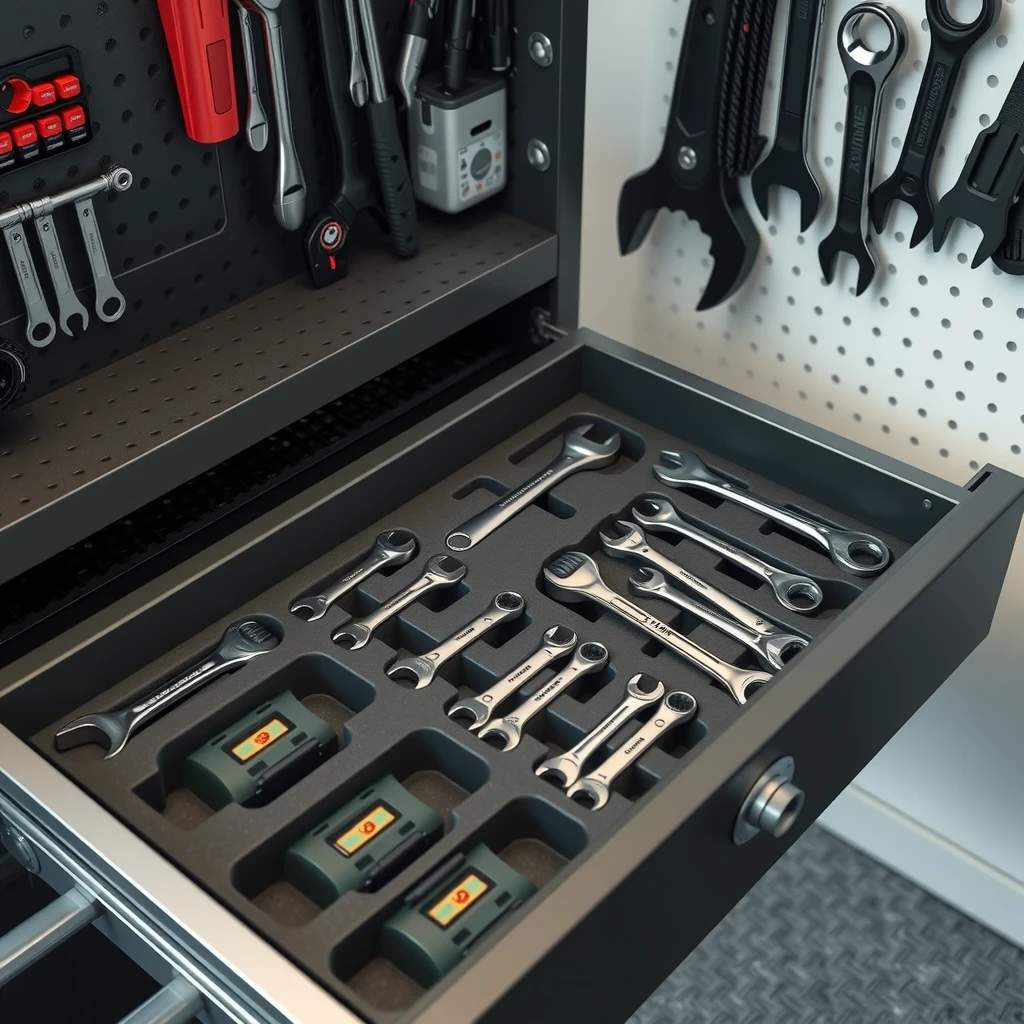
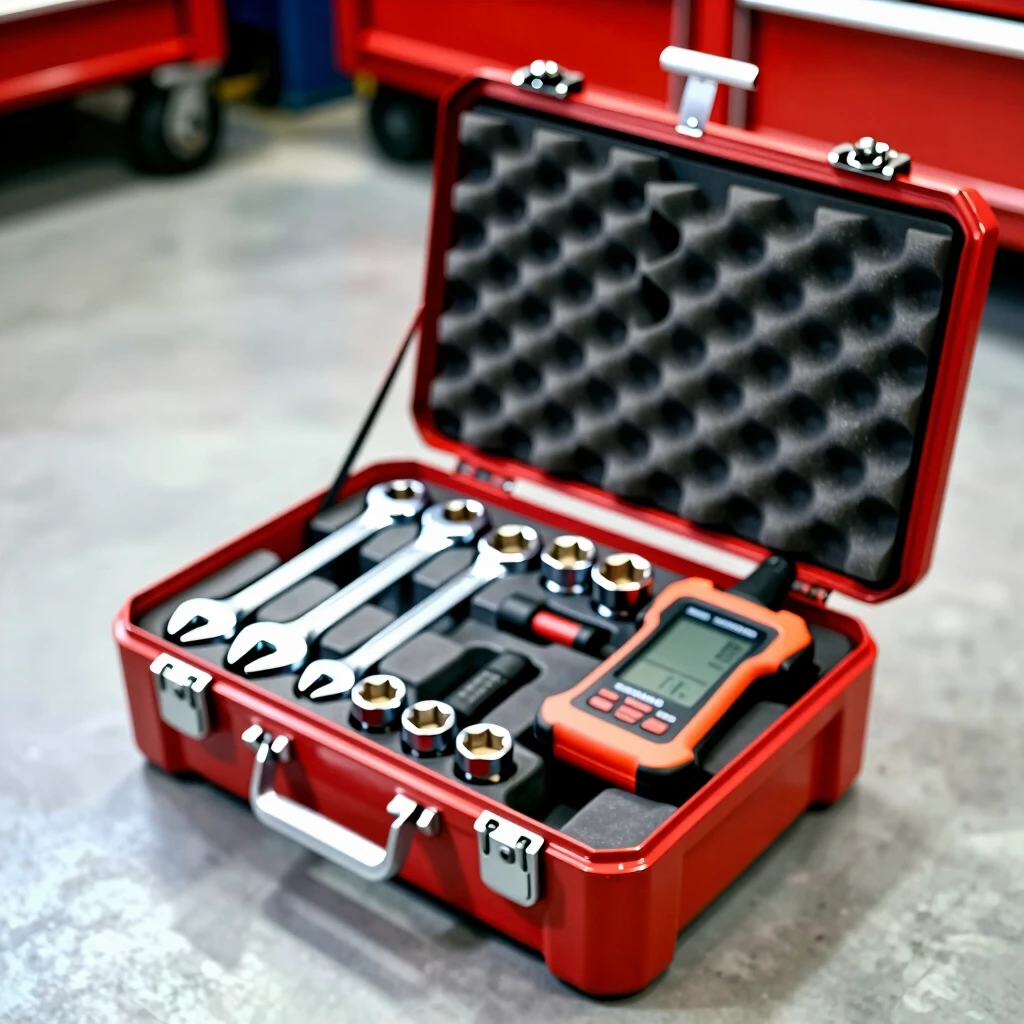
Proper storage also makes finding the right wrench quick. I use foam inserts – they protect tools and show if something is missing at a glance.
For more on safe hand tool use, check this OSHA publication on hand and power tools (OSHA Hand and Power Tools Booklet). It covers inspections and safe practices.
Personal Insights from Years of Projects
Over the years, I've built furniture, fixed cars, and tackled plumbing. The best advice? Start with a good set of combination wrenches in common sizes. Add specialties as needed.
Invest in quality – cheap tools fail when you need them most. And always pull toward you when possible for better control.
Another tip: For stubborn bolts, use penetrating oil first. It saves your wrenches and your hands.
Summary
Choosing the perfect wrench boils down to matching the tool to the job: consider size, space, and type. Maintain them well, store properly, and stay safe. With these tips, your projects will be easier and more successful.
Wrenches are reliable workman tools that reward good care. Pick wisely, and they'll serve you for years.
Related How to Pick the Perfect Wrench for Your Project:
- Beginner's Guide to Basic Automotive Repairs: Save Money and Gain Confidence
- Router Tricks for Stunning Wood Designs
- DIY Storage Solutions for Small Workspaces: Boost Efficiency in Tight Areas
- Hand Tools Maintenance Tips: Keep Your Workman Tools in Top Shape for Years
- Tool Storage Ideas for Small Workshops
- Top Ergonomic Hand Tools for DIY Projects
- Advanced Techniques for Tool Organization
- Innovative Electrical Tools for 2023: Game-Changers for Electricians
- The Evolution of Automotive Tools
- Common Handyman Mistakes and How to Avoid Them
- Essential Workman Tools for Every Homeowner
- Essential Construction Tools for Masonry Work: A Complete Guide