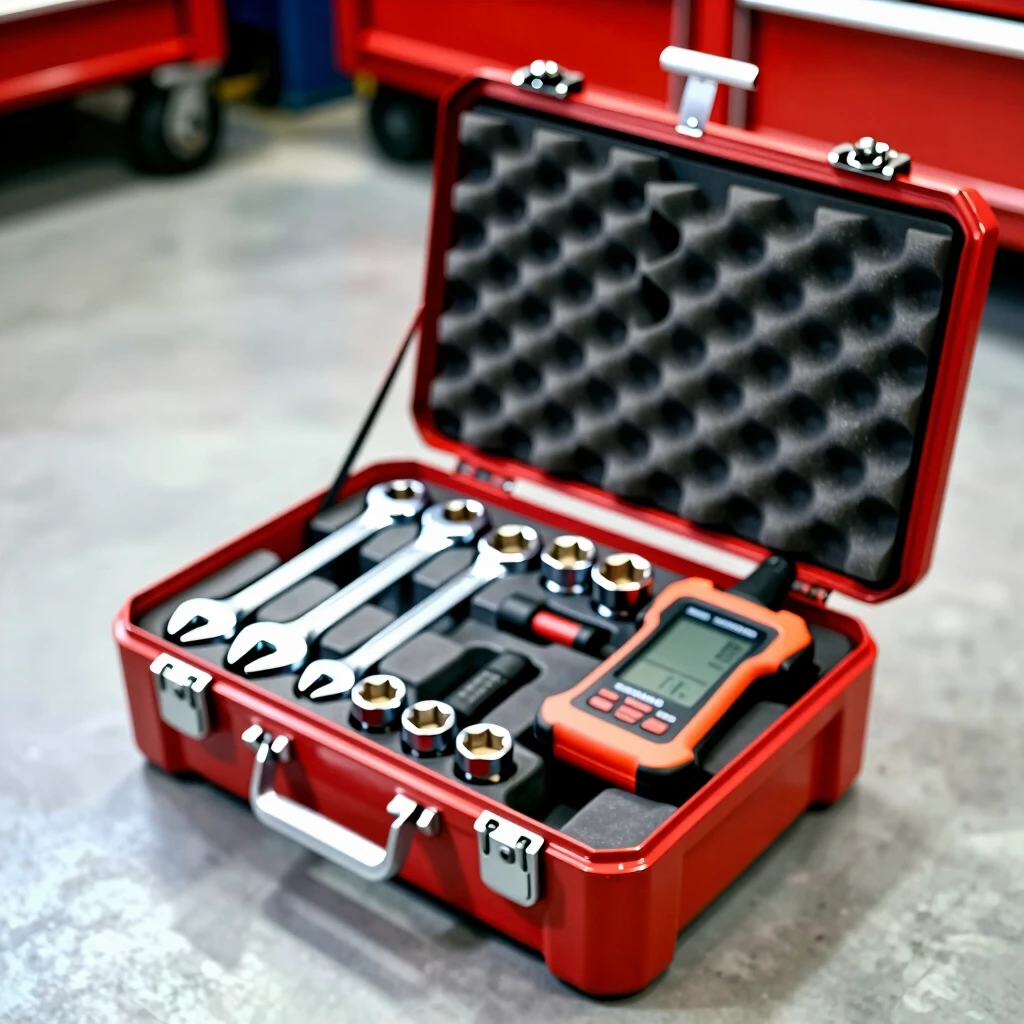
Electricity powers many of the tools we rely on every day, but it can be dangerous if not handled properly. This guide shows you how to use electrical tools safely, helping you avoid shocks, fires, and other risks. Whether you're a homeowner fixing things or a professional using workman tools for plumbing and maintenance, these steps keep you protected.
Why Safety Matters with Electrical Tools
Electrical tools make jobs easier and faster. Drills, saws, and grinders help with everything from home repairs to professional tasks. But electricity doesn't forgive mistakes. A small error can lead to serious shocks or even death.
I remember my first big project years ago. I grabbed a drill without checking the cord and felt a tingle. It scared me enough to learn the right way. Now, I always put safety first, and you should too.
According to experts, many accidents happen from damaged cords or wet conditions. Following simple rules prevents most problems.

Choose the Right Electrical Tools
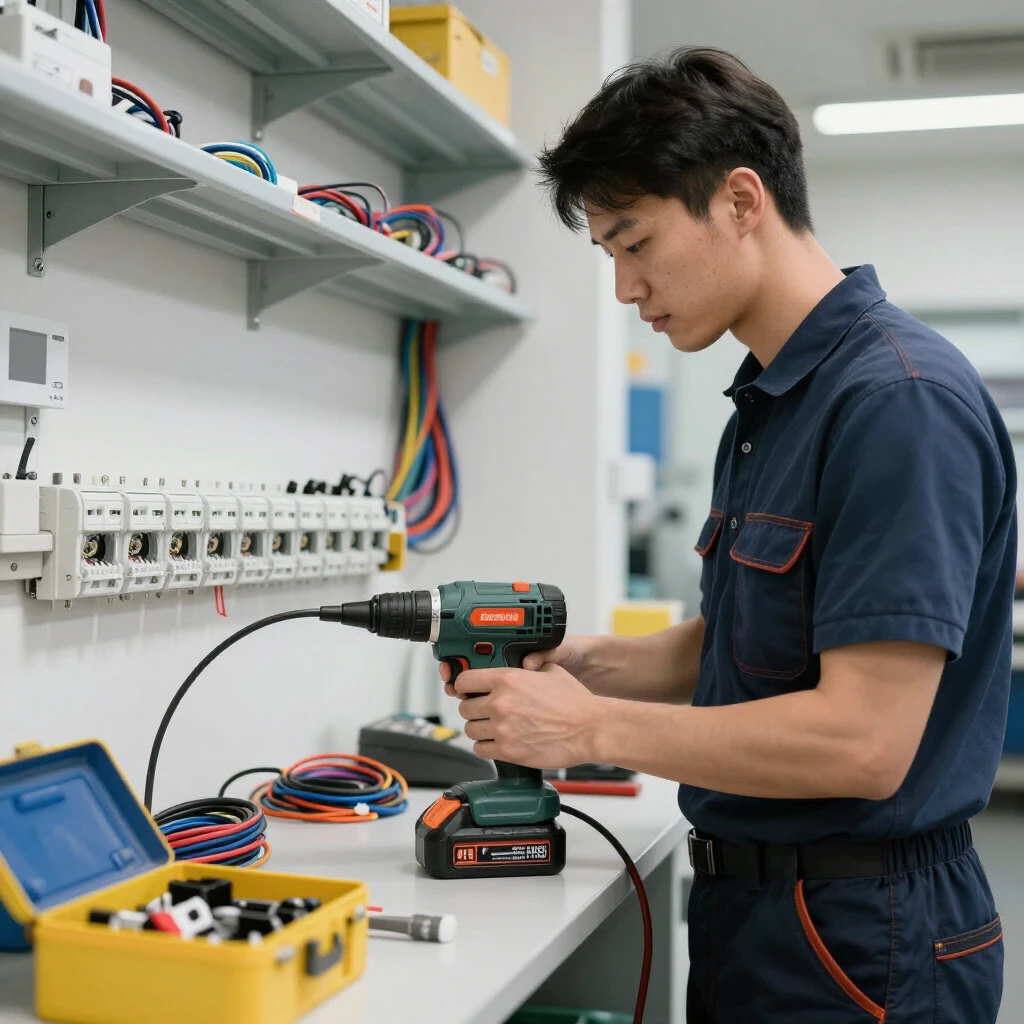
Start with quality tools. Look for ones marked as double-insulated or grounded. Double-insulated tools have extra protection inside and don't always need a ground plug.
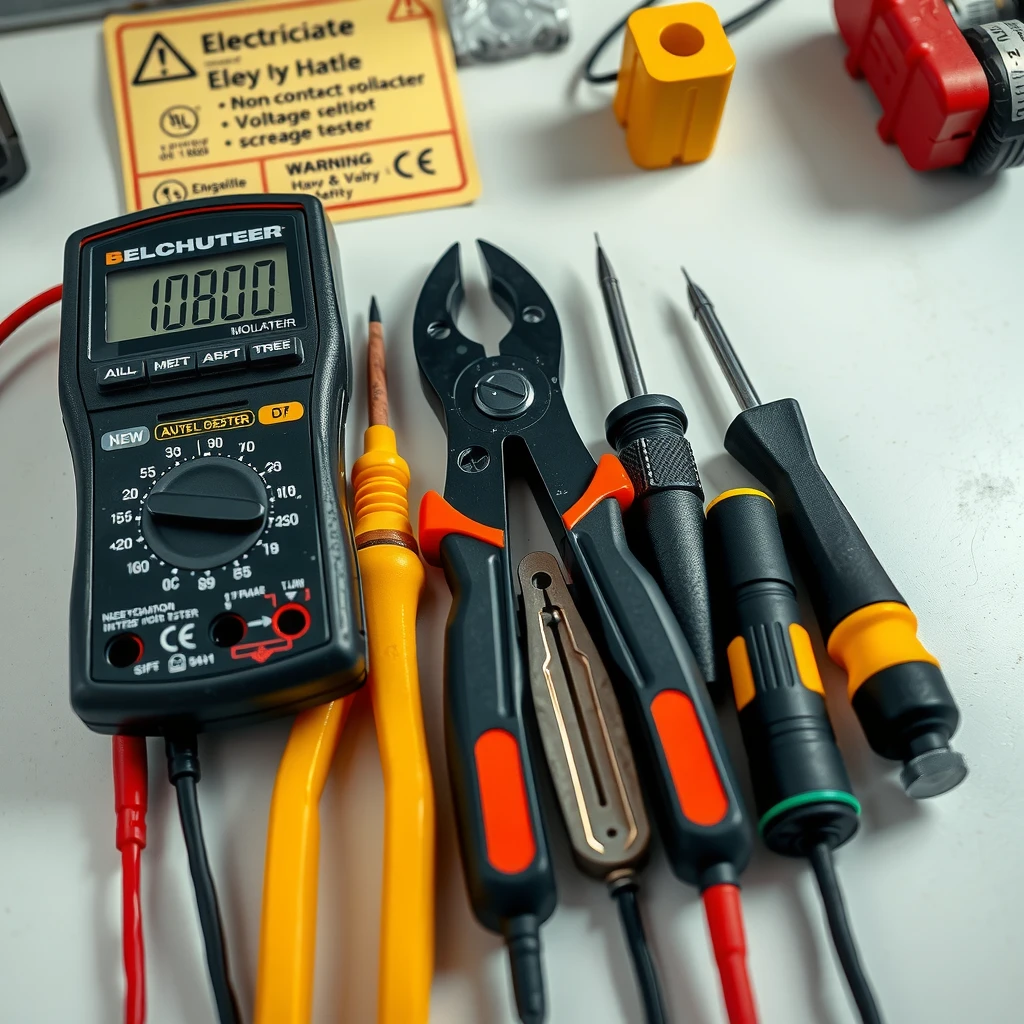
For workman tools used in plumbing and maintenance, pick ones rated for the job. A good multimeter or voltage tester helps check if power is off before you start.
Always buy from trusted brands. Cheap tools might skip important safety features.
Inspect Your Tools Before Use
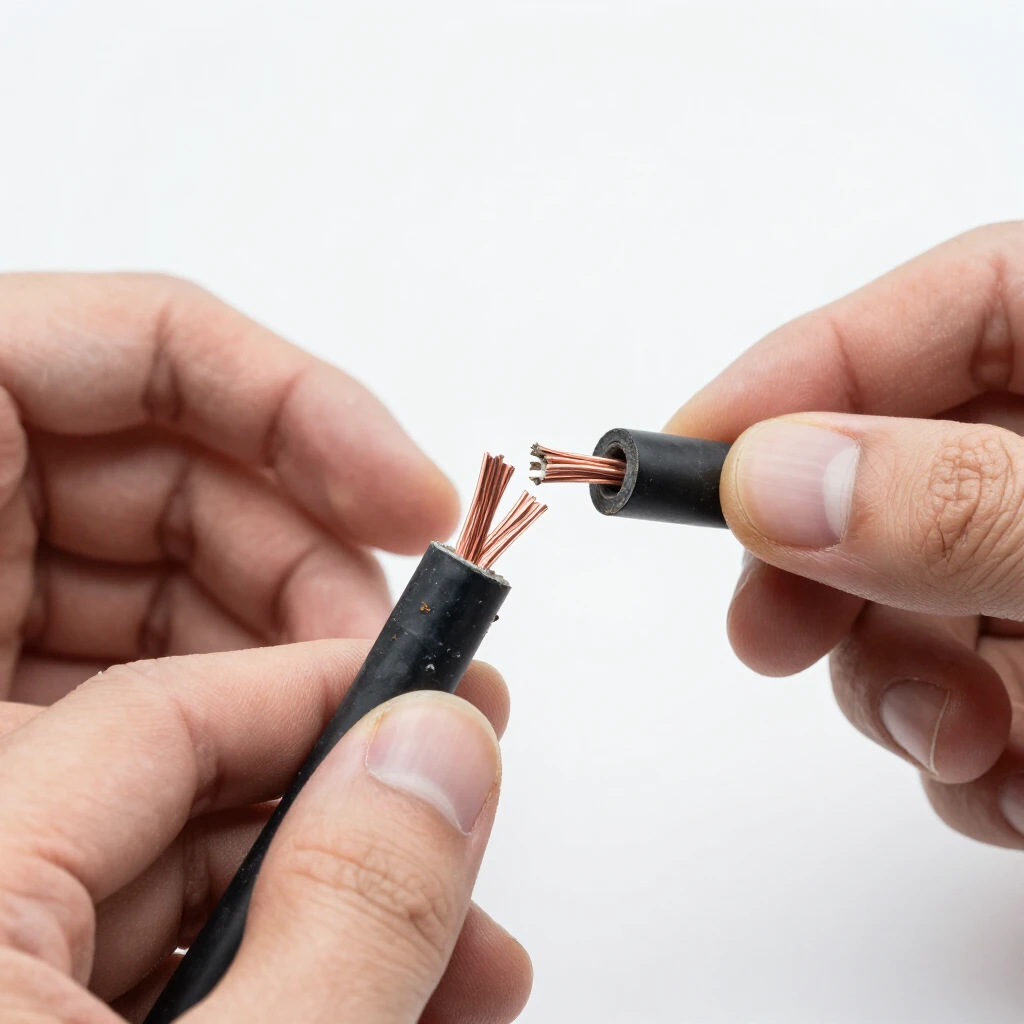
Never skip this step. Check the power cord for cuts, frays, or cracks. Look at the plug – make sure all prongs are there and not bent.
Examine the tool body for damage. If anything looks worn, don't use it. Tag it as broken and get it fixed or replaced.
I've seen cords get damaged from being run over or pinched in doors. One time, a frayed cord sparked and could have started a fire. Regular checks save trouble.
The Occupational Safety and Health Administration (OSHA) recommends inspecting equipment to ensure it's free from hazards that could cause harm. Learn more in their guide on power tool safety in construction.
Wear Proper Personal Protective Equipment (PPE)
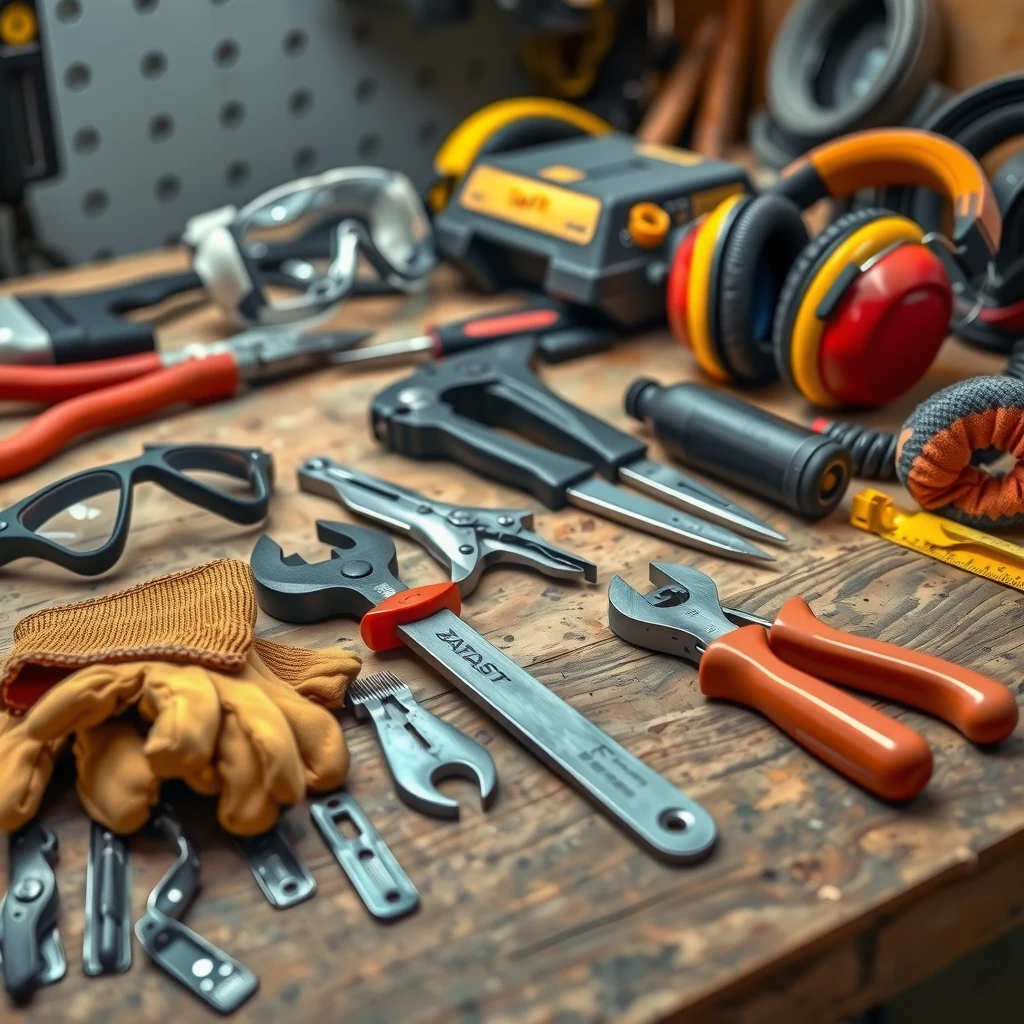
Protect yourself head to toe. Always wear safety glasses to shield your eyes from sparks or debris.
Use insulated gloves when working near live wires. Sturdy boots with rubber soles help if you're on wet ground.
A hard hat protects from falling objects, and long pants and sleeves keep skin covered.
Don't wear jewelry or loose clothes that could get caught.
Key Safety Practices While Using Tools
Here are actionable steps to follow every time:
1. Work in Dry Conditions
Water and electricity don't mix. Never use tools in wet areas unless they're designed for it.
If you must work in damp spots, use a Ground Fault Circuit Interrupter (GFCI). It cuts power fast if there's a problem.
2. Use Extension Cords Wisely
Choose heavy-duty cords rated for outdoor or heavy use if needed. Keep them away from heat, oil, and sharp edges.
Don't overload by plugging too many tools into one cord.
3. Handle Tools Correctly
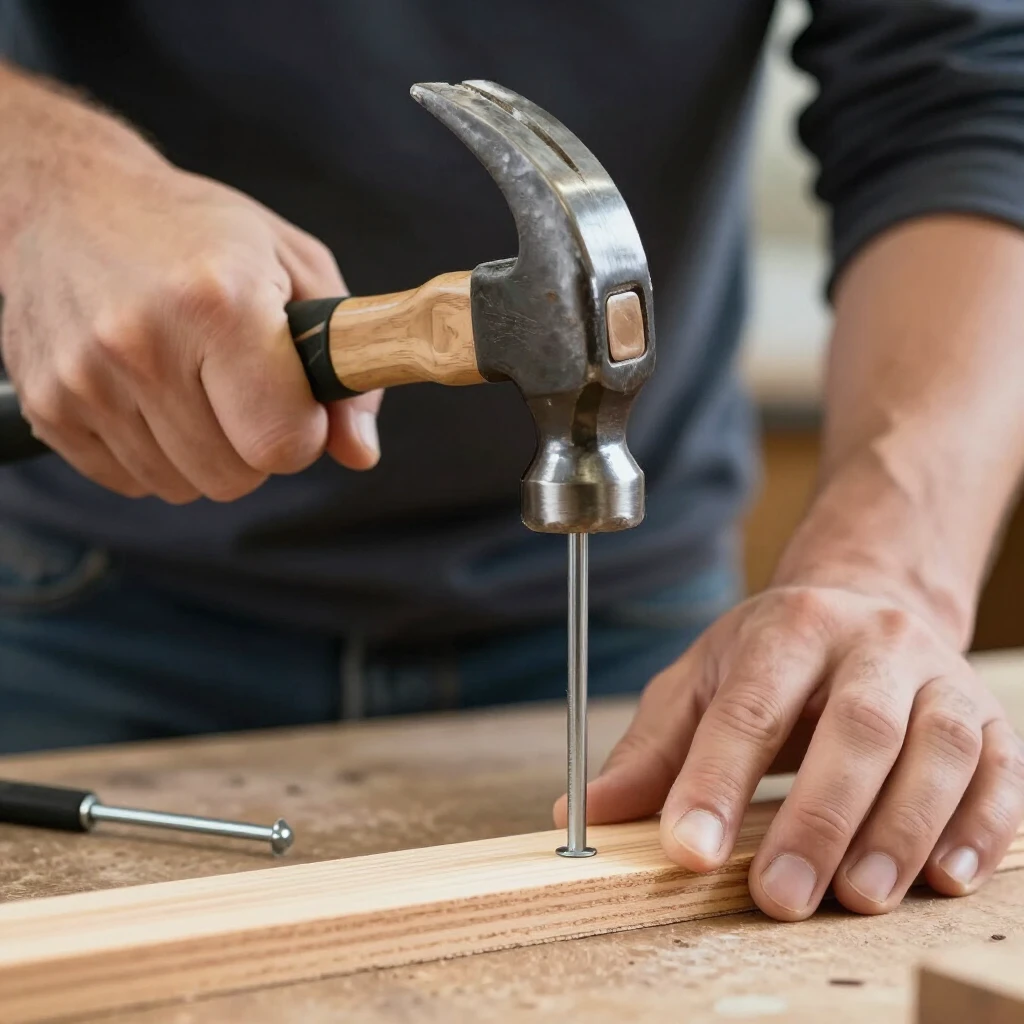
Keep a firm grip but stay balanced. Unplug tools before changing bits or blades.
Never carry a tool by the cord or yank the cord to unplug it.
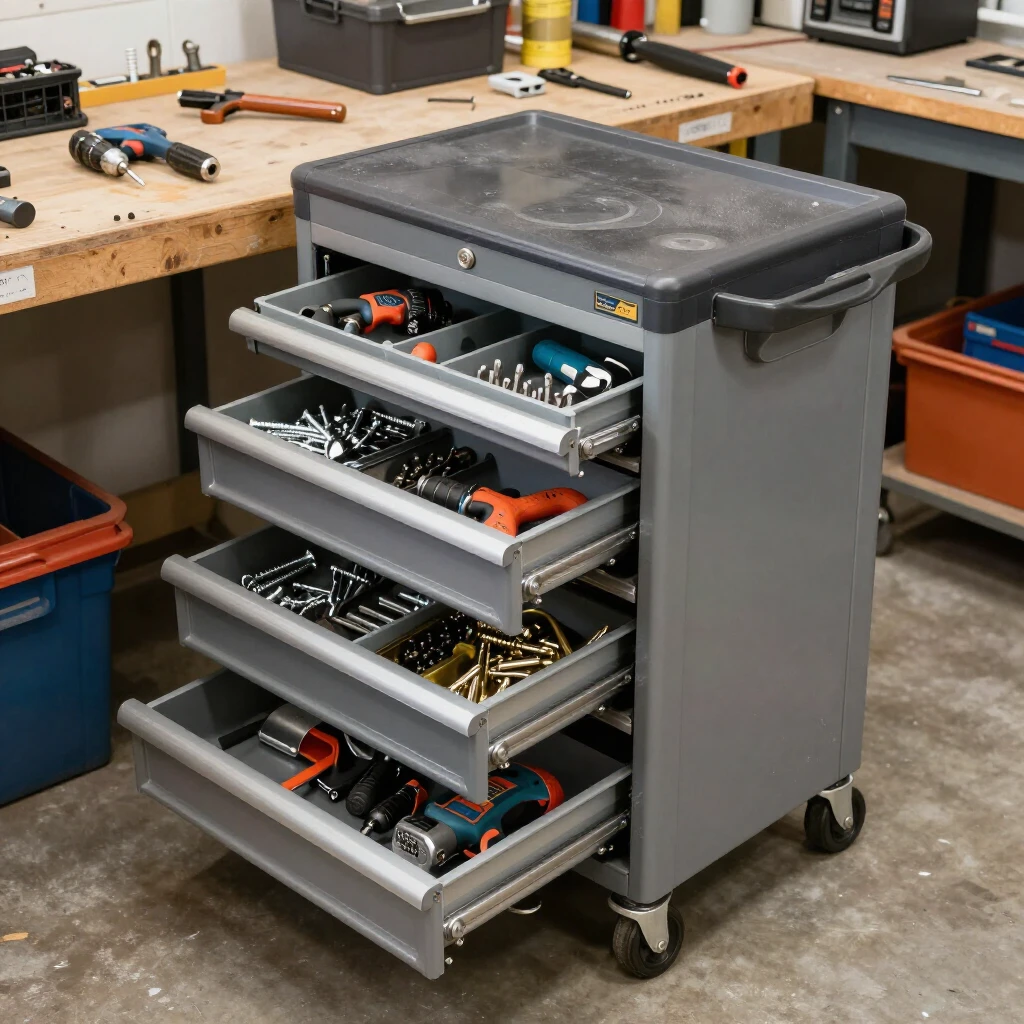
Store tools in dry places when done.
OSHA's Hand and Power Tools booklet covers guards, switches, and electric tool rules in detail.
Common Mistakes to Avoid
- Using damaged tools
- Working on live circuits without training
- Overreaching instead of using a stable ladder
- Ignoring warning tingles or sparks
If you feel a shock, stop right away and check the tool.
Advanced Tips for Professionals
If you use workman tools for plumbing and maintenance often, get trained on lockout/tagout procedures. This means turning off power and locking it so no one turns it back on.
Use tools with constant pressure switches – they stop if you let go.
For more on grounding and insulation, check the National Institute for Occupational Safety and Health (NIOSH) Electrical Safety manual.
Also, OSHA provides a comprehensive overview of hand and power tools safety.
Final Thoughts
Learning how to use electrical tools safely takes a little time but saves lives. Start with inspections, wear your PPE, and follow best practices. You'll finish jobs confidently without risks.
Safety isn't about luck – it's about smart habits. Make them part of every project.
Related How to Use Electrical Tools Safely:
- Beginner's Guide to Home Electrical Maintenance
- Maintenance Tips for Keeping Your Tools in Top Condition: A Practical Guide
- How to Pick the Perfect Wrench for Your Project
- Router Tricks for Stunning Wood Designs
- DIY Storage Solutions for Small Workspaces: Boost Efficiency in Tight Areas
- Hand Tools Maintenance Tips: Keep Your Workman Tools in Top Shape for Years
- Tool Storage Ideas for Small Workshops
- Top Ergonomic Hand Tools for DIY Projects
- Advanced Techniques for Tool Organization
- Innovative Electrical Tools for 2023: Game-Changers for Electricians
- The Evolution of Automotive Tools
- Common Handyman Mistakes and How to Avoid Them