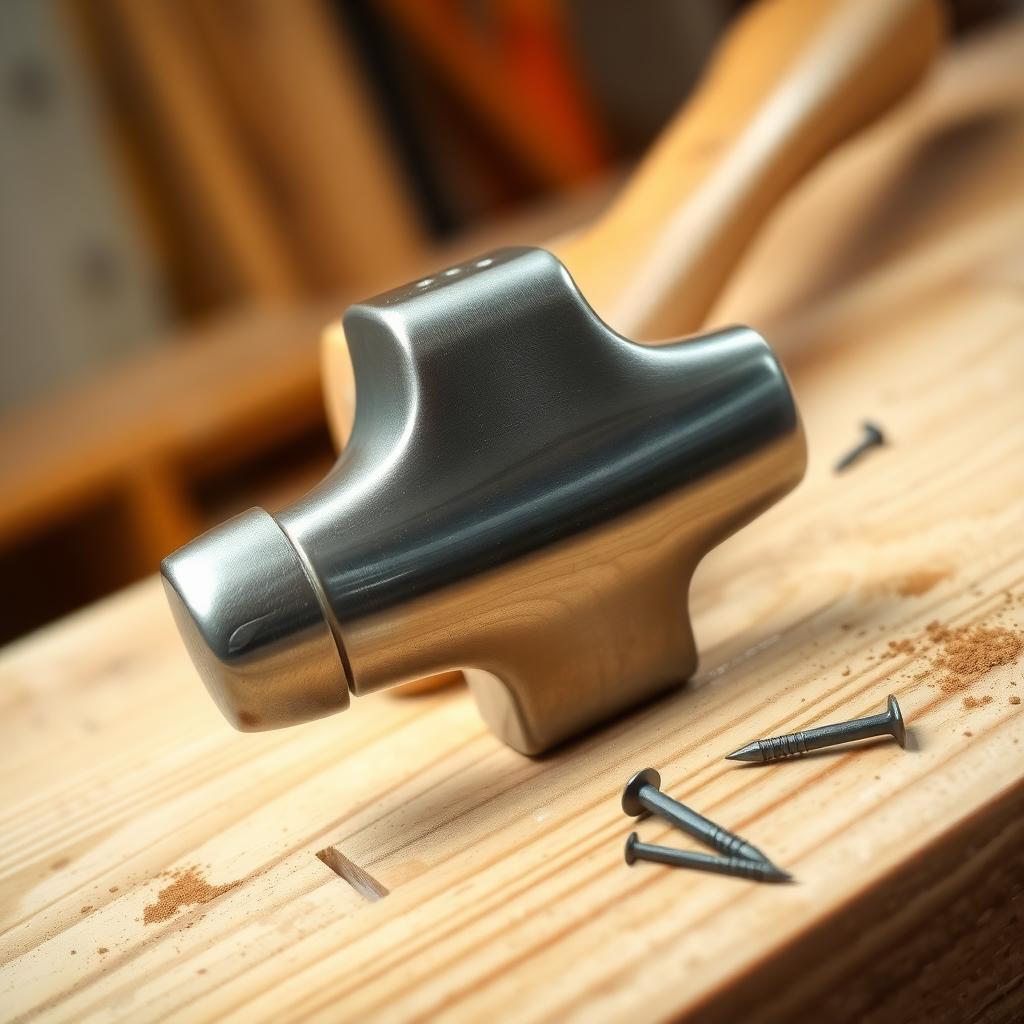
Overview: Understanding Hammer Basics
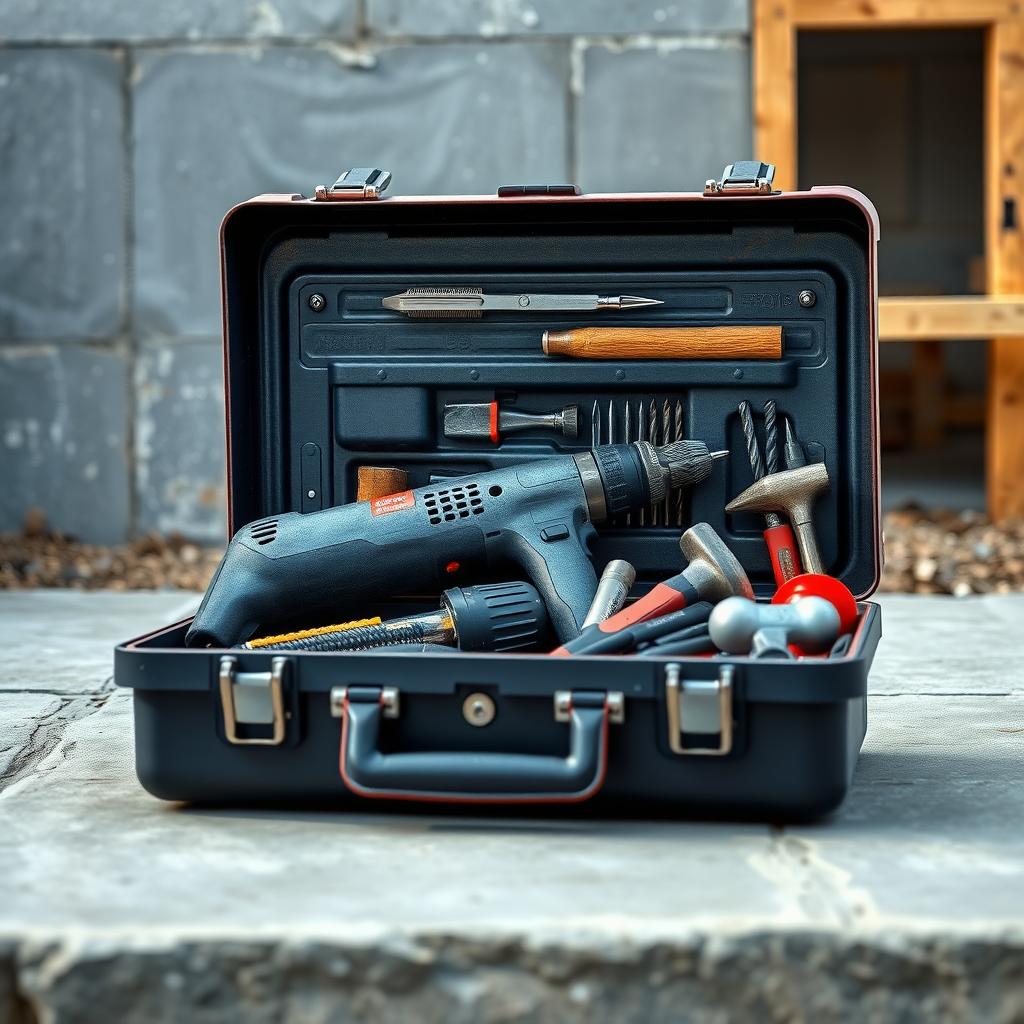
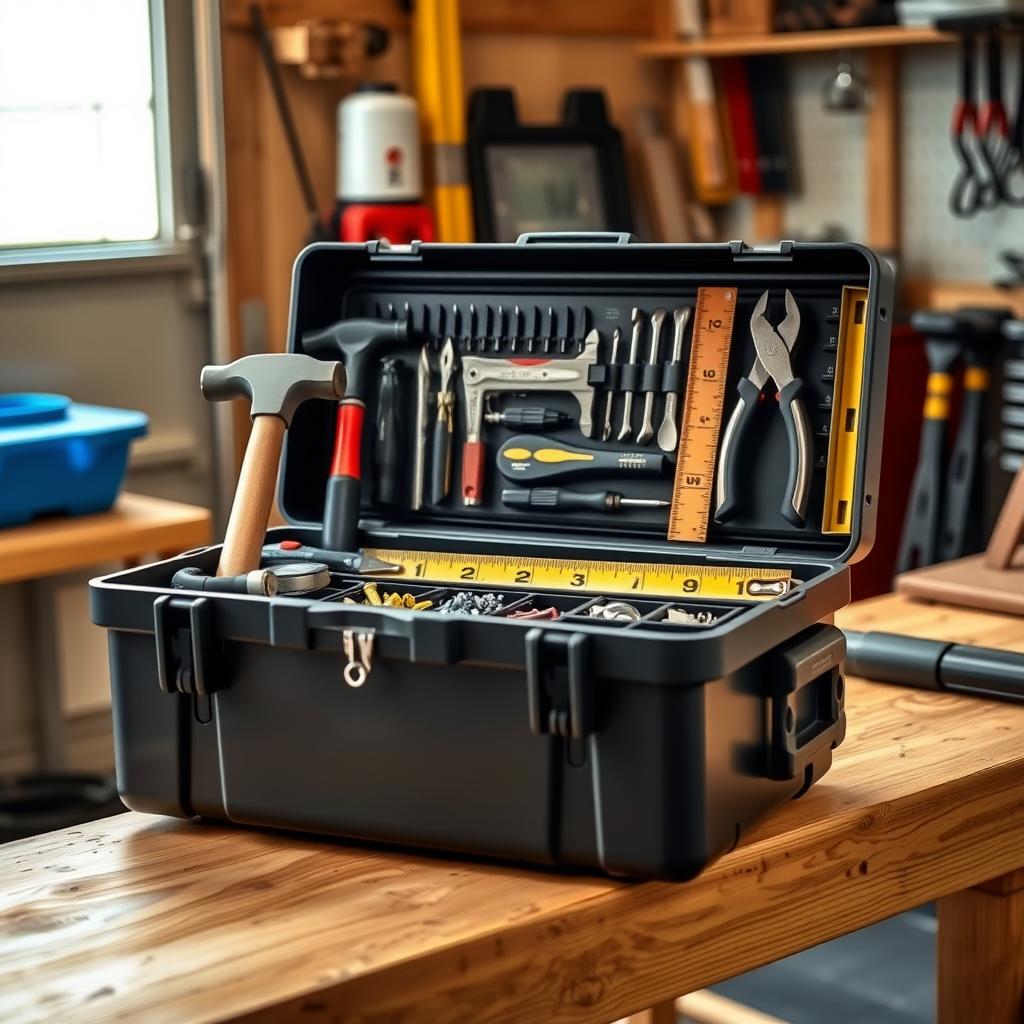
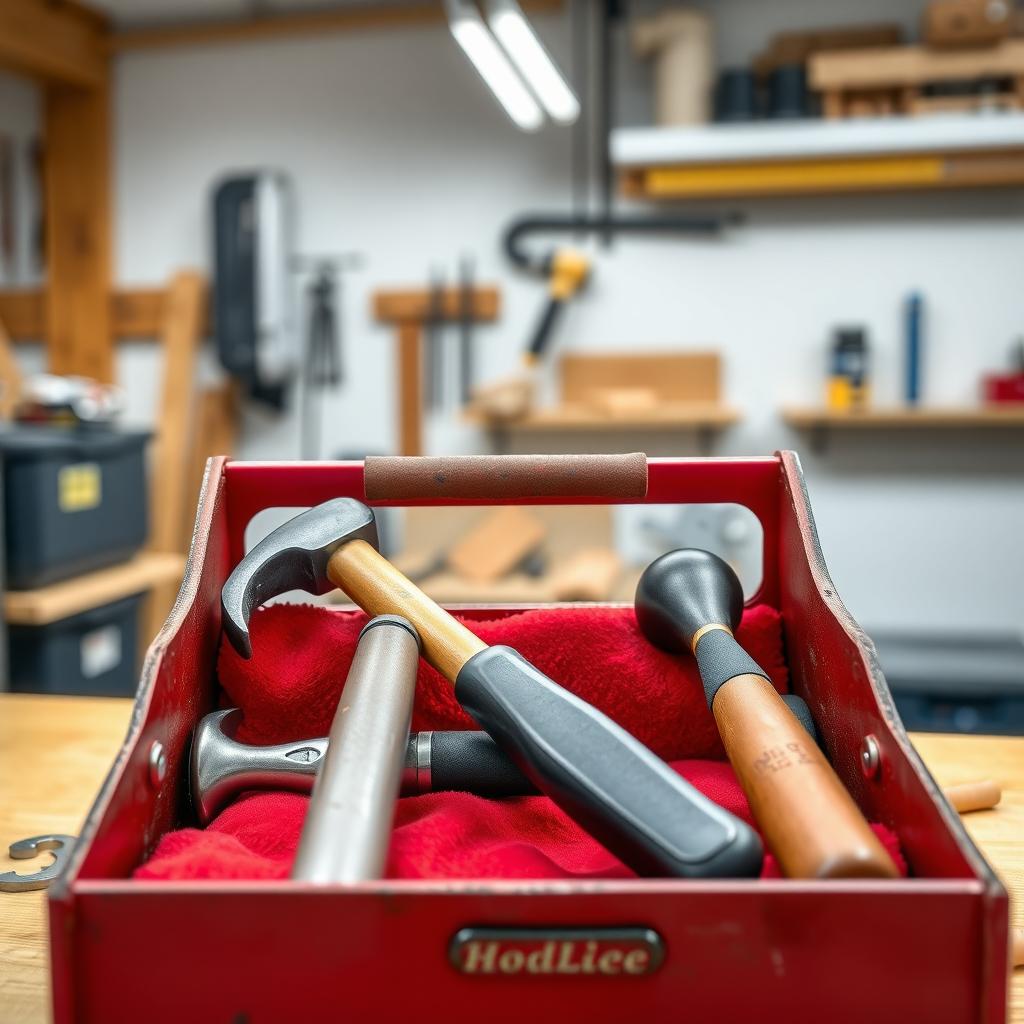
Hammers are the backbone of any toolbox, versatile tools that have been around for centuries. From driving nails to breaking materials, they’re essential for both DIY enthusiasts and professional craftsmen. This guide dives into Hammer Basics: Types and Uses Explained, offering practical insights to help you choose and use hammers effectively.
Why Hammers Matter in Your Toolkit
Hammers are more than just tools; they’re problem-solvers. I remember my first home repair project—trying to hang a shelf with a flimsy hammer that slipped and dented the wall. That taught me the importance of picking the right hammer for the job. Whether you’re building furniture or tackling demolition, understanding hammer types and their uses is key to getting the job done right.
Common Types of Hammers and Their Uses
Hammers come in various shapes and sizes, each designed for specific tasks. Below, I’ve outlined the most common types of hammers and their practical applications to help you navigate The Ultimate Guide to Purchasing Workman Tools.
Claw Hammer
The claw hammer is the classic all-purpose hammer. Its flat, round head drives nails into wood, while the curved, claw-like end pulls them out. It’s perfect for carpentry and small home repairs. Choose a 16-ounce claw hammer for general use—it’s light enough for precision but heavy enough for most tasks.
Sledgehammer
For heavy-duty jobs like breaking concrete or driving stakes, the sledgehammer is your go-to. Its long handle and heavy head deliver maximum force. I once used a sledgehammer to break up an old patio—it’s exhausting but satisfying work. Opt for a 6- to 10-pound model for most demolition tasks.
Ball Peen Hammer
This hammer, with its rounded peen opposite a flat striking surface, is a favorite in metalworking. It’s great for shaping metal or setting rivets. If you’re into crafting or automotive repair, a ball peen hammer is a must-have.
Framing Hammer
Built for heavy carpentry, framing hammers have a longer handle and heavier head (20-32 ounces) for driving large nails into framing lumber. Their milled face grips nails better, reducing slips. I’ve found them indispensable for building decks or framing walls.
Mallet
Unlike metal hammers, mallets have soft heads made of rubber, wood, or plastic. They’re ideal for tasks requiring gentle force, like assembling furniture or tapping chisels. A rubber mallet saved me from damaging a delicate wooden joint during a recent project.
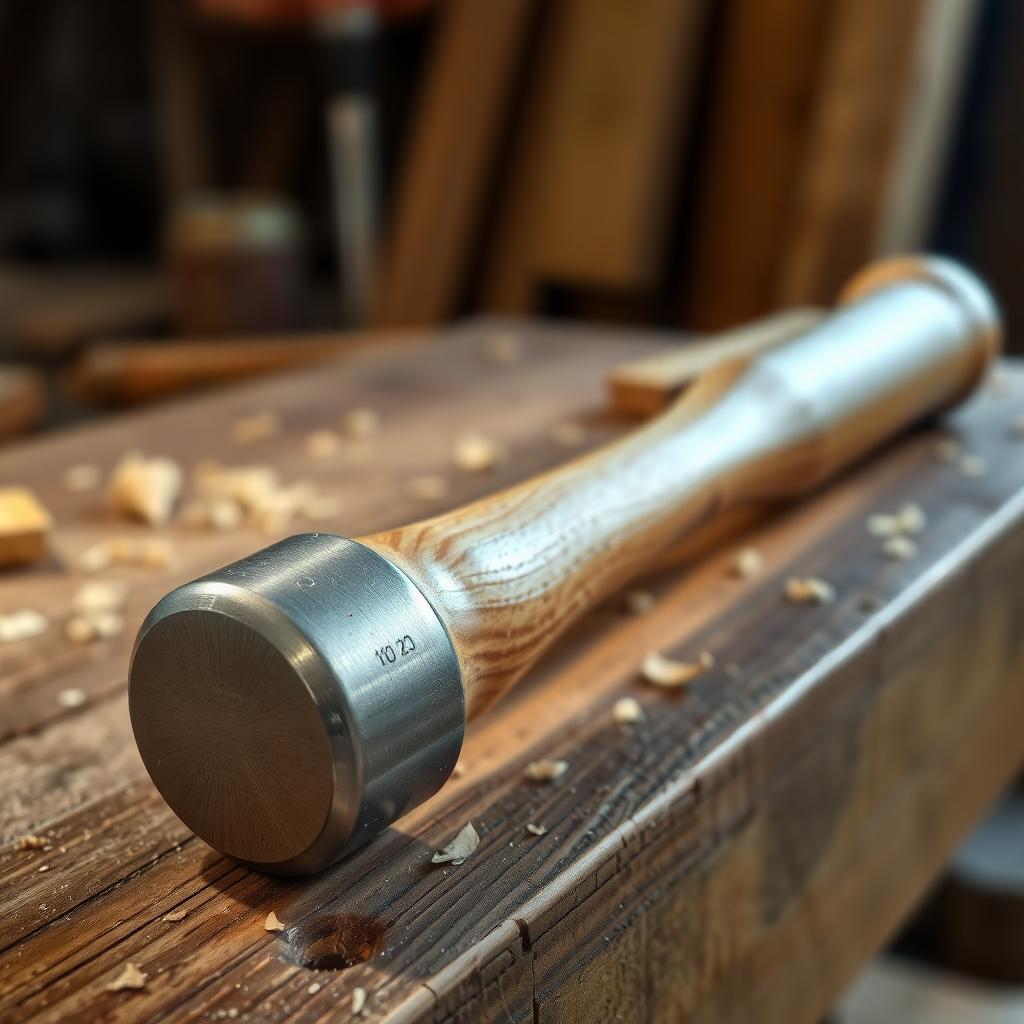
How to Use a Hammer Safely
Safety is critical when using hammers. A careless swing can lead to injury or damaged materials. Here’s a step-by-step guide on how to use a hammer safely based on my own experience and best practices:
- Wear Protective Gear: Always wear safety glasses to protect your eyes from flying debris. Gloves can improve grip and reduce blisters.
- Check the Hammer: Ensure the handle is secure and the head isn’t loose. A wobbly hammer is a recipe for disaster.
- Grip Properly: Hold the hammer near the end of the handle for maximum control and power. Keep your wrist straight to avoid strain.
- Aim Carefully: Strike squarely to avoid bending nails or damaging surfaces. Practice on scrap wood if you’re new to hammering.
- Use the Right Hammer: Match the hammer to the task. Using a sledgehammer for small nails is overkill and risky.
- Keep Your Work Area Clear: Remove distractions and ensure your workpiece is stable. A wobbly board can cause missed swings.
I learned the hard way to always double-check my hammer’s condition. Once, a loose head flew off mid-swing, narrowly missing a window. Regular maintenance and attention to safety prevent such mishaps.
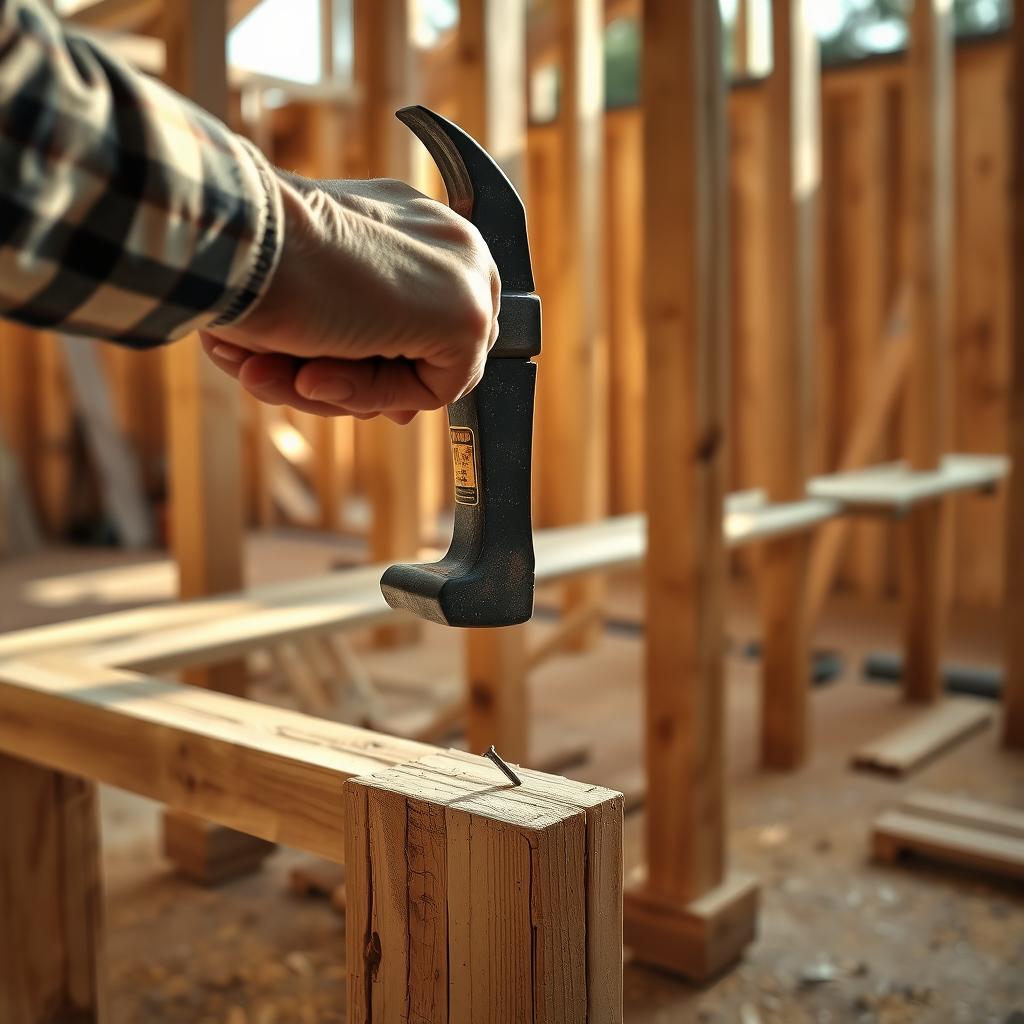
Choosing the Right Hammer: A Buyer’s Guide
Selecting the right hammer is crucial for efficiency and safety. Here’s a quick table to guide your purchase:
| Hammer Type | Best For | Weight Range | Key Features |
|---|---|---|---|
| Claw Hammer | General carpentry, nail removal | 12-20 oz | Curved claw, versatile |
| Sledgehammer | Demolition, driving stakes | 6-20 lbs | Long handle, heavy head |
| Ball Peen | Metalworking, riveting | 8-32 oz | Rounded peen for shaping |
| Framing Hammer | Heavy carpentry, framing | 20-32 oz | Milled face, long handle |
| Mallet | Woodworking, chiseling | 8-16 oz | Soft head, non-damaging |
When buying workman tools, consider the handle material. Wooden handles absorb shock well but can splinter. Fiberglass is durable and lightweight, while steel offers strength but may transmit more vibration. I prefer fiberglass for its balance of comfort and longevity. Check reputable sources like Popular Mechanics for reviews on top hammer brands.
Practical Tips for Hammer Maintenance
Hammers last longer with proper care. Here are tips I’ve picked up over years of use:
- Clean Regularly: Wipe the head to remove dirt or rust. A wire brush works wonders for stubborn grime.
- Inspect the Handle: Check for cracks or wear, especially on wooden handles. Replace damaged handles immediately.
- Store Properly: Keep hammers in a dry toolbox or hang them to prevent rust and damage.
- Sharpen Claws: For claw hammers, file the claw edges if they dull to ensure effective nail removal.
I once neglected a rusty hammer head, and it left marks on a finished surface. A quick cleaning routine would’ve saved me the headache.
Common Mistakes to Avoid
Even seasoned users make mistakes. Here are pitfalls to watch for:
- Using the Wrong Hammer: A claw hammer won’t cut it for masonry work. Match the tool to the task.
- Overstriking: Hitting too hard can bend nails or damage materials. Use controlled, steady swings.
- Ignoring Ergonomics: A poorly balanced hammer causes fatigue. Test the grip and weight before buying.
- Neglecting Safety: Skipping safety glasses or using a damaged hammer invites trouble.
I once used a lightweight hammer for a heavy framing job, and it took twice as long. Choosing the right tool saves time and effort.
Summary: Mastering Hammer Basics
Hammers are indispensable workman tools, and understanding their types and uses empowers you to tackle any project with confidence. From claw hammers for everyday tasks to sledgehammers for heavy-duty jobs, each has a purpose. Prioritize safety, choose the right tool, and maintain your hammers for lasting performance. With these insights, you’re ready to hammer like a pro.
Related Hammer Basics: Types and Uses Explained:
- How to Choose the Right Drill for Your Projects: A Comprehensive Guide
- Understanding Hammer Dynamics and Ergonomics: A Comprehensive Guide
- How to Check Your Car’s Oil Like a Pro
- Advanced Workman Skills: Tools for the Next Level
- Maintaining Your Wrench Set for Longevity: A Comprehensive Guide
- Power Tools for Beginners: Your Ultimate Guide to Getting Started
- DIY Home Repair Projects for Beginners: Your Ultimate Guide
- Essential Tools Every DIYer Should Own for a Well-Equipped Workshop
- Top 10 Ergonomic Tools Every Tradesperson Should Have
- How to Use a Hammer Safely: A Comprehensive Guide for Beginners and Pros
- 10 Tips for Choosing the Right Paint for Your Next Art Project
- Top 10 Must-Have Construction Tools for Every Workman