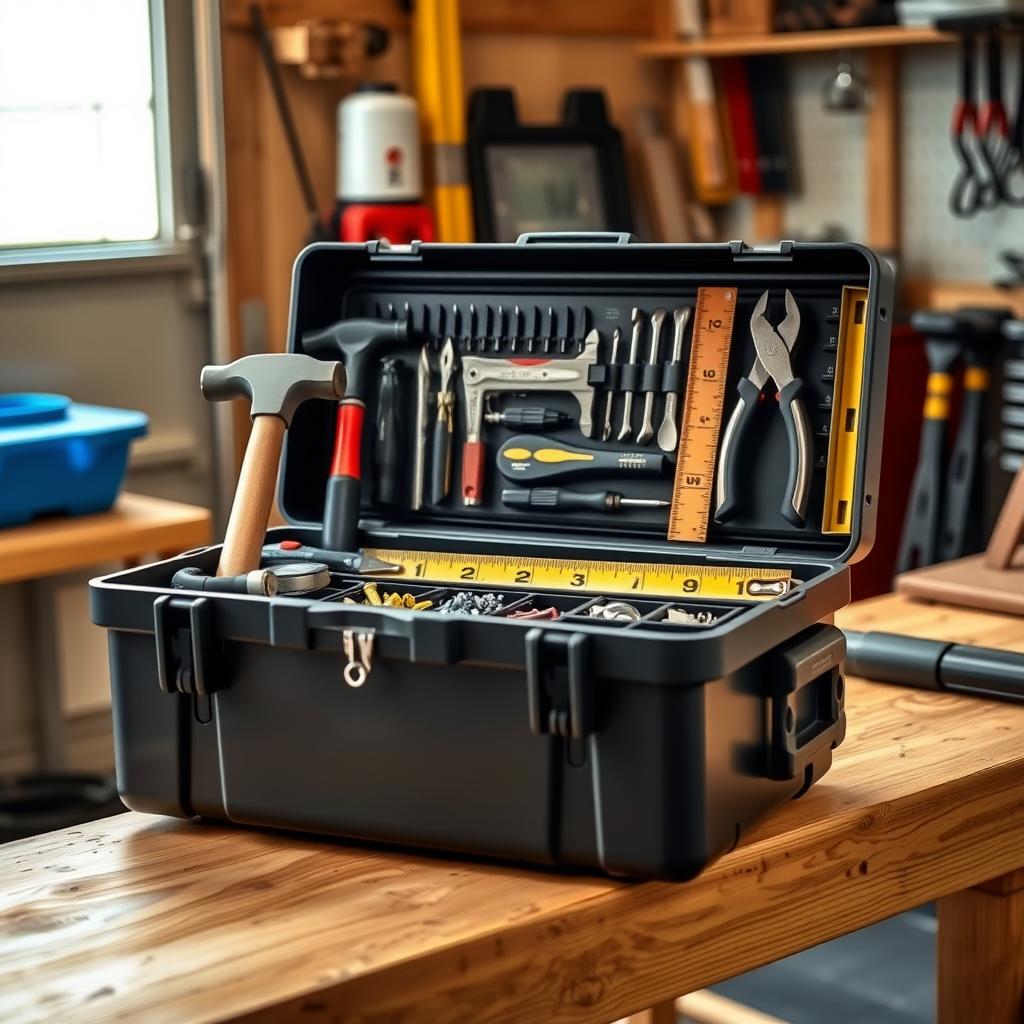
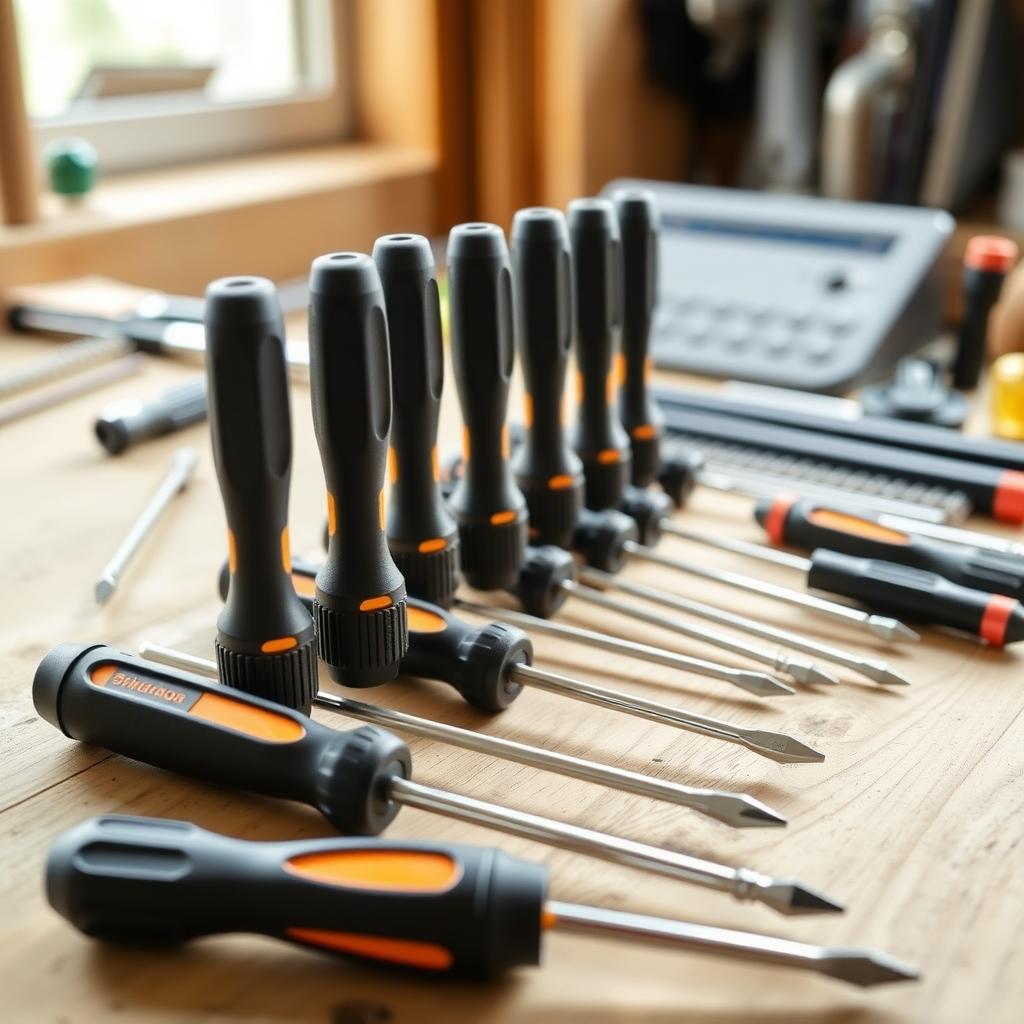
Overview: Why Choosing the Right Workman Tools Matters
Whether you're a DIY enthusiast or a seasoned professional, picking the right tools can make or break your project. Hammers, one of the most essential workman tools, come in various shapes, sizes, and designs. Understanding hammer dynamics and ergonomics is key to selecting tools that boost efficiency, reduce fatigue, and ensure safety. This guide dives deep into choosing the right workman tools, with a focus on hammers, to help you work smarter, not harder.
Understanding Hammer Dynamics and Ergonomics
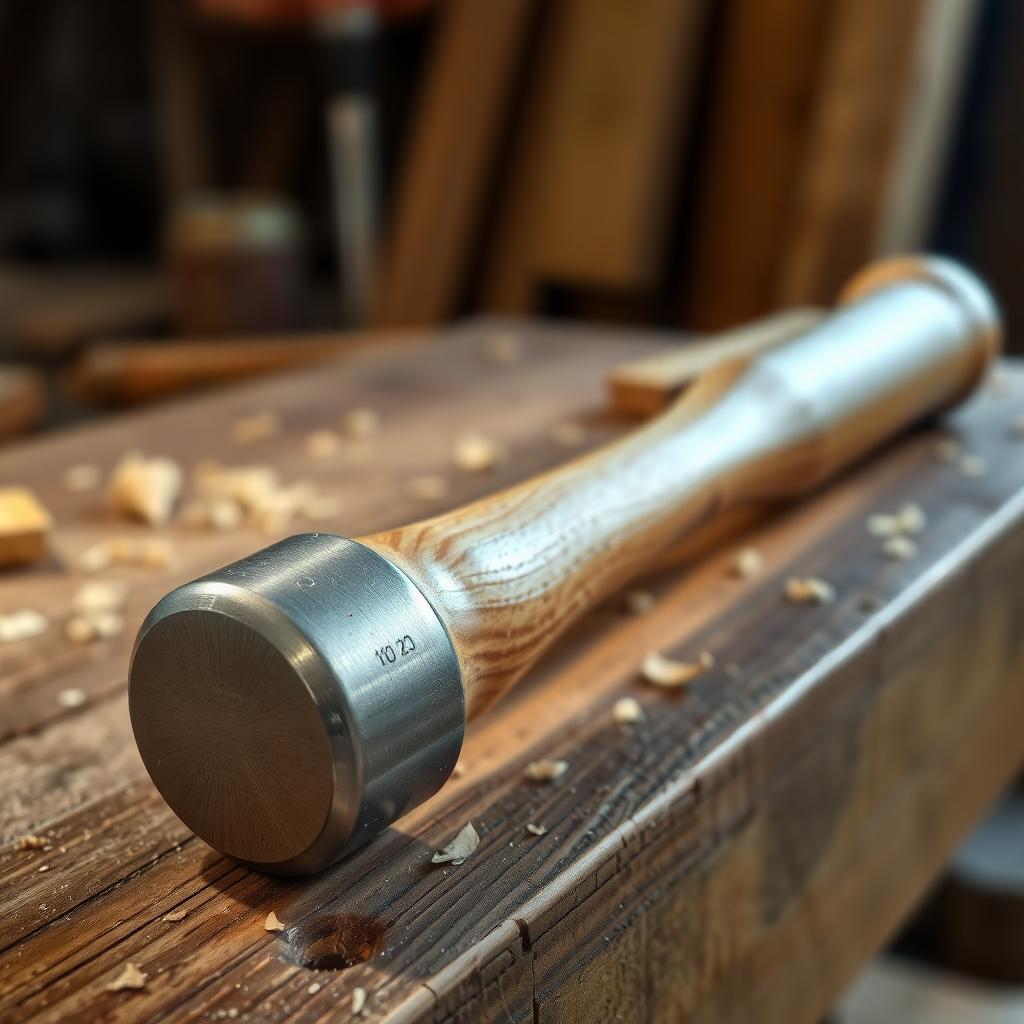
Hammers might seem simple, but their design is a science. The weight, handle length, and grip material all affect how a hammer performs. A poorly chosen hammer can lead to wrist strain or missed nails, while the right one feels like an extension of your hand.
Weight Matters: A heavier hammer (16-20 oz) is great for driving large nails into dense materials like hardwood. Lighter hammers (8-12 oz) are better for delicate tasks, like installing trim. I once struggled with a heavy framing hammer for a small furniture project—it was exhausting and imprecise. Matching the hammer’s weight to the task is critical.
The handle length also plays a role. Longer handles give more leverage, ideal for heavy-duty tasks. Shorter handles offer better control for precision work. When I built a deck last summer, a long-handled framing hammer made quick work of large nails, but I switched to a shorter one for attaching railings.
Ergonomics is where things get personal. A good grip reduces vibration and fatigue. Rubber or textured grips absorb shock better than wood, but they can get slippery with sweat. I’ve found that hammers with slightly curved handles fit my hand better, reducing strain during long sessions. According to a study from the University of Michigan’s Ergonomics Program, tools with ergonomic designs can reduce repetitive strain injuries by up to 30%.
Types of Hammers and Their Uses
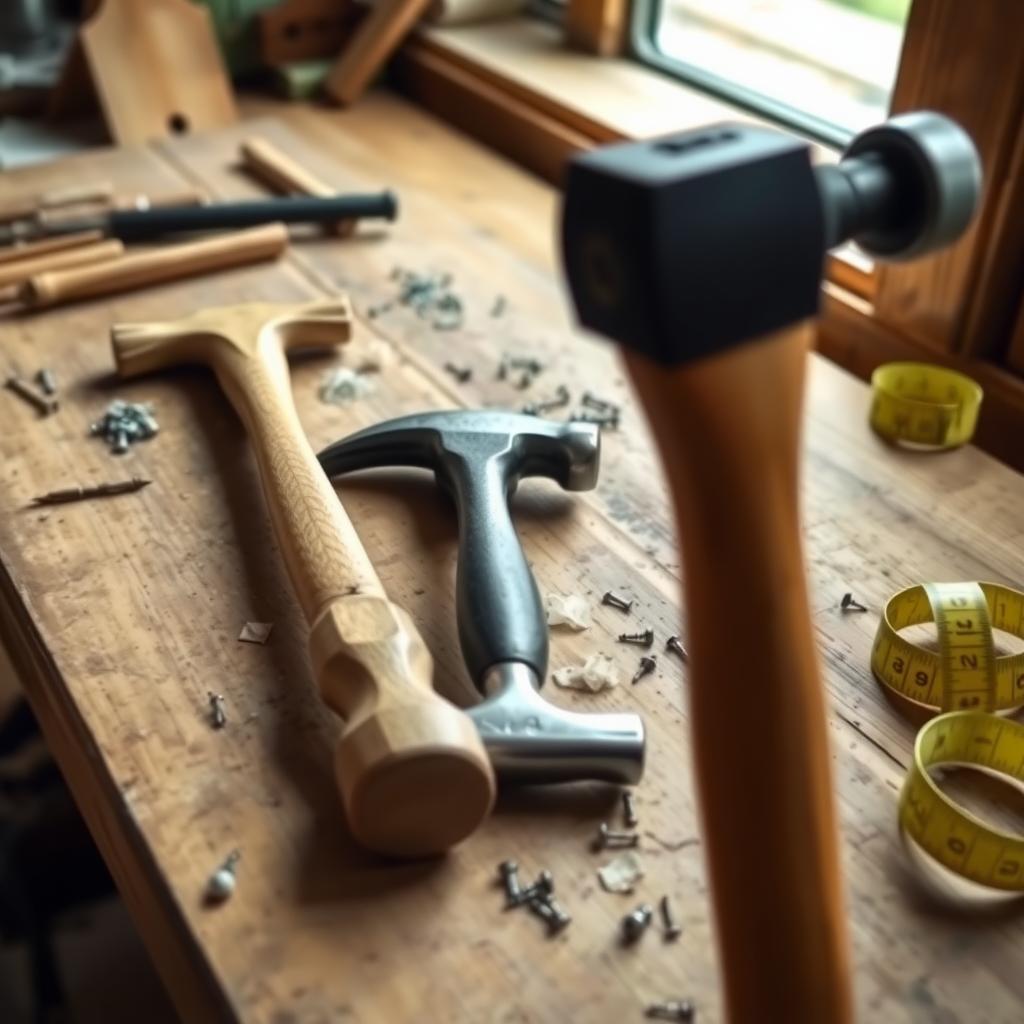
Not all hammers are created equal. Here’s a breakdown of common types and when to use them:
- Claw Hammer: Perfect for general carpentry. The curved claw end pulls nails out easily. I keep a 16 oz claw hammer in my toolbox for most home projects.
- Ball Peen Hammer: Used for metalwork, like shaping or riveting. Its rounded end is great for peening tasks.
- Sledgehammer: Heavy and long-handled, ideal for demolition or driving stakes. I borrowed one to break up an old concrete slab—it’s a workout!
- Tack Hammer: Small and lightweight, designed for upholstery or driving small tacks.
Choosing the right hammer depends on your project. A guide from the Occupational Safety and Health Administration (OSHA) emphasizes matching the tool to the task to prevent injuries.
Key Factors in Choosing Workman Tools
Beyond hammers, selecting any workman tool requires attention to a few universal factors:
| Factor | Why It Matters | Tip |
|---|---|---|
| Durability | Tools take a beating. Poor quality breaks fast. | Look for forged steel heads and sturdy handles. |
| Comfort | Long hours mean strain without a good grip. | Test the tool in your hand before buying. |
| Weight | Too heavy, and you tire out; too light, and it’s ineffective. | Match weight to your strength and task. |
| Brand Reputation | Trusted brands often mean better quality. | Check reviews or ask pros for recommendations. |
I learned this the hard way when a cheap hammer’s head loosened mid-project. Investing in quality saves money in the long run.

Practical Tips for Choosing Hammers
- Test Before You Buy: If possible, hold the hammer. Does it feel balanced? Is the grip comfortable? I once bought a hammer online without testing it—its handle was too slick, and I regretted it.
- Check the Head: Ensure the striking face is smooth to avoid damaging materials. For claw hammers, a slightly curved claw grips nails better.
- Consider Vibration: Anti-vibration features, like shock-absorbing grips, make a big difference. A report by the National Institute for Occupational Safety and Health (NIOSH) notes that vibration-reducing tools can lower the risk of hand-arm vibration syndrome.
- Match the Material: Fiberglass handles are durable and lightweight, while wood offers a classic feel but can splinter. Steel is tough but heavy.
- Think About Storage: Hammers with lanyard holes or magnetic heads are easier to store or carry on a job site.
Common Mistakes to Avoid
- Buying One-Size-Fits-All: No single hammer works for every job. I tried using a claw hammer for metalwork once—disaster.
- Ignoring Weight: A heavy hammer might feel powerful, but it’s exhausting for long tasks.
- Skipping Safety Gear: Always wear safety glasses. I’ve had nail fragments fly at me more times than I’d like to admit.
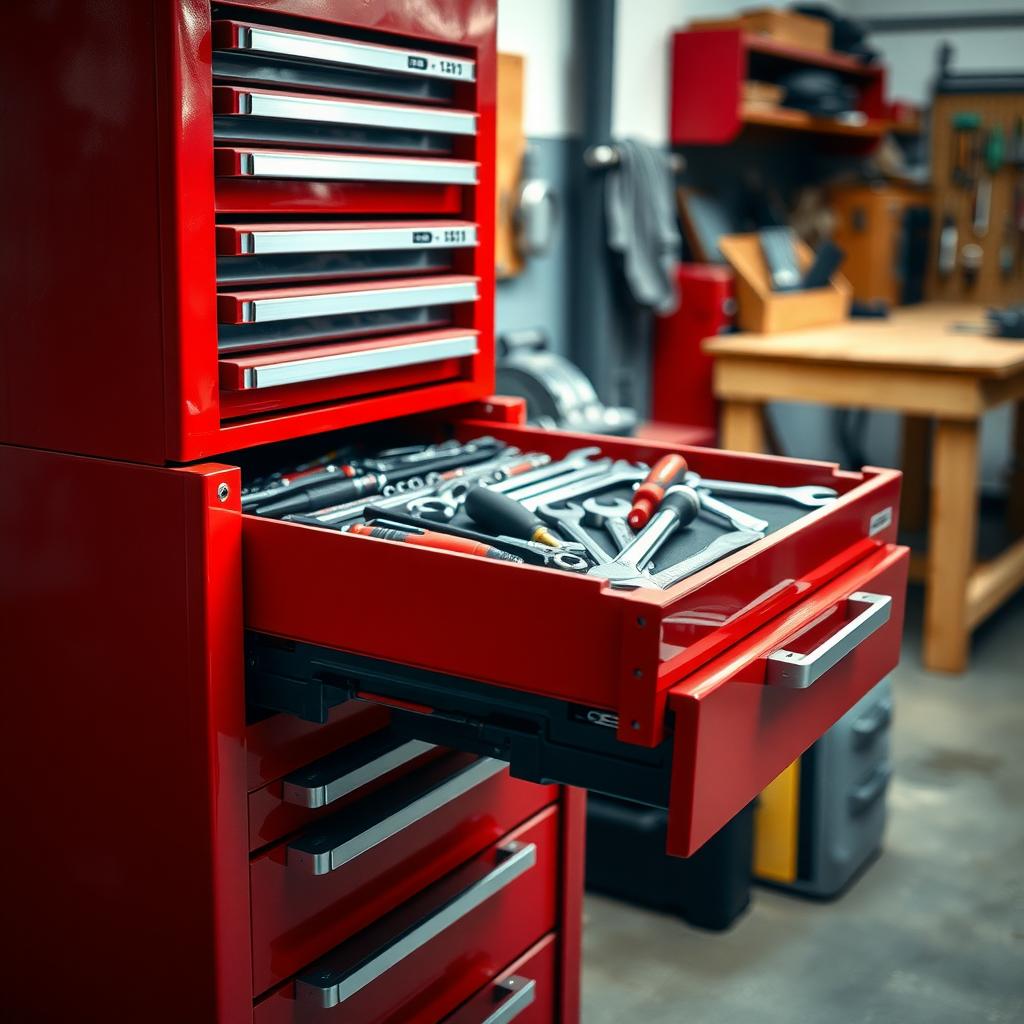
- Overlooking Maintenance: Clean and store tools properly. Rust can ruin a good hammer.
Personal Insights from Years of Tool Use
I’ve been tinkering with workman tools since I was a teenager helping my dad build furniture. Over the years, I’ve learned that the best tool isn’t always the most expensive—it’s the one that fits your hand and your task. When I started, I thought a bigger hammer meant better results. Wrong. A heavy sledgehammer left me sore after an hour, and I barely made progress. Now, I keep a range of hammers for different jobs, and I always check the grip and balance before buying.
Another lesson: don’t skimp on quality. A cheap hammer might save you $10 upfront, but when the handle cracks or the head wobbles, you’ll wish you’d invested in a good one. Brands like Estwing or Stanley have never let me down, though I always read reviews to see what other users say.
How to Maintain Your Workman Tools
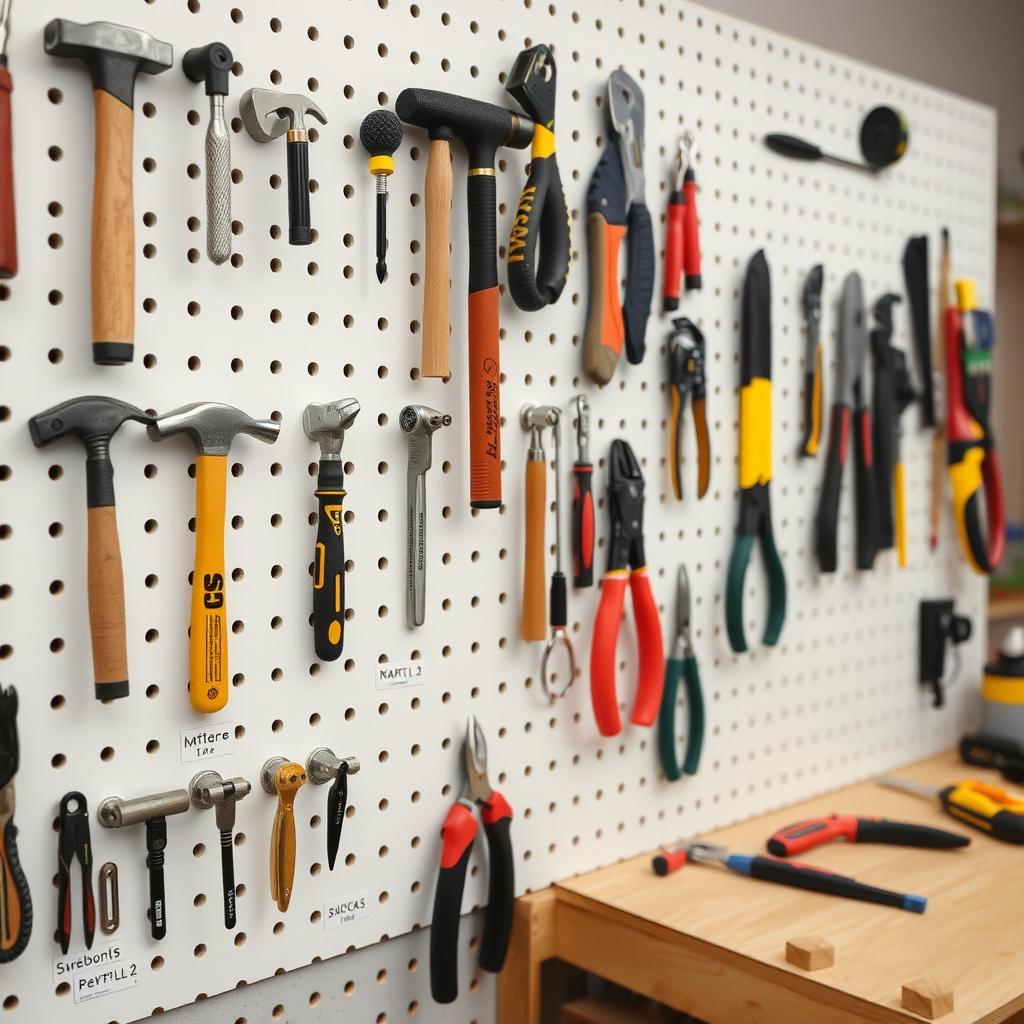
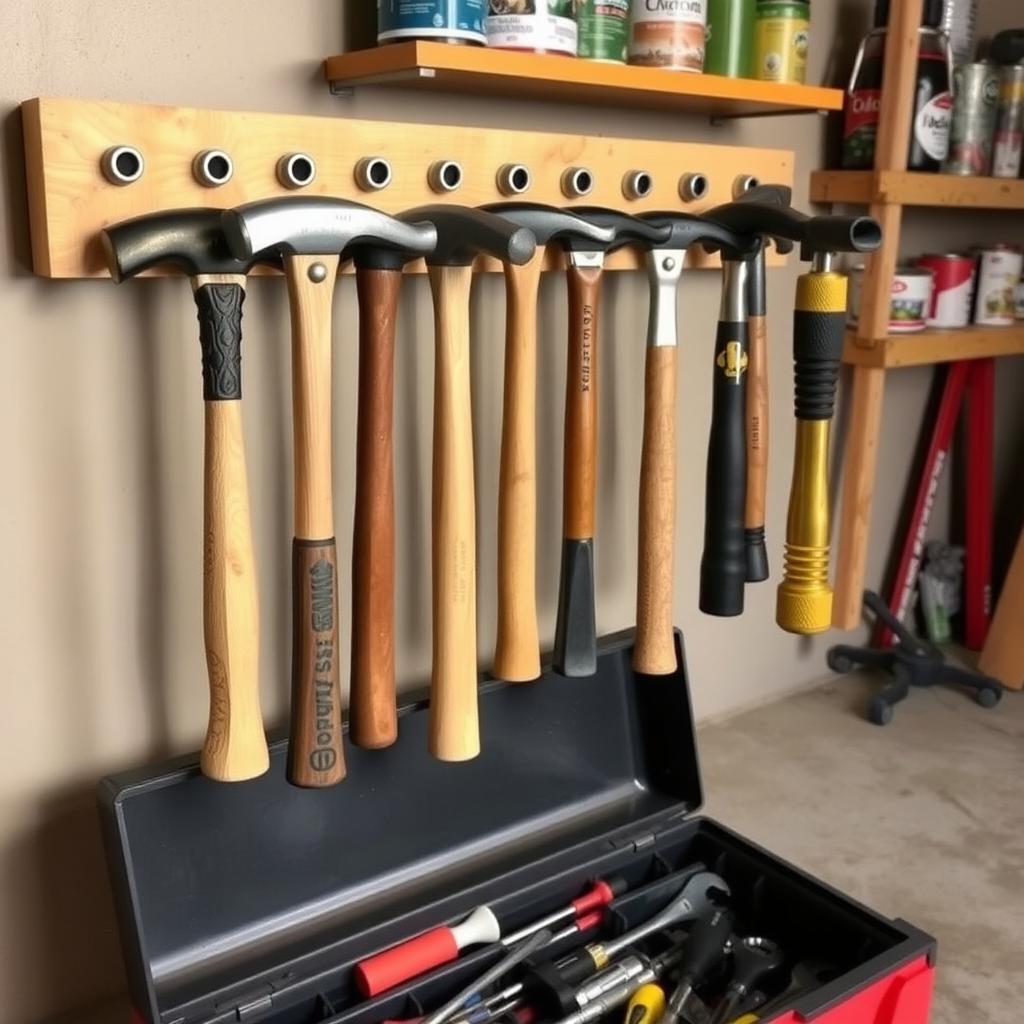
Taking care of your tools extends their life and keeps them safe to use. Here’s what I do: - Clean Regularly: Wipe down metal parts to prevent rust. A quick scrub with a wire brush works wonders. - Store Properly: Keep hammers in a dry place. I use a pegboard to keep them organized and off the floor. - Inspect Before Use: Check for loose heads or cracked handles. A loose hammer head once flew off mid-swing—scary stuff. - Sharpen Claws: For claw hammers, keep the claw end sharp for easier nail removal.
Summary: Making Smart Tool Choices
Choosing the right workman tools, especially hammers, comes down to understanding your needs and the tool’s design. Focus on hammer dynamics and ergonomics—weight, handle, and grip—to find a tool that works for you. Test tools when possible, prioritize quality, and maintain them well. With the right hammer in hand, your projects will be smoother, safer, and more enjoyable.
Related Choosing the Right Workman Tools: A Comprehensive Guide:
- Safety Guidelines for Using Hand Tools: Expert Tips to Stay Safe and Get the Job Done Right
- Advanced Workman Tools for Professionals: Elevate Your Craft
- Organizing Your Workshop for Maximum Efficiency: A Practical Guide
- Hammer Basics: Types and Uses Explained
- How to Choose the Right Drill for Your Projects: A Comprehensive Guide
- Understanding Hammer Dynamics and Ergonomics: A Comprehensive Guide
- How to Check Your Car’s Oil Like a Pro
- Advanced Workman Skills: Tools for the Next Level
- Maintaining Your Wrench Set for Longevity: A Comprehensive Guide
- Power Tools for Beginners: Your Ultimate Guide to Getting Started
- DIY Home Repair Projects for Beginners: Your Ultimate Guide
- Essential Tools Every DIYer Should Own for a Well-Equipped Workshop