Overview
Whether you're a weekend DIYer or a seasoned mechanic, having the right tool sets for automotive repairs is crucial. A well-chosen toolkit saves time, boosts efficiency, and ensures quality repairs. This guide dives into what makes a great tool set, how to pick one, and tips to keep your kit ready for any job.
Why Tool Sets Matter for Automotive Repairs
Automotive repair is a hands-on craft that demands precision and reliability. A good tool set isn’t just a collection of wrenches and screwdrivers—it’s your partner in tackling everything from oil changes to engine rebuilds. I’ve spent years wrenching on cars, from fixing my old pickup to helping friends with brake jobs, and one thing stands out: the right tools make all the difference.
Without a proper tool set for automotive repairs, you’re stuck improvising. Ever tried loosening a rusted bolt with a cheap wrench? It’s frustrating and risks damaging parts—or your knuckles. Quality workman tools designed for automotive tasks ensure you work smarter, not harder. They’re built to handle the torque, grit, and repetition of car repairs.
Essential Tools for Automotive Repairs
A solid tool set starts with the basics. Here’s a breakdown of must-have tools for any automotive repair kit, based on my experience and industry standards:
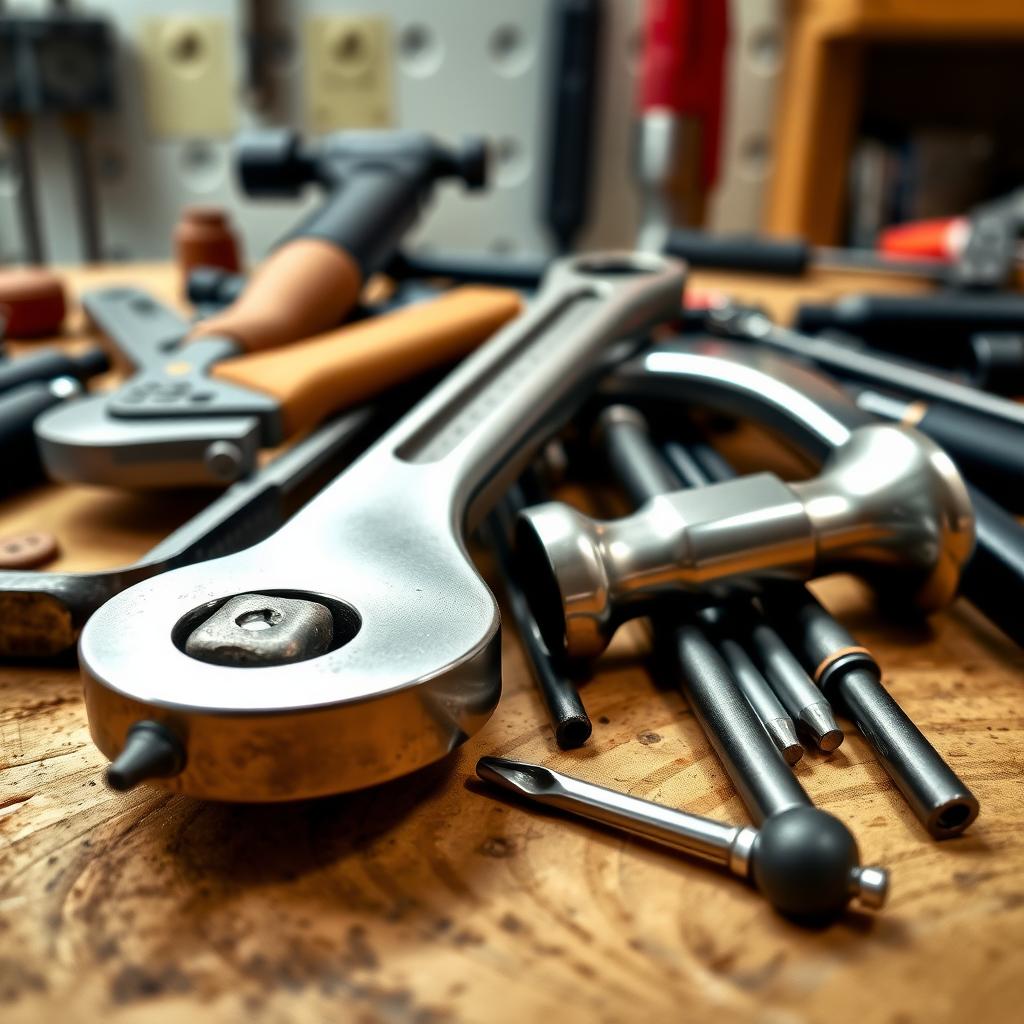
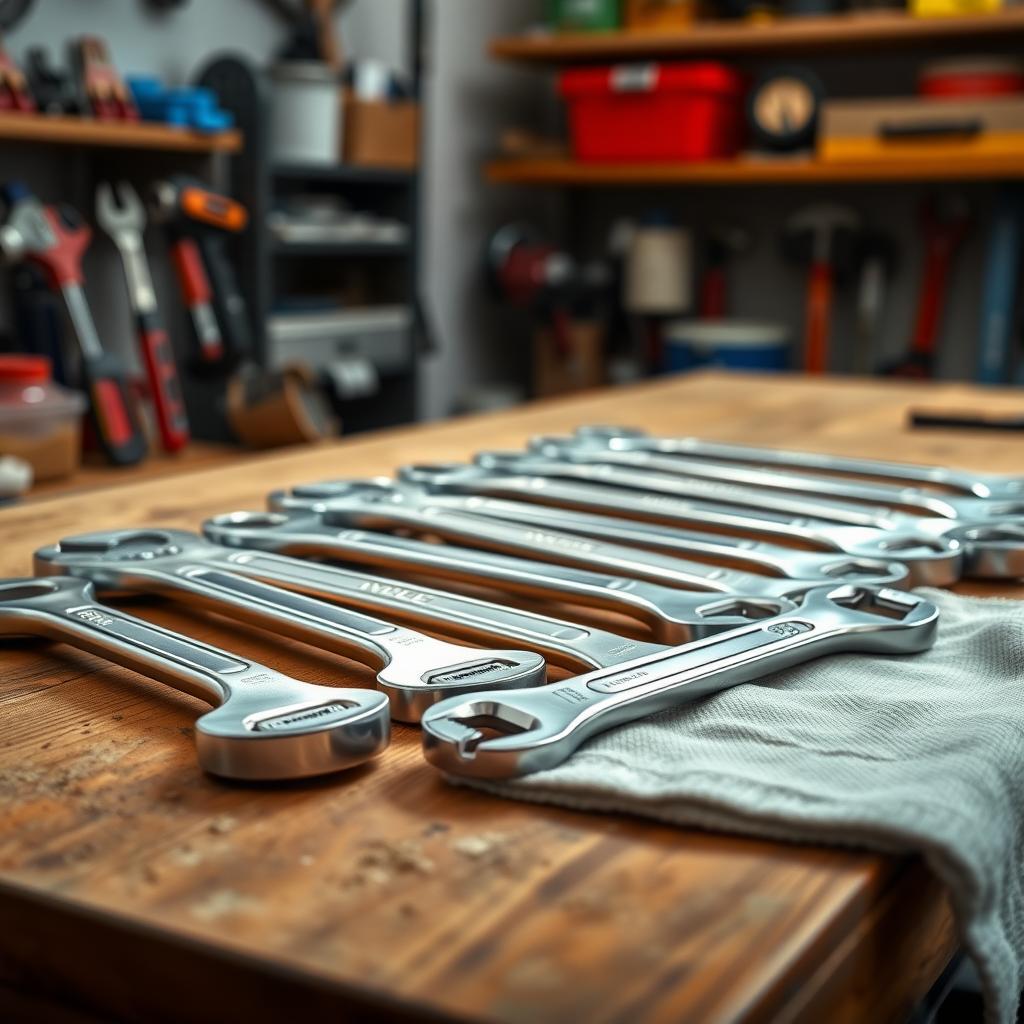
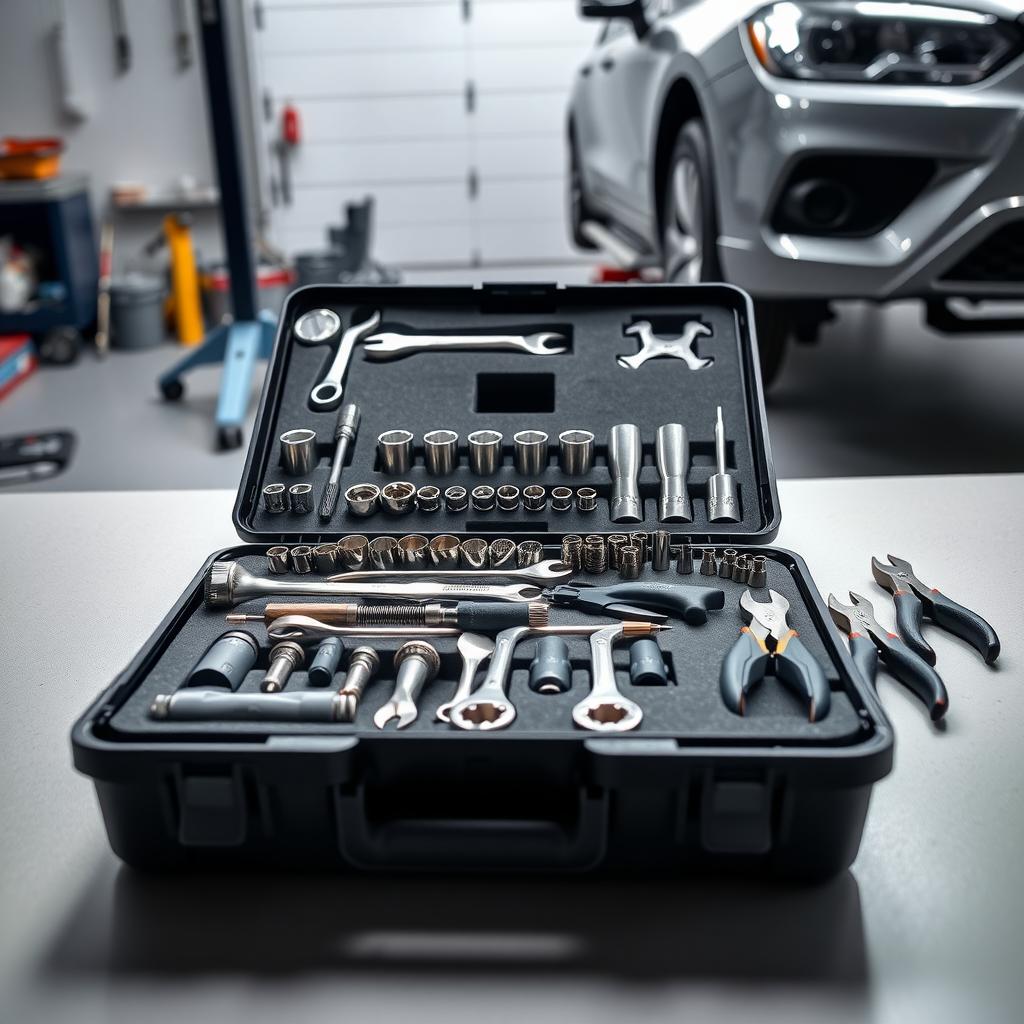
- Wrenches: Combination wrenches (8mm-19mm) and a ratchet wrench set for tight spaces.
- Socket Sets: 1/4-inch and 3/8-inch drive sockets in metric and SAE sizes. Deep sockets are great for suspension work.
- Screwdrivers: A mix of Phillips and flathead screwdrivers for interior panels and battery terminals.
- Pliers: Needle-nose, slip-joint, and locking pliers for gripping and cutting.
- Torque Wrench: Essential for precise tightening, like on lug nuts or engine bolts.
- Jack and Jack Stands: For safely lifting and supporting vehicles.
- Diagnostic Tools: A basic OBD-II scanner for modern vehicles.
These form the backbone of any tool set for automotive repairs. For example, when I replaced the alternator on my sedan, a ratchet wrench and socket set made quick work of tight bolts, while a torque wrench ensured I didn’t overtighten anything.
Specialty Tools for Advanced Repairs
Beyond the basics, some jobs require specialized workman tools. These are designed for specific tasks that standard tools can’t handle efficiently. According to a guide from Toolsource.com, automotive specialty tools are precision-engineered for tasks like brake service or engine diagnostics.
Here are a few specialty tools worth considering:
| Tool | Purpose | Example Use Case |
|---|---|---|
| Brake Caliper Wind-Back Tool | Compresses brake pistons | Brake pad replacement |
| Engine Compression Tester | Checks engine health | Diagnosing misfires |
| Timing Light | Adjusts engine timing | Tuning older engines |
I once used a compression tester to diagnose a misfiring cylinder on a friend’s truck. Without it, we’d have been guessing, wasting time and money. Specialty tools like these elevate your repair game and save headaches.
Choosing the Right Tool Set
Picking the right tool set for automotive repairs depends on your needs, budget, and skill level. Here’s how to make a smart choice:
For Beginners
Start with a basic all-in-one kit. Brands like Craftsman or Stanley offer affordable sets with wrenches, sockets, and screwdrivers. Look for kits with at least 100 pieces to cover most basic repairs. My first kit was a 150-piece Craftsman set, which got me through countless oil changes and tire rotations.
For Professionals
Pros need durability and versatility. Invest in modular tool sets from brands like Snap-on or Matco. These allow you to add specialty tools as needed. A study from the University of Michigan Transportation Research Institute highlights how professional mechanics prioritize tools with lifetime warranties for long-term reliability.
Budget vs. Quality
Cheap tools might tempt you, but they often break under pressure. I learned this the hard way when a bargain-brand socket cracked during a suspension job. Spend a bit more on mid-range brands like DeWalt or GearWrench for a balance of cost and quality.

Top Brands for Automotive Tool Sets
Not all workman tools are created equal. Here are some trusted brands, based on my experience and industry reputation:
- Snap-on: Known for premium quality and lifetime warranties. Ideal for pros but pricey.
- Craftsman: Reliable and affordable, great for DIYers. Most sets come with a solid warranty.
- GearWrench: Offers innovative ratcheting wrenches and durable sockets.
- DeWalt: Known for tough, versatile tools that handle heavy-duty tasks.
When I upgraded my toolkit, I chose a GearWrench ratchet set for its smooth action and compact design. It’s been a game-changer for tight engine bays. Check brand reviews on sites like Popular Mechanics for detailed comparisons.
Organizing and Maintaining Your Tool Set
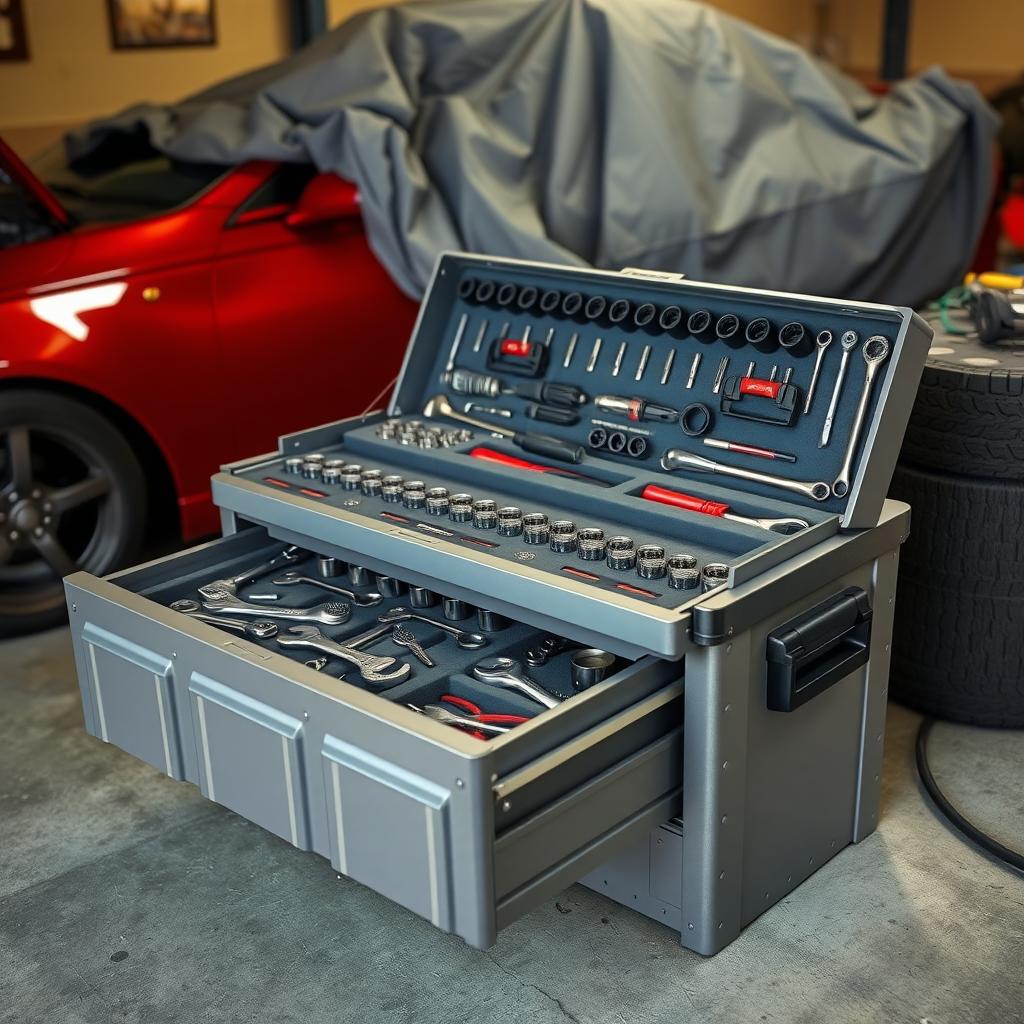
A great tool set for automotive repairs is only as good as its organization. A messy toolbox wastes time and risks losing tools. Here’s how I keep my kit in top shape:
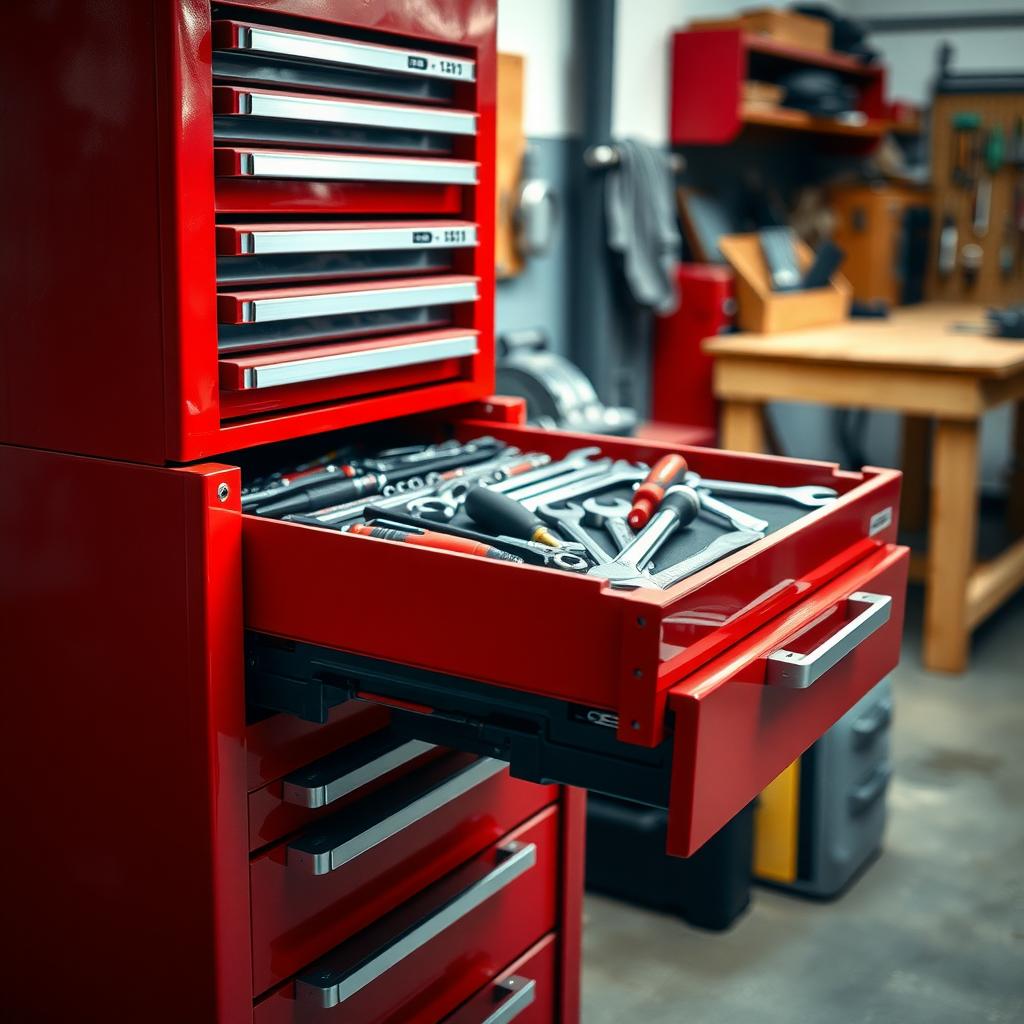
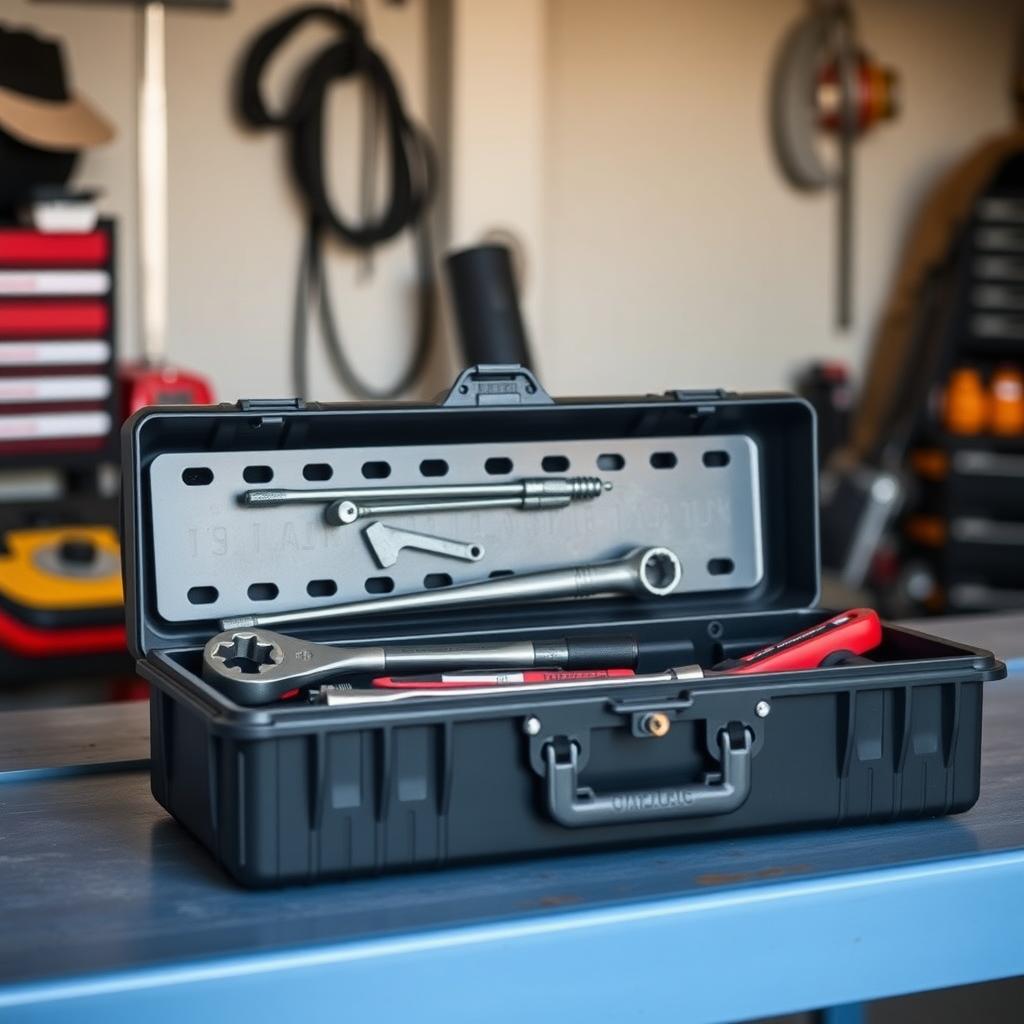
- Use a Toolbox with Foam Inserts: Keeps tools secure and easy to find.
- Clean Tools After Use: Wipe off grease and grime to prevent rust.
- Check for Wear: Inspect tools regularly for cracks or wear, especially sockets and wrenches.
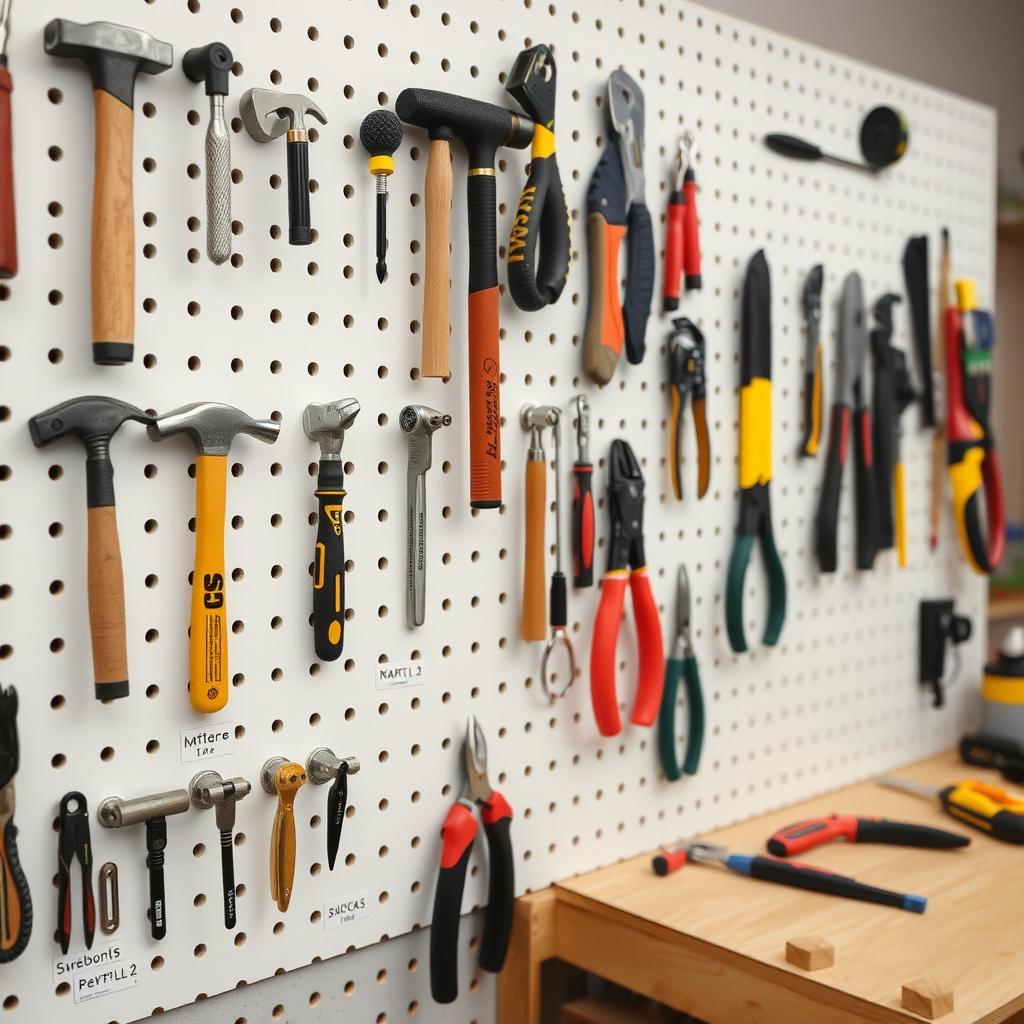
- Label Everything: Use a label maker for quick identification.
I once spent an hour searching for a 10mm socket—now I use foam inserts to keep everything in place. A well-maintained toolkit saves time and frustration.
Tips for Building Your Tool Set Over Time
You don’t need to buy everything at once. Build your tool set gradually with these tips:
- Start with Essentials: Get a basic wrench and socket set first.
- Add as You Go: Buy specialty tools for specific projects, like a timing light for engine work.
- Shop Sales: Black Friday and Cyber Monday are great for tool deals.
- Consider Used Tools: Check estate sales or pawn shops for quality used workman tools.
When I started, I bought tools project by project. For example, I added a torque wrench after over-tightening a bolt and stripping it. Pace yourself to avoid overspending.
Common Mistakes to Avoid
Here are pitfalls I’ve seen (and made) when choosing tool sets for automotive repairs:
- Buying Cheap Kits: They break easily and cost more in replacements.
- Skipping Specialty Tools: Trying to “make do” with basic tools often leads to mistakes.
- Ignoring Ergonomics: Tools with poor grips cause hand fatigue.
A friend once used a low-quality wrench on a stubborn bolt, rounding it off and turning a quick fix into a major headache. Invest in quality to avoid these issues.
Summary
A reliable tool set for automotive repairs is the foundation of any successful repair job. From basic wrenches to specialty diagnostic tools, choosing the right workman tools ensures efficiency and precision. Start with essentials, invest in quality brands, and keep your kit organized. With the right tools, you’ll tackle any automotive repair with confidence.
Related tool sets for automotive repairs:
- Tool Maintenance 101: Keep Your Gear in Top Shape
- Mastering the Art of Hammering: Techniques for Precision and Power
- Choosing the Right Workman Tools: A Comprehensive Guide
- Advanced Workman Tools for Professionals: Elevate Your Craft
- Organizing Your Workshop for Maximum Efficiency: A Practical Guide
- Hammer Basics: Types and Uses Explained
- How to Choose the Right Drill for Your Projects: A Comprehensive Guide
- Understanding Hammer Dynamics and Ergonomics: A Comprehensive Guide
- How to Check Your Car’s Oil Like a Pro
- Advanced Workman Skills: Tools for the Next Level
- Maintaining Your Wrench Set for Longevity: A Comprehensive Guide
- Power Tools for Beginners: Your Ultimate Guide to Getting Started