Overview
Woodworking tools have shaped human history, evolving from crude stone implements to sophisticated smart devices. The Evolution of Woodworking Tools: A Historical Overview traces this journey, highlighting key milestones, the rise of safety innovations like advanced table saws, and future trends blending tradition with technology.
Ancient Beginnings: Stone and Bone Tools
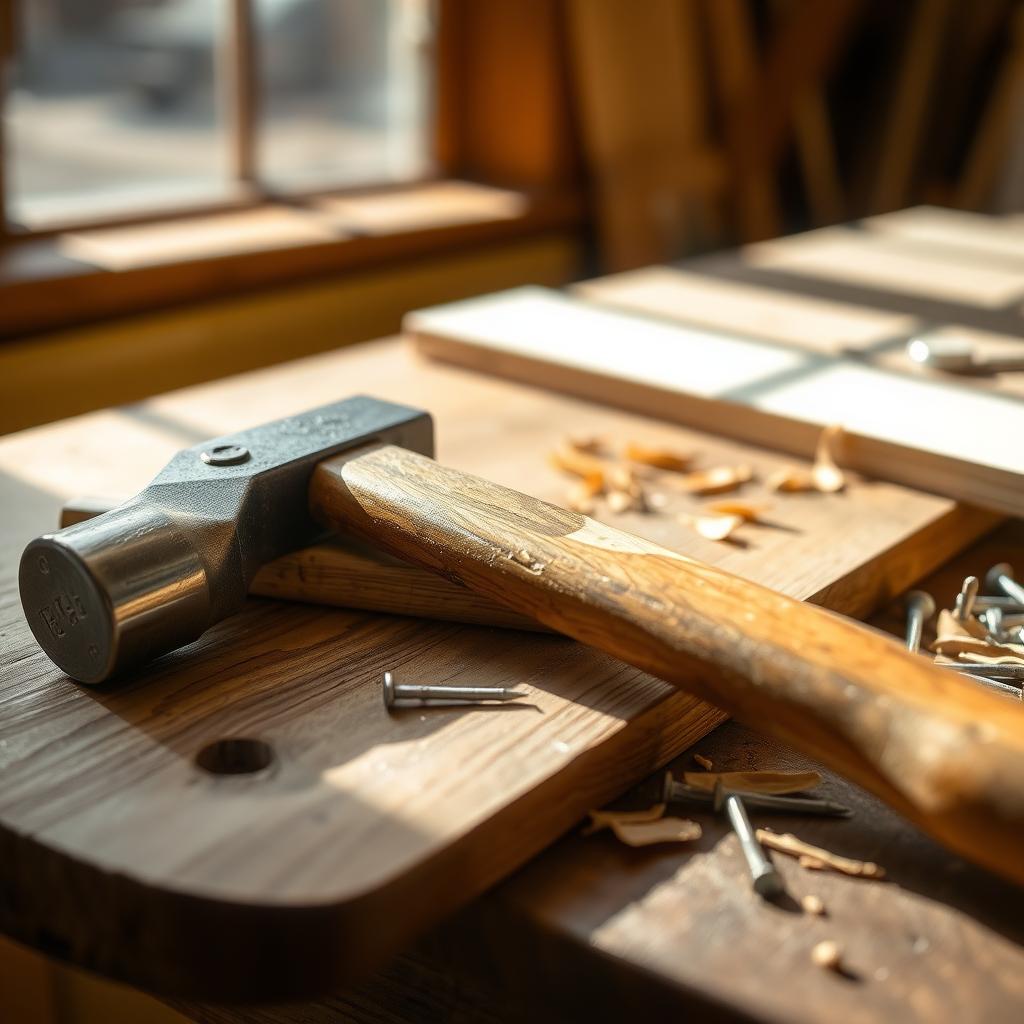
Woodworking’s story starts over 2 million years ago in the Stone Age. Early humans used sharpened stones and animal bones to carve wood for shelters, tools, and weapons. These primitive tools, like axes and adzes, were basic but effective. Archaeological finds, such as 476,000-year-old wooden artifacts, show our ancestors’ ingenuity in shaping wood long before modern humans existed. The Evolution of Woodworking Tools: A Historical Overview begins with these humble yet groundbreaking efforts.
I’ve always been amazed by how early toolmakers worked with such limited resources. Imagine chiseling a log with a flint blade—it’s a reminder of how far we’ve come. These early tools laid the foundation for woodworking as a craft, showing that even simple implements could create lasting structures.

The Bronze and Iron Ages: Stronger Tools, Finer Craft
By 3300 BCE, the Bronze Age introduced stronger, more durable tools. Bronze axes, chisels, and early saws allowed woodworkers to tackle harder woods and create more intricate designs. The Iron Age, starting around 1800 BCE in some regions, took this further. Iron tools were tougher, enabling smoother cuts and complex joinery. The Roman Empire advanced woodworking with innovations like the frame saw and the wood plane, which historians call a game-changer for precision.
These advancements weren’t just about better tools—they transformed societies. Stronger tools meant faster construction of homes, ships, and furniture. I think of the Roman wood plane as the first step toward the precision we take for granted today. It’s humbling to see how these early innovations still influence modern woodworking.
The Industrial Revolution: Power and Precision
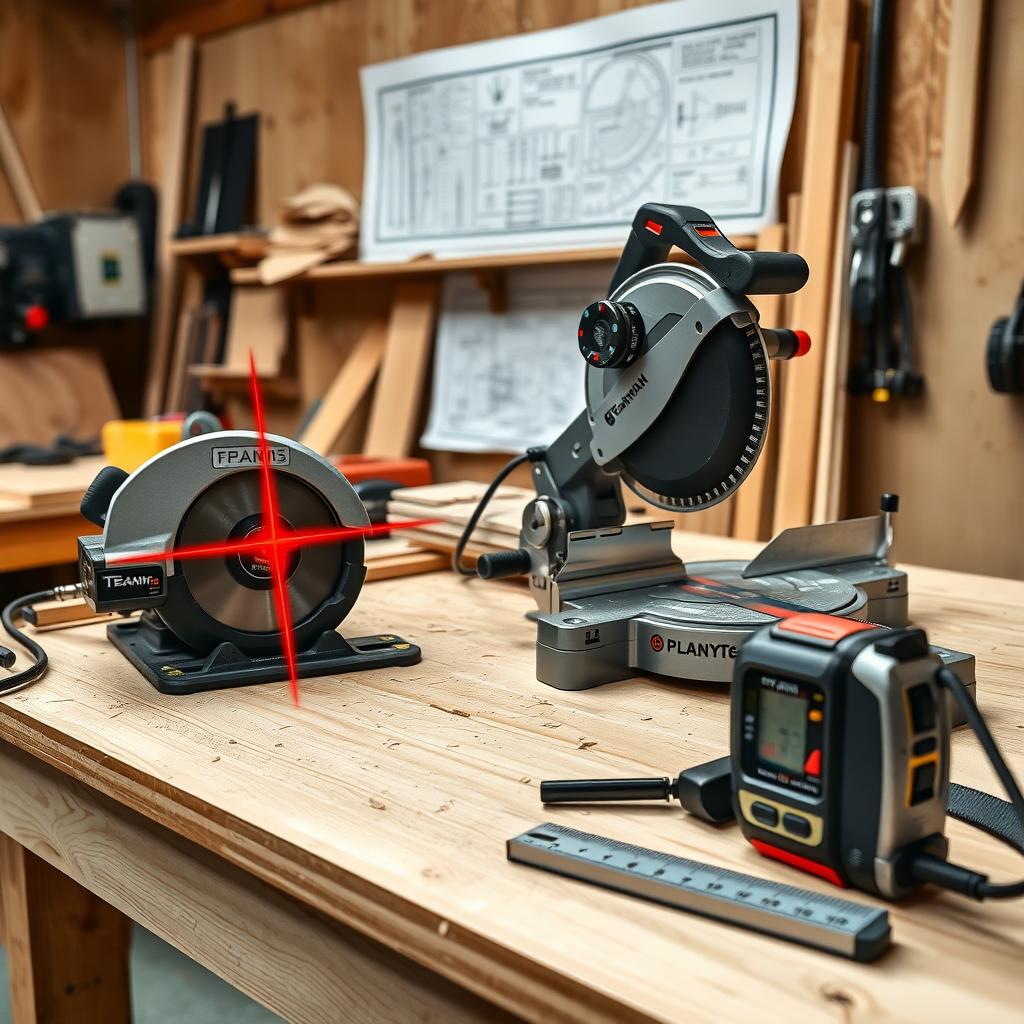
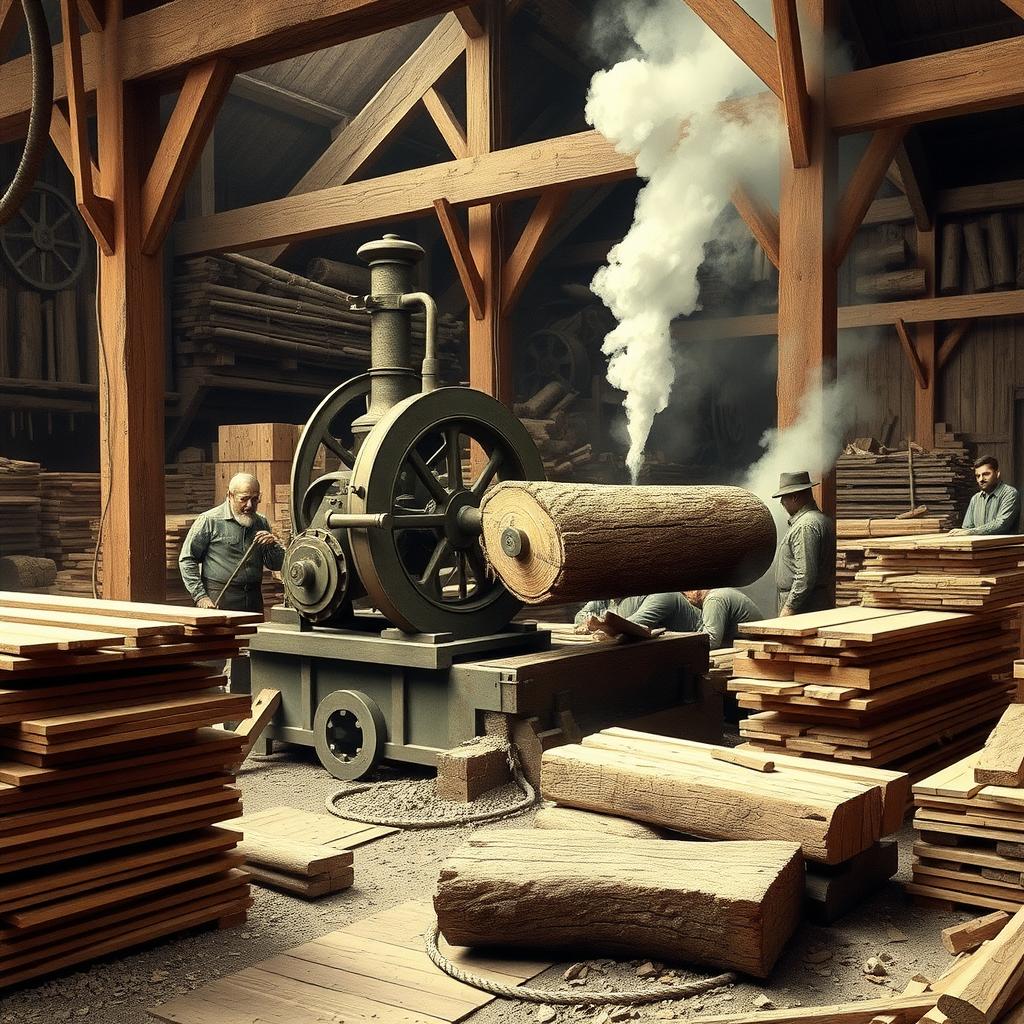
The 18th and 19th centuries brought massive change. The Industrial Revolution introduced steam-powered sawmills, making lumber production faster and more consistent. The circular saw, invented in the late 18th century, was a breakthrough. It cut wood at speeds hand tools couldn’t match. In 1857, Samuel Miller patented a water-powered table saw, a precursor to modern table saws, setting the stage for mechanized woodworking.
Electric power tools arrived in the late 19th century. In 1895, Emil Fein created the first electric hand drill, followed by Duncan Black and Alonzo Decker’s portable power tool patent in 1916. These tools made woodworking accessible to more people, not just professionals. The post-World War II housing boom spurred further innovation, with radial arm saws and miter saws speeding up construction.
The 20th Century: The Rise of Power Tools
The 20th century saw power tools dominate. The 1950s introduced numerical control machines, evolving into CNC (Computer Numerical Control) systems by the 1970s. CNC machines brought unmatched precision, allowing complex designs that were once impossible. Tools like jigsaws, routers, and portable planers, such as Ryobi’s 1985 lunchbox planer, made woodworking faster and more affordable.
I remember my first encounter with a CNC machine in a friend’s workshop. It was like watching magic—intricate patterns cut with pinpoint accuracy. These tools didn’t just save time; they opened up new creative possibilities. But with power came risks, leading to a focus on safety.
The Rise of Smart Tools in Woodworking
Today, The Rise of Smart Tools in Woodworking is transforming the craft. Smart tools integrate IoT (Internet of Things) technology, offering features like real-time monitoring and remote operation. For example, some routers and saws now connect to apps, alerting users to maintenance needs or blade alignment issues. AI is also making waves, with systems that detect potential hazards and adjust operations to prevent accidents.
The global woodworking tools market reflects this shift. Valued at $9.71 billion in 2024, it’s projected to reach $13.58 billion by 2032, driven by demand for smart, efficient tools. Brands like Bosch and DeWalt are leading with innovations like brushless motors and lithium-ion batteries, improving performance and portability. The Rise of Smart Tools in Woodworking isn’t just about gadgets—it’s about making woodworking safer and more accessible. Source: Congruence Market Insights
The Future of Woodworking Tools: Safety and Innovation
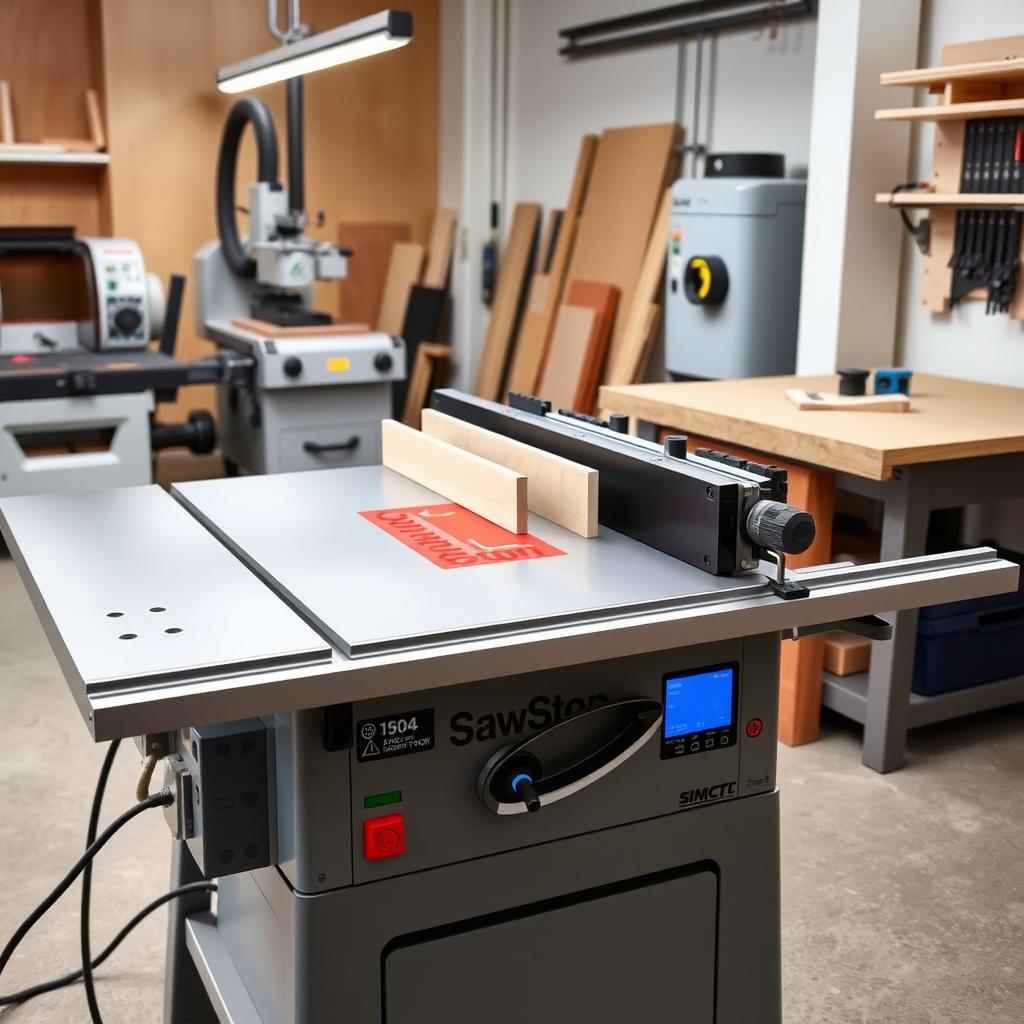
Safety has become a cornerstone of modern woodworking. The Future of Woodworking Tools: Safety and Innovation lies in technologies like tablesaws with advanced safety mechanisms. SawStop, introduced in 2004, revolutionized table saw safety with its Active Injury Mitigation (AIM) system. This technology detects skin contact with the blade and stops it in milliseconds, reducing severe injuries to minor cuts. SawStop’s impact is significant—over 17,000 units are in use, with more than 500 confirmed “finger saves.” Source: Fine Woodworking
Other innovations include riving knives, mandated on new saws since 2012, which prevent kickback—a leading cause of table saw injuries. The Consumer Product Safety Commission (CPSC) estimates 33,400 table saw injuries occur annually, with societal costs exceeding $500,000 per hospitalization. Advanced safety mechanisms could save thousands of fingers yearly, though they may increase costs by $285-$1,000 per saw. Source: Federal Register
Challenges and Opportunities
While smart tools and safety innovations are exciting, challenges remain. Supply chain issues and rising material costs can drive up tool prices, impacting hobbyists and small businesses. Training is another hurdle—new technologies require skills that not all woodworkers have. Yet, opportunities abound. Sustainable materials like Cross-Laminated Timber (CLT) and eco-friendly finishes are gaining traction, aligning woodworking with green practices.
I’ve seen beginners struggle with advanced tools, but with practice, they unlock incredible potential. The key is balancing innovation with accessibility. Tools like SawStop show how technology can protect users while preserving the craft’s soul. The future lies in making these advancements affordable and user-friendly.
Summary
The Evolution of Woodworking Tools: A Historical Overview reveals a craft transformed by human ingenuity. From stone tools to tablesaws with advanced safety mechanisms, each era built on the last, blending tradition with innovation. The Rise of Smart Tools in Woodworking and The Future of Woodworking Tools: Safety and Innovation promise a safer, more precise craft. As technology advances, woodworkers will continue to create with skill and passion, honoring the past while embracing the future.
Related The Evolution of Woodworking Tools: A Historical Overview:
- The Ultimate Guide to Choosing Tool Sets for Automotive Repairs
- Tool Maintenance 101: Keep Your Gear in Top Shape
- Mastering the Art of Hammering: Techniques for Precision and Power
- Choosing the Right Workman Tools: A Comprehensive Guide
- Advanced Workman Tools for Professionals: Elevate Your Craft
- Organizing Your Workshop for Maximum Efficiency: A Practical Guide
- Hammer Basics: Types and Uses Explained
- How to Choose the Right Drill for Your Projects: A Comprehensive Guide
- Understanding Hammer Dynamics and Ergonomics: A Comprehensive Guide
- How to Check Your Car’s Oil Like a Pro
- Advanced Workman Skills: Tools for the Next Level
- Maintaining Your Wrench Set for Longevity: A Comprehensive Guide