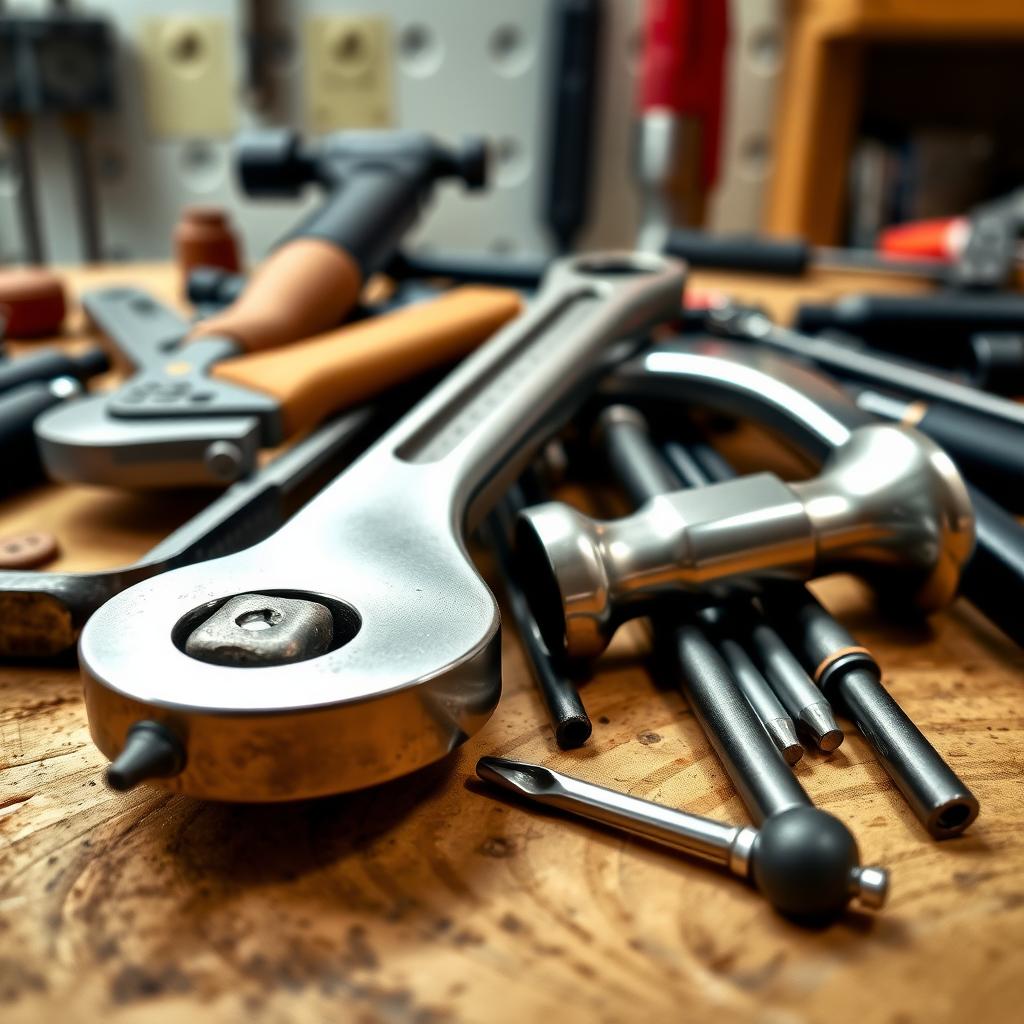
Overview: Why Workman Tools Matter for Automotive Repair
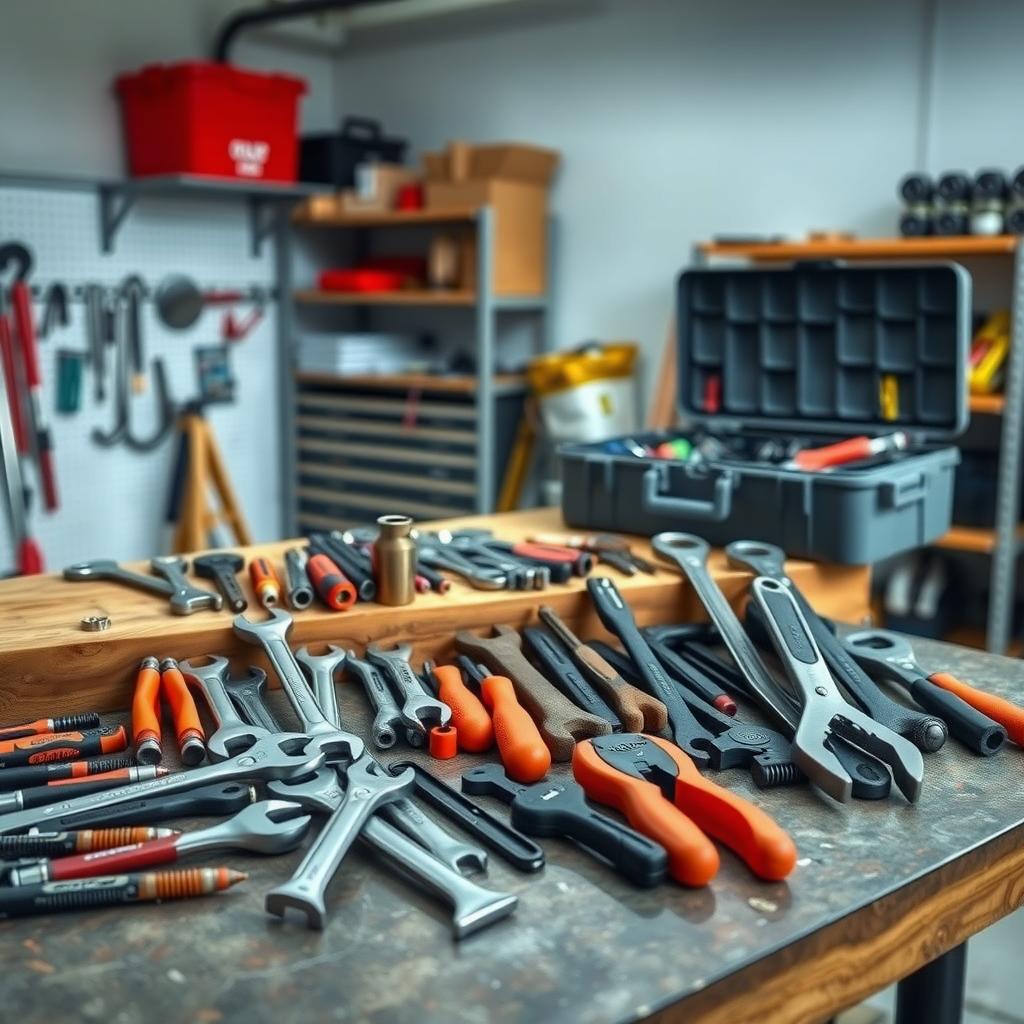
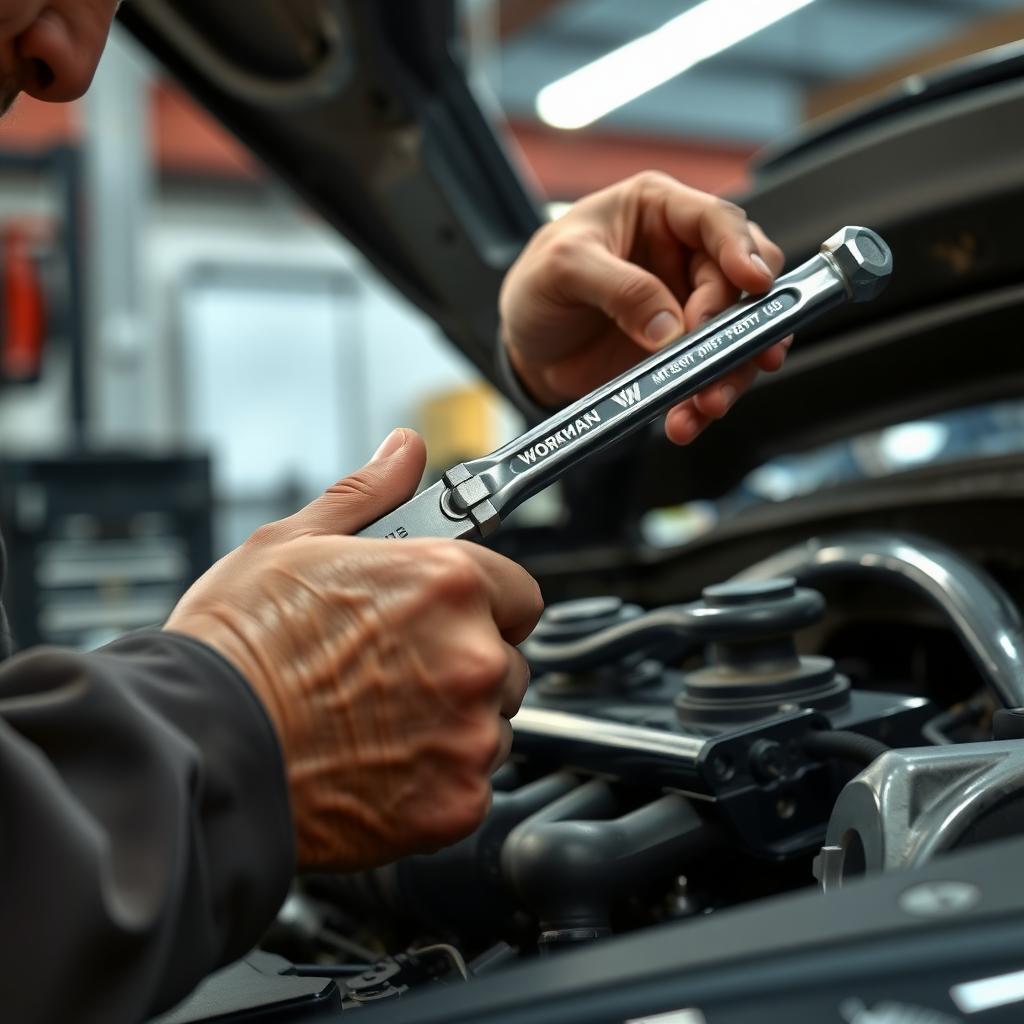
Workman tools for automotive repair are a game-changer for mechanics and DIY enthusiasts alike. Known for durability and precision, these tools make complex repairs easier and faster. This guide dives into the best workman tools, their uses, and tips to maximize their potential in your garage.
Why Choose Workman Tools for Automotive Repair?
When it comes to fixing cars, having reliable tools is non-negotiable. Workman tools stand out for their quality craftsmanship, ergonomic designs, and affordability. Unlike generic brands, workman tools for automotive repair are built to handle the tough demands of engine work, suspension repairs, and more. Their reputation for longevity means you’re investing in tools that last.
I’ve spent years tinkering with cars, from swapping out spark plugs to rebuilding transmissions. Early on, I learned the hard way that cheap tools break under pressure—literally. A stripped bolt or a snapped wrench can turn a simple job into a nightmare. Workman tools, with their robust construction, have saved me countless headaches.
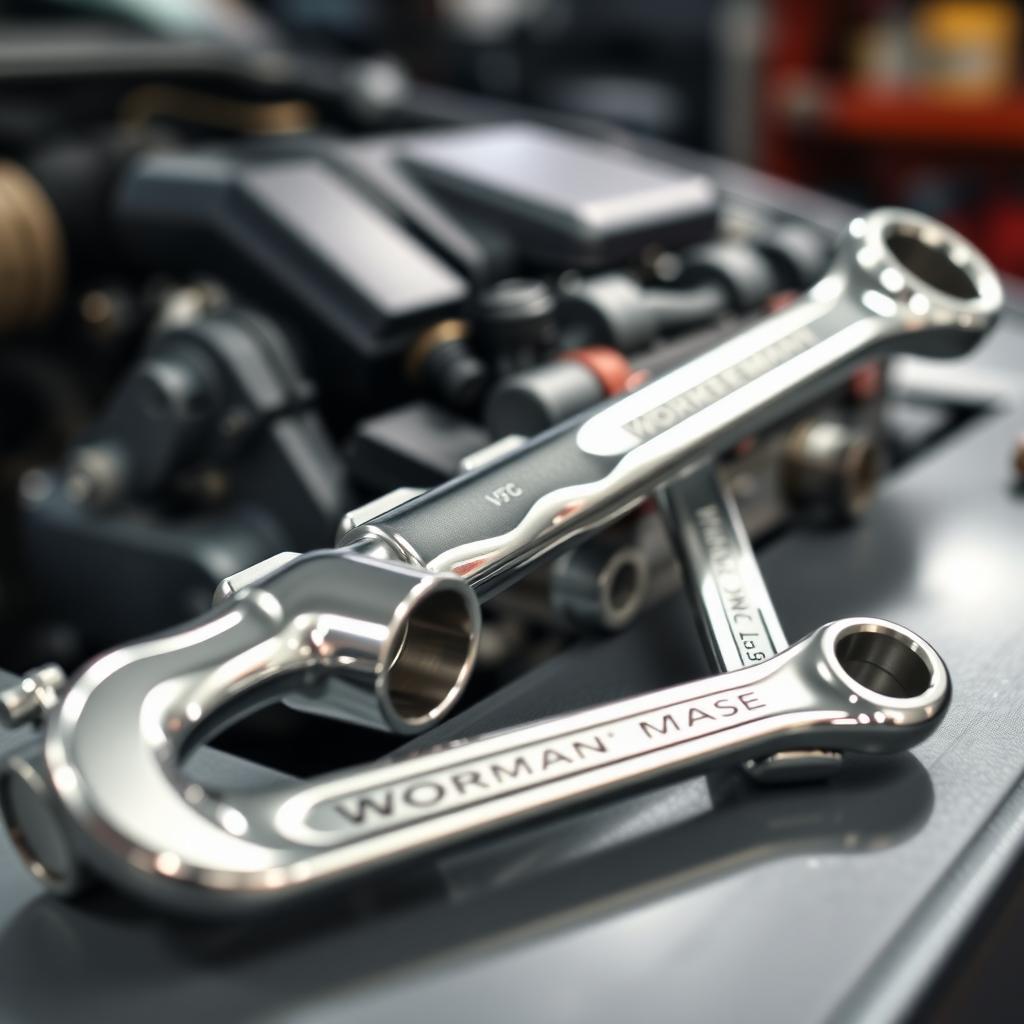
Top Workman Tools for Automotive Repair
Here’s a breakdown of essential workman tools every mechanic should have in their toolbox. These are the tools I rely on for most automotive jobs, from routine maintenance to complex repairs.
1. Workman Ratchet Wrench Set
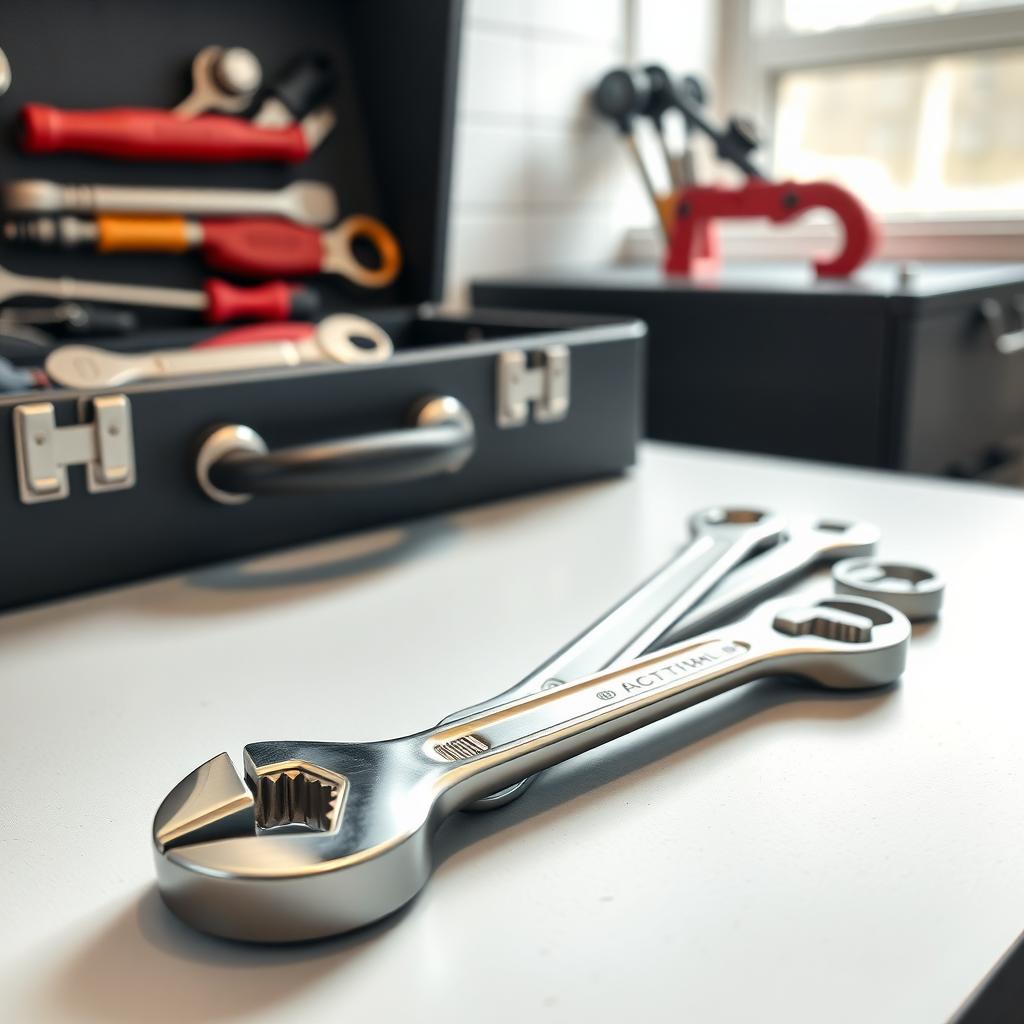
A good ratchet wrench is the backbone of any repair job. Workman’s ratchet sets offer smooth operation and a comfortable grip, making it easy to loosen or tighten bolts in tight spaces. Their 72-tooth gear system allows for precise movements, which is crucial when working on delicate engine components.
Tip: Always choose a set with multiple sizes (1/4-inch, 3/8-inch, and 1/2-inch drives) to handle various tasks, from small fasteners to heavy-duty bolts.
2. Workman Socket Sets
Sockets are indispensable for automotive work, and Workman’s deep and shallow socket sets cover all bases. Made from chrome vanadium steel, they resist rust and wear, even after years of use. I’ve used these for everything from wheel lug nuts to oil pan bolts without a single failure.
3. Workman Screwdriver Set
Whether you’re removing interior panels or adjusting carburetors, a quality screwdriver set is a must. Workman’s sets include Phillips, flathead, and Torx tips, with magnetic ends that make handling small screws a breeze. The ergonomic handles reduce hand fatigue during long repair sessions.
4. Workman Pliers and Cutters
From needle-nose pliers for precision work to heavy-duty cutters for wiring, Workman’s pliers are versatile and durable. I’ve found their locking pliers especially useful for holding parts in place during tricky repairs, like replacing a stubborn alternator.
| Tool Type | Key Features | Best For |
|---|---|---|
| Ratchet Wrench | 72-tooth gear, ergonomic grip | Tight spaces, engine work |
| Socket Set | Chrome vanadium steel, deep/shallow options | Lug nuts, bolts |
| Screwdriver Set | Magnetic tips, multiple head types | Interior panels, small screws |
| Pliers/Cutters | Locking mechanism, durable jaws | Wiring, precision tasks |
How Workman Tools Compare to Woodworking Tools
While workman tools for automotive repair are designed for heavy-duty mechanical tasks, their woodworking counterparts focus on precision and finesse. For example, workman woodworking tools like chisels and hand saws prioritize sharp, clean cuts for shaping wood, whereas automotive tools like ratchets and sockets are built for torque and durability.
That said, there’s some overlap. A workman hammer or measuring tape can pull double duty in both automotive and woodworking projects. I’ve used my workman tape measure for everything from aligning car body panels to sizing lumber for a garage workbench. The key difference lies in the materials and forces involved—automotive tools need to withstand oily, gritty environments, while woodworking tools excel in cleaner, more controlled settings.
Tips for Using Workman Tools Effectively
To get the most out of your workman tools, follow these practical tips based on my own trial and error:
- Keep Tools Clean: Oil and grime can build up on tools, reducing their lifespan. Wipe them down after every job and store them in a dry toolbox.
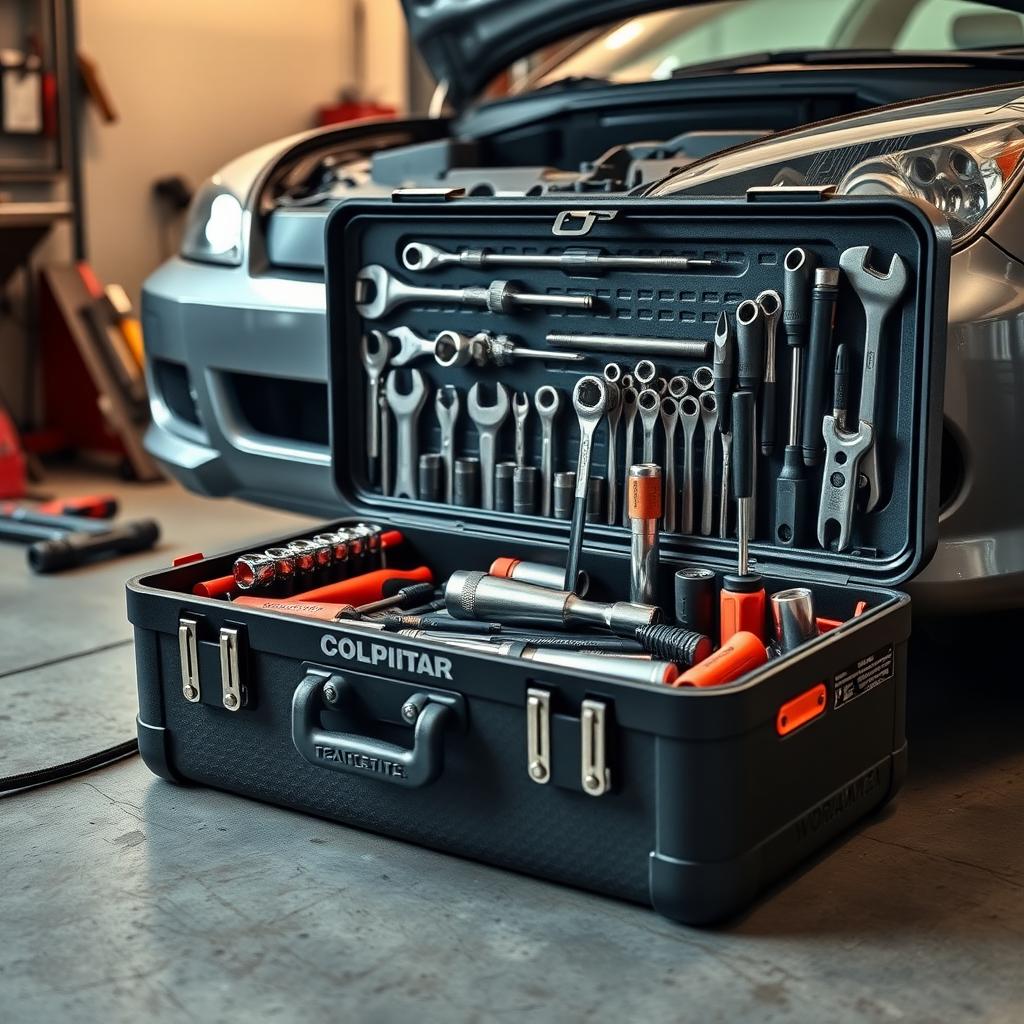
- Organize Your Workspace: Use a pegboard or toolbox with dividers to keep your workman tools accessible. I wasted too much time early on searching for misplaced sockets.
- Invest in a Torque Wrench: For critical tasks like tightening head bolts, a workman torque wrench ensures you apply the right force without damaging parts.
- Check for Wear: Inspect tools regularly for signs of damage, like cracked handles or worn teeth. Replace them before they fail mid-job.
These habits not only extend the life of your tools but also make repairs smoother and safer.
Why Workman Tools Are Worth the Investment
Workman tools aren’t the cheapest on the market, but their quality justifies the cost. Compared to budget brands, they offer better warranties—often lifetime guarantees—and superior performance. I’ve had a workman ratchet wrench for over a decade, and it’s still as reliable as day one. For professionals, this durability translates to fewer replacements and less downtime. For DIYers, it means confidence that your tools won’t let you down mid-project.
If you’re on a budget, start with a basic workman tool kit and expand as needed. Many retailers, like Home Depot, carry workman tools at competitive prices, and you can often find deals during holiday sales.
Common Automotive Repairs with Workman Tools
Here are a few common automotive tasks and the workman tools I recommend for them:
- Oil Change: Use a workman ratchet wrench and socket set to remove the drain plug and filter. A torque wrench ensures proper tightening.
- Brake Replacement: Pliers and a C-clamp (available in workman’s tool line) make quick work of compressing brake calipers and removing old pads.
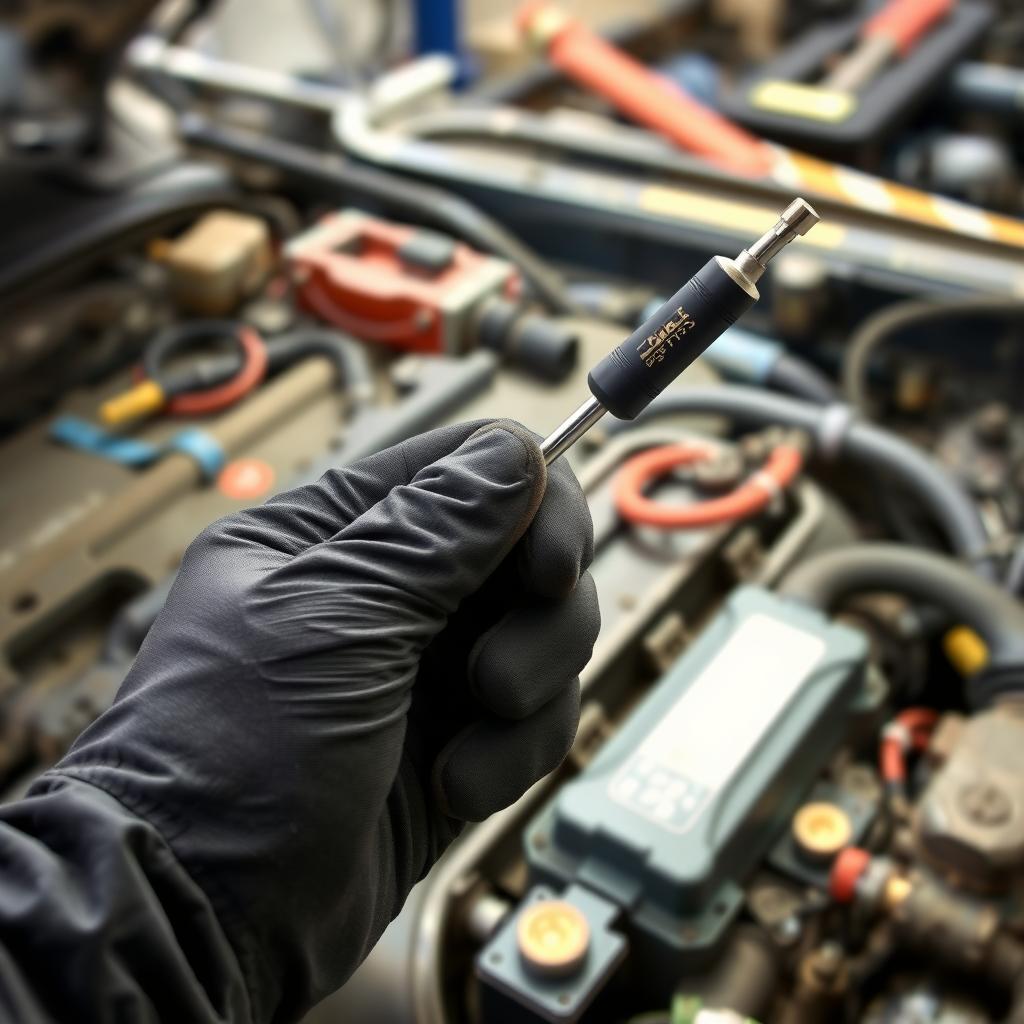
- Battery Replacement: A workman screwdriver set and adjustable wrench are perfect for loosening terminals and securing the new battery.
Each of these tasks benefits from the precision and reliability of workman tools, saving you time and frustration.
Final Thoughts on Workman Tools for Automotive Repair
Workman tools for automotive repair are a solid choice for anyone serious about car maintenance. Their durability, ergonomic design, and versatility make them a favorite among mechanics and hobbyists. By investing in quality tools and maintaining them properly, you’ll be equipped to handle any automotive project with confidence. Whether you’re a seasoned pro or just starting, workman tools will help you get the job done right.
Related workman tools for automotive repair:
- Revolutionizing Home Painting: How AI-Powered Tools Boost Efficiency
- Decluttering Your Life: Tips for a More Organized Home and Mind
- How to Organize Your Toolbox Like a Pro
- Essential Workman Tools for Every DIY Enthusiast
- Essential Screwdrivers for Mechanics: Your Guide to the Best Workman Tools
- Troubleshooting Electrical Problems Made Easy: A Comprehensive Guide
- How to Choose the Best Toolbox for Your Needs
- The Evolution of Woodworking Tools: A Historical Overview
- The Ultimate Guide to Choosing Tool Sets for Automotive Repairs
- Tool Maintenance 101: Keep Your Gear in Top Shape
- Mastering the Art of Hammering: Techniques for Precision and Power
- Choosing the Right Workman Tools: A Comprehensive Guide