Overview
Renovating your home is exciting but daunting. Whether you're tackling a small DIY project or a major overhaul, having the right tools makes all the difference. This guide covers Essential Workman Tools for Home Renovations, offering practical advice on selecting and using tools to ensure your project succeeds. From hammers to construction levels, we’ll explore what you need and why.
Why Quality Tools Matter
I learned the hard way that cheap tools break fast. During my first kitchen remodel, a bargain-bin screwdriver stripped mid-project, delaying me for hours. Quality workman tools save time, reduce frustration, and ensure safety. Investing in reliable brands means fewer replacements and better results, whether you're a weekend warrior or a seasoned pro.
When choosing tools, prioritize durability, ergonomics, and versatility. A good tool feels right in your hand and performs consistently. For home renovations, you’ll need a mix of general-purpose and specialized tools, especially for tasks like masonry or framing. Let’s break down the essentials.
Must-Have General Tools
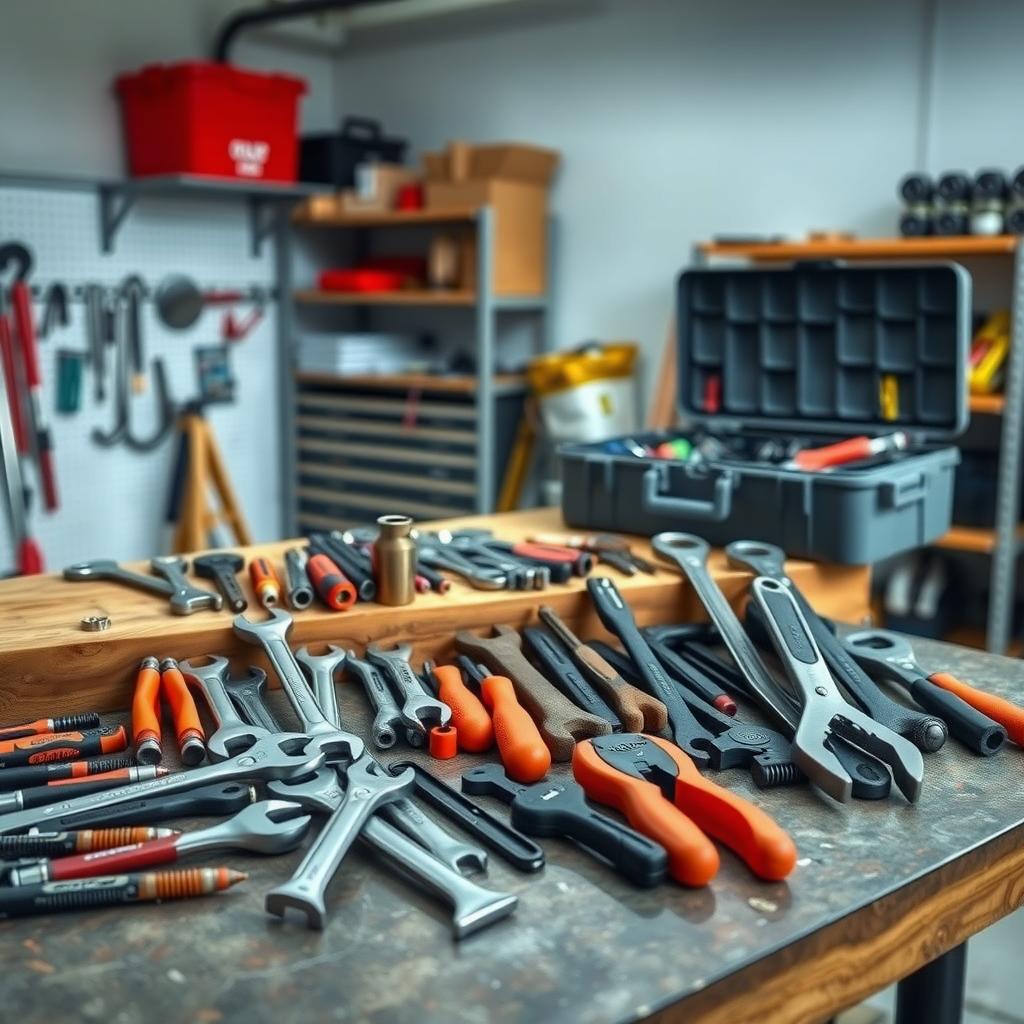
Every renovator needs a core set of construction tools. Here’s what I keep in my toolbox for most projects:
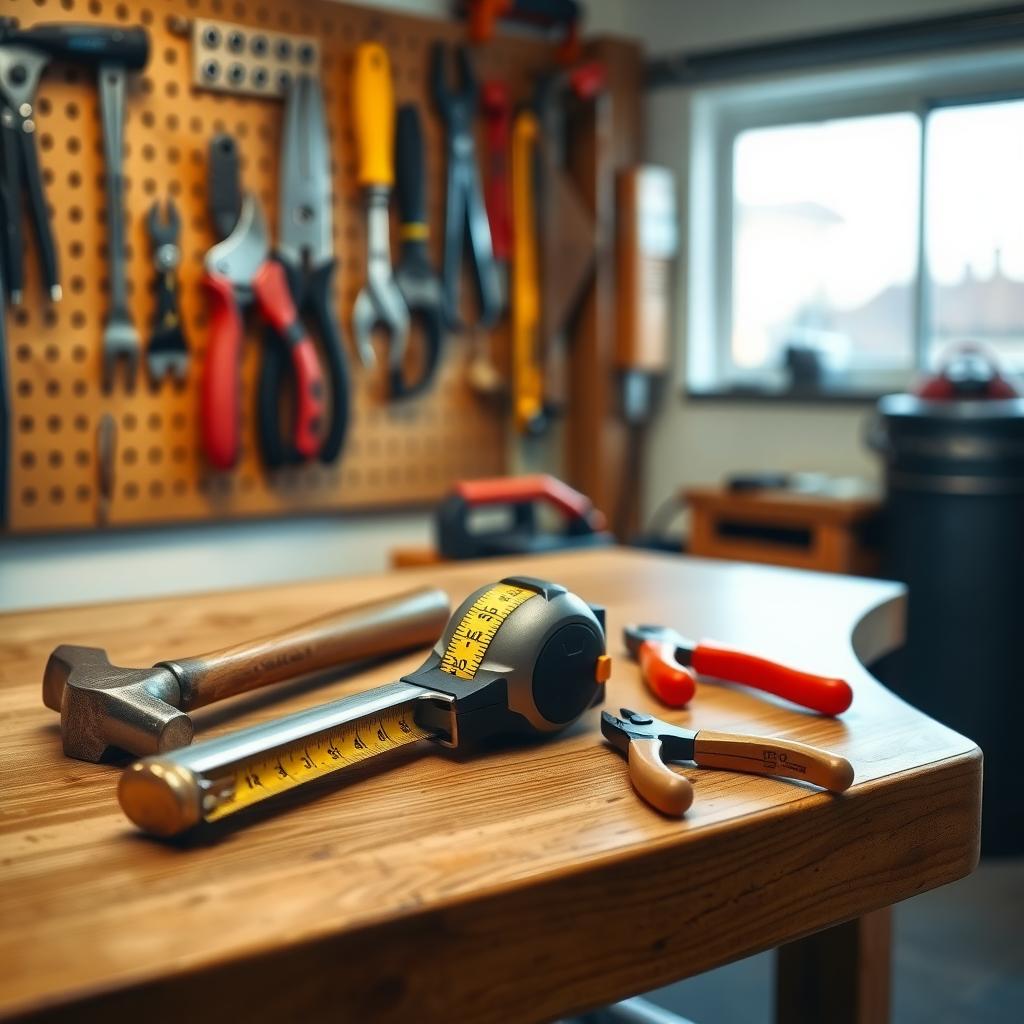
- Hammer: A 16-ounce claw hammer is versatile for driving nails and light demolition. Look for a comfortable grip and a sturdy steel head.
- Screwdriver Set: Get a set with multiple sizes of Phillips and flathead bits. Magnetic tips are a game-changer.
- Tape Measure: A 25-foot tape with a locking mechanism is ideal. Check for a sturdy casing to survive drops.
- Utility Knife: Perfect for cutting drywall or trimming materials. Retractable blades add safety.
- Pliers: Needle-nose and locking pliers handle everything from wiring to stubborn bolts.
Power Tools for Efficiency
Power tools speed up renovations and tackle tough jobs. Based on my projects, these are non-negotiable:
- Cordless Drill: A 20V drill with multiple bits handles drilling and screwing. DeWalt’s guide on drill selection emphasizes battery life and torque for versatility.
- Circular Saw: Great for cutting lumber or plywood. Choose one with a laser guide for precision.
- Jigsaw: Ideal for curved cuts in wood or metal. It’s a lifesaver for custom trim work.
Always wear safety gear like goggles and gloves when using power tools. I once skipped goggles and got sawdust in my eye—lesson learned.
How to Choose the Right Construction Level
A level is critical for ensuring straight walls, floors, and shelves. Picking the right one can be tricky. Here’s what I’ve found works:
- Length: A 24-inch level is versatile for most home projects, but a 48-inch level is better for masonry or framing.
- Type: Bubble levels are affordable and reliable. Laser levels, though pricier, are perfect for large spaces. This article from the National Institute of Standards and Technology explains how precision levels ensure accuracy.
- Durability: Look for shock-resistant vials and aluminum frames to withstand drops.
Test your level on a known flat surface before buying. I once bought a cheap level that was off by a degree, ruining a tile job.

Construction Tools for Masonry Work
Masonry projects, like building a patio or fireplace, require specialized construction tools for masonry work. Here’s what you need:
| Tool | Purpose | Tip |
|---|---|---|
| Trowel | Spreading mortar | Choose a pointed trowel for precision. |
| Masonry Hammer | Chipping bricks | A square head doubles as a chisel. |
| Jointer | Smoothing mortar joints | Match the joint style to your project. |
| Mixing Drill | Mixing mortar | Use a low-speed setting to avoid air bubbles. |
When I built my backyard retaining wall, a quality trowel made laying mortar so much easier. Check out The Masonry Society’s guide for tips on mortar consistency and tool handling.
Don’t skimp on safety gear for masonry. A dust mask and heavy-duty gloves protect against silica dust and sharp edges. Also, keep your tools clean—dried mortar on a trowel is a nightmare to remove.
Specialty Tools for Specific Tasks
Some renovations call for niche tools. For example:
- Stud Finder: Essential for locating wall studs before hanging shelves. Electronic models are more accurate than magnetic ones.
- Tile Cutter: A manual cutter works for small jobs, but a wet saw is better for large tile projects.
- Pry Bar: Great for removing old flooring or trim without damaging walls.
I once struggled to remove old baseboards until I got a pry bar. It saved hours and kept the walls intact.
Tool Maintenance and Storage
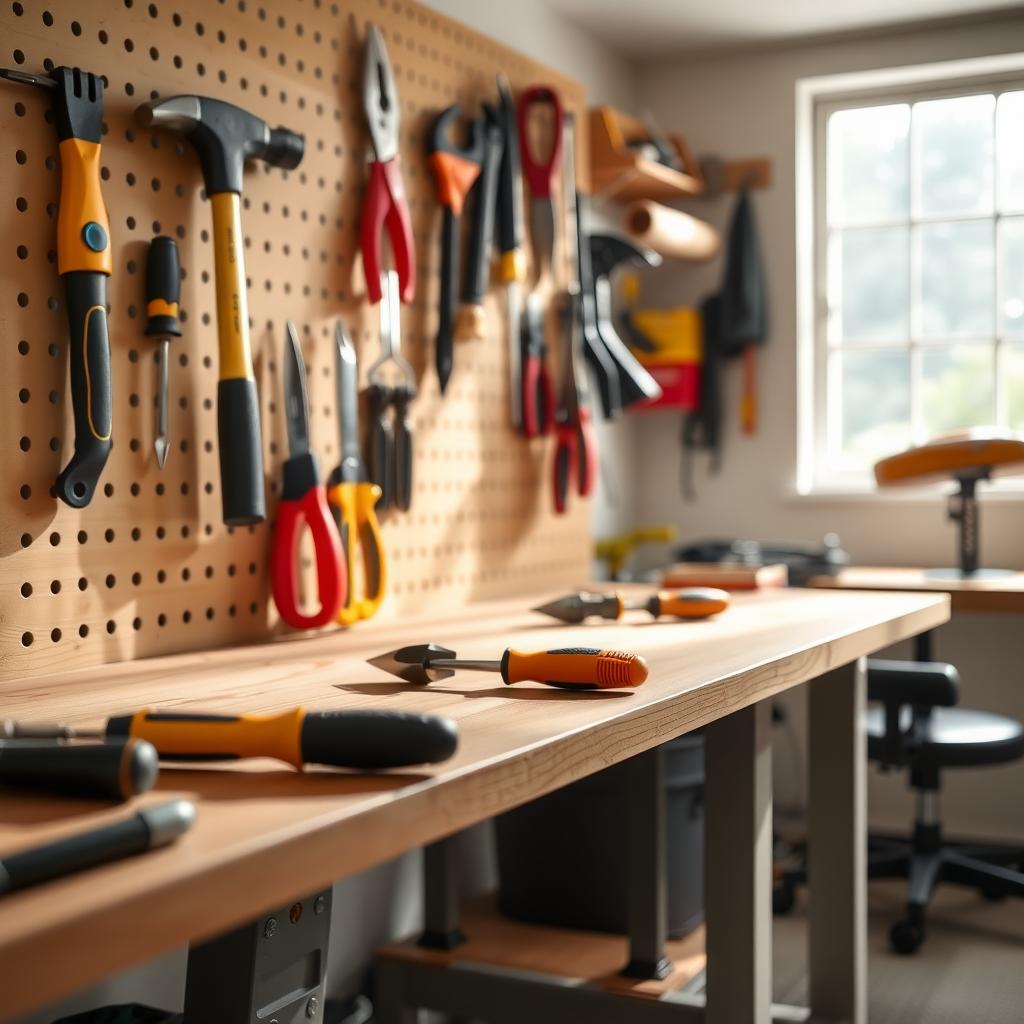
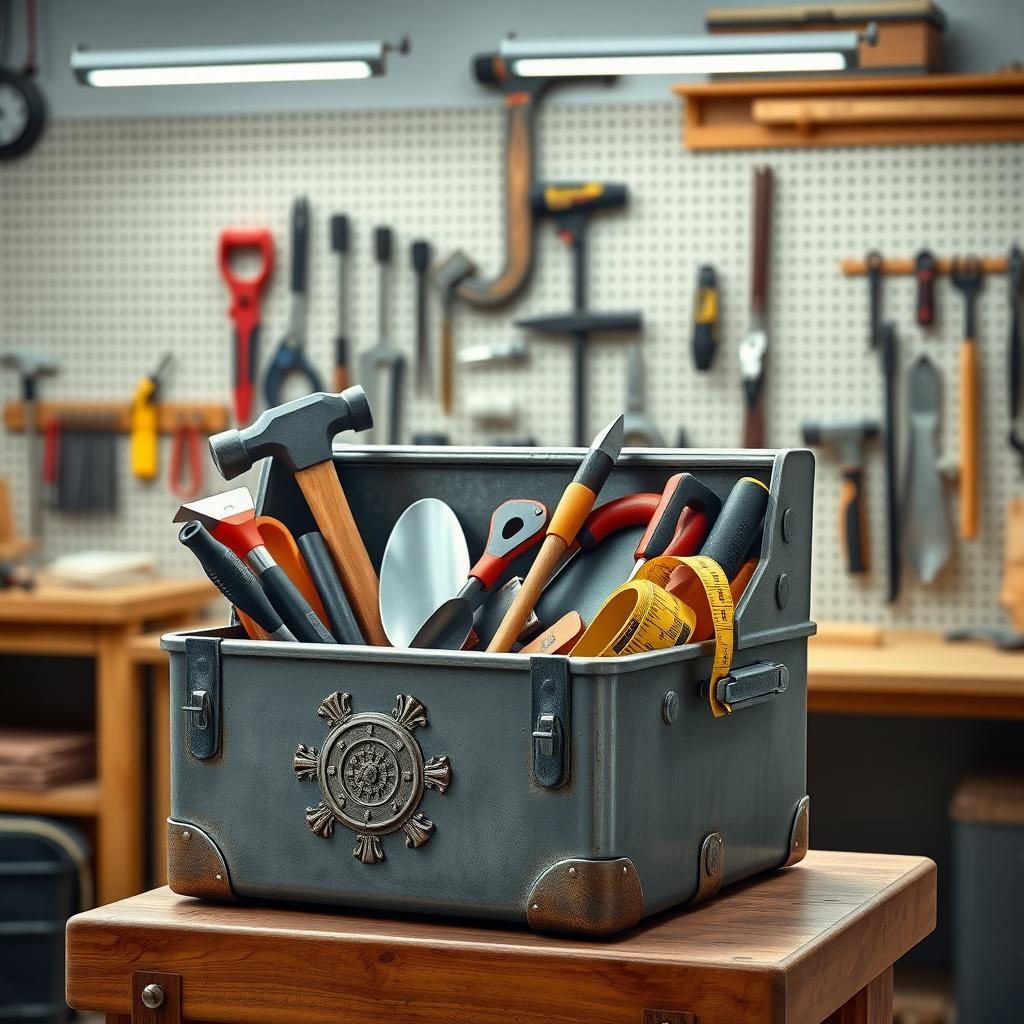
Taking care of your workman tools extends their life. After every project, I clean my tools and store them properly. Wipe metal surfaces with a dry cloth to prevent rust. For power tools, remove batteries and store them in a cool, dry place. A pegboard or toolbox keeps everything organized and easy to find.
Budgeting for Tools
You don’t need to buy everything at once. Start with versatile basics and add specialized tools as needed. Rent power tools for one-off projects to save money. For example, I rented a tile saw for a bathroom remodel instead of buying one. Check OSHA’s tool safety guidelines for tips on safe tool use to avoid costly accidents.
Final Thoughts
The right Essential Workman Tools for Home Renovations make projects smoother, safer, and more enjoyable. From choosing a reliable construction level to picking the best masonry tools, quality and preparation are key. Build your toolkit thoughtfully, maintain it well, and you’ll be ready for any renovation challenge.
Related Essential Workman Tools for Home Renovations:
- Ergonomics Beyond Tools: A Workshop Guide for Comfort and Efficiency
- The Ultimate Guide to Workman Tools for Automotive Repair
- Revolutionizing Home Painting: How AI-Powered Tools Boost Efficiency
- Decluttering Your Life: Tips for a More Organized Home and Mind
- How to Organize Your Toolbox Like a Pro
- Essential Workman Tools for Every DIY Enthusiast
- Essential Screwdrivers for Mechanics: Your Guide to the Best Workman Tools
- Troubleshooting Electrical Problems Made Easy: A Comprehensive Guide
- How to Choose the Best Toolbox for Your Needs
- The Evolution of Woodworking Tools: A Historical Overview
- The Ultimate Guide to Choosing Tool Sets for Automotive Repairs
- Tool Maintenance 101: Keep Your Gear in Top Shape