Overview: Why Tool Maintenance Matters
Keeping your tool sets in great condition isn't just about tidiness—it's about saving time, money, and frustration. Proper tool maintenance and care tips ensure your workman tools last longer, perform better, and stay safe to use. This guide shares practical advice drawn from years of hands-on experience to help you protect your investment.
The Importance of Regular Tool Maintenance
Tools are the backbone of any project, whether you're a DIY enthusiast or a professional craftsman. Neglecting them can lead to rust, dull blades, or even accidents. Regular maintenance keeps your tools reliable and ready for action. I've seen a well-cared-for hammer last decades, while a neglected one becomes a safety hazard in months.
Start by inspecting your tools after every use. Look for signs of wear, like chipped edges or loose handles. Catching these issues early prevents bigger problems down the road. For example, a loose screw on a drill can cause wobbling, reducing precision and damaging materials.
Cleaning Your Tool Sets: The Basics
Cleaning is the cornerstone of tool maintenance and care tips. Dirt, grease, and sawdust can build up, causing corrosion or jamming. Here's how to keep your tools spotless:
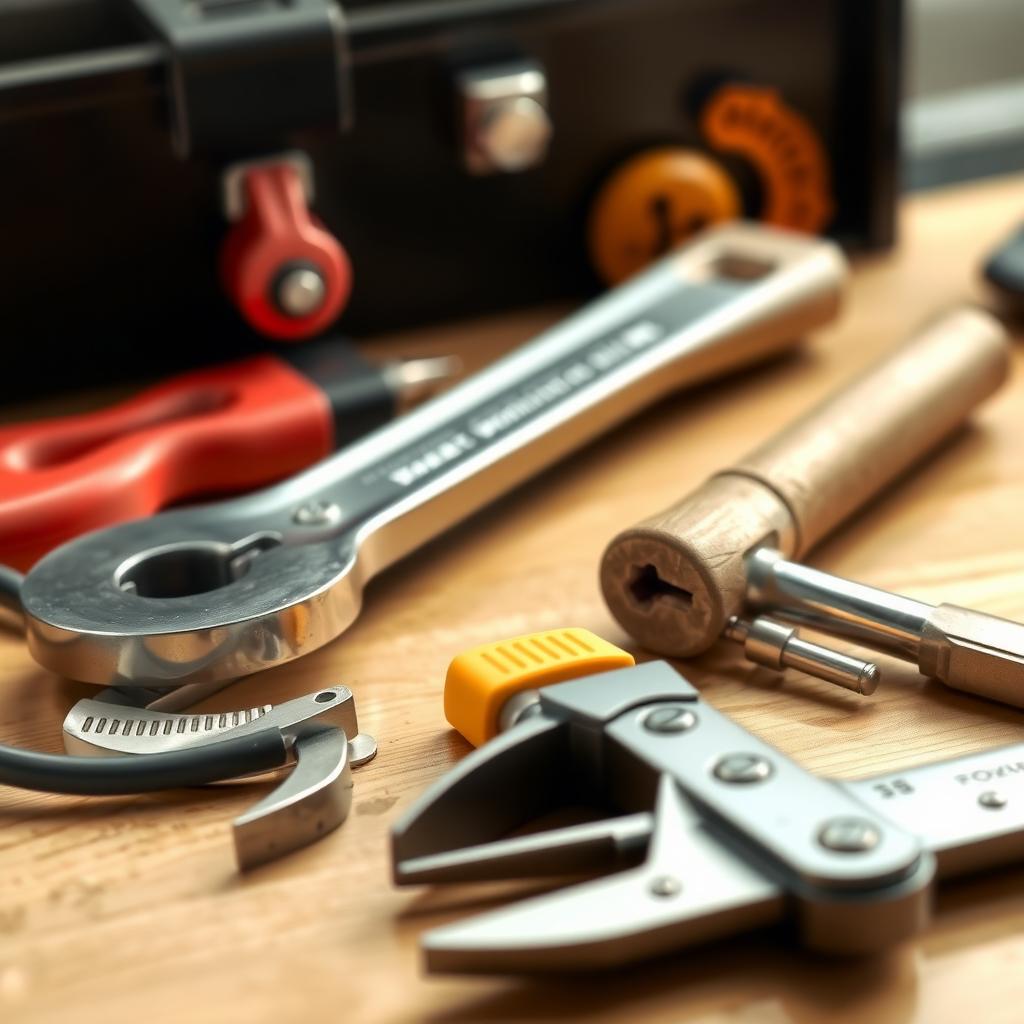
- Hand Tools: Wipe down hammers, wrenches, and screwdrivers with a damp cloth after use. For stubborn grime, use a mild soap solution. Dry thoroughly to prevent rust.
- Power Tools: Remove dust from vents and blades with a soft brush or compressed air. Avoid water near electrical components.
- Cutting Tools: Clean saw blades or chisels with a solvent like mineral spirits to remove sap or resin.
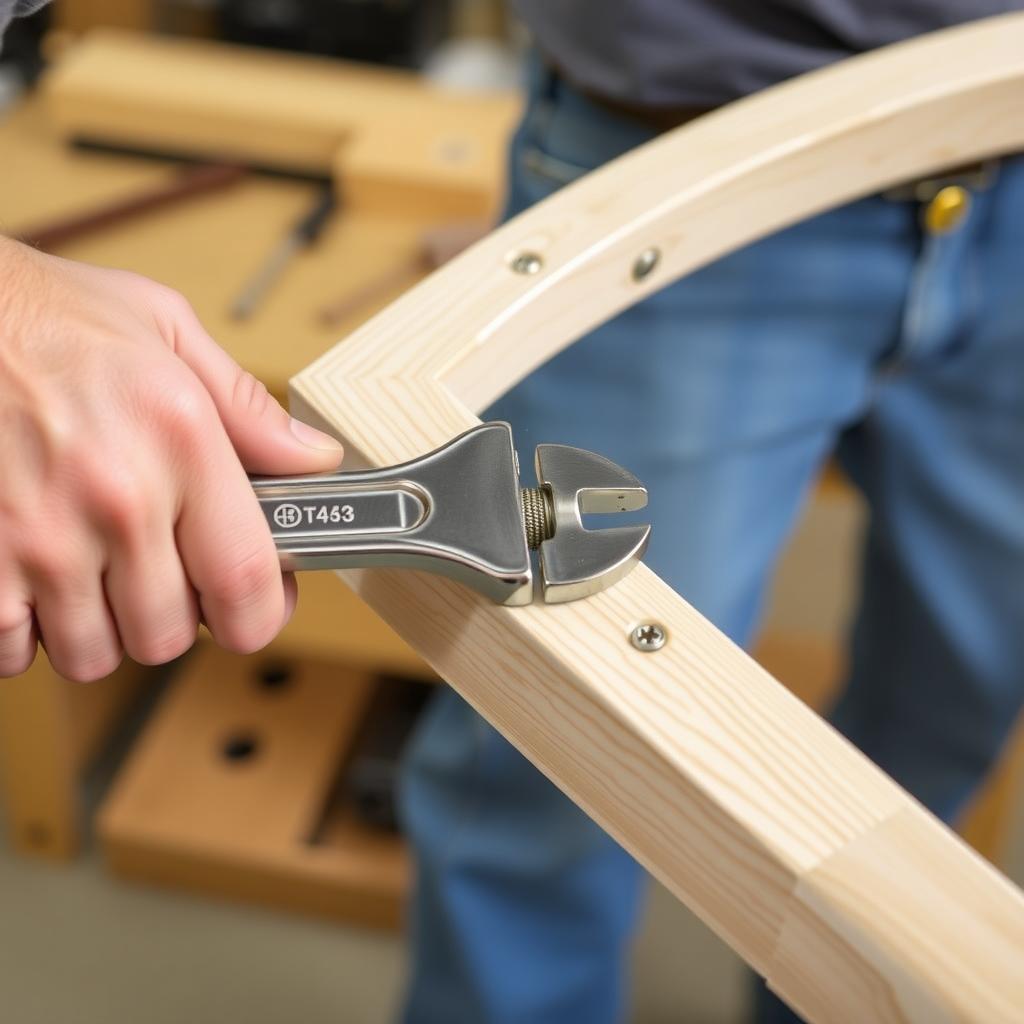
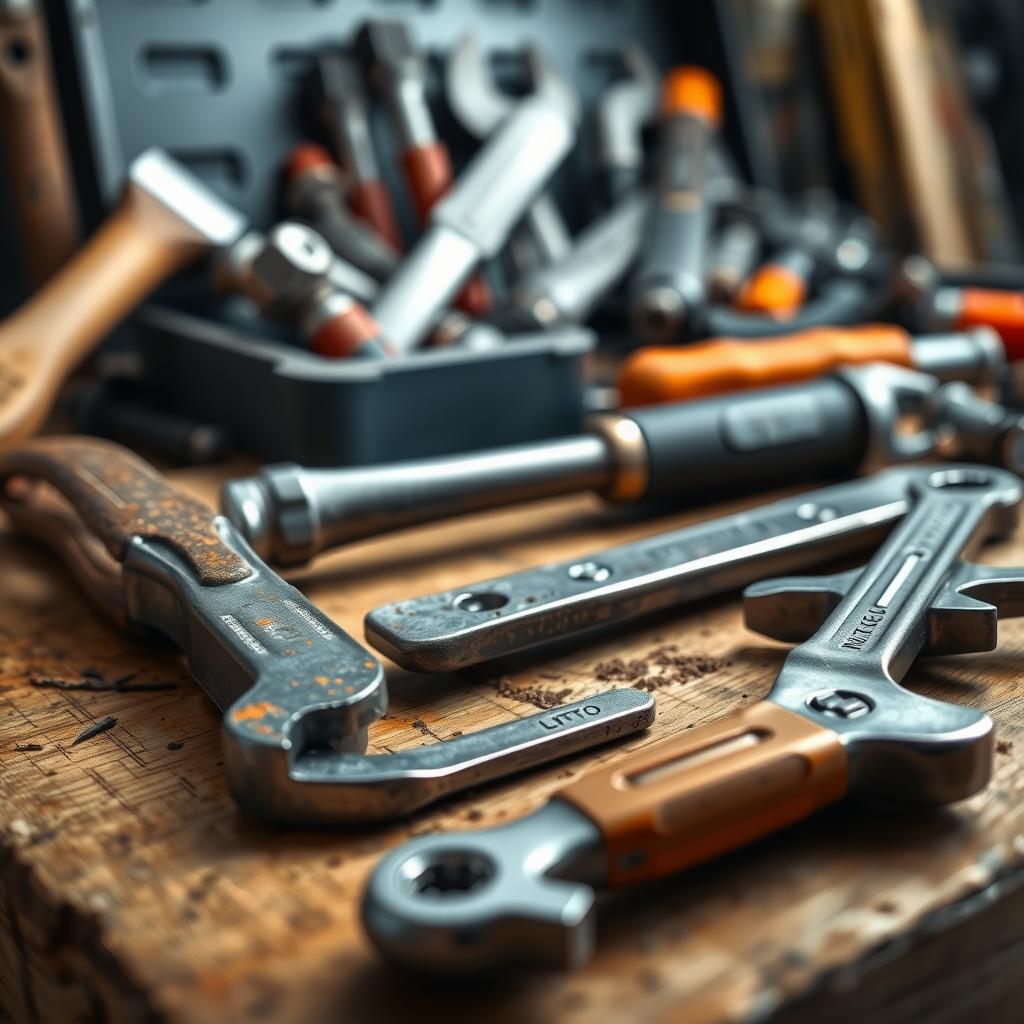
I once revived a rusty old wrench by soaking it in white vinegar overnight, then scrubbing it with a wire brush. It’s now a staple in my toolbox, proving that a little effort goes a long way.
Cleaning Checklist for Workman Tools
| Tool Type | Cleaning Method | Frequency |
|---|---|---|
| Hand Tools | Wipe with damp cloth, dry thoroughly | After each use |
| Power Tools | Brush off dust, use compressed air | Weekly or as needed |
| Cutting Tools | Use solvent for resin, wipe clean | After heavy use |
Always store tools in a dry place after cleaning. Moisture is the enemy of metal, and even a small amount can start rust.
Sharpening and Calibration
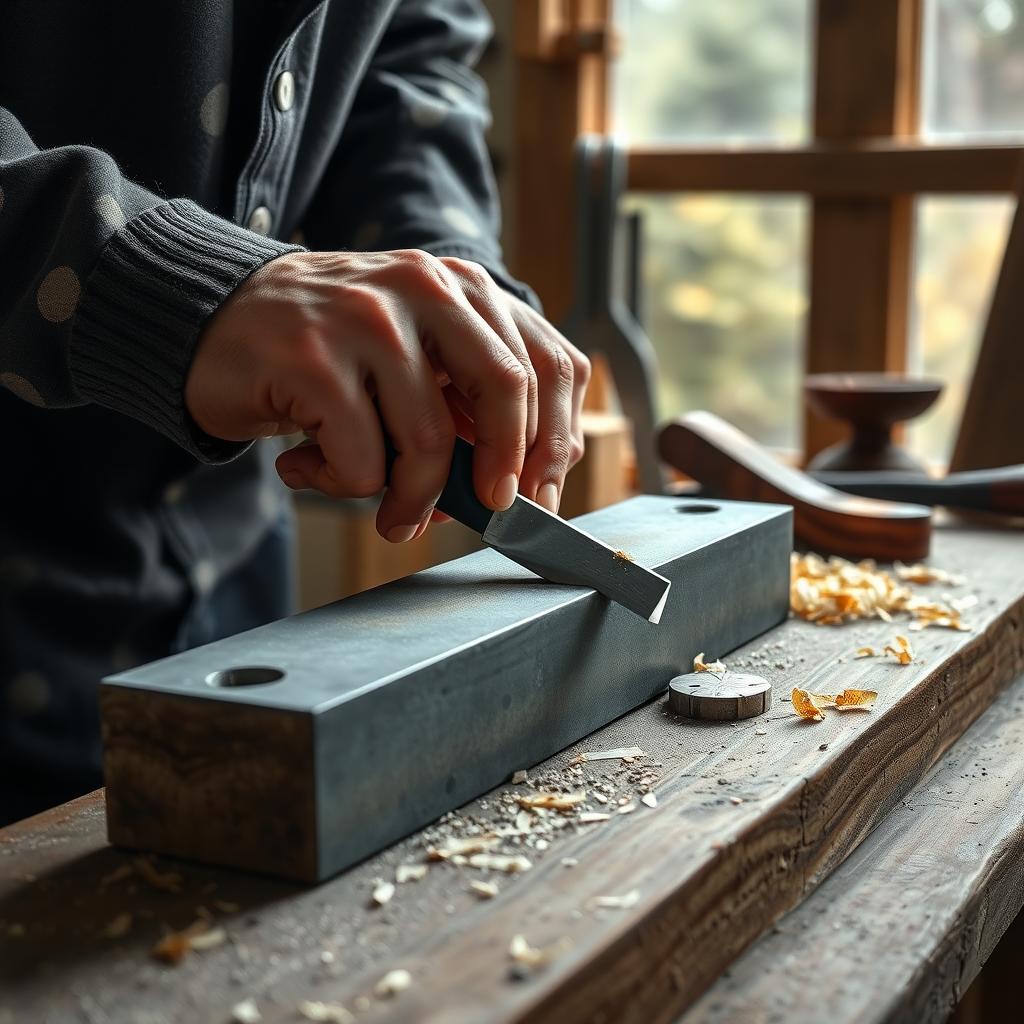
Dull tools are not only inefficient but also dangerous. A blunt chisel can slip, and a misaligned drill bit can ruin your workpiece. Sharpening and calibrating your workman tools should be part of your routine.
- Sharpening Blades: Use a whetstone or sharpening file for knives, chisels, and saws. Maintain a consistent angle—usually 20-30 degrees—for a keen edge. I sharpen my chisels every few weeks, and the difference in precision is night and day.
- Calibrating Power Tools: Check drill bits and saw blades for alignment. A simple bubble level can help ensure your tools are true.
For detailed sharpening techniques, check out resources like Popular Mechanics.
Proper Storage for Tool Sets
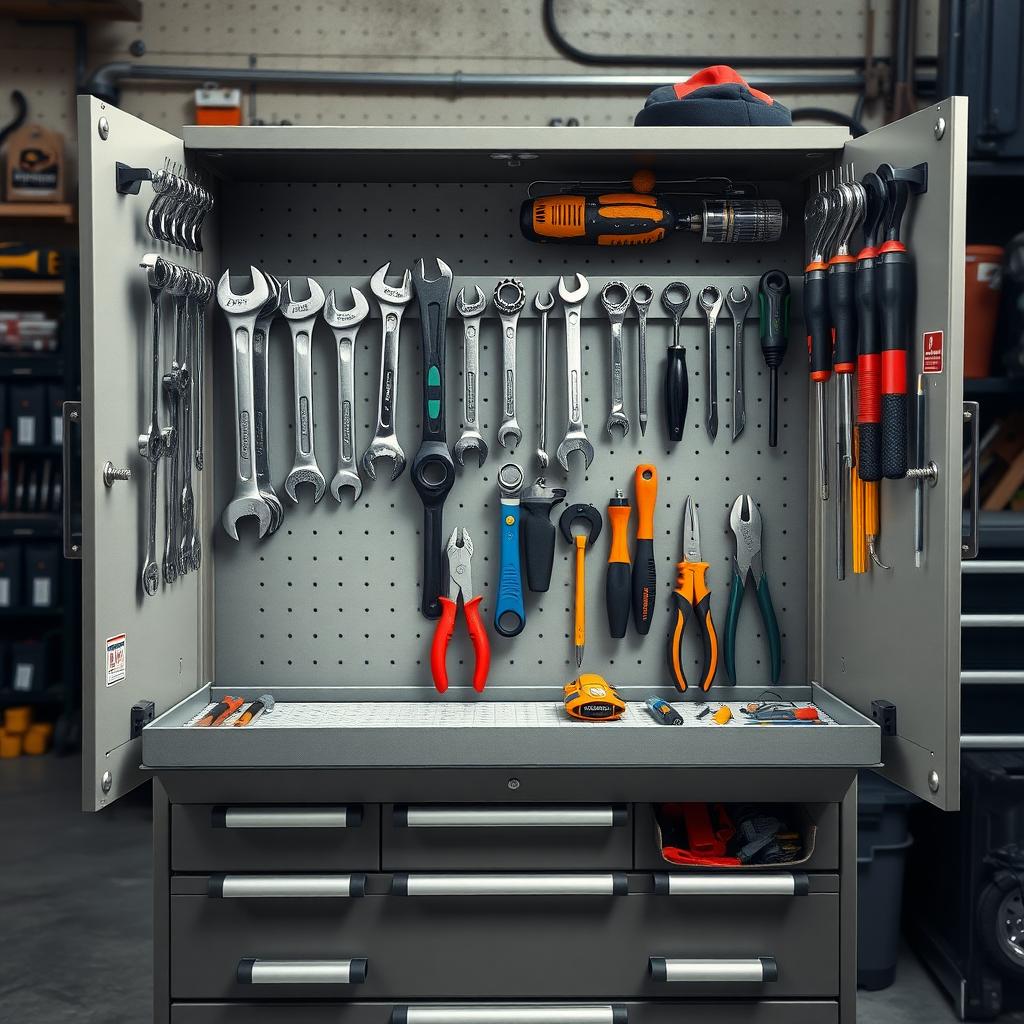
How you store your tools is just as important as how you clean them. Poor storage leads to damage, loss, or exposure to moisture. Here are some storage tips:
- Toolboxes and Cabinets: Invest in a sturdy toolbox or cabinet with compartments to keep tools organized and protected.
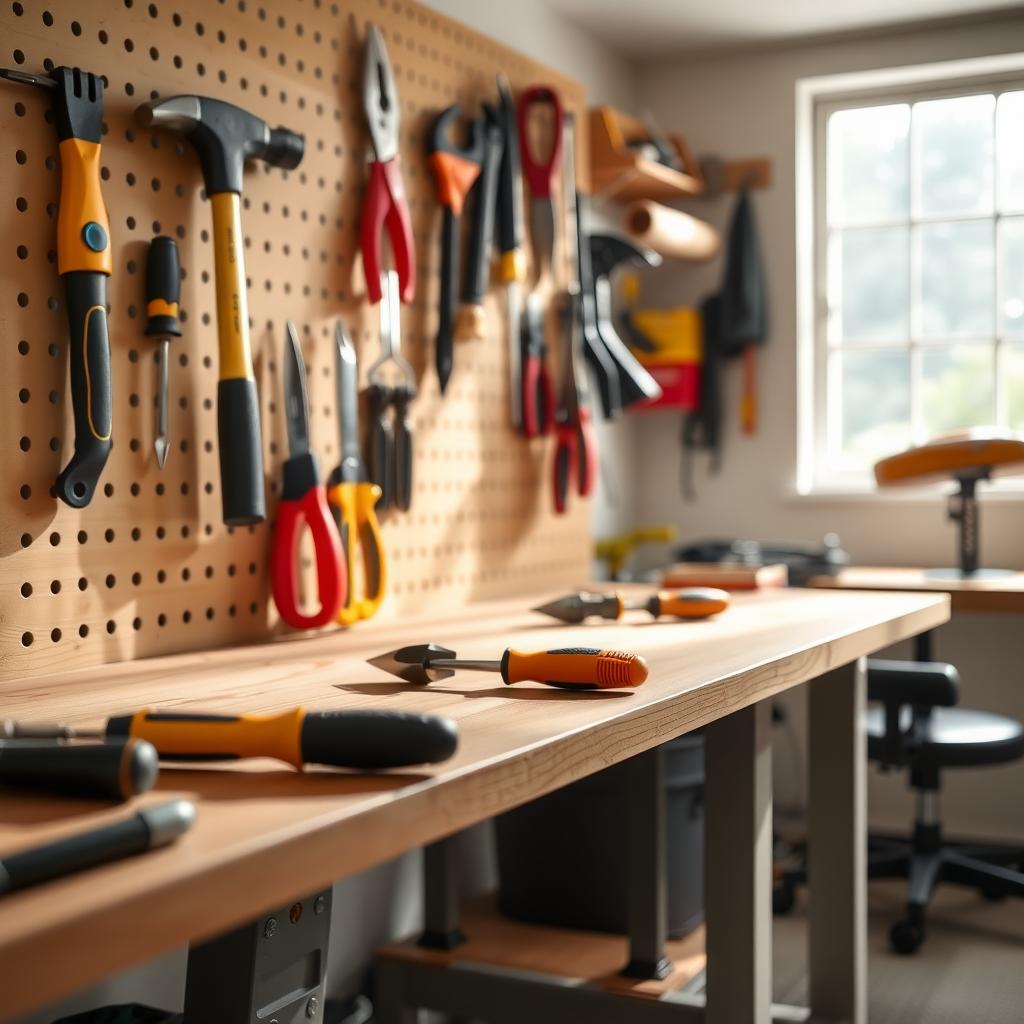
- Wall Racks: Pegboards or magnetic strips are great for keeping hand tools accessible and off damp surfaces.
- Silica Gel Packs: Place these in your toolbox to absorb moisture, especially in humid climates.
I learned this the hard way when I left my tools in a damp garage over winter. Half of them rusted, and I spent hours restoring them. Now, I use a dehumidifier in my workshop and store everything in a sealed toolbox.
Lubrication: Keeping Tools Smooth
Lubrication reduces friction and prevents rust. For workman tools like pliers or shears, a drop of machine oil on moving parts keeps them smooth. For power tools, check the manufacturer’s manual for specific lubrication points. Avoid over-oiling, as it can attract dust.
A trick I use is applying a thin layer of WD-40 to metal surfaces before long-term storage. It’s saved me from countless rusty headaches.
Repairing Damaged Tools
Sometimes, tools break or wear out. Before tossing them, consider repairs:
- Loose Handles: Tighten screws or replace wooden handles with epoxy for a secure fit.
- Worn Grips: Replace rubber grips on pliers or screwdrivers for better control.
- Power Tool Issues: For complex repairs, like motor problems, consult a professional or the manufacturer’s service center.
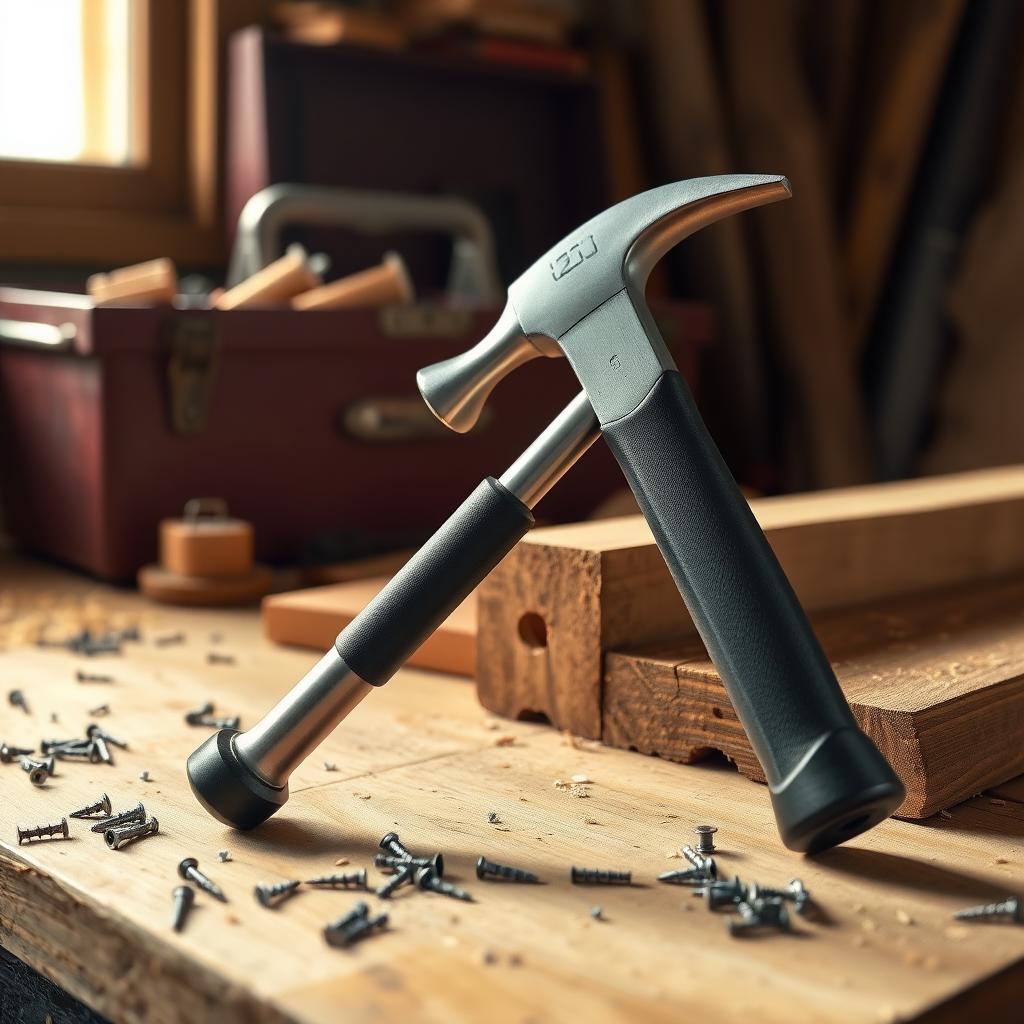
I once fixed a wobbly hammer handle by soaking it in linseed oil to swell the wood, then securing it with a metal wedge. It’s been rock-solid ever since.
Safety First: Maintenance for Safe Use
Neglected tools can cause accidents. A loose blade or a frayed cord on a power tool is a recipe for disaster. Always:
- Inspect cords and plugs for damage.
- Test safety features, like guards on saws.
- Replace worn-out parts immediately.
I always double-check my power tools before starting a project. Once, I caught a frayed cord on my drill just in time, avoiding a potential shock.
Creating a Maintenance Schedule
Consistency is key. Set up a maintenance schedule based on how often you use your tools:
- Daily: Wipe down tools after use.
- Weekly: Inspect for wear and lubricate moving parts.
- Monthly: Deep clean and sharpen blades.
- Yearly: Check storage conditions and replace silica gel packs.
This routine has kept my tool sets in top shape for years, saving me from costly replacements.
Summary: Invest in Your Tools
Tool maintenance and care tips are about more than upkeep—they’re about respecting your craft. By cleaning, sharpening, storing, and repairing your workman tools, you ensure they’re ready when you need them. A little effort now means better performance and fewer headaches later. Start small, stay consistent, and your tools will last a lifetime.
Related tool maintenance and care tips:
- Mastering Tool Care: Tips for Longevity
- Advanced Tool Maintenance Techniques for Longevity and Performance
- How to Choose the Right Power Washer for Your Needs
- Types of Hammers for Different Projects: Choosing the Right Tool
- Essential Safety Tips for Electrical Work: A Comprehensive Guide
- Ergonomic Tips for Woodworkers: Crafting Comfortably and Safely
- The Beginner's Guide to Essential Tools for Your First DIY Project
- Comprehensive Guide to Electrical Tools: Must-Haves for Every Workman
- Essential Workman Tools for Home Renovations: Your Ultimate Guide
- Ergonomics Beyond Tools: A Workshop Guide for Comfort and Efficiency
- The Ultimate Guide to Workman Tools for Automotive Repair
- Revolutionizing Home Painting: How AI-Powered Tools Boost Efficiency