Overview
Taking care of your tools is more than just wiping them down after use. Proper maintenance extends their life, saves money, and ensures safety. Whether you're a beginner or a seasoned pro, Mastering Tool Care: Tips for Longevity will guide you through simple and advanced techniques to keep your tools performing at their best.
Why Tool Care Matters
Tools are an investment. A good set of workman tools for beginners can cost hundreds of dollars, and replacing them due to neglect is a waste. I’ve learned this the hard way—my first screwdriver set rusted because I left it in a damp toolbox. Proper care prevents damage, improves performance, and keeps you safe. Dull blades or sticky wrenches can lead to accidents, and no one wants that.
Caring for tools also builds discipline. When you treat your equipment with respect, you’re more likely to approach your projects with care. Plus, well-maintained tools make work easier and more enjoyable. Let’s dive into the essentials of tool care, starting with the basics for beginners.
Essential Tools for Beginners: A Comprehensive Guide
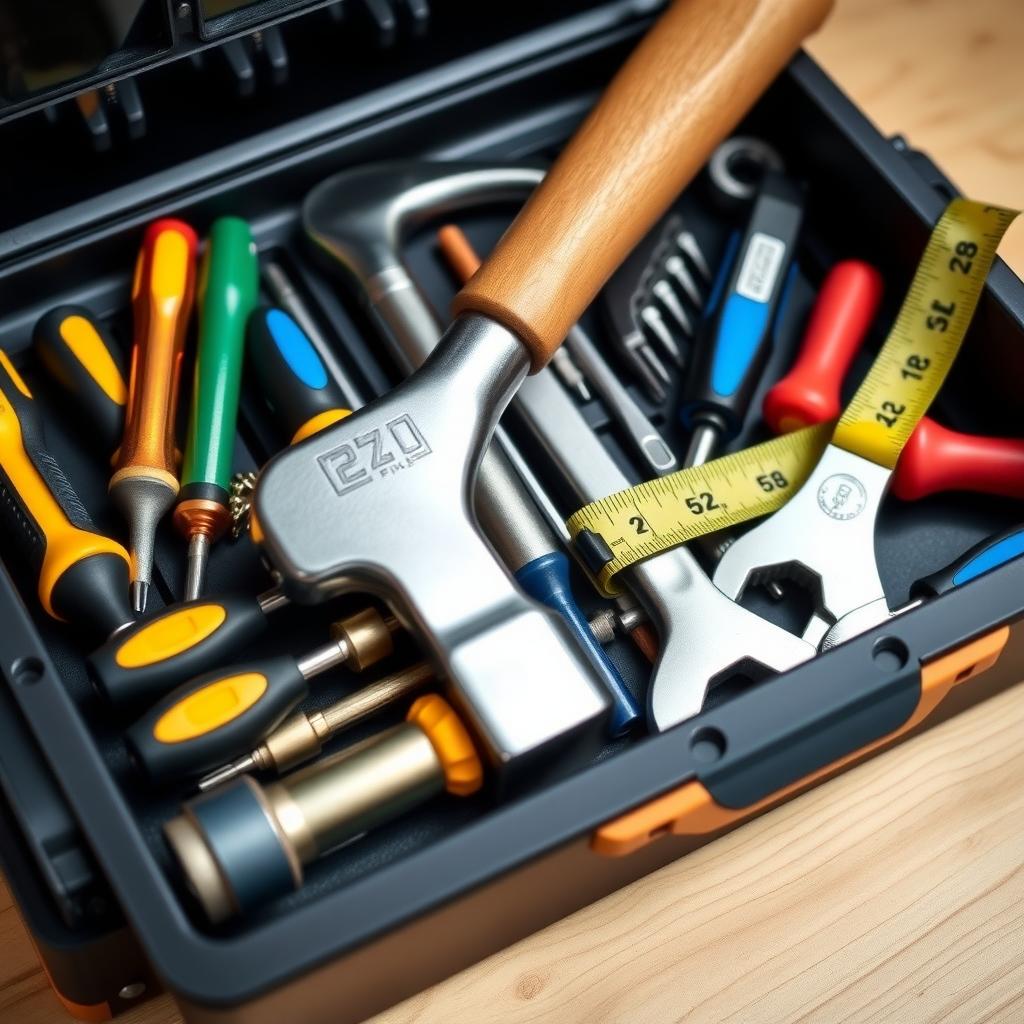
If you’re new to DIY or professional work, start with a solid foundation. Here’s a list of must-have tools for beginners:
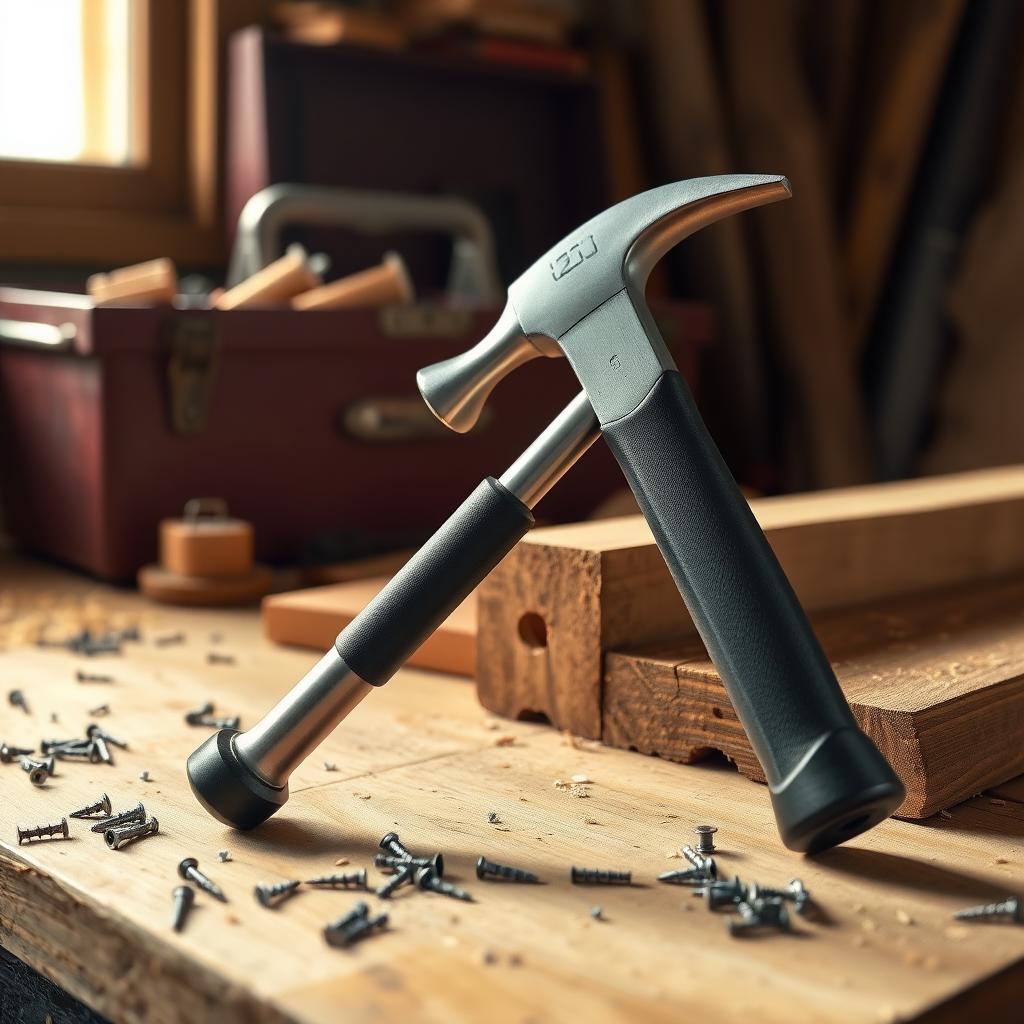
- Hammer: A 16-ounce claw hammer for driving and removing nails.
- Screwdriver Set: Phillips and flathead in multiple sizes.
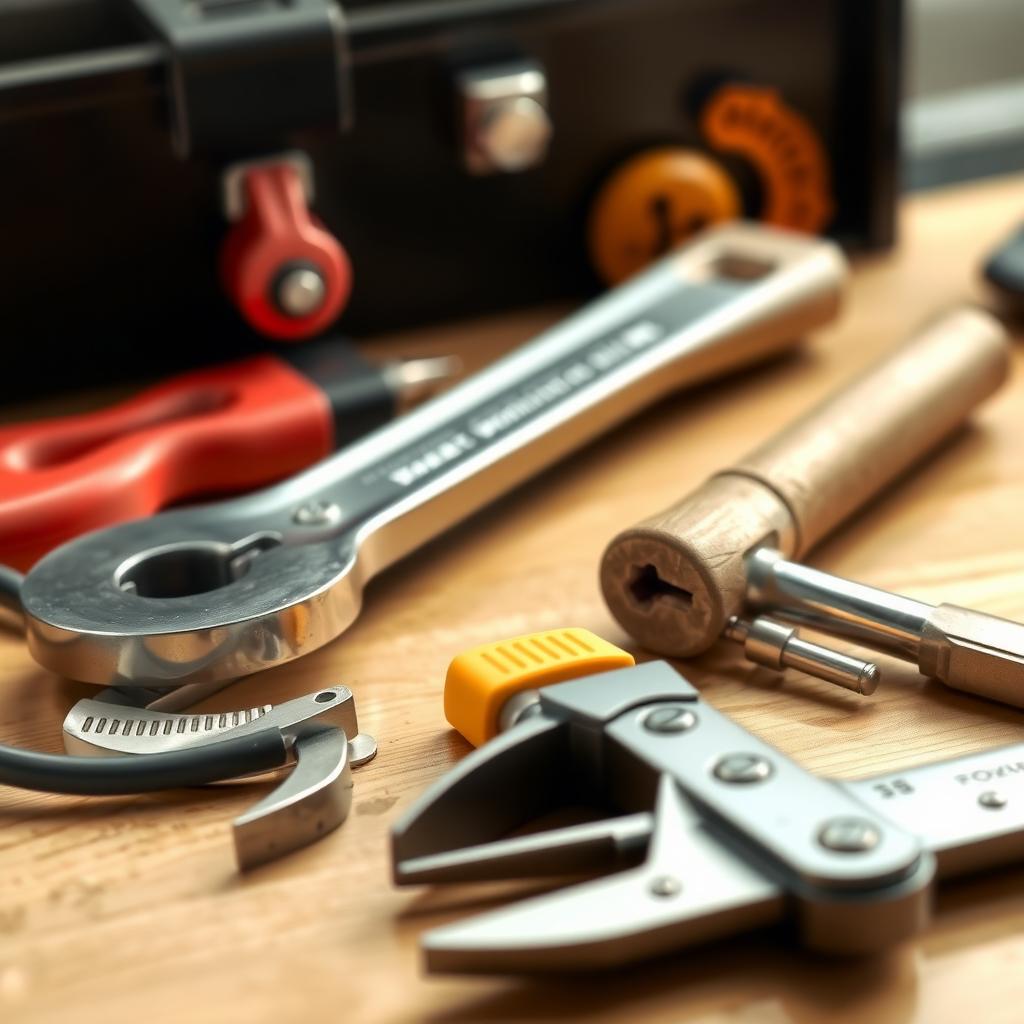
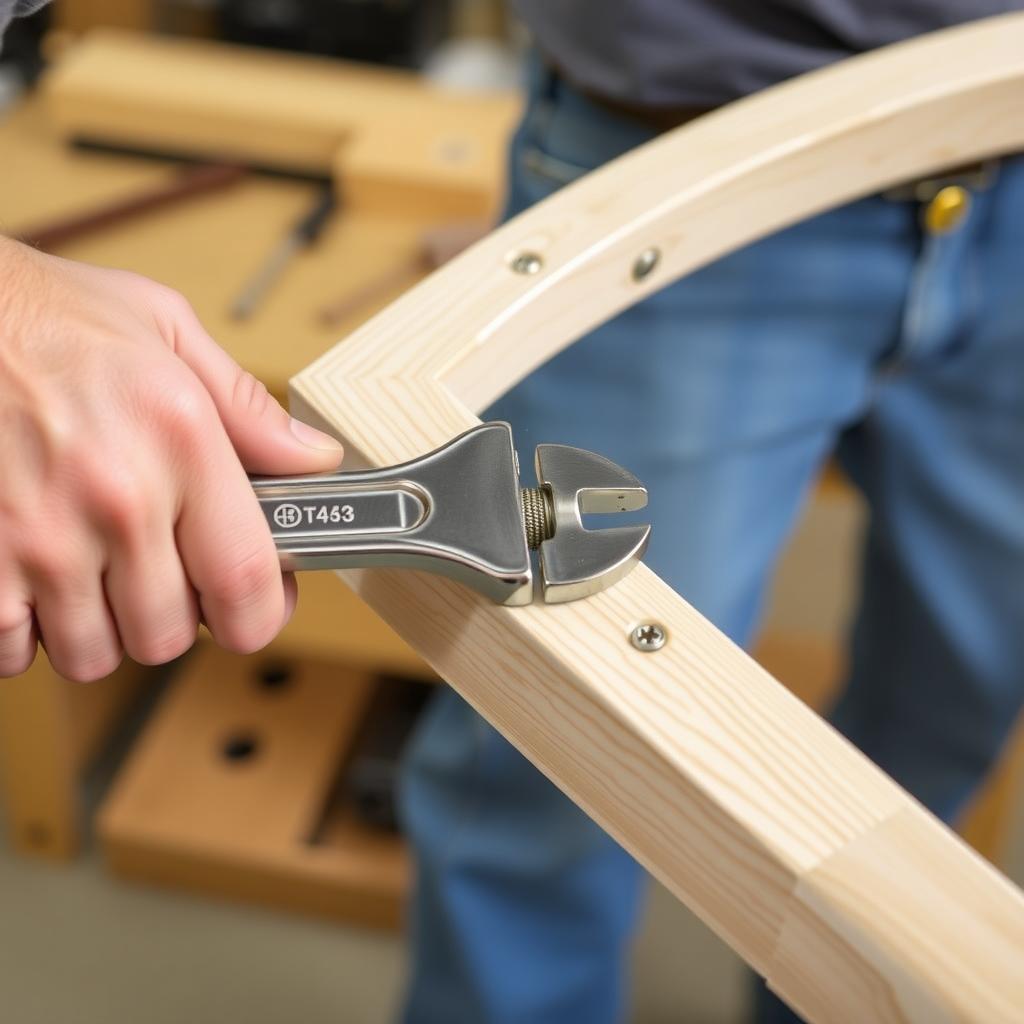
- Wrench Set: Adjustable and combination wrenches for versatility.
- Tape Measure: A 25-foot model for most projects.
- Utility Knife: For cutting drywall, rope, or packaging.
- Pliers: Needle-nose and slip-joint for gripping and twisting.
These workman tools for beginners are affordable and versatile. But owning them isn’t enough—you need to maintain them properly to ensure they last.
Basic Tool Care for Beginners
Start with simple habits to keep your tools in great shape. After every use, clean them. Dirt, grease, and sawdust can cause corrosion or jamming. Use a rag to wipe down metal surfaces and remove debris from moving parts. For stubborn grime, a mild soap solution works wonders—just dry thoroughly afterward.
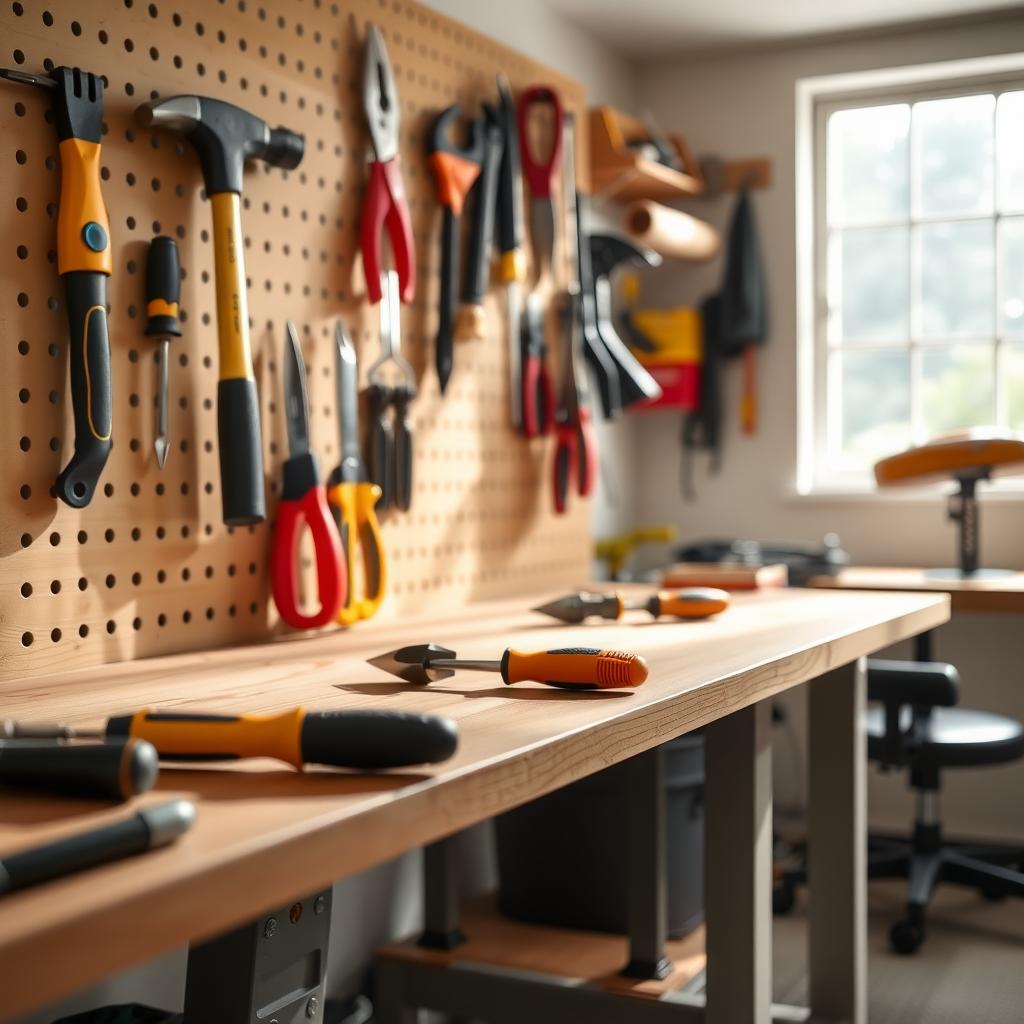
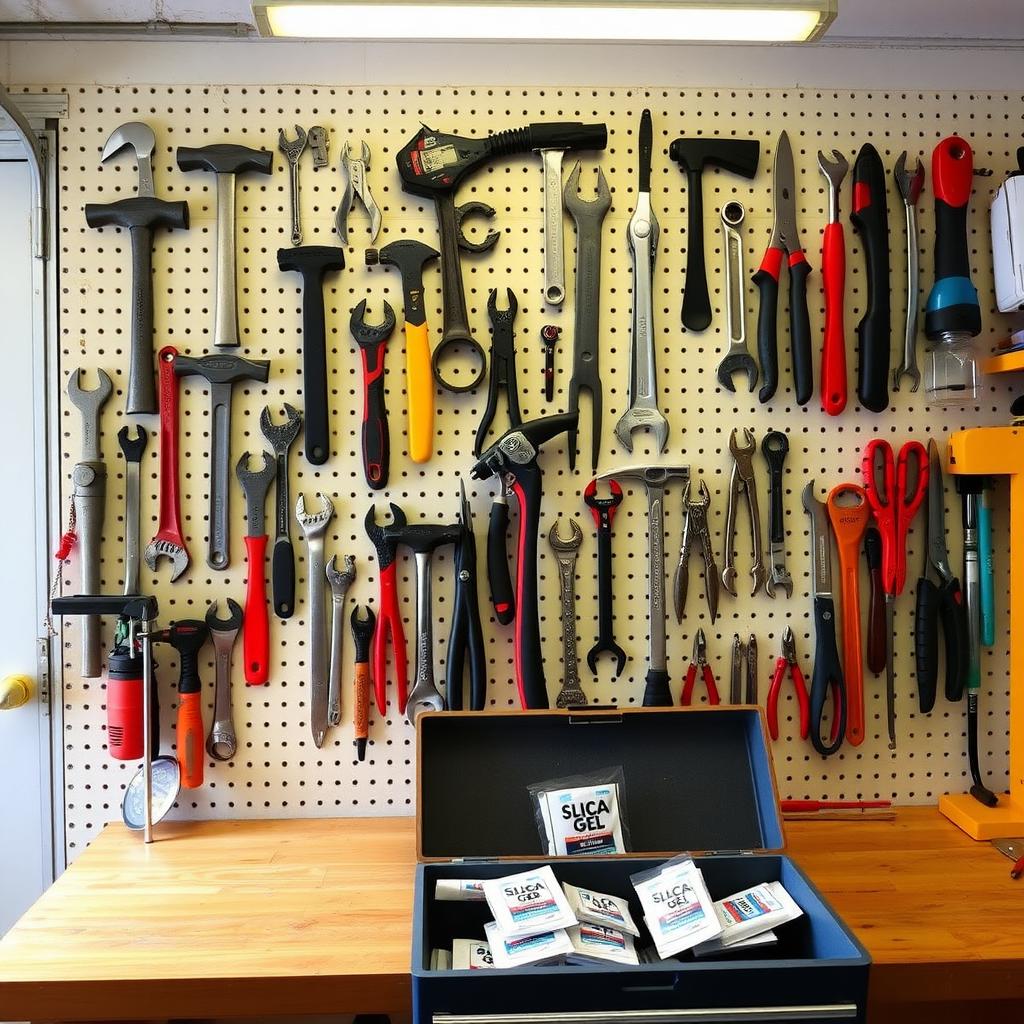
Store tools in a dry, organized place. A toolbox or pegboard keeps them safe from moisture and damage. I once left my pliers in the garage during a rainy week, and they were speckled with rust by the weekend. Now, I always store them in a toolbox with silica gel packets to absorb moisture.
Lubrication is another key step. For tools with moving parts, like wrenches or pliers, apply a light machine oil to hinges and joints. This prevents rust and keeps them smooth. Don’t overdo it—a little oil goes a long way. Finally, inspect your tools regularly. Check for cracks, loose handles, or dull blades, and address issues immediately.
Advanced Tool Maintenance Techniques
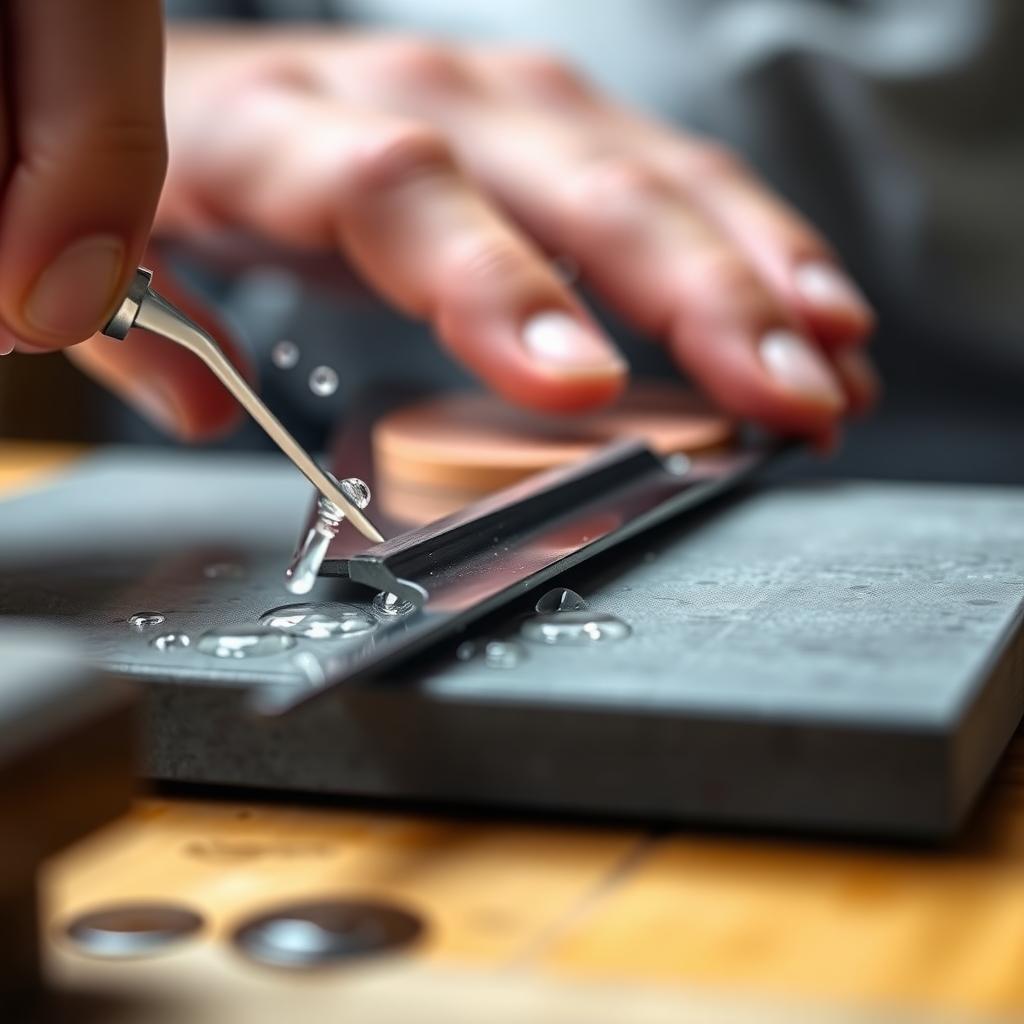
Once you’ve mastered the basics, it’s time to level up. Advanced Tool Maintenance Techniques can extend the life of your tools even further. For example, sharpening blades is a game-changer. Dull chisels or utility knives are not only frustrating but also dangerous. Use a whetstone or sharpening system, keeping the angle consistent—usually 20-30 degrees for most blades. I sharpen my chisels every few months, and they cut like butter.
For power tools, maintenance gets a bit more involved. Check cords for fraying and replace them immediately to avoid electrical hazards. Clean air vents to prevent overheating, and inspect brushes in tools like drills or grinders. Worn brushes can cause sparking or power loss. If you’re unsure how to replace them, check your tool’s manual or reputable sources like Family Handyman.
How to Maintain Your Tools for Longevity
To truly master tool care, think long-term. Rust prevention is critical, especially for metal tools. Apply a thin coat of paste wax or a rust inhibitor like WD-40 to metal surfaces. This creates a barrier against moisture. For wooden-handled tools, like hammers or axes, rub linseed oil into the wood to prevent cracking.
Temperature matters too. Extreme heat or cold can warp tools or weaken their components. Store them in a climate-controlled space if possible. I learned this after leaving a drill in my car during a hot summer—its plastic housing warped slightly, affecting its balance.
For tools with batteries, like cordless drills, follow specific care rules. Don’t let batteries fully discharge before recharging, as this can reduce their lifespan. Store them at room temperature, and avoid overcharging. If you notice a battery losing its charge quickly, it might be time for a replacement.
Common Mistakes to Avoid
Even with good intentions, it’s easy to make mistakes. Here are some pitfalls to watch out for:
| Mistake | Why It’s Bad | Solution |
|---|---|---|
| Storing tools wet | Causes rust and corrosion | Dry thoroughly before storage |
| Using tools for wrong tasks | Damages blades or mechanisms | Use tools only for intended purposes |
| Ignoring small damages | Small cracks can worsen | Inspect and repair immediately |
| Over-lubricating | Attracts dirt and grime | Use oil sparingly |
Avoiding these mistakes will save you time, money, and frustration.
Building a Tool Care Routine
Consistency is the secret to How to Maintain Your Tools for Longevity. Set a schedule—once a month, inspect and clean your tools. Sharpen blades every few months or as needed. For power tools, check cords and brushes quarterly. A routine doesn’t have to be complicated; even 15 minutes a month can make a huge difference.
I keep a checklist in my toolbox to track maintenance. It reminds me to oil my wrenches, sharpen my chisels, and check my drill’s battery. This small habit has saved me from replacing tools prematurely.
Final Thoughts
Mastering Tool Care: Tips for Longevity is about building habits that protect your investment and enhance your work. From cleaning and storing to sharpening and lubricating, these steps ensure your tools stay reliable for years. Whether you’re starting with Essential Tools for Beginners: A Comprehensive Guide or diving into Advanced Tool Maintenance Techniques, the effort you put in pays off. Treat your tools well, and they’ll return the favor.
Related Mastering Tool Care: Tips for Longevity:
- Advanced Tool Maintenance Techniques for Professionals: Mastering Tool Care for Longevity
- Top 10 Power Tools Every DIYer Needs
- Advanced Tool Maintenance Techniques for Longevity and Performance
- How to Choose the Right Power Washer for Your Needs
- Types of Hammers for Different Projects: Choosing the Right Tool
- Essential Safety Tips for Electrical Work: A Comprehensive Guide
- Ergonomic Tips for Woodworkers: Crafting Comfortably and Safely
- The Beginner's Guide to Essential Tools for Your First DIY Project
- Comprehensive Guide to Electrical Tools: Must-Haves for Every Workman
- Essential Workman Tools for Home Renovations: Your Ultimate Guide
- Ergonomics Beyond Tools: A Workshop Guide for Comfort and Efficiency
- The Ultimate Guide to Workman Tools for Automotive Repair