Overview
Power tools make projects faster and easier, but they can cause serious injuries if not used carefully. Follow these top safety tips for using power tools to protect yourself and get great results every time. This guide shares practical advice from real experiences.
Power tools have changed how we build and fix things at home or on the job. From drills to saws, they save time and effort. But with that power comes risk. I've seen friends get hurt from simple oversights, like skipping safety gear. That's why knowing the top safety tips for using power tools is key.
In my years of woodworking and home repairs, I've learned that safety isn't just a checklist—it's a habit. Start by understanding your tools. Read the manual for each one. It sounds basic, but many people skip it. The manual tells you about specific features and warnings.
Always work in a well-lit, clean space. Clutter leads to trips and accidents. Secure your workpiece with clamps or a vise. This keeps your hands free and away from moving parts.
One personal story: I once rushed a cut without clamping the wood. The piece shifted, and I nearly injured my hand. Lesson learned—take the extra minute to set up properly.

Essential Safety Gear
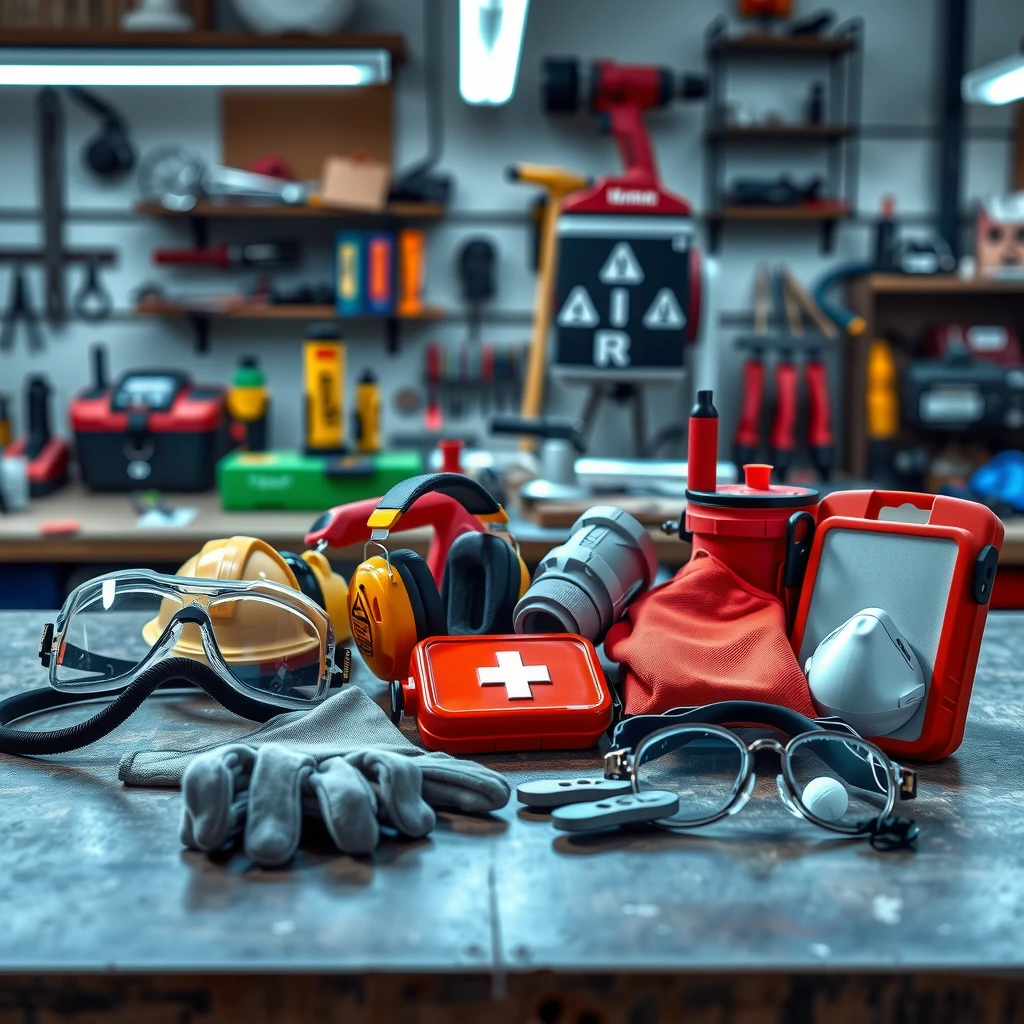
Never start without the right protection. Safety glasses shield your eyes from flying debris. I always wear them, even for quick jobs. Gloves protect your hands, but choose ones that fit well—bulky gloves can catch in tools.
Ear protection is crucial for loud tools like saws. Prolonged noise can damage hearing. A dust mask or respirator keeps lungs clear from sawdust and fumes.
According to OSHA, proper PPE reduces injury risk significantly [https://www.osha.gov/hand-power-tools]. Invest in quality gear; it's worth it.
Boots with steel toes guard against dropped tools. Long sleeves and pants prevent cuts, but avoid loose clothing that could snag.
List of must-have safety items: - Safety glasses or goggles - Work gloves - Ear plugs or muffs - Dust mask - Steel-toed boots
Make these a part of your routine.
Inspect Tools Before Use
Check your power tools every time. Look for damaged cords, loose parts, or dull blades. A frayed cord can cause shocks or fires. Replace it immediately.
Test the tool in a safe spot. Does it run smoothly? Any unusual noises mean stop and fix it. OSHA recommends daily inspections for workplace tools, and the same applies at home [https://www.osha.gov/sites/default/files/publications/osha3080.pdf].
For cordless tools, ensure batteries are charged and not leaking. I've had a battery overheat once—scary stuff. Always use the right charger.
General Tips for Safe Operation
Use the right tool for the job. Don't force a drill to cut like a saw. This strains the tool and increases danger.
Keep a firm grip with both hands when possible. Stand balanced, with feet apart. Never reach over a running tool.
Unplug tools when changing bits or blades. This prevents accidental starts. I've heard stories of tools turning on unexpectedly—always disconnect power first.
Avoid distractions. No phones or chats while operating. Focus fully on the task.
For electric tools, use grounded outlets or GFCIs in wet areas. Water and electricity don't mix.
Handling Cutting Tools Safely
Cutting tools like circular saws and jigsaws demand extra care. Always use sharp blades—dull ones bind and kick back.
Mark your cut line clearly. Guide the tool steadily without forcing it. Let the blade do the work.
Secure the material firmly. Use push sticks for table saws to keep hands safe. In my experience, kickback happens fast; proper setup prevents it.
OSHA notes that blade guards must stay in place [https://ohsonline.com/articles/2010/03/19/power-tool-safety-tips-from-osha.aspx]. Never remove them.
Table of common cutting tools and tips:
| Tool | Safety Tip |
|---|---|
| Circular Saw | Use both hands, keep blade guard down |
| Jigsaw | Clamp workpiece, wear eye protection |
| Table Saw | Use push stick, adjust blade height properly |
| Angle Grinder | Hold firmly, use correct disc |
Follow these to avoid cuts and amputations.

Must-Have Workman Tools for Every Toolbox
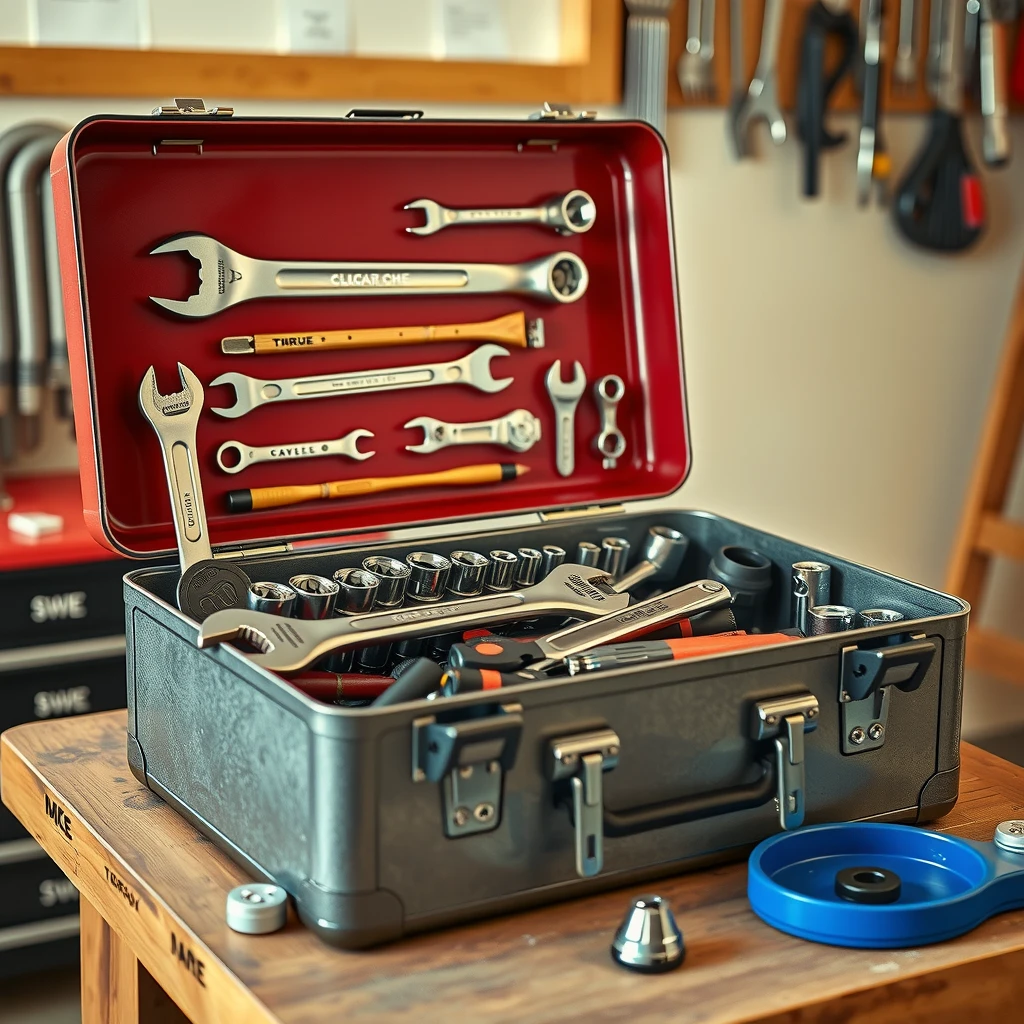
A good toolbox starts with reliable workman tools. These basics handle most tasks safely.
Hammer: For driving nails. Choose a claw hammer for versatility.
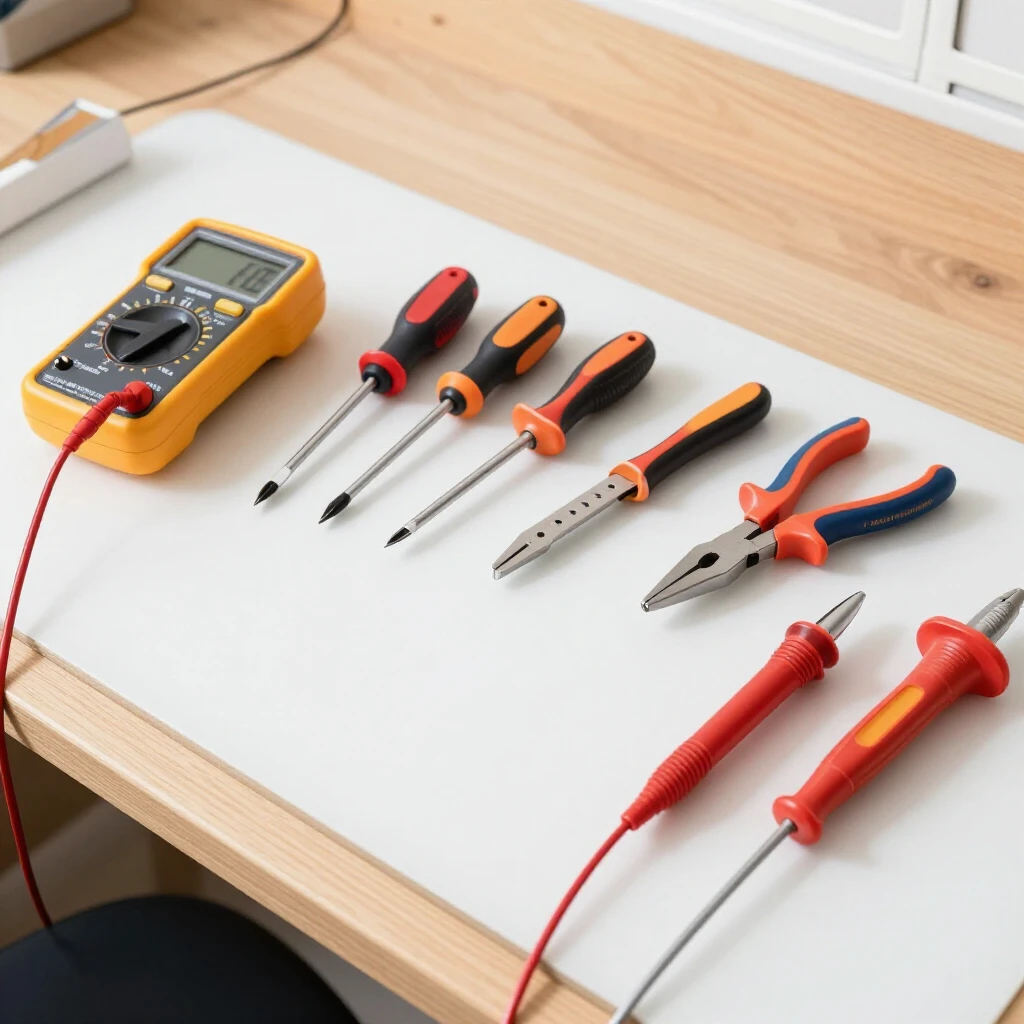
Screwdrivers: A set with flat and Phillips heads. Magnetic tips help.
Pliers: Needle-nose for tight spots, slip-joint for gripping.
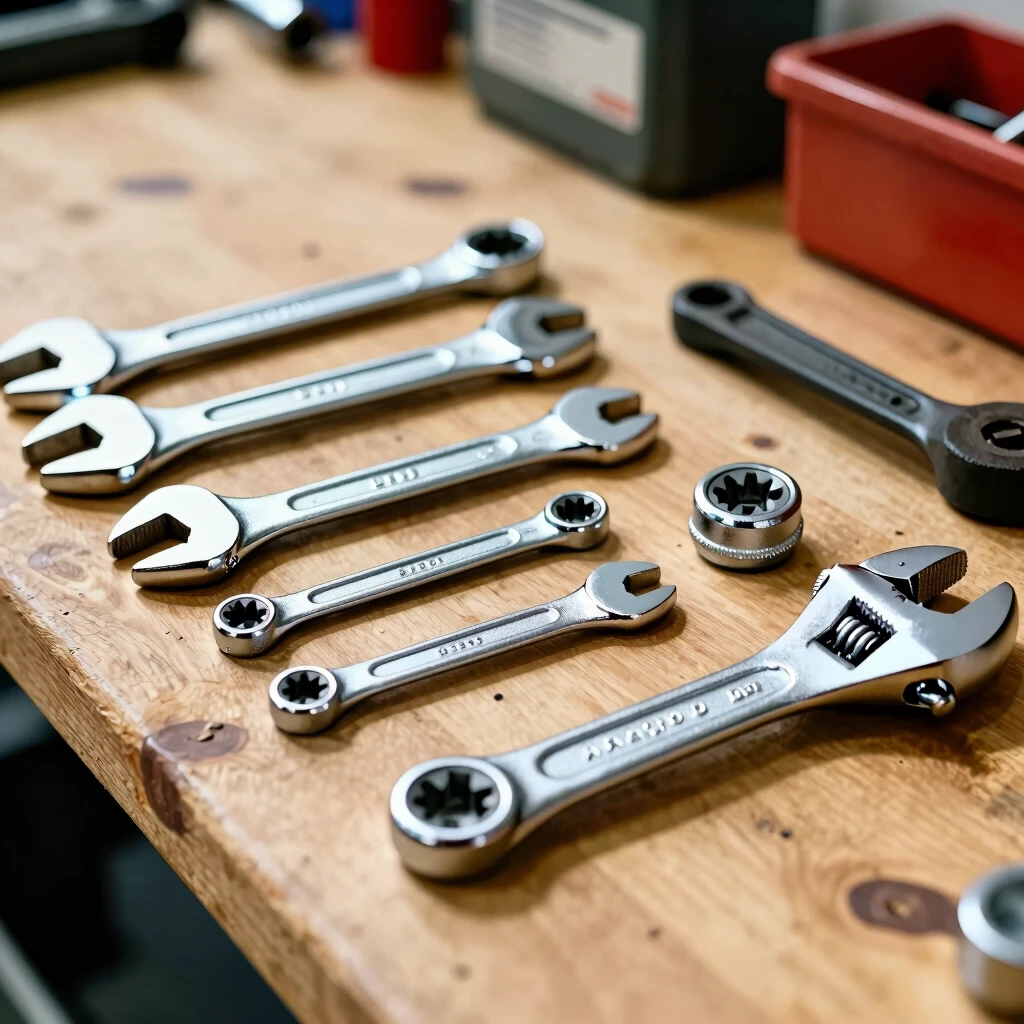
Adjustable wrench: Fits various nuts and bolts.
Tape measure: At least 25 feet long.
Utility knife: For cutting materials precisely.
Power drill: Versatile for drilling and driving screws.
These must-have workman tools for every toolbox make projects smoother. Add safety gear too.
From my perspective, starting with quality tools saves money long-term. Cheap ones break and cause accidents. Brands like Craftsman offer durable options.
Avoiding Common Mistakes
Many injuries stem from simple errors. Don't carry tools by the cord—it damages insulation.
Never yank plugs; pull from the base. Keep cords away from heat or sharp edges.
A big mistake: Using damaged tools. If a guard is broken, fix it first.
Freehand cutting on table saws invites disaster. Always use guides.
Resting tools on your body while adjusting—bad idea. Set them down securely.
HSI lists 30 tips, including regular inspections [https://hsi.com/blog/30-tips-for-hand-and-power-tool-safety]. Learn from others' mistakes.
Another error: Ignoring fatigue. If tired, stop. Mistakes happen when you're not sharp.
Don't modify tools. Stock configurations are safest.

Tool Maintenance and Storage
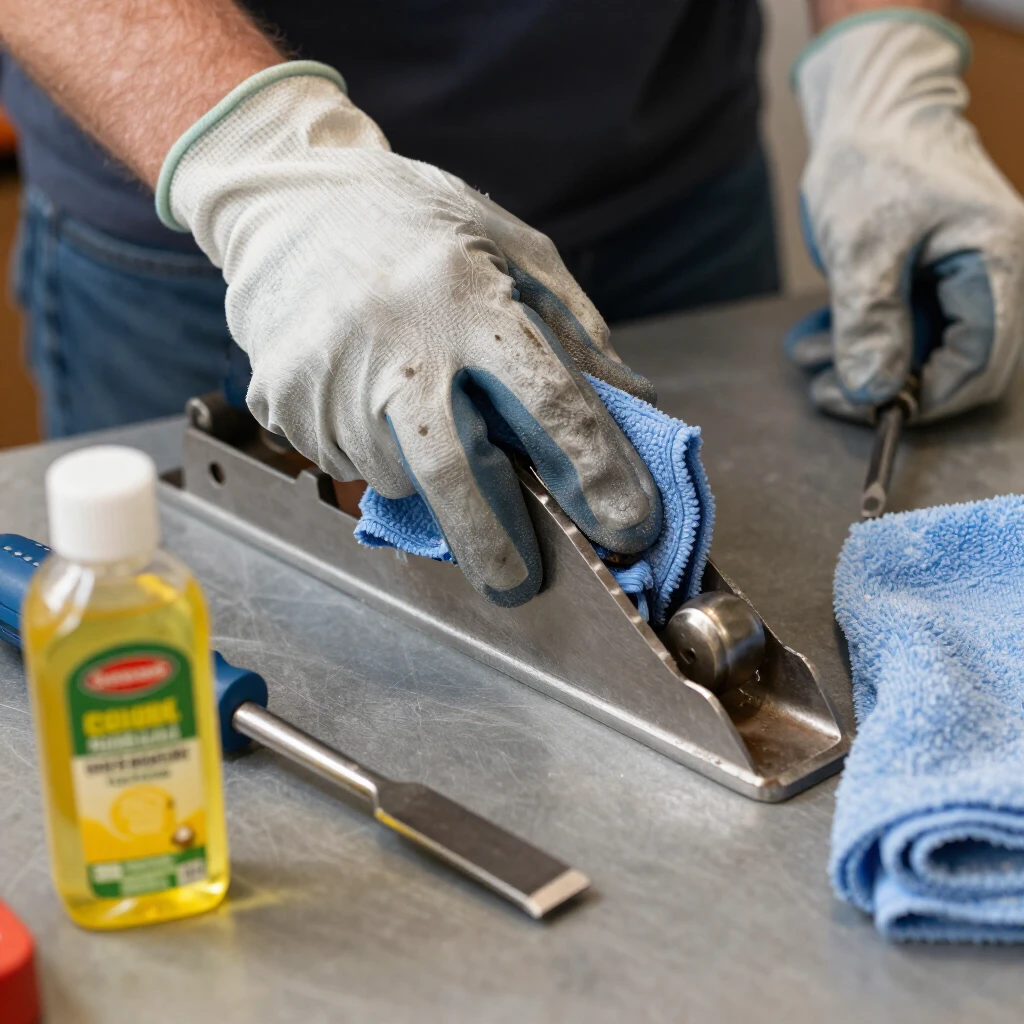
Keep tools clean and sharp. Wipe down after use. Store in a dry place to prevent rust.
Sharpen blades regularly. Dull tools require more force, leading to slips.
For power tools, follow manufacturer schedules for lubrication and part replacements.
Proper storage: Hang tools or use organizers. This keeps them accessible and safe.
In my workshop, I dedicate time weekly to maintenance. It extends tool life and ensures safety.
Summary
Mastering top safety tips for using power tools means respecting their power and preparing well. Wear gear, inspect tools, use them correctly, and avoid shortcuts. Stock your toolbox with must-have workman tools and stay vigilant. Safe practices lead to better projects and fewer injuries.
Related Top Safety Tips for Using Power Tools:
- Home Repair Basics: Choosing the Right Tools
- How Automation is Changing the Manufacturing Industry
- How to Maintain Your Workman Tools for Longevity
- Easy Ways to Keep Your Toolbox Organized: Practical Tips for Every DIY Enthusiast
- 10 Essential Tools for Jewelry Making
- Best Wrenches for Every Job: The Ultimate Guide
- How to Choose the Right Electrical Tools for Your Projects
- How to Sharpen Your Hand Tools Like a Pro
- Must-Have Wrenches for Every Toolbox: The Essential Guide for 2026
- How to Maintain Your Tools for Longevity: Practical Tips for Lasting Performance
- Workshop Maintenance Guide: Essential Tips for Safety and Efficiency
- Tool Calibration: Ensuring Precision in Your Work