Quick Overview
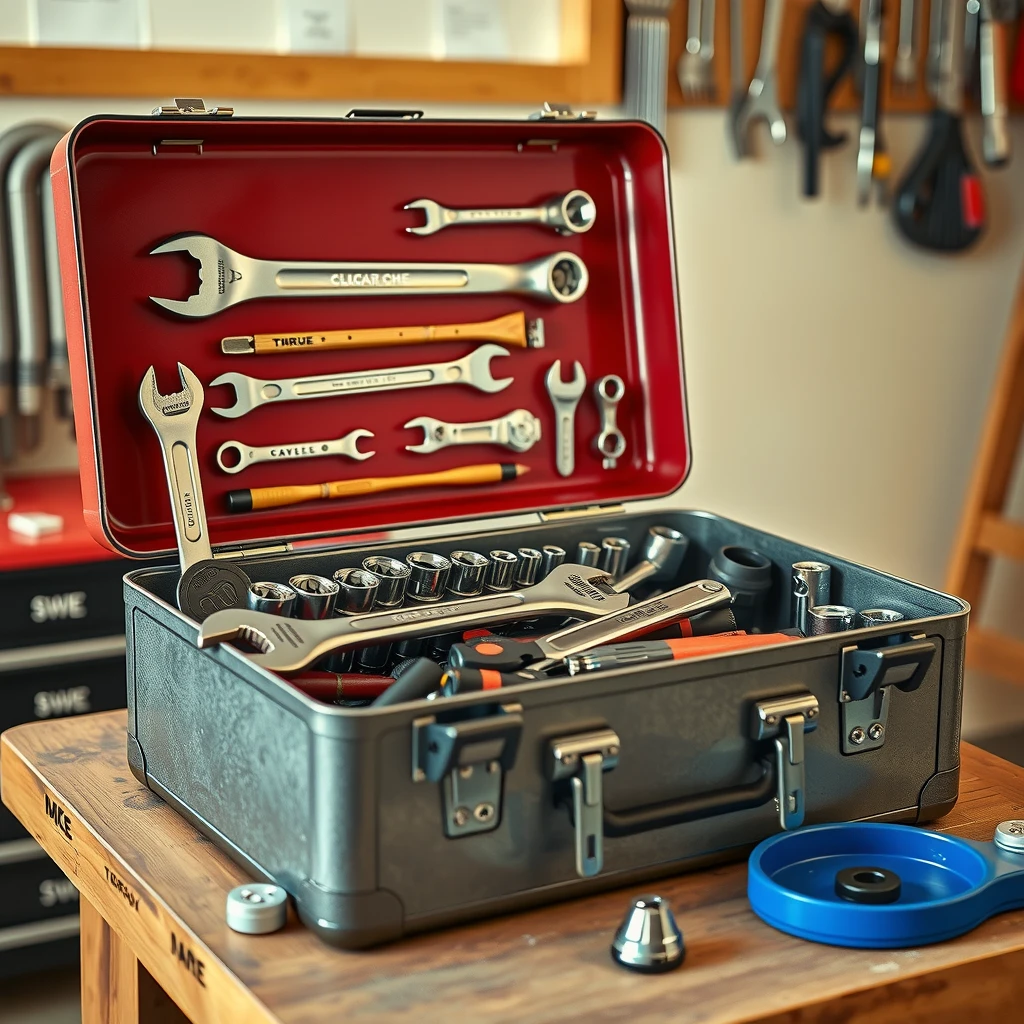
Every solid toolbox starts with a reliable set of wrenches. These must-have wrenches for every toolbox let you tighten, loosen, and fix almost anything around the house, garage, or job site. In this guide, we cover the essential types, why you need them, and tips from years of real-world use.
Why Wrenches Are Core Workman Tools
Wrenches are the backbone of any toolkit. They give you the leverage to turn nuts and bolts that fingers or pliers simply can't handle. Whether you're assembling furniture, repairing a bike, fixing plumbing, or working on a car, good wrenches save time and prevent stripped fasteners.
In my experience, having the right wrench turns a frustrating job into a quick fix. I've rounded off more bolts with the wrong tool than I care to admit—until I built a proper wrench collection.
1. Adjustable Wrench (Crescent Wrench)
The adjustable wrench is the ultimate all-purpose tool. One wrench replaces dozens of fixed-size options.
Best uses: - Quick jobs where you don't know the exact size - Plumbing fittings - Bicycle repairs - Furniture assembly
Look for an 8-inch or 10-inch model for home use. A smooth jaw adjustment and comfortable handle make a big difference. Drop-forged chrome vanadium models last longest.
Personal tip: I keep a 10-inch adjustable wrench in my kitchen drawer. It has saved countless trips to the garage when tightening loose chair legs or cabinet hardware.
2. Combination Wrench Set
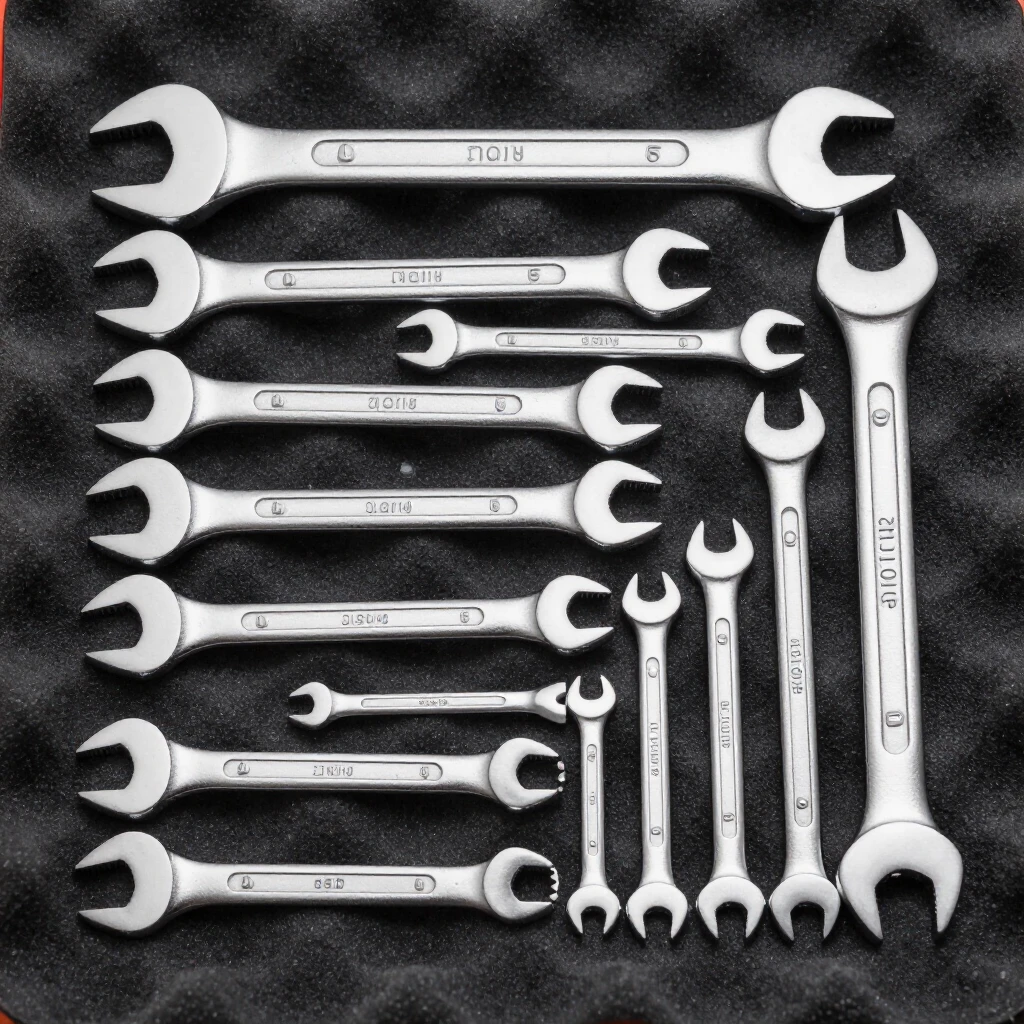
Combination wrenches have an open end on one side and a boxed (ring) end on the other. This design gives you options for every situation.
You need both SAE (imperial) and metric sets because modern equipment mixes both standards.
Recommended sizes for a starter set: - Metric: 8, 10, 12, 13, 14, 15, 17, 19 mm - SAE: 1/4, 5/16, 3/8, 7/16, 1/2, 9/16, 5/8, 3/4 inch
The boxed end grips all six sides of a fastener, greatly reducing the chance of rounding. Use the open end for quick positioning and the boxed end for final tightening.
3. Ratcheting Combination Wrenches
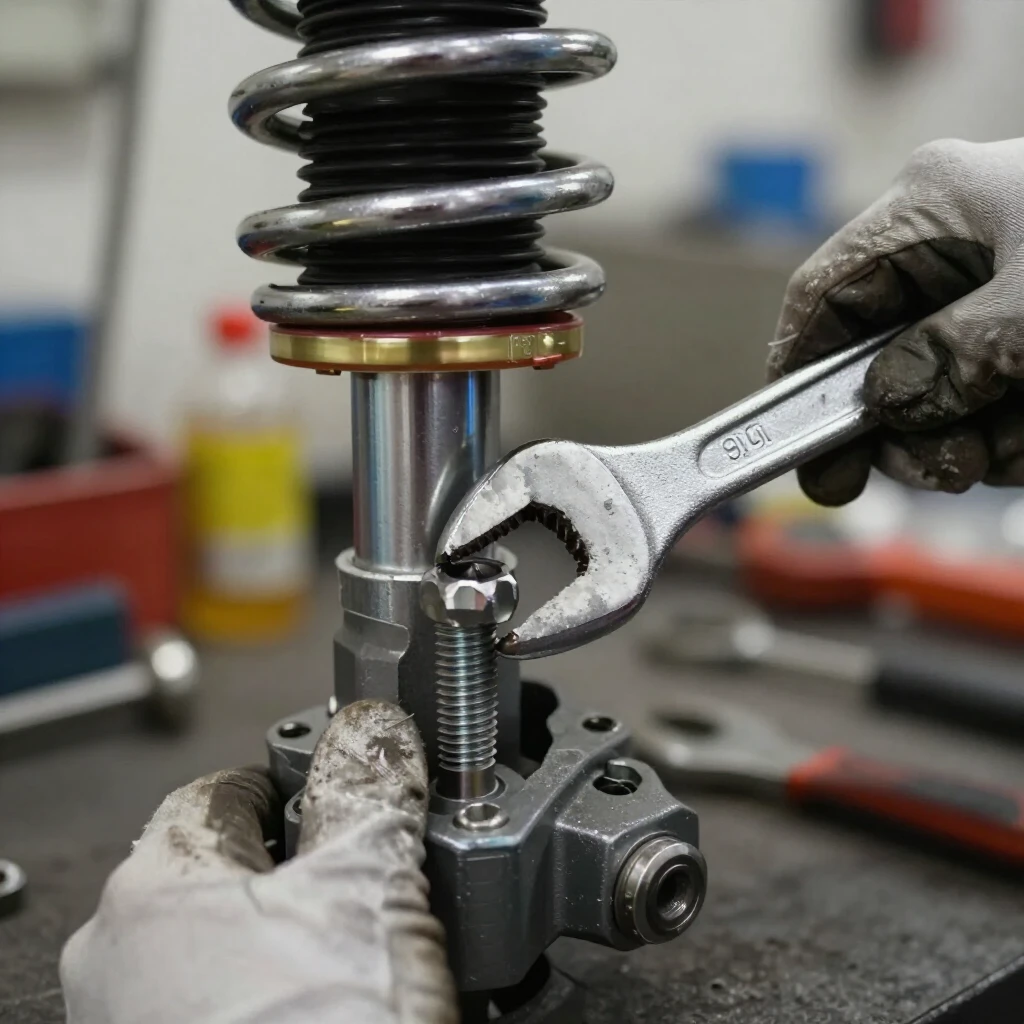
Ratcheting wrenches are game-changers. The built-in ratchet mechanism lets you turn fasteners without removing the wrench from the bolt.
They shine in tight spaces where swinging a regular wrench is impossible. Once you use ratcheting wrenches, it's hard to go back to standard ones.
A set of 8–19 mm covers most automotive and machinery work. Look for reversible ratchets and a low back-drag design for smoother operation.
4. Socket Wrench Set (Ratchet and Sockets)
No toolbox is complete without a good 3/8-inch drive ratchet and socket set. Sockets provide the best grip and torque for heavy fasteners.
Essential components: - 72-tooth ratchet handle - Deep and shallow sockets in metric and SAE - Extensions (3-inch and 6-inch) - Universal joint
A 3/8-inch drive balances torque and access perfectly for most home and auto work. Add a 1/4-inch drive set for smaller fasteners and a 1/2-inch for lug nuts and heavy jobs.
5. Allen Wrench (Hex Key) Set
Allen wrenches are essential for anything with hex socket screws—furniture, bicycles, machinery, and electronics.
Buy a folding set for portability and a long-arm ball-end set for angled access. Metric and SAE versions are both useful.
Pro tip: The ball end lets you turn screws at up to 25 degrees off-angle, which is incredibly helpful when space is tight.
6. Torque Wrench
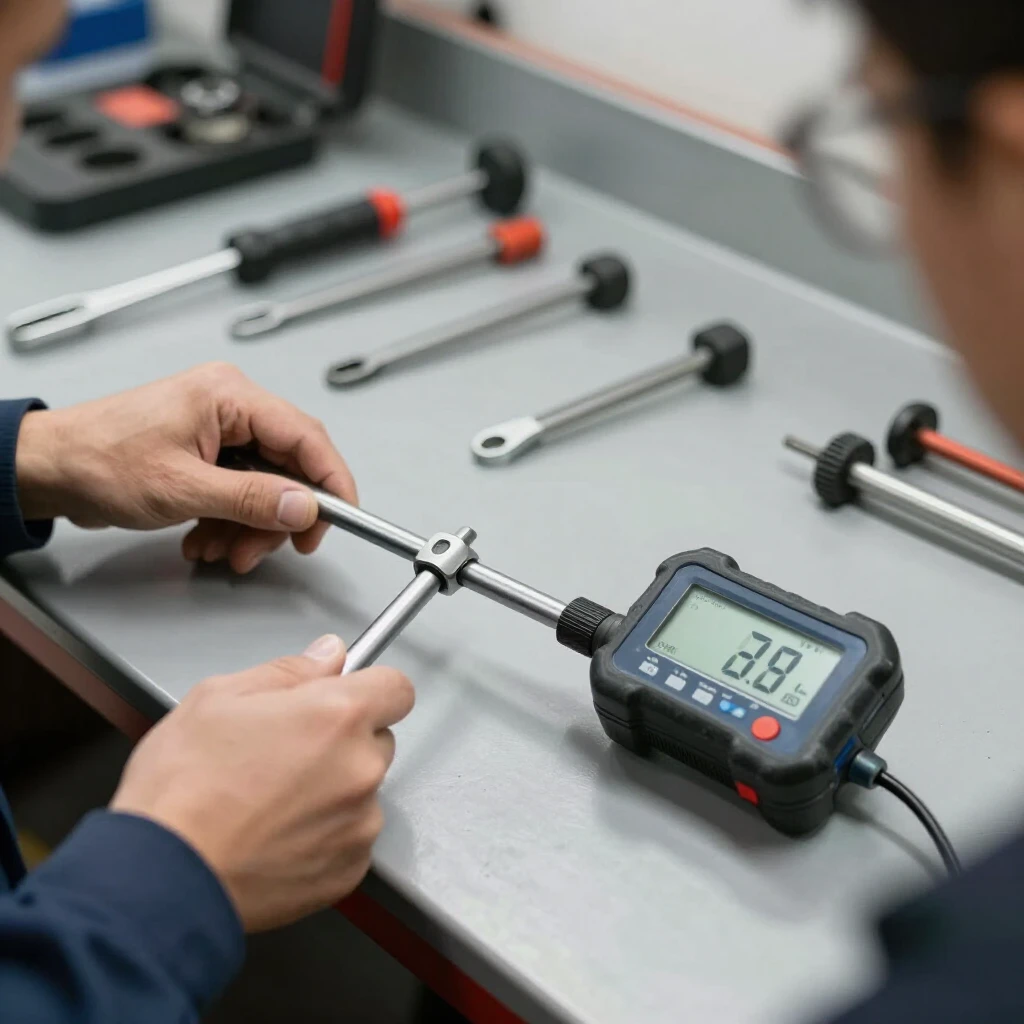
A torque wrench is the only way to tighten fasteners to exact manufacturer specifications. Overtightening can strip threads or break bolts; undertightening causes parts to loosen.
A 3/8-inch drive click-type torque wrench covering 20–100 ft-lbs handles most automotive and bicycle work. Look for one with a certificate of calibration.
I've seen wheels fall off because lug nuts weren't torqued properly. A good torque wrench prevents expensive and dangerous mistakes.
Quick Comparison Table
| Wrench Type | Best For | Versatility | Price Range |
|---|---|---|---|
| Adjustable | Unknown sizes, quick jobs | Highest | $15–40 |
| Combination set | General automotive & household | Very high | $50–150 |
| Ratcheting combination | Tight spaces, fast work | High | $80–200 |
| Socket set | High torque, stubborn fasteners | High | $60–200 |
| Allen/hex key set | Hex socket screws | Specialized | $10–30 |
| Torque wrench | Precise tightening | Specialized | $60–200 |
Maintenance Tips That Make Wrenches Last Decades
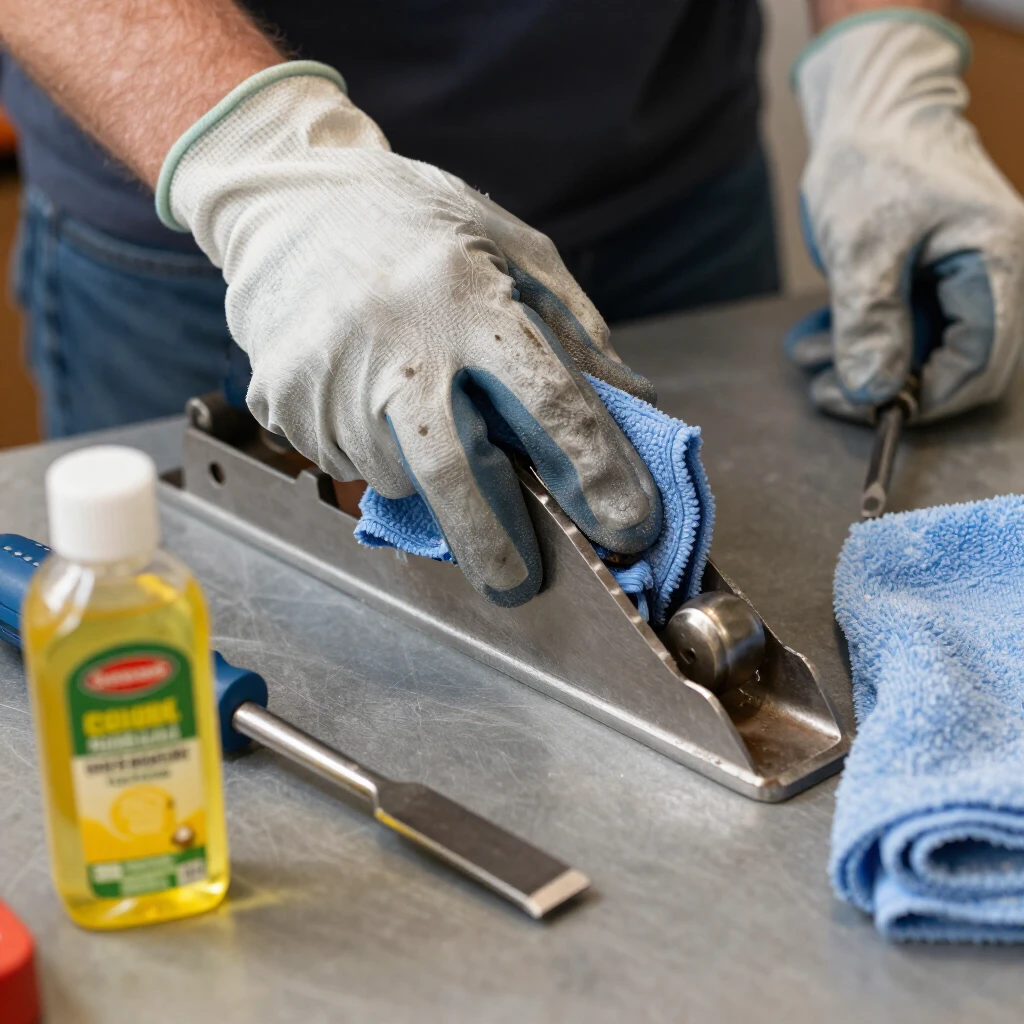
- Clean after every use—wipe off dirt and grease
- Lightly oil chrome surfaces to prevent rust
- Store in a dry toolbox or on a pegboard
- Never use a wrench as a hammer
- Avoid using pipes or cheater bars on wrenches unless designed for it
Following these simple habits keeps your wrenches looking and working like new for years.
Building Your Collection Step by Step
Start with: - One good 10-inch adjustable wrench - Basic combination set (8-piece metric) - Folding Allen key set
Then add: - Ratchet and socket set - Ratcheting wrench set - Torque wrench
Quality matters more than quantity. A few well-made wrenches beat a drawer full of cheap ones that slip and round bolts.
Final Thoughts
These must-have wrenches for every toolbox form the foundation of any capable repair kit. Invest in quality workman tools that fit comfortably in your hand and hold up to real use. Start with the basics, add specialized pieces as your projects grow, and you'll be ready for almost any fastening challenge that comes your way.
Related must-have wrenches for every toolbox:
- Must-Have Pliers for Every Toolbox: Essential Tools for DIY and Professional Work
- How to Maintain Your Tools for Longevity: Practical Tips for Lasting Performance
- Workshop Maintenance Guide: Essential Tips for Safety and Efficiency
- Tool Calibration: Ensuring Precision in Your Work
- How to Use Wrenches Safely: Essential Tips for Every DIYer and Professional
- How to Choose the Right Power Washer for Your Needs
- Organizing Your Workshop: Tips for Efficient Tool Storage
- DIY Painting Hacks for Beginners: Simple Tips for Professional Results
- The Ultimate Guide to Tool Belts with Built-In Storage in 2026
- Best Beginner Power Tools Reviews - Wood Magazine
- Beginner's Guide to Lawn Mower Upkeep
- How to Choose the Right Oil for Your Car