A Quick Overview
Picking the right power washer saves you time, money, and frustration. You need one that matches your cleaning jobs—whether it's refreshing a deck or blasting away driveway grime—while staying safe and easy to maintain. This guide walks you through everything step by step.
What Are Power Washers and How Do They Work?
Power washers, also called pressure washers, use a motor or engine to pump water at high pressure through a narrow nozzle. The two main specs matter most: PSI (pounds per square inch) measures force, and GPM (gallons per minute) measures water flow. Together, they determine cleaning power.
In my experience, many people buy too much power and end up damaging surfaces—or too little and waste hours on simple jobs.
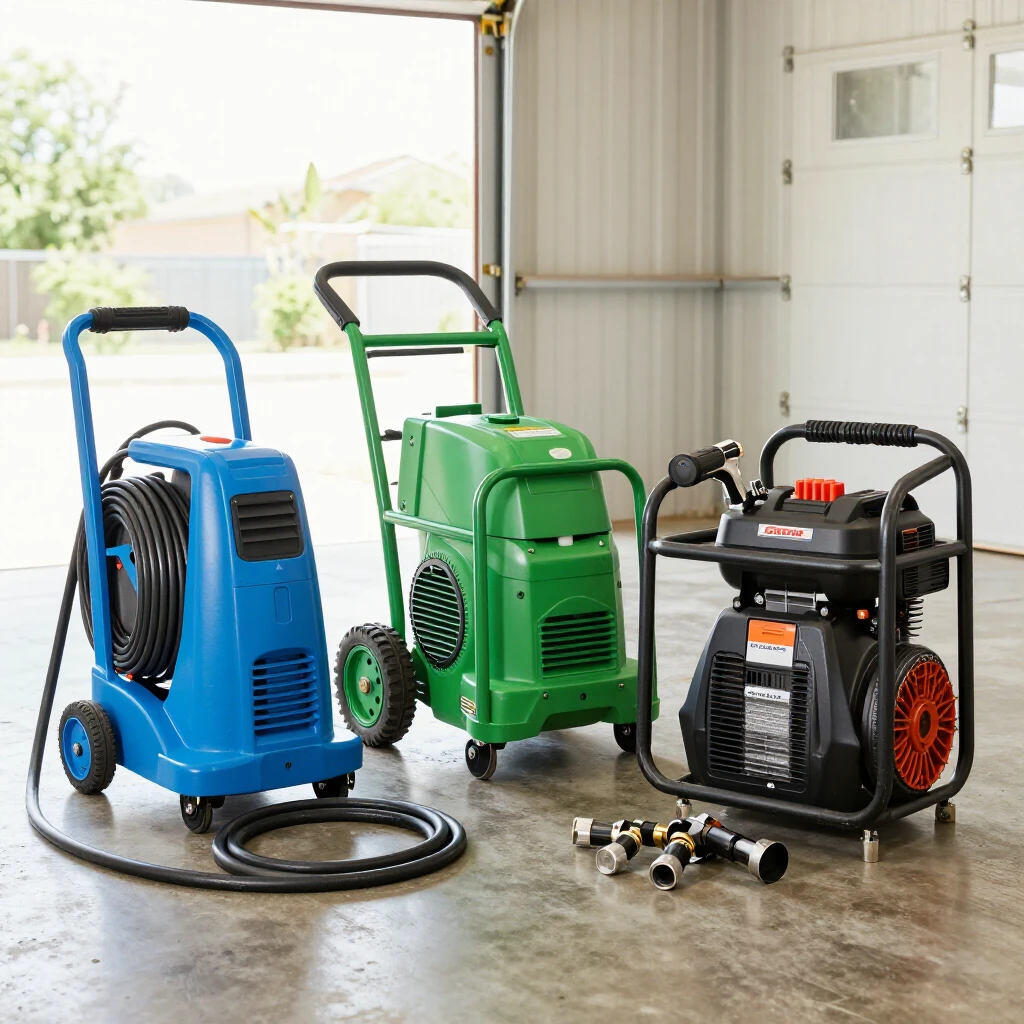
Types of Power Washers
You have three main options:
- Electric power washers: Quiet, lightweight, and low-maintenance. Great for most home tasks. They plug in, so you need an outlet nearby.
- Gas power washers: Deliver the highest power. Perfect for heavy-duty jobs and large areas. They are louder and require more upkeep.
- Battery-powered: Offer cordless freedom. Ideal for small jobs and quick touch-ups, though runtime is limited.
According to the Consumer Reports pressure washer buying guide, electric and gas models dominate top performers, with battery options improving quickly.
| Type | Best For | PSI Range | Pros | Cons |
|---|---|---|---|---|
| Electric | Home use, decks, siding, cars | 1,300–2,500 | Quiet, easy start, low maintenance | Needs outlet, less power for tough jobs |
| Gas | Driveways, heavy grime, large areas | 2,500–4,000+ | Most powerful, no cord limit | Loud, exhaust fumes, regular maintenance |
| Battery | Light tasks, patios, furniture | 500–2,000 | Portable, no cords or gas | Limited runtime, lower power |
Assess Your Cleaning Needs First
Ask yourself what you will clean most often. Light jobs like washing patio furniture or cars need 1,300–1,900 PSI. Medium tasks—siding, fences, decks—do well with 2,000–2,800 PSI. Heavy jobs like concrete driveways or paint prep call for 3,000 PSI or more.
I once bought a cheap low-PSI model thinking it would handle everything. It took forever on my driveway. Lesson learned: match the machine to your toughest job.
Key Features to Look For
- Adjustable pressure settings or multiple nozzles (0°, 15°, 25°, 40°, soap)
- Onboard detergent tank for easy soap application
- Long, kink-resistant hose (at least 25 feet)
- Sturdy wheels for mobility
- Quick-connect fittings
The Wirecutter review of top pressure washers highlights models with brushless motors for longer life and quieter operation.
Safety Gear Essentials for Power Tool Projects
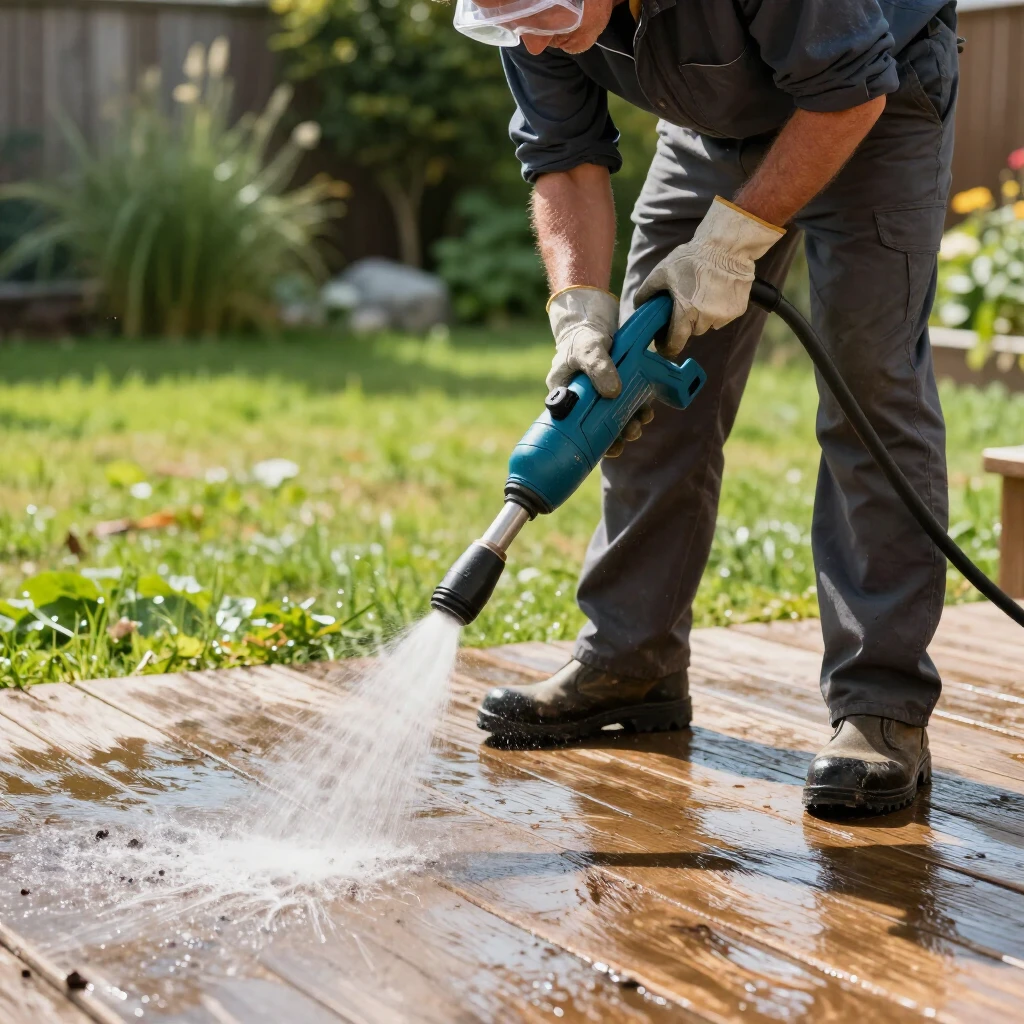
Power washers can injure you seriously—the spray can cut skin or inject debris. Always protect yourself.
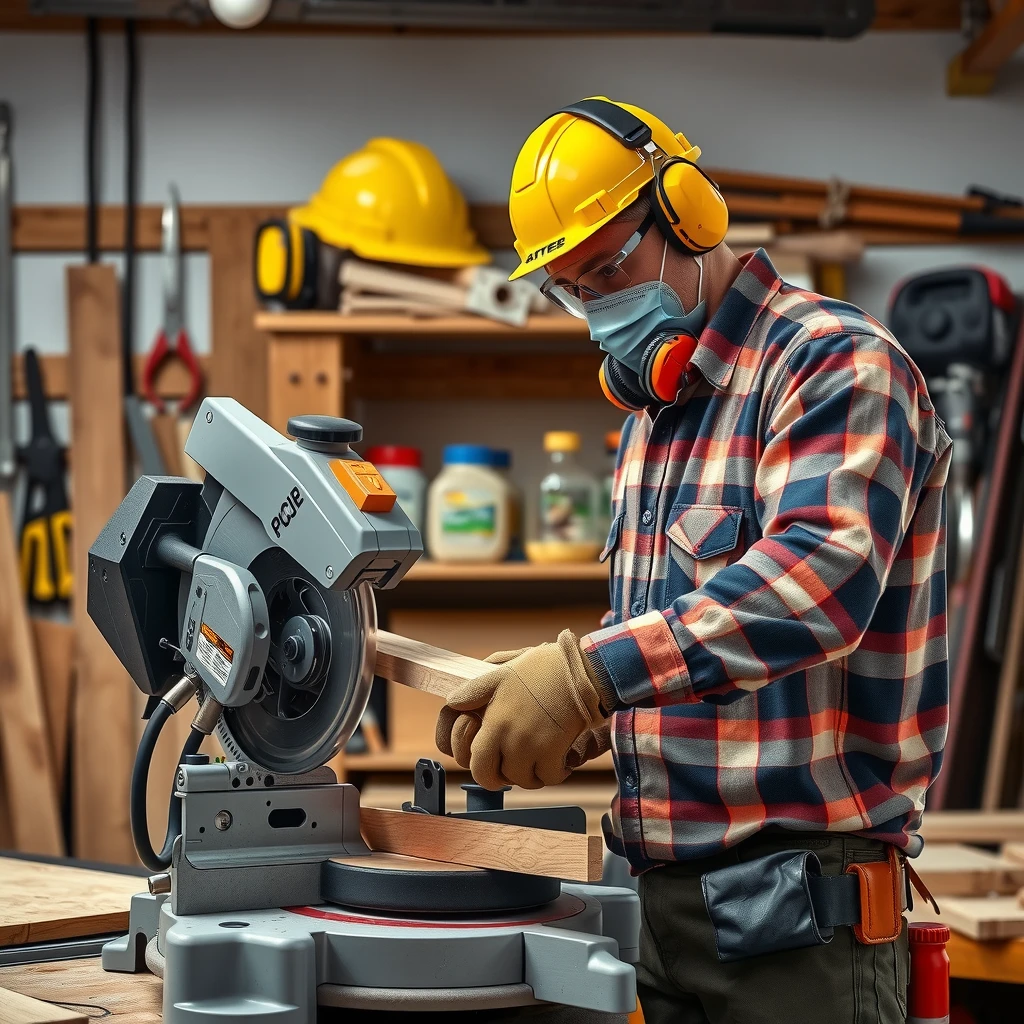
Essential gear includes: - Safety goggles or full-face shield - Heavy work gloves - Long pants and closed-toe boots - Hearing protection (especially with gas models) - Waterproof apron for chemical cleaning
The CDC pressure washer safety guidelines stress never pointing the wand at yourself or others and avoiding gasoline models in enclosed spaces due to carbon monoxide risk.
Effective Cleaning Tips with Power Washers
Get great results without damage by following these steps: 1. Start with the widest nozzle (40°) and lowest pressure. 2. Work top to bottom on vertical surfaces to avoid streaks. 3. Keep the nozzle 12–18 inches from the surface. 4. Use sweeping motions, not lingering in one spot. 5. Apply detergent first, let it sit, then rinse. 6. Test on a hidden area first.
I always pretreat tough mildew with a deck cleaner—it cuts cleaning time in half.
Power Washer Maintenance Tips
A well-maintained power washer lasts years longer. Follow these simple habits: - After each use, run clean water through the system to flush detergent. - Drain the pump in winter to prevent freezing. - Check and clean inlet filters regularly. - Store with pump saver fluid for gas models. - Inspect hoses and connections for wear. - Change oil (gas models) per manufacturer schedule.
Skipping these steps cost me a pump once. Now I spend five extra minutes after every job—worth it.
Final Thoughts
Choosing the right power washer comes down to matching power and features to your real cleaning needs. Start with electric for most homeowners—reliable, quiet, and powerful enough. Prioritize safety gear, use smart techniques, and maintain your machine well. You'll enjoy faster, better results and protect your investment.
Take time to evaluate your tasks honestly. The perfect power washer makes outdoor cleaning satisfying instead of a chore.
Related How to Choose the Right Power Washer for Your Needs:
- Organizing Your Workshop: Tips for Efficient Tool Storage
- DIY Painting Hacks for Beginners: Simple Tips for Professional Results
- The Ultimate Guide to Tool Belts with Built-In Storage in 2026
- Best Beginner Power Tools Reviews - Wood Magazine
- Beginner's Guide to Lawn Mower Upkeep
- How to Choose the Right Oil for Your Car
- Innovative Construction Tools for Efficiency: Boosting Productivity on the Job Site
- How to Sharpen Your Tools Like a Pro
- Best Tool Belts for Different Trades: The Ultimate Guide to Choosing the Right Tool Belt for You
- How to Use Electrical Tools Safely
- Maintenance Tips for Keeping Your Tools in Top Condition: A Practical Guide
- How to Pick the Perfect Wrench for Your Project