Keeping your workshop tidy can transform how you work on projects. This guide to Organizing Your Workshop: Tips for Efficient Tool Storage offers simple steps to store tools smartly, maintain them well, and get more done with less hassle. You'll save time hunting for items and enjoy your DIY time more.
Why Organize Your Workshop?
A messy workshop slows you down. You waste minutes searching for a screwdriver or drill bit. Worse, it can lead to accidents if tools are left out. I remember my first garage setup—it was chaos. Tools piled up everywhere, and I'd get frustrated mid-project. Once I organized it, everything changed. Projects went smoother, and I felt more in control.
Organizing boosts efficiency. You find what you need fast. It also extends tool life by protecting them from damage. Plus, a neat space motivates you to start new tasks. According to experts at This Old House, good organization saves time and improves safety This Old House.
Planning Your Workshop Layout
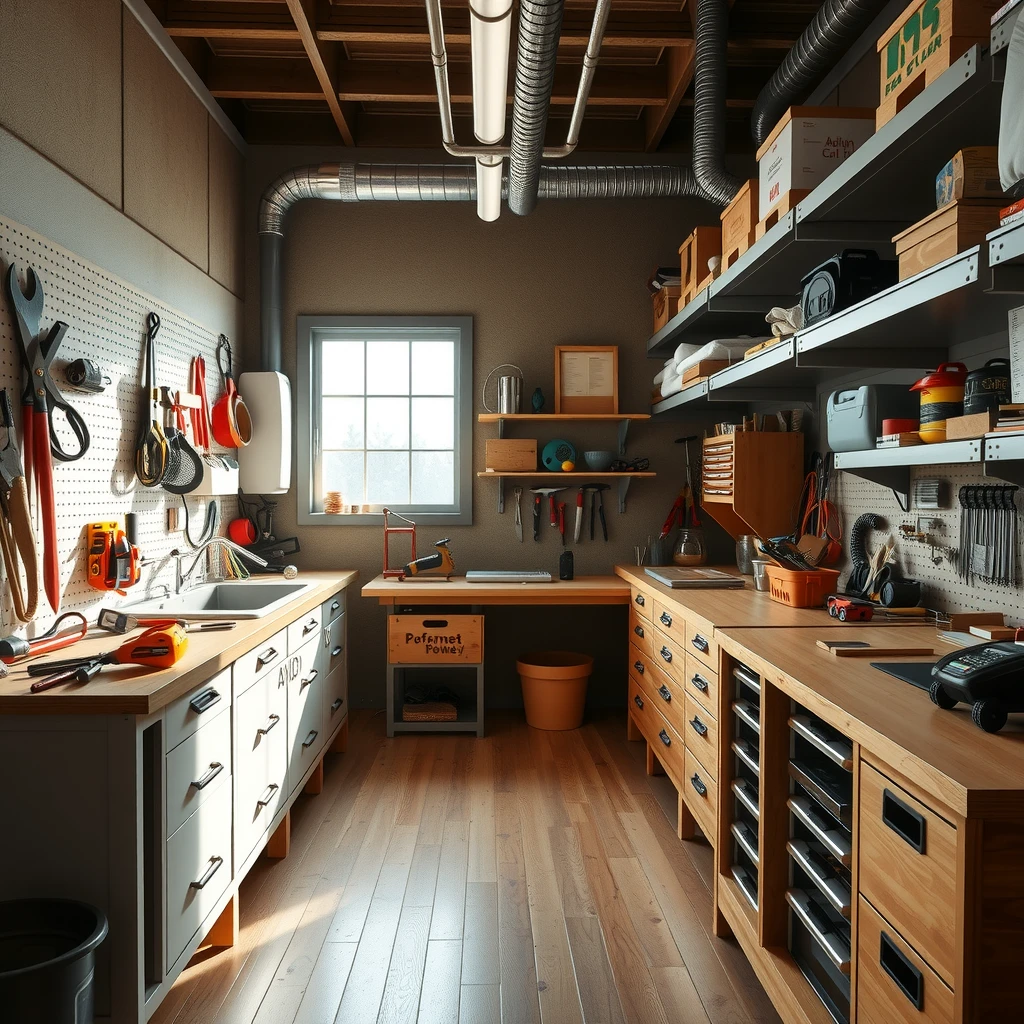
Start by assessing your space. Measure your garage or shed. Think about workflow—place cutting tools near lumber storage, assembly areas by the bench. Group similar items: power tools in one zone, hand tools in another.
Clear out junk first. Sort tools into keep, donate, or toss piles. Then, sketch a layout. Use vertical space with walls and ceilings. This maximizes room without cluttering floors.
Efficient Tool Storage Solutions
Choose storage that fits your needs. Here are top systems based on popular recommendations:
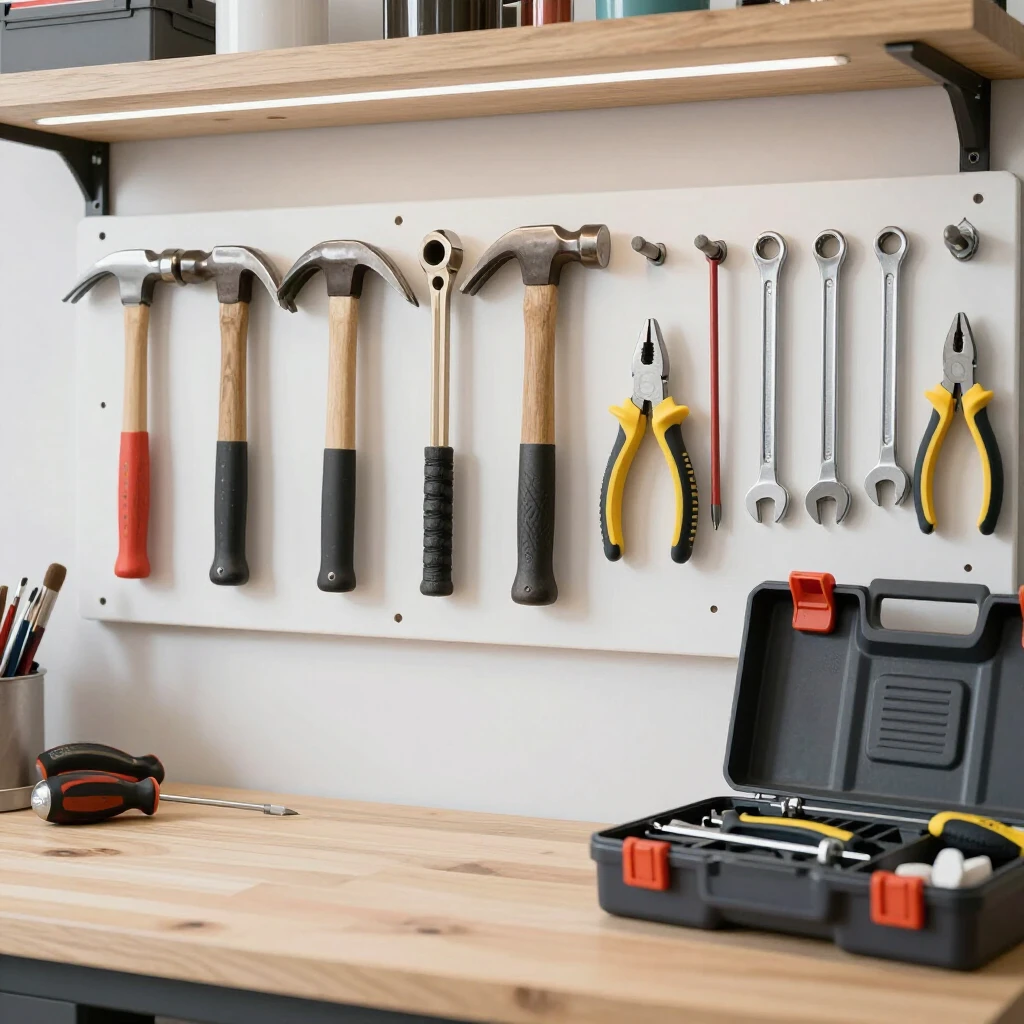
- Pegboards and Wall Racks: Hang frequently used tools like hammers and pliers. Easy to see and grab. As noted in Homak's blog, they're great for accessibility Homak Tool Organization.
- Tool Chests and Cabinets: Secure heavy items. Rolling ones move easily.
- Drawers with Dividers: For small parts like screws. Use foam inserts to keep tools in place.
- Overhead Storage: For bulky, seldom-used gear.
From my experience, starting with a pegboard changed my game. I could see all my tools at a glance.
Mix systems for best results. For example, use Bosch L-Boxx for portable storage of small parts—they stack securely and latch easily. Or try Milwaukee Packout for modular options. These keep things tidy and portable for jobs around the house.
Organizing Specific Tool Categories
Break it down by type. For power tools, use racks or cabinets. Coil cords neatly with Velcro ties. Store batteries nearby for quick charging.
For fasteners, small plastic bins work wonders. Label them by size and type—no more digging through mixed jars.
Use color coding: red for electrical tools, blue for plumbing. This makes finding items intuitive.
Hand Tools Maintenance Tips
Proper care keeps your tools working well. Clean them after each use—wipe off dust and grease with a rag. For metal tools, apply a light oil to prevent rust. Store them in dry spots.
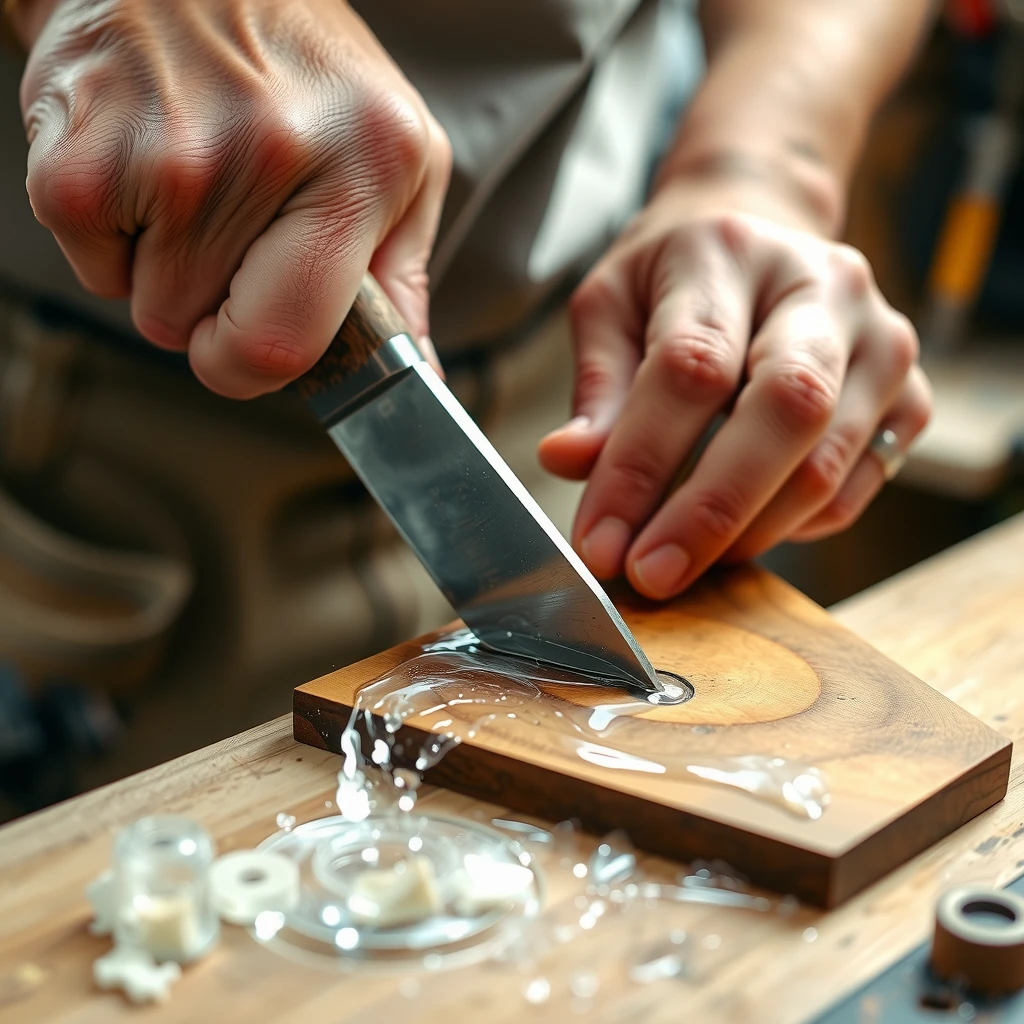
Inspect regularly for damage like cracks or loose handles. Sharpen blades on saws and knives as needed. In my workshop, I set aside time each month for this. It saves money on replacements.
Simple habits pay off. As True Value advises, make cleaning a routine before storing True Value Tool Maintenance. Also, point sharp edges away from walkways for safety.
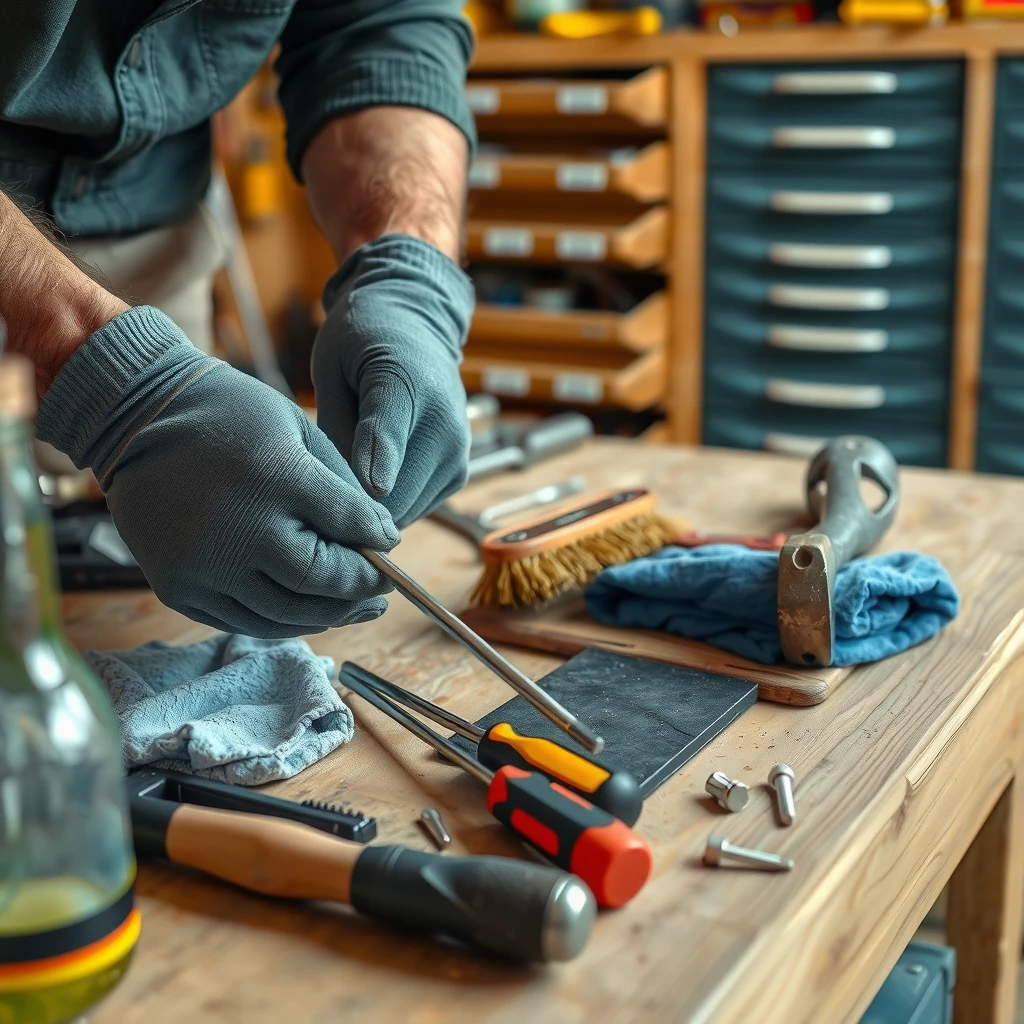
For wooden handles, sand rough spots and apply linseed oil. Avoid harsh cleaners that scratch surfaces. These hand tools maintenance tips ensure longevity and better performance.
Top 10 Must-Have Tools for Every DIYer
Build a solid kit. Here's a list of essentials:
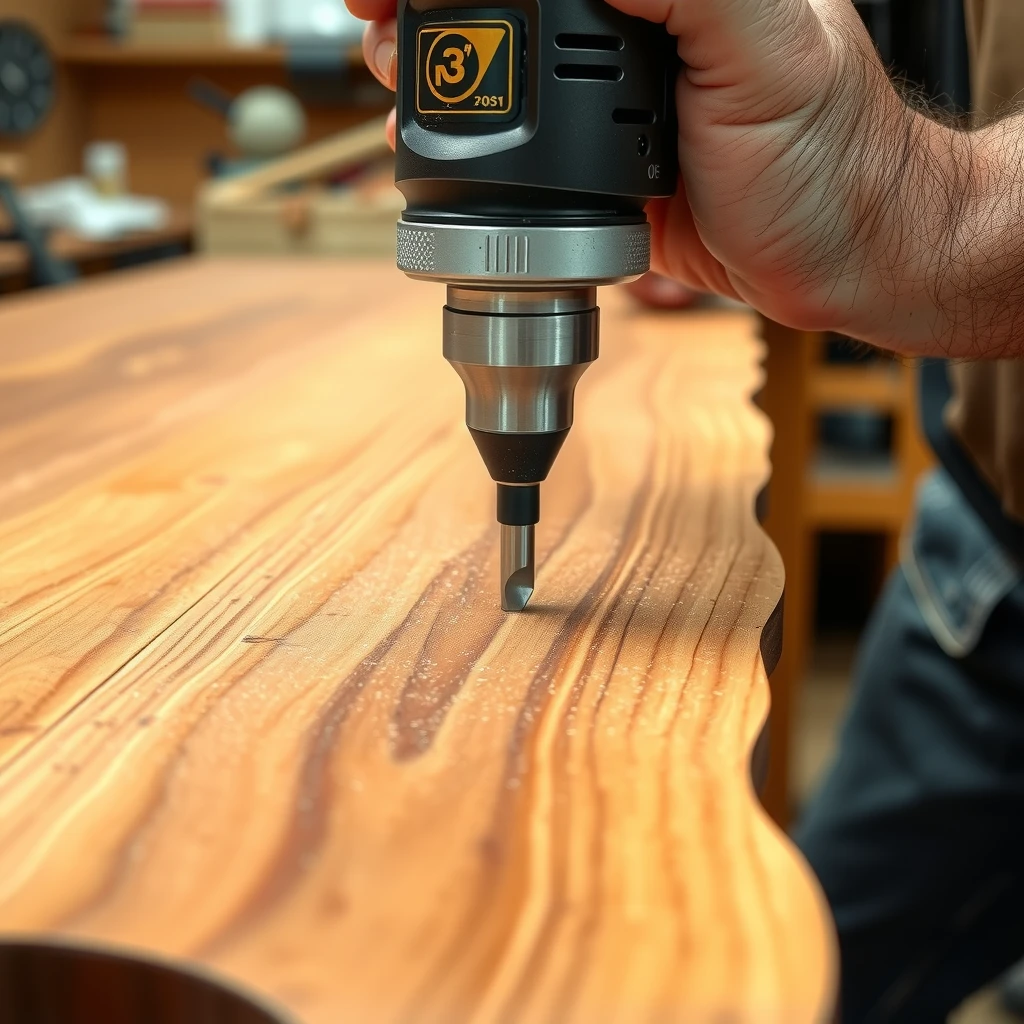
- Cordless Drill: Versatile for drilling and driving screws.
- Hammer: Basic for nailing and prying.
- Tape Measure: Accurate measurements every time.
- Utility Knife: Cuts materials cleanly.
- Level: Ensures straight lines.
- Screwdriver Set: Various sizes for different fasteners.
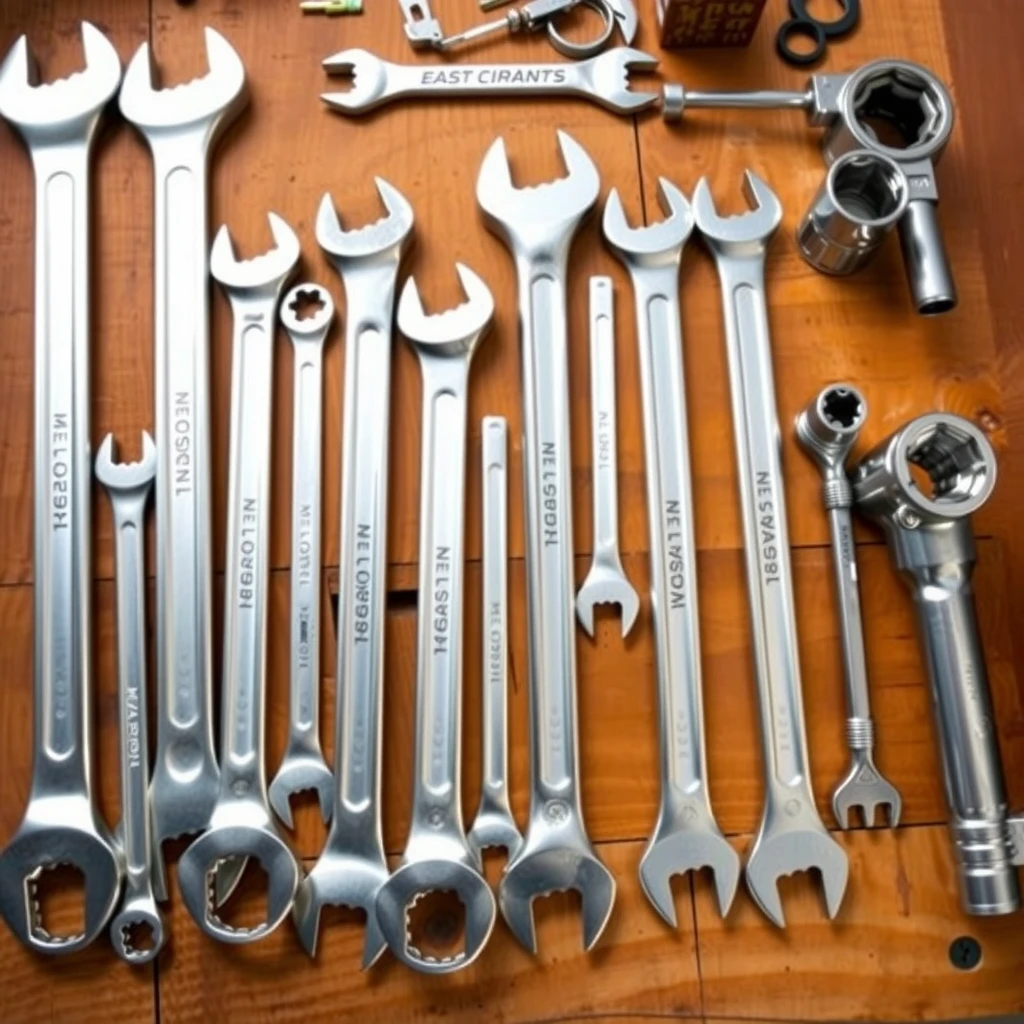
- Adjustable Wrench: Fits multiple nut sizes.
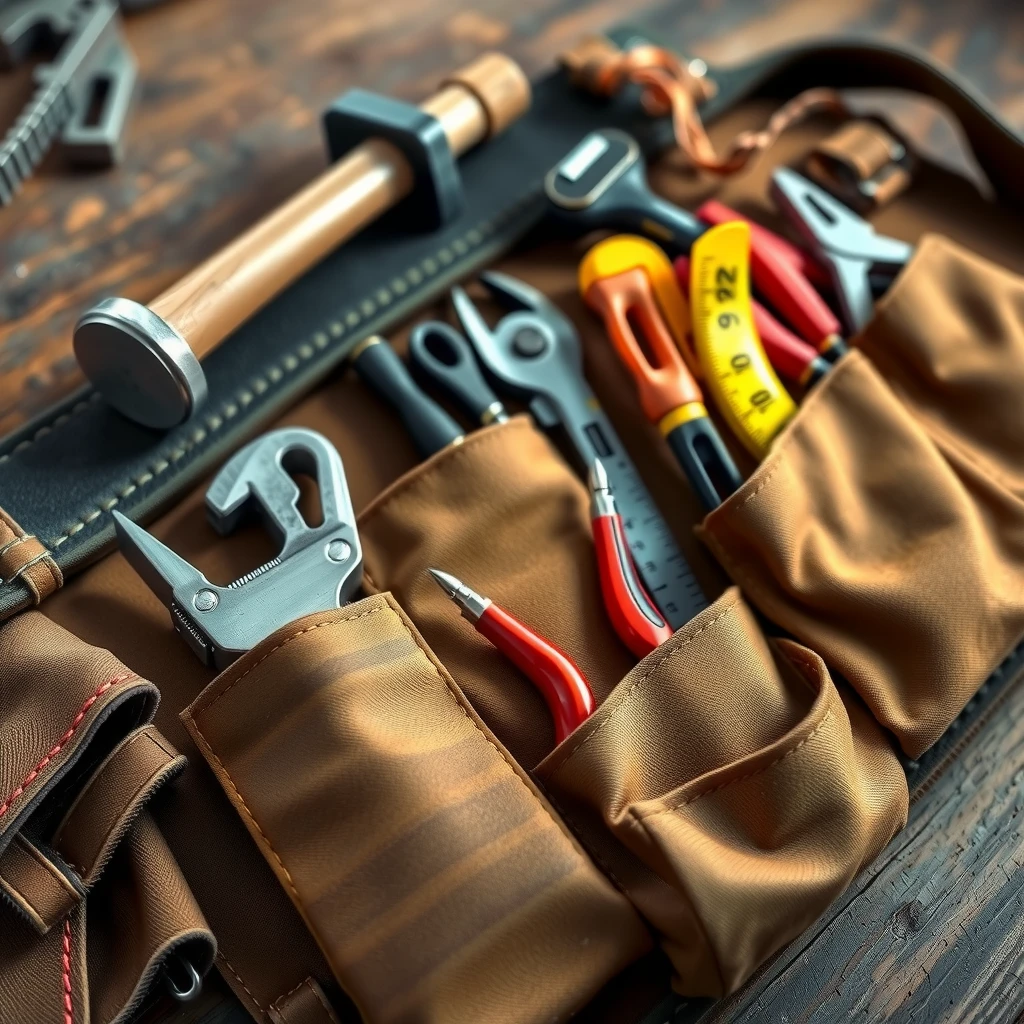
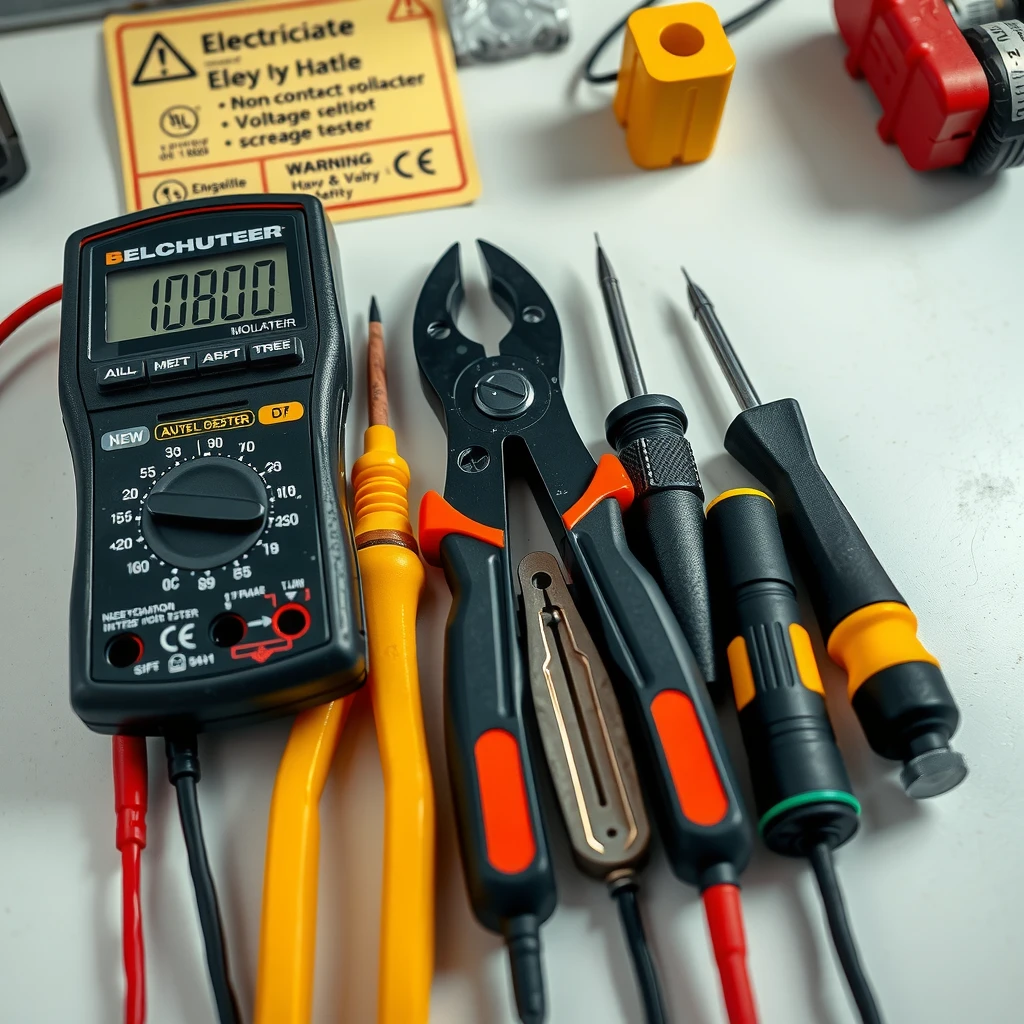
- Pliers: Gripping and cutting wires.
- Circular Saw: For straight cuts in wood.
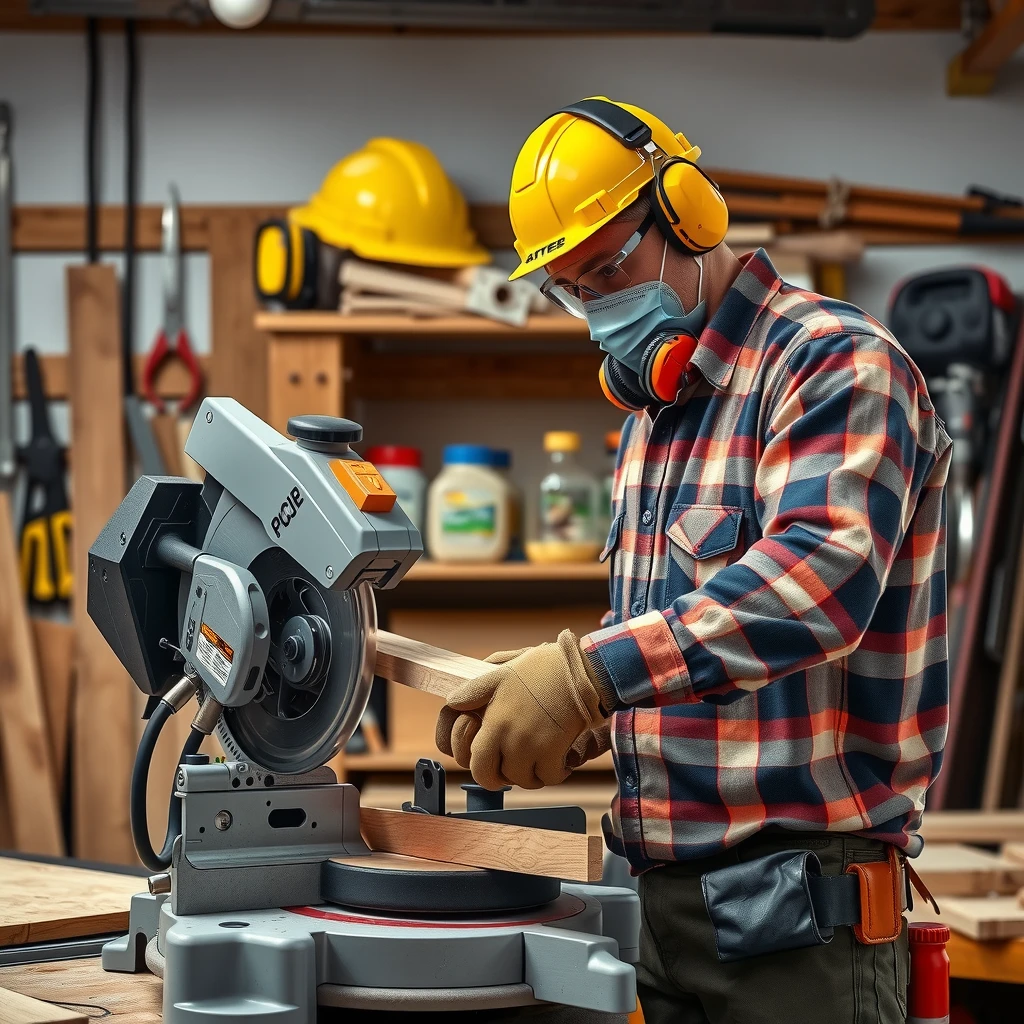
- Safety Gear: Glasses and gloves protect you.
Store these in easy-reach spots. As a DIYer, I rely on my drill most—it's a game-changer for quick tasks. Check Witt Do It Best for more recommendations Witt Tools.
DIY Maintenance Projects for Beginners
With an organized workshop, tackle simple fixes. Start with these:
- Fix a Leaky Faucet: Turn off water, replace washers. Tools needed: wrench, screwdriver.
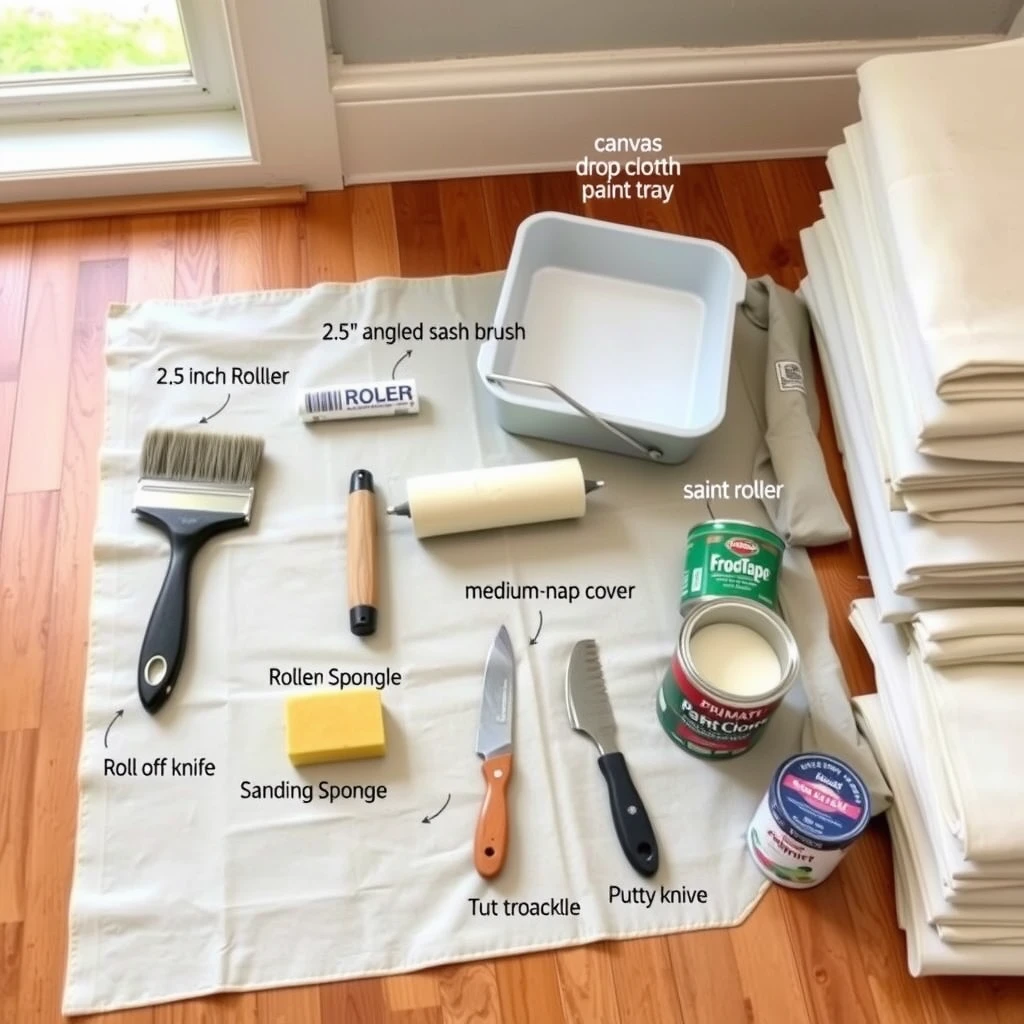
- Paint a Room: Prep walls, apply coats. Use drop cloths to protect floors.
- Install Shelves: Measure, drill anchors, mount brackets.
- Clean Gutters: Remove debris for better drainage.
- Replace Light Fixtures: Basic wiring—safety first.
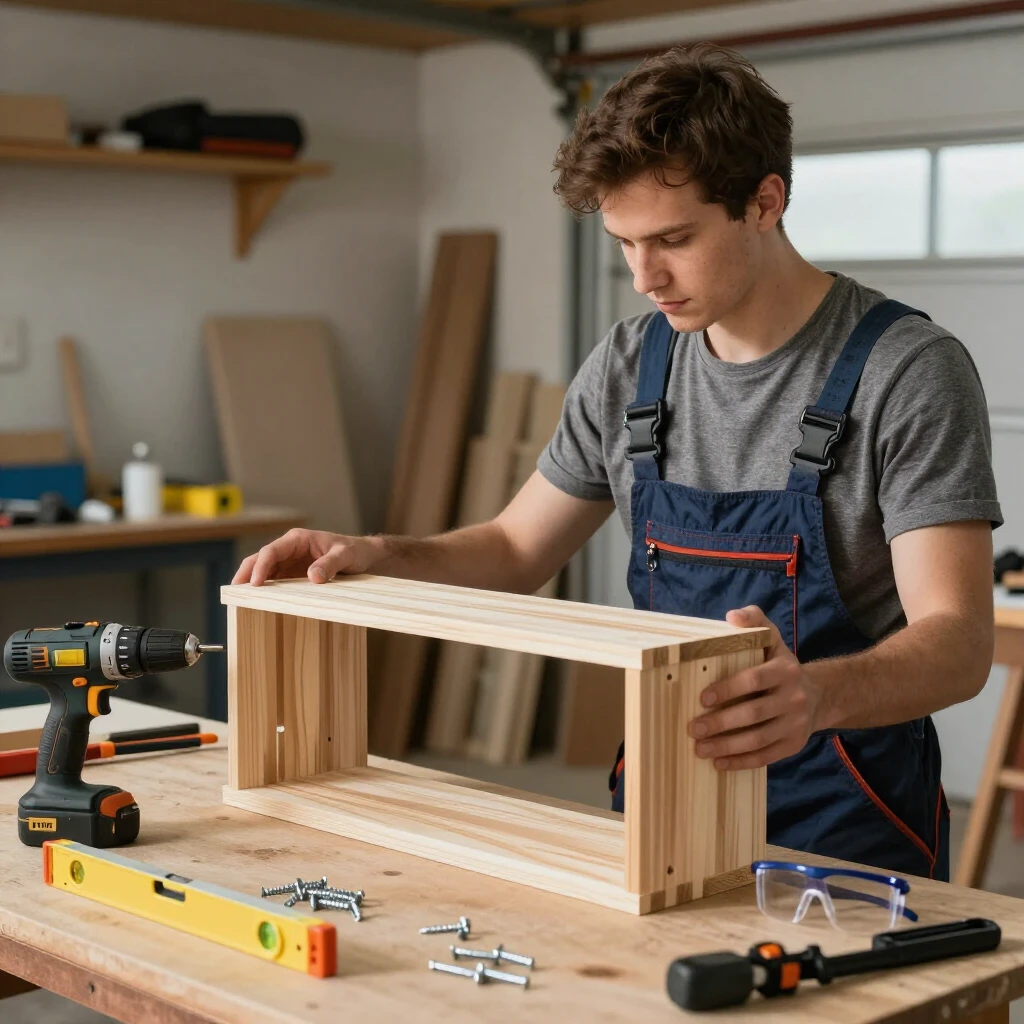
These build confidence. I began with painting and loved the instant results. Organization helps—you grab tools without delay. For ideas, see AHS tips AHS DIY.
Keeping It Maintained
Review your setup every few months. Adjust as you add tools. Involve family if shared—everyone puts things back.
A tidy workshop inspires creativity. You'll tackle more projects with ease.
Summary
Organizing Your Workshop: Tips for Efficient Tool Storage makes a big difference. From storage solutions to hand tools maintenance tips, these ideas help you work smarter. Build your top 10 must-have tools list and try DIY maintenance projects for beginners. Your space will thank you.
Related Organizing Your Workshop: Tips for Efficient Tool Storage:
- DIY Painting Hacks for Beginners: Simple Tips for Professional Results
- The Ultimate Guide to Tool Belts with Built-In Storage in 2026
- Best Beginner Power Tools Reviews - Wood Magazine
- Beginner's Guide to Lawn Mower Upkeep
- How to Choose the Right Oil for Your Car
- Innovative Construction Tools for Efficiency: Boosting Productivity on the Job Site
- How to Sharpen Your Tools Like a Pro
- Best Tool Belts for Different Trades: The Ultimate Guide to Choosing the Right Tool Belt for You
- How to Use Electrical Tools Safely
- Maintenance Tips for Keeping Your Tools in Top Condition: A Practical Guide
- How to Pick the Perfect Wrench for Your Project
- Router Tricks for Stunning Wood Designs