Quick Overview
Taking good care of your tools doesn’t require fancy equipment or hours of work. Regular cleaning, proper storage, and a few preventive habits will keep your favorite workman tools performing like new and save you money in the long run.
Why Tool Maintenance Matters
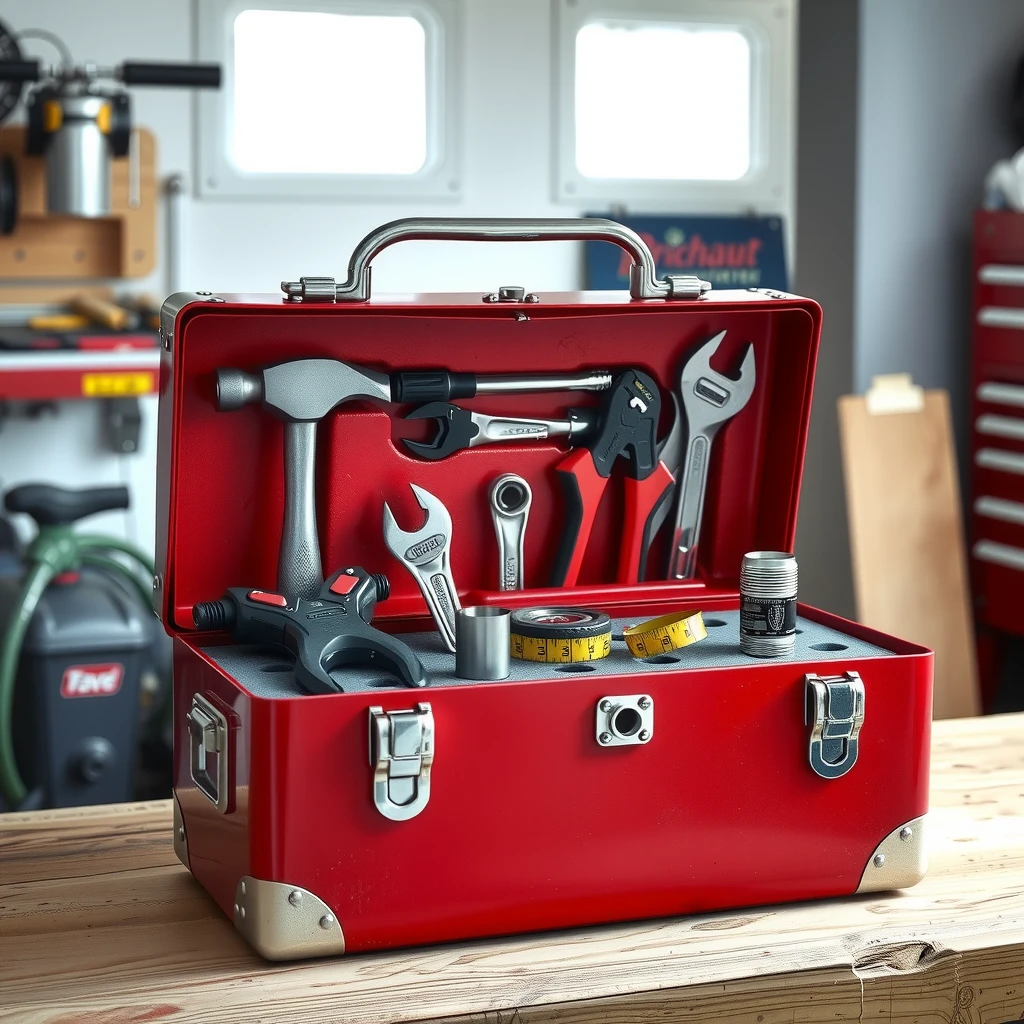
You invest time and money in your tools, whether you’re just starting out with basic workman tools for beginners or you’ve built a full collection. Neglect them, and they rust, dull, or break right when you need them most.
I’ve been there—reaching for a screwdriver mid-project only to find the tip stripped or the handle cracked. A little routine care prevents those frustrating moments and extends tool life dramatically.
Clean Tools After Every Use
The single best habit you can build is cleaning your tools before putting them away.
Dirt, sawdust, sap, and moisture are the enemies. They lead to rust on metal parts and can gum up moving mechanisms.
Simple Cleaning Steps
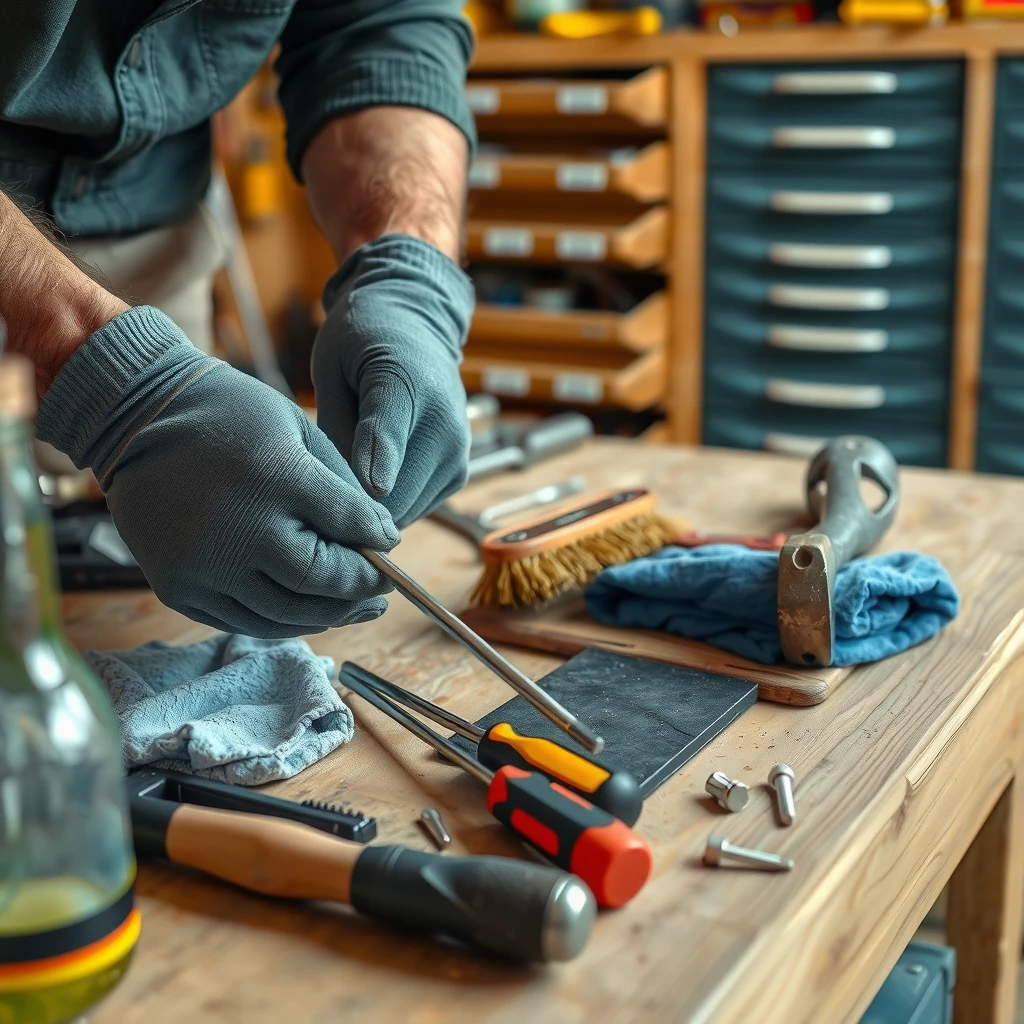
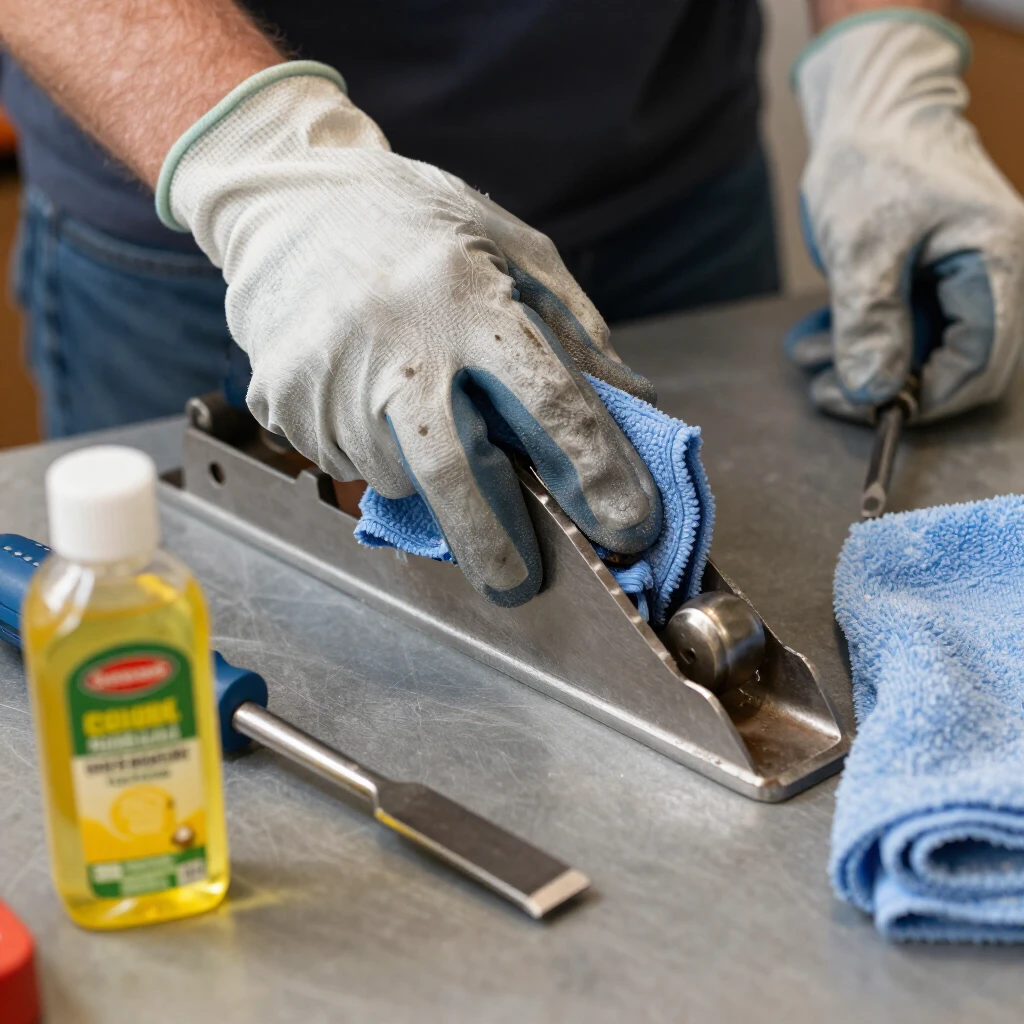
- Wipe down metal surfaces with a dry rag to remove dust and debris.
- For sticky residue (like pine sap), use a cloth lightly dampened with mineral spirits or warm soapy water.
- Dry thoroughly—never store damp tools.
- Apply a light coat of oil (see lubrication section below) to protect bare metal.
Store Tools Properly in Toolboxes
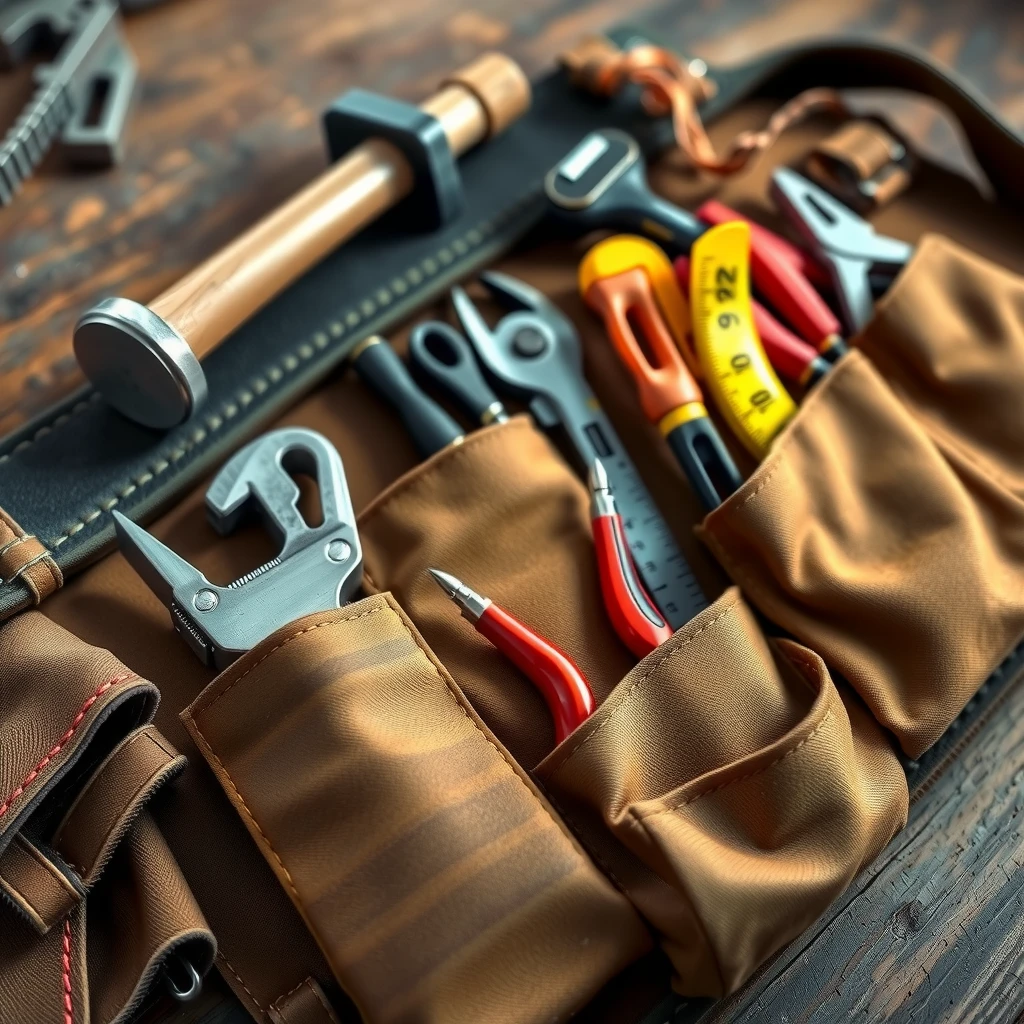
Good storage is half the battle. A dedicated toolbox keeps tools organized, protected from moisture, and easy to find.
Choose a toolbox that fits your needs: - Portable metal or plastic boxes for beginners - Rolling cabinets for larger collections - Foam inserts or magnetic strips to prevent tools from banging against each other
Keep your toolbox in a dry area. Avoid leaving it in a damp basement or the bed of a truck where temperature swings cause condensation.
Protect Against Rust
Rust is the number-one killer of steel tools.
Proven Rust Prevention Methods
- Light oil coating: After cleaning, spray or wipe tools with a thin layer of WD-40, 3-in-1 oil, or camellia oil (great for woodworking tools).
- Silica gel packs: Toss a few in your toolbox to absorb moisture.
- VCI paper or bags: Vapor corrosion inhibitor products create a protective barrier—excellent for long-term storage.
For already-rusty tools, soak in white vinegar overnight, scrub with steel wool, then oil immediately.
Lubricate Moving Parts
Pliers, adjustable wrenches, ratchets, and clamps all have pivot points that need occasional lubrication.
Use a drop or two of light machine oil every few months. Wipe away excess to avoid attracting dust.
For power tools, follow manufacturer guidelines—some require specific grease on gears.
Keep Edges and Bits Sharp
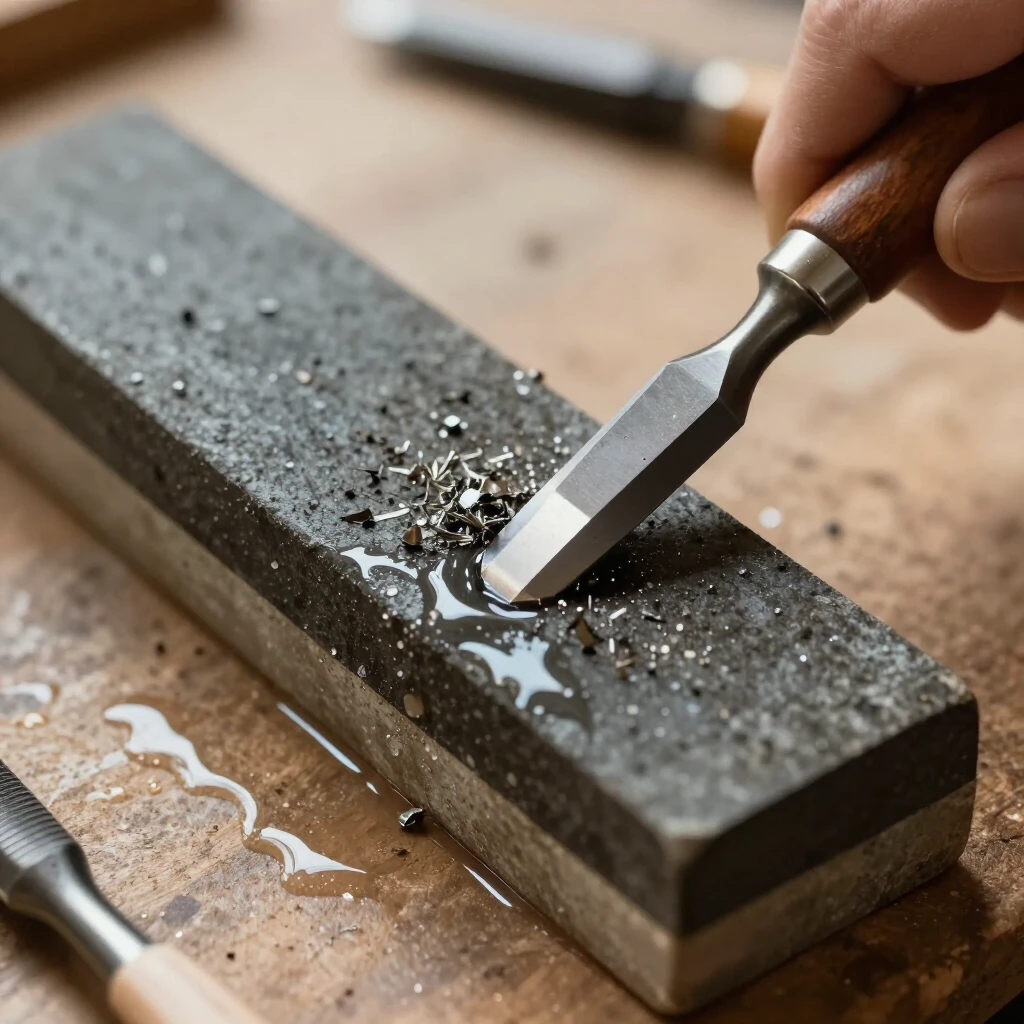
A dull tool is a dangerous tool—it requires more force and can slip.
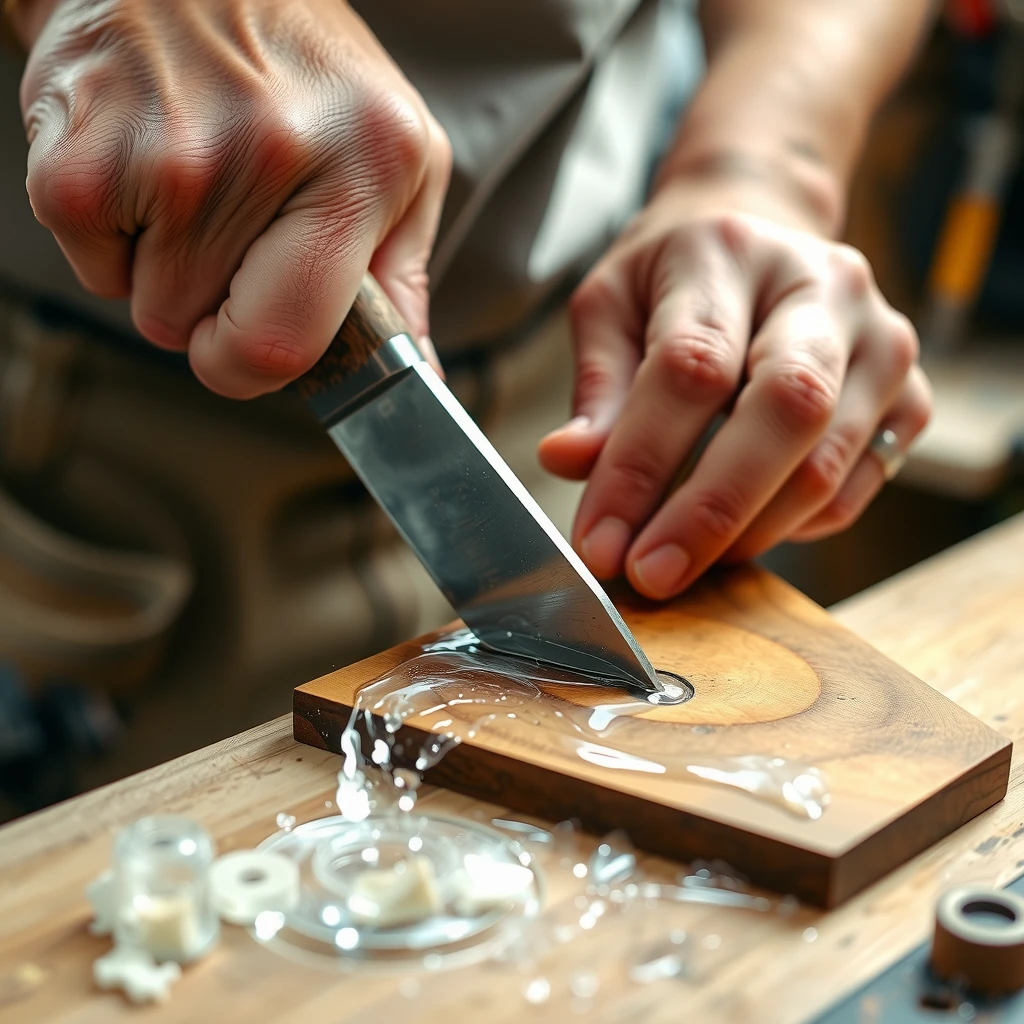
Sharpening Basics
- Chisels and plane irons: Use progressively finer whetstones (1000–8000 grit) or a honing guide.
- Screwdrivers: File any mushroomed or rounded tips flat.
- Drill bits: A simple bit sharpener jig restores the cutting edge.
- Lawn and garden tools: A mill file works wonders on shovels and hoes.
Sharpen little and often rather than waiting until the edge is completely gone.
Inspect Regularly
Once a month, take everything out of your toolbox and give it a quick inspection.
Look for: - Loose handles - Cracked insulation on electrical tools - Worn cords - Bent shafts - Missing parts
Small issues caught early are easy fixes. Replace worn parts promptly—many manufacturers sell replacement handles or jaws.
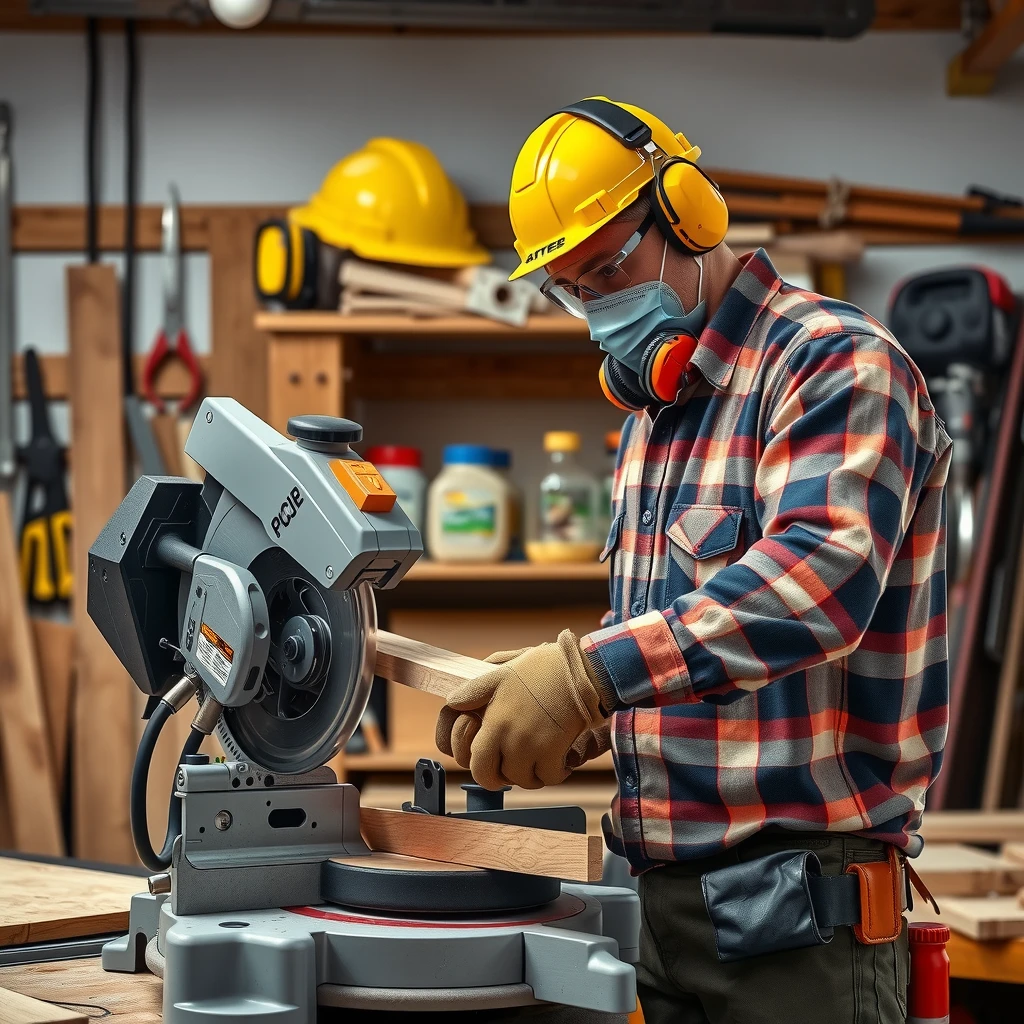
Special Care for Power Tools
Power tools need extra attention: - Clean dust from vents after each use - Check and replace brushes when worn - Store batteries at room temperature and partially charged - Keep cords coiled loosely to prevent kinks
Always refer to the owner’s manual for model-specific advice.
My Personal Lessons Learned
Over the years, I’ve ruined a few good tools by being lazy about maintenance. One winter I left my favorite chisel set in an unheated garage toolbox. Spring arrived, and every blade had orange rust spots. Lesson learned: bring valuable tools indoors during extreme weather.
On the flip side, the workman tools I’ve cared for consistently—my grandfather’s old pliers and my daily-driver socket set—are still going strong decades later. That kind of longevity feels rewarding.
Final Thoughts
Maintaining your tools doesn’t have to be complicated or time-consuming. Build small habits—clean after use, store properly, oil occasionally, sharpen when needed—and your workman tools will serve you reliably for many years.
Start today with a quick wipe-down and toolbox reorganization. Your future self (and your wallet) will thank you.
Related How to Maintain Your Tools for Longevity:
- Workshop Maintenance Guide: Essential Tips for Safety and Efficiency
- Tool Calibration: Ensuring Precision in Your Work
- How to Use Wrenches Safely: Essential Tips for Every DIYer and Professional
- How to Choose the Right Power Washer for Your Needs
- Organizing Your Workshop: Tips for Efficient Tool Storage
- DIY Painting Hacks for Beginners: Simple Tips for Professional Results
- The Ultimate Guide to Tool Belts with Built-In Storage in 2026
- Best Beginner Power Tools Reviews - Wood Magazine
- Beginner's Guide to Lawn Mower Upkeep
- How to Choose the Right Oil for Your Car
- Innovative Construction Tools for Efficiency: Boosting Productivity on the Job Site
- How to Sharpen Your Tools Like a Pro