Choosing the right electrical tools can make your projects safer and easier. This guide covers key factors like safety, ergonomics, and quality to help you pick tools that fit your needs.
Understanding Your Project Needs
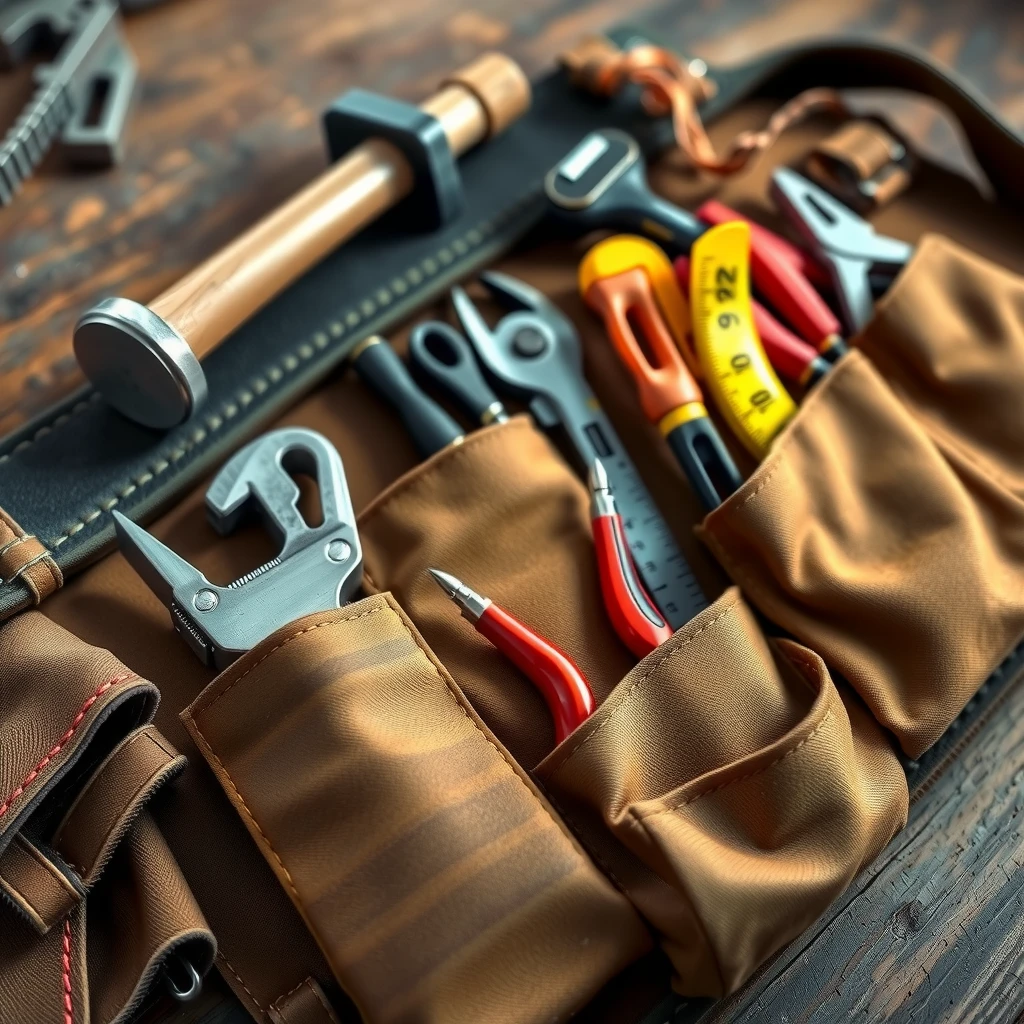
Before you buy any electrical tools, think about what your projects involve. Are you wiring a new room, fixing outlets, or handling complex installations? Start by listing the tasks. For simple home fixes, basic tools like screwdrivers and pliers might work. But for bigger jobs, you need more specialized items.
In my experience, jumping into a project without the right tools leads to frustration. Once, I tried rewiring a light fixture with mismatched pliers, and it took twice as long. Match tools to the job to save time and effort.
Consider the scale. Small DIY tasks need portable, easy-to-use tools. Larger projects might require power tools for efficiency. Always check voltage requirements and compatibility with your work environment.
Prioritizing Safety Features
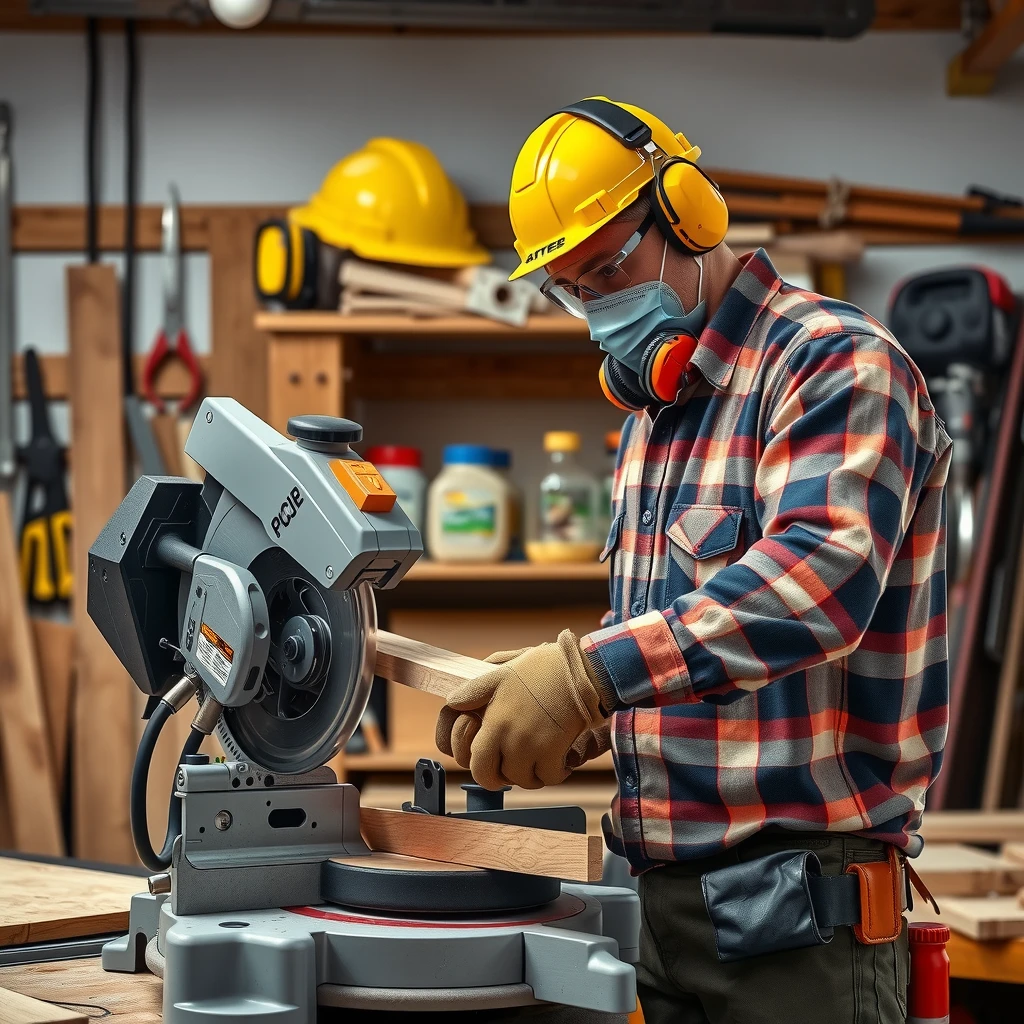
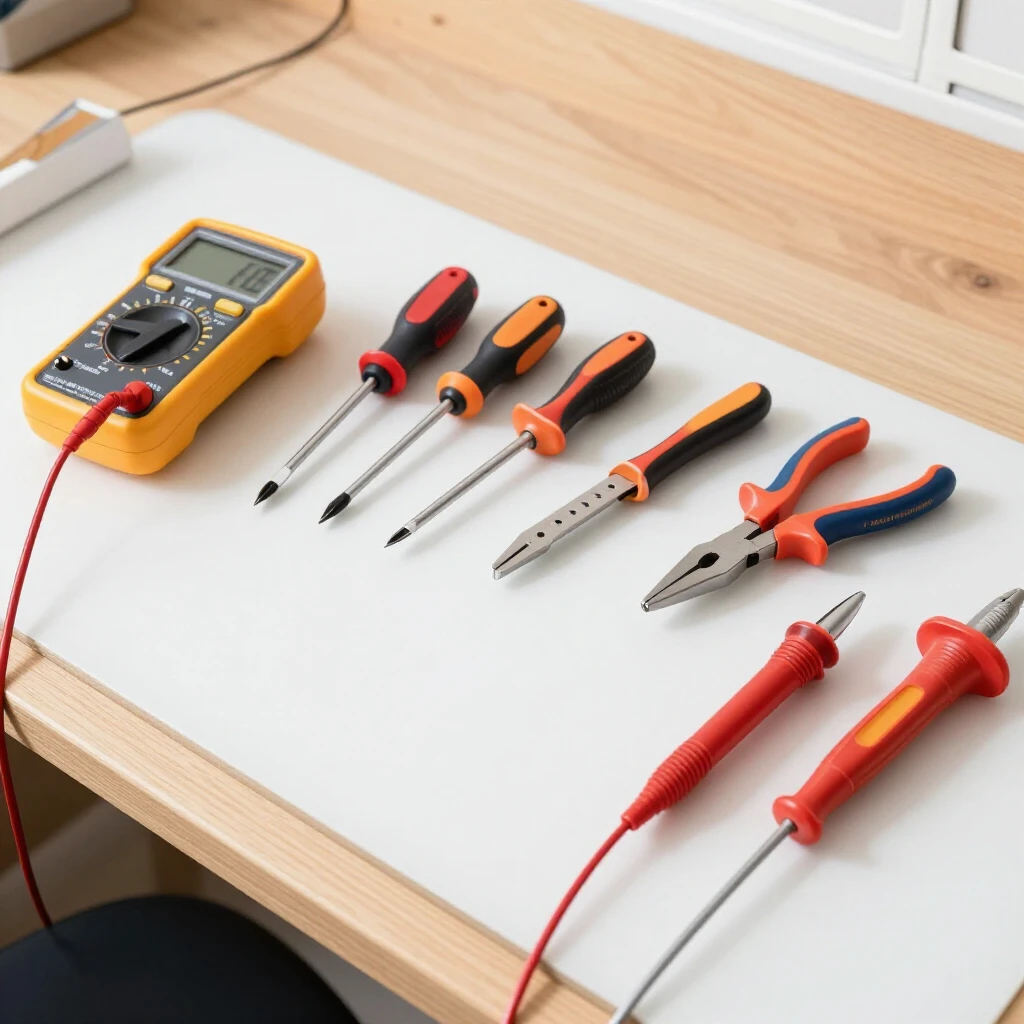
Safety comes first when dealing with electricity. Look for tools with insulation to prevent shocks. Insulated handles are a must for workman tools.
Choose tools certified by recognized bodies. For example, check for UL listing, which ensures they meet safety standards. Avoid cheap knockoffs that might fail.
According to the Occupational Safety and Health Administration's hand and power tools guide, proper tool selection reduces workplace injuries. This applies to home projects too.
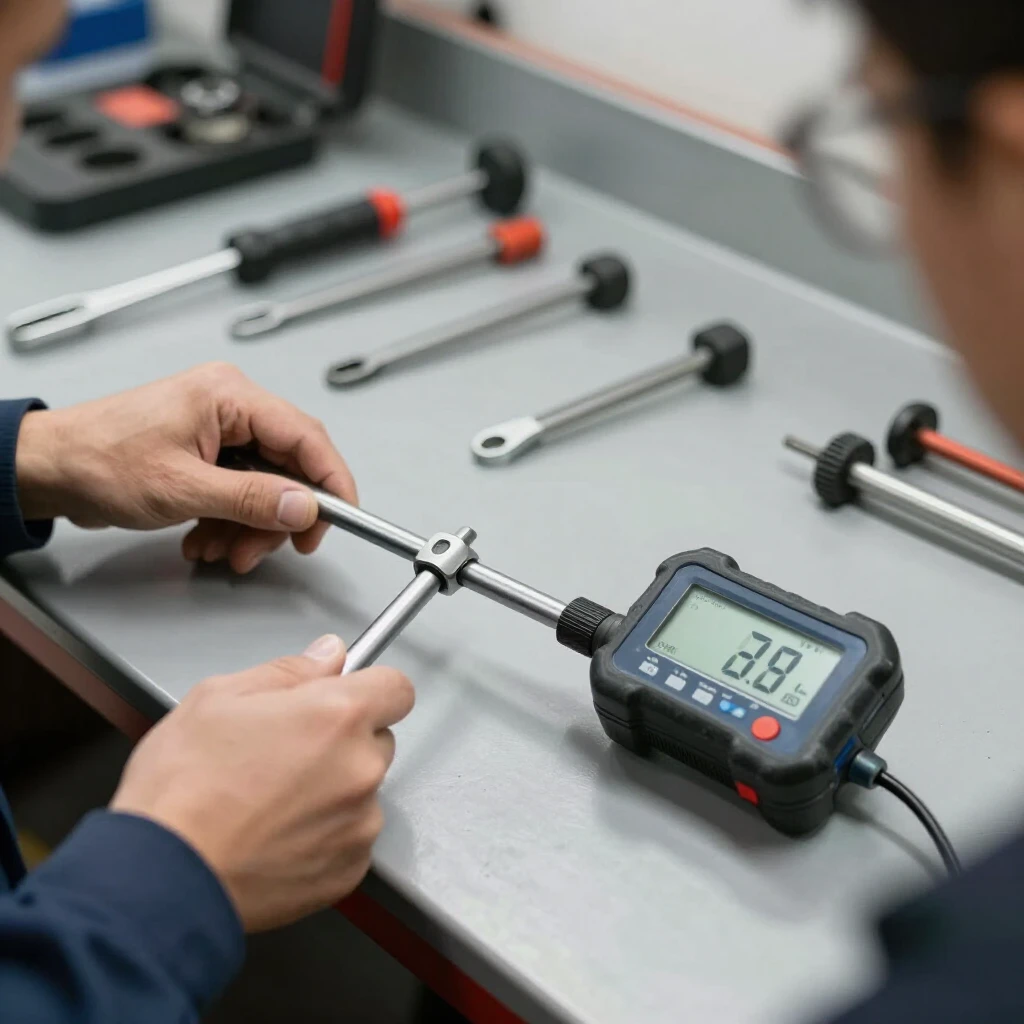
Test tools before use. A voltage tester can confirm if power is off. In my years of tinkering, I've learned that assuming a circuit is dead is risky. Always verify.
Key safety features to look for: - Rubber or plastic insulated grips - Double insulation on power tools - Ground fault circuit interrupters (GFCIs) for wet areas - Ergonomic designs to reduce strain
Embracing Ergonomics for Comfort
Ergonomic workman tools for comfort make a big difference, especially on long projects. Tools that fit your hand well reduce fatigue and injury risk.
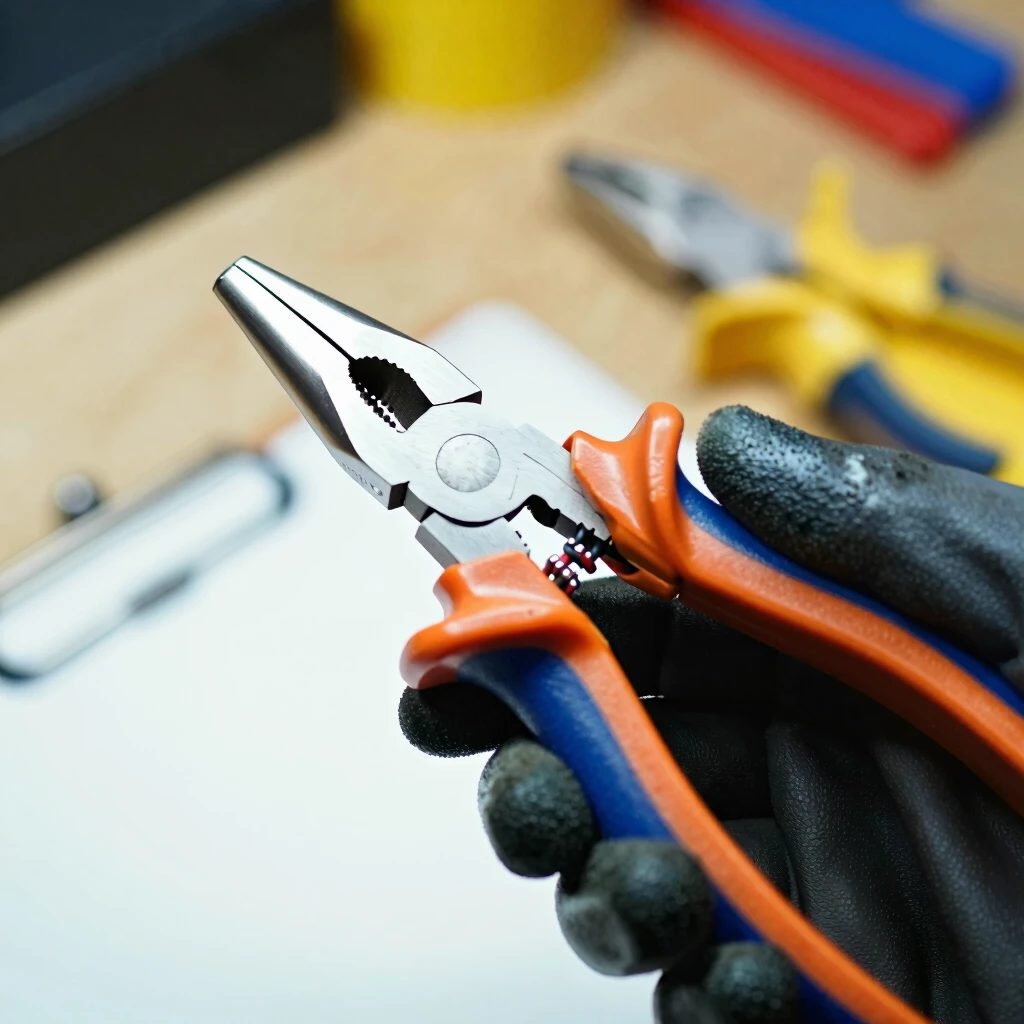
Look for padded handles, balanced weight, and anti-slip grips. In my workshop, switching to ergonomic pliers cut down on hand cramps after hours of work.
The National Institute for Occupational Safety and Health's guide to selecting non-powered hand tools explains how proper fit prevents strain. It recommends trying tools in person if possible.
For electrical tools, ergonomics mean better control, which boosts safety. Choose lighter tools for overhead work to avoid shoulder strain.
Evaluating Quality and Durability
Quality electrical tools last longer and perform better. Invest in brands known for reliability. Check materials: chrome-vanadium steel for strength, for example.
Read reviews and warranties. A good tool might cost more upfront but saves money over time.
The IEEE National Electrical Safety Code sets standards for electrical work, indirectly guiding tool quality. Use tools that comply with these for professional results.
In my experience, durable tools handle tough jobs without breaking. Test for smooth operation—no stiff jaws or loose parts.
Common Electrical Tools and Their Uses
Here's a table of essential electrical tools:
| Tool | Use | Key Features to Look For |
|---|---|---|
| Multimeter | Measures voltage, current, resistance | Digital display, auto-ranging |
| Wire Strippers | Removes insulation from wires | Adjustable gauges, comfortable grips |
| Pliers | Gripping, bending wires | Insulated, ergonomic handles |
| Screwdrivers | Tightening screws | Magnetic tips, various sizes |
| Voltage Tester | Detects live wires | Non-contact, LED indicators |
Budget Considerations
Balance cost with quality. Set a budget but don't skimp on safety. Entry-level tools suit beginners, while pros need advanced features.
Shop sales or bundles for value. Online comparisons help find deals.
Remember, cheap tools might fail, causing accidents or rework. In one project, a bargain multimeter gave false readings, leading to a short circuit. Lesson learned: quality pays off.
Maintenance and Storage
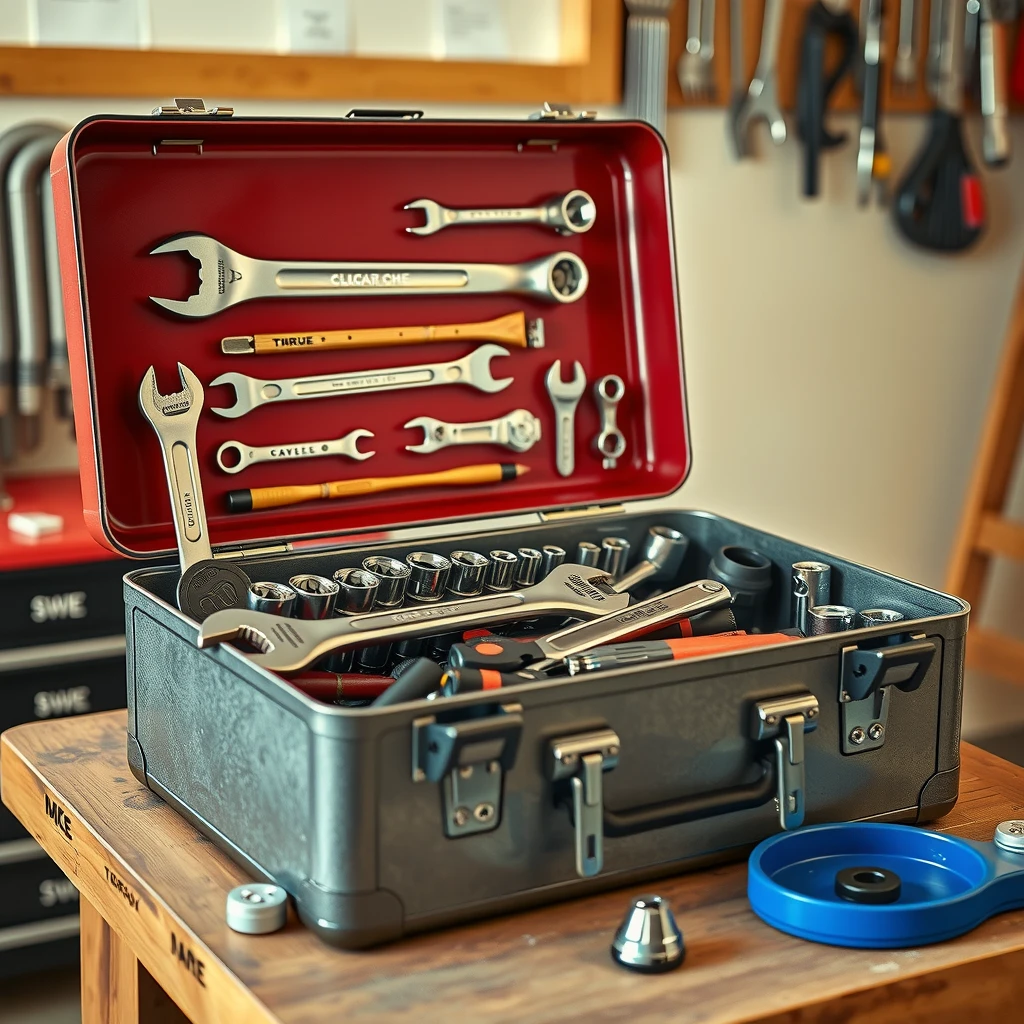
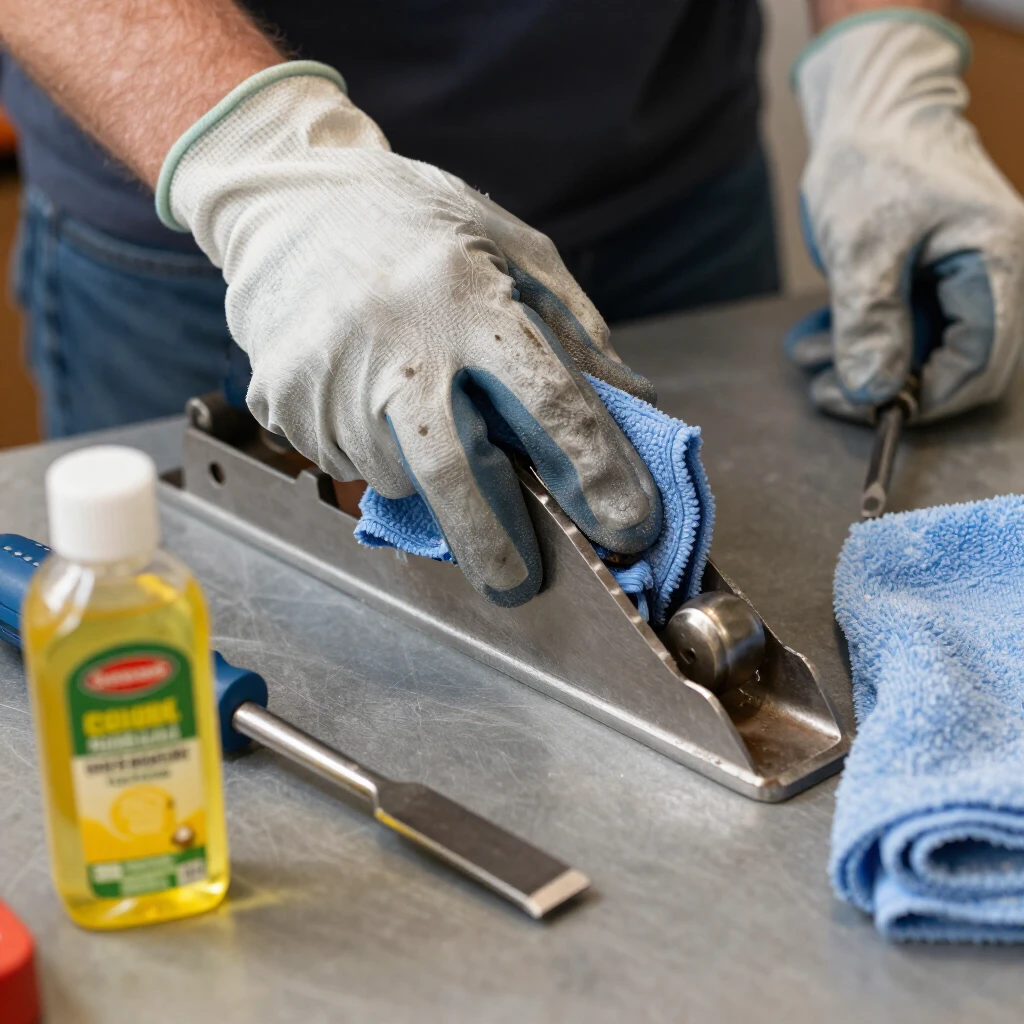
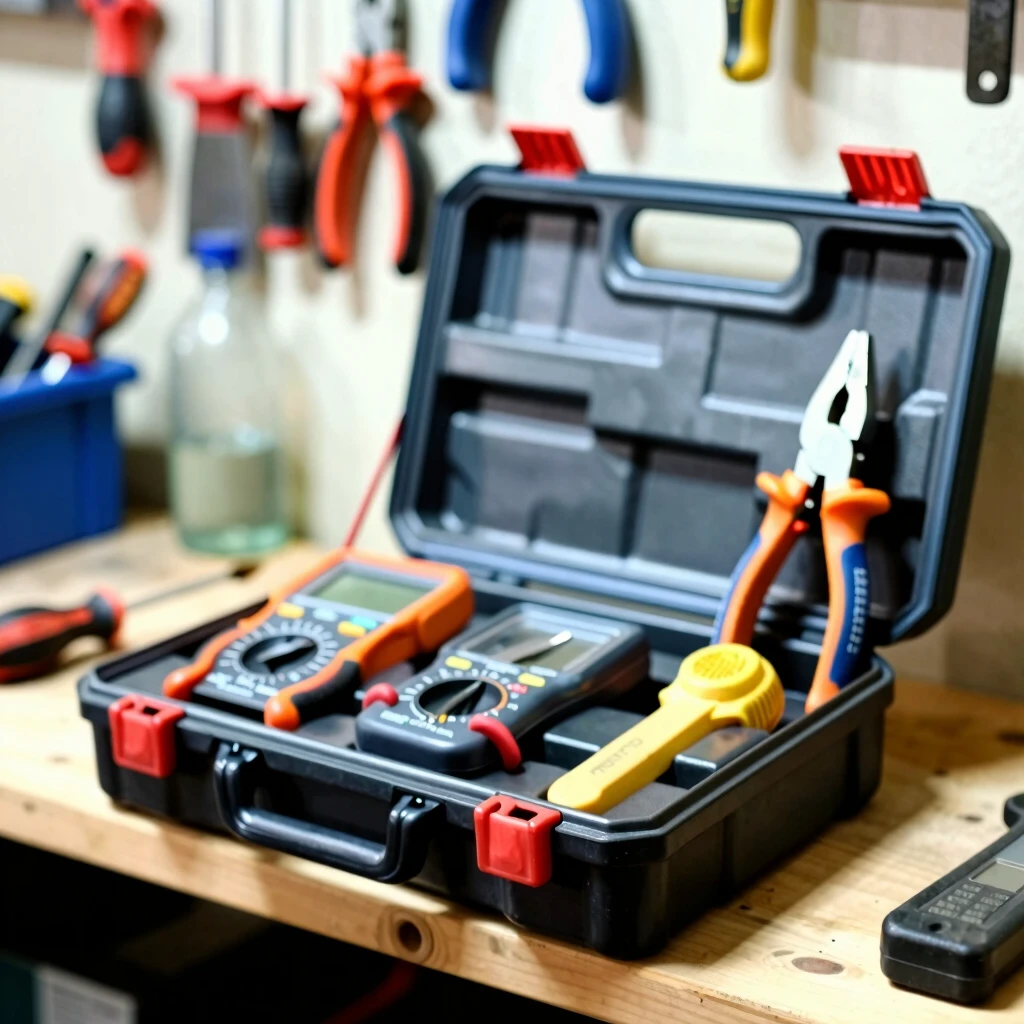
Proper care extends tool life. Clean after use, store in dry places. Organize with toolboxes to prevent damage.
Regular inspections spot wear. Replace damaged insulation immediately.
From my perspective, well-maintained tools are reliable partners in any project.
Wrapping It Up
Choosing the right electrical tools for your projects involves assessing needs, prioritizing safety, and considering ergonomics. With the right workman tools, you'll work efficiently and safely. Start small, build your collection, and always learn from each project.
Related How to Choose the Right Electrical Tools for Your Projects:
- Top 10 Must-Have Workman Tools for Homeowners
- How to Sharpen Your Hand Tools Like a Pro
- Must-Have Wrenches for Every Toolbox: The Essential Guide for 2026
- How to Maintain Your Tools for Longevity: Practical Tips for Lasting Performance
- Workshop Maintenance Guide: Essential Tips for Safety and Efficiency
- Tool Calibration: Ensuring Precision in Your Work
- How to Use Wrenches Safely: Essential Tips for Every DIYer and Professional
- How to Choose the Right Power Washer for Your Needs
- Organizing Your Workshop: Tips for Efficient Tool Storage
- DIY Painting Hacks for Beginners: Simple Tips for Professional Results
- The Ultimate Guide to Tool Belts with Built-In Storage in 2026
- Best Beginner Power Tools Reviews - Wood Magazine