Overview
Every homeowner needs a reliable set of workman tools to handle everyday repairs and small projects. These top 10 must-have workman tools for homeowners will help you save money, stay safe, and feel more confident around the house.

Owning your home means taking care of it yourself sometimes. Over the years, I've fixed leaky faucets, hung shelves, assembled furniture, and even handled minor electrical tasks. Having the right tools makes all the difference.
These workman tools aren't fancy—they're practical, durable, and get the job done. I'll share my personal experiences and tips so you can build a toolkit that works for you.
Why Ergonomic Workman Tools Matter
Comfort counts when you're working on projects for hours. Ergonomic workman tools for comfort feature cushioned grips and balanced weight that reduce hand fatigue and strain.
According to OSHA's guidelines on controlling ergonomic hazards, properly designed tools lower the risk of repetitive strain injuries. I switched to rubber-grip tools a few years ago and noticed my wrists hurt much less after long sessions.
The Top 10 Must-Have Workman Tools
Here’s my list of the top 10 must-have workman tools for homeowners, in no particular order. Each one earns its place in my garage.
1. Claw Hammer (16-20 oz)
A good claw hammer drives nails and pulls them out easily. Choose one with a fiberglass or steel handle and rubber grip for shock absorption.
I’ve used mine for everything from hanging pictures to light demolition. Go for a 16-ounce head if you want something lightweight yet powerful.
2. Multi-Bit Screwdriver Set
One handle with interchangeable Phillips, flathead, and Torx bits beats carrying a dozen separate screwdrivers.
Look for magnetic tips and a comfortable grip. This set handles 90% of the screws you’ll encounter in furniture, outlets, and fixtures.
3. 25-Foot Tape Measure
Accurate measurements prevent costly mistakes. A sturdy tape with a standout of at least 8 feet and clear markings is ideal.
I always keep mine clipped to my belt. The lock button and belt clip make it easy to use single-handed.
4. Adjustable Pliers Set (Needle-Nose and Slip-Joint)
Needle-nose pliers grab small objects and reach tight spaces, while slip-joint pliers grip pipes and nuts.
Ergonomic handles make a big difference here—I once pinched my hand badly with cheap pliers, but cushioned grips changed that.

5. Retractable Utility Knife
Perfect for cutting drywall, opening boxes, scoring materials, or trimming carpet. Choose one with quick blade changes and a secure lock.
Always keep spare blades on hand. Safety note: retract the blade when not in use.
6. 24-Inch Spirit Level
Straight shelves, level pictures, and even tile work require a good level. Look for one with multiple vials and a sturdy aluminum frame.
I prefer models with magnetic edges for hands-free use on metal surfaces.
7. Cordless Power Drill/Driver
A 18-20V cordless drill hangs shelves, assembles furniture, and drills pilot holes effortlessly.
Choose one with variable speed, LED light, and at least two batteries. Lithium-ion batteries last longer and charge faster.

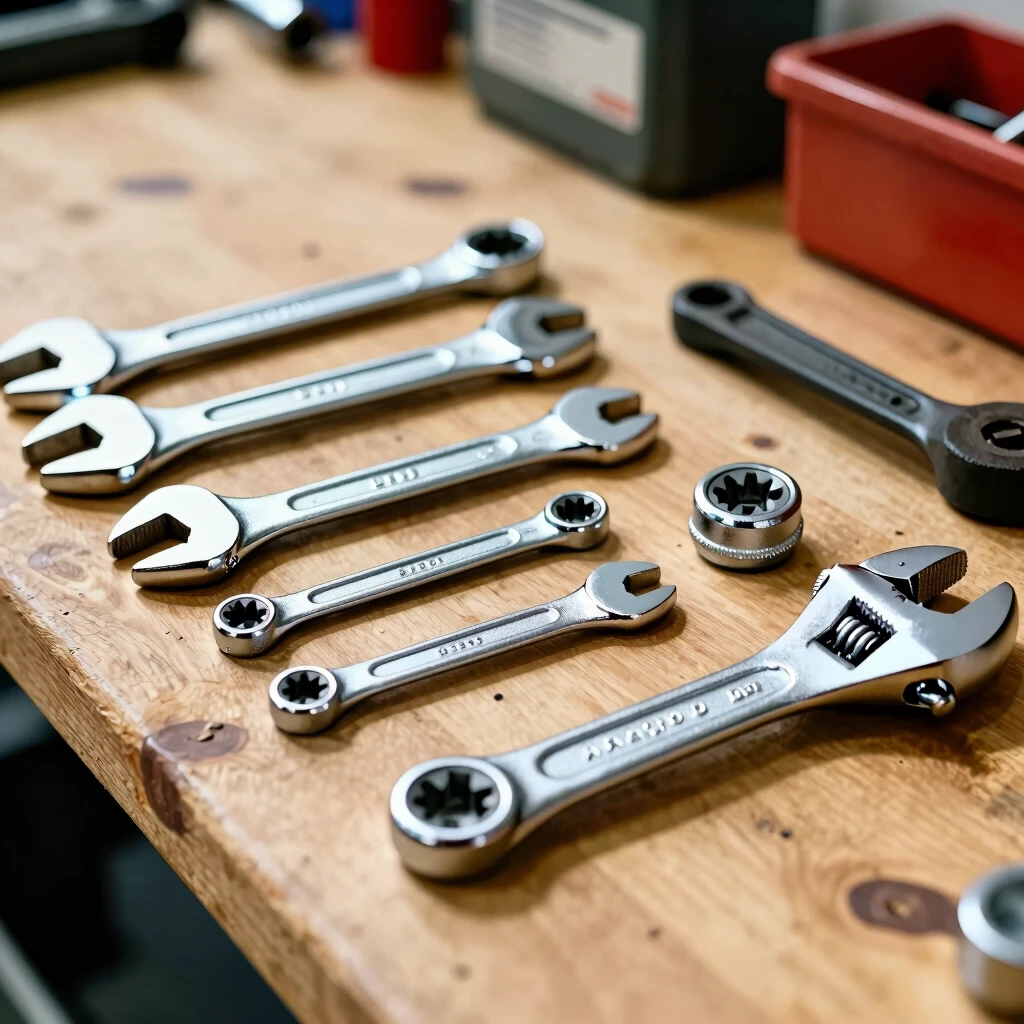
8. Adjustable Crescent Wrench (10-inch)
One wrench adjusts to fit most nuts and bolts around the house. Perfect for plumbing fixes and furniture assembly.
A smooth adjustment mechanism and comfortable handle make repetitive use easier.
9. Non-Contact Voltage Tester
Safety comes first with electrical work. This simple tool detects live wires without direct contact.
I never touch an outlet or switch without checking it first. It’s small, inexpensive, and potentially lifesaving.
10. Digital Stud Finder
Locating studs behind drywall ensures secure mounting for heavy items like TVs and cabinets.
Modern ones detect wires and pipes too—an extra safety feature I appreciate.
How to Choose the Right Electrical Tools for Your Projects
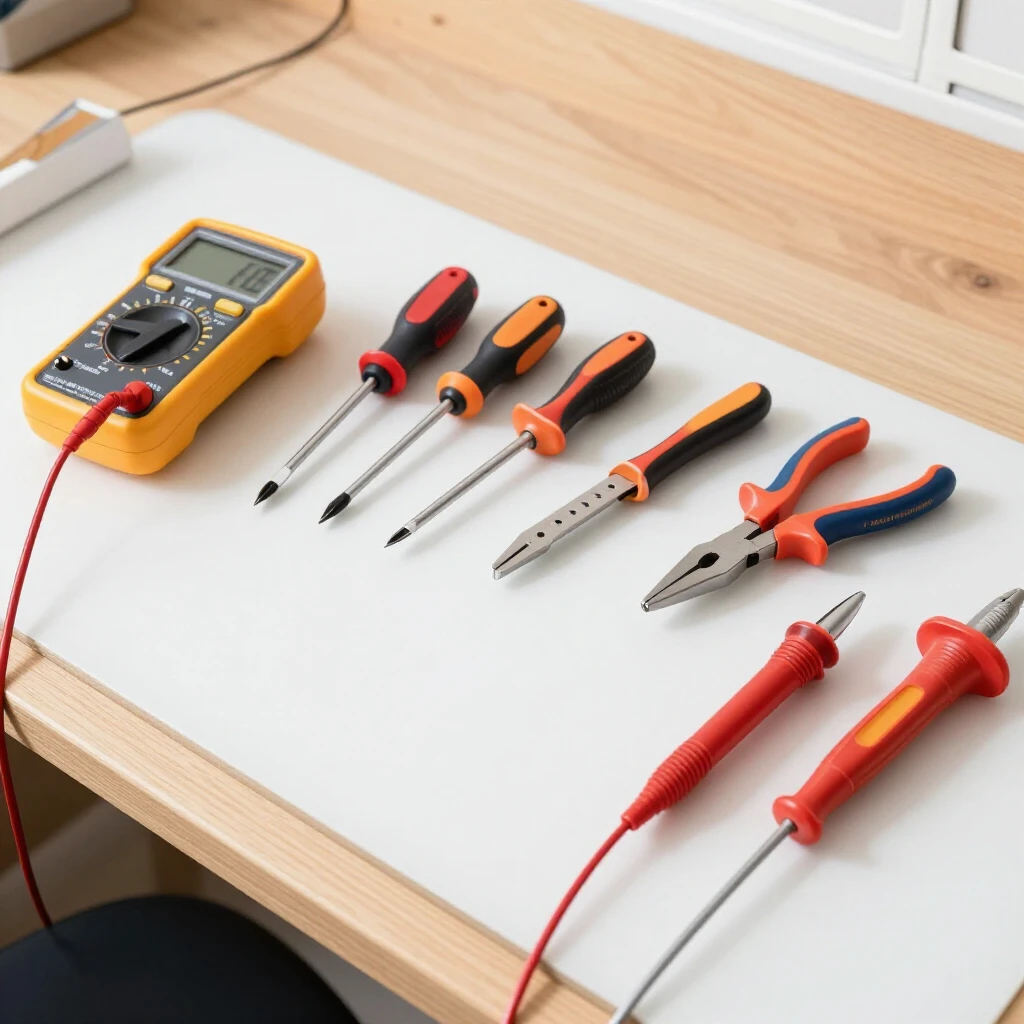
Electrical tools deserve special attention because mistakes can be dangerous. Always prioritize safety-rated tools and follow basic guidelines.
The U.S. Consumer Product Safety Commission’s Home Electrical Safety Checklist recommends using grounded tools and GFCI protection for wet areas. For more on safe hand tool selection, see the California Division of Occupational Safety and Health guide to non-powered hand tools.
Start with a non-contact voltage tester and insulated screwdrivers. If you plan more advanced work, add a basic multimeter—but know your limits and call a professional when needed.
Final Thoughts
Building a solid collection of these top 10 must-have workman tools for homeowners gives you the confidence to handle most common repairs. Start with the basics, add pieces as you need them, and always choose quality over the cheapest option.
Invest in ergonomic designs when possible, stay safe with electrical tools, and enjoy the satisfaction of doing it yourself. Your home—and your wallet—will thank you.
Related Top 10 Must-Have Workman Tools for Homeowners:
- Understanding Electrical Safety Standards: Your Guide to Staying Safe
- DIY Electrical Projects for Beginners: A Comprehensive Guide
- Essential Safety Tips for Beginner Electricians: Stay Safe from Day One
- Electric vs. Gas Power Washers: Which Is Right for You?
- The Best Power Tools for DIY Beginners
- Top Safety Tips for Using Power Tools
- How Automation is Changing the Manufacturing Industry
- How to Maintain Your Workman Tools for Longevity
- Easy Ways to Keep Your Toolbox Organized: Practical Tips for Every DIY Enthusiast
- 10 Essential Tools for Jewelry Making
- Best Wrenches for Every Job: The Ultimate Guide
- How to Choose the Right Electrical Tools for Your Projects