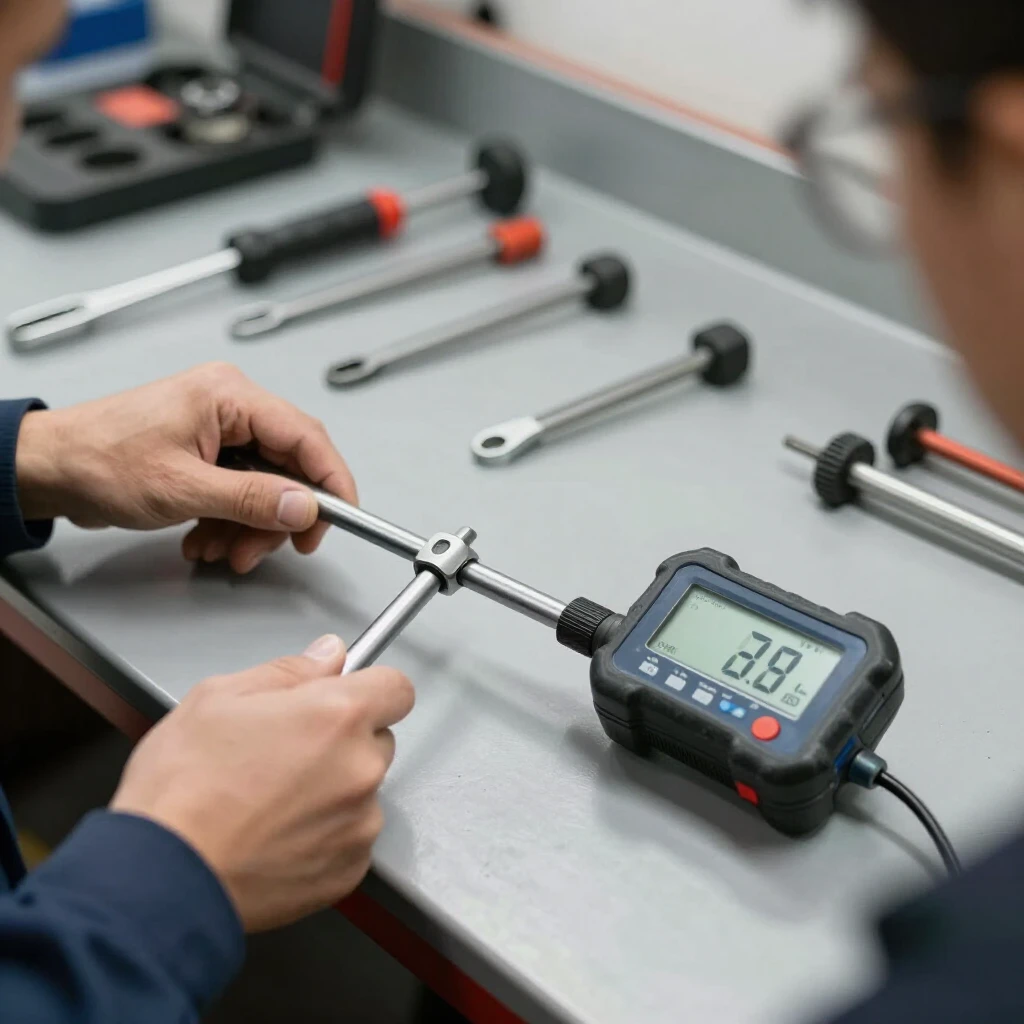
Overview
Keeping your workman tools in top shape boosts their lifespan and your efficiency on the job. This guide shares simple steps to maintain tools like wrenches, ensuring they last for years.
Introduction
As someone who's spent years around workshops and construction sites, I've seen how proper care turns average tools into reliable companions. Learning how to maintain your workman tools for longevity isn't just about saving money—it's about working smarter and safer. Whether you're a pro construction worker or a weekend DIYer, these tips will help.
Workman tools, from hammers to the best wrench sets for construction workers, face daily wear. Dirt, rust, and misuse shorten their life. But with regular attention, you extend their use. I'll share my insights, backed by expert sources, to make this easy.

Cleaning Your Tools: The First Step to Longevity
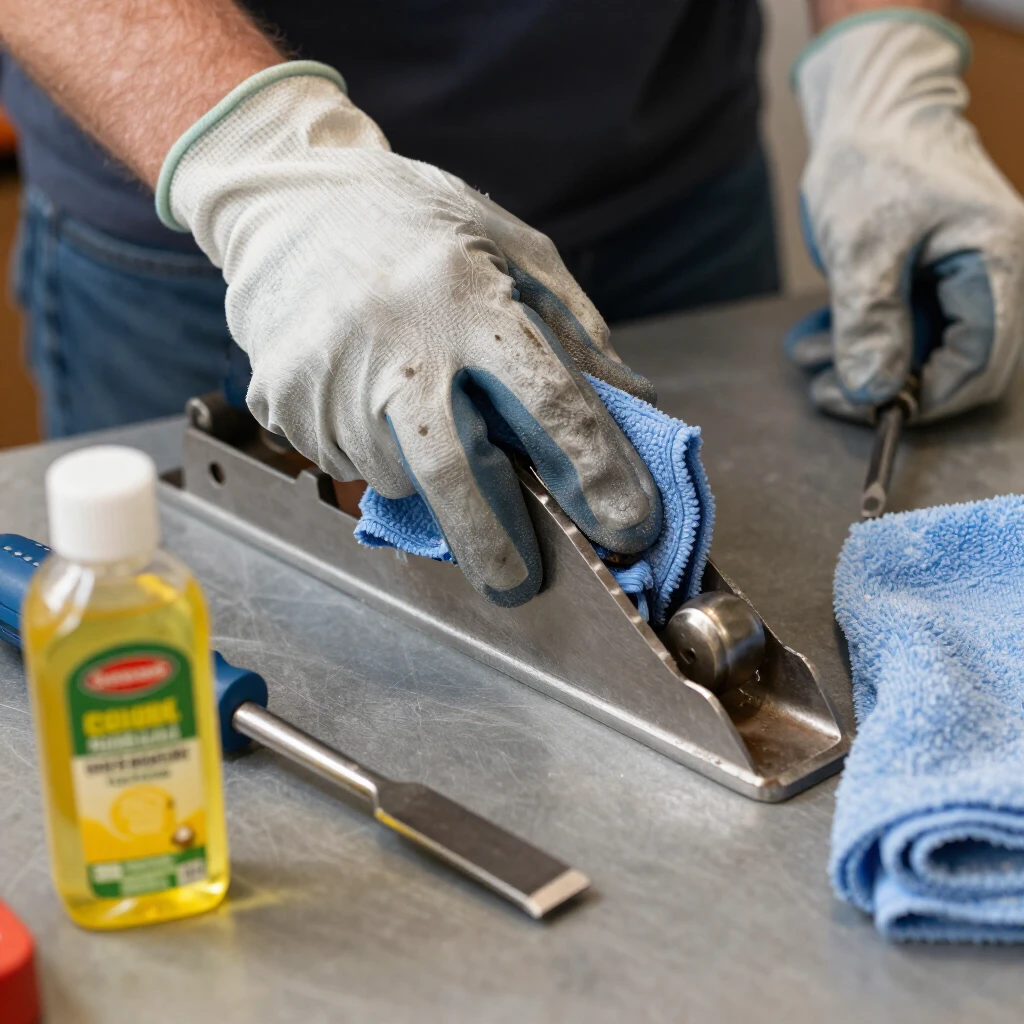
Start every maintenance routine with cleaning. Dirt and grime build up fast, leading to rust and poor performance. After each use, wipe tools down with a soft cloth. For tougher spots, use mild soap and water—avoid harsh chemicals that damage finishes.
In my experience, a quick clean prevents big problems later. For example, on wrenches, residue from oils or paints can corrode metal. Dry tools completely to stop moisture from causing rust.
Use this simple checklist for cleaning: - Wipe surfaces immediately after use. - Soak in soapy water if needed. - Rinse and dry thoroughly. - Apply a light oil coat for protection.
According to the U.S. Department of Labor's OSHA guidelines on hand and power tools[19], regular maintenance like cleaning keeps tools safe and effective.
For power tools in your workman set, unplug them first. Clean vents to prevent overheating. I've found that compressed air works wonders for blowing out dust from hard-to-reach areas.
Remember, clean tools perform better. A dirty wrench slips more, risking injury. Spend five minutes cleaning, and you'll save hours on repairs.
Proper Storage: Protect Your Investment
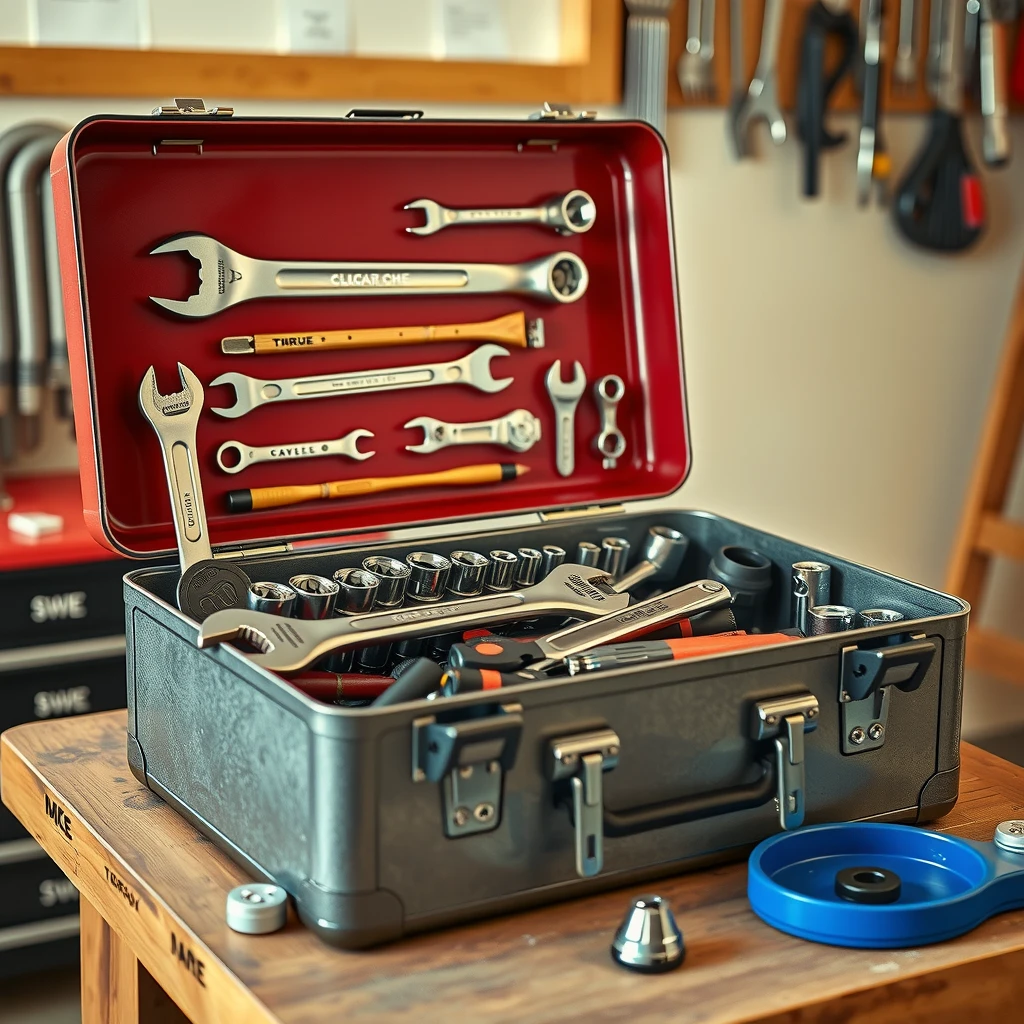
Storage matters as much as cleaning. Tossing tools in a pile invites damage. Instead, organize them in a dry, cool spot. Use toolboxes or pegboards to keep everything in place.
Humidity is the enemy— it breeds rust. In damp areas, add silica packets to absorb moisture. Hang wrenches on hooks to avoid scratches.
Here's a table of storage tips for common workman tools:
| Tool Type | Storage Method | Why It Helps |
|---|---|---|
| Wrenches | Hang on pegs or in foam inserts | Prevents bending and easy access |
| Hammers | Upright in racks | Avoids head damage |
| Screwdrivers | In slotted holders | Keeps tips sharp |
From my time helping friends set up workshops, good storage cuts down on lost tools and frustration. The best wrench sets for construction workers deserve shadow foam organizers—they show exactly what's missing.

Regular Inspection and Maintenance: Catch Issues Early
Inspect tools before and after use. Look for cracks, loose parts, or wear. A small fix now prevents failure later.
For wrenches, check jaws for chips. Tighten any loose handles. Sharpen edges on cutting tools.
Personal insight: Once, I ignored a small crack in a wrench, and it snapped mid-job. Lesson learned—inspections save time and money.
Follow these steps: 1. Visual check for damage. 2. Test moving parts. 3. Replace worn components.
The Virginia Tech Extension's guide on hand tool care[2] emphasizes inspecting for defects to ensure safety.
Maintain blades sharp—dull ones require more force, increasing accident risk. Use a file or stone for sharpening.
For power tools, check cords for frays. Lubricate gears as per manual. These habits extend tool life dramatically.
Specific Tips for Wrenches: Essential Workman Tools
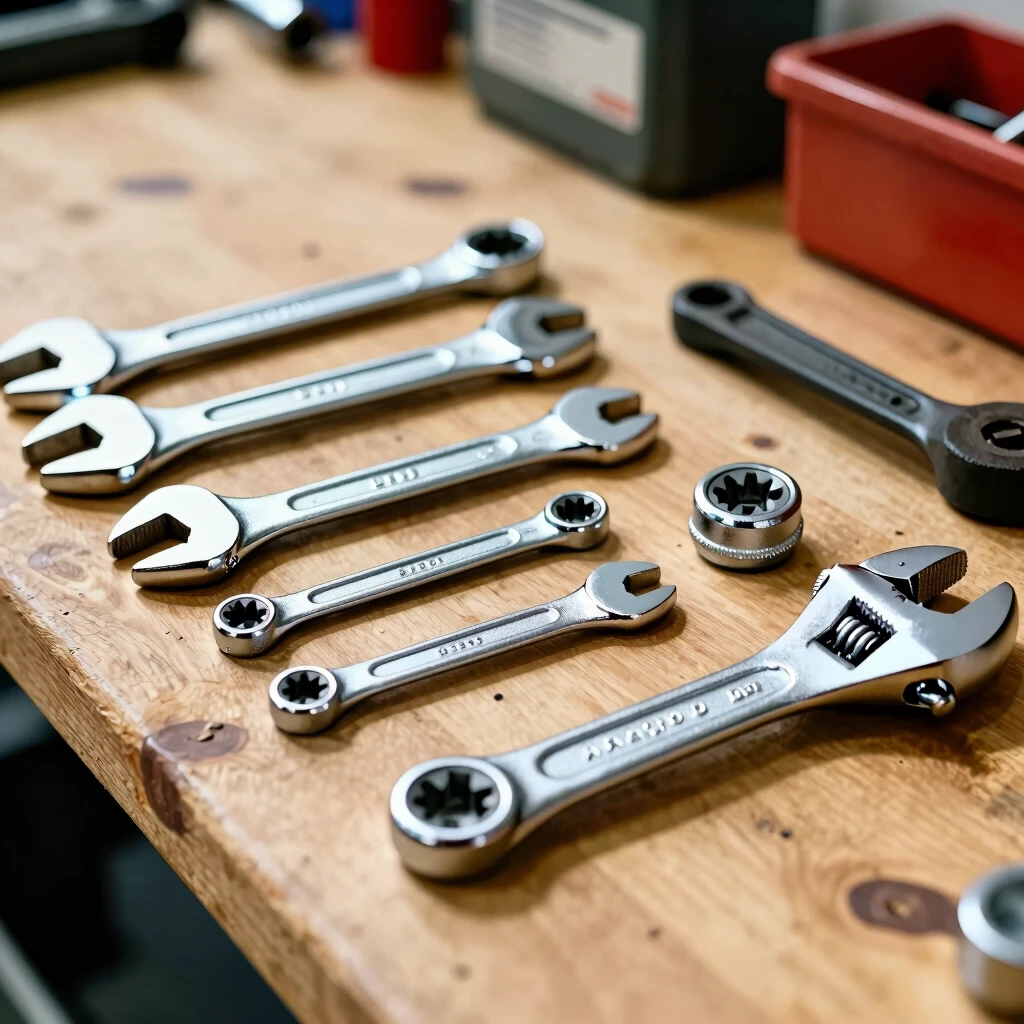
Wrenches are workhorses in any toolkit, especially the best wrench sets for construction workers. They handle torque and tight spaces, so care is key.
Clean after each use to remove debris. Store flat or hung to maintain shape.
Avoid using them as hammers—that bends them. Instead, use the right size for the job.
In my view, investing in quality sets pays off. Chrome-plated ones resist rust better. Oil pivot points on adjustable wrenches for smooth action.
The U.S. Government Publishing Office's manual on maintenance and care of hand tools[20] details scouring rust from blades and coating with oil.

Lubrication and Rust Prevention: Keep Things Smooth
Lubricate moving parts regularly. A drop of oil on hinges and joints prevents seizing.
For rust, apply a thin oil film or use rust inhibitors. In humid climates, this is crucial.
I've used WD-40 for quick protection, but for long-term, machine oil works best. Wipe excess to avoid attracting dirt.
The Ohio State University Extension's factsheet on safe use of hand-held tools[8] recommends replacing damaged handles and keeping tools sharp.
Summary
Maintaining your workman tools for longevity boils down to cleaning, storing, inspecting, and lubricating them right. These steps ensure your tools, like wrenches, stay reliable. Start today for better results tomorrow.
Related How to Maintain Your Workman Tools for Longevity:
- Advanced Tool Organization Ideas: Keep Your Workman Tools Efficient and Long-Lasting
- Choosing Durable Workman Tools: A Practical Guide for Long-Lasting Performance
- Easy Ways to Keep Your Toolbox Organized: Practical Tips for Every DIY Enthusiast
- 10 Essential Tools for Jewelry Making
- Best Wrenches for Every Job: The Ultimate Guide
- How to Choose the Right Electrical Tools for Your Projects
- How to Sharpen Your Hand Tools Like a Pro
- Must-Have Wrenches for Every Toolbox: The Essential Guide for 2026
- How to Maintain Your Tools for Longevity: Practical Tips for Lasting Performance
- Workshop Maintenance Guide: Essential Tips for Safety and Efficiency
- Tool Calibration: Ensuring Precision in Your Work
- How to Use Wrenches Safely: Essential Tips for Every DIYer and Professional