Overview
Choosing between electric and gas power washers can feel overwhelming, but it doesn't have to be. This guide breaks down the differences, helping you decide which type suits your home projects best while covering essential power washer maintenance tips.
What Are Power Washers?
Power washers, also known as pressure washers, are powerful tools that blast water at high pressure to clean surfaces. They tackle dirt, grime, mold, and stains on driveways, decks, cars, and more. These power tools come in two main types: electric and gas-powered.
Electric models plug into an outlet and use an electric motor to pump water. Gas versions run on gasoline engines, similar to lawn mowers. Both types help you save time on tough cleaning jobs compared to scrubbing by hand.
People often use them for home maintenance, like prepping a house for painting or clearing winter salt from sidewalks. Understanding the basics helps you pick the right one without overspending.

Pros and Cons of Electric Power Washers
Electric power washers shine for everyday home use. They start with a simple button push—no pulling cords or mixing fuel. I remember my first one; it was quiet enough that I could chat with neighbors while working.
Here's a quick look at the advantages and drawbacks:
| Aspect | Pros | Cons |
|---|---|---|
| Power | Good for light to medium jobs, like washing cars or patios | Lower pressure (1,300-1,700 PSI) compared to gas models |
| Noise | Much quieter, ideal for residential areas | May need extension cords for reach |
| Cost | Cheaper upfront, often under $200 | Less powerful for heavy-duty tasks |
| Maintenance | Easy— just clean the nozzle and store indoors | Limited by cord length |
Electric models are eco-friendlier since they don't emit fumes. According to the EPA, they help reduce indoor air quality issues from carbon monoxide. If you live in a suburb, this type keeps things simple and safe.
They weigh less, making them easy to carry around. In my experience, hauling one up stairs for siding cleaning was no sweat. But for big areas like a long driveway, you might tire of managing the cord.
Overall, if your projects are small-scale, electric power washers deliver reliable performance without hassle.

Pros and Cons of Gas Power Washers
Gas power washers pack a punch for tough jobs. They rev up like a small engine and blast away stubborn buildup. I've used one to strip old paint from a fence—it cut the time in half compared to manual methods.
Check out this comparison:
| Aspect | Pros | Cons |
|---|---|---|
| Power | High pressure (2,000-2,800 PSI) for heavy grime | Noisy, can disturb neighbors |
| Mobility | No cords, great for large areas | Heavier, around 50-60 pounds |
| Durability | Built tough for frequent use | Emits exhaust fumes |
| Runtime | Runs as long as you have fuel | Higher fuel and oil costs |
Consumer Reports notes that gas models clean about 50% faster than electrics on average. However, they require more upkeep, like oil changes.
The freedom to move anywhere is a big win for rural properties or commercial work. Just remember ventilation—CDC warns about carbon monoxide risks from gas engines indoors.
From my perspective, if you face oil stains or mildew regularly, gas wins. But weigh the noise and smell against your needs.
Factors to Consider When Choosing
Deciding on electric vs. gas power washers: which is right for you? Think about your specific situation.
- Job Size: Small yard? Go electric. Big property? Gas handles it better.
- Budget: Electrics cost less initially, but gas might save time long-term.
- Storage: Electric stores easily in a garage shelf; gas needs space for fuel.
- Environment: Electric is greener with no emissions.
- Ease of Use: Beginners prefer electric's simplicity.
Consider how often you'll use it. Occasional cleaning? Electric suffices. Weekly tasks? Invest in gas.
University of Kentucky's safety guide emphasizes wearing protective gear for both types.

Power Washer Maintenance Tips
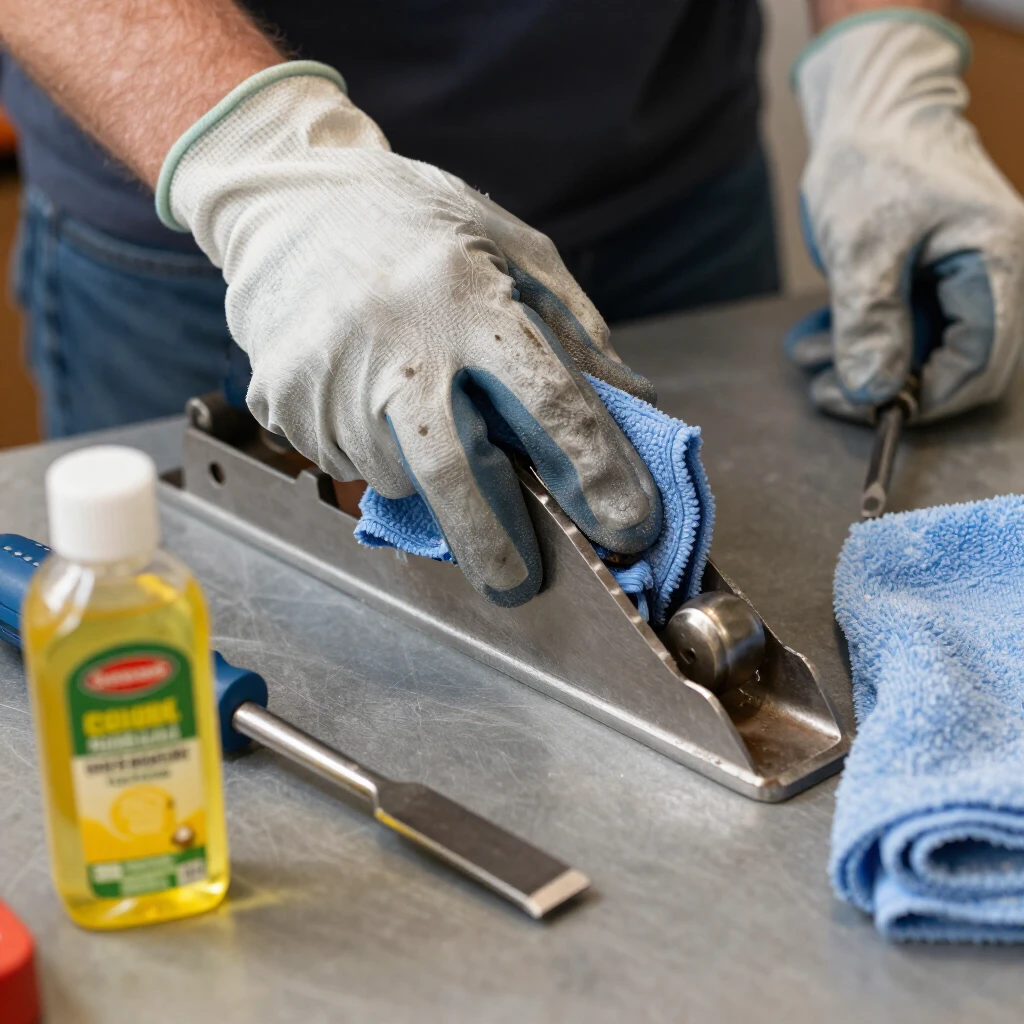
Keeping your power washer in top shape extends its life and ensures safe operation. Here are actionable steps:
- Clean After Each Use: Rinse the system with clean water to flush out soap or debris.
- Check Hoses and Connections: Look for cracks or leaks before starting.
- Store Properly: Drain water to prevent freezing; keep in a dry spot.
- For Gas Models: Change oil regularly and use fresh fuel.
- Nozzle Care: Clear clogs with a pin; replace if worn.
In my years using these power tools, skipping maintenance led to a clogged pump once—it was avoidable with these habits.
Follow manufacturer guidelines for specifics.
Personal Insights
I've owned both types over the years. My electric power washer was perfect for quick car washes—plug in, spray, done. But when I tackled a mossy roof, the gas model shone with its power.
One tip: Start small if you're new. Rent before buying to test. It saved me from a mismatched purchase.
Ultimately, match the tool to your lifestyle for the best results.
Summary
Electric power washers offer ease and quiet for light duties, while gas models provide raw power for heavy jobs. Consider your needs, budget, and maintenance willingness. With proper care, either can be a great addition to your power tools arsenal.
Related Electric vs. Gas Power Washers: Which Is Right for You?:
- The Best Power Tools for DIY Beginners
- Top Safety Tips for Using Power Tools
- How Automation is Changing the Manufacturing Industry
- How to Maintain Your Workman Tools for Longevity
- Easy Ways to Keep Your Toolbox Organized: Practical Tips for Every DIY Enthusiast
- 10 Essential Tools for Jewelry Making
- Best Wrenches for Every Job: The Ultimate Guide
- How to Choose the Right Electrical Tools for Your Projects
- How to Sharpen Your Hand Tools Like a Pro
- Must-Have Wrenches for Every Toolbox: The Essential Guide for 2026
- How to Maintain Your Tools for Longevity: Practical Tips for Lasting Performance
- Workshop Maintenance Guide: Essential Tips for Safety and Efficiency