Starting DIY projects is exciting, but choosing the right tools can feel overwhelming. This guide covers the must-have power tools for beginners, with practical advice to help you build skills and confidence quickly.
If you're new to DIY, you don't need a huge collection of tools right away. A few reliable power tools will handle most home projects, from hanging shelves to building furniture. We'll focus on the essentials, explain key features, and share real-world insights to help you choose wisely.

Why Power Tools Matter for Beginners
Power tools save time and effort compared to hand tools. They let you tackle bigger projects sooner and achieve cleaner results. When I started DIY years ago, my first power drill opened up possibilities I never imagined—suddenly, assembling flat-pack furniture or hanging heavy mirrors felt easy.
The key is starting with versatile, user-friendly tools that won't intimidate you.
Safety Comes First
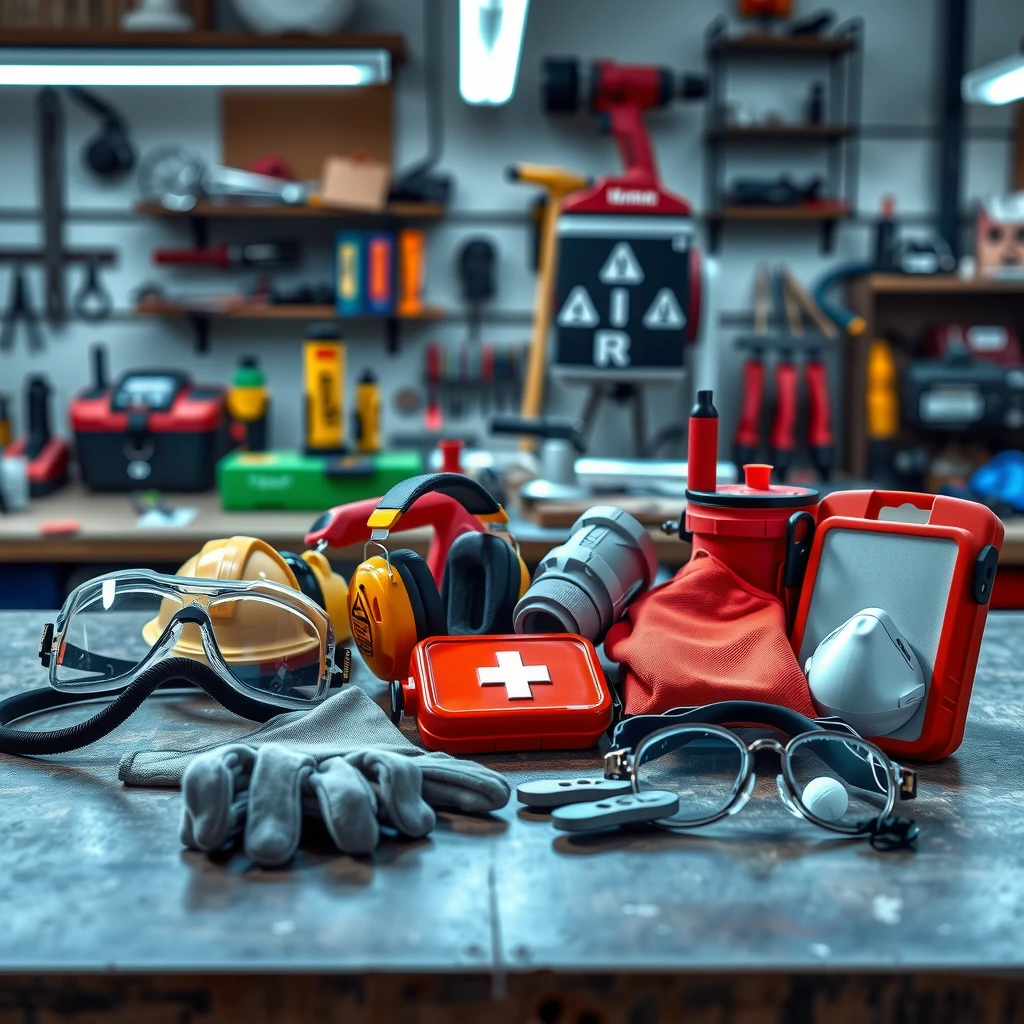
Before buying any power tool, prioritize safety: - Always wear safety glasses - Use ear protection for loud tools - Keep loose clothing and hair tied back - Read the manual completely - Work in a well-lit, stable area
These habits prevent most accidents and build good practices from day one.
Essential Power Tools Every Beginner Should Own
Here are the top power tools I recommend starting with, ranked by versatility:
1. Power Drill (The Most Important Tool)
A good power drill is the cornerstone of any DIY toolkit. It's used for drilling holes, driving screws, and with attachments—even mixing paint or polishing surfaces.
Look for: - 18V or 20V battery platform (if cordless) - Variable speed trigger - Clutch settings to prevent over-driving screws - Built-in LED light - At least one battery and charger included
Popular beginner-friendly brands: Ryobi, DeWalt, Milwaukee, Bosch, and Makita.

Corded vs. Cordless Drills: Which Is Right for You?
This is one of the most common questions beginners ask.
Cordless drills offer freedom of movement—no cord to trip over or limit reach. Modern batteries last long enough for most home projects. They're perfect for working in tight spaces or outdoors.
Corded drills provide unlimited runtime and usually more power. They're lighter without a battery and often cheaper. Best if you'll mostly work near outlets.
For most beginners today, I recommend starting with a cordless drill. Battery technology has improved dramatically, and the convenience outweighs the occasional need to recharge.
2. Circular Saw
Great for making straight cuts in plywood, lumber, and sheet goods.
Beginner tips: - Choose a 6-1/2" or 7-1/4" blade size - Look for laser guides or good sight lines - Get one with a dust port if possible
Pair it with a straight edge guide for perfectly straight cuts.
3. Orbital Sander
Sanding by hand takes forever. A random orbital sander removes material quickly and leaves a smooth finish without swirl marks.
Best features for beginners: - Variable speed - Dust collection bag or port - Hook-and-loop (Velcro) sandpaper attachment
You'll use this for furniture refinishing, smoothing edges, and prepping surfaces for paint.

4. Jigsaw
Perfect for curved cuts, plunge cuts, and cutting shapes in wood, plastic, or thin metal.
Beginners should get: - Variable speed - Tool-free blade change - Orbital action settings
It's incredibly versatile for creative projects like making signs or cutting countertops.
5. Oscillating Multi-Tool
This "problem solver" tool cuts, sands, scrapes, and grinds in tight spaces.
Uses include: - Removing old grout - Undercutting door jambs - Plunge cutting drywall - Sanding in corners
Many brands offer power drills with multiple attachments that can partially replace a dedicated multi-tool, but a standalone one is worth adding later.
How to Choose Quality Tools on a Budget
- Stick to one battery platform (example: buy all Ryobi tools to share batteries)
- Read reviews on retailer sites and YouTube demos
- Consider refurbished tools from reputable sellers
- Start with combo kits—they're usually better value
- Don't chase the most expensive pro-grade tools yet
Maintenance Tips to Make Tools Last
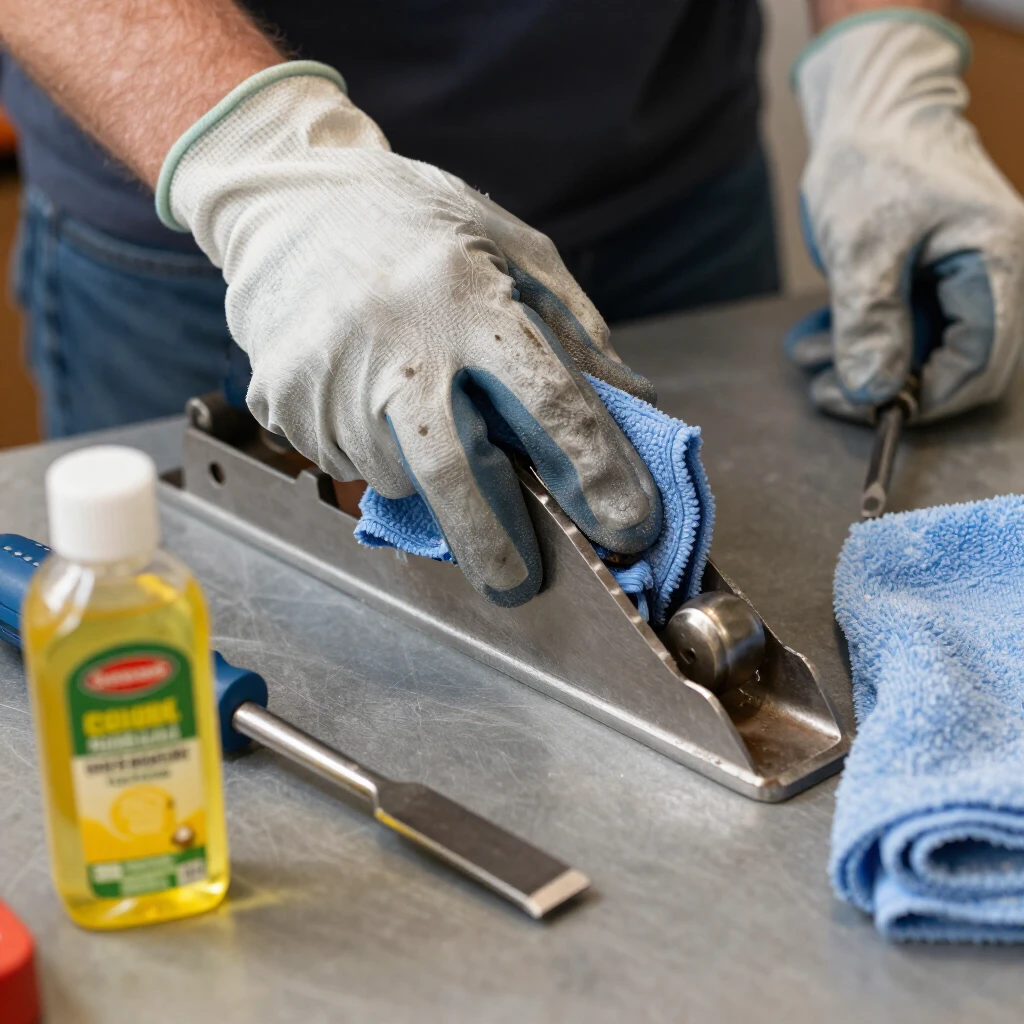
- Clean tools after each use
- Store in a dry place
- Charge batteries properly (don't leave them dead for months)
- Sharpen or replace blades/bits when dull
- Check cords for damage (if using corded tools)
Final Thoughts
The best power tools for DIY beginners are versatile, safe, and reliable. Start with a quality cordless drill—it's the tool you'll reach for most often. Add a circular saw and orbital sander next, and you'll be ready for nearly any home project.
Take your time learning each tool. Practice on scrap material first. Your skills (and confidence) will grow quickly.
Happy building!
Related The Best Power Tools for DIY Beginners:
- Top Safety Tips for Using Power Tools
- How Automation is Changing the Manufacturing Industry
- How to Maintain Your Workman Tools for Longevity
- Easy Ways to Keep Your Toolbox Organized: Practical Tips for Every DIY Enthusiast
- 10 Essential Tools for Jewelry Making
- Best Wrenches for Every Job: The Ultimate Guide
- How to Choose the Right Electrical Tools for Your Projects
- How to Sharpen Your Hand Tools Like a Pro
- Must-Have Wrenches for Every Toolbox: The Essential Guide for 2026
- How to Maintain Your Tools for Longevity: Practical Tips for Lasting Performance
- Workshop Maintenance Guide: Essential Tips for Safety and Efficiency
- Tool Calibration: Ensuring Precision in Your Work