Choosing the right saw for your project is not just about getting the job done; it's about doing it efficiently, safely, and with precision. Whether you're a seasoned professional or a DIY enthusiast, understanding the unique features and applications of different saws can make a significant difference in your work. From the versatile circular saw to the precision of a miter saw, each tool has its place in the workshop. This guide will help you navigate the options and select the best saw for your specific needs, ensuring your projects are completed to the highest standard.
When it comes to power tools, saws are among the most essential. They come in various shapes and sizes, each designed for specific tasks. Let's explore the most common types and their uses.
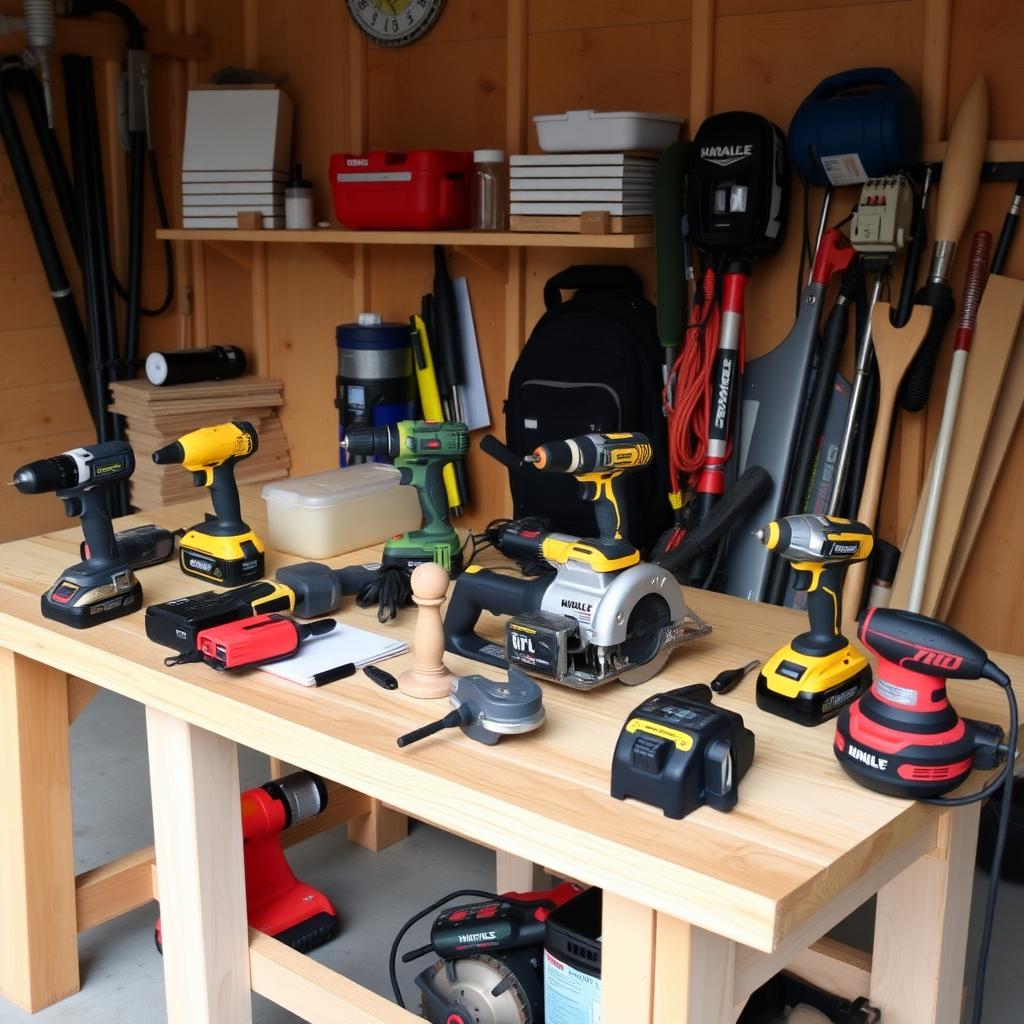
Circular saws are the workhorses of the saw family. Their portability and versatility make them ideal for a wide range of projects, from framing a house to cutting plywood for cabinetry. With the right blade, they can cut through wood, metal, and even concrete. One of the key advantages of circular saws is their ability to make long, straight cuts quickly. However, they do require a steady hand and a good eye for following a line. For those new to using circular saws, practicing on scrap material can help build confidence and accuracy.
Jigsaws are the go-to tool for making curved cuts and intricate designs. Their thin, reciprocating blade allows for maneuverability that other saws can't match. Whether you're cutting out a pattern for a craft project or making a custom fit for a piece of trim, a jigsaw is an invaluable tool. It's important to note that jigsaws are not designed for heavy-duty cutting. They excel in precision work but may struggle with thicker materials. For best results, use a sharp blade appropriate for the material you're cutting.
Reciprocating saws, often called "sawzalls," are the demolition experts. Their powerful, back-and-forth cutting action can slice through wood, metal, and even masonry with the right blade. They're perfect for tasks like removing old plumbing, cutting through nails, or dismantling structures. While reciprocating saws are incredibly useful, they can be challenging to control for precise cuts. They're best suited for rough work where speed and power are more important than finesse.
Miter saws are designed for making precise crosscuts and angled cuts, making them indispensable for trim work, framing, and molding installation. They come in various sizes, with larger models capable of cutting wider boards. One of the standout features of miter saws is their ability to make compound cuts, which are essential for projects like crown molding. With a miter saw, you can achieve professional-level accuracy with relative ease.
Table saws are the backbone of many workshops. Their large, flat surface and powerful motor allow for ripping long boards and making repeated cuts with consistency. They're ideal for projects that require multiple identical pieces, such as building a deck or constructing furniture. Safety is particularly important with table saws due to their exposed blade. Always use push sticks and blade guards, and never wear loose clothing that could get caught in the blade.
Selecting the right saw for your project involves considering several factors: What are you cutting? Wood, metal, plastic, or something else? Each material may require a different type of saw or blade. Are you making straight cuts, curved cuts, or angled cuts? Different saws excel at different types of cuts. How accurate do your cuts need to be? For high-precision work, a miter saw or table saw might be necessary. Will you be working in a fixed location or need to move the saw around? Circular saws and jigsaws are more portable than table saws. Power tools can be a significant investment. Consider your budget and how often you'll use the saw.
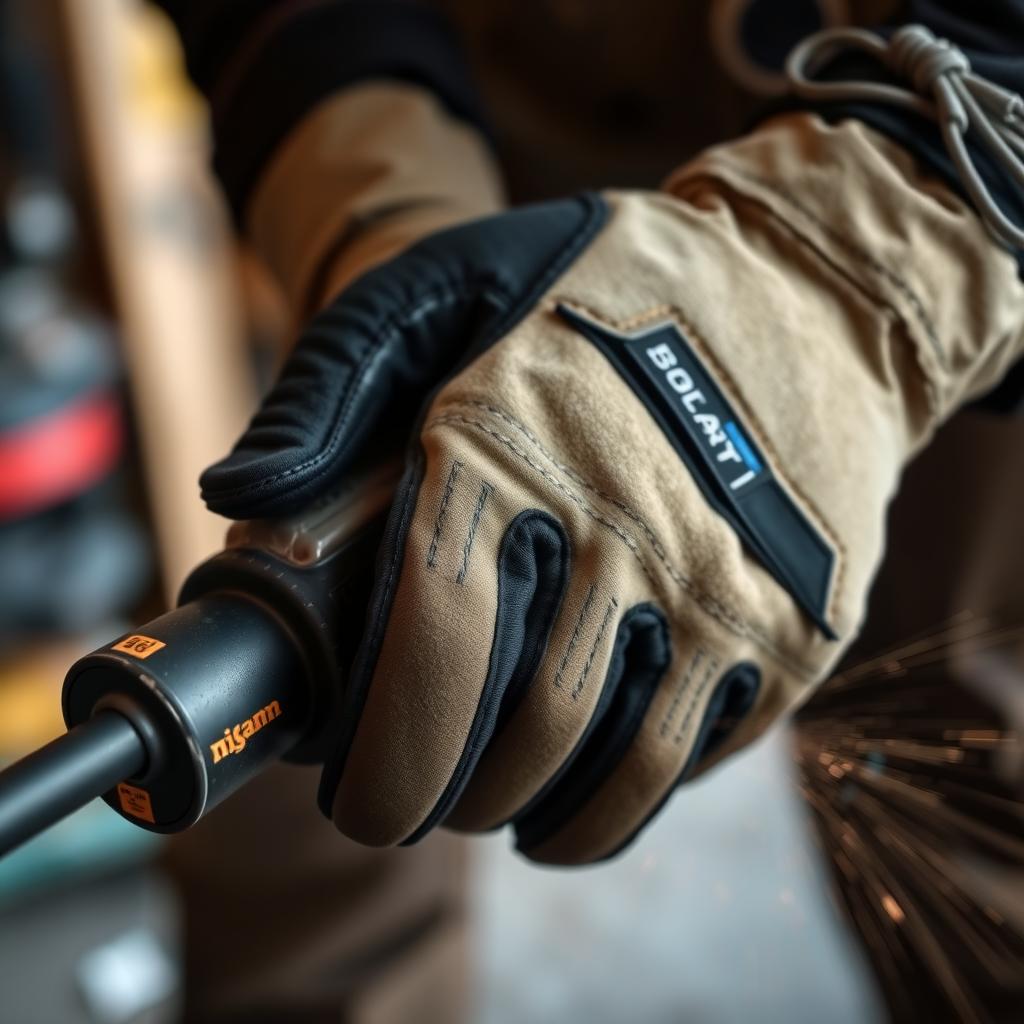
No matter which saw you choose, safety should always be your top priority. Here are some essential safety tips: Always use safety glasses, hearing protection, and gloves. A dust mask is also advisable for projects that generate a lot of dust. Use clamps or a vise to hold your material steady. This prevents it from moving during the cut and reduces the risk of kickback. Before each use, inspect your saw for any damage or wear. Ensure the blade is sharp and properly installed. Each saw is different, so always read and follow the manufacturer's guidelines for operation and maintenance. A clutter-free workspace reduces the risk of accidents. Make sure there are no tripping hazards or obstructions.
Proper maintenance of your saws not only extends their lifespan but also ensures they perform at their best. Here are some maintenance tips: Remove dust and debris from the saw and blade after each use. This prevents buildup that can affect performance. A dull blade is not only inefficient but also dangerous. Sharpen or replace blades as needed. Keep the saw's moving parts well-lubricated to reduce wear and tear. Store your saws in a dry, secure location. Use blade guards to protect the blades and prevent accidents.
Choosing the right saw for your project is a critical step in achieving professional results. By understanding the unique features and applications of each type of saw, you can select the tool that best suits your needs. Remember to prioritize safety and maintenance to ensure your saws remain reliable and effective for years to come.
Related Choosing the Right Saw for Your Project:
- Woodworking 101: Essential Tools for Beginners
- Top Plumber Tool Sets for Home Repairs
- Choosing the Right Power Tools for Your Project
- Comprehensive Hand Tools Safety Guidelines
- Maximizing Efficiency: Organizing Your Work Space
- Types of Torque Wrenches: A Comprehensive Guide
- Choosing the Right Multimeter
- Innovative Workman Tools for Efficiency
- How Battery Tech Powers Today’s Tools
- Beginner's Guide to DIY Home Repairs
- How to Choose the Right Safety Gear for Your Job
- The Essential Guide to Workman Tools for Plumbing and Maintenance