Battery technology has transformed how we use power tools, making them more efficient, portable, and easy to handle. Today’s cordless tools rival corded ones in power, thanks to advancements like lithium-ion batteries. This article dives into how battery tech drives modern tools, safety essentials, and care tips for cordless drills.
The Rise of Cordless Power Tools
The shift from corded to cordless power tools marks one of the most significant advancements in the industry, driven by breakthroughs in battery technology. In the early days, power tools relied on cumbersome cords that limited mobility and required access to electrical outlets. Today, cordless tools—powered by rechargeable lithium-ion batteries—offer the same, if not greater, power and efficiency without the constraints of cords.
Lithium-ion batteries have been a game-changer. They provide higher energy density, meaning they can store more power in a smaller, lighter package. This has made cordless tools more portable and easier to handle, especially for professionals who need to move around job sites. Additionally, these batteries hold their charge longer and recharge faster than older nickel-cadmium (NiCd) batteries, reducing downtime and increasing productivity.
The rise of cordless tools has also been fueled by innovations in motor technology. Brushless motors, now common in high-end cordless tools, offer greater efficiency and longer run times by reducing friction and heat. This combination of advanced batteries and motors has made cordless tools indispensable for tasks ranging from drilling and cutting to sanding and grinding.
For example, cordless drills can now handle heavy-duty tasks like drilling into concrete or driving large screws, jobs that once required corded tools. The flexibility of cordless tools has also expanded their use beyond professional settings, making them a staple in home workshops and DIY projects.
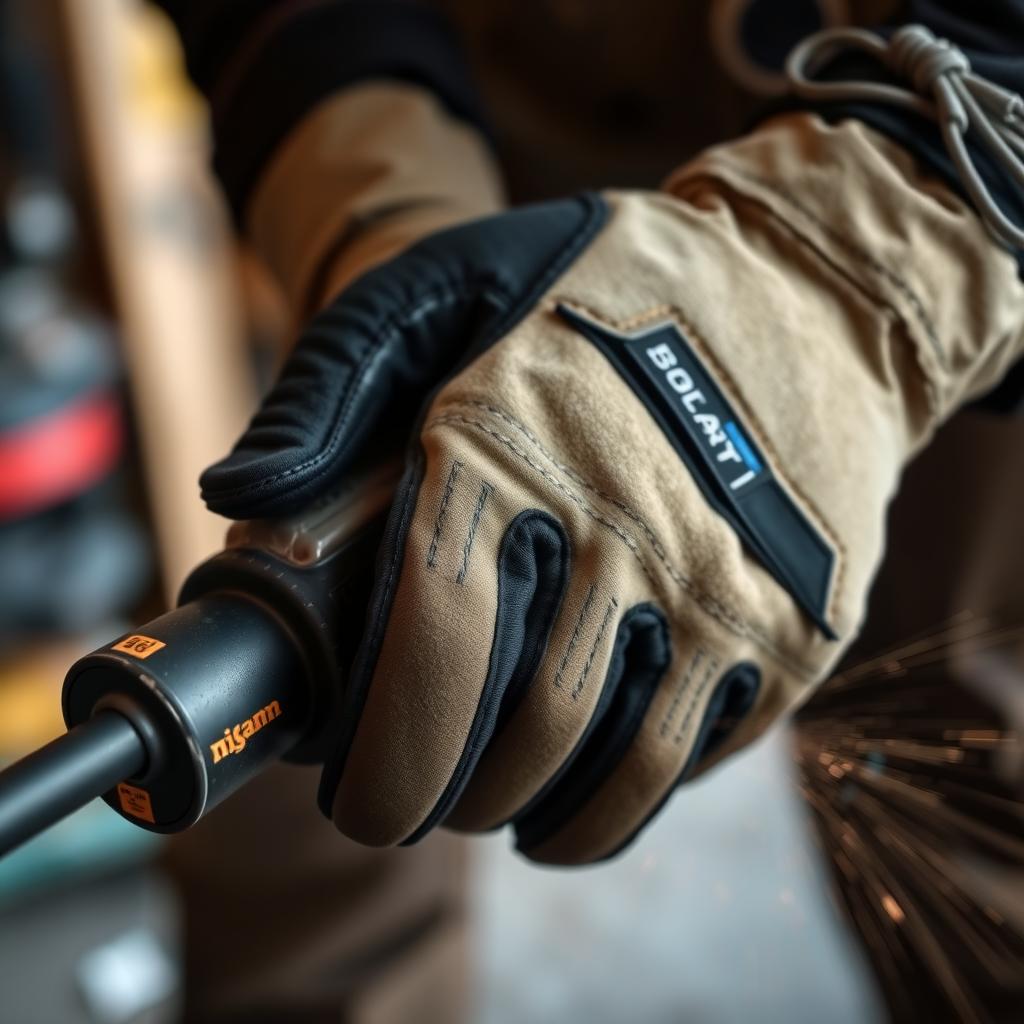
Image 1 Description: A close-up of a modern cordless drill with a lithium-ion battery pack attached, set against a workshop background. The drill is sleek, with a ergonomic design and a bright LED light at the base for visibility in low-light conditions.
Alt Text: Modern cordless drill with lithium-ion battery.
The convenience of cordless tools is undeniable. Without cords, users can work in tight spaces, on ladders, or in outdoor areas without worrying about power sources. This mobility has revolutionized industries like construction, automotive repair, and woodworking, where efficiency and flexibility are key.
However, the rise of cordless tools hasn't been without challenges. Early cordless models were often underpowered and had limited battery life. But with continuous improvements in battery chemistry and energy management systems, these issues have largely been resolved. Today, cordless tools are not only powerful but also equipped with smart features like battery level indicators and overload protection, ensuring they perform reliably even under heavy use.
In summary, the rise of cordless power tools is a testament to how battery technology has reshaped the industry. By offering greater portability, efficiency, and power, cordless tools have become the go-to choice for professionals and hobbyists alike.
Safety Tips for Using Power Tools
While power tools make tasks easier, they also come with inherent risks. Whether you're using a cordless drill or a corded saw, safety should always be the top priority. Here are essential safety tips to keep in mind when using power tools:
-
Wear Proper Protective Gear: Always wear safety glasses to protect your eyes from debris, and consider gloves and hearing protection for added safety. For tasks involving dust or fumes, a mask or respirator is essential.
-
Inspect Tools Before Use: Check for any signs of damage, such as frayed cords, cracked casings, or worn-out parts. For cordless tools, ensure the battery is securely attached and fully charged.
-
Follow Manufacturer Instructions: Each tool comes with specific guidelines for safe operation. Familiarize yourself with the manual and follow all recommendations, especially regarding speed settings and torque adjustments.
-
Maintain a Clean Workspace: A cluttered workspace increases the risk of accidents. Keep your area well-lit and free of obstacles, and ensure that cords (if using corded tools) are out of the way to prevent tripping.
-
Avoid Distractions: Power tools require your full attention. Avoid using them when you're tired or distracted, as even a momentary lapse can lead to injury.
-
Use Tools for Their Intended Purpose: Don't force a tool to do a job it's not designed for. Using the wrong tool can lead to accidents and damage to both the tool and the material.
-
Disconnect Power When Not in Use: For corded tools, unplug them when changing accessories or performing maintenance. For cordless tools, remove the battery to prevent accidental startups.
-
Be Mindful of Your Surroundings: Ensure no one is in the immediate vicinity when operating power tools, especially when using saws or grinders that can project debris.
Safety isn't just about personal protection—it's also about ensuring the longevity of your tools. Proper handling reduces wear and tear, keeping your tools in top condition for longer.
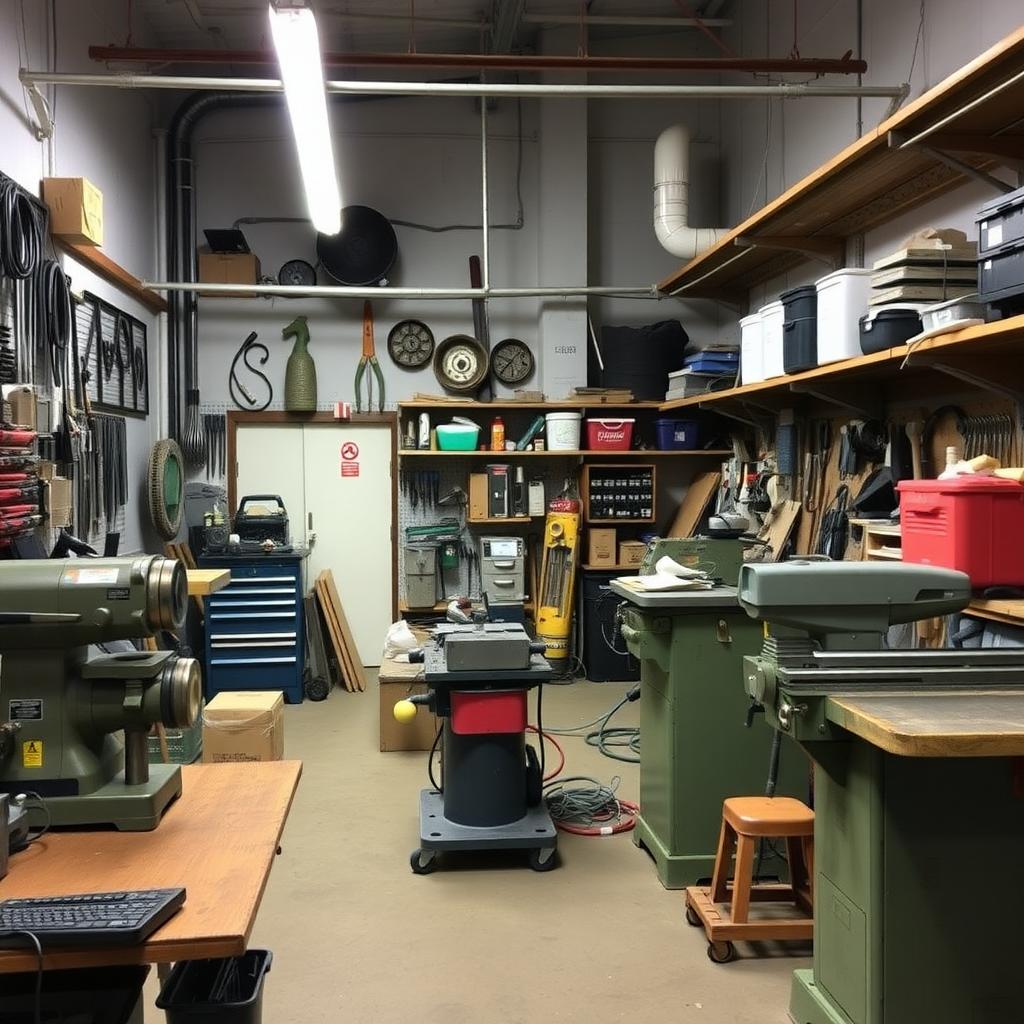
Image 2 Description: A person wearing safety glasses, gloves, and a dust mask while using a cordless drill to assemble furniture. The workspace is clean and well-organized, with tools neatly arranged on a nearby bench.
Alt Text: Safe use of cordless drill with protective gear.
Remember, accidents can happen even to experienced users. Staying vigilant and following these safety tips can help prevent injuries and ensure a smooth, productive workflow.
The Ultimate Guide to Cordless Drill Care
Cordless drills are among the most versatile and widely used power tools, but they require proper care to maintain their performance and longevity. Here's a comprehensive guide to keeping your cordless drill in top shape:
Battery Care
The battery is the heart of any cordless tool, and proper care is crucial for maximizing its lifespan.
-
Charge Correctly: Avoid overcharging or letting the battery drain completely. Most modern lithium-ion batteries have built-in protection, but it's still best to charge them when they reach around 20-30% capacity.
-
Store Properly: When not in use, store batteries in a cool, dry place. Extreme temperatures can degrade battery performance over time.
-
Use the Right Charger: Always use the charger that came with your tool or a manufacturer-approved replacement. Using incompatible chargers can damage the battery.
Cleaning and Maintenance
Regular cleaning and maintenance prevent buildup of dust and debris, which can affect performance.
-
Clean After Each Use: Wipe down the drill with a dry cloth to remove dust and dirt. For stubborn grime, use a slightly damp cloth, but avoid getting water inside the tool.
-
Check for Wear: Inspect the chuck, bits, and other moving parts for signs of wear. Replace any damaged components promptly to avoid further issues.
-
Lubricate Moving Parts: Apply a small amount of lubricant to the chuck and other moving parts periodically to ensure smooth operation.
Storage
Proper storage is key to preventing damage and extending the life of your cordless drill.
-
Store in a Case: If your drill came with a case, use it. Cases protect the tool from dust, moisture, and accidental drops.
-
Remove the Battery: When storing the drill for extended periods, remove the battery to prevent drainage and reduce the risk of corrosion.
-
Avoid Extreme Conditions: Don't leave your drill in hot cars or damp environments, as extreme temperatures and moisture can damage both the tool and the battery.
By following these care tips, you can ensure your cordless drill remains reliable and efficient for years to come.
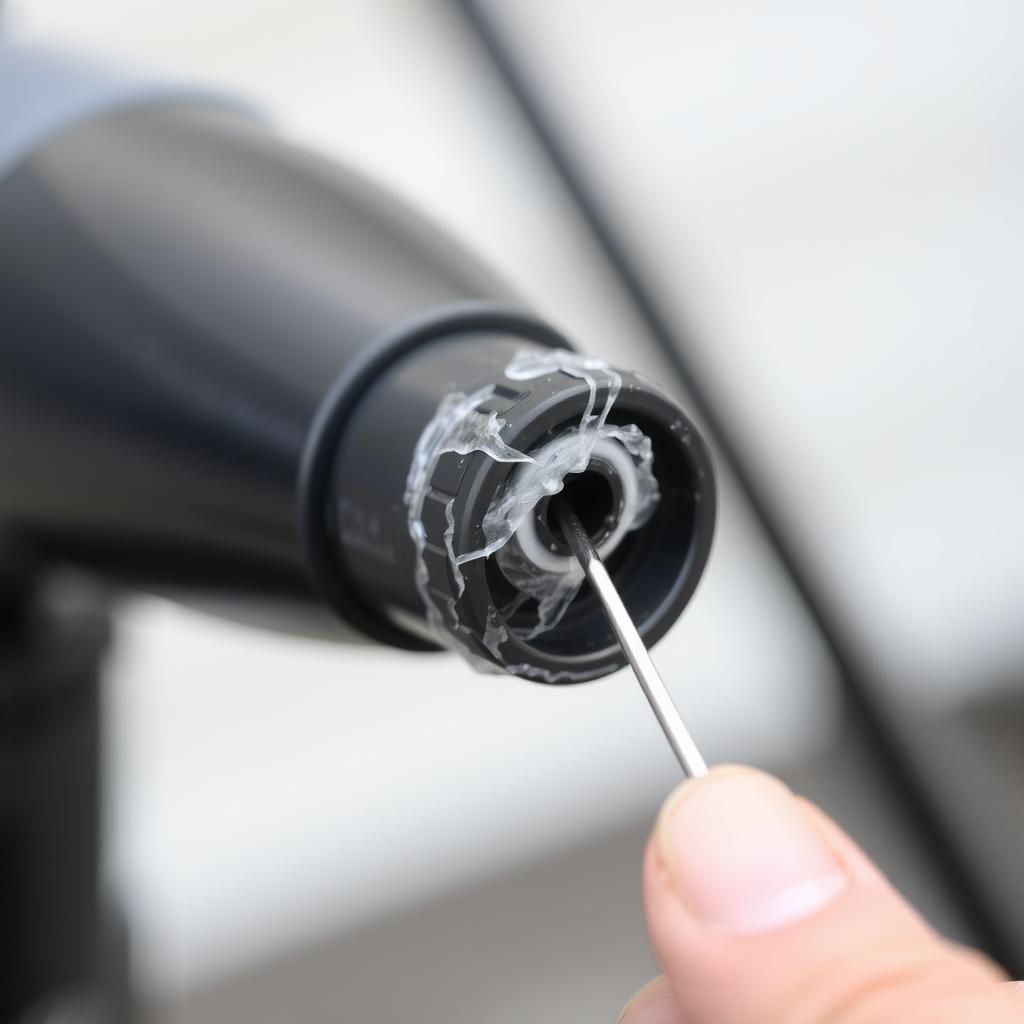
Image 3 Description: A cordless drill being cleaned with a soft cloth, with the battery removed and placed nearby. The background shows a tidy workbench with other tools stored in cases.
Alt Text: Cleaning and maintaining a cordless drill.
Taking care of your cordless drill isn't just about preserving the tool—it's also about ensuring consistent performance. A well-maintained drill will deliver better results and reduce the need for costly repairs or replacements.
Summary
Battery technology has revolutionized the power tool industry, making cordless tools as powerful and efficient as their corded counterparts. The rise of cordless tools has brought unparalleled convenience and flexibility, but it's essential to prioritize safety when using any power tool. By following proper safety protocols and maintaining your tools—especially cordless drills—you can ensure both your safety and the longevity of your equipment. Understanding how to care for your tools not only improves their performance but also enhances your overall experience, whether you're a professional or a DIY enthusiast.
For further reading, explore these resources: - The Evolution of Battery Technology in Power Tools - Power Tool Safety Guidelines - How to Maintain Your Cordless Tools
Related How Battery Tech Powers Today’s Tools:
- The Evolution of Battery Technology in Power Tools: From Heavy Packs to Smart Power
- How to Maintain Your Cordless Tools: The Ultimate Guide
- Beginner's Guide to DIY Home Repairs
- How to Choose the Right Safety Gear for Your Job
- The Essential Guide to Workman Tools for Plumbing and Maintenance
- Productivity Hacks for Mechanics and Tradespeople
- Essential Skills for the Future Workforce
- Understanding Power Tool Warranties and Repairs
- Workshop Equipment Maintenance Tips: A Comprehensive Guide
- DIY Maintenance Tricks for Power Washers
- The Evolution of Electrical Tools: A Historical Perspective
- Advanced Metalworking Techniques: A Guide