Electrical tools have transformed from basic hand-operated devices into advanced, high-tech equipment that shape our world. This article traces their history, from early innovations to the cutting-edge tools of today, and looks ahead to 2023. It’s a story of progress that’s made work faster, safer, and easier.
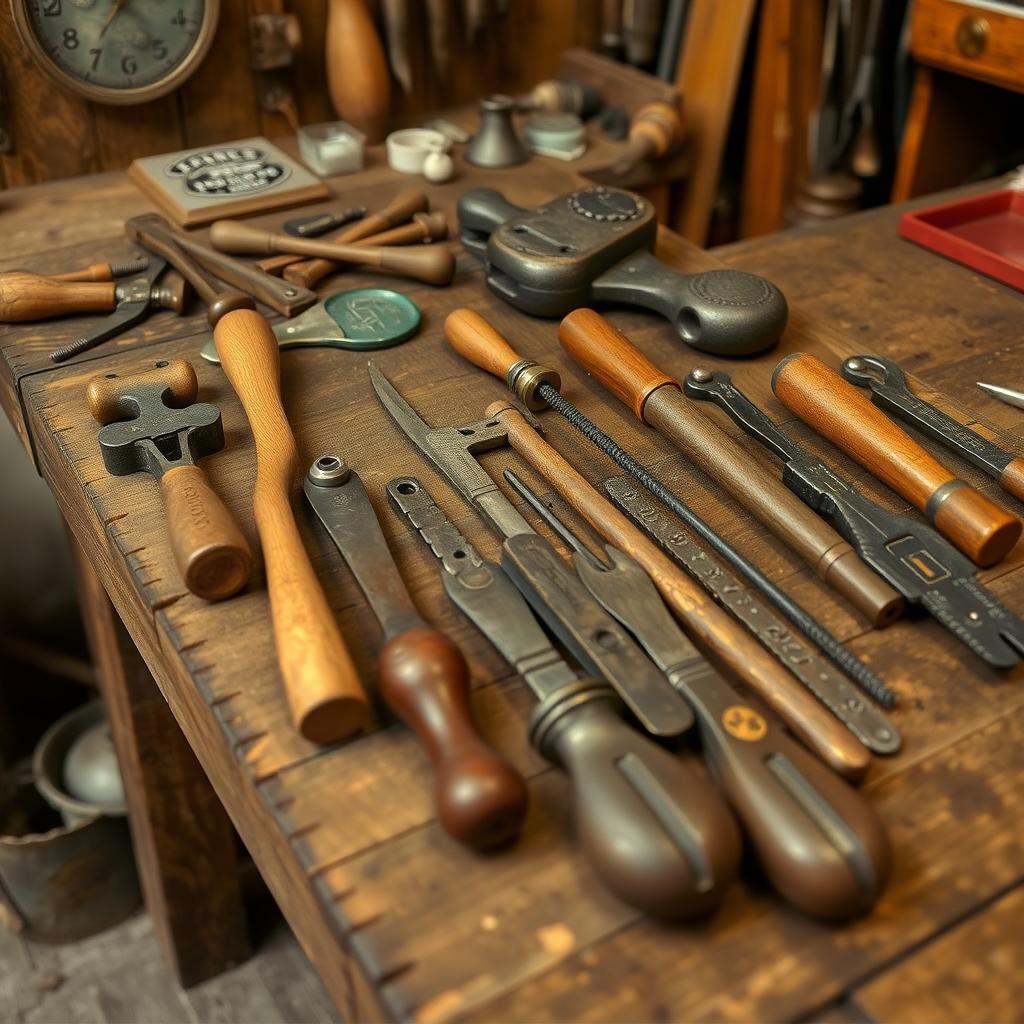
The Industrial Revolution kicked things into high gear. Factories popped up everywhere, and they needed tools that could keep up. By the early 1900s, electrical tools like saws, grinders, and sanders started showing up in workshops. These weren’t just for big industries—mass production made them cheaper, so regular workers could buy them too.
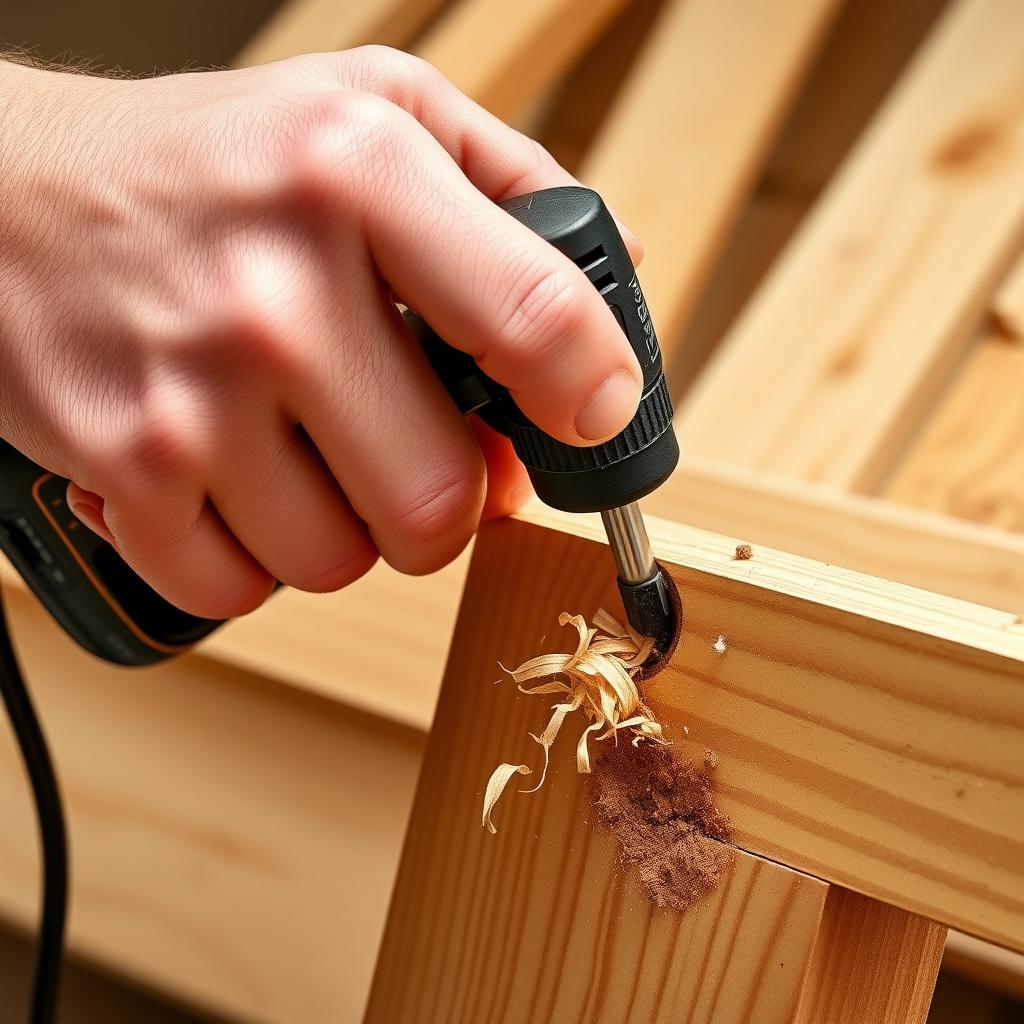
In 1910, Black & Decker introduced a portable electric drill with a pistol grip. It was a game-changer. Suddenly, you didn’t need a massive machine to get the job done. Tools became more specialized too, with options for carpenters, metalworkers, and more. This was when workman tools started to look like what we know today.

The late 20th century brought a huge shift: cordless tools. In 1961, Black & Decker launched the first battery-powered drill. No more tripping over cords or hunting for outlets. Workers could take these tools anywhere—up ladders, into tight spaces, or out to remote sites.
Battery tech kept getting better. Early versions used nickel-cadmium batteries, which were heavy and short-lived. Then came lithium-ion batteries, making tools lighter and longer-lasting. Today’s cordless drills and saws are staples for anyone who values flexibility. They’ve turned workman tools into go-anywhere helpers.
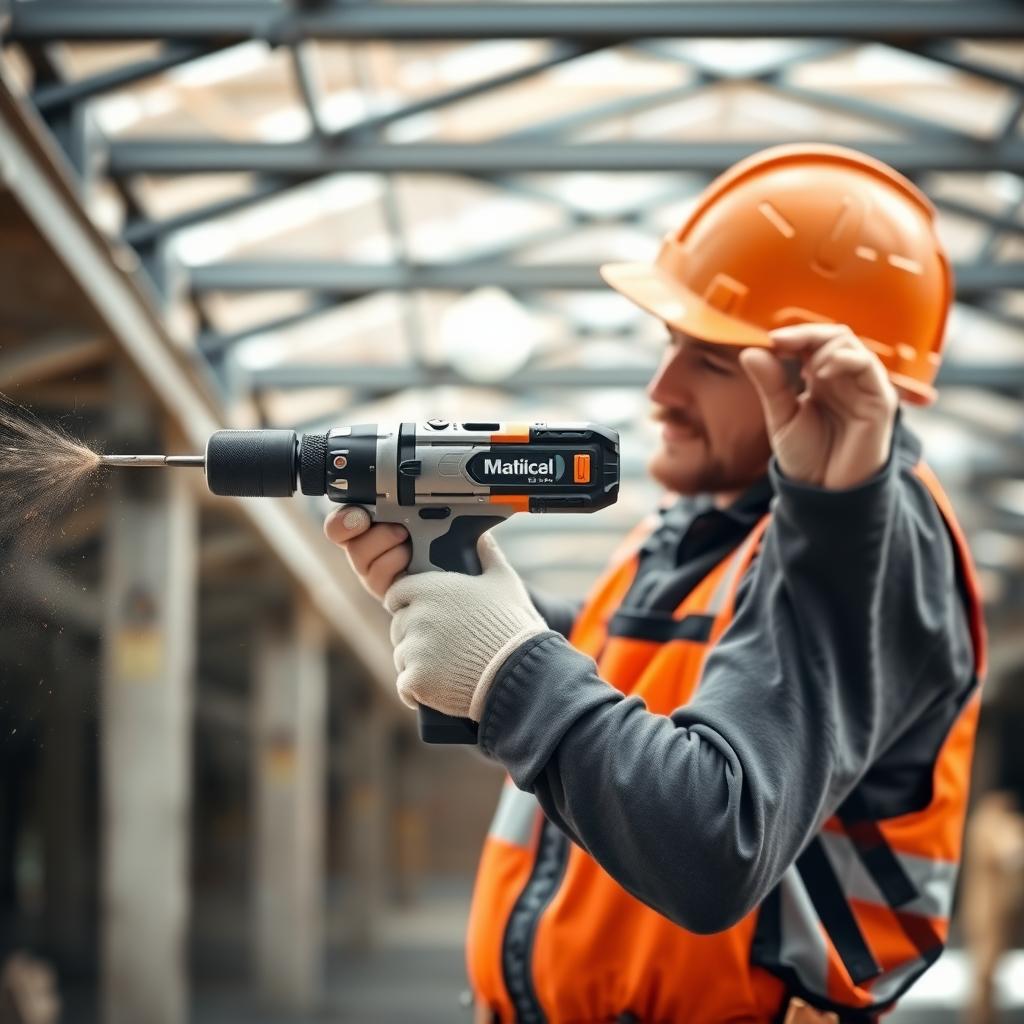
I’ve spent years in construction, and electrical tools have saved my bacon more times than I can count. Once, we had to punch holes through a concrete wall for wiring. With an old hammer and chisel, it’d have taken days—and a lot of sweat. Instead, we grabbed a cordless hammer drill and finished in hours. No sore arms, no missed deadlines. That’s the kind of difference these tools make.
Even small upgrades, like better grips or quieter motors, add up. They don’t just speed things up—they make the day less of a grind. For anyone swinging a hammer or turning a wrench, these advancements are a lifeline.
Recommended Readings:
- The History of Power Tools: From Hand Tools to Smart Innovations
- Top 10 Electrical Tools Every Workman Should Own
- Innovations in Electrical Tools: What to Expect in 2023
- How Cordless Tools Changed the Game
- The Evolution of Electrical Tools: A Historical Perspective
As we look forward, it is crucial to remain informed about emerging trends that will shape the future of electrical tools. The anticipation of innovative electrical tools for 2023 reflects the industry's commitment to safety and efficiency, promising not only to enhance productivity but also to align with sustainability objectives. Continuous development in the realm of smart tools and eco-friendly designs signals a bright future for the trade.
Related The Evolution of Electrical Tools: A Historical Perspective:
- The History of Power Tools: From Hand Tools to Smart Innovations
- Advanced Metalworking Techniques: A Guide
- Organizing Workman Tools in a Small Space: A Comprehensive Guide
- The Best Power Tools for Woodworking
- The Best Ergonomic Tools for Home Projects
- The Importance of Measuring Tools in Construction
- Effective Hand Tools Storage Solutions
- Top 10 DIY Projects for Beginners: A Comprehensive Guide
- Safety Tips for DIY Plumbing Projects: A Comprehensive Guide
- The Beginner's Guide to Woodworking: Essential Tips for Workshop Enthusiasts
- Organizing Tools in a Small Workshop: A Comprehensive Guide
- Top 10 DIY Projects for Beginners