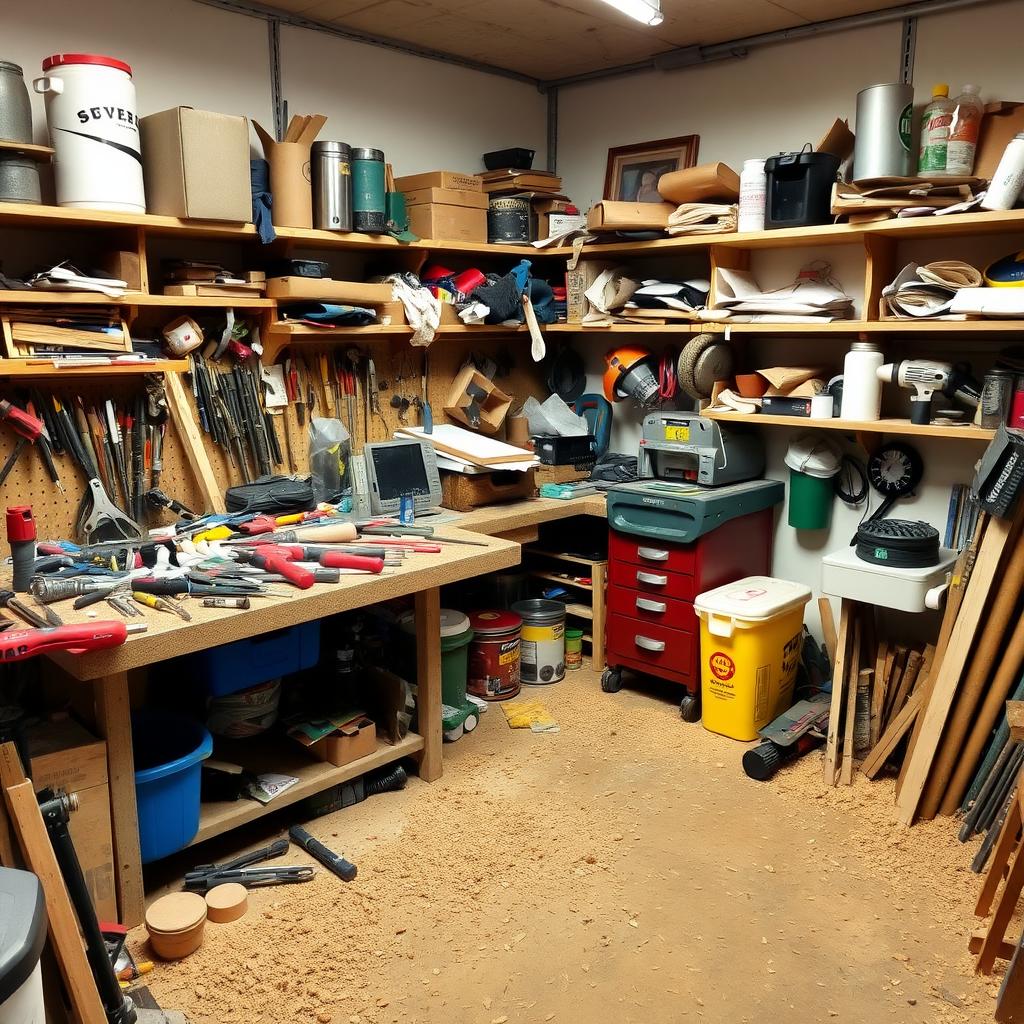
Metalworking is an exciting mix of creativity and skill. It’s about taking raw metal and turning it into something useful or beautiful. In this Advanced Metalworking Techniques: A Guide, we’ll dive into the key methods and workman tools for metalworking that make it all possible. From hand tools to advanced processes, you’ll learn what it takes to excel in this craft. Whether you’re a beginner or a seasoned pro, there’s something here for you.
Image Paragraph:
A blacksmith stands at his forge, hammering a glowing piece of metal on an anvil. Sparks fly as the metal bends, showing the heat and effort forging demands.
Alt text: "Blacksmith forging metal on an anvil."
Image Paragraph:
A craftsman pours bright orange molten metal into a sand mold. The glow lights up the dark workshop, showing the care needed for casting.
Alt text: "Pouring molten metal into a casting mold."
Image Paragraph:
A welder in full gear fuses two metal pieces with a torch. Sparks shoot out, lighting up the scene with the energy of welding.
Alt text: "Welder using TIG welding on metal."
Image Paragraph:
A machinist runs a lathe, shaping a metal rod with care. Thin shavings peel off, proving the machine’s accuracy.
Alt text: "Machinist using a lathe to shape metal."
Image Paragraph:
A craftsman polishes a metal sculpture, its surface gleaming under the light. The shine reflects his hard work and attention.
Alt text: "Polishing a metal sculpture."
Forging
Forging involves shaping metal using compressive forces. Traditionally, a blacksmith heats the metal and then hammers it into shape. This technique is essential for creating strong, durable components. In this process, temperature control is crucial; the metal should be heated to a bright red color for optimal workability.
Among the most important workman tools for metalworking in forging are hammers and anvils. Selecting the right hammer, such as a cross-peen or ball-peen hammer, can make a big difference in achieving the desired shape.
Personal Experience
I remember my first attempt at forging a simple hook. I struggled at first until I learned to recognize the right temperature by the color of the metal. It was a valuable lesson that taught me the importance of precision in this craft.
Casting
Casting is a technique where liquid metal is poured into a mold to create specific shapes. This method allows for more complex designs that would be difficult to achieve with forging. The key materials for casting include sand, metal alloy, and tools like ladles and crucibles.
Tips and Best Practices
Make sure to keep your mold clean and preheated, as this prevents the metal from cooling too quickly, which can cause imperfections. Common mistakes beginners make include failing to allow the metal to fully solidify before removal from the mold.
Welding
Welding fuses metal pieces together using different types of heat sources, such as electric arcs or gas flames. There are several types of welding techniques available, including MIG (Metal Inert Gas), TIG (Tungsten Inert Gas), and stick welding. Safety is paramount, so wearing the right protective gear is crucial to avoid accidents.
Personal Anecdote
During a project, I attempted a more advanced TIG welding technique that involved stainless steel. It was challenging, but I learned how to control the heat better, which significantly improved my results.
Machining
Machining involves removing material from a workpiece to create precise shapes. This technique is often used post-forging or casting to ensure high accuracy in dimensions and surface finish. Essential tools include lathes, milling machines, and drills, which help achieve those fine finishes.
Finishing
Finishing covers the final steps to enhance the appearance and durability of metalwork. Techniques can include polishing, painting, and plating, each contributing to a piece's overall quality. Proper finishing increases the lifespan of metal products and makes them visually appealing.
Recommended Readings
- "Mastering the Art of Forging: Tips from Experienced Blacksmiths"
- "A Beginner's Guide to Metal Casting at Home"
- "Advanced Welding Techniques for Precision Work"
- "Machining Metal: From Basics to Expert Level"
- "Finishing Touches: How to Make Your Metalwork Shine"
Related Advanced Metalworking Techniques: A Guide:
- Finishing Touches: How to Make Your Metalwork Shine
- Advanced Welding Techniques for Precision Work: A Guide to Expert-Level Metalworking
- Organizing Workman Tools in a Small Space: A Comprehensive Guide
- The Best Power Tools for Woodworking
- The Best Ergonomic Tools for Home Projects
- The Importance of Measuring Tools in Construction
- Effective Hand Tools Storage Solutions
- Top 10 DIY Projects for Beginners: A Comprehensive Guide
- Safety Tips for DIY Plumbing Projects: A Comprehensive Guide
- The Beginner's Guide to Woodworking: Essential Tips for Workshop Enthusiasts
- Organizing Tools in a Small Workshop: A Comprehensive Guide
- Top 10 DIY Projects for Beginners