DIY plumbing projects can save you money and give you a sense of accomplishment. But safety comes first. In this guide, I’ll share key safety tips, walk you through fixing common plumbing issues, and list the top tools you’ll need—all while keeping things simple and safe.
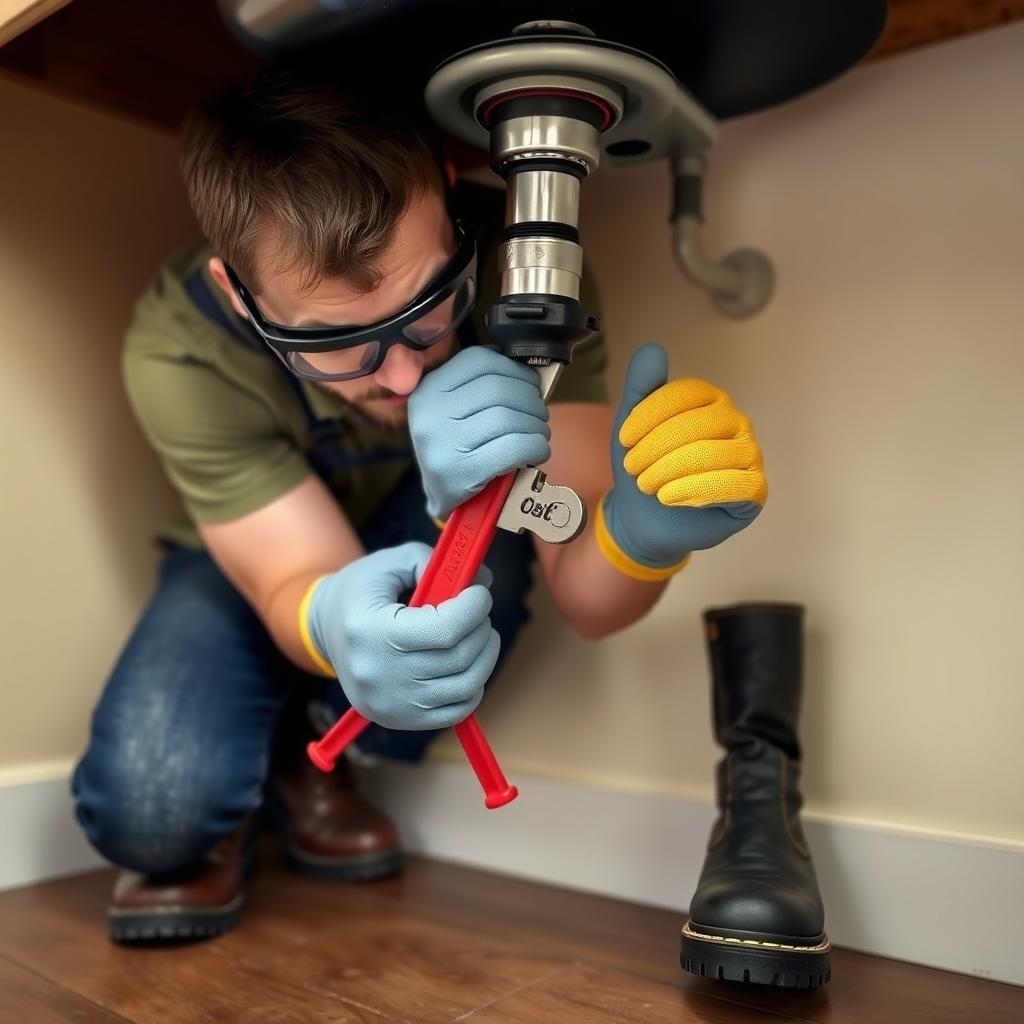
Essential Safety Tips for DIY Plumbing Projects
When I started doing plumbing projects at home, I learned fast that skipping safety steps can lead to big problems. Here’s what I’ve found works best:
- Shut Off the Water: Always turn off the water supply before you start. Look for the valve under the sink or near the main line. It stops floods and surprises.
- Wear Safety Gear: Gloves protect your hands, goggles shield your eyes, and good shoes keep you steady. I once skipped gloves and regretted it after a sharp edge cut me.
- Check Your Tools: Use tools made for plumbing. A random screwdriver might slip and hurt you—or the pipe.
- Stay Alert: Wet floors and tight spaces are tricky. Keep your area clear and bright. I’ve slipped on a wet tile before, and it wasn’t fun.
- Know When to Stop: If you’re unsure, call a pro. I tried fixing a big leak once and made it worse—lesson learned.
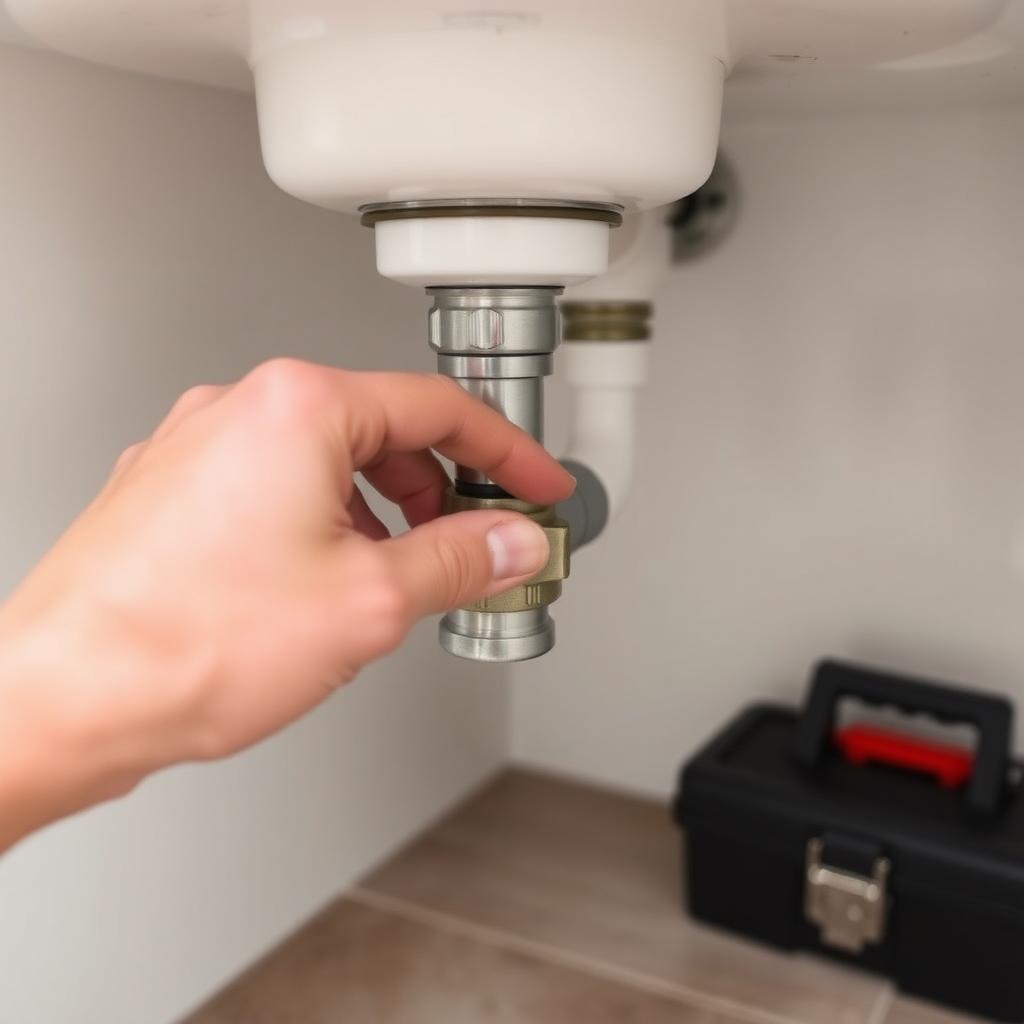
Beginner’s Guide to Fixing Common Plumbing Issues
New to plumbing? Don’t worry—I’ve been there. Here’s how to handle some everyday problems safely.
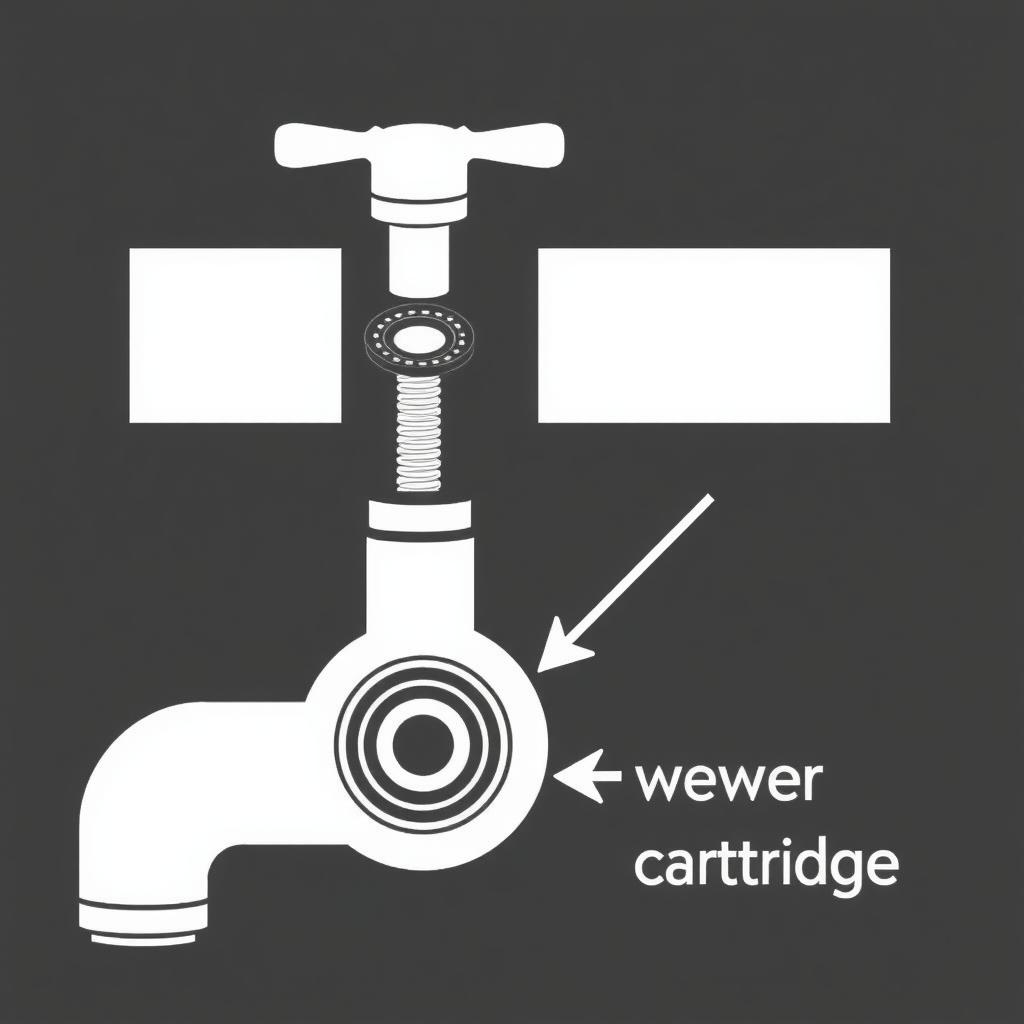
Fixing a Leaky Faucet
A dripping faucet is annoying and wastes water. Here’s how I fix it:
- Turn Off the Water: Find the valve under the sink and twist it shut.
- Take It Apart: Use a wrench to remove the handle. Keep track of the pieces.
- Swap the Bad Part: Check the washer or cartridge inside. If it’s worn, replace it—I get spares at the hardware store.
- Put It Back: Reassemble everything and turn the water on to test.
Safety Note: Lay a towel down. It catches drips and keeps things dry.
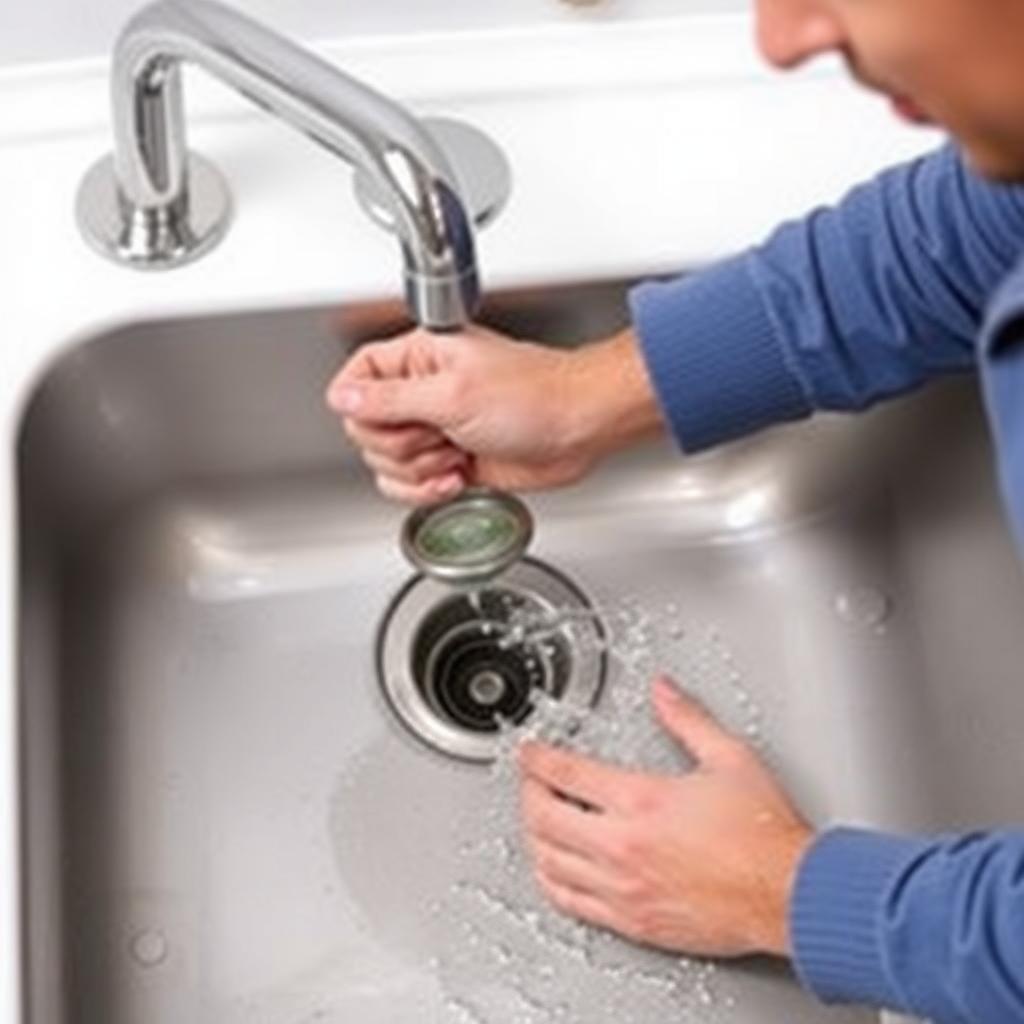
Unclogging a Drain
Clogged sinks are a hassle, but you can fix them. Here’s my method:
- Grab a Plunger: Push it over the drain and pump it hard a few times.
- Use a Drain Snake: If that fails, feed a snake into the drain and twist it to pull out gunk.
- Skip the Chemicals: I avoid harsh cleaners—they can hurt pipes. Try vinegar and baking soda instead.
Safety Note: Wear gloves. Drains can be messy, and you don’t want that on your skin.
Fixing a Running Toilet
A toilet that won’t stop running drives me nuts. Here’s how to quiet it:
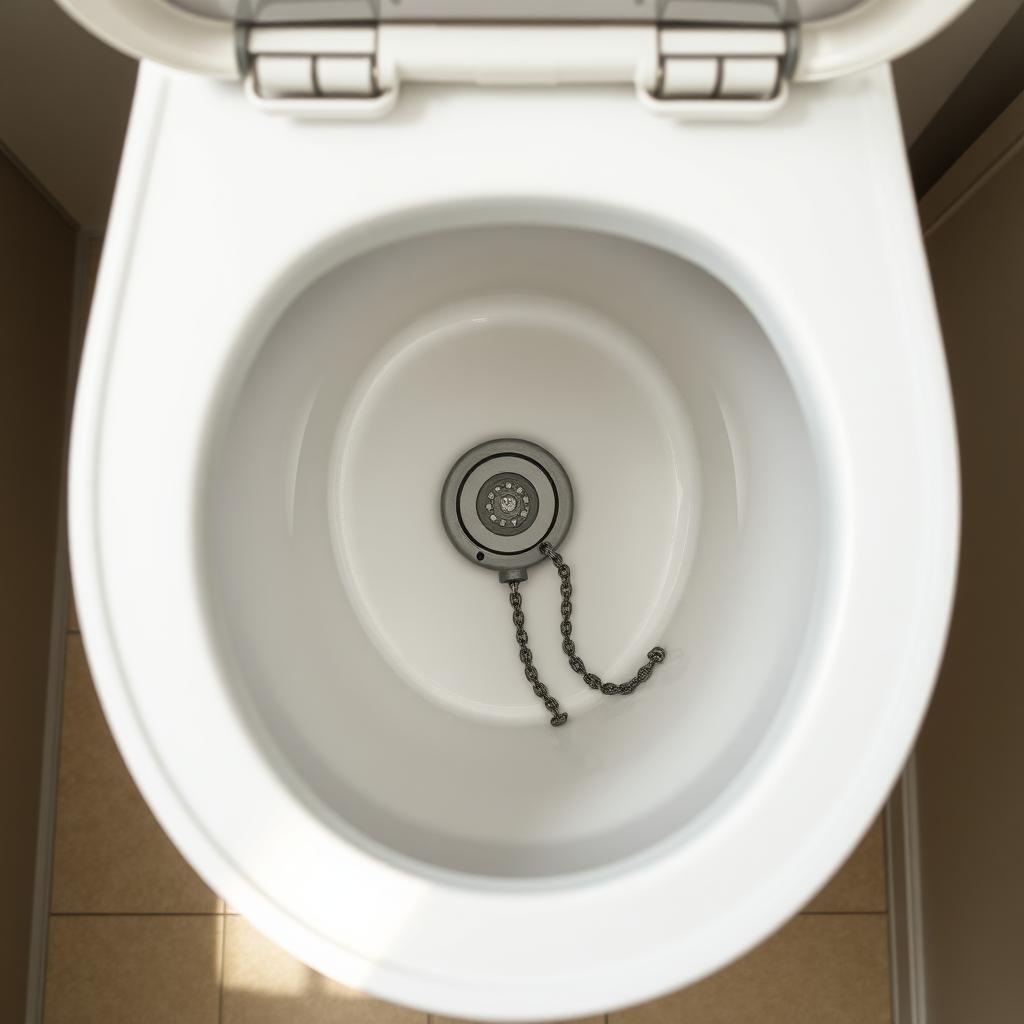
- Look Inside: Lift the tank lid and check the flapper—it’s the rubber piece at the bottom.
- Fix the Chain: If it’s tangled or too long, adjust it so the flapper seals right.
- Replace if Needed: A cracked flapper means a new one. They’re cheap and easy to swap.
Safety Note: Don’t force anything. Tightening too hard can break parts.
Top 10 Plumbing Tools Every DIYer Should Own
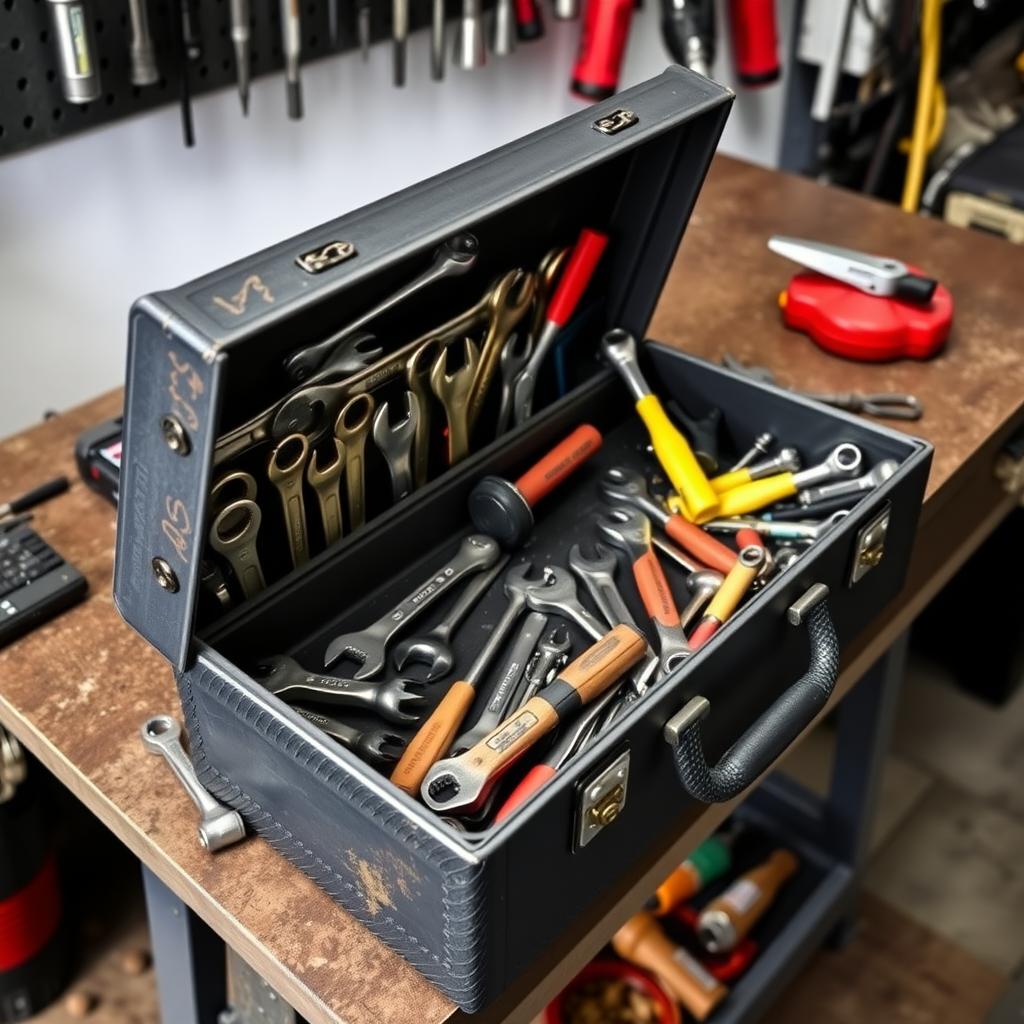
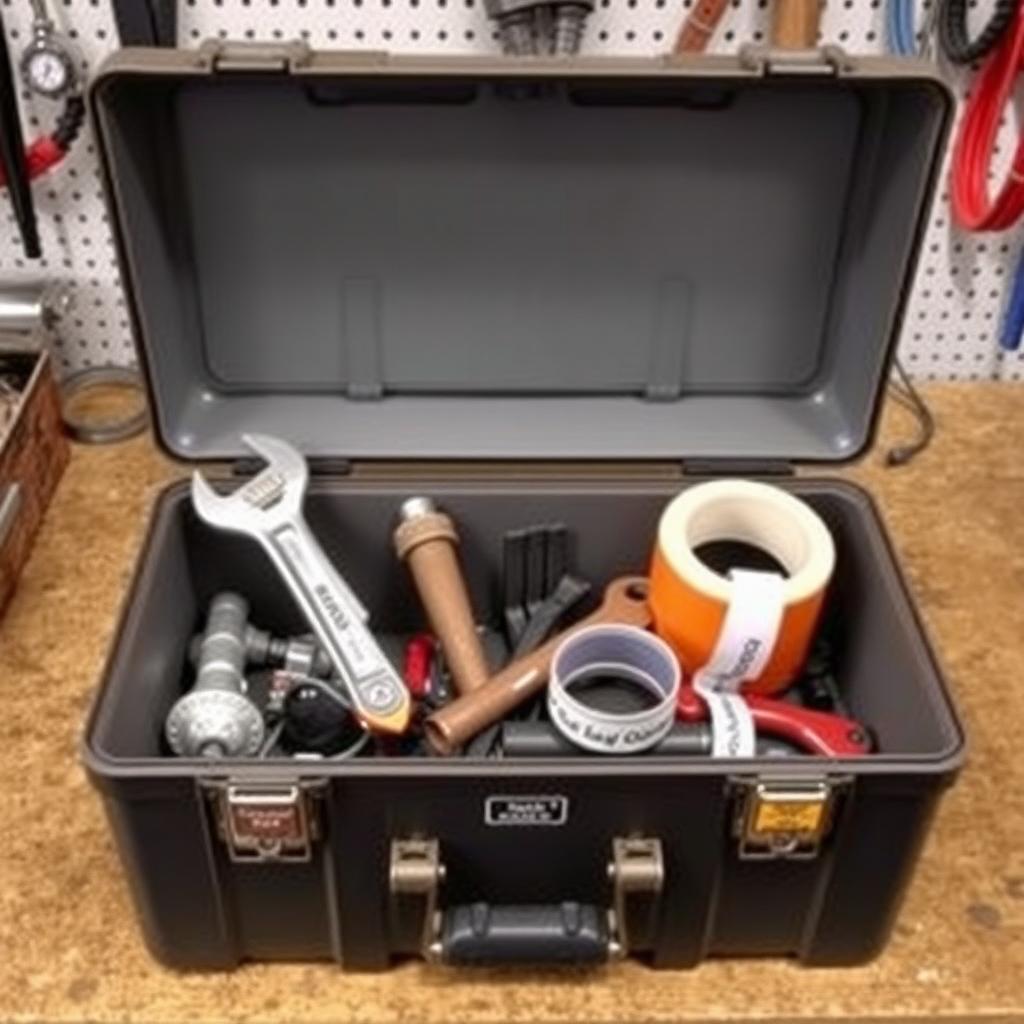
Good tools make plumbing easier and safer. Here’s my top 10 list:
| Tool | Why It’s Great |
|---|---|
| Adjustable Wrench | Tightens nuts and bolts easily |
| Pipe Wrench | Grips pipes without slipping |
| Plunger | Clears clogs fast |
| Drain Snake | Pulls out tough blockages |
| Teflon Tape | Stops leaks at pipe joints |
| Pipe Cutter | Cuts pipes clean and straight |
| Hacksaw | Handles metal pipes |
| Basin Wrench | Reaches nuts in tight spots |
| Plumber’s Putty | Seals gaps around fixtures |
| Safety Gear | Keeps you safe—gloves, goggles, boots |
I’ve used cheap tools before, and they broke mid-job. Spend a little more for quality.
Choosing the Right Tools for Your Plumbing Needs
Picking tools can feel overwhelming, but it doesn’t have to be. Here’s what I do:
- Match the Job: A small fix needs basic tools; bigger jobs might need a pipe cutter.
- Ask Around: I check reviews or ask store staff for advice.
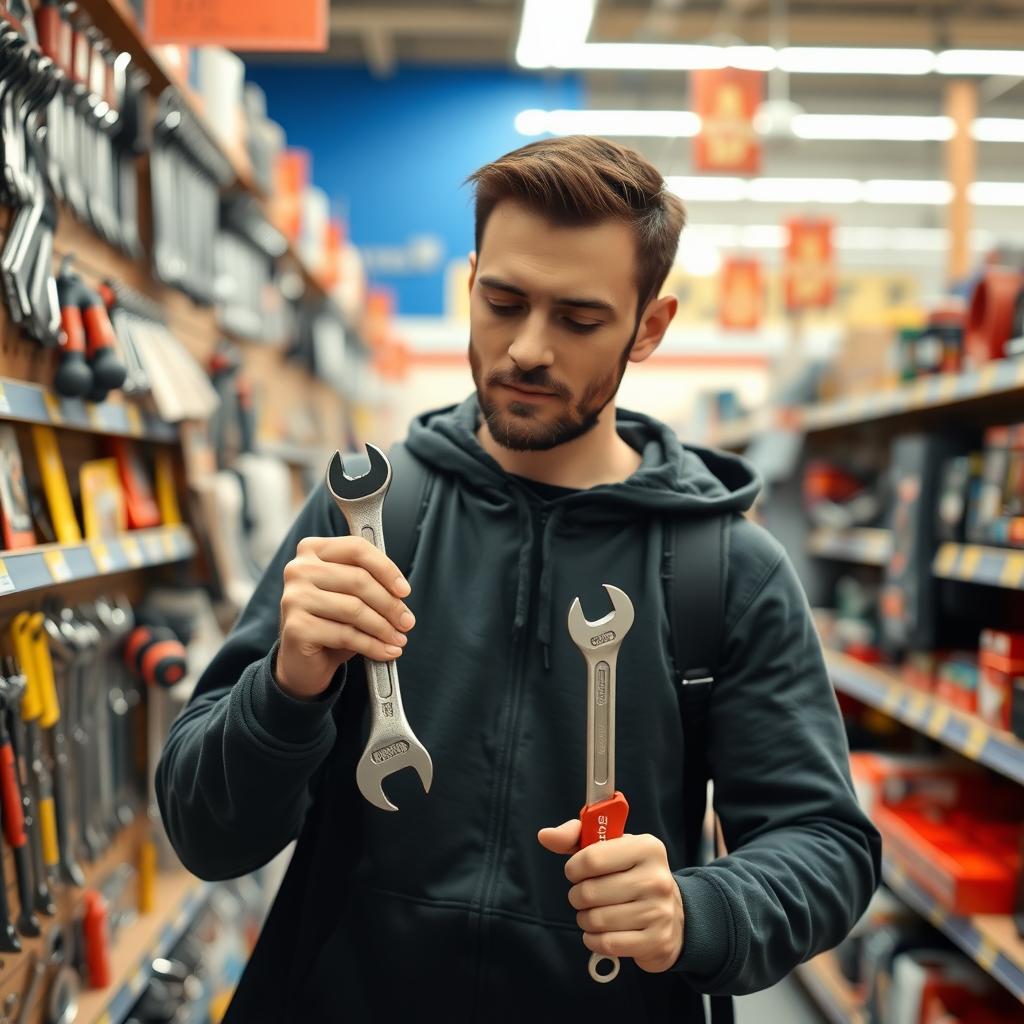
- Feel the Fit: Tools should feel good in your hand. I once bought a wrench that hurt to hold—returned it fast.
- Go for Strength: Metal beats plastic for durability.
The right tool keeps you safe and gets the job done.
Workman Tools for Plumbing Projects
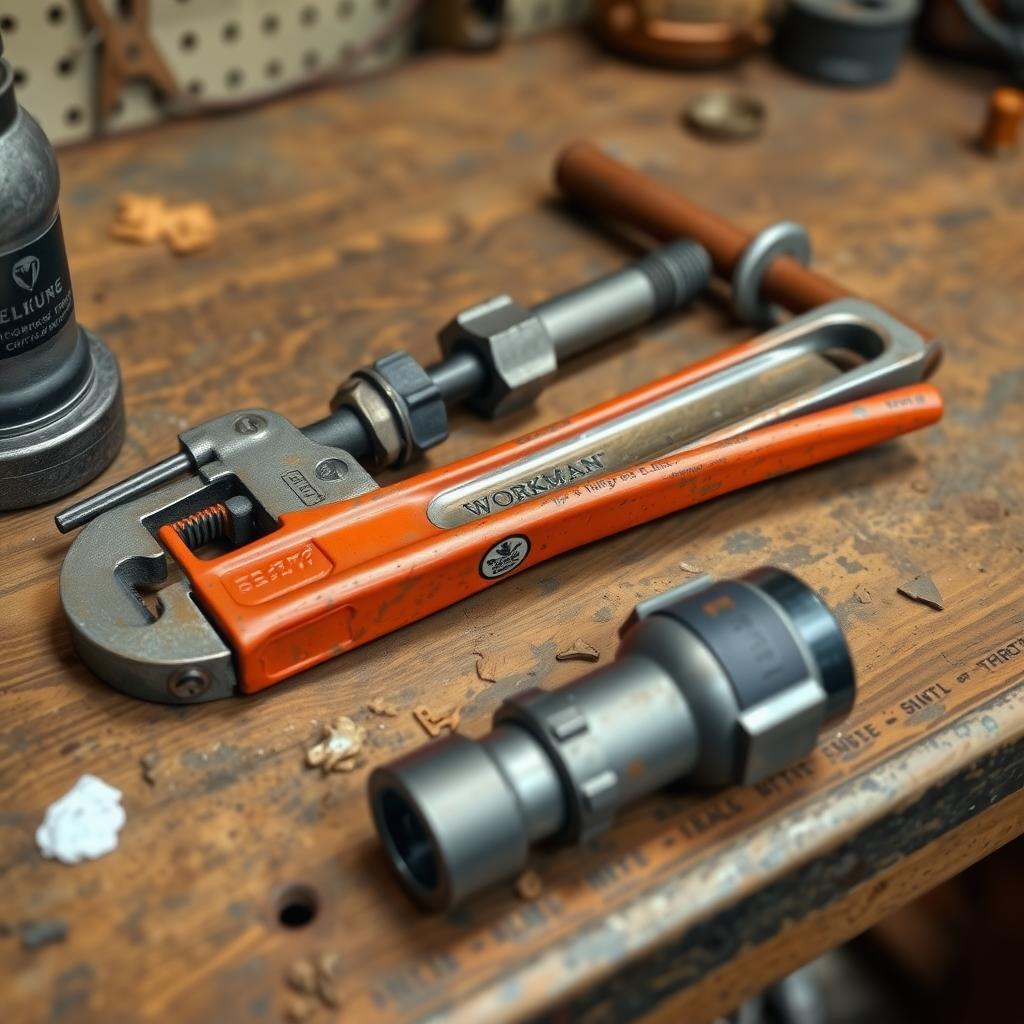
If you’re getting serious about plumbing, workman tools are worth a look. They’re built tough. My favorites:
- Workman Pipe Wrench: Grips like nothing else.
- Workman Basin Wrench: Perfect for awkward spots.
- Workman Pipe Cutter: Cuts smooth every time.
They cost more, but I’ve found they last longer and work better for tricky projects.
Wrapping Up
DIY plumbing can be rewarding if you put safety first. Use these tips, grab the right tools, and tackle common issues with confidence. If something feels off, don’t risk it—call a pro. Want more? Check out the recommended readings below for extra help.
Related Safety Tips for DIY Plumbing Projects:
- The Beginner's Guide to Woodworking: Essential Tips for Workshop Enthusiasts
- Organizing Tools in a Small Workshop: A Comprehensive Guide
- Top 10 DIY Projects for Beginners
- Workman Tools: A Review of Affordable Quality
- Choosing the Best Paint for Your Home: A Comprehensive Guide
- Electrical Tools for Wiring and Installations: A Comprehensive Guide
- DIY Organizer Ideas for Your Workshop
- Energy-Efficient Lighting Options for Your Home
- The Future of Workshop Tools: Trends to Watch in 2025
- Rotary Tools for Jewelry Making: A Comprehensive Guide
- An In-Depth Guide to Hand Tools for DIY Projects
- Safety Essentials for Construction Work