Rotary tools are a must-have for any jewelry maker. These versatile power tools can handle a wide range of tasks, from drilling and polishing to engraving and shaping. Whether you're a beginner or an experienced artisan, a rotary tool can help you take your jewelry-making skills to the next level.
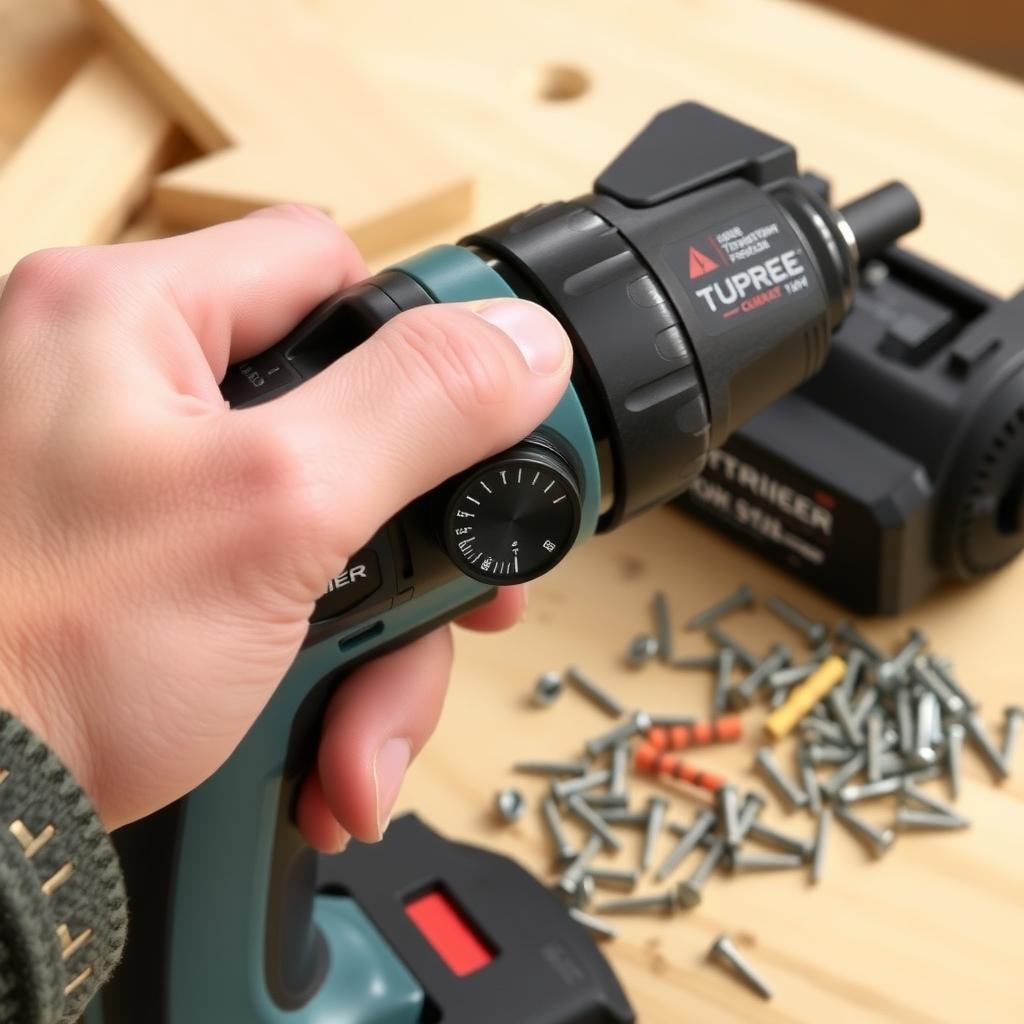
There are two main types of rotary tools: corded and cordless. Corded tools are typically more powerful and can run for longer periods without needing to be recharged. However, they require a power outlet, which can limit your workspace. Cordless tools, on the other hand, offer more flexibility and portability but may not have as much power or battery life.
When selecting a rotary tool for jewelry making, there are several factors to consider. First, think about the speed and power you need. For delicate tasks like engraving, a tool with variable speed control is essential. For heavier tasks like drilling through metal, you'll need a tool with more power.
Rotary tools are incredibly versatile. Here are some common uses in jewelry making: - Drilling: With the right drill bit attachment, you can create precise holes in various materials. - Polishing: Attach a polishing wheel or buffing pad to give your jewelry a professional shine. - Engraving: Use engraving bits to add intricate designs to your pieces. - Shaping: Shape and smooth edges with sanding and grinding attachments.
Safety should always be a top priority when using rotary tools. Here are some essential precautions: - Wear Safety Glasses: Protect your eyes from flying debris. - Use a Dust Mask: Especially when working with materials that produce fine particles. - Follow Manufacturer's Instructions: Always read and adhere to the safety guidelines provided with your tool.
In conclusion, rotary tools are an essential part of any jewelry maker's toolkit. With the right tool and a bit of practice, you can create beautiful, professional-looking jewelry. So why not give it a try? You might be surprised at what you can achieve.
A tidy workbench displays a row of rotary tool attachments: a tiny drill bit, a felt polishing wheel, a diamond-tipped engraving bit, and a sanding drum. Each one shines under the light, showing wear from real use, laid out next to a well-loved rotary tool.
A close-up of a finished necklace rests on a soft cloth. The pendant, a polished oval of turquoise, has a tiny hole drilled at the top and faint engraved lines along the edge—clear signs of rotary tool work. The shine catches the camera’s flash.
A finished pair of earrings dangles from a display stand. Each gold hoop has a smooth, polished edge and a tiny star engraved near the bottom, showing off the rotary tool’s precision. The maker’s workbench blurs in the background, hinting at the work behind them.
Related rotary tools for jewelry making:
- 10 Essential Tools for Jewelry Making
- An In-Depth Guide to Hand Tools for DIY Projects
- Safety Essentials for Construction Work
- Safety Gear Maintenance Tips: A Comprehensive Guide to Workwear and Safety Gear
- Comprehensive Guide to Key Features in Cordless Power Tools
- How to Maintain Your Car's Engine for Longevity
- Safety First: Protecting Yourself and Your Tools
- Green Tools: The Future of Batteries
- Organizing Your Workbench for Maximum Efficiency
- Essential Safety Tips for DIY Electrical Work
- Essential Maintenance Tips for Outdoor Equipment
- How Ergonomic Tools Save Your Hands