Your car’s engine is its heart, powering every journey you take. Without proper care, even the most reliable engines can wear down, leading to expensive repairs or replacements. I learned this the hard way when I neglected my first car’s engine, thinking it would last forever. A few missed oil changes later, I was facing a hefty repair bill. That experience taught me the importance of regular engine maintenance, and now I’m sharing what I’ve learned to help you avoid similar mistakes.
Why Engine Maintenance Matters
Maintaining your car’s engine doesn’t have to be complicated. Here are the key steps every car owner should follow: - Regular Oil Changes: Oil lubricates the engine’s moving parts, reducing friction and preventing overheating. Change your oil every 5,000 to 7,500 miles, depending on your car’s make and model. Use the oil type recommended in your owner’s manual. - Check Fluid Levels: Besides oil, your engine relies on coolant, brake fluid, and transmission fluid. Low levels can cause overheating or poor performance. Make it a habit to check these fluids monthly. - Inspect Belts and Hoses: Worn or cracked belts and hoses can lead to engine failure. Look for signs of wear, such as fraying or leaks, and replace them as needed. - Replace Air Filters: A clean air filter ensures your engine gets the right amount of air for optimal performance. Replace it every 12,000 to 15,000 miles. - Monitor the Cooling System: The cooling system prevents your engine from overheating. Check the coolant level and inspect the radiator for leaks or clogs.
These steps are simple but effective. By incorporating them into your routine, you can significantly extend your engine’s lifespan.
The Role of Tools in Engine Maintenance
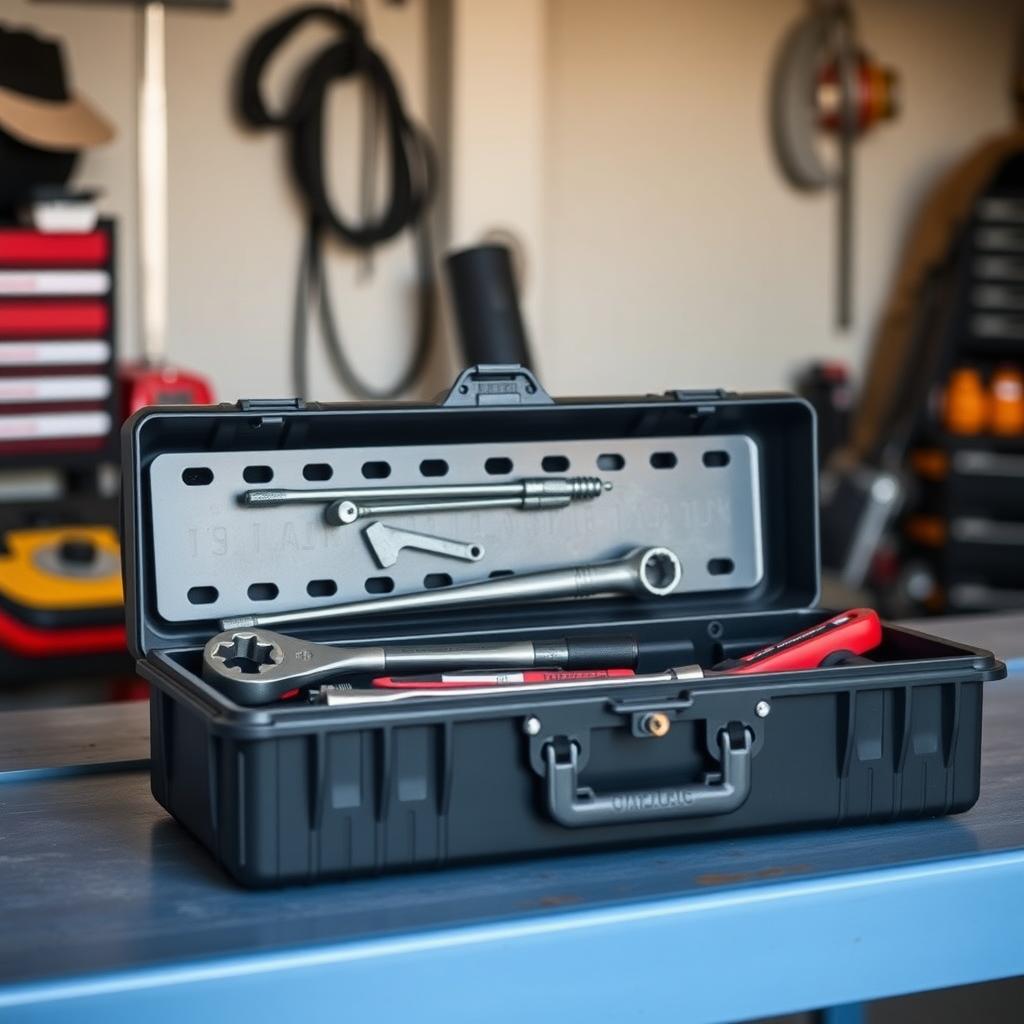
Having the right tools is crucial for proper engine maintenance. One tool that stands out is the torque wrench. Torque wrenches are essential for tightening bolts to the manufacturer’s specifications, ensuring that parts are neither too loose nor too tight. This precision is vital for engine components like spark plugs and cylinder heads, where incorrect torque can lead to damage.
In my experience, using a torque wrench has made a noticeable difference in the performance and longevity of my car’s engine. It’s a must-have tool for every toolbox, especially for those who enjoy DIY maintenance. Other essential tools include socket sets, screwdrivers, and pliers, but the torque wrench is particularly valuable for its precision.
Common Mistakes to Avoid
Even with the best intentions, it’s easy to make mistakes when maintaining your car’s engine. Here are some common pitfalls to watch out for: - Skipping Oil Changes: Delaying oil changes can lead to sludge buildup, which hampers engine performance. - Ignoring Warning Lights: Dashboard warning lights are your car’s way of telling you something’s wrong. Don’t ignore them. - Using the Wrong Oil: Always use the oil type recommended by your car’s manufacturer. Using the wrong oil can reduce engine efficiency. - Overlooking Small Leaks: A small oil or coolant leak can quickly turn into a big problem if not addressed.
By avoiding these mistakes, you can keep your engine running smoothly for years to come.
The Importance of Regular Inspections
Regular inspections are the backbone of engine maintenance. Even if you’re not a mechanic, you can perform basic checks to catch potential issues early. Here’s a simple checklist: - Oil Level: Use the dipstick to check the oil level and color. Dark, dirty oil needs changing. - Coolant Level: Ensure the coolant reservoir is at the proper level. - Belt Condition: Look for cracks or fraying on the serpentine belt. - Hose Integrity: Check for leaks or bulges in the hoses.
These inspections take just a few minutes but can save you from major headaches down the road.
When to Seek Professional Help
While DIY maintenance is great, some tasks are best left to professionals. If you notice any of the following, it’s time to visit a mechanic: - Unusual Noises: Knocking or grinding sounds can indicate serious engine problems. - Excessive Smoke: Blue or white smoke from the exhaust is a sign of burning oil or coolant. - Poor Performance: If your car is sluggish or has trouble starting, it may need professional attention.
Don’t hesitate to seek help if you’re unsure. It’s better to be safe than sorry when it comes to your engine’s health.
Quick Inspection Checklist
Regular checks catch problems before they grow. Here’s a fast guide:
| What to Check | How to Do It | What to Look For |
|---|---|---|
| Oil Level | Use the dipstick | Low or dark, dirty oil |
| Coolant | Check the reservoir | Below the “full” line |
| Belts | Look closely | Cracks or fraying |
| Hoses | Feel and inspect | Leaks or soft spots |
Spend five minutes a month on this, and you’ll spot issues early.
Extra Tips for Longevity
Beyond the basics, a few habits boost engine life: - Drive Smart: Avoid hard acceleration or constant stop-and-go traffic when you can. It wears the engine less. - Warm It Up: Let your car idle for a minute in cold weather before driving. It helps oil flow better. - Stick to a Schedule: Set reminders for oil changes and checks. Consistency pays off.
In conclusion, maintaining your engine is crucial for its longevity. By following the steps outlined above and avoiding common mistakes, you can ensure that your car remains reliable for years to come. Remember, regular inspections and using the right tools like a torque wrench can make a significant difference. If you do encounter issues, don’t hesitate to consult a professional. Take care of your engine, and it will take care of you.
Related How to Maintain Your Car's Engine for Longevity:
- How to Check Your Car’s Oil Like a Pro
- How to Maintain Your Car's Engine for Longevity: Smart Tips, Essential Tools, and Your AI Companion
- Safety First: Protecting Yourself and Your Tools
- Green Tools: The Future of Batteries
- Organizing Your Workbench for Maximum Efficiency
- Essential Safety Tips for DIY Electrical Work
- Essential Maintenance Tips for Outdoor Equipment
- How Ergonomic Tools Save Your Hands
- Top-Quality Workman Tools for Contractors
- How to Organize a Small Workshop for Maximum Efficiency
- Advanced Tool Maintenance Tips
- The Ultimate Guide to Plumbing Tools