I’ve always loved fixing things around the house, but when it came to electrical work, I hesitated. The idea of working with live wires scared me—and it should! Electricity is powerful and unforgiving. That’s why knowing the essential safety tips for DIY electrical work is so important. In this guide, I’ll share what I’ve learned from my own projects, plus some expert-backed advice, to help you stay safe while getting the job done.

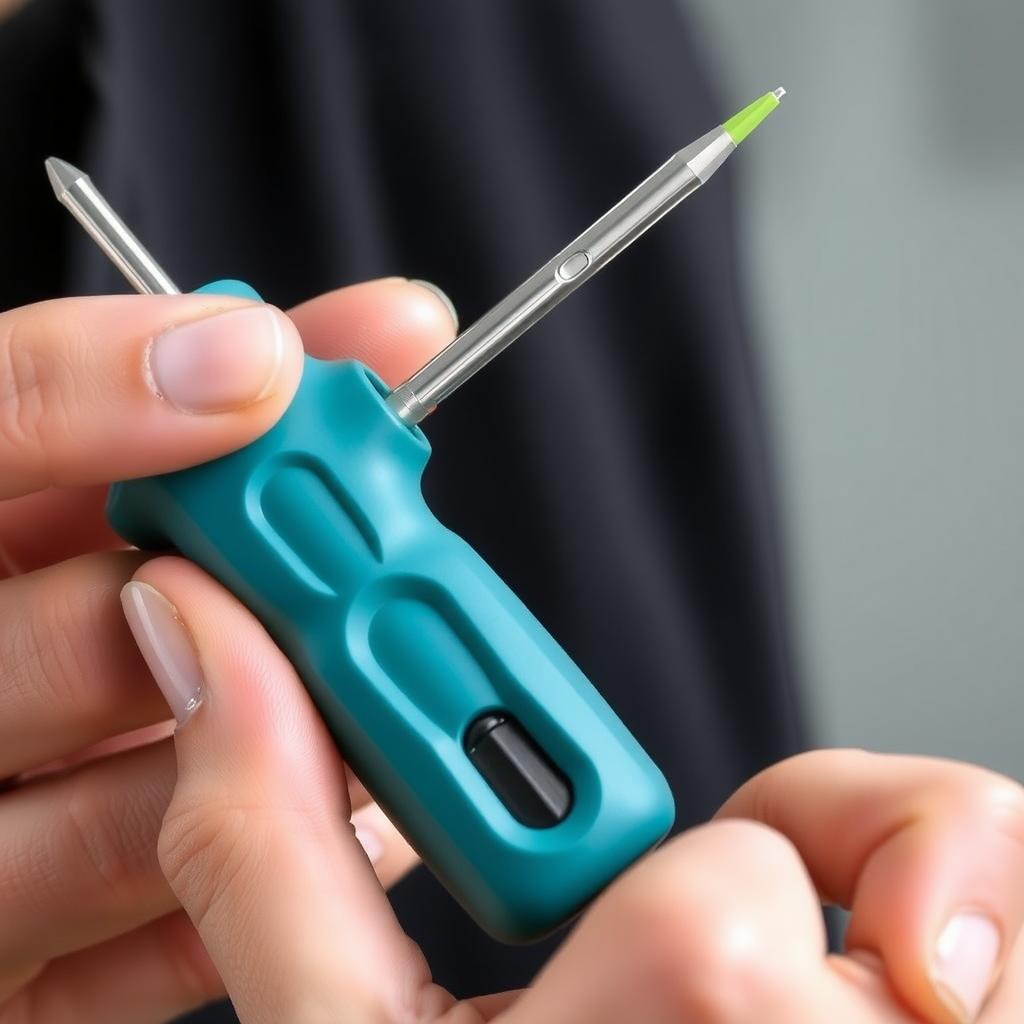
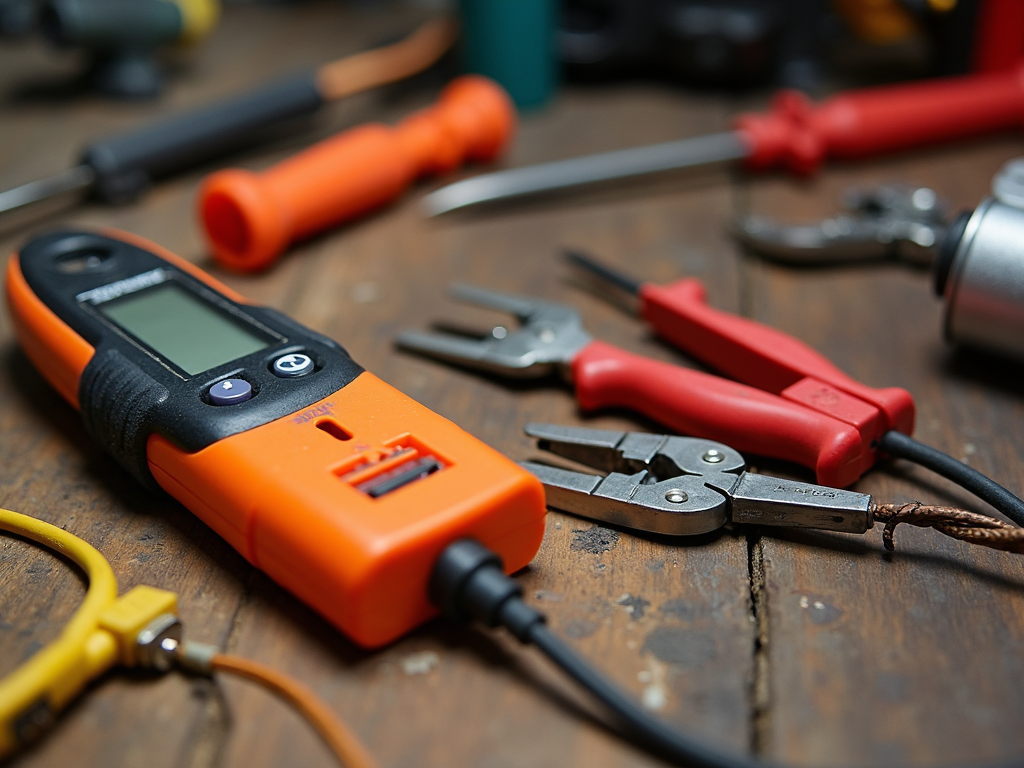
Good tools make all the difference. Here’s my top 10 electrical tools every homeowner needs, based on what I use most:
| Tool | Purpose | Safety Tip |
|---|---|---|
| 1. Voltage Tester | Checks if wires are live | Test every wire before touching |
| 2. Wire Strippers | Removes insulation from wires | Use the right size slot |
| 3. Multimeter | Measures voltage and current | Keep probes steady |
| 4. Insulated Screwdrivers | Tightens screws safely | Check insulation for cracks |
| 5. Needle-Nose Pliers | Bends and cuts wires | Avoid live wires |
| 6. Fish Tape | Pulls wires through walls | Tape sharp ends to avoid snags |
| 7. Circuit Finder | Locates breaker for a circuit | Label breakers afterward |
| 8. Electrical Tape | Insulates exposed wires | Wrap tightly for full coverage |
| 9. Flashlight | Lights up dark workspaces | Use hands-free if possible |
| 10. Safety Goggles | Shields eyes from sparks | Wear them every time |
I’ve tested cheap tools and pricey ones. Quality matters—spend a little more for gear that lasts. Want help picking tools? Check out How to Choose the Right Electrical Tools.
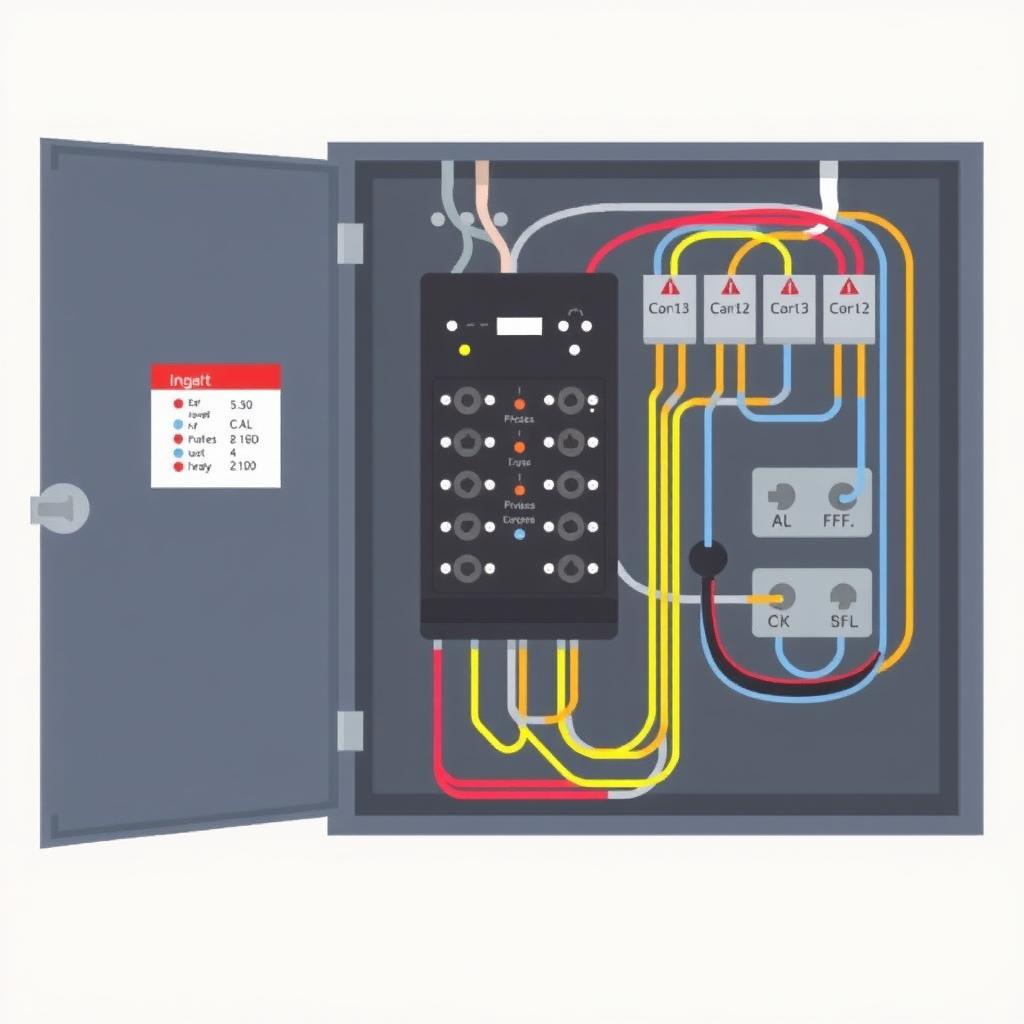
Knowing how your home’s electrical system works is half the battle. Here’s what I’ve figured out:
- Electrical Panel: This box controls power to your house. Each breaker inside protects a circuit. Mine’s in the basement, labeled (mostly) clearly.
- Circuits: These are like highways for electricity, running to lights and outlets. Overload them, and the breaker trips.
- Wiring: Copper or aluminum wires carry the current. Older homes might have outdated wiring—mine did, and it needed an upgrade.
Picture it like plumbing: the panel’s your main valve, circuits are pipes, and outlets are faucets. Simple, right? For more, see Understanding Your Home’s Electrical System.
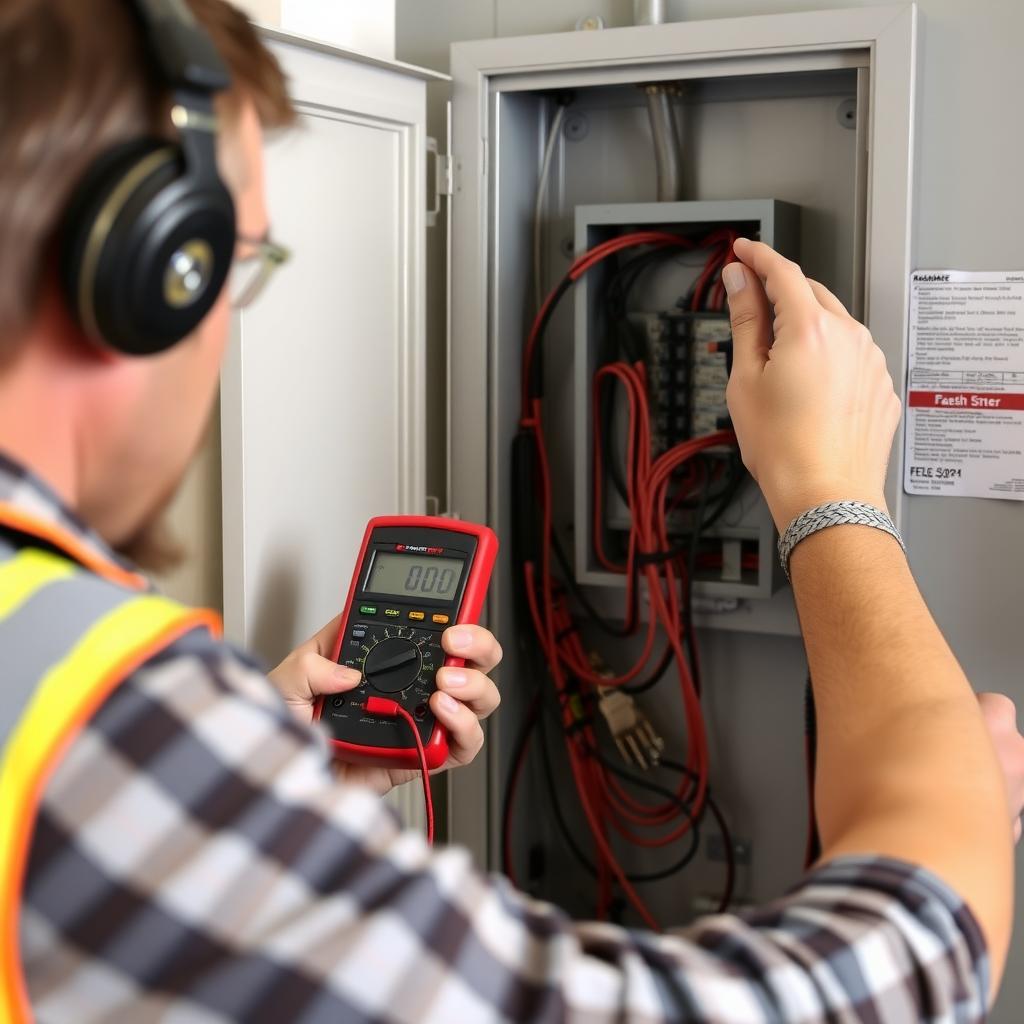
Repairs can get tricky, so I stick to these habits:
- Check for Wear: Look for frayed wires or melted plastic. I found a chewed cord once—thanks, squirrels!
- Test Everything: A multimeter tells me if a circuit’s live or broken. It’s saved me from guesswork.
- Follow Rules: Local codes aren’t suggestions—they’re safety nets. I check mine online.
- Get Help When Needed: After shorting that outlet years ago, I learned pros handle what I can’t.
The Occupational Safety and Health Administration (OSHA) has great tips on safe repairs. I keep their advice in mind every time I open a panel.
I’ve messed up plenty—here’s what to avoid:
- Skipping the Breaker: Thought I could “work quick” once. Never again.
- Overloading Outlets: Plugging in too much fried a circuit at my old place.
- Wrong Wires: Used thin wire for a big job—overheated fast.
- No Grounding: Skipped it once, and a surge zapped my TV.
Learn from me: slow down and do it right.
Here’s extra advice I’ve picked up:
- Label Everything: Mark breakers and wires as you go. Future you will thank you.
- Keep a Notebook: I jot down what I fix—helps spot patterns.
- Practice First: Test skills on small jobs, like swapping a switch, before big ones.
These habits have made me more confident and careful.
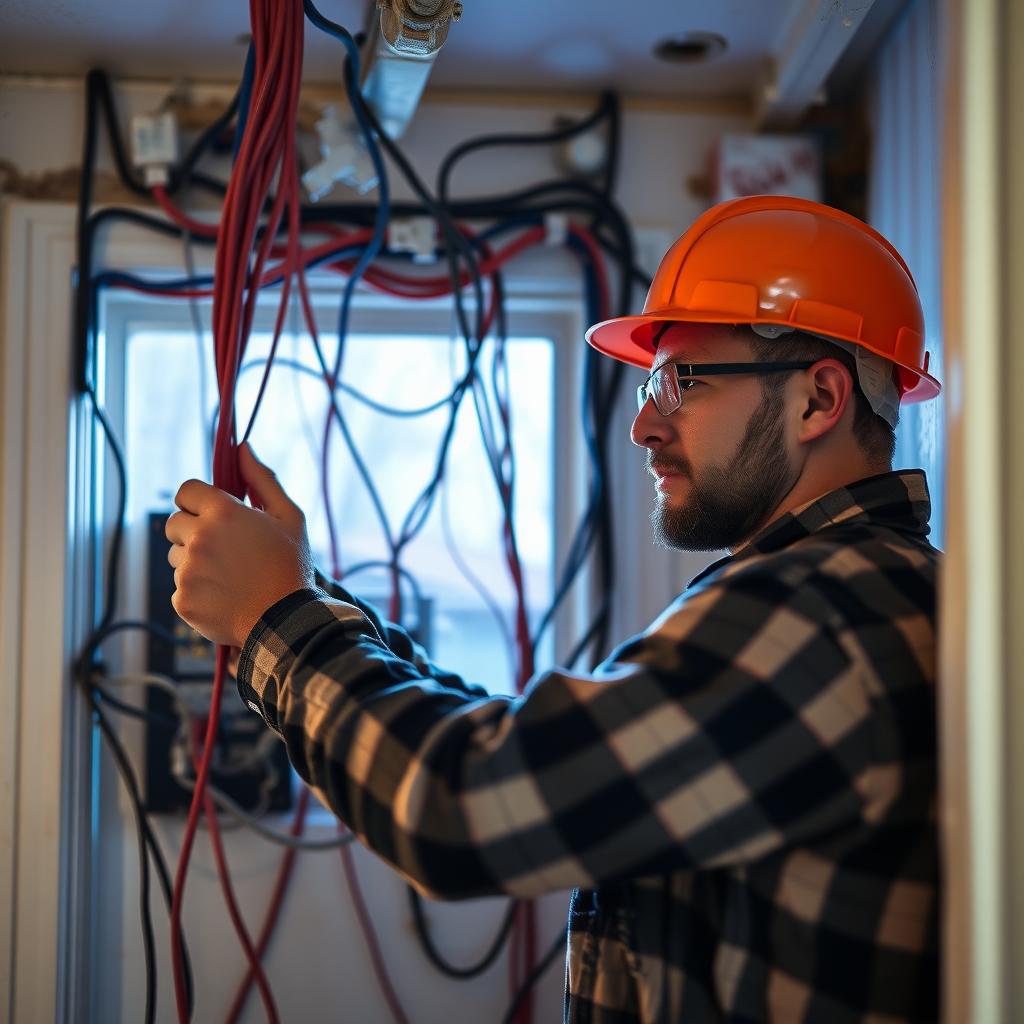
This article is your comprehensive guide to electrical tools, safety, and home repairs. With these tips and a little practice, you’ll handle DIY electrical work like a pro—safely and successfully.
Related Essential Safety Tips for DIY Electrical Work:
- Essential Maintenance Tips for Outdoor Equipment
- How Ergonomic Tools Save Your Hands
- Top-Quality Workman Tools for Contractors
- How to Organize a Small Workshop for Maximum Efficiency
- Advanced Tool Maintenance Tips
- The Ultimate Guide to Plumbing Tools
- Essential Power Washer Accessories for Better Cleaning
- Essential Automotive Tools Every DIY Mechanic Needs
- Managing a Clean and Efficient Workshop
- Safety First: Best Practices for Electrical Work
- Power Drills with Multiple Attachments: A Comprehensive Guide
- Essential Safety Tips for Using Power Tools