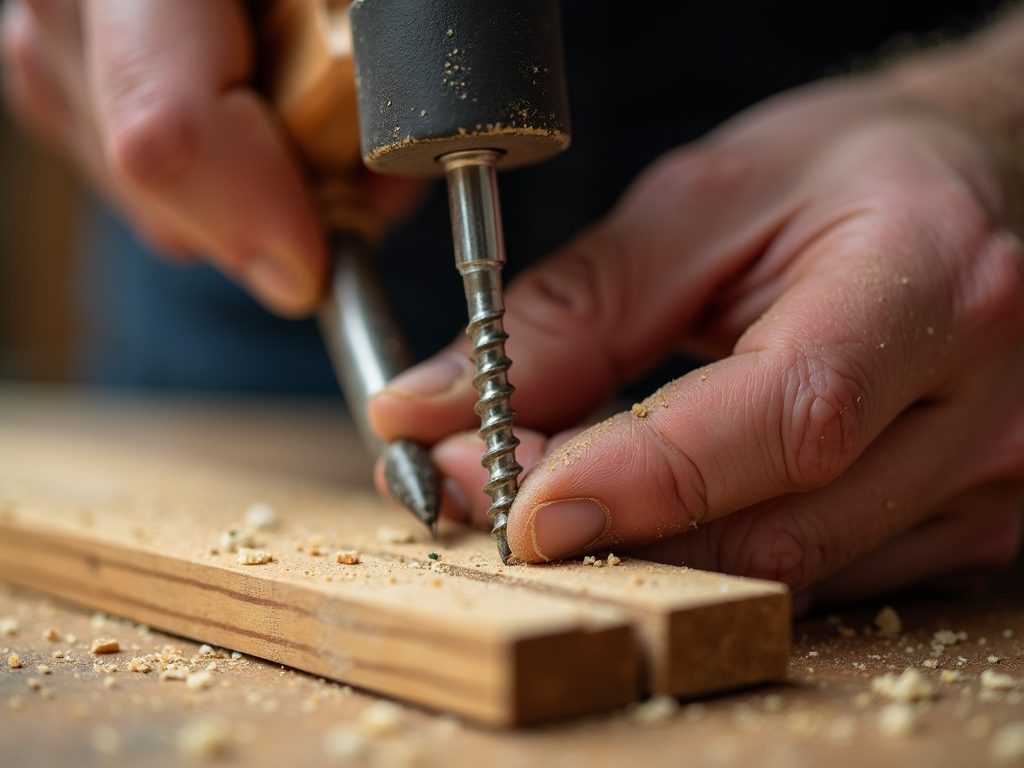
Power tools are a DIYer's best friend, but they can also be dangerous if not used properly. This guide covers essential safety tips to keep you safe while working on your projects. From wearing the right gear to maintaining your tools, these tips will help you avoid accidents and get the job done right.
I remember the first time I used a circular saw. I was so excited to start my project that I didn’t bother reading the manual. Big mistake. I almost cut off my finger because I didn’t know how to properly adjust the blade depth. That experience taught me the importance of taking the time to learn about your tools before using them.
Safety starts before you even plug in your tool. Wearing the right gear and setting up your workspace properly are your first lines of defense.
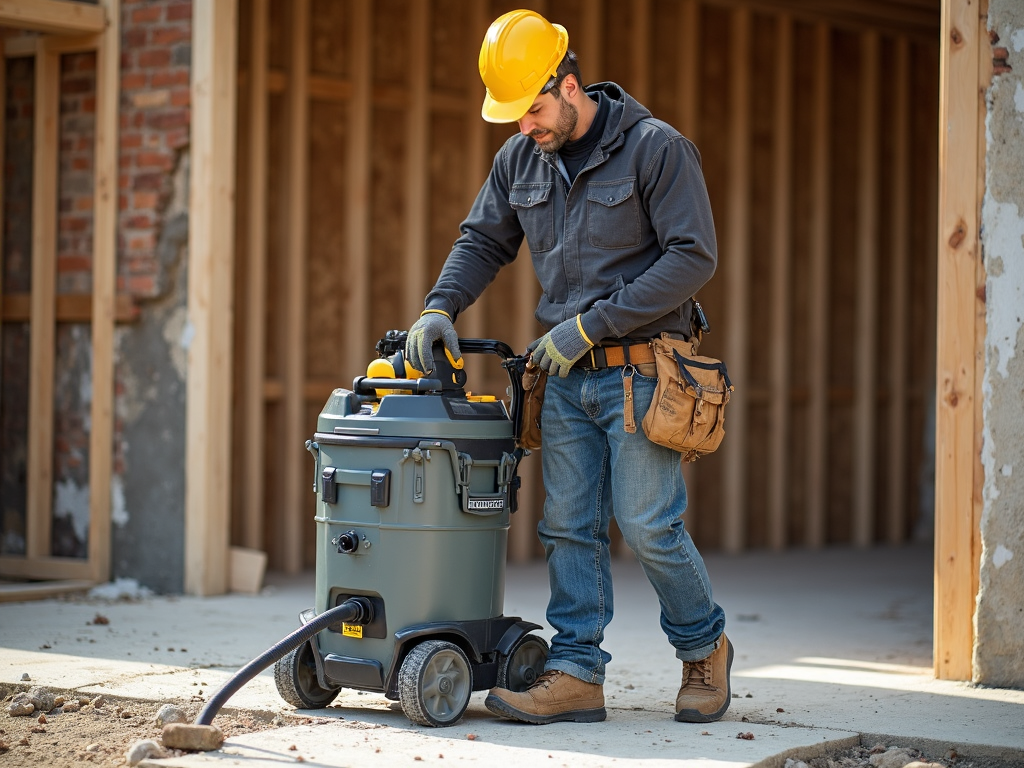
- Wear Protective Gear: Always put on safety glasses to shield your eyes from debris. Gloves protect your hands from cuts and burns, while ear protection is a must for noisy tools like saws or grinders. If dust is involved, grab a mask too.\n- Dress Smart: Skip loose clothing or jewelry that could get caught in moving parts. Tie back long hair and opt for sturdy shoes—steel-toed boots are ideal if you’re working with heavy equipment.\n- Prep Your Space: Keep your work area clean and free of clutter. A stray cord or scrap piece can trip you up or snag your tool. Good lighting helps you see what you’re doing and avoid mistakes.
Here’s a quick checklist to get started: \n| Item | Purpose |\n|---------------------|---------------------------------|\n| Safety glasses | Protects eyes from debris |\n| Gloves | Shields hands from injury |\n| Ear protection | Reduces noise damage |\n| Dust mask | Prevents inhaling particles |\n| Closed-toe shoes | Guards feet from falling tools |
A well-maintained tool is a safe tool. Neglect can turn even the best equipment into a hazard. Here’s how to keep yours in top shape.
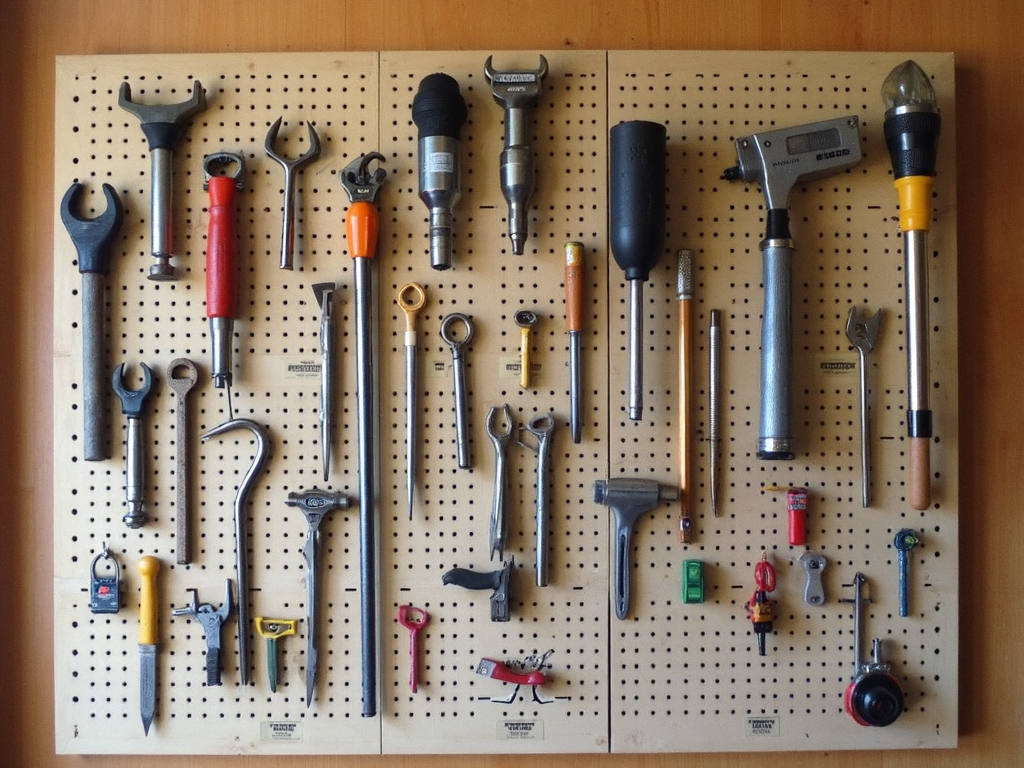
- Clean Regularly: After every use, wipe down your tools with a cloth. Dust and grime can clog motors or dull blades. For vents, a quick blast of compressed air works wonders.\n- Inspect Before Use: Check power cords for frays—exposed wires are a shock waiting to happen. Look at blades and bits too. A chipped drill bit once snapped mid-project for me, sending shards flying. Now, I always inspect first.\n- Store Properly: Keep tools in a dry spot to avoid rust. A toolbox or wall rack keeps them organized and out of reach of kids or pets.
For cordless tools, battery care is crucial. Follow the manufacturer’s guide to avoid overheating. The Occupational Safety and Health Administration (OSHA) offers great advice on tool upkeep, emphasizing regular checks to catch issues early.
Over the years, I’ve picked up a few tricks that don’t always make the manuals: \n- Read the Manual: I know, it’s boring. But those pages are gold. They tell you quirks specific to your tool—like how my old drill needed a firm grip to avoid stalling.\n- Unplug Between Steps: Changing a blade? Unplug first. It’s a habit that’s saved me from a few heart-stopping moments.\n- Stay Focused: Power tools and distractions don’t mix. One phone call while sanding cost me a fingertip’s worth of skin. Keep your mind on the task.
For a list of must-have tools that tie into safety—like ones with built-in guards—check out articles like Top 10 Power Tools Every DIYer Needs. Having the right gear reduces risks.
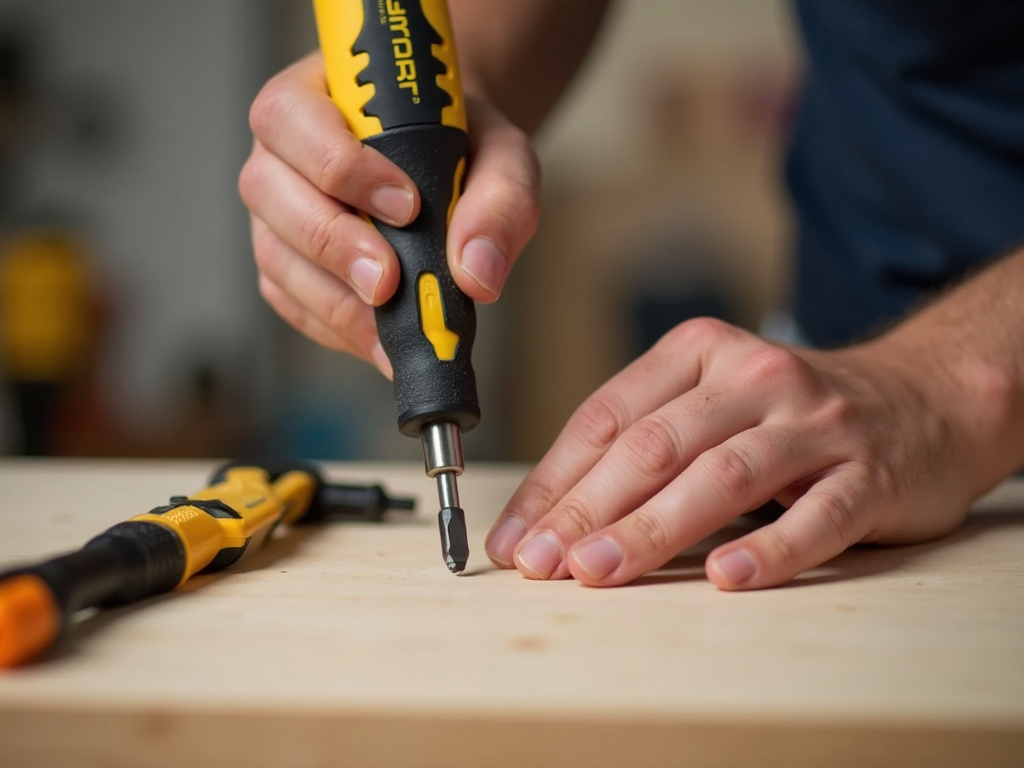
Image 1\nA person wearing safety glasses, gloves, and ear protection while using a drill. The workspace is clean and well-lit, with tools organized on a nearby shelf. A first-aid kit sits in the background, ready just in case.\nAlt text: Safe power tool use with proper safety gear
Image 3\nA variety of drill bits laid out on a workbench, each labeled for its material—wood, metal, concrete. A drill rests nearby, unplugged, with a clamp holding a test piece in place.\nAlt text: Different types of drill bits for various materials
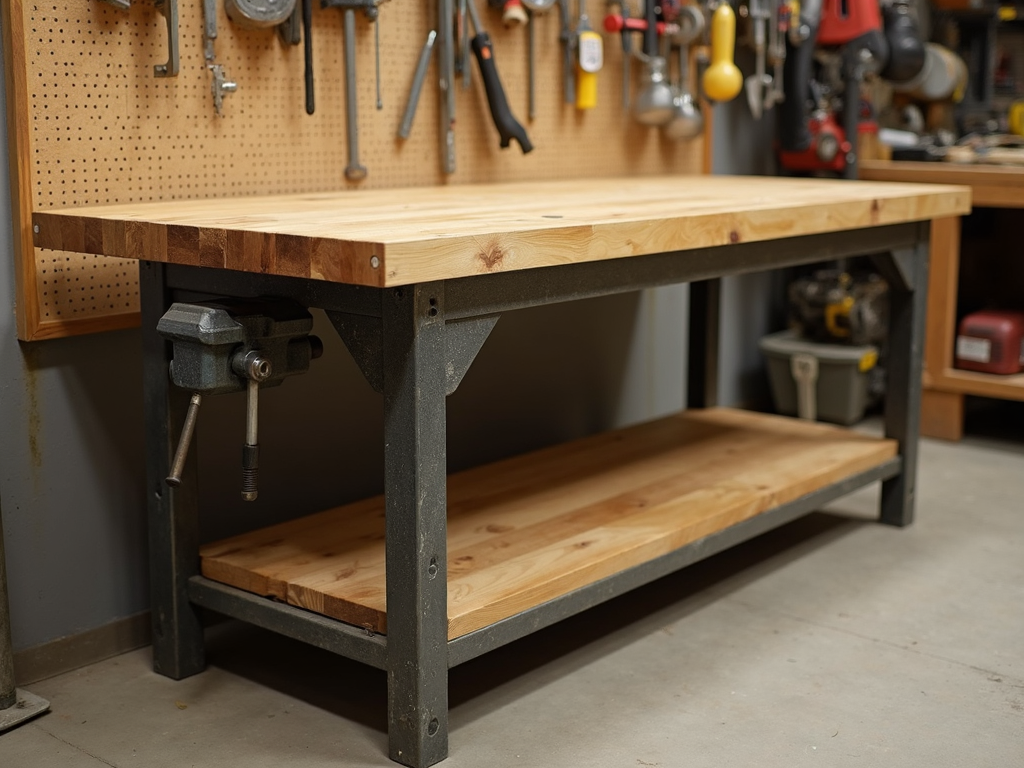
Image 5\nA bright garage workshop with a person using a sander on a wooden plank. The floor is swept, lights are overhead, and a trash bin catches dust. Safety gear is on, and the focus is clear.\nAlt text: Clean, well-lit workspace for safe power tool use
This guide blends practical advice with real-life lessons, ensuring that readers not only understand the importance of safety but also know how to implement these tips in their own projects. For more on specific tools or accessories, dive into the recommended readings!
Recommended Readings:\n- Top 10 Power Tools Every DIYer Needs\n- How to Choose the Right Drill Bit for Your Project\n- The Ultimate Guide to Cordless Drill Care
Related Essential Safety Tips for Using Power Tools:
- The Best Power Tools for DIY Beginners
- Mastering Power Tools: Tips for DIY Success
- Power Washer Troubleshooting and Repair
- Top 10 Workman Tools for Beginners
- Essential Safety Tips for Working on Your Car
- How Riving Knives Save Lives
- Ergonomic Hand Tools for Reduced Strain: A Comprehensive Guide
- Maximizing Efficiency in Your Workshop
- Beginner's Guide to Woodworking Tools
- The Ultimate Guide to Essential Tools for Every Workshop
- Revolutionizing Workshops: Innovative Workman Tools in 2024
- Workman Tools: A Comprehensive Guide