Introduction
Starting your journey as a workman can be exciting yet overwhelming. With countless tools available, it’s crucial to know which ones are essential for beginners. This article will guide you through the top 10 workman tools every beginner should have, along with tips on maintaining them for longevity. Whether you’re assembling furniture, hanging shelves, or tackling small repairs, these tools will set you up for success. Plus, we’ll share personal insights to help you avoid common mistakes and work more efficiently.
Top 10 Workman Tools for Beginners
- Hammer:
- Description: A hammer is a fundamental tool used for driving nails, breaking objects, and more.
- Uses: Essential for tasks like hanging pictures, assembling furniture, or minor repairs.
- Why It's Beneficial: Versatile and easy to use, a hammer is a must-have for any beginner.
- Personal Insight: I remember my first project where I struggled to drive a nail straight. A good hammer made all the difference.
Image Paragraph: A close-up of a beginner using a hammer to drive a nail into a wooden plank. The focus is on the hammer's head striking the nail, with sawdust flying. The background shows a workbench with other tools. Alt Text: Beginner using a hammer on a wooden plank.
- Screwdriver Set:
- Description: A set of screwdrivers with various heads (flat, Phillips, etc.) for different screws.
- Uses: Essential for assembling furniture, tightening screws, or fixing appliances.
- Why It's Beneficial: A good set covers most screw types you'll encounter.
- Personal Insight: Investing in a quality set saved me from stripping screws and frustration.
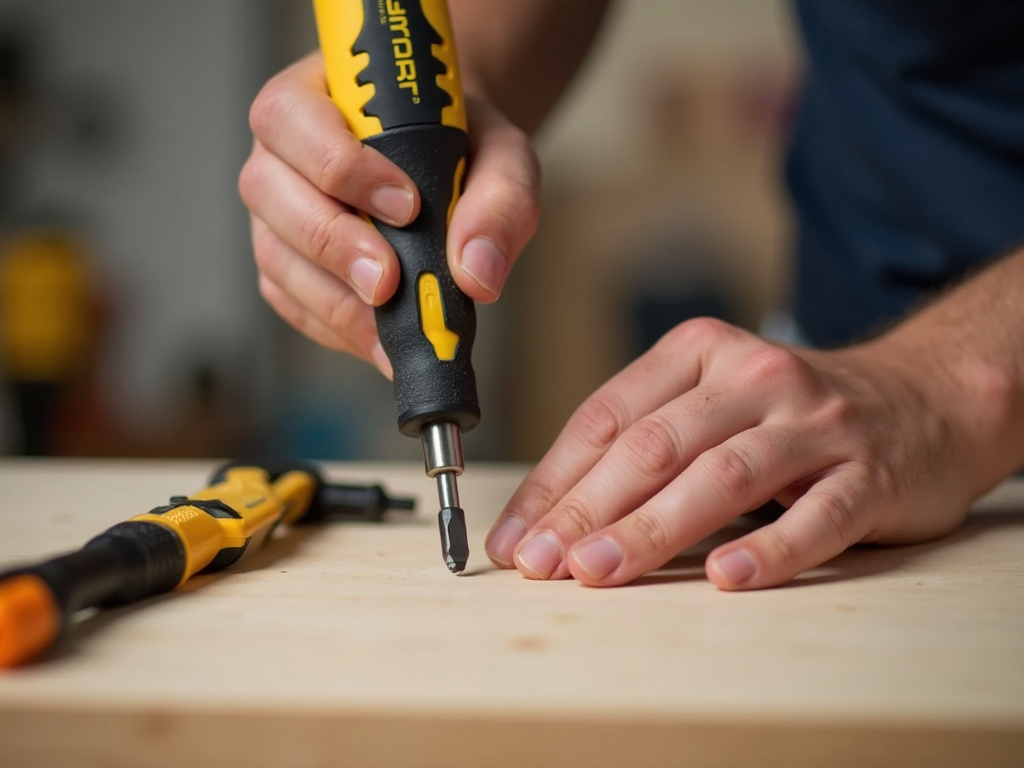
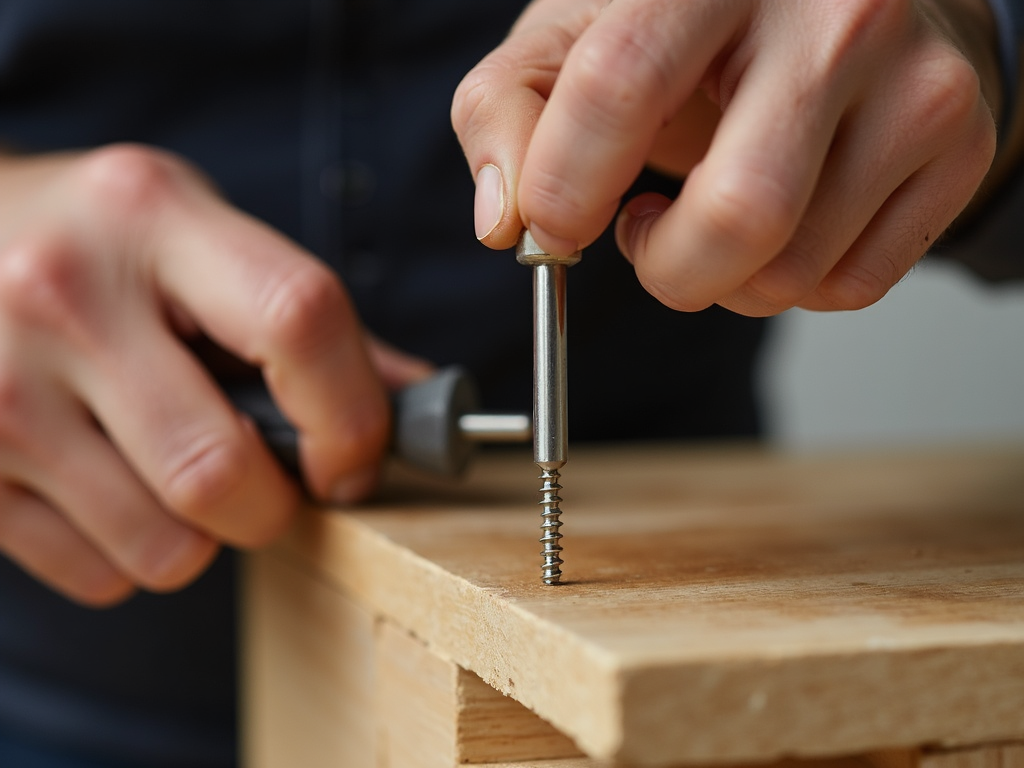
Image Paragraph: A beginner's hand holding a screwdriver, tightening a screw on a cabinet hinge. The image shows the precision and control needed. Alt Text: Tightening a screw with a screwdriver.
- Tape Measure:
- Description: A flexible ruler used to measure distances.
- Uses: Crucial for measuring spaces, cutting materials, or planning projects.
- Why It's Beneficial: Accurate measurements prevent costly mistakes.
- Personal Insight: I once cut a board too short because I didn't measure twice. A tape measure is indispensable.
Image Paragraph: A tape measure extended across a piece of wood, with a pencil marking the measurement. The image emphasizes the importance of precision. Alt Text: Measuring wood with a tape measure.
- Utility Knife:
- Description: A sharp, retractable knife for cutting various materials.
- Uses: Ideal for opening packages, cutting ropes, or scoring materials.
- Why It's Beneficial: Versatile and safer than using scissors for certain tasks.
- Personal Insight: A utility knife has been my go-to for quick cuts and precision work.
Image Paragraph: A beginner's hand using a utility knife to cut through cardboard. The image shows the knife's blade and the clean cut. Alt Text: Cutting cardboard with a utility knife.
- Pliers:
- Description: A tool with jaws for gripping, bending, or cutting.
- Uses: Essential for electrical work, gripping small objects, or bending wires.
- Why It's Beneficial: Versatile and can perform multiple functions.
- Personal Insight: Pliers have saved me when dealing with stubborn nuts or wires.
Image Paragraph: A pair of pliers gripping a wire, with the beginner's hand applying pressure. The image highlights the tool's strength and precision. Alt Text: Gripping a wire with pliers.
- Adjustable Wrench:
- Description: A wrench with an adjustable jaw to fit various nut sizes.
- Uses: Ideal for plumbing tasks, assembling furniture, or tightening bolts.
- Why It's Beneficial: One tool can replace multiple fixed-size wrenches.
- Personal Insight: An adjustable wrench has been a lifesaver for quick fixes around the house.
Image Paragraph: An adjustable wrench tightening a bolt on a pipe. The image shows the wrench's adjustability and grip. Alt Text: Tightening a bolt with an adjustable wrench.
- Level:
- Description: A tool used to determine if a surface is horizontal or vertical.
- Uses: Essential for hanging shelves, pictures, or ensuring surfaces are even.
- Why It's Beneficial: Prevents crooked installations and ensures professional results.
- Personal Insight: A level helped me avoid the embarrassment of a tilted shelf.
Image Paragraph: A level placed on a shelf, with the bubble centered, indicating it's perfectly horizontal. The image emphasizes precision. Alt Text: Checking a shelf with a level.
- Cordless Drill:
- Description: A battery-powered drill for drilling holes and driving screws.
- Uses: Ideal for assembling furniture, hanging shelves, or DIY projects.
- Why It's Beneficial: Faster and more efficient than manual tools.
- Personal Insight: My cordless drill has been a game-changer for quick and effortless work.
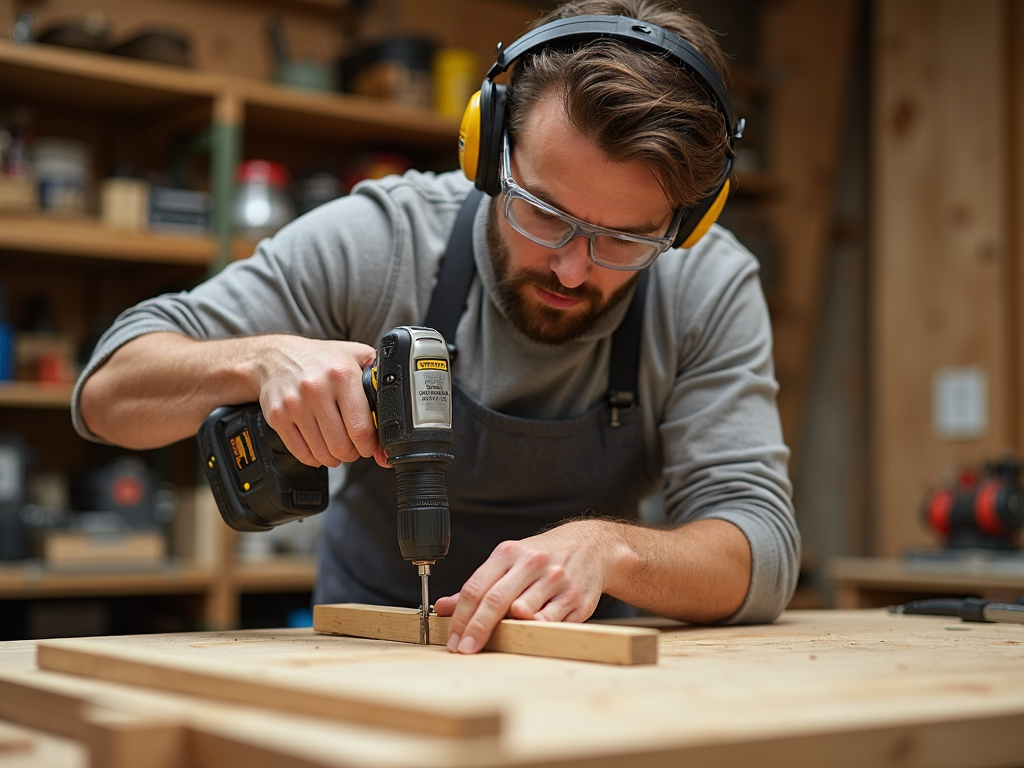
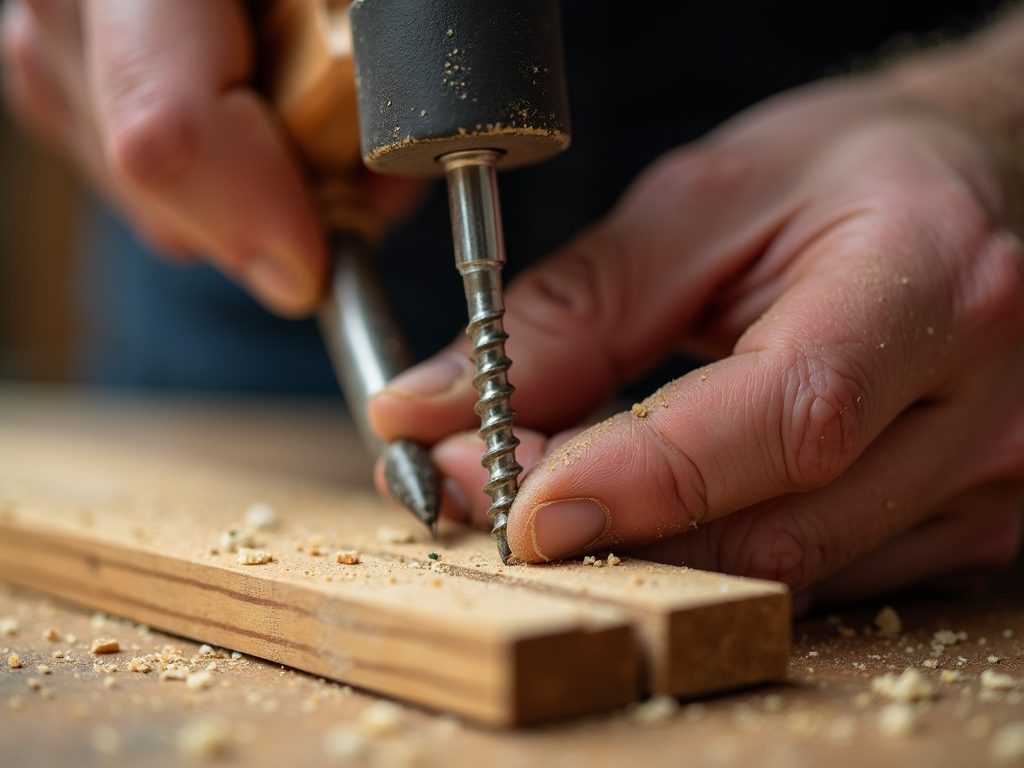
Image Paragraph: A beginner using a cordless drill to drive a screw into wood. The image shows the drill's power and ease of use. Alt Text: Drilling into wood with a cordless drill.
- Safety Gear (Gloves, Goggles):
- Description: Protective equipment to prevent injuries.
- Uses: Essential for any task involving sharp tools, chemicals, or debris.
- Why It's Beneficial: Safety should always be a priority.
- Personal Insight: I've learned the hard way that safety gear is non-negotiable.
Image Paragraph: A beginner wearing gloves and goggles while using a power tool. The image highlights the importance of safety. Alt Text: Wearing safety gear while working.
-
Toolbox:
- Description: A container for organizing and storing tools.
- Uses: Keeps tools organized, accessible, and protected.
- Why It's Beneficial: A well-organized toolbox saves time and prevents loss.
- Personal Insight: My toolbox has been my best friend, keeping everything in one place.
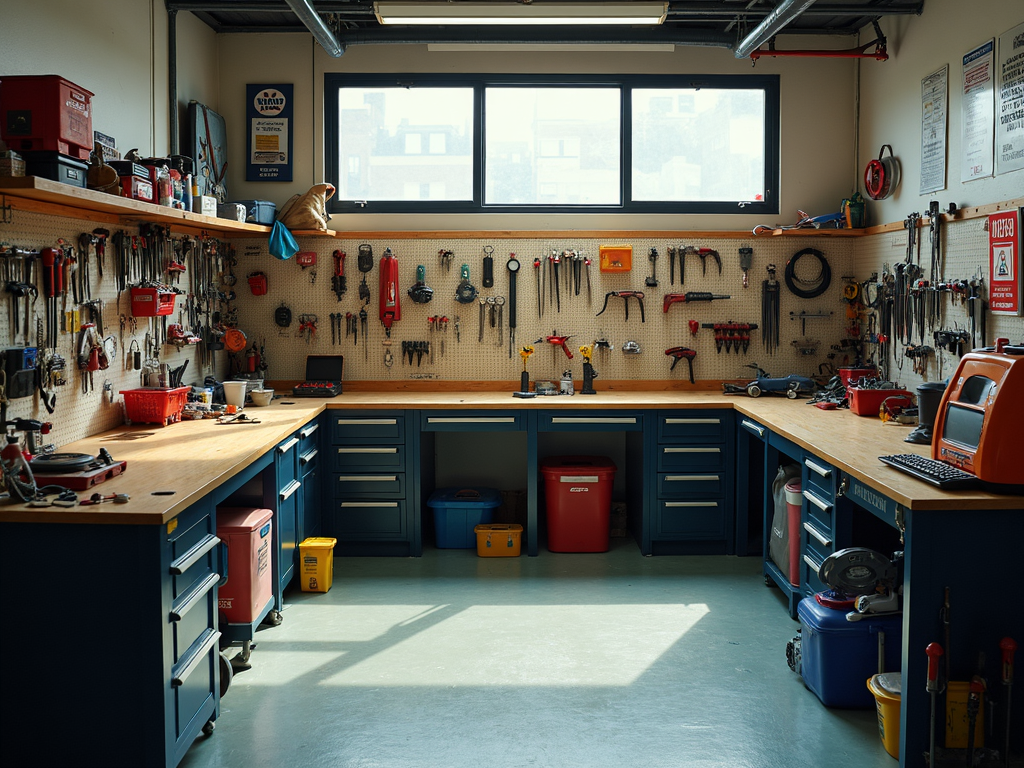
Image Paragraph: A toolbox open on a workbench, with tools neatly organized inside. The image shows the variety of tools and their organization. Alt Text: Organized toolbox with various tools.
How to Maintain Your Tools for Longevity
- Cleaning: Wipe tools after use to remove dirt and moisture.
- Storing: Keep tools in a dry, cool place to prevent rust and damage.
- Inspecting: Regularly check for wear and tear, and replace or repair as needed.
- Lubricating: Apply oil to moving parts to prevent rust and ensure smooth operation.
Toolbox Recommendations
- Importance: A toolbox keeps your tools organized and easily accessible.
- Recommendations:
- Basic Toolbox: A simple, portable box for essential tools.
- Rolling Toolbox: For those with more tools, offering mobility and storage.
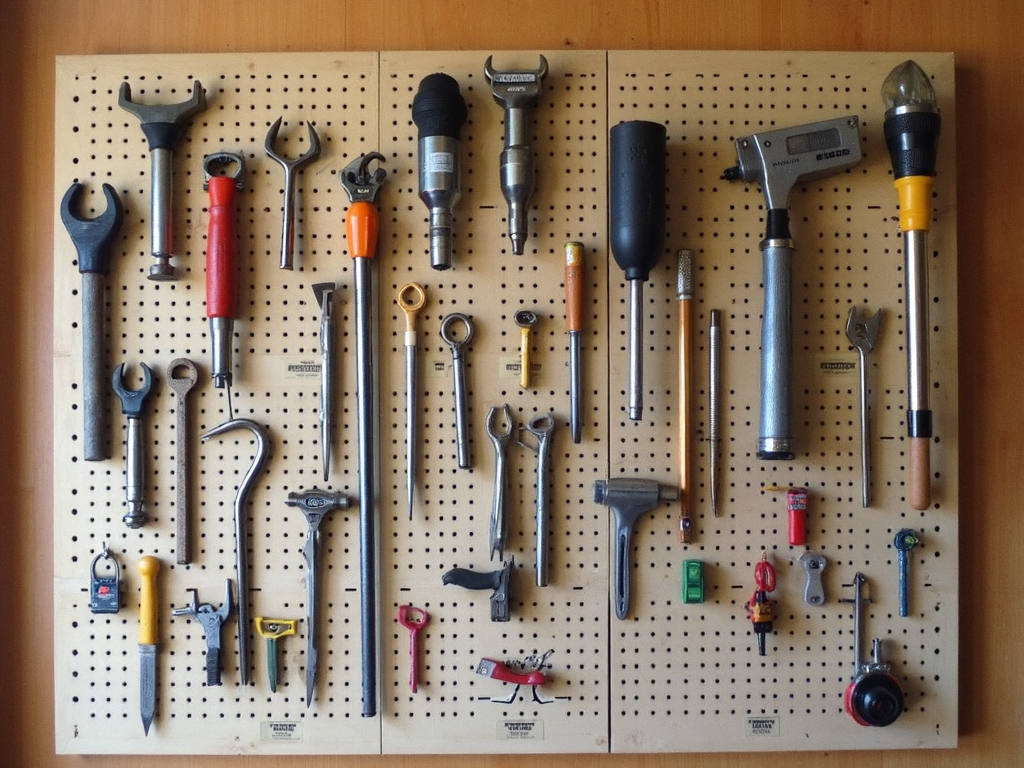
- Wall-Mounted Organizer: Saves space and keeps tools visible.
Summary and Recommended Readings
In summary, starting with the right tools is crucial for any beginner workman. The top 10 tools—hammer, screwdriver set, tape measure, utility knife, pliers, adjustable wrench, level, cordless drill, safety gear, and toolbox—are essential for various tasks. Remember to maintain your tools for longevity and keep them organized in a toolbox.
For further reading, consider these resources: - How to Choose the Right Hammer for Your Project - Essential Screwdriver Types Every Beginner Should Know - The Importance of Measuring Twice in DIY Projects
Related Top 10 Workman Tools for Beginners:
- Essential Safety Tips for Working on Your Car
- How Riving Knives Save Lives
- Ergonomic Hand Tools for Reduced Strain: A Comprehensive Guide
- Maximizing Efficiency in Your Workshop
- Beginner's Guide to Woodworking Tools
- The Ultimate Guide to Essential Tools for Every Workshop
- Revolutionizing Workshops: Innovative Workman Tools in 2024
- Workman Tools: A Comprehensive Guide
- Essential Tools Every Beginner Handyman Needs
- The Ultimate Guide to Tool Safety: Protecting Yourself in the Workshop
- Mastering Complex Projects: The Ultimate Guide to Advanced Workman Tools
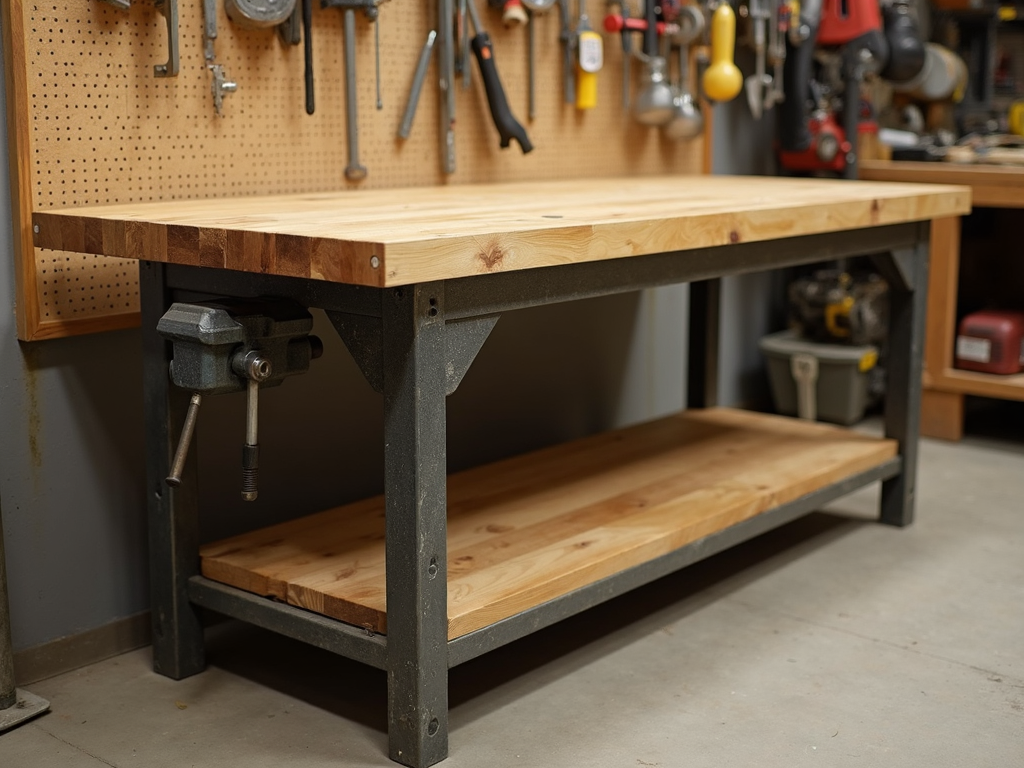
- Maximizing Workspace Efficiency: A Guide to Choosing the Right Workbench and Organizing Your Tools