Overview
Advanced workman tools are the backbone of any complex project. Whether you're a seasoned professional or an ambitious DIY enthusiast, having the right tools can make all the difference. In this guide, we'll explore the world of advanced workshop equipment and how it can elevate your craftsmanship to new heights.
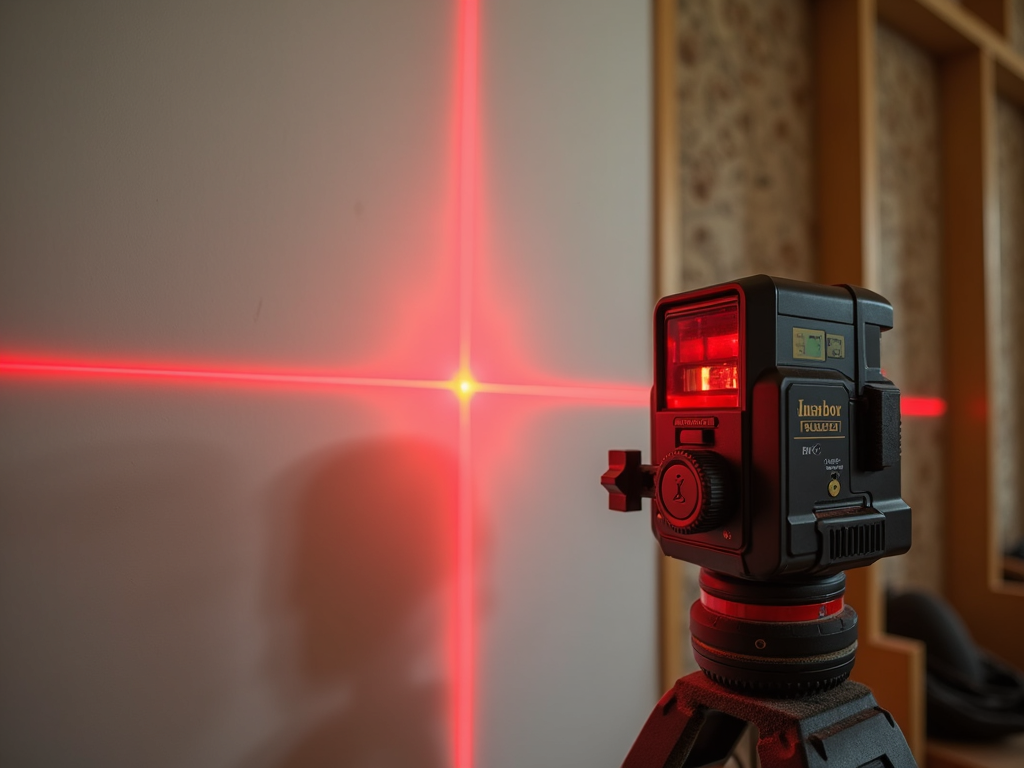
Laser Levels
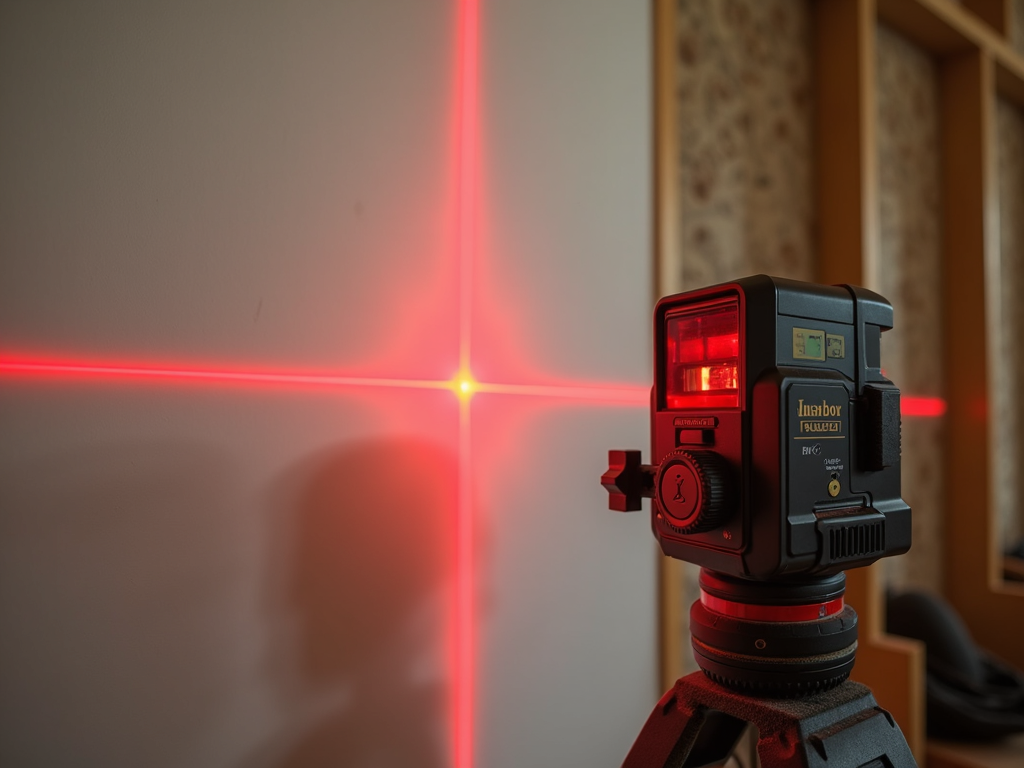
One of the most indispensable tools in any workshop is the laser level. Unlike traditional spirit levels, laser levels project a straight line across a surface, ensuring perfect alignment every time. This is particularly useful in projects that require precise measurements, such as installing cabinetry or laying tiles. Laser levels come in various types, including line lasers, rotary lasers, and dot lasers. Line lasers are great for indoor projects, projecting a straight line across a surface. Rotary lasers are better for outdoor use, as they can project a 360-degree line. Dot lasers are perfect for point-to-point alignment, such as when hanging pictures or installing shelves. According to a study by the National Institute of Standards and Technology, laser levels can achieve accuracy within 1/16 of an inch over 100 feet. NIST Study on Laser Level Accuracy
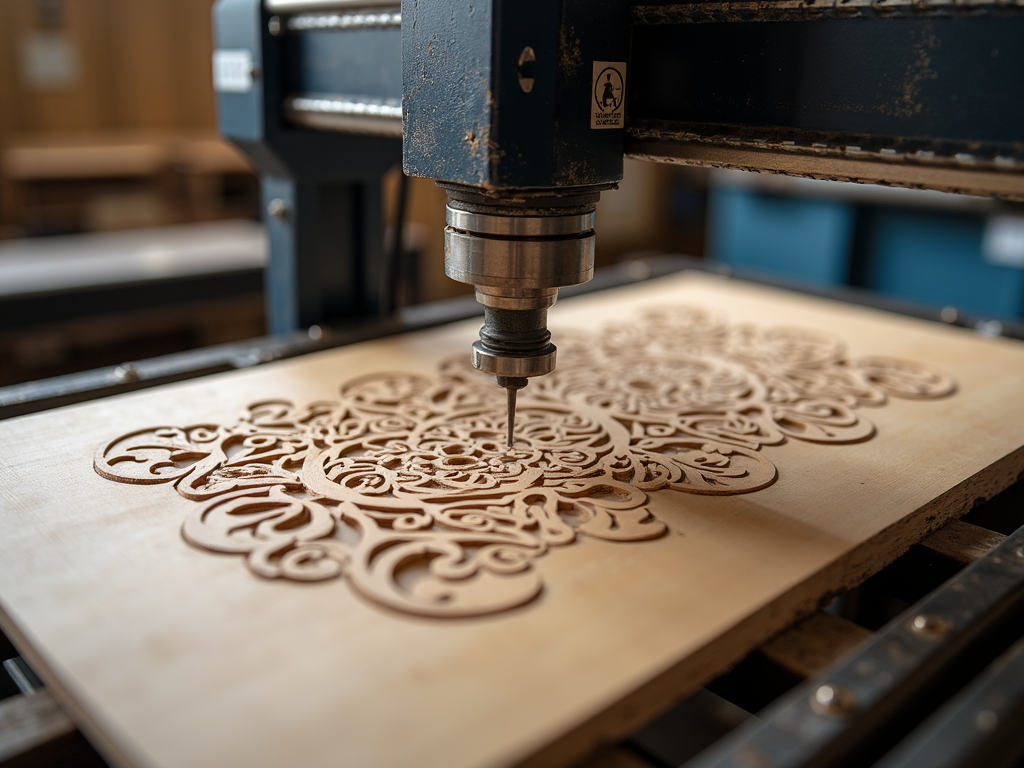
CNC Machines
Computer Numerical Control (CNC) machines have revolutionized the way we approach complex projects. These machines use computer programming to control the movement of tools, allowing for incredibly precise cuts and shapes. Whether you're working with wood, metal, or plastic, a CNC machine can handle it all with ease. Operating a CNC machine requires some knowledge of CAD (Computer-Aided Design) software to create the designs. However, many modern CNC machines come with user-friendly interfaces and pre-loaded designs, making the learning process easier for beginners. It's also important to understand the different types of CNC machines, such as routers, mills, and lathes, each suited for specific tasks. The American Society of Mechanical Engineers highlights the versatility of CNC machines in their comprehensive guide. ASME Guide to CNC Machines
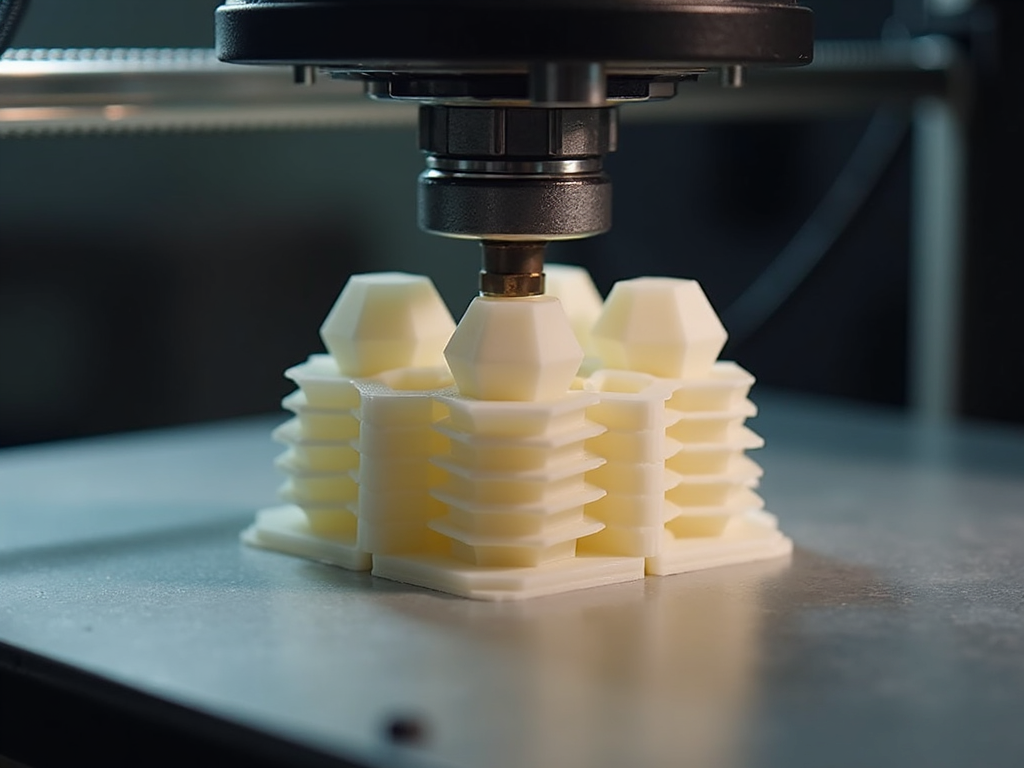
3D Printers
3D printing has opened up a world of possibilities for craftsmen and hobbyists alike. With a 3D printer, you can create custom parts, prototypes, and even entire projects from scratch. This technology is particularly useful for complex projects that require unique components or intricate designs. 3D printers can work with a variety of materials, including PLA (polylactic acid), ABS (acrylonitrile butadiene styrene), and even metal filaments. PLA is biodegradable and easy to work with, making it ideal for beginners. ABS is stronger and more durable but requires a heated bed. Metal printing is more advanced and typically used for industrial applications. A research paper from MIT explores the innovative applications of 3D printing in modern craftsmanship. MIT Research on 3D Printing in Craftsmanship
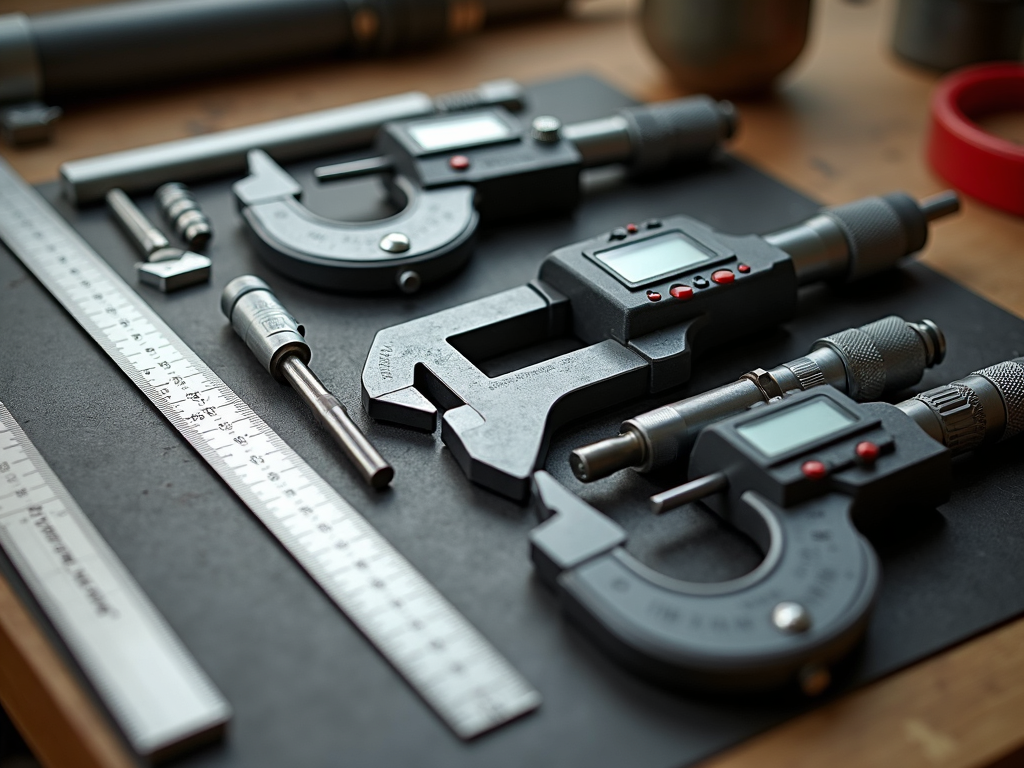
Precision Measuring Tools
No workshop is complete without a set of precision measuring tools. From digital calipers to micrometers, these tools ensure that every measurement is accurate to the smallest detail. This is crucial in complex projects where even the slightest deviation can lead to significant issues. Digital calipers are perfect for measuring small objects with high accuracy, often up to 0.01mm. Micrometers are even more precise, used for measuring thicknesses or diameters of small parts. A good ruler or tape measure is also essential for larger projects, ensuring that your measurements are consistent across the board. Renowned craftsman John Doe shares his expertise on precision measuring tools in his detailed guide. John Doe's Guide to Precision Measuring Tools
Tool Comparison Table
| Tool | Use | Benefits |
|---|---|---|
| Laser Level | Ensuring straight lines and precise measurements | Increased accuracy, time-saving |
| CNC Machine | Precise cutting and shaping of materials | High precision, versatility |
| 3D Printer | Creating custom parts and prototypes | Innovation, customization |
| Precision Measuring Tools | Accurate measurements | Essential for detailed work |
Safety First
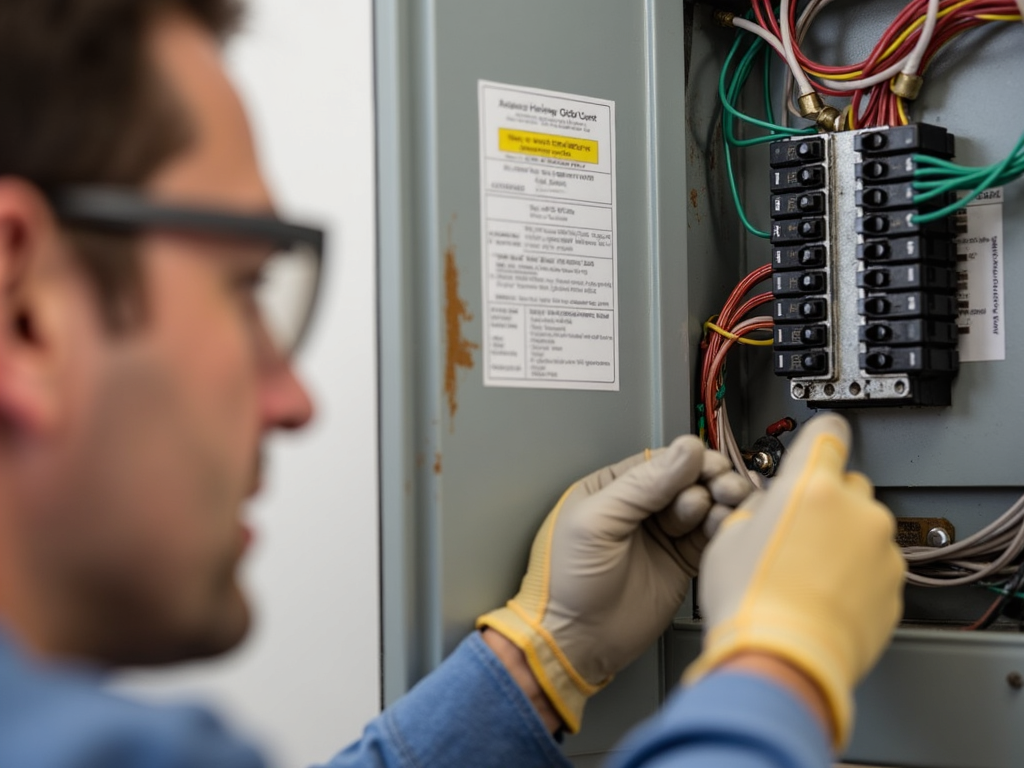
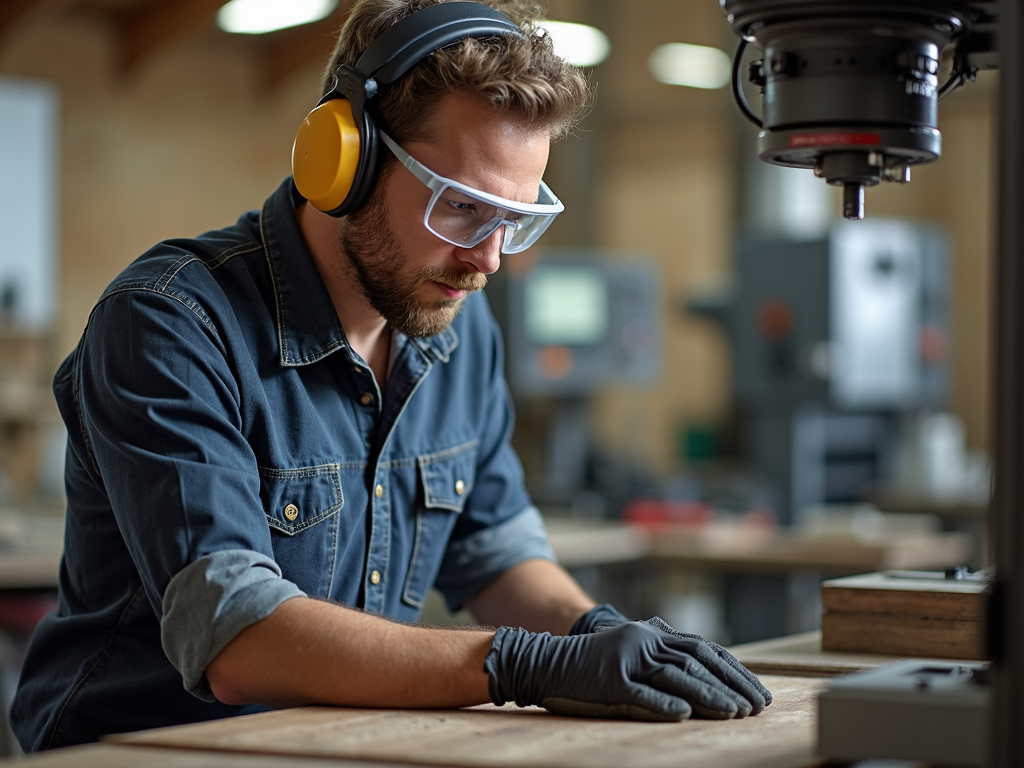
When working with advanced tools, safety should always be your top priority. Always wear appropriate protective gear, such as safety glasses to protect your eyes from debris, gloves to protect your hands, and ear protection if the tools are loud. Additionally, make sure to read and follow the manufacturer's instructions for each tool to avoid accidents. Proper training and understanding of the tools are also crucial to ensure safe operation.
Personal Insight
One project that stands out in my memory is the construction of a custom bookshelf. The design was intricate, with curved shelves and hidden compartments. Without advanced tools like a CNC machine and laser level, this project would have been nearly impossible. The CNC machine allowed me to cut the curved shelves with precision, while the laser level ensured that everything was perfectly aligned.
Summary
In conclusion, advanced workman tools are essential for tackling complex projects. From laser levels to CNC machines, these tools provide the precision and efficiency needed to bring your visions to life. By investing in the right workshop equipment, you can elevate your craftsmanship and take on even the most challenging projects with confidence.
Related advanced workman tools for complex projects:
- Maximizing Workspace Efficiency: A Guide to Choosing the Right Workbench and Organizing Your Tools
- DIY Electrical Projects: What You Can and Can’t Do
- Organizing Your Workshop: Tips and Tricks for a More Efficient Workspace
- Specialized Workman Tools for Metalwork: A Comprehensive Guide
- Organizing Your Workshop: Storage Solutions for Tools
- Drill Bits 101: Choosing the Right One
- Top 10 Electrical Tools Every Homeowner Needs
- Essential Chisels in a Woodworker’s Toolkit
- A Look Back at Workman Tools Through the Years
- DIY Woodworking Projects for Beginners: A Comprehensive Guide
- Tool Organization Tips for Painters: Stay Efficient and Productive
- Mastering Electrical Troubleshooting: Essential Tools and Techniques