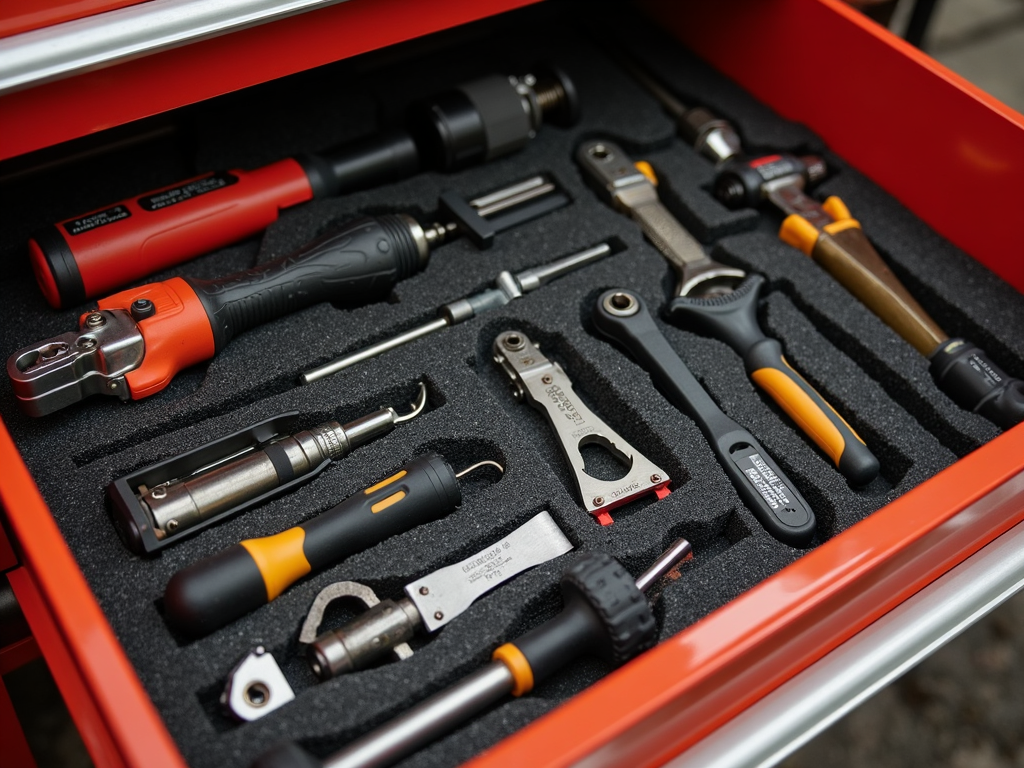
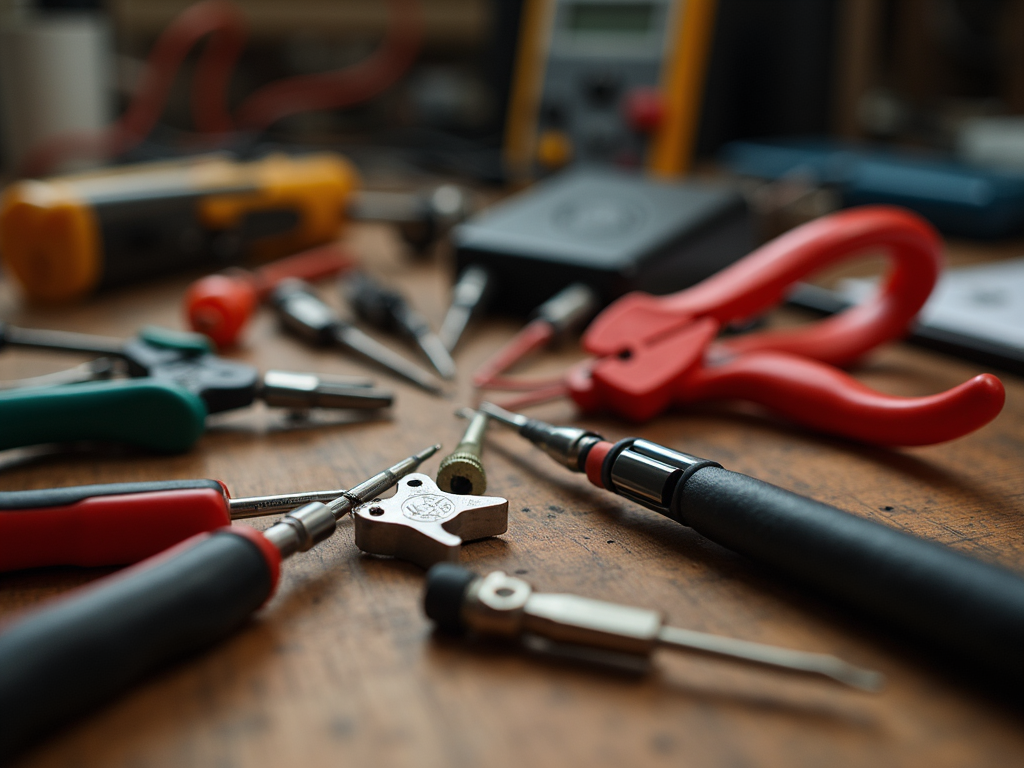
Discover the top 10 electrical tools every homeowner should have. From basic repairs to safety practices, this guide covers it all. Whether you're a seasoned DIY enthusiast or just starting out, having the right tools can make all the difference in maintaining your home's electrical setup safely and efficiently.
Introduction
Electricity is an essential part of modern life, but it can also be dangerous if not handled properly. As a homeowner, understanding your home's electrical setup and having the right tools can help you tackle minor repairs and maintenance tasks safely. This comprehensive guide will walk you through the top 10 electrical tools every homeowner needs, along with safety practices and tips for home electrical repairs.
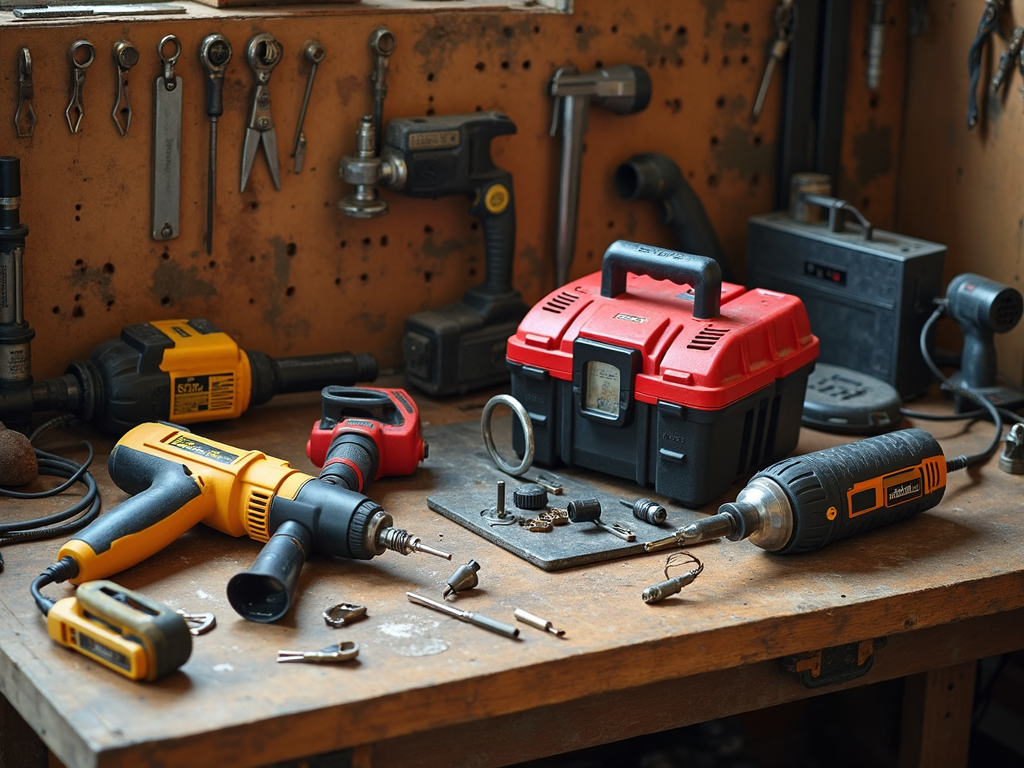
1. Multimeter
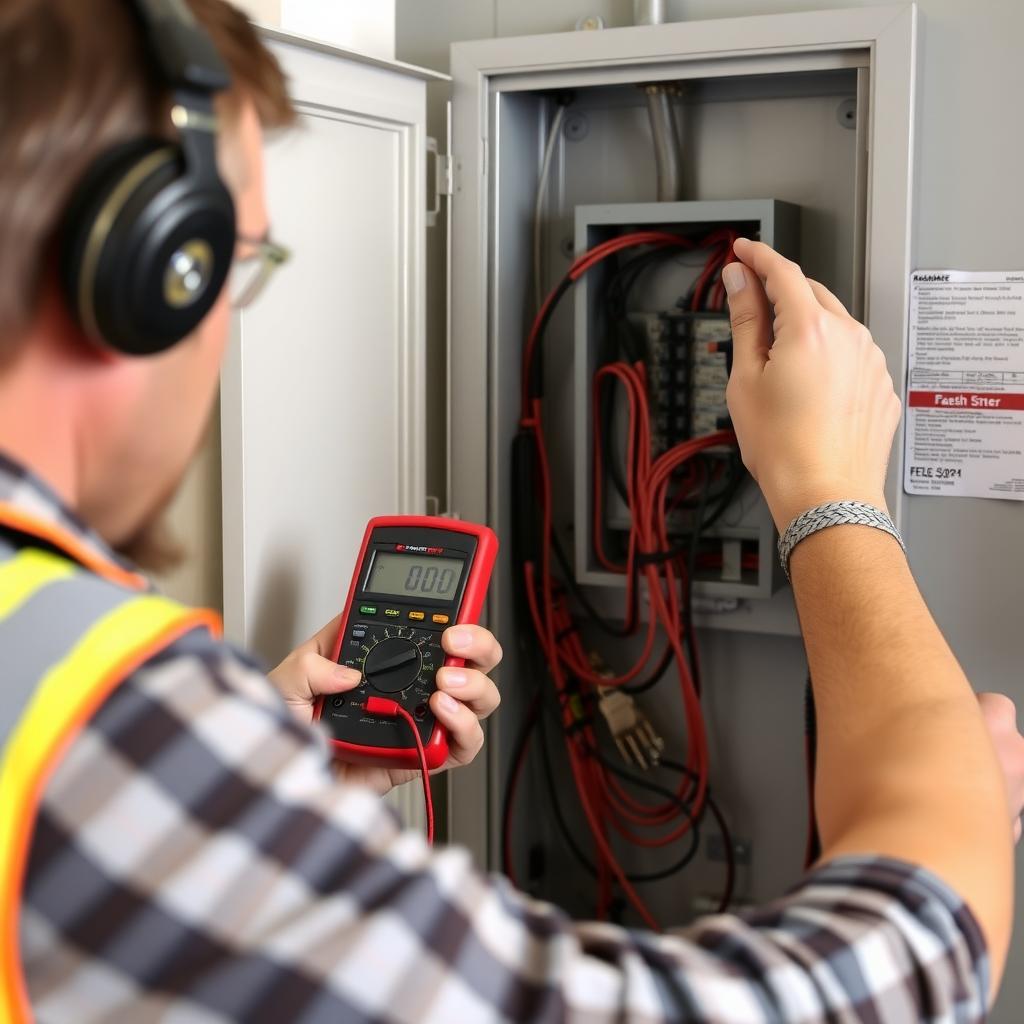
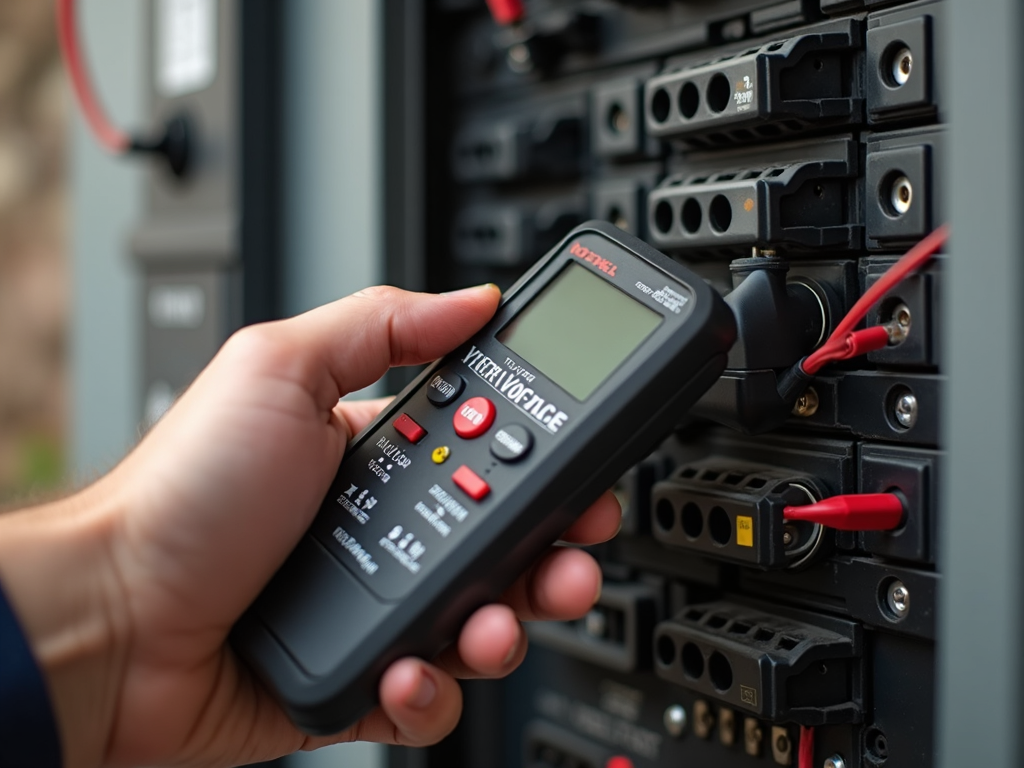
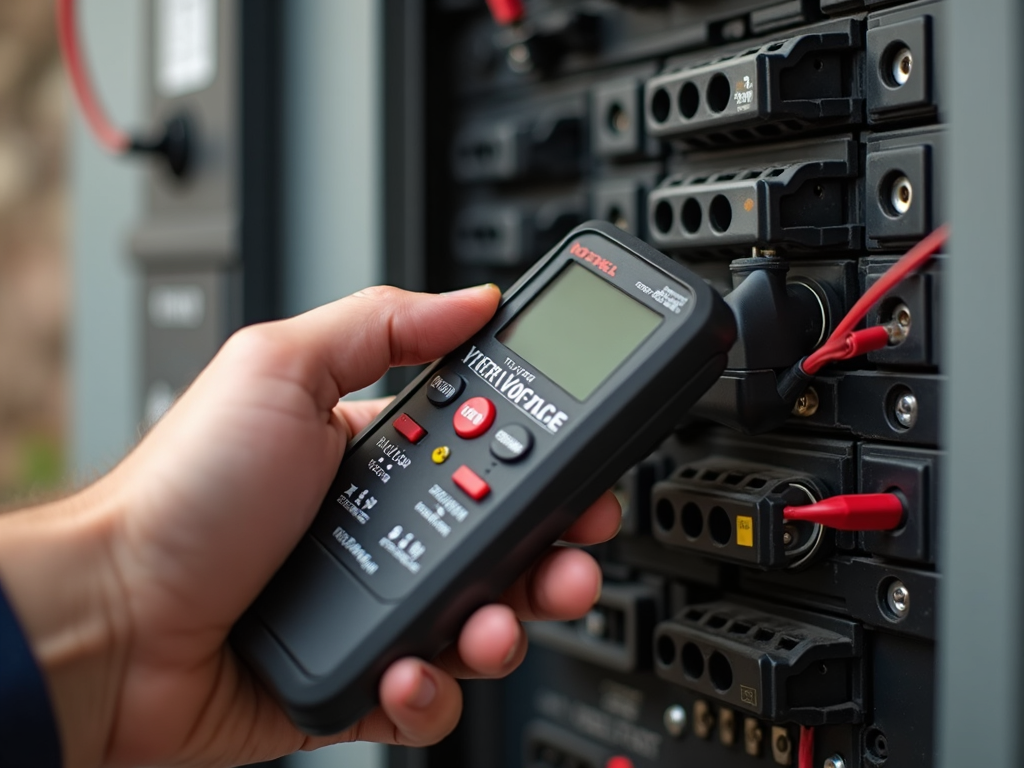
A multimeter is an indispensable tool for any homeowner dealing with electrical issues. It allows you to measure voltage, current, and resistance, helping you diagnose problems like faulty outlets or dead batteries. I remember the first time I used a multimeter to check if an outlet was live before replacing it— it gave me the confidence to proceed safely.
When choosing a multimeter, look for one with a digital display for easy reading. Brands like Fluke and Klein Tools are known for their reliability. For a detailed comparison of multimeters, check out this guide from Electrical Engineering Portal.
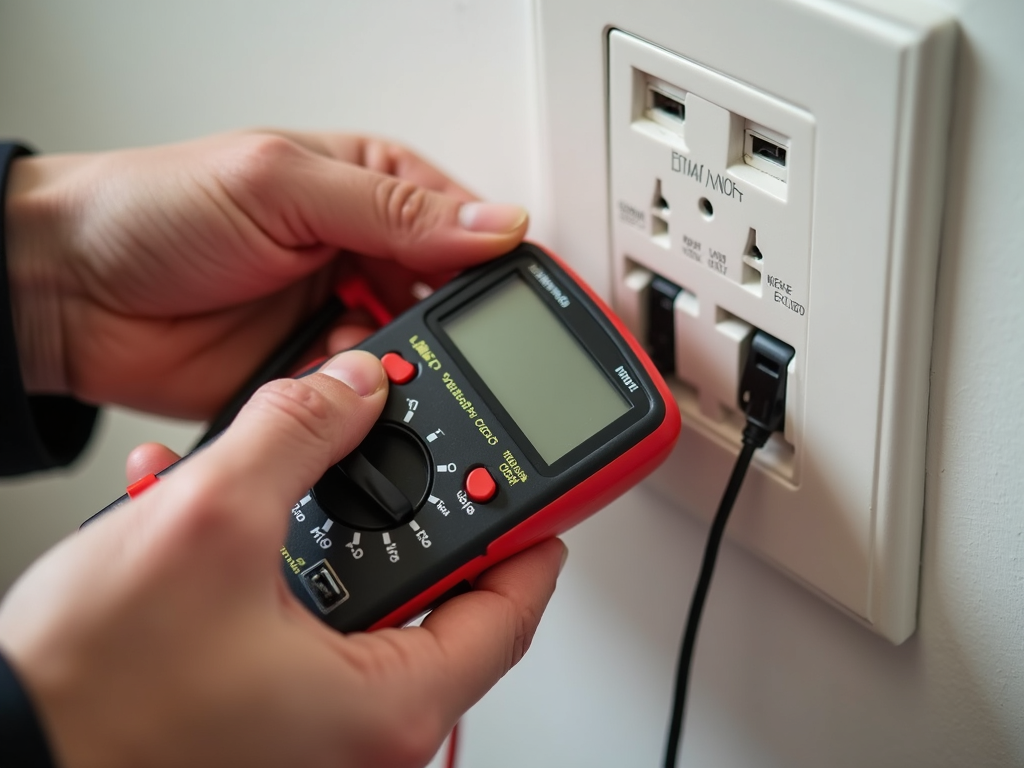
2. Wire Strippers
Wire strippers are essential for removing the insulation from electrical wires without damaging the conductor inside. They come in various sizes to accommodate different wire gauges. I once had to replace a light switch and found that using the right wire stripper made the job much quicker and cleaner.
Look for wire strippers with adjustable settings or multiple stripping holes. The Irwin Vise-Grip Wire Stripper is a popular choice among homeowners for its versatility.
3. Voltage Tester
A voltage tester is a simple yet crucial tool for checking if a circuit is live. It's especially useful for ensuring that power is off before you start working on any electrical component. I always keep a voltage tester in my toolkit and use it religiously before touching any wires.
There are two main types: contact and non-contact testers. Non-contact testers are safer as they don't require direct contact with live wires. For more information on voltage testers, visit OSHA's Electrical Safety page.
4. Pliers
Pliers are versatile tools that can be used for gripping, bending, and cutting wires. There are several types of pliers useful for electrical work, including needle-nose, lineman's, and diagonal cutting pliers.
| Type of Pliers | Use |
|---|---|
| Needle-nose | Gripping small objects, bending wires |
| Lineman's | Cutting and twisting wires |
| Diagonal | Cutting wires and small nails |
I find that having a set of insulated pliers adds an extra layer of safety when working with electricity.
5. Screwdrivers
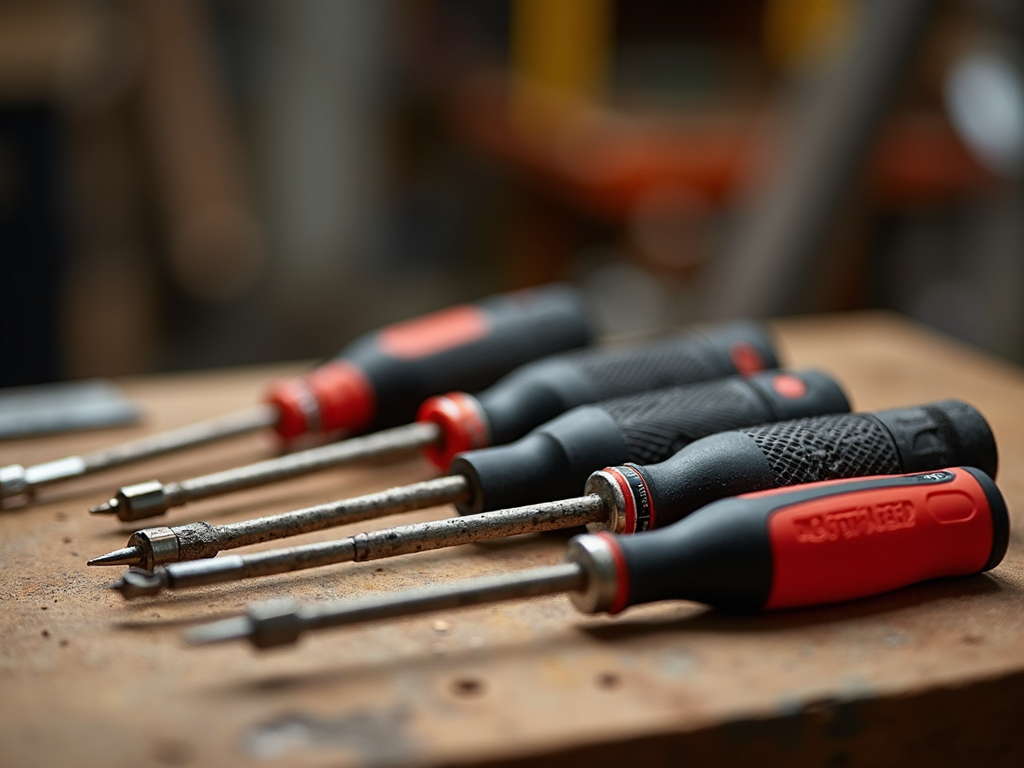
Screwdrivers are a must-have for any homeowner. For electrical work, you'll need both flathead and Phillips head screwdrivers in various sizes. Insulated screwdrivers are particularly important to prevent electrical shock.
I once had to replace a ceiling fan and found that using the right size screwdriver made the installation much smoother. Always ensure your screwdrivers are in good condition to avoid stripping screws.
6. Electrical Tape
Electrical tape is used to insulate electrical wires and other materials that conduct electricity. It's essential for covering exposed wires and ensuring connections are safe.
When using electrical tape, make sure to wrap it tightly and overlap the layers for a secure seal. I always keep a roll of high-quality electrical tape in my toolkit for quick fixes.
7. Circuit Breaker Finder
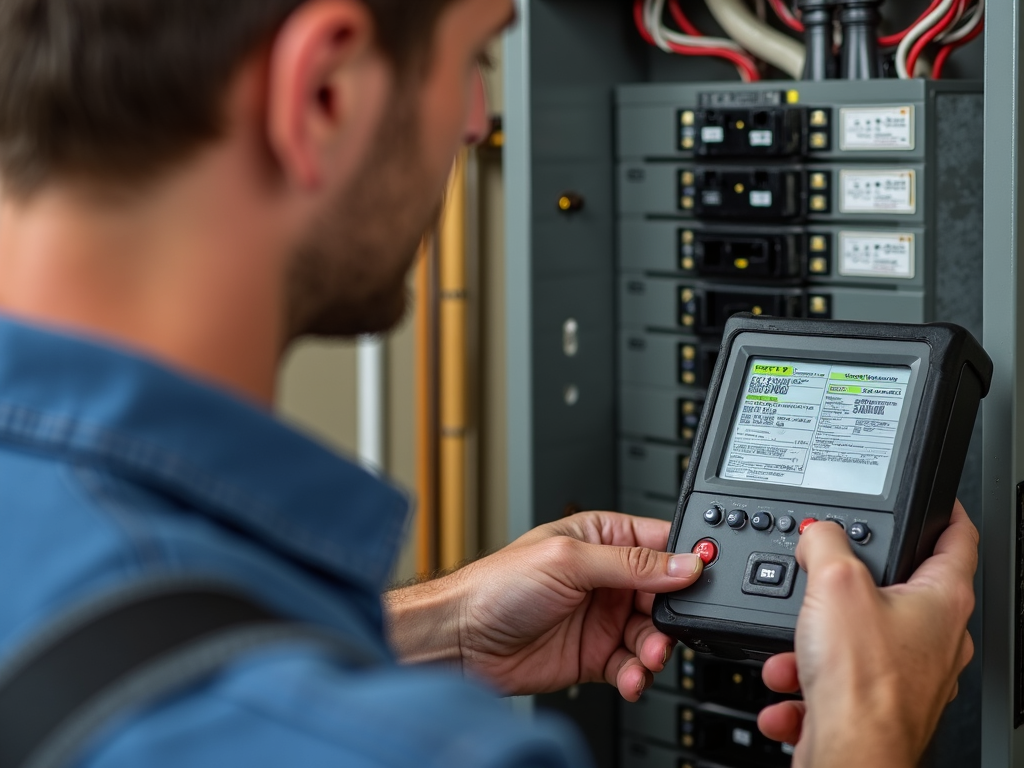
A circuit breaker finder helps you identify which breaker controls a specific outlet or fixture. This tool is invaluable when you need to turn off power to a particular area of your home.
I recall struggling to find the right breaker for a room until I invested in a circuit breaker finder. It saved me so much time and frustration.
8. Fish Tape
Fish tape is used to pull wires through conduits or walls. It's especially useful for installing new wiring or replacing old ones in hard-to-reach places.
When I was renovating my basement, fish tape was a lifesaver for running new electrical lines without tearing down walls.
9. Cable Ripper
A cable ripper is a tool designed to strip the outer sheath from non-metallic sheathed cable (NM cable) without damaging the inner wires.
I find cable rippers to be much more efficient than using a utility knife, which can easily nick the wires if you're not careful.
10. Flashlight
A good flashlight is essential for any electrical work, especially when working in dimly lit areas like attics or crawl spaces. It helps you see clearly and avoid mistakes.
I always keep a small, powerful LED flashlight in my toolkit. It's also handy for checking circuit breakers in the dark.
Safety Practices in Home Electrical Repairs
Safety should always be your top priority when working with electricity. Here are some essential safety practices to follow:
- Turn off the power: Always turn off the circuit breaker or remove the fuse before starting any electrical work.
- Use insulated tools: Insulated tools reduce the risk of electrical shock.
- Wear protective gear: Safety glasses and gloves can protect you from sparks and debris.
- Avoid water: Never work on electrical components in wet conditions.
- Know your limits: If a job seems too complex, call a professional electrician.
For more detailed safety guidelines, refer to the National Electrical Code (NEC).
A Simple Guide to Your Home’s Electrical Setup
Understanding your home's electrical setup can help you identify and fix issues more effectively. Here's a basic overview:
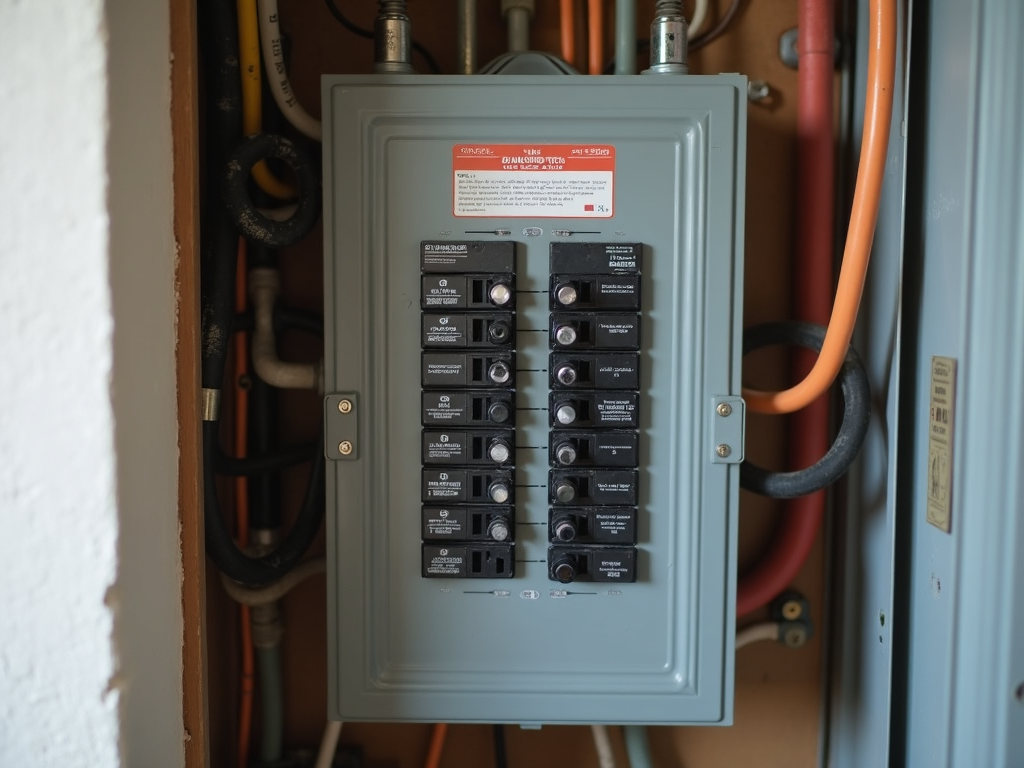
- Service Panel: Also known as the breaker box, this is where the main power enters your home and is distributed to various circuits.
- Circuits: These are the paths that electricity takes to power different areas of your home.
- Outlets and Switches: These are the points where you can access electricity or control it.
- Wiring: The network of wires that carry electricity throughout your home.
Familiarize yourself with your service panel and label each breaker for easy identification. This can save you time when you need to turn off power to a specific area.
Conclusion
Having the right electrical tools can empower you to handle minor repairs and maintenance tasks around your home safely and efficiently. Remember to always prioritize safety and know when to call a professional. With this comprehensive guide to electrical tools, you're well on your way to becoming a more confident and capable homeowner.
Related Top 10 Electrical Tools Every Homeowner Needs:
- Essential Safety Tips for DIY Electrical Work
- Choosing the Right Multimeter
- Essential Chisels in a Woodworker’s Toolkit
- A Look Back at Workman Tools Through the Years
- DIY Woodworking Projects for Beginners: A Comprehensive Guide
- Tool Organization Tips for Painters: Stay Efficient and Productive
- Mastering Electrical Troubleshooting: Essential Tools and Techniques
- DIY Workshop Projects: Build Your Own Storage Solutions
- Safety Practices in Home Electrical Repairs
- How to Maintain Your Tool Set for Longevity
- Workman Tools for Electrical Work: A Comprehensive Guide
- The Benefits of Ergonomic Tools in the Workplace: Enhancing Productivity and Well-being