Introduction
When it comes to home electrical repairs, safety should always be your top priority. Working with electricity can be dangerous, leading to serious injuries or even fatalities if proper precautions aren't taken. In this comprehensive guide, we will delve into essential safety practices in home electrical repairs, discuss various electrical tools, and provide practical tips to ensure your safety while working on electrical projects.
Why Safety is Crucial
Electricity is a powerful force that can cause severe harm if not handled correctly. According to the Electrical Safety Foundation International, electrical accidents account for numerous home injuries each year. The first step in any electrical work is to always turn off the power at the circuit breaker before starting any repairs. This simple act can prevent electric shocks and save lives.
Essential Tools for Electrical Repairs
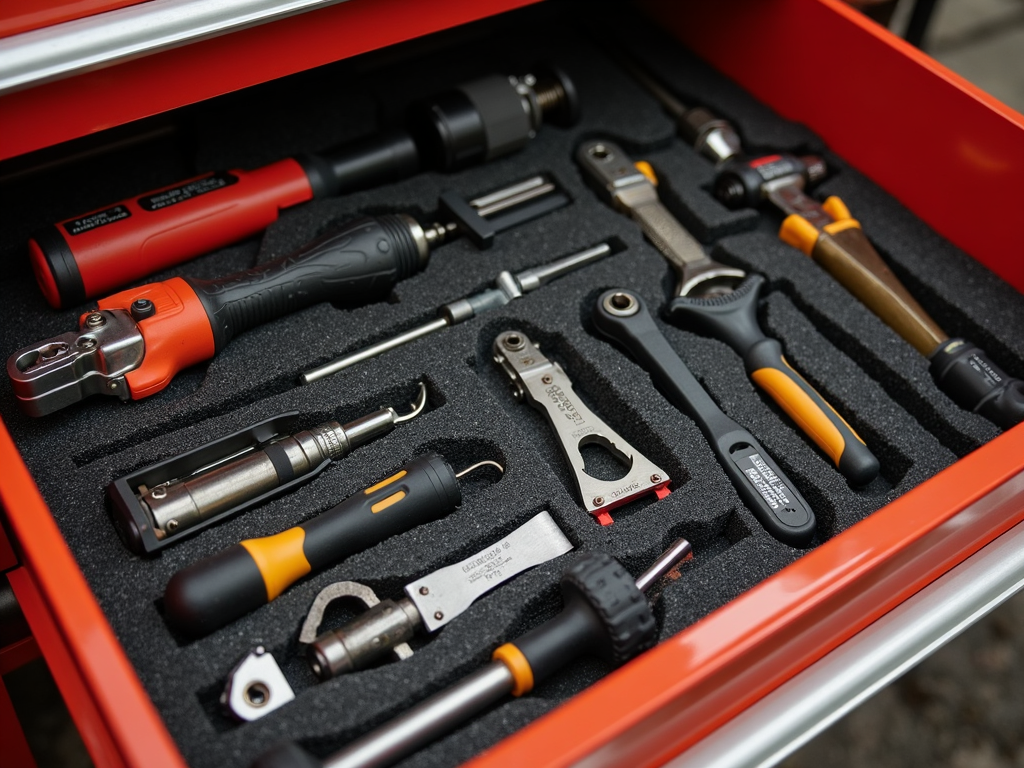
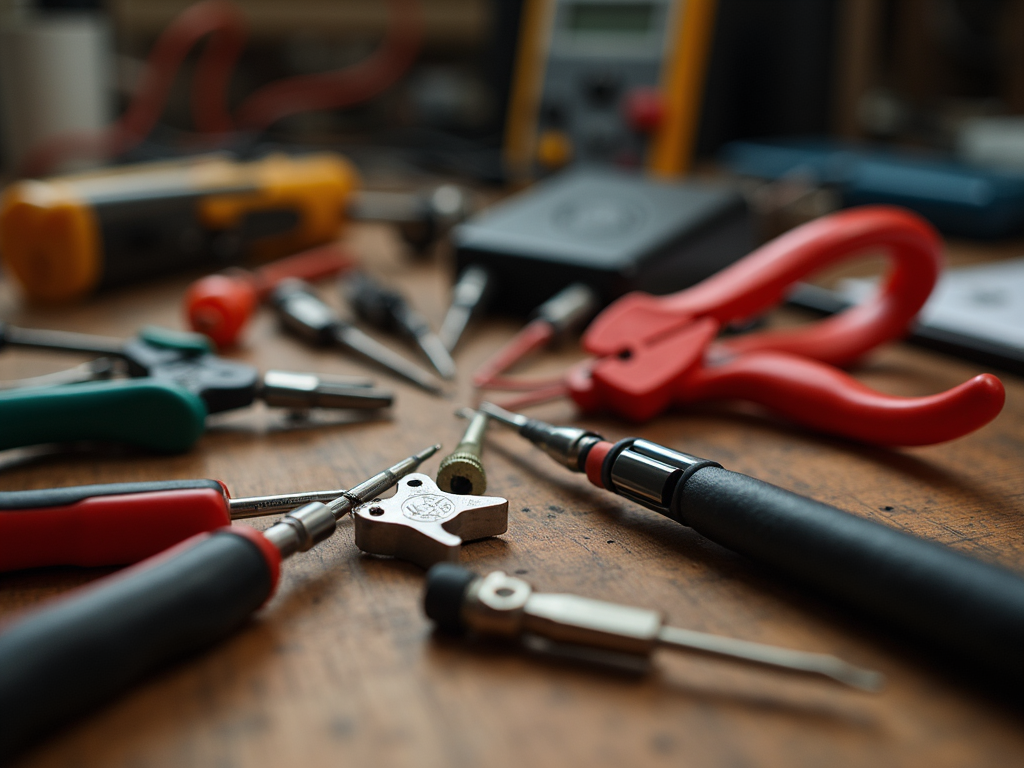
Having the right tools is crucial for any DIY electrical project. Here’s a list of essential tools that not only help you execute repairs effectively but also enhance your safety: - Insulated Screwdrivers: These have a special coating to protect you from electrical shock. - Voltage Tester: Use this tool to confirm that power is off before touching any wires. - Wire Strippers: They are designed to safely strip the insulation from wires without damaging them. - Pliers: Insulated pliers are essential for gripping wires securely.
Personal Protective Equipment (PPE)
Always wear the appropriate personal protective equipment when working on electrical repairs: - Safety Goggles: Protect your eyes from flying debris and sparks. - Rubber Gloves: Insulated rubber gloves help safeguard against electrical shocks. - Non-slip Shoes: Wearing footwear that provides good grip helps prevent slips on potentially wet surfaces.
Common Electrical Repairs
Here are step-by-step guides for common repairs:
Replacing a Light Switch
- Turn off the power at the circuit breaker.
- Use a voltage tester to ensure no power is going to the switch.
- Remove the old switch by unscrewing it from the electrical box.
- Connect the new switch and secure it.
- Turn the power back on and test the switch.
Safety Tip: Always double-check that the power is off before touching any wires.
Fixing a Faulty Outlet
- Make sure the power is off at the circuit breaker.
- Remove the outlet cover with a screwdriver.
- Unscrew the outlet from the wall and disconnect the wires.
- Connect the new outlet in the same configuration as the old one.
- Secure the outlet and replace the cover to finish.
Safety Tip: If you notice burn marks or melting, the outlet should be replaced immediately.
When to Call a Professional
While many electrical projects can be tackled by a handy homeowner, knowing when to call in an expert is crucial. If you're dealing with complex wiring issues, are unsure about how to proceed, or feel uncomfortable at any point, don't hesitate to contact a licensed electrician. Safety should never be compromised.
Conclusion
In conclusion, adhering to safety practices in home electrical repairs is essential to prevent accidents and ensure a safe working environment. Use proper tools, wear protective equipment, and know when to ask for help. By following these guidelines, you can enjoy your DIY projects safely and effectively.
Read More
- "Comprehensive Guide to Electrical Tools"
- "Understanding Your Circuit Breaker"
- "Safety Tips for Home DIY Projects"
- "When to Hire a Professional Electrician"
- "Electrical Safety Basics"
Related Safety Practices in Home Electrical Repairs:
- When to Hire a Professional Electrician: Your Essential Guide
- How to Maintain Your Tool Set for Longevity
- Workman Tools for Electrical Work: A Comprehensive Guide
- The Benefits of Ergonomic Tools in the Workplace: Enhancing Productivity and Well-being
- A Comprehensive Guide to OSHA’s Construction Safety Standards
- Investing in Quality: Why It Pays Off for Contractors
- Essential Tools Every Painter Needs in Their Toolkit
- Essential Tools for Contractors: A Comprehensive Guide
- Picking the Perfect Power Drill: A Buyer’s Guide
- Safety First: Electrical Safety Tips for Workman Tools
- The Ultimate Guide to Tool Belts with Customizable Pockets
- Speed Up Your Painting Projects: 10 Must-Have Tools for Efficiency