Choosing the right power drill can feel overwhelming with so many options on the market. Whether you're a professional contractor or a weekend DIY enthusiast, this guide will help you understand the different types of drills, the key features to consider, and essential safety tips. By the end, you'll be equipped to pick the perfect power drill for your needs.

What is a Power Drill?
A power drill is a versatile tool used for drilling holes and driving screws into materials like wood, metal, and plastic. It's a must-have in any toolbox, offering efficiency and precision that manual tools can't match. From assembling furniture to building decks, power drills make tasks faster and easier.
Types of Power Drills
There are several types of power drills, each suited to different tasks. Understanding their differences will help you choose the right one for your projects.
Corded Drills
These drills are powered by electricity and offer consistent, unlimited power. They're ideal for heavy-duty tasks but require access to a power outlet, which can limit mobility.
Pros:
- Unlimited power supply
- Generally more powerful than cordless models
Cons:
- Limited mobility due to the cord اء- Heavier and less maneuverable
Cordless Drills
Powered by rechargeable batteries, cordless drills offer portability and convenience. They're perfect for working in tight spaces or outdoors but may have less power than corded models.
Pros:
- Highly portable
- No cord to restrict movement
Cons:
- Battery life can be limited
- May require frequent recharging
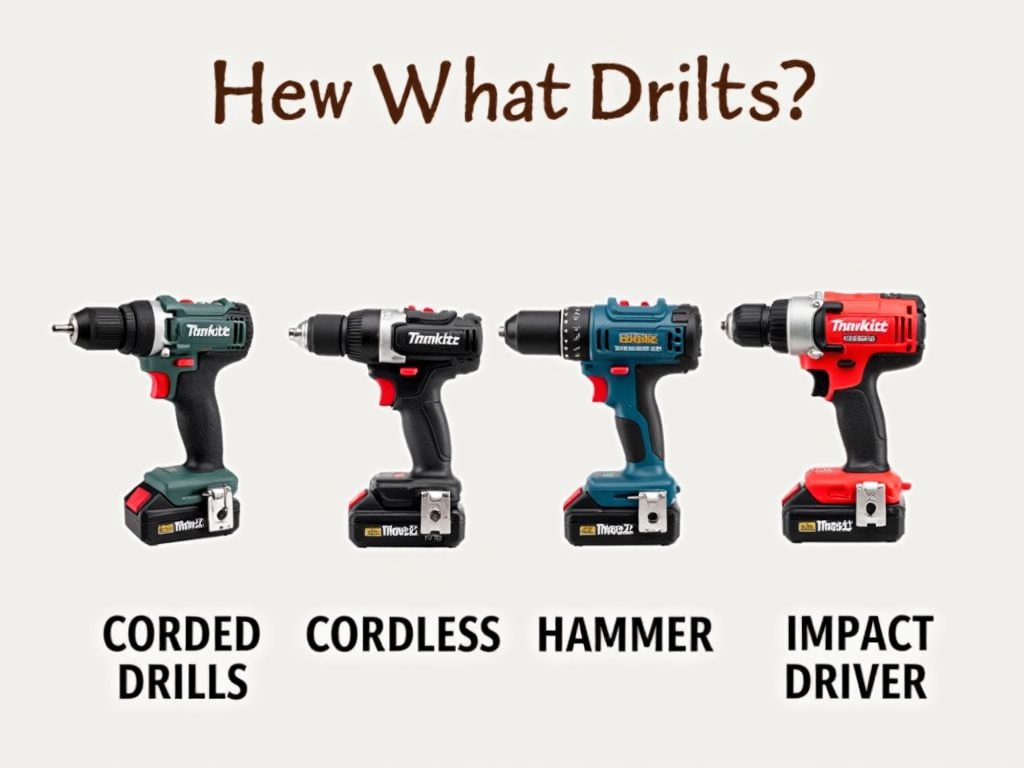
Hammer Drills
Hammer drills combine rotary drilling with a hammering action, making them ideal for drilling into hard materials like concrete or masonry. They're more powerful than standard drills but can be overkill for simple tasks.
Pros:
- Excellent for tough materials
- Versatile for various drilling needs
Cons:
- Heavier and louder
- More expensive
Impact Drivers
While not traditional drills, impact drivers are designed for driving screws and bolts with high torque. They're commonly used in construction and automotive work.
Pros:
- High torque for tough jobs
- Compact and lightweight
Cons:
- Not ideal for drilling holes
- Can be noisy
Key Features to Consider
When shopping for a power drill, several features can impact its performance and suitability for your tasks. Here's what to look for:
Power and Torque
Power is measured in volts (for cordless drills) or amps (for corded drills), indicating the drill's capability. Torque, measured in inch-pounds, shows the twisting force. For example, if you're drilling into hardwoods or metals, you'll need a drill with higher torque to handle the resistance.
Battery Life (for Cordless Drills)
Look for lithium-ion batteries with high amp-hour (Ah) ratings for longer run times. A 2.0 Ah battery will last longer than a 1.5 Ah one, reducing downtime for recharging.
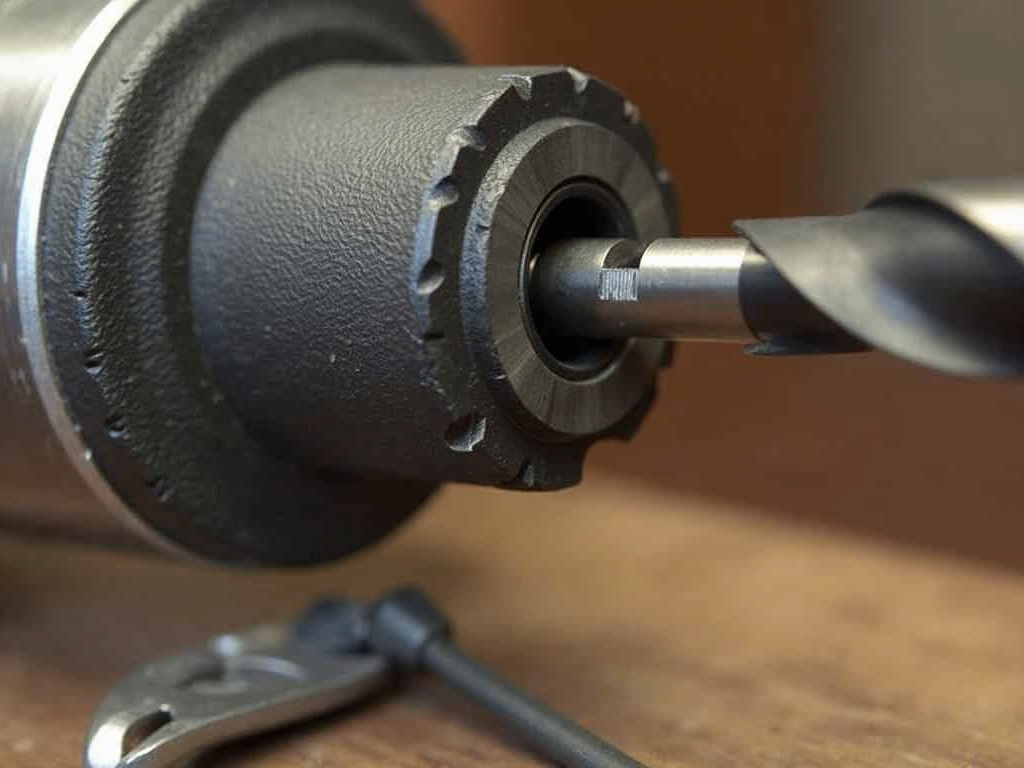
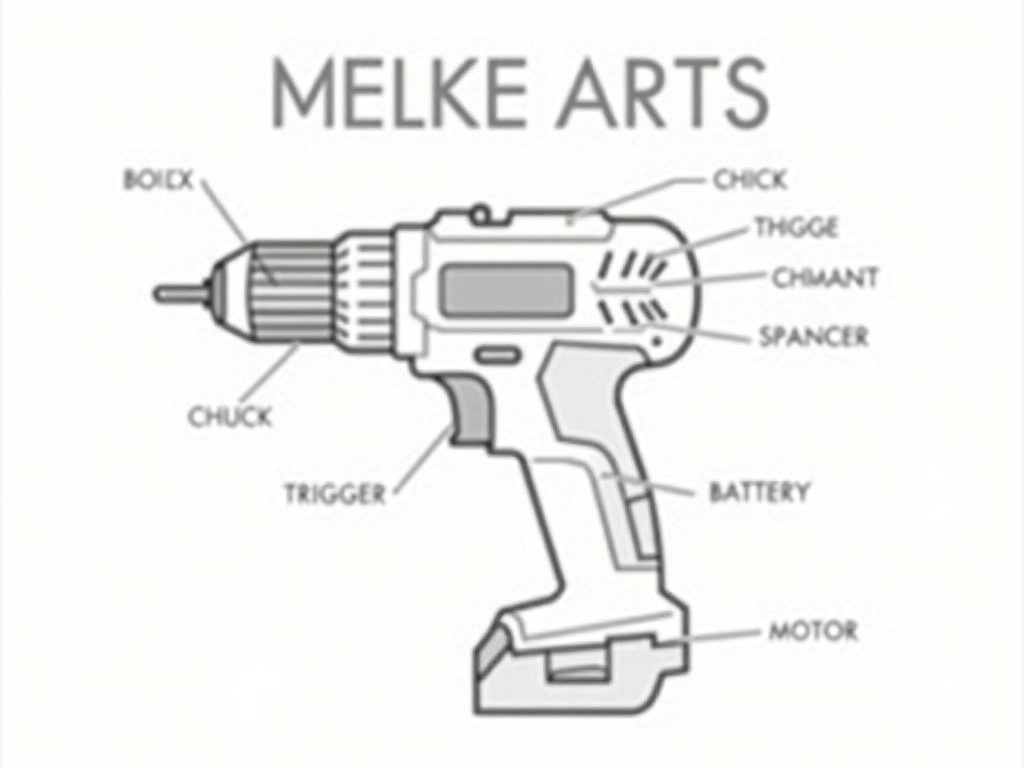
Chuck Size
The chuck holds the drill bit. Common sizes are 3/8-inch and 1/2-inch, with larger chucks accommodating bigger bits for heavier tasks.
Speed Settings
Variable speed settings allow better control, especially when starting a hole or driving screws. Some drills also have multiple gears for different torque levels.
Ergonomics
A comfortable grip and balanced weight distribution make the drill easier to handle, reducing fatigue during extended use. Look for drills with rubberized grips and adjustable handles.
To help you compare, here's a quick overview of the features across different drill types:
| Feature | Corded Drill | Cordless Drill | Hammer Drill | Impact Driver |
|---|---|---|---|---|
| Power Source | Electricity | Battery | Electricity | Battery |
| Mobility | Limited | High | Limited | High |
| Best For | Heavy-duty | General use | Masonry | Driving screws |
| Torque | High | Variable | High | Very High |
Essential Safety Gear for Power Tool Users
Safety should always be a priority when using power tools. Here are some essential guidelines to follow:
- Wear Safety Gear: Always use safety goggles to protect your eyes from flying debris. Gloves can provide a better grip and protect your hands, but ensure they don't get caught in the drill. Ear protection is also recommended for noisy environments.

-
Proper Handling: Hold the drill firmly with both hands and keep your fingers away from the trigger when not in use. Never carry the drill by the cord or battery.
-
Awareness: Be mindful of your surroundings, especially when working on ladders or in tight spaces. Ensure the work area is well-lit and free of tripping hazards.
-
Storage: Store the drill in a dry place, away from children and pets. For cordless drills, remove the battery when not in use to prevent accidental activation.
For more detailed power tools safety guidelines, refer to OSHA's Power Tool Safety Guidelines. Always read the user manual before using a new power drill, as it contains specific safety instructions and operating procedures.
Personal Insights
I remember my first experience with a power drill. I was assembling a bookshelf and underestimated the tool's power, driving a screw too deep and damaging the wood. It taught me the importance of understanding the drill's settings and using the right torque for the task.
Another common mistake is using the wrong drill bit for the material. For example, using a wood bit on metal can damage both the bit and the workpiece. Always match the bit to the material—wood bits for wood, masonry bits for concrete, and so on.
Summary
Choosing the perfect power drill involves understanding the different types, key features, and safety considerations. Whether you opt for a corded, cordless, hammer, or impact driver, ensure it meets your specific needs. Remember to prioritize safety by wearing the right gear and following proper handling procedures.
Related Picking the Perfect Power Drill: A Buyer’s Guide:
- Safety First: Electrical Safety Tips for Workman Tools
- The Ultimate Guide to Tool Belts with Customizable Pockets
- Speed Up Your Painting Projects: 10 Must-Have Tools for Efficiency
- Top 10 Must-Have Tools for Every Contractor
- How to Prepare Surfaces for Painting: A Complete Guide for Professional Results
- The Ultimate Guide to Metalworking Tools
- Maintenance Tips for Workman Tools: A Comprehensive Guide for Construction Professionals
- Mastering Craftsmanship: Essential Tool Techniques
- 10 Must-Have Tools for Every Workshop
- Extending Tool Longevity with Routine Checks: A Comprehensive Guide
- Unlocking the Benefits of Oscillating Tools for Tight Spaces
- Advanced Troubleshooting Techniques for Electricians