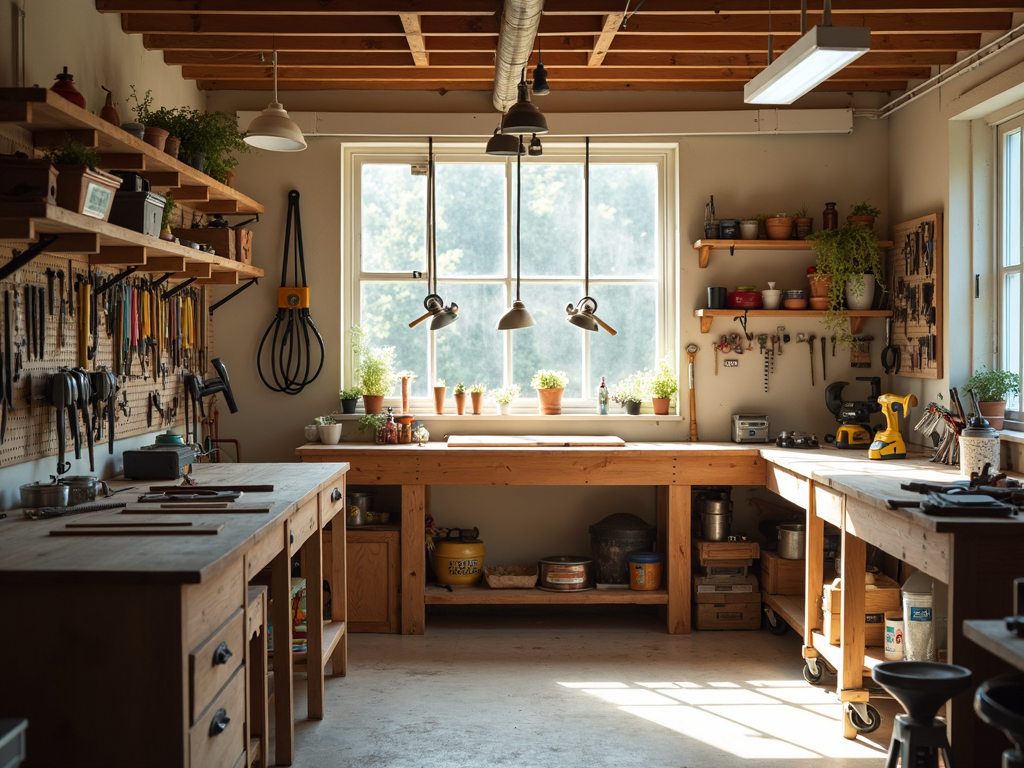
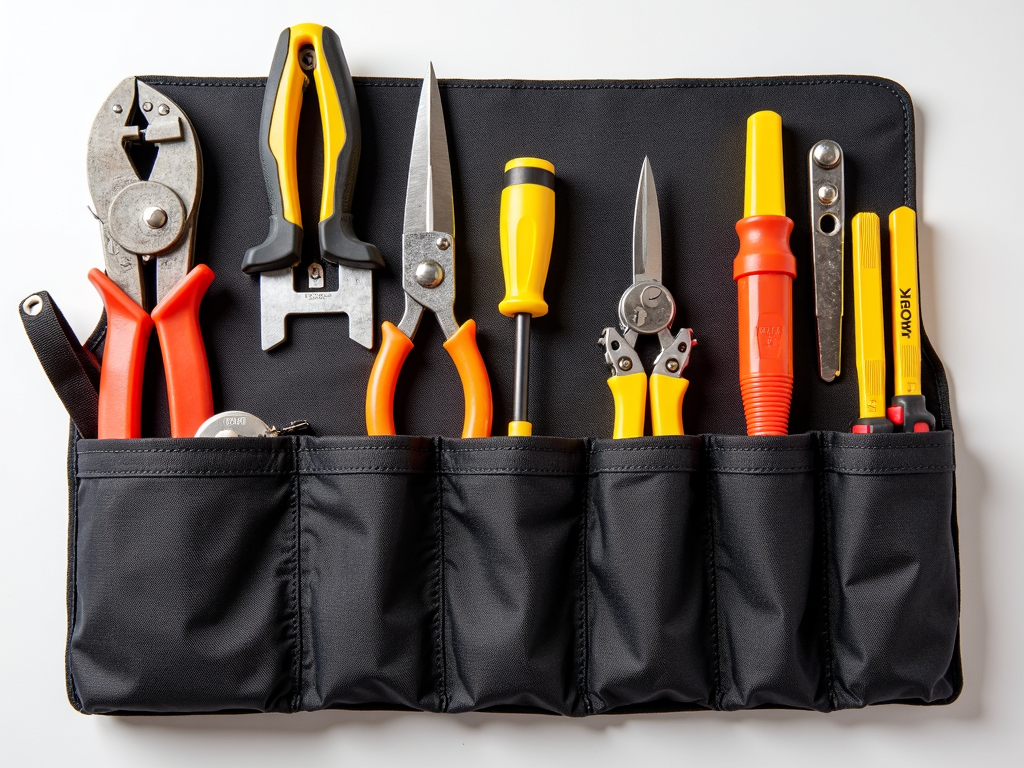
Craftsmanship is an art that blends skill, creativity, and the right tools. Whether you’re new to the craft or a seasoned pro, Mastering Craftsmanship: Essential Tool Techniques can elevate your work. This guide dives into understanding hammer dynamics, ergonomics, and the 10 must-have tools every craftsman should own.
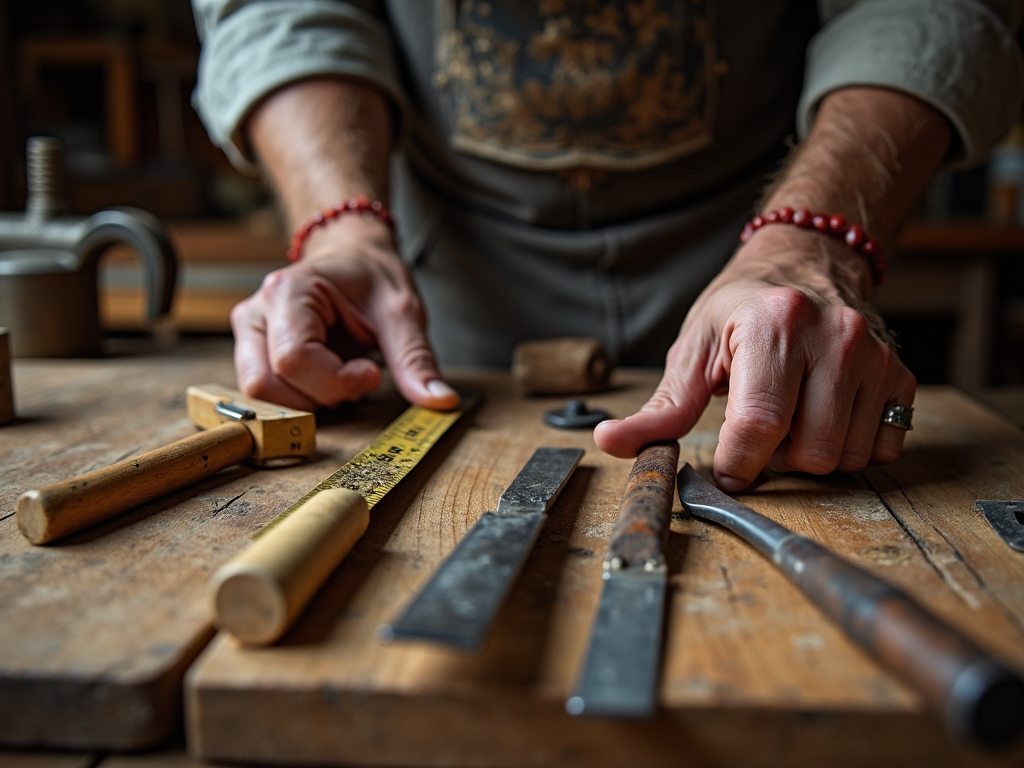
Why Tools Matter in Craftsmanship
The heart of great craftsmanship lies in choosing the right tools. A good tool doesn’t just get the job done—it makes the work smoother and the results sharper. I’ve spent years tinkering in my workshop, and one thing stands out: quality tools save time and frustration. Take hammers, for instance. Picking the right one can mean the difference between a solid joint and a shaky frame.
Understanding Hammer Dynamics and Ergonomics
Hammers are more than just a handle and a head—they’re a craftsman’s best friend when used right. Understanding hammer dynamics and ergonomics is key to mastering craftsmanship. The way a hammer feels in your hand and moves through the air affects every strike.
Here’s what to focus on: - Weight: A heavy hammer packs a punch but wears you out. A lighter one takes more swings but keeps you going. - Balance: A well-balanced hammer feels like an extension of your arm. - Handle: Look for grips that reduce shock. I once used a cheap hammer with a slick handle—my wrist paid the price after an hour.
When I built my daughter’s bookshelf, switching to an ergonomic hammer cut my fatigue in half and made every nail drive straight.
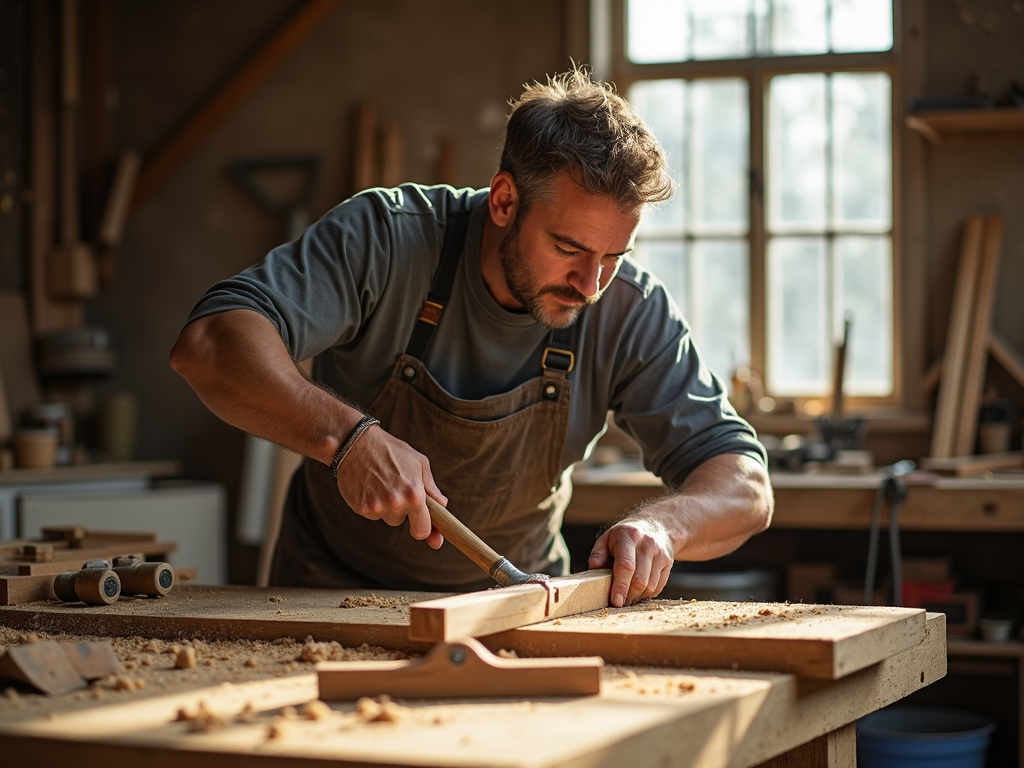
Comparing Hammer Types
Not sure which hammer fits your needs? Here’s a quick table to help:
| Hammer Type | Best For | Weight Range | Ergonomic Tip |
|---|---|---|---|
| Claw Hammer | Nails, prying | 16-20 oz | Curved handle reduces strain |
| Ball Peen Hammer | Metal shaping | 8-32 oz | Short handle for control |
| Sledge Hammer | Heavy demolition | 2-20 lbs | Long handle for power |
Choose based on your project. For woodworking, I stick to a claw hammer—it’s versatile and easy on the hands.
10 Must-Have Tools for Every Craftsman
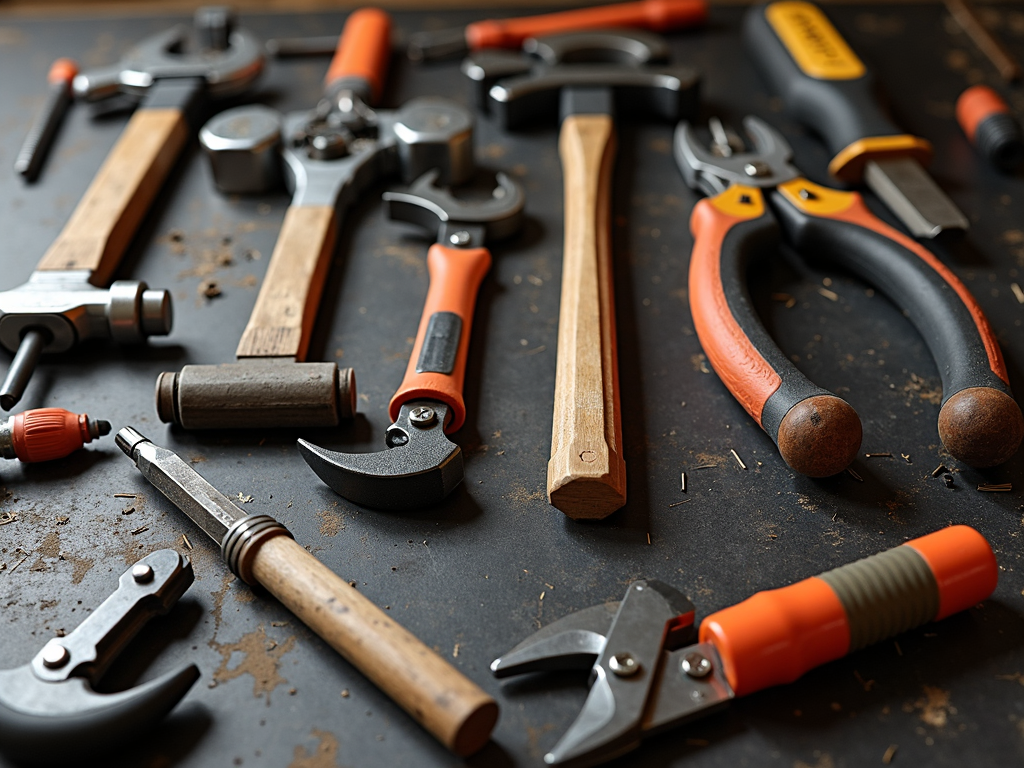
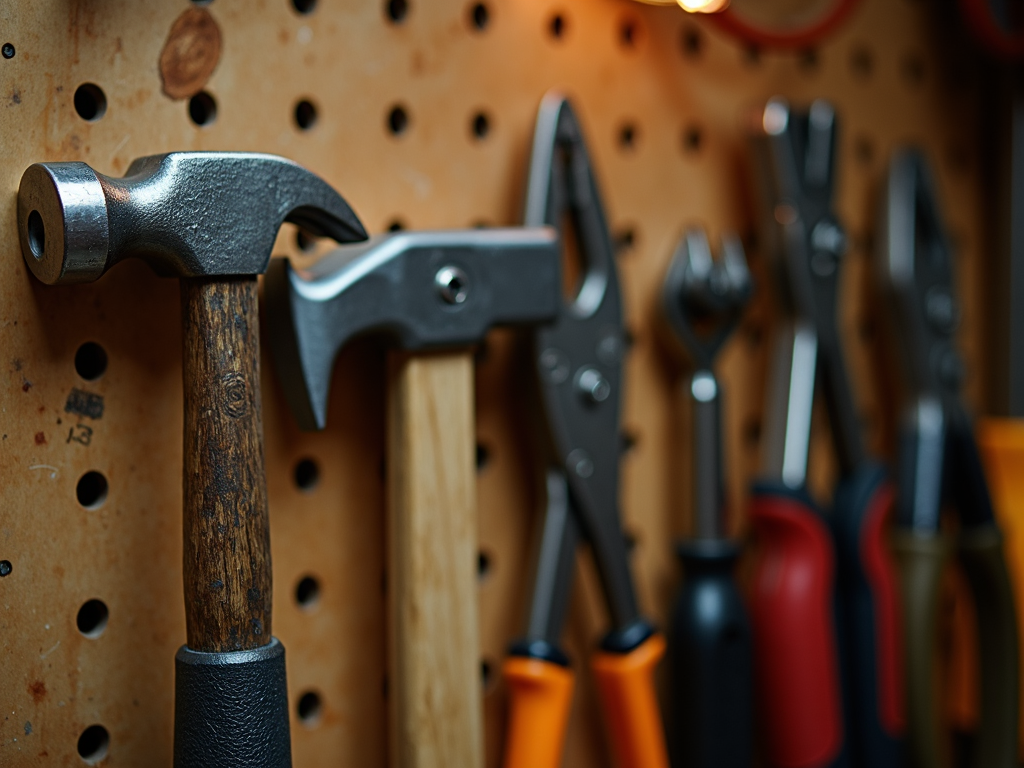
Every craftsman needs a solid toolkit. Here’s my list of 10 must-have tools for every craftsman, based on years of trial and error:
- Claw Hammer: Drives nails and pries them out. Get one with a comfy grip.
- Tape Measure: Accuracy starts here. A 25-footer with a lock is my go-to.
- Utility Knife: Cuts through anything light. Replace the blade often.
- Screwdriver Set: Flathead and Phillips in multiple sizes cover most jobs.
- Pliers: Grip, twist, or cut wire. Needle-nose is perfect for small stuff.
- Level: Keeps things straight. A 12-inch bubble level works for most projects.
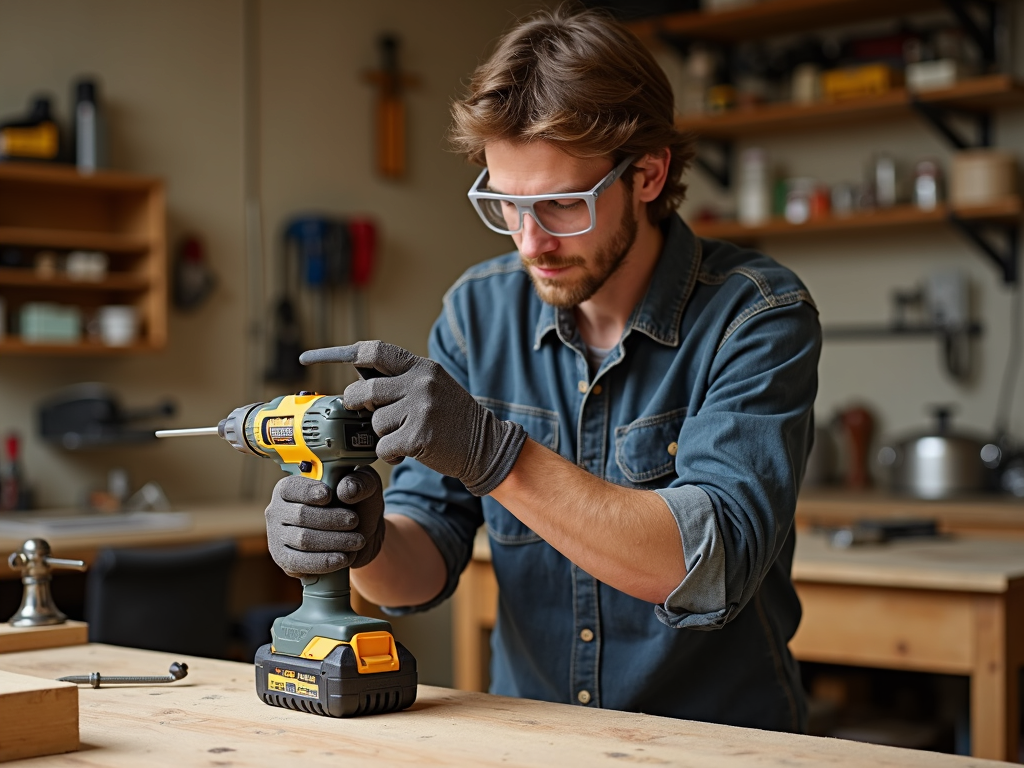
- Safety Glasses: Save your eyes from flying bits. Non-negotiable.
- Work Gloves: Protect your hands without losing grip.
- Chisel Set: Shapes wood like a dream. Sharpness is everything.
- Power Drill: Holes and screws in seconds. Cordless is worth it.
These tools have bailed me out of countless jams, from fixing a chair to building a shed.
Getting the Most Out of Your Tools
Owning tools is one thing—using them well is another. Here are some tips I’ve learned:
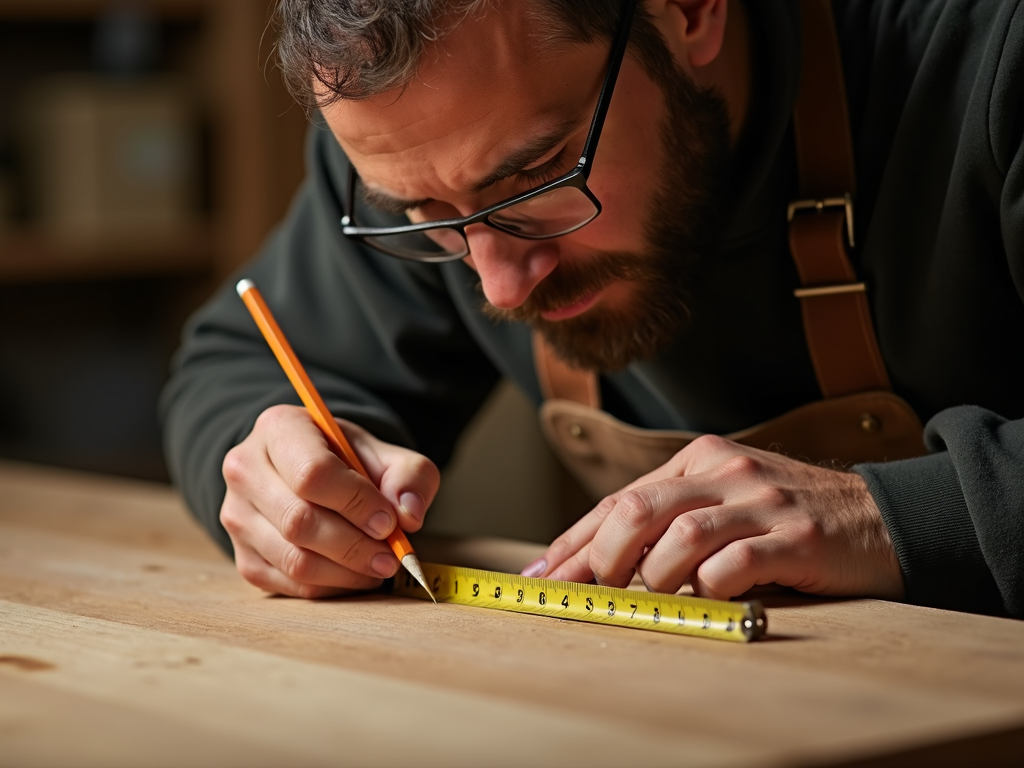
- Measure Twice: Double-check before you cut or hammer. It saves headaches.
- Keep Them Sharp: A dull chisel or knife is a fight waiting to happen.
- Hold Steady: A firm grip on your hammer means cleaner strikes.
I once rushed a cut on a table leg and ended up with a wobbly mess. Slowing down taught me precision beats speed every time.
Hammers: The Unsung Heroes
Let’s talk more about hammers. They’re simple but powerful. The trick is matching the hammer to the task. A claw hammer is my staple for woodworking, but when I tackled a metal sculpture, a ball peen hammer was a game-changer. Understanding hammer dynamics and ergonomics helps you work smarter, not harder. Check out resources like the American Hammer Association for deeper insights—those experts know their stuff.
Safety and Maintenance
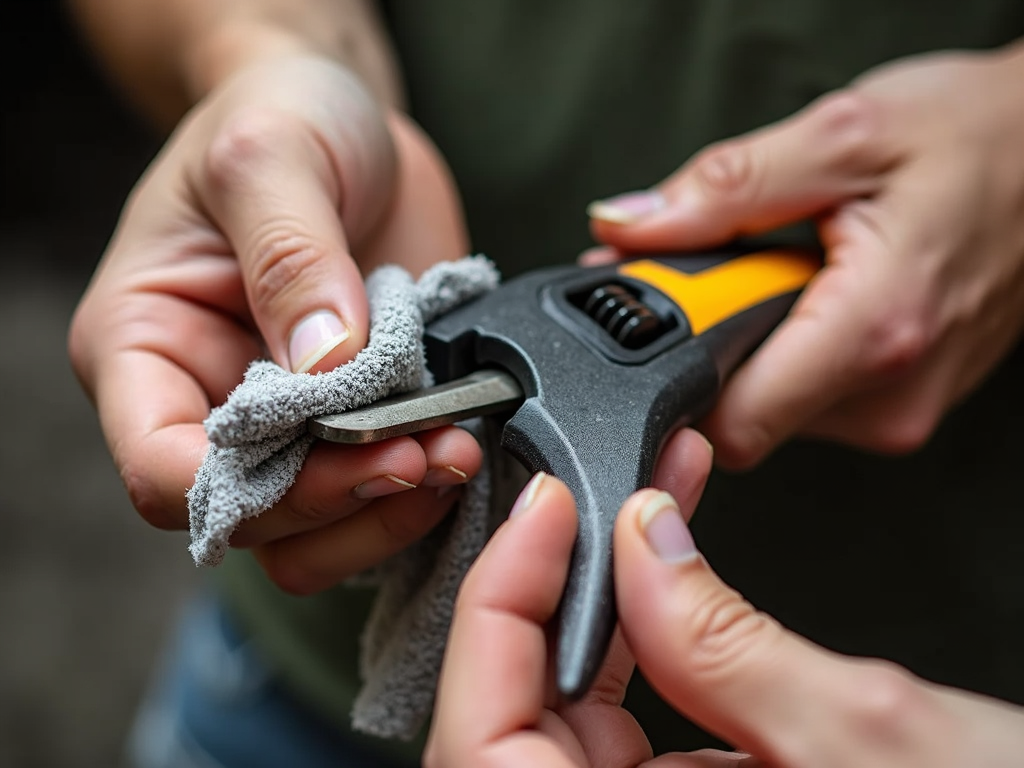
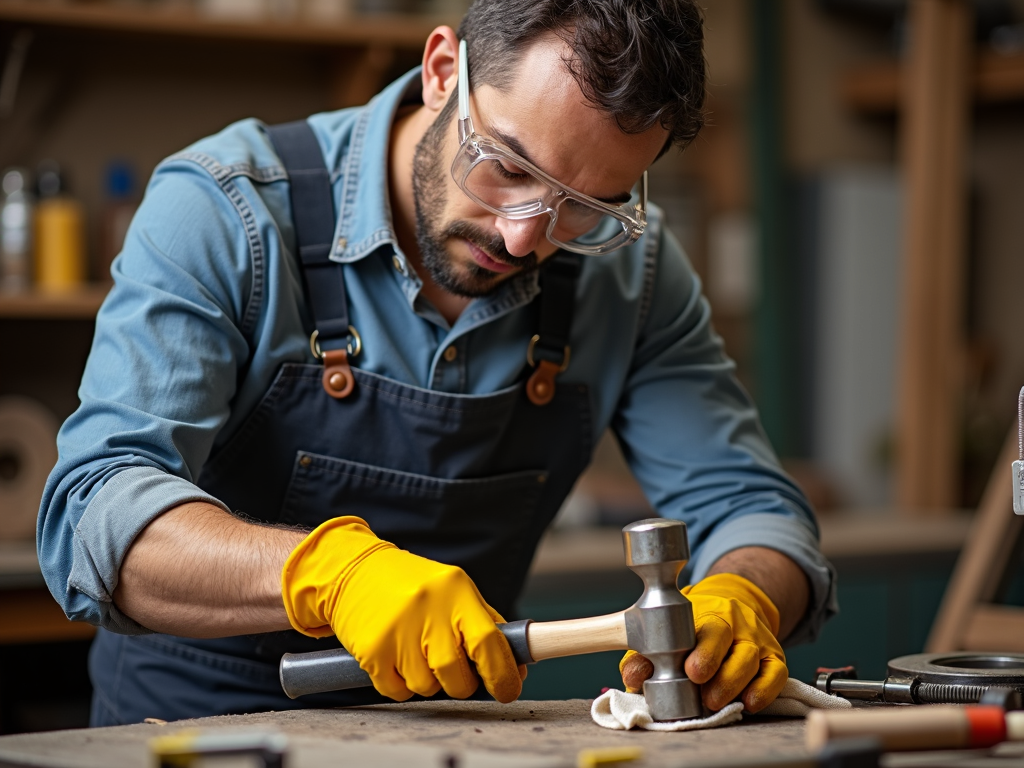
Tools don’t work if you’re hurt or they’re broken. Wear safety glasses and gloves every time—I learned that after a splinter nearly took my eye out. Clean your tools after use, too. Rust on my old hammer once made it slip mid-swing. A little oil and a rag keep them ready.
Putting It All Together
Mastering Craftsmanship: Essential Tool Techniques isn’t just about tools—it’s about how you use them. From picking the right hammer to keeping your kit in shape, every step builds your skill. The 10 must-have tools are your foundation, and understanding their dynamics makes you unstoppable. Craftsmanship is a craft worth perfecting, one project at a time.
Related Mastering Craftsmanship: Essential Tool Techniques:
- Tool Care Basics: Longevity and Performance
- 10 Must-Have Tools for Every Workshop
- Extending Tool Longevity with Routine Checks: A Comprehensive Guide
- Unlocking the Benefits of Oscillating Tools for Tight Spaces
- Advanced Troubleshooting Techniques for Electricians
- The Painter’s Toolkit: Essential Tools and How to Care for Them
- Power Drill Safety Tips for Beginners
- Modern Workman Tools with Ergonomic Design: Comfort Meets Efficiency
- Tips for Setting Up a Productive Home Office
- 10 Essential Tools for Your Workshop
- Training Programs for Construction Workers: Enhancing Safety and Skills
- Essential Workman Tools for Electricians and Plumbers: A Comprehensive Guide