As a contractor, your tools are your lifeline. They can make the difference between a job well done and a costly mistake. In this article, we'll explore the top 10 must-have tools that every contractor should have in their toolkit. Whether you're a seasoned pro or just starting out, these essential gear for new contractors will help you tackle any project with confidence.
Imagine you're on a job site, and you realize you're missing a crucial tool. It's not just inconvenient; it can delay the project and affect the quality of your work. That's why having the right tools is essential for contractors. But with so many options available, how do you choose the best ones? In this article, we'll cut through the noise and highlight the top 10 must-have tools for every contractor. These are the workman tools that will help you deliver top-quality work, every time.
Tool 1: Hammer
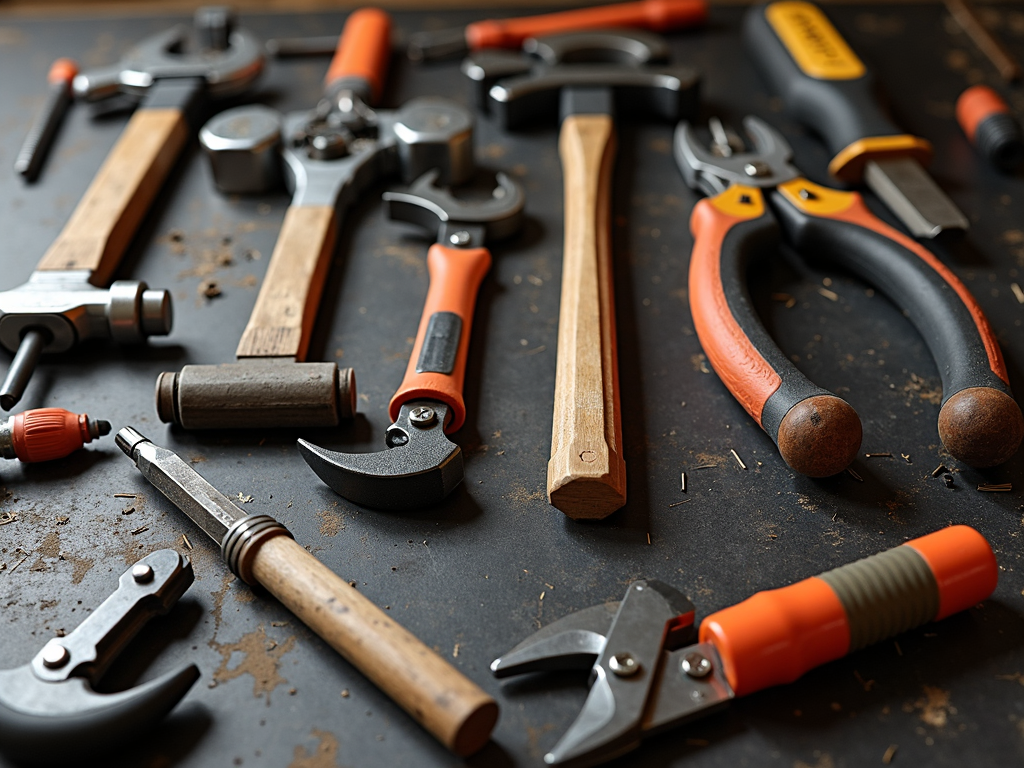
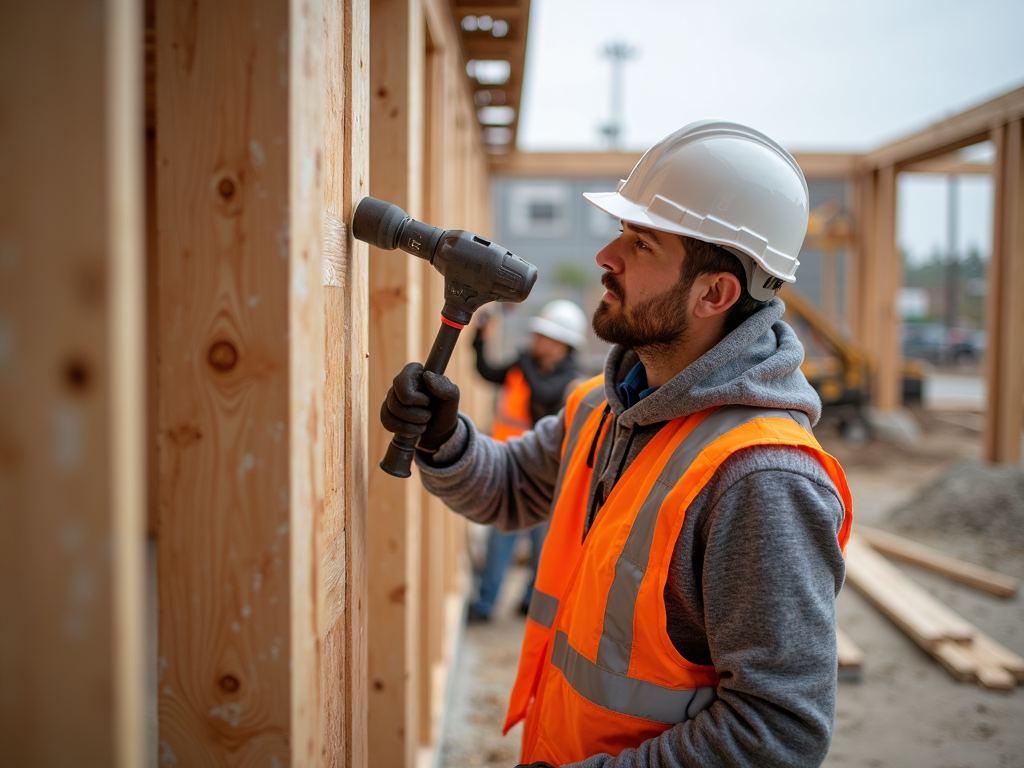
A hammer is perhaps the most iconic tool in a contractor's arsenal. It's used for driving nails, removing nails, and even light demolition work. A good hammer should have a comfortable grip, a balanced weight, and a durable head.
I remember my first hammer—it was a hand-me-down from my father. It wasn't the fanciest, but it got the job done. Over the years, I've learned that investing in a quality hammer can make a world of difference. Look for one with a forged steel head and a shock-absorbing handle to reduce fatigue.
When choosing a hammer, consider the type of work you'll be doing. A framing hammer is great for heavy-duty tasks, while a finish hammer is better for precision work. Always wear safety glasses when using a hammer to protect your eyes from flying debris.
Tool 2: Screwdriver Set
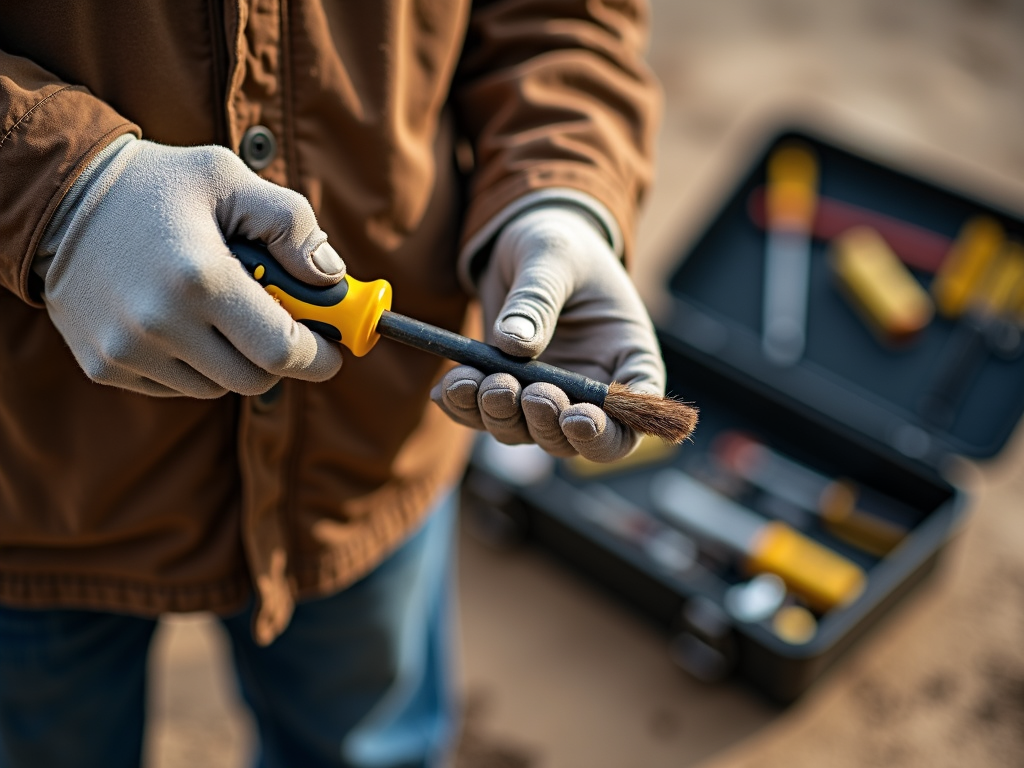
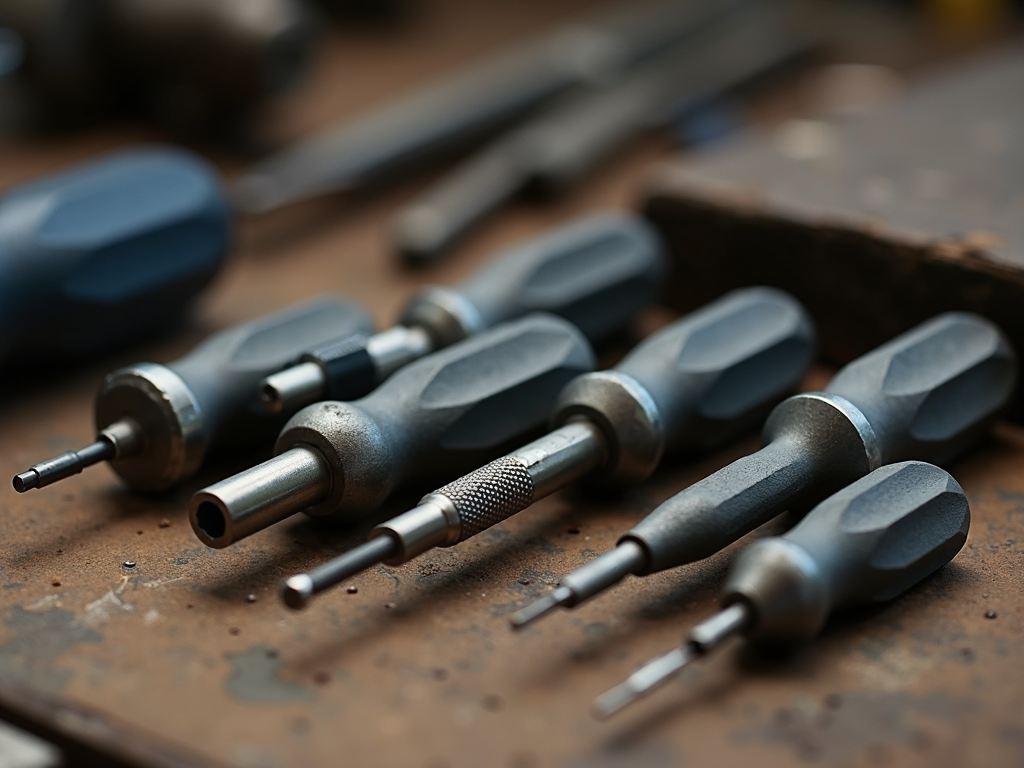
Screwdrivers are essential for driving screws in various sizes and types. A good set should include multiple heads, such as flathead and Phillips, to handle different screws.
I've lost count of the times a screwdriver has saved the day. Whether it's assembling furniture or fixing a loose hinge, a reliable screwdriver set is a must-have. I prefer sets with magnetic tips to hold screws in place.
Look for screwdrivers with ergonomic handles for comfort during extended use. Also, consider getting a set with interchangeable bits for versatility.
Tool 3: Tape Measure
Accurate measurements are crucial in contracting work. A tape measure allows you to measure lengths, widths, and heights with precision.
I once mismeasured a piece of wood by half an inch, and it threw off the entire project. Since then, I've always double-checked my measurements. A good tape measure should be durable, with a locking mechanism to hold the tape in place.
Choose a tape measure with both metric and imperial units for versatility. Also, look for one with a standout feature, which allows the tape to extend without bending.
Tool 4: Utility Knife
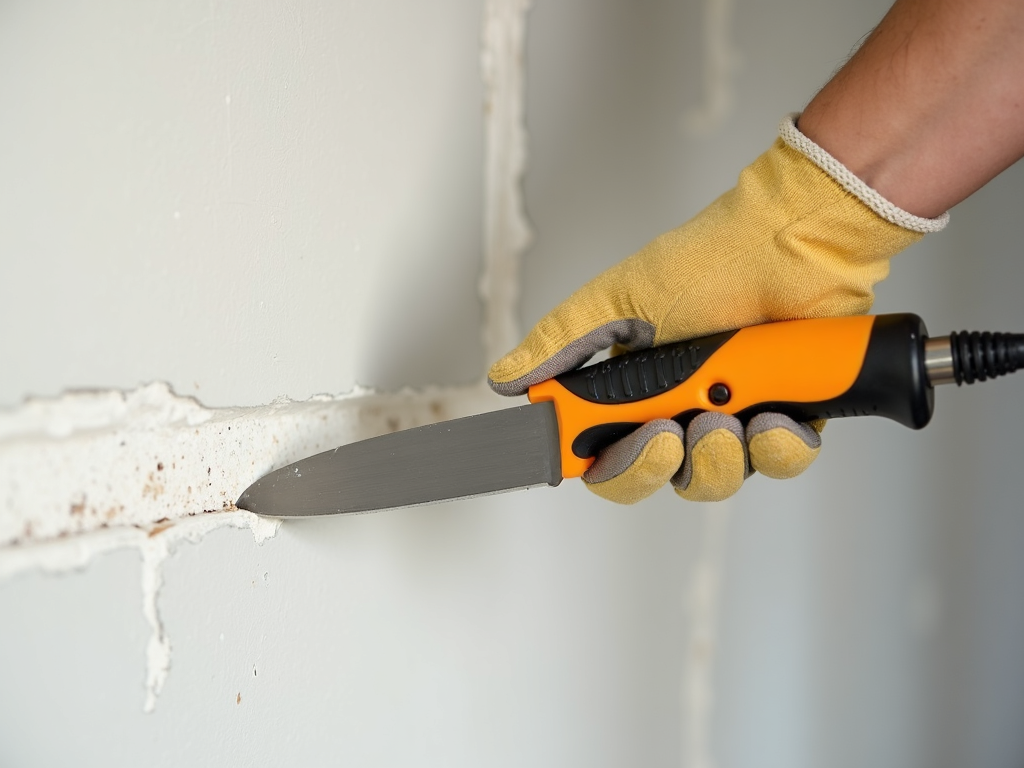
A utility knife is useful for cutting materials like drywall, carpet, and insulation. It should have a sharp, retractable blade for safety.
I've used utility knives for everything from opening packages to scoring drywall. A sharp blade is essential, so I always keep spare blades on hand.
When using a utility knife, always cut away from your body to avoid accidents. Also, replace the blade regularly to ensure clean cuts.
Tool 5: Pliers
Pliers are versatile tools for gripping, bending, and cutting wires. A set with different types, such as needle-nose and slip-joint pliers, is ideal.
Pliers have been my go-to tool for electrical work and small repairs. I once used needle-nose pliers to retrieve a small screw that fell into a tight space.
Look for pliers with insulated handles for electrical work. Also, keep them clean and lubricated to prevent rust.
Tool 6: Wrench Set
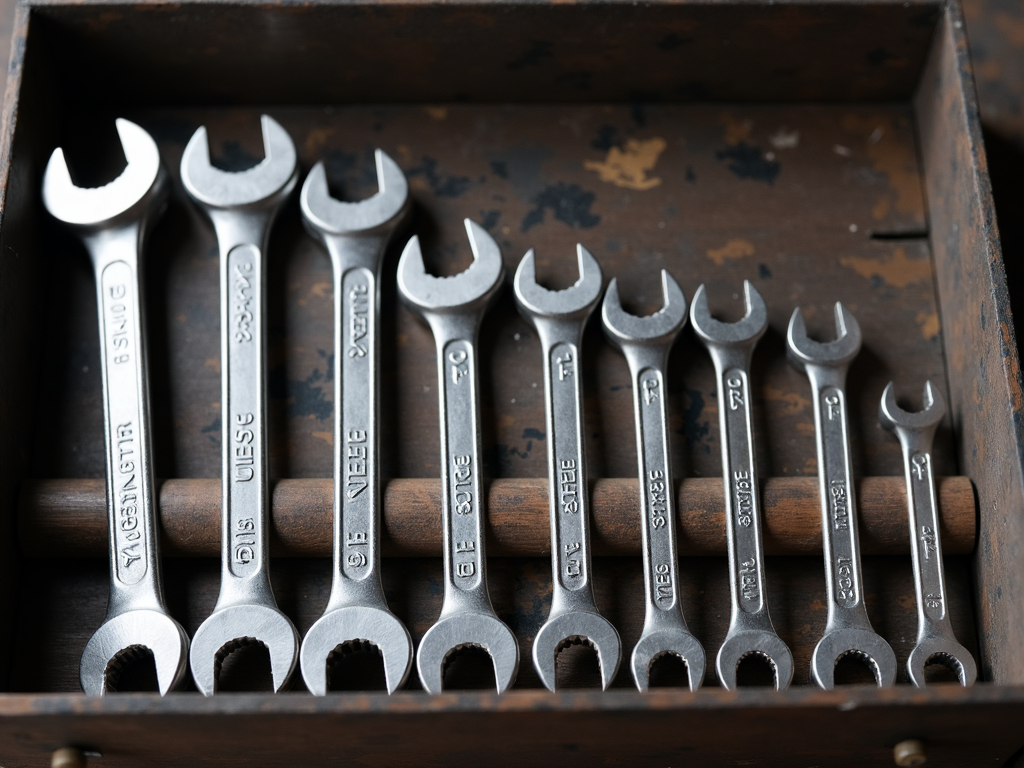
Wrenches are essential for tightening and loosening nuts and bolts. An adjustable wrench or a set of fixed wrenches is necessary.
I've found that having a variety of wrench sizes is crucial. An adjustable wrench is versatile, but fixed wrenches provide better grip for specific sizes.
When using a wrench, apply steady pressure and avoid over-tightening, which can strip the threads.
Tool 7: Level
A level ensures that surfaces are straight and even. It can be a bubble level or a laser level.
I once installed a shelf without checking if it was level, and it was noticeably crooked. Since then, I always use a level for any installation work.
For larger projects, a laser level can save time and provide greater accuracy. For smaller tasks, a bubble level is sufficient.
Tool 8: Drill
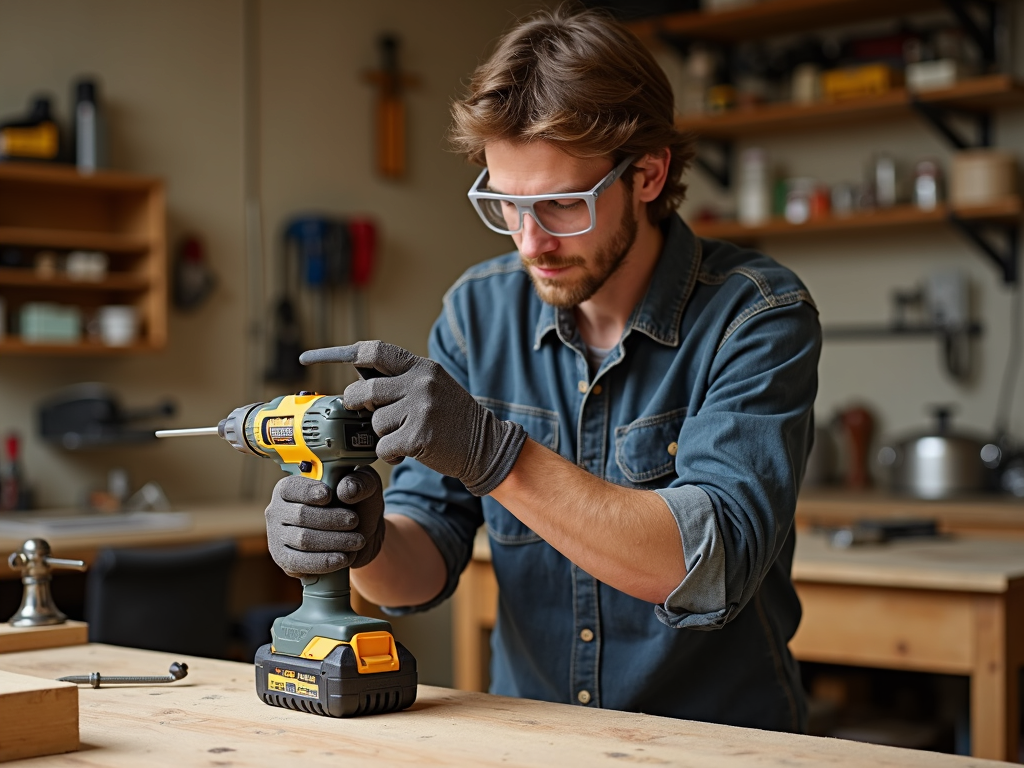
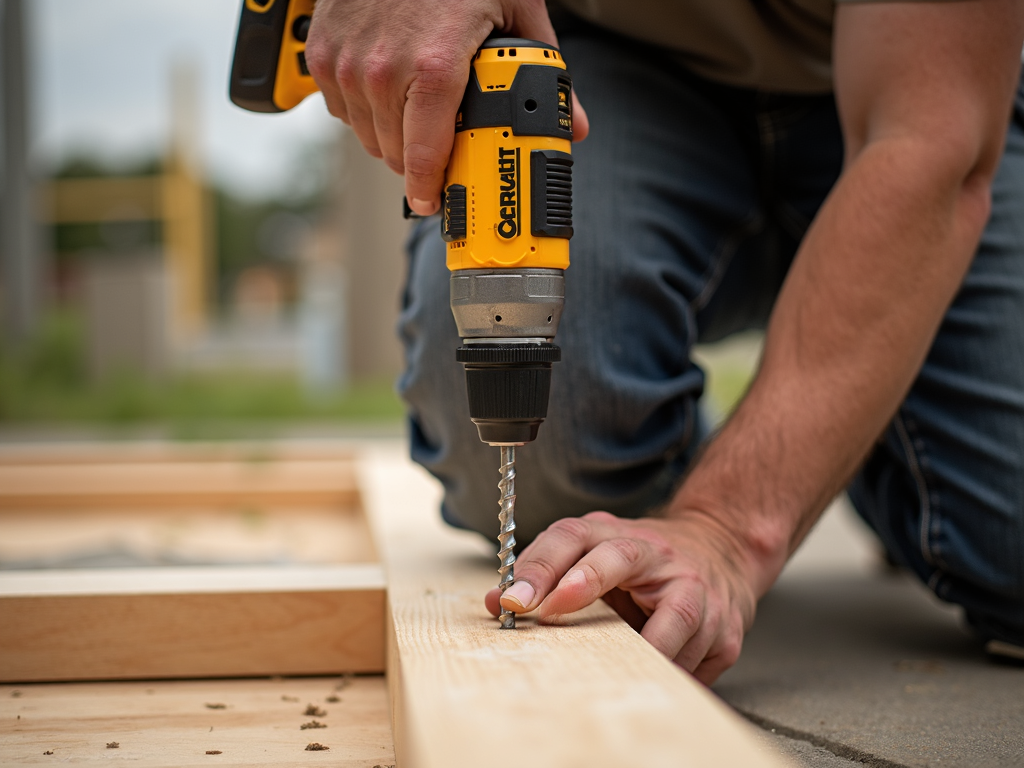
A drill is a power tool for drilling holes and driving screws. Cordless drills are convenient for mobility.
My cordless drill is one of my most used tools. It's perfect for quick tasks and can handle a variety of bits for different materials.
Invest in a drill with variable speed settings and a keyless chuck for easy bit changes. Also, keep spare batteries charged for uninterrupted work.
Tool 9: Saw
Saws are necessary for cutting wood, metal, or other materials. A handsaw or a power saw (circular saw, reciprocating saw) can be used depending on the task.
I started with a handsaw, but once I switched to a circular saw, my cutting efficiency improved dramatically. For demolition work, a reciprocating saw is invaluable.
Always use the appropriate saw for the material you're cutting. Wear safety gear, including gloves and eye protection, when using saws.
Tool 10: Tool Belt/Tool Box
A tool belt or tool box is essential for organizing and carrying tools efficiently. It keeps your tools within reach and protects them from damage.
I used to carry my tools in a bucket, but it was disorganized and inefficient. Switching to a tool belt made a huge difference in my productivity.
Choose a tool belt with multiple pockets and loops for different tools. For larger tools, a sturdy tool box with compartments is ideal.
Having the right tools is crucial for any contractor. The top 10 must-have tools we've discussed—hammer, screwdriver set, tape measure, utility knife, pliers, wrench set, level, drill, saw, and tool belt/tool box—are essential for delivering top-quality work. Invest in quality tools, maintain them properly, and always prioritize safety on the job site.
Related Top 10 Must-Have Tools for Every Contractor:
- How to Prepare Surfaces for Painting: A Complete Guide for Professional Results
- The Ultimate Guide to Metalworking Tools
- Maintenance Tips for Workman Tools: A Comprehensive Guide for Construction Professionals
- Mastering Craftsmanship: Essential Tool Techniques
- 10 Must-Have Tools for Every Workshop
- Extending Tool Longevity with Routine Checks: A Comprehensive Guide
- Unlocking the Benefits of Oscillating Tools for Tight Spaces
- Advanced Troubleshooting Techniques for Electricians
- The Painter’s Toolkit: Essential Tools and How to Care for Them
- Power Drill Safety Tips for Beginners
- Modern Workman Tools with Ergonomic Design: Comfort Meets Efficiency
- Tips for Setting Up a Productive Home Office